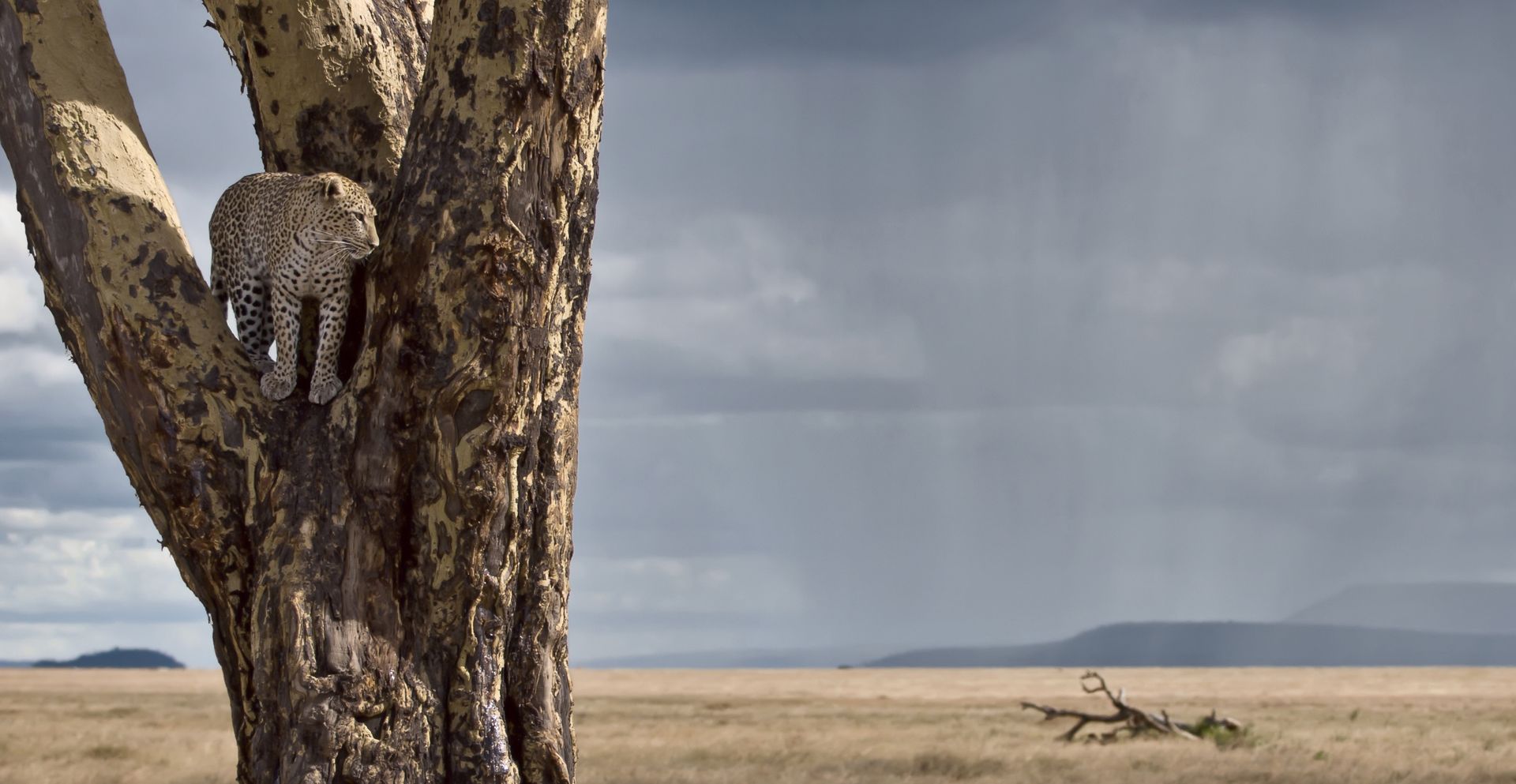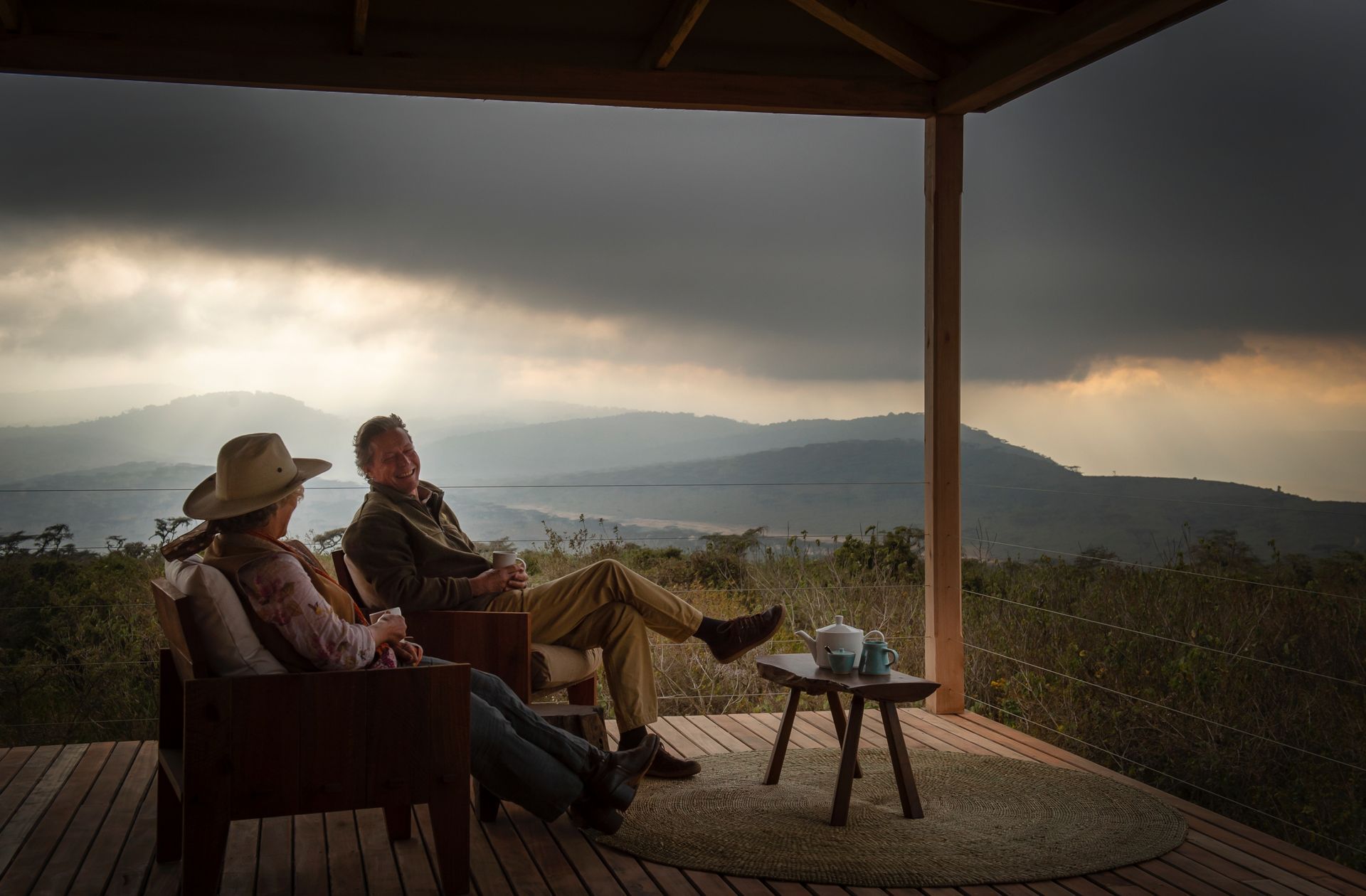
The perfect way to end a safari!
Spend a few days in breathtaking Zanzibar
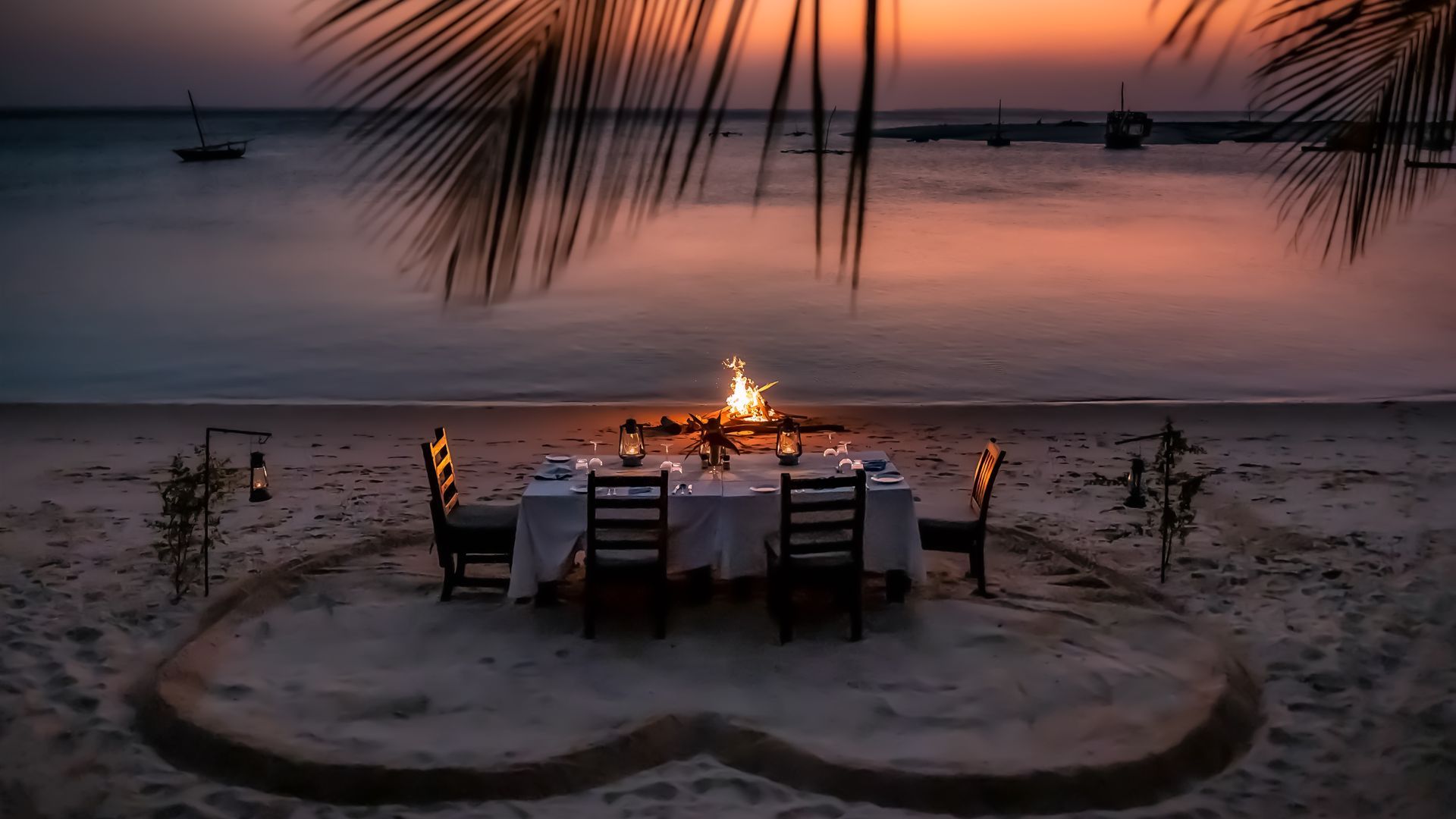
After the thrill of a northern circuit safari in Tanzania, it's great to spend a few days in an entirely different environment - on a sun-kissed soft, white sand beach with palm trees swaying gently overhead and the warm waters of the Indian Ocean beckoning just footsteps away... This is Zanzibar, and it's the perfect complement to a traditional wildlife safari, offering the chance to relax, reflect, and immerse yourself in a world of cultural richness and natural beauty...
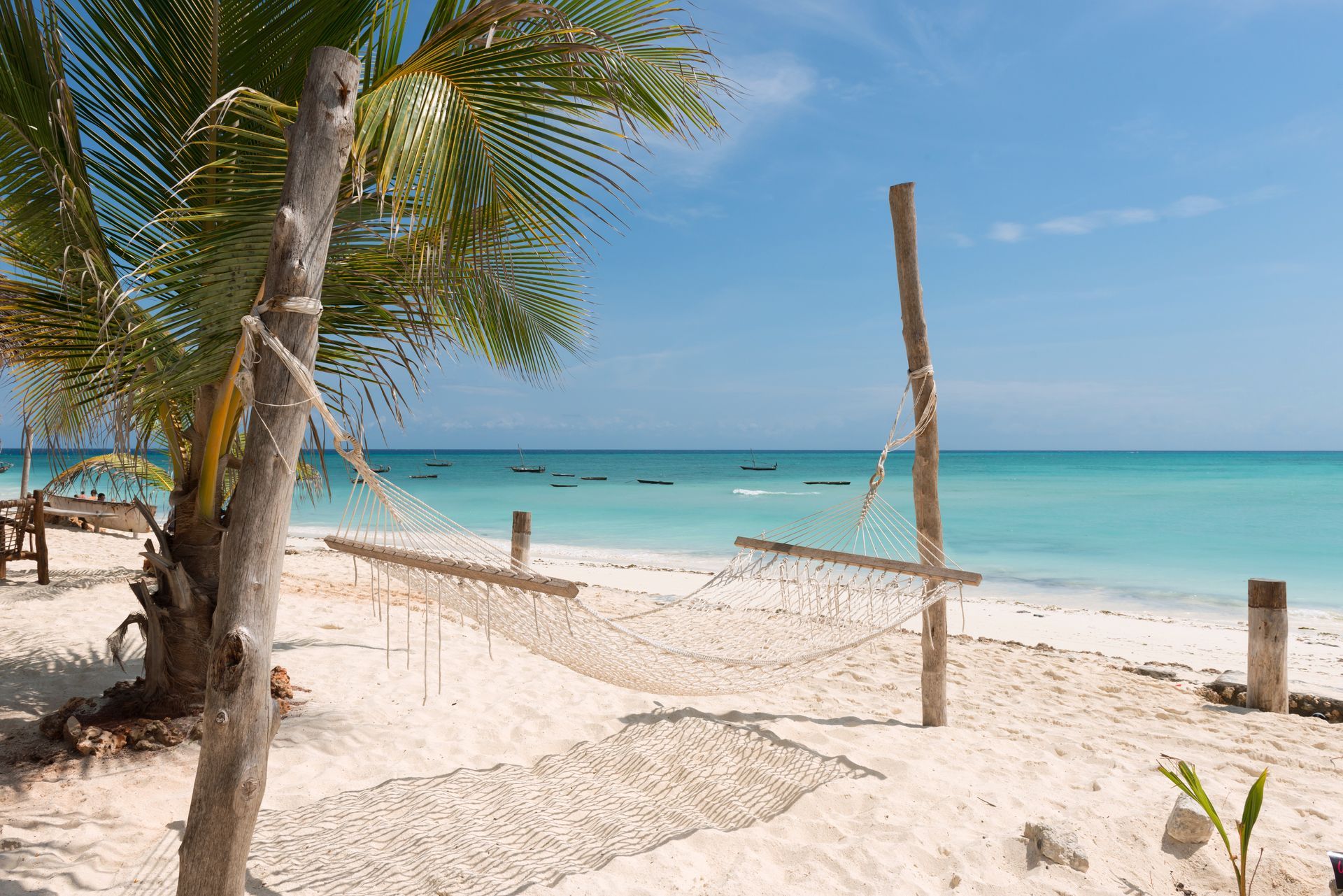


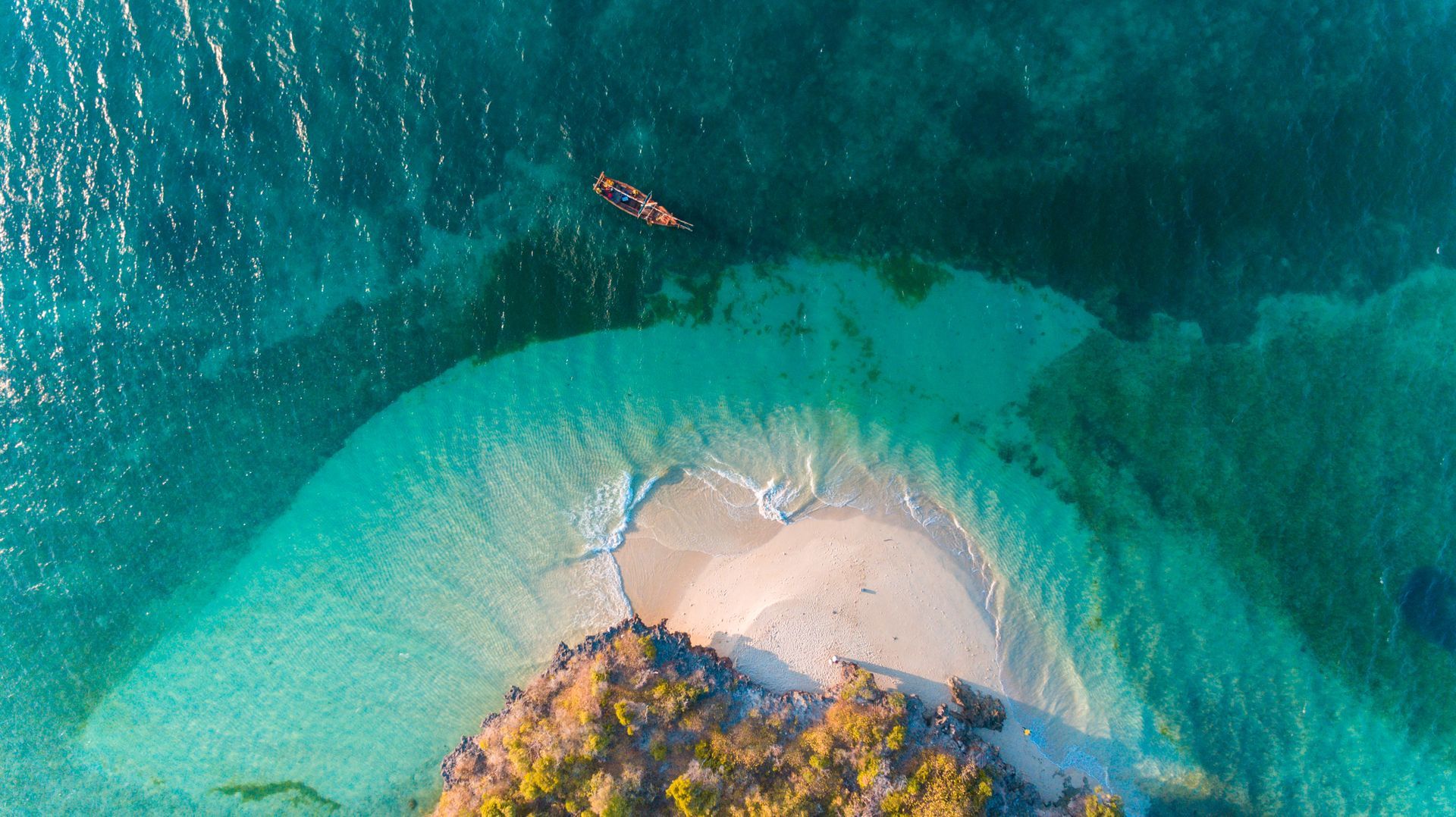


This enchanting archipelago off East Africa’s coast combines pristine beaches, fascinating history, and diverse activities. Indeed, Zanzibar’s story is as captivating as its landscapes. For centuries, it was at the heart of Indian Ocean trade routes, linking Africa, Arabia, India, and beyond.
This melting pot of cultures has left an indelible mark on the islands, most notably in Stone Town, the historic centre of Zanzibar and a UNESCO World Heritage Site. Wandering through Stone Town’s narrow, maze-like streets feels like stepping into another era. Its architecture is a reflection of its multicultural past, with intricately carved wooden doors from Oman, coral stone buildings with lattice balconies, and Indian-inspired courtyards.
Every corner has a story to tell, from the faded grandeur of its old mansions to the bustling Forodhani Gardens night market, where the aroma of spiced kebabs and freshly grilled seafood fills the air.
Historic sites
Once a key trading hub for ivory, spices, and enslaved people, the islands played a central role in shaping the Swahili Coast’s history. Today, visitors can delve into this past at sites like the Old Fort, the House of Wonders (Beit-al-Ajaib), and the Anglican Cathedral, which stands on the site of a former slave market. These landmarks not only offer a glimpse into Zanzibar’s history but also provide a deeper understanding of its cultural identity and resilience.
For those with an interest in shopping and local craftsmanship, Stone Town offers an array of options. Its bustling bazaars are filled with handwoven textiles, locally made jewellery, and beautifully crafted wooden carvings. Spice tours provide an opportunity to learn about the cultivation of cloves, vanilla, and cardamom—crops that earned Zanzibar its nickname, the Spice Islands. These tours are both educational and sensory, offering a hands-on experience of the island’s agricultural heritage.
Sun, sea and sand...
Beyond Stone Town, Zanzibar’s coastlines offer a very different kind of charm. The island’s beaches are world-renowned, each with its own character and appeal. On the eastern coast, tranquil stretches of white sand are lapped by crystal-clear waters, while offshore coral reefs teem with marine life. Nungwi and Kendwa, in the north, are known for their lively atmosphere and spectacular sunsets, while quieter spots like Pongwe and Matemwe cater to those seeking seclusion. Accommodation options range from boutique beachside lodges to luxurious private villas, all offering warm hospitality and stunning views of the Indian Ocean.
For travellers craving exclusivity, the smaller islands surrounding Zanzibar are hard to beat. Mnemba Island, a private paradise just off the northeastern coast, epitomises barefoot luxury. With only a handful of bandas scattered along its pristine shoreline, guests can enjoy unparalleled privacy and personalised service. Mnemba is also a haven for marine conservation, where efforts to protect coral reefs and endangered species like green turtles are seamlessly integrated into the guest experience. Days here are spent snorkelling, diving, or simply soaking up the serenity of the island—a world apart from the hustle of modern life.
Adventure on tap
Zanzibar also caters to those with a love of adventure. The coral reefs surrounding the islands are a diver’s dream, with sites like Leven Bank offering the chance to encounter reef sharks, rays, and vibrant schools of fish. Snorkelling, kayaking, and windsurfing are popular options for those keen to explore the coastline, while dhow cruises at sunset provide a more relaxed way to experience the ocean.
Inland, the Jozani Forest offers a different kind of adventure. Home to the endemic Zanzibar red colobus monkey, this lush forest is a reminder of the island’s ecological diversity. Guided walks reveal the intricate interplay between mangroves, tidal ecosystems, and the creatures that inhabit them.
Bursting with flavour
Zanzibar’s food scene is another highlight, with its cuisine reflecting the island’s multicultural heritage. A meal here is a journey in itself, with influences from India, the Middle East, and Africa creating a vibrant mix of flavours. From aromatic Swahili curries to fresh seafood grilled to perfection, every dish tells a story. Visitors can enjoy fine dining at luxury resorts or sample local specialities at beachside shacks and bustling markets.
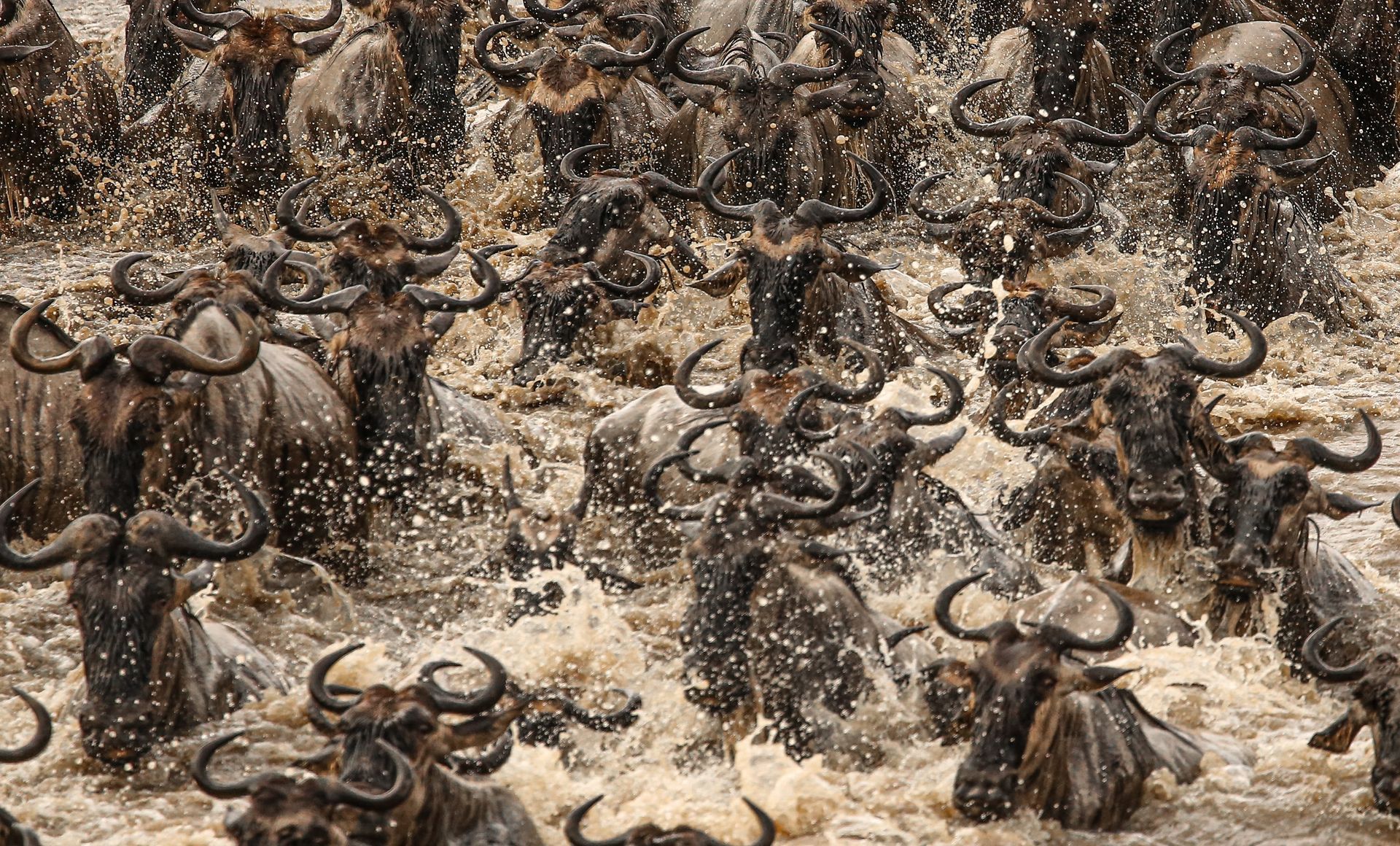
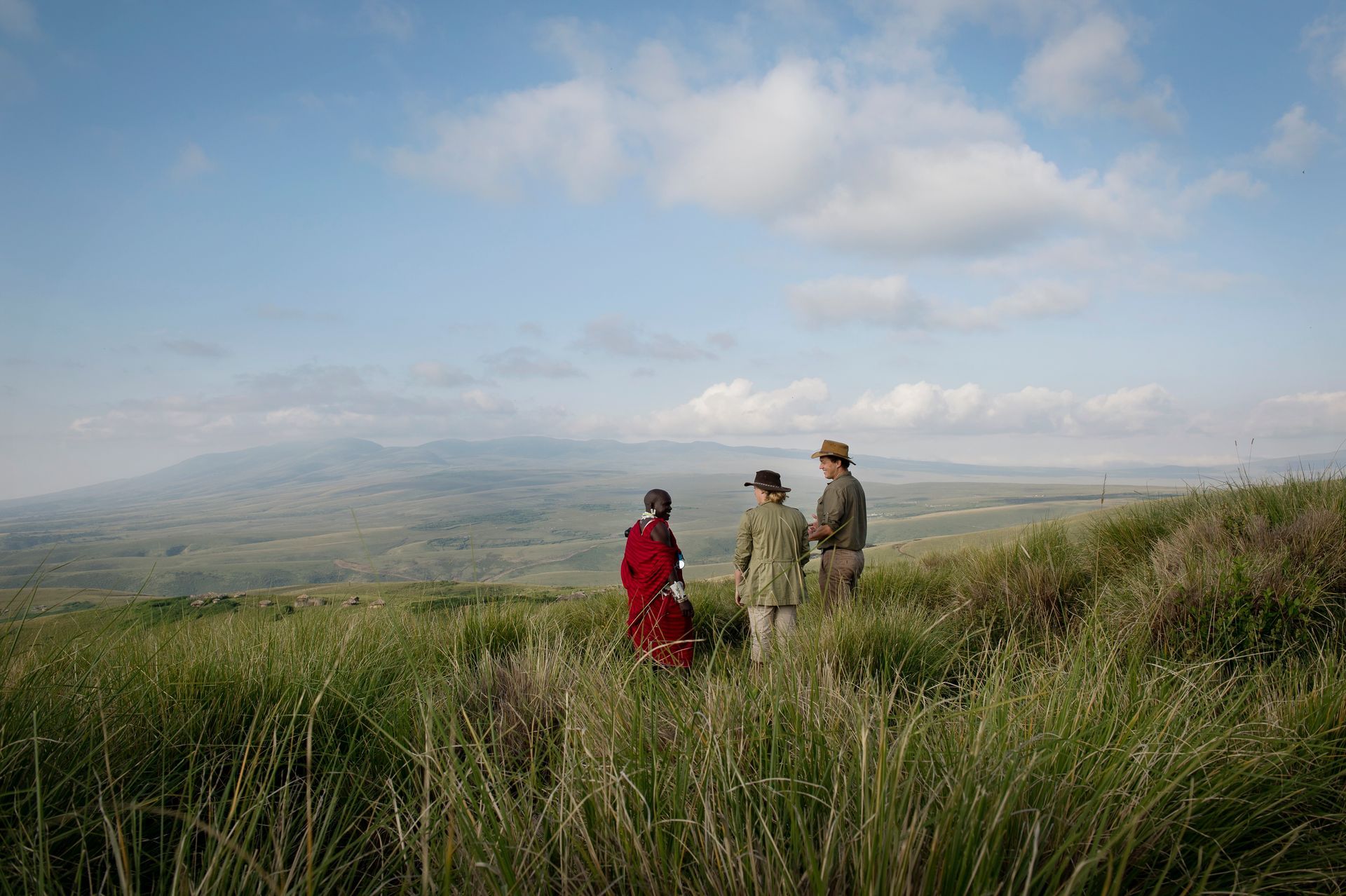
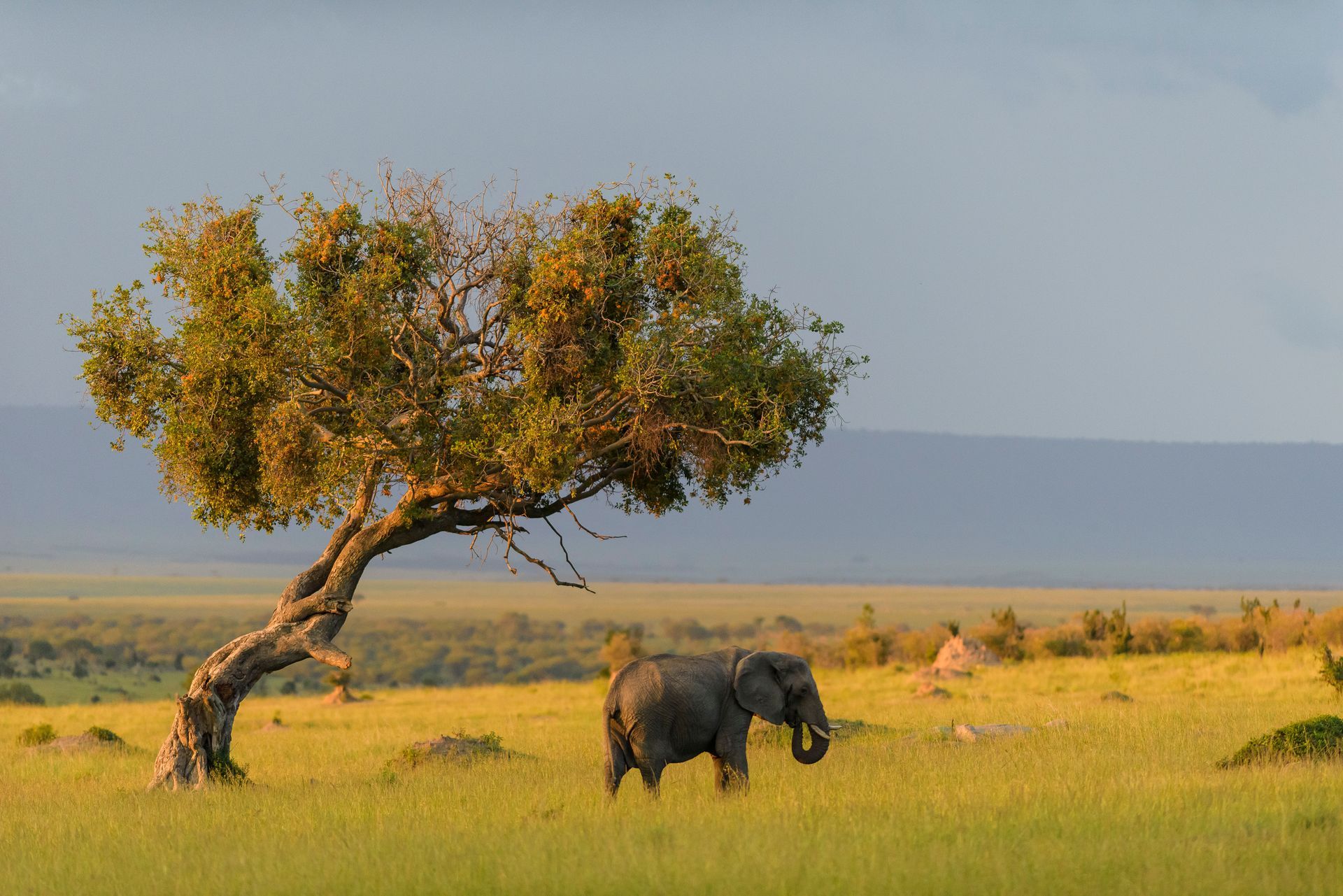
What makes Zanzibar the perfect post-safari destination is the way it complements the Tanzanian mainland. After the wide-open plains of the Serengeti, the dramatic vistas of Ngorongoro Crater, and the teeming wildlife of Tarangire, Zanzibar offers a change of pace. Here, time slows, the landscapes soften, and the focus shifts from the thrill of adventure to the art of relaxation.
At Anderson & Harvey, we curate Zanzibar experiences that are as unique as the travellers who visit. Whether you’re drawn to the cultural richness of Stone Town, the tranquillity of its beaches, or the exclusivity of a private island retreat, Zanzibar offers something for everyone. It’s not just a place to end your journey - it’s the perfect way to complete it.