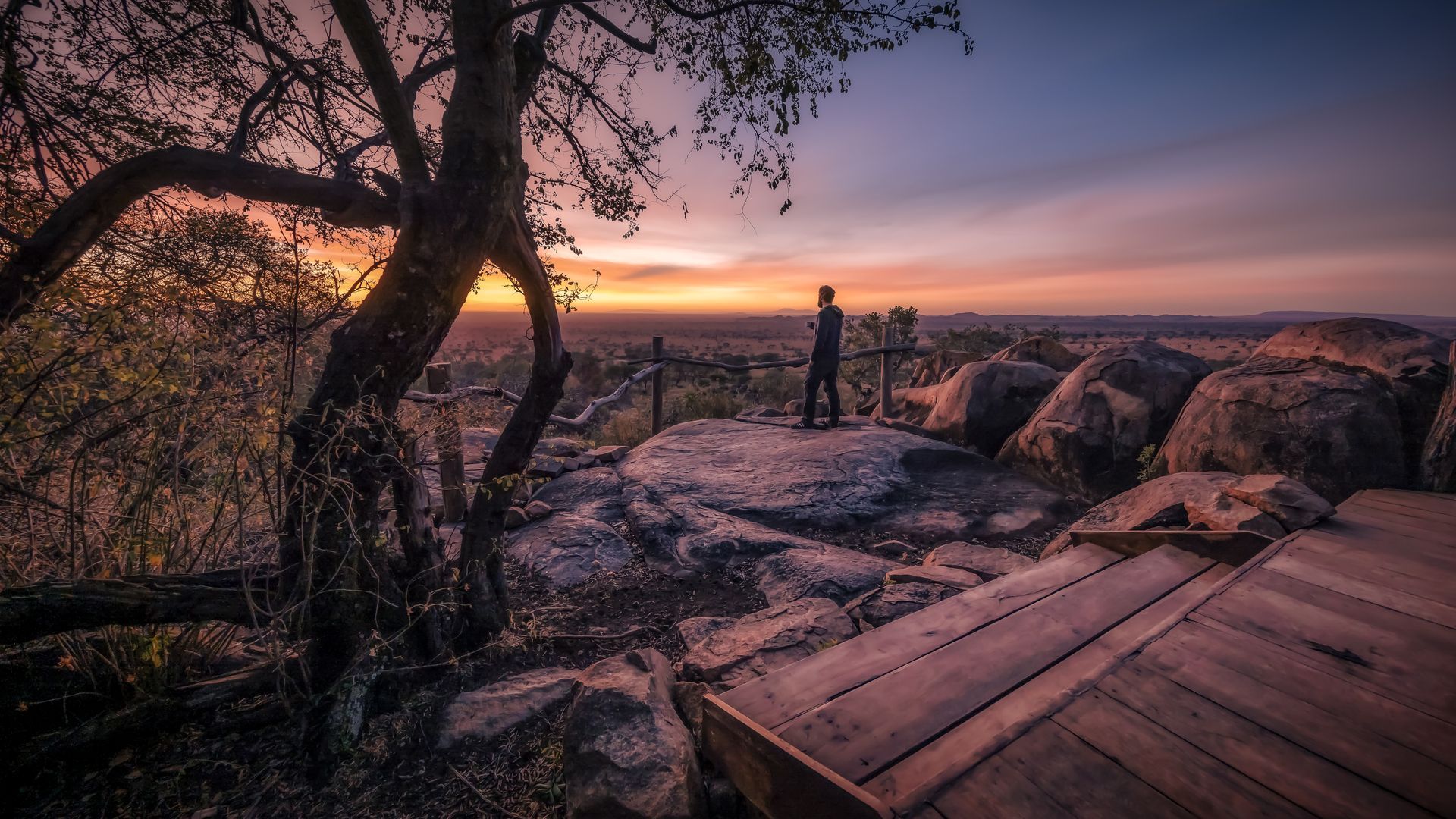
Uganda - a land of unlimited adventure
Discover what makes Uganda a great safari destination
Uganda has long been associated with gorilla trekking, but reducing it to a single experience undersells its importance within East Africa. Uganda can stand confidently on its own or add powerful contrast when paired with Kenya or Tanzania. With forest and savannah, primates and plains game, intimacy and scale, Uganda shifts the rhythm of a safari in ways few other countries can...
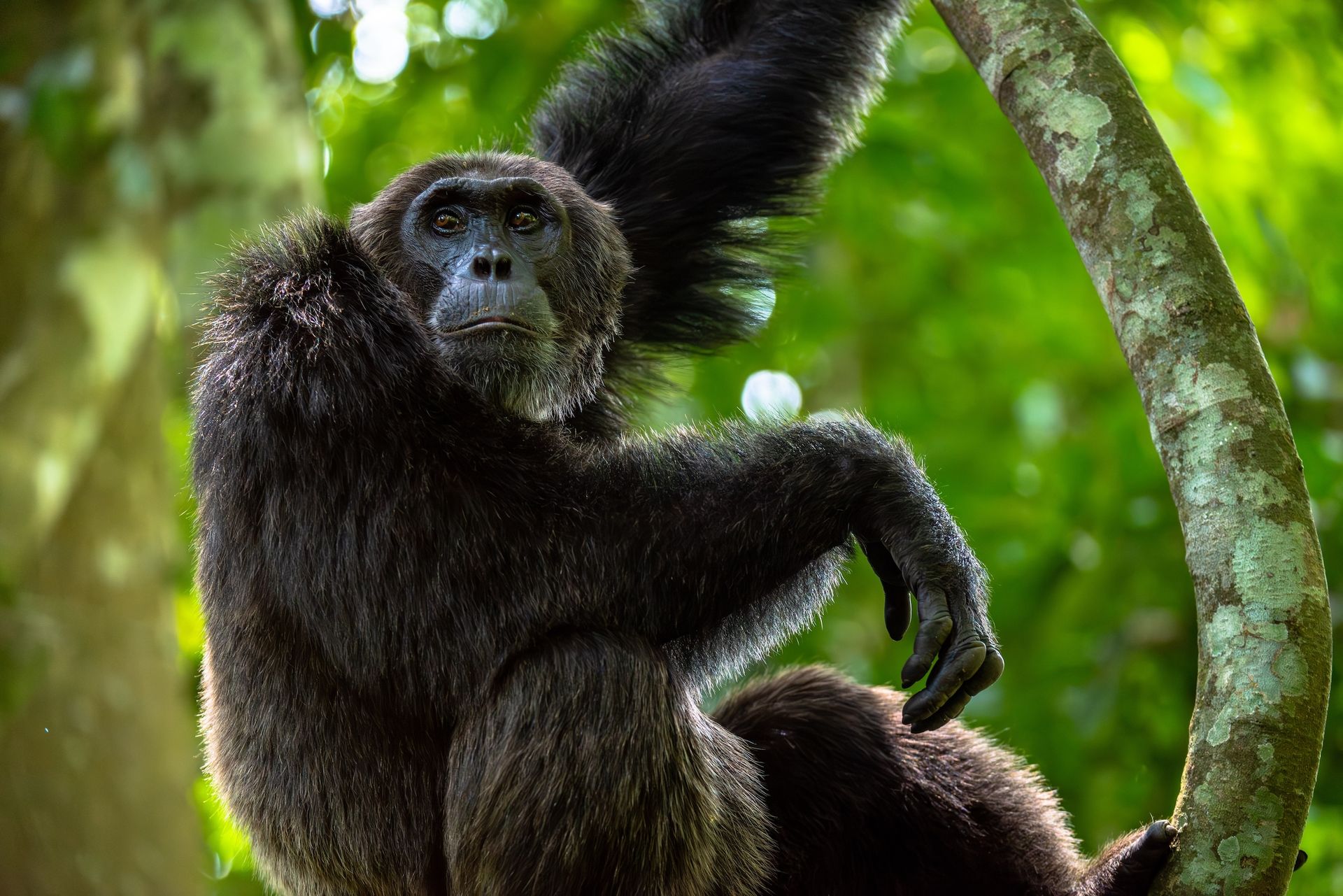
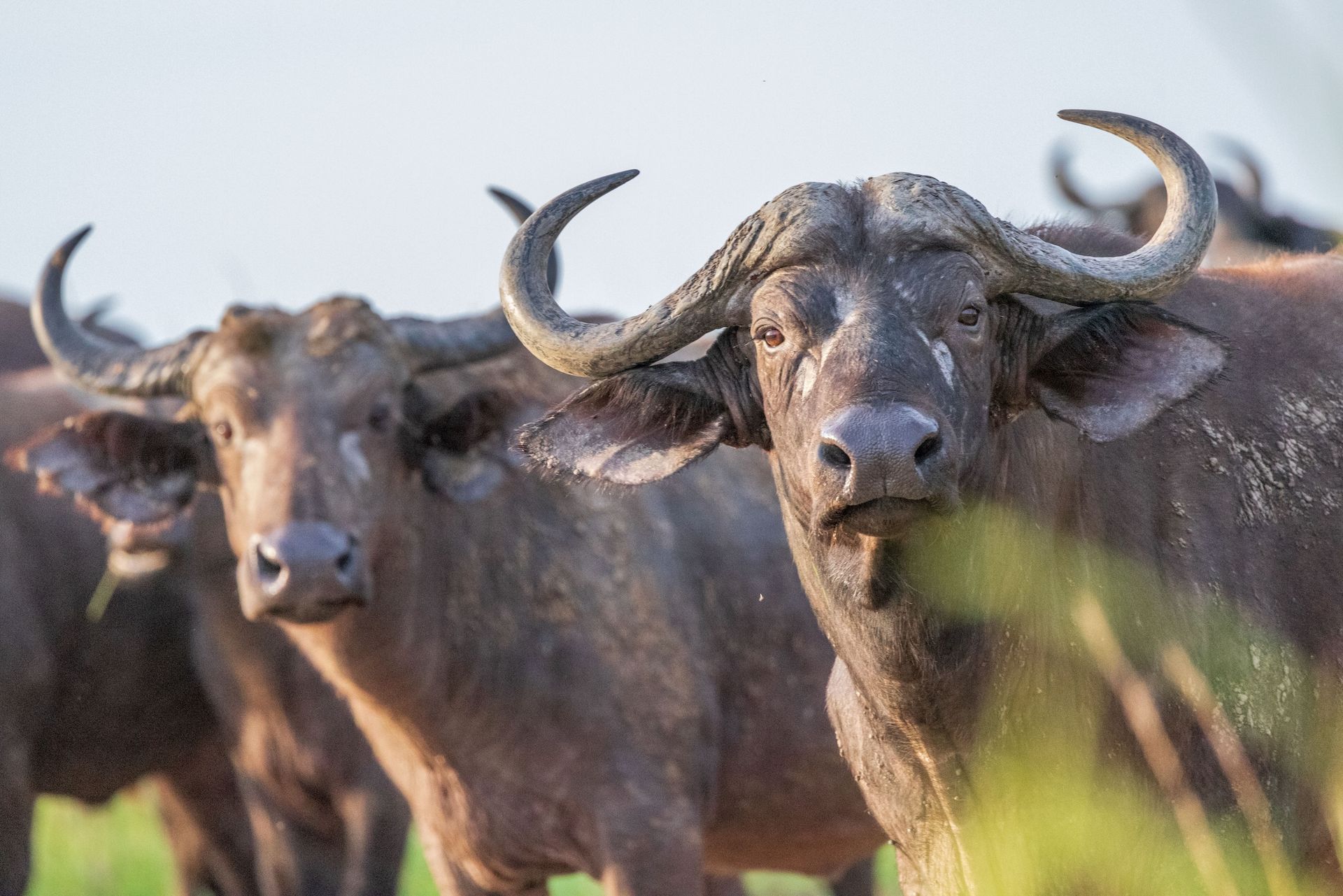
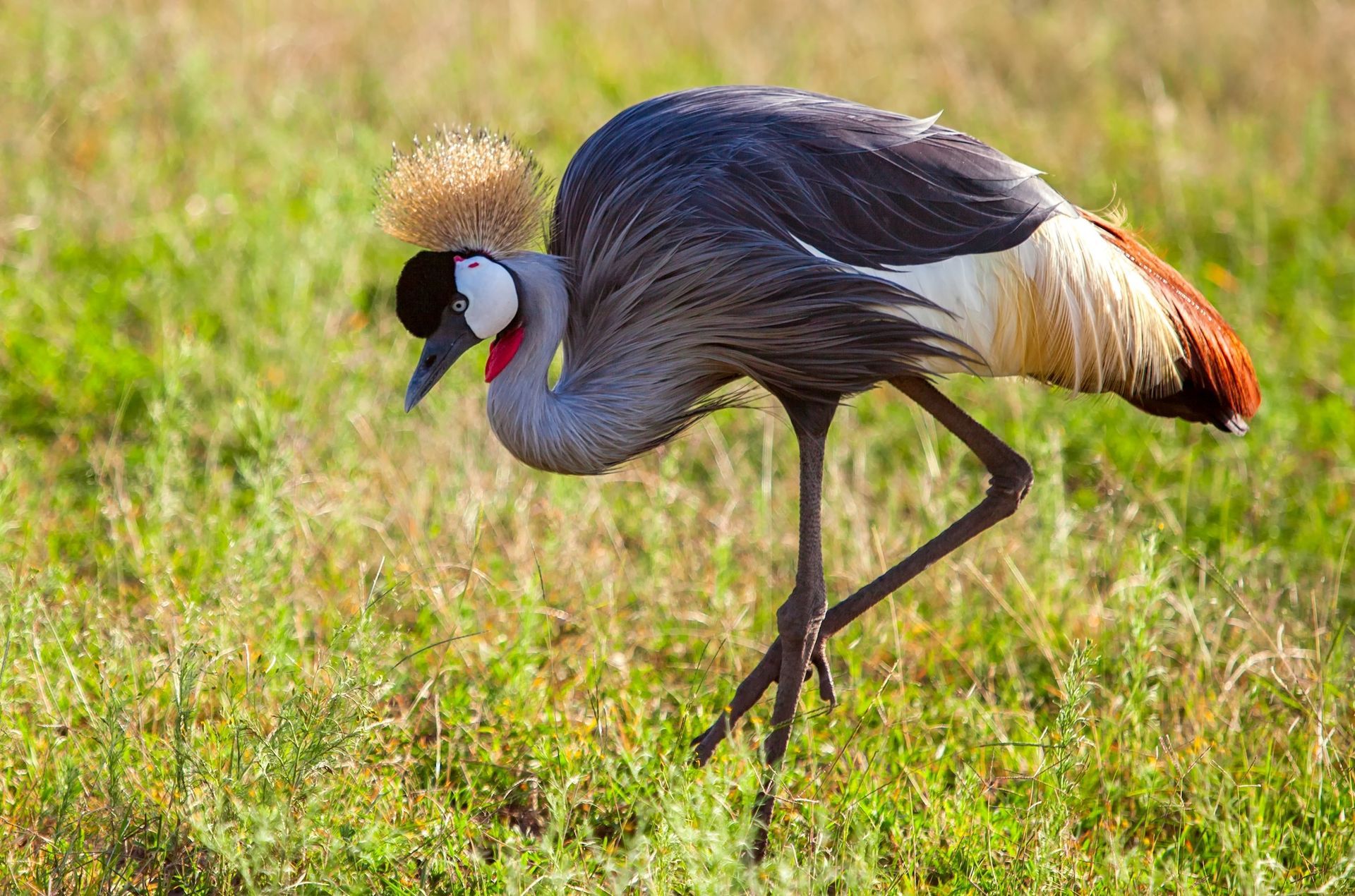
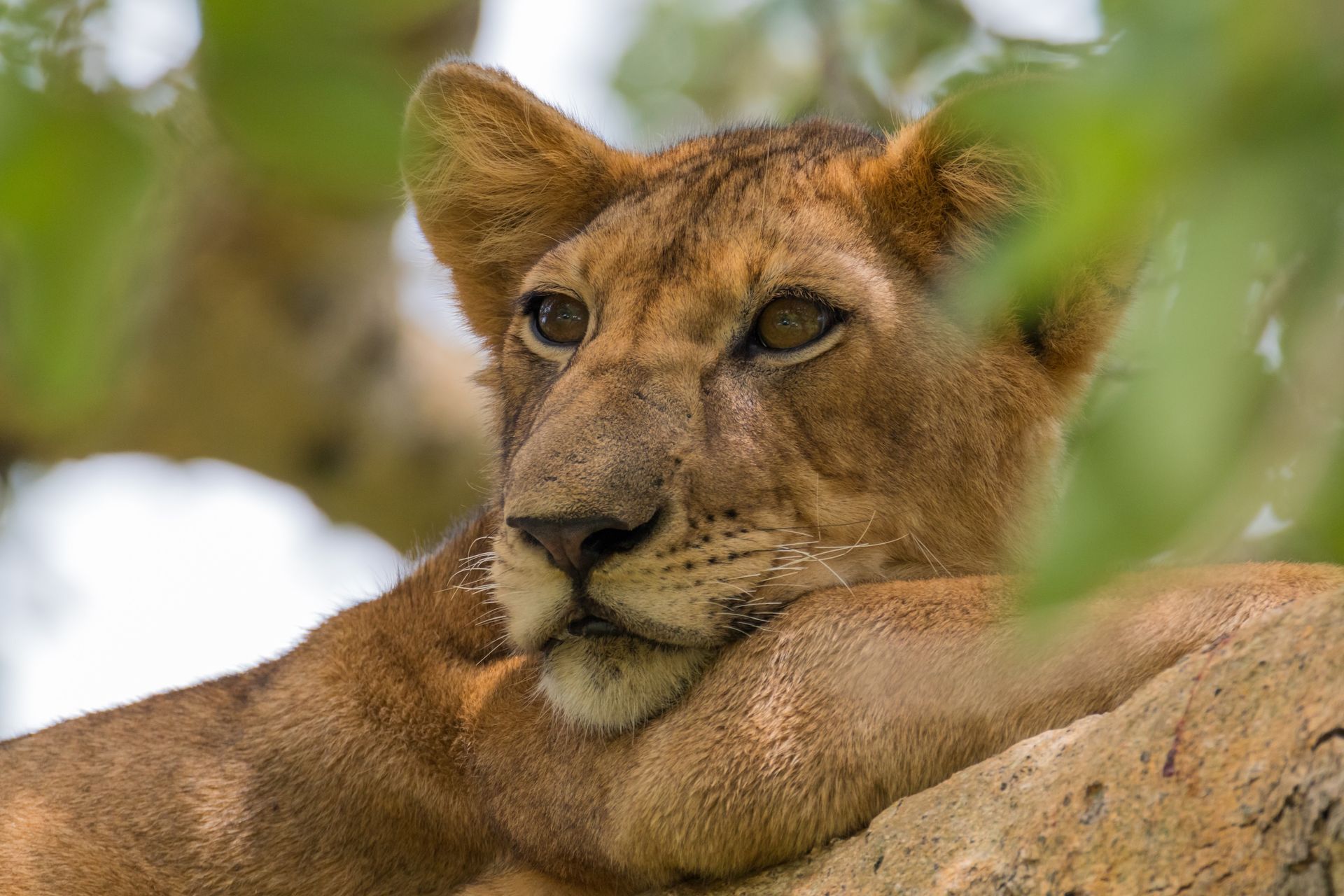
Uganda has long been associated with gorilla trekking, but reducing it to a single experience undersells its importance within East Africa. Uganda can stand confidently on its own or add powerful contrast when paired with Kenya or Tanzania. With forest and savannah, primates and plains game, intimacy and scale, Uganda shifts the rhythm of a safari in ways few other countries can.
As a primary destination, Uganda offers depth rather than density. The draw of tracking mountain gorillas in Bwindi Impenetrable National Park or Mgahinga Gorilla National Park is profound. Gorilla trekking is immersive, emotional and physically engaging. It is not a passive wildlife sighting but a guided encounter that unfolds slowly through forest terrain, culminating in a strictly protected hour with one of the world’s most endangered species. For many travellers, this is not simply a highlight, it's the reason for the journey.
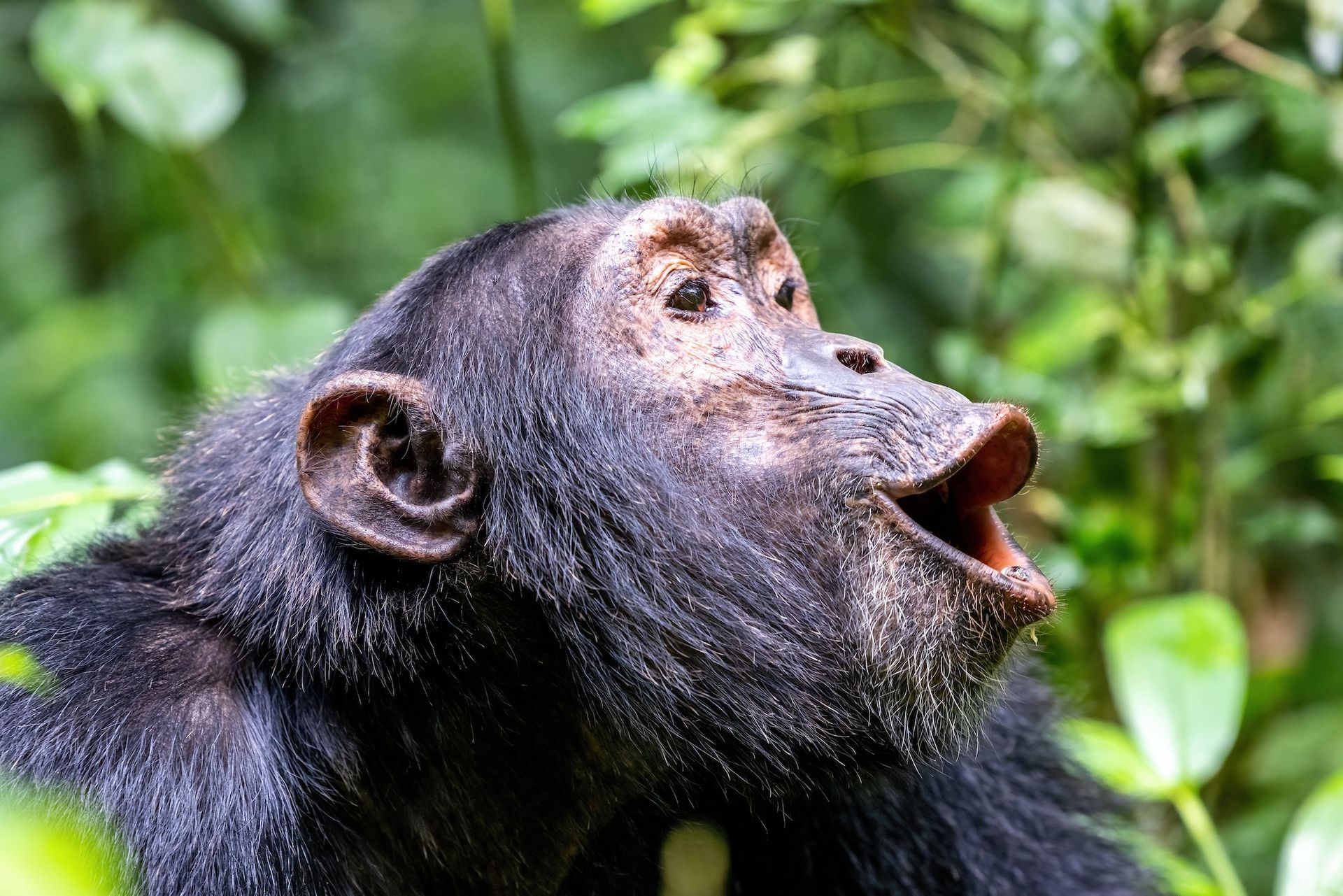
Equally compelling is chimpanzee tracking in Kibale Forest National Park. Fast-paced and often more dynamic than gorilla encounters, chimp tracking adds energy and behavioural interest to a safari. The forest itself is a destination, being dense, atmospheric and rich with birdlife and smaller primates. Together, gorilla and chimp experiences create a primate-focused journey that feels cohesive and purposeful.
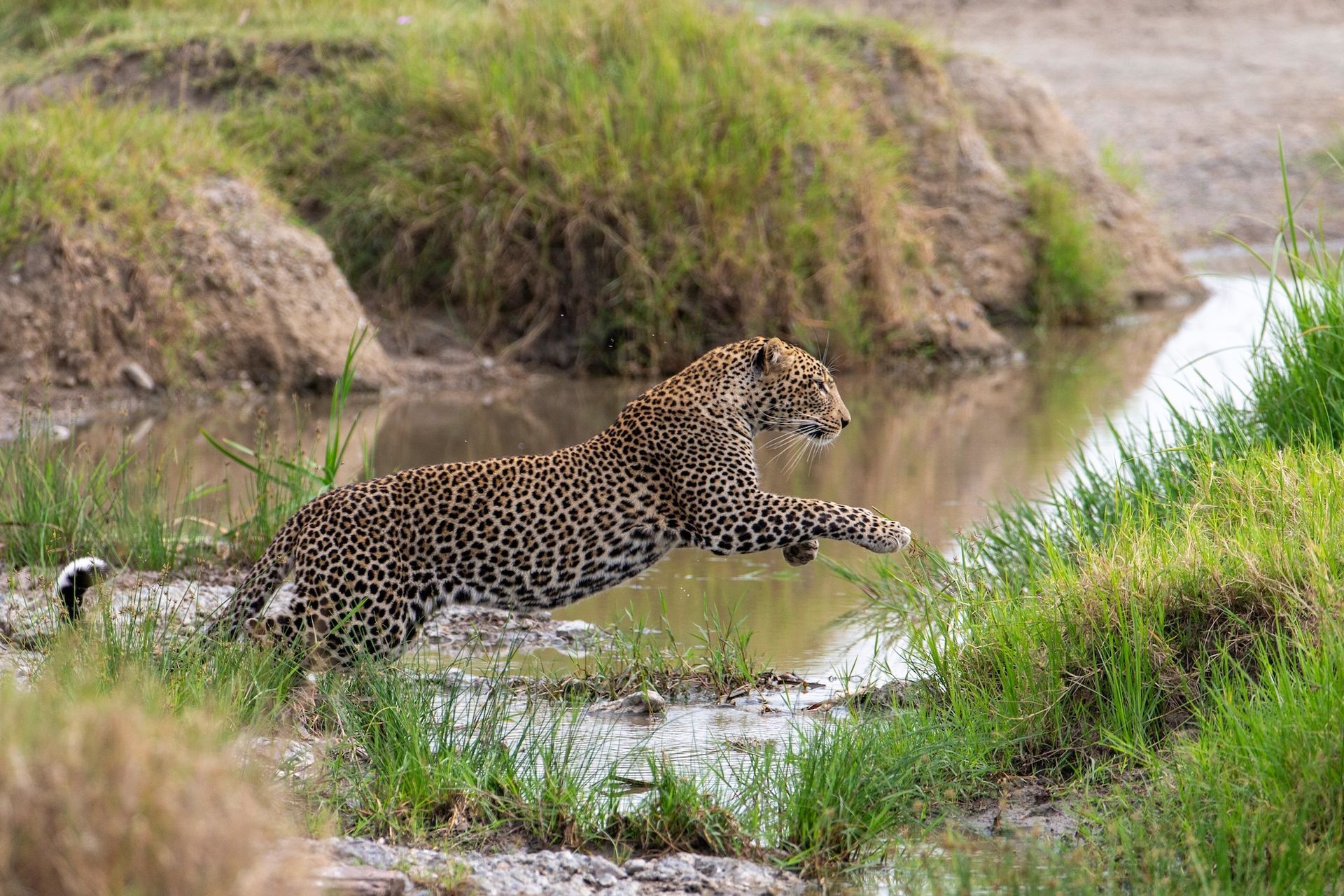
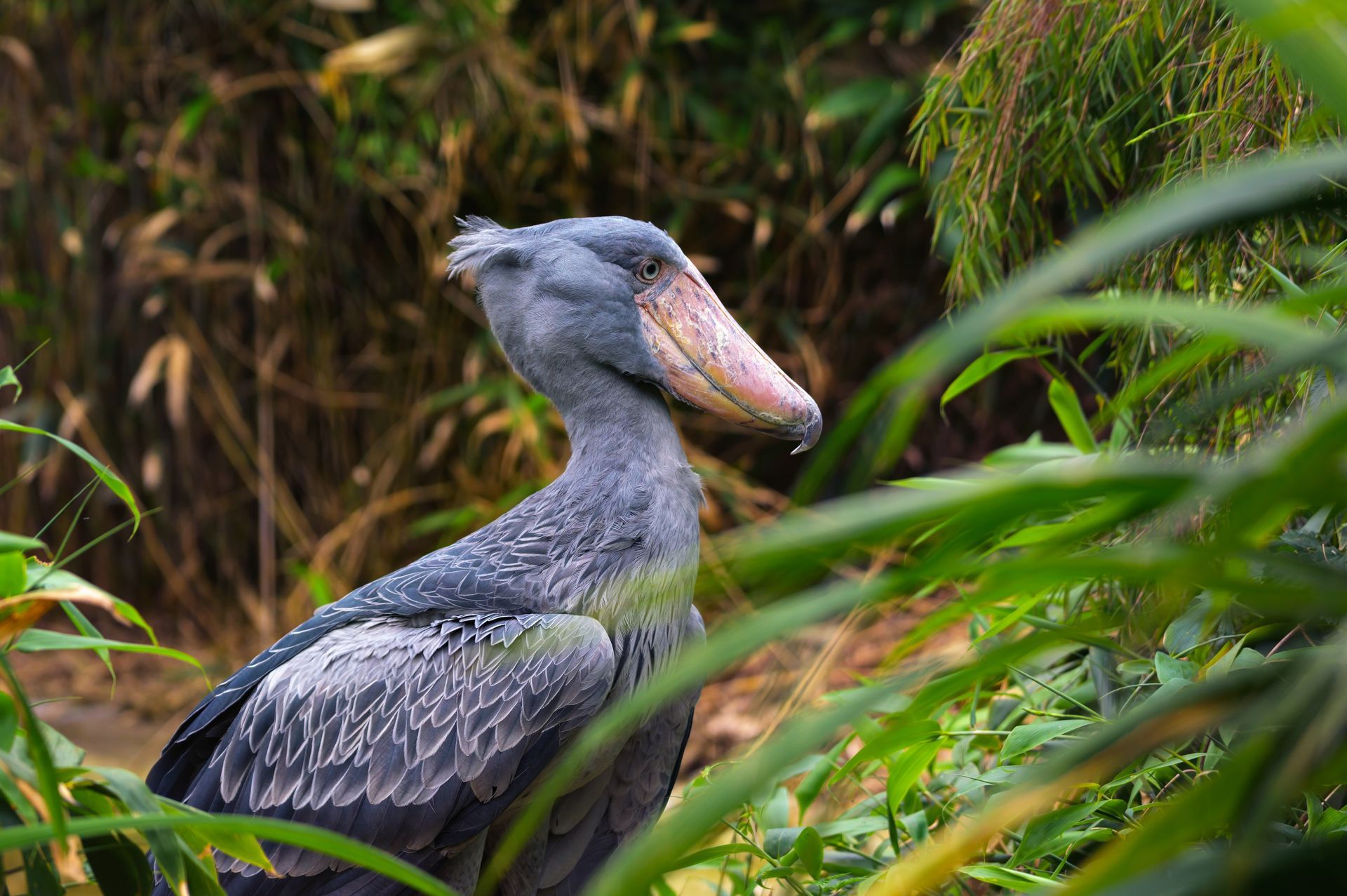
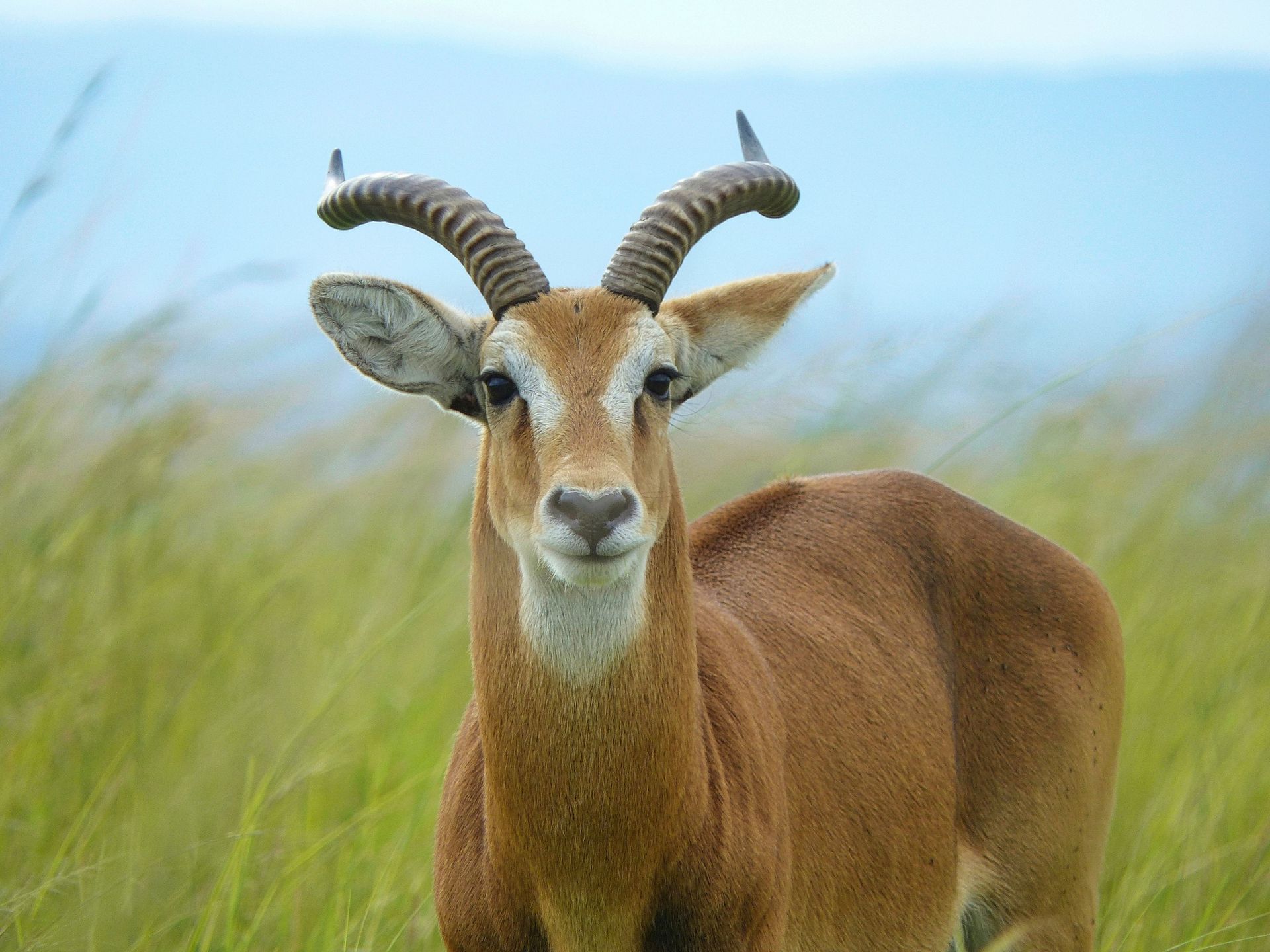
For those who appreciate smaller or less obvious wildlife, Uganda offers a wealth of hidden gems. Secretive antelope species, colourful birds, and elusive nocturnal creatures inhabit both the forests and savannahs. Observing these animals rewards patience and adds a sense of discovery that complements the headline species. This layer of biodiversity ensures that every day in Uganda holds a new opportunity for curiosity and delight.
Yet Uganda’s strength lies in contrast. Within a relatively compact geography, the country transitions from rainforest to open savannah. Queen Elizabeth National Park introduces classic game drives, boat safaris along the Kazinga Channel and expansive crater lakes.
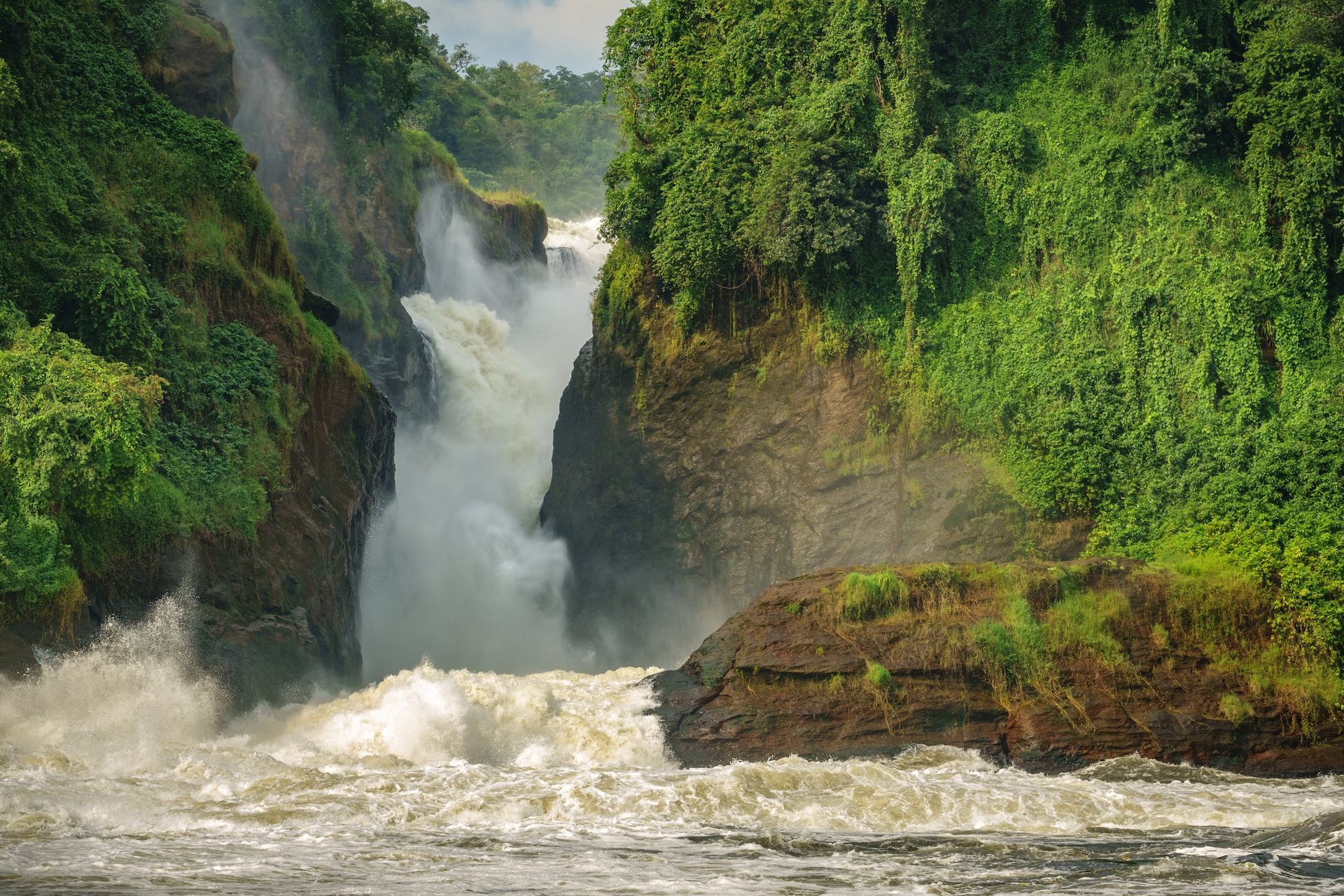
Further north, Murchison Falls National Park combines river-based wildlife viewing with dramatic scenery where the Nile surges through a narrow gorge before spreading across wide plains. These landscapes are visually distinct from East Africa’s better-known savannah ecosystems, offering something refreshingly different without compromising on wildlife experience.
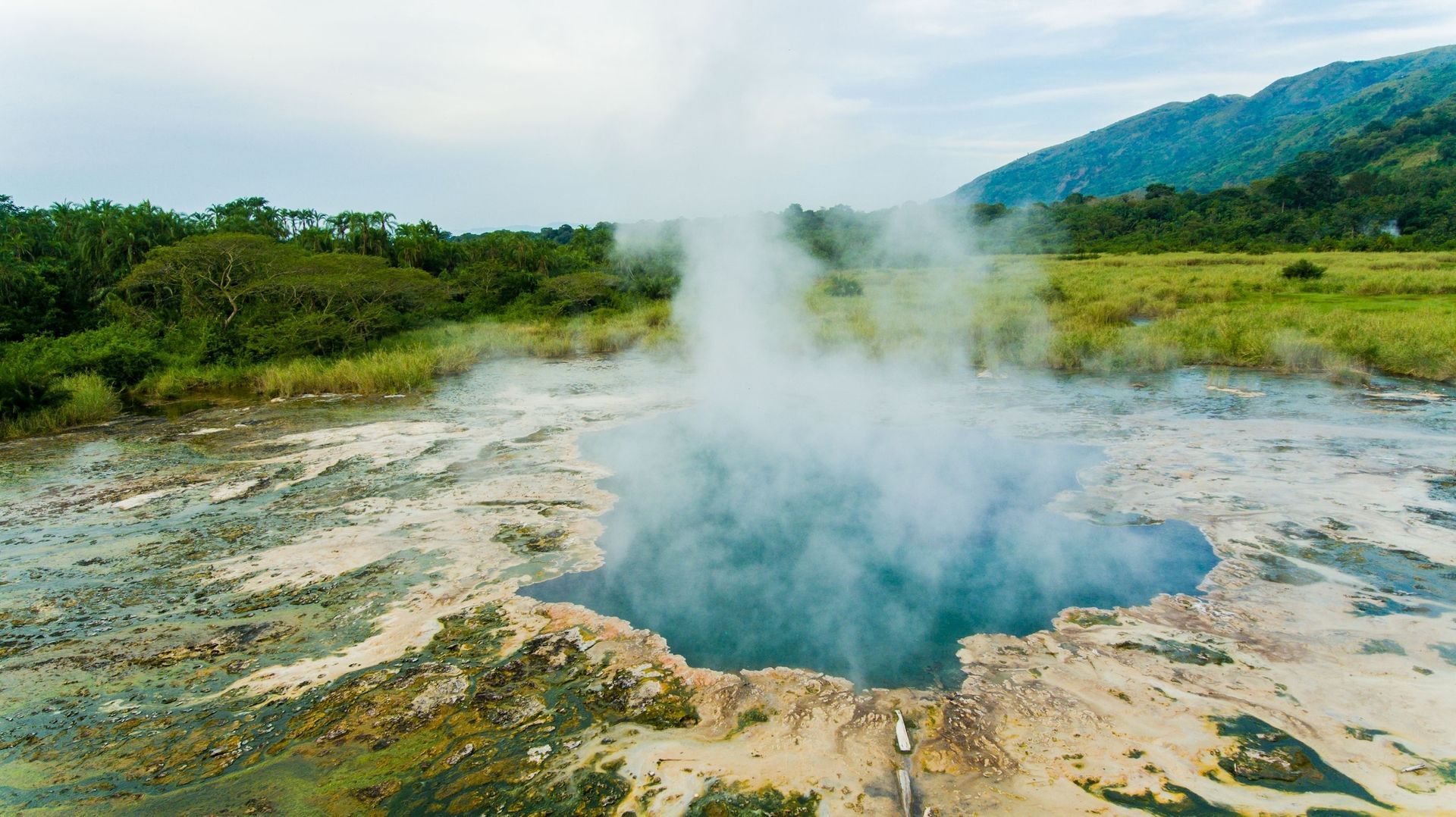
The country’s wetlands and lakes, from Lake Mburo to the sprawling papyrus swamps, provide yet another layer of variation. Here, siting hippos, crocodiles, and waterfowl adds a slower, reflective pace to the safari, allowing travellers to witness ecosystems functioning in quiet harmony. These habitats balance the intensity of forest trekking and savannah drives, demonstrating Uganda’s versatility as a safari destination.
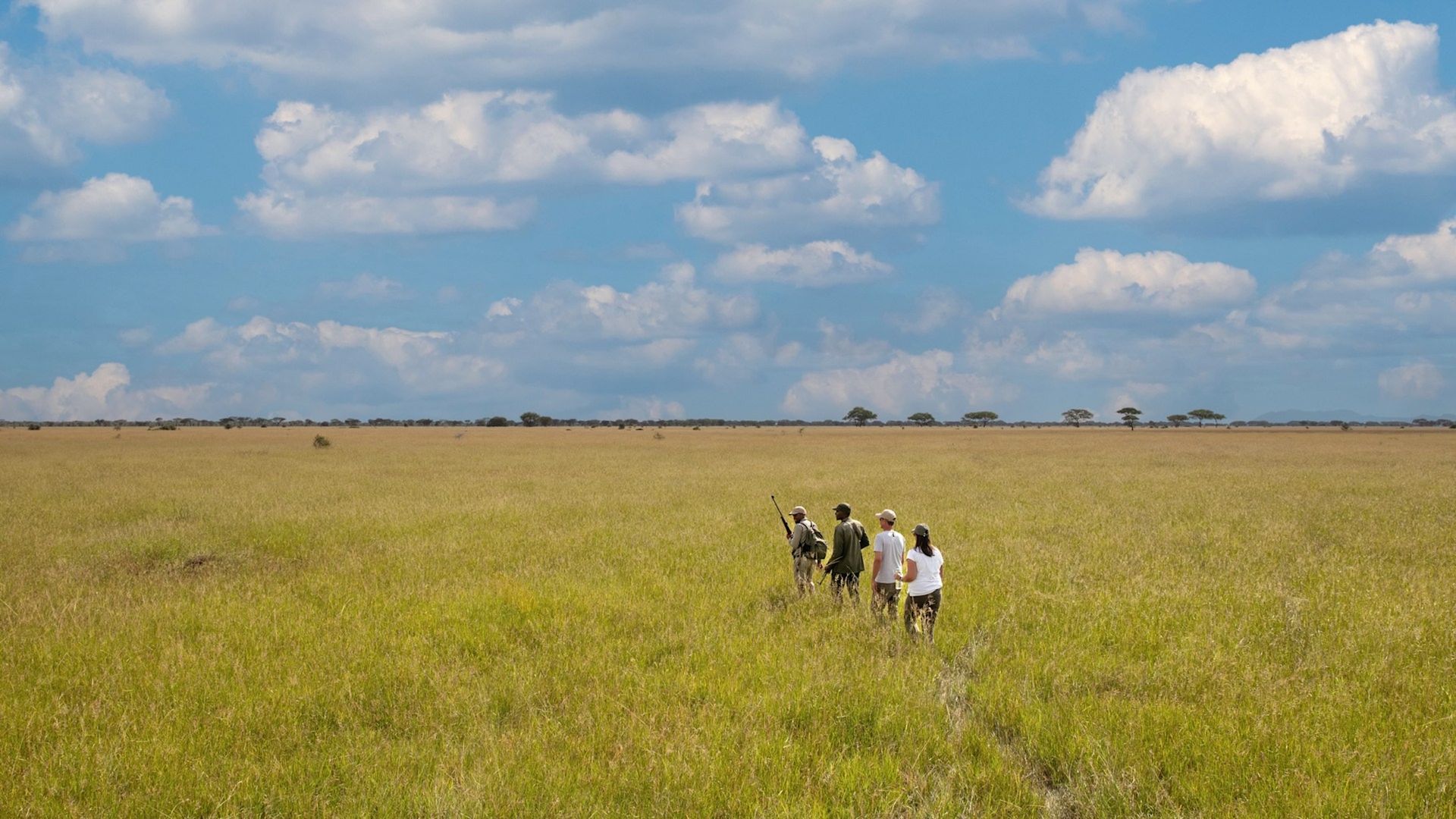
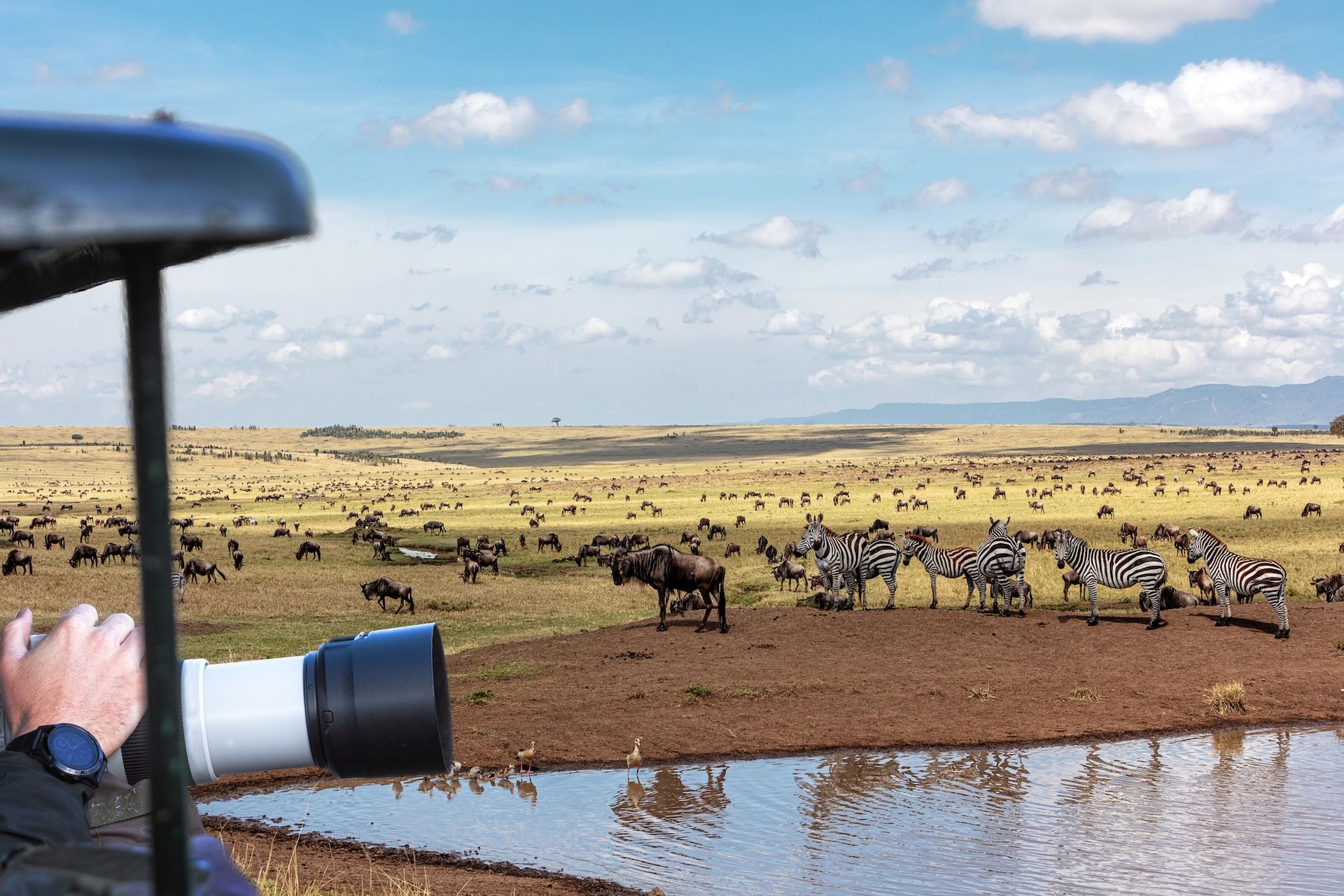
Uganda also works beautifully as a complementary extension. After the open plains of the Serengeti or the Masai Mara, the intimacy of forest trekking provides both physical and emotional contrast. The pace naturally slows. Game drives give way to guided hikes, mist-filled mornings and dense, layered landscapes. This shift in rhythm prevents safari fatigue and adds dimension to a wider East African journey.
The country’s cultural richness enhances the journey further. Encounters with local communities, whether through village visits, guided walks or cultural demonstrations, provide insight into the way people and wildlife coexist. These interactions, respectful and authentic, add texture to a safari experience, connecting travellers to the land beyond the wildlife alone.
Routing is often more straightforward than assumed. Entebbe serves as an accessible gateway, with connections linking seamlessly to Kenya and Tanzania. Journeys can begin in Uganda with primate tracking before transitioning south to the Serengeti, or start on the savannah and conclude in the forest for a powerful finale. The direction of travel subtly shapes the emotional arc of the trip, whether building towards the intensity of a gorilla encounter or allowing it to serve as a reflective conclusion.
Importantly, Uganda introduces strong conservation and community narratives. Gorilla permits directly fund protection efforts and local initiatives, making each trek part of a broader conservation success story. Visitors witness firsthand how tourism revenue supports education, healthcare and habitat preservation. For increasingly conscious travellers, this alignment between experience and impact strengthens the appeal of including Uganda within a wider East African safari.
Uganda also pairs naturally with coastal extensions. After forest trekking and river safaris, a flight onward to Zanzibar offers warmth, colour and release. The shift from mist-covered hills to Indian Ocean beaches creates a satisfying conclusion and one that balances exertion with rest and intensity with ease.
Finally, the journey through Uganda is not just about observing wildlife. It is about feeling the pulse of the landscape, from the dense forest floor to the open savannah plains. Moments of stillness, listening to birdsong or watching primates move through the canopy, create emotional depth and a sense of connection that lingers long after the safari ends.
Ultimately, Uganda’s role within an East African safari circuit is about texture. It softens the vastness of the plains with intimacy, replaces horizon lines with canopy cover and transforms wildlife viewing from observation to participation. If you'd like to include it in your next safari journey then let's chat about your options!