Designing year-round Serengeti safaris
Diverse journeys to showcase seasonal diversity
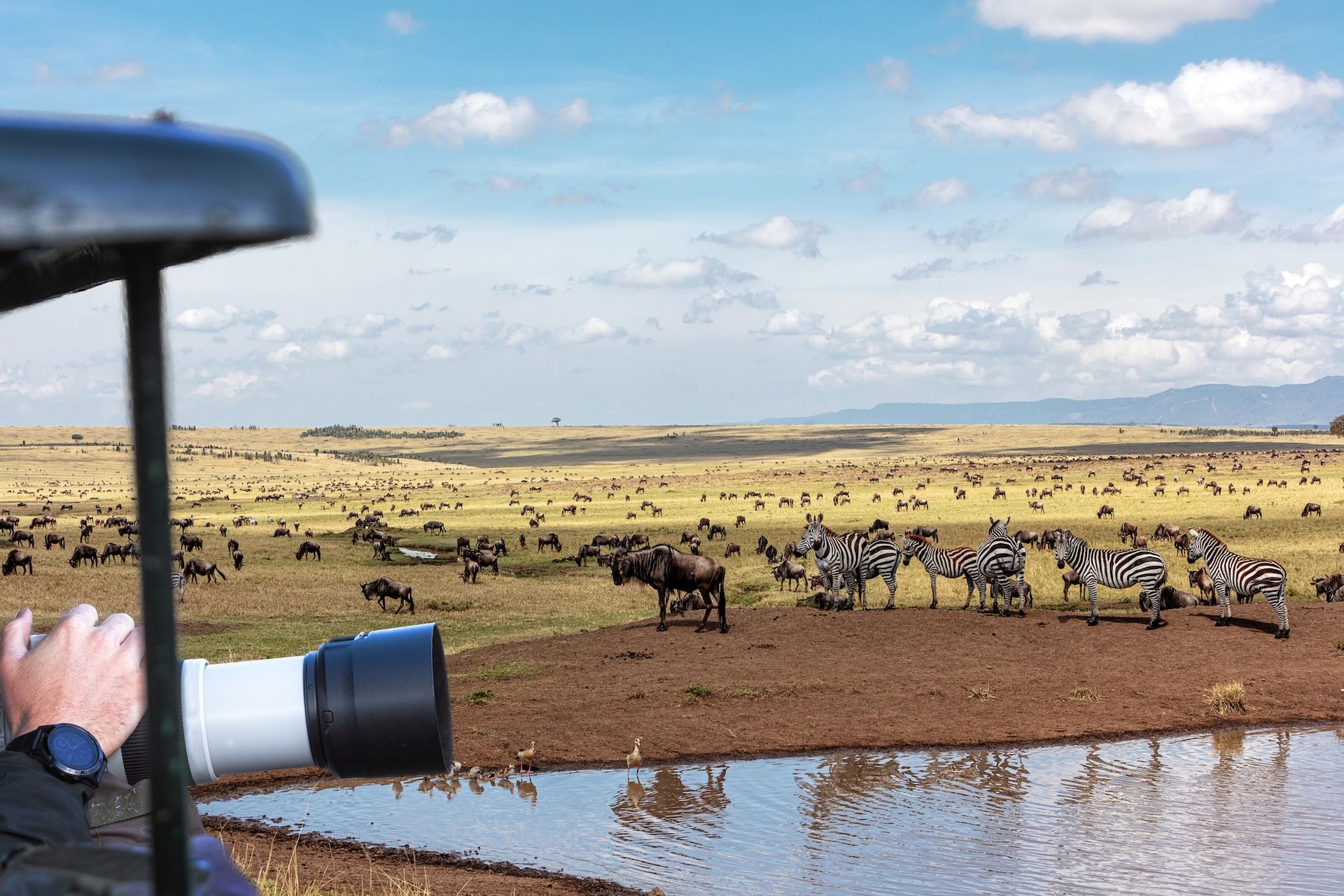
The Serengeti is often defined by the Great Migration, but a well-crafted safari reveals that this vast ecosystem has so much more to offer. From rolling grasslands and rocky kopjes to riverine forests and wetlands, the Serengeti supports year-round wildlife activity, creating opportunities for memorable encounters at any time. Understanding how we highlight these layers gives you a window into the fuller story of the ecosystem rather than just the headline river crossings.
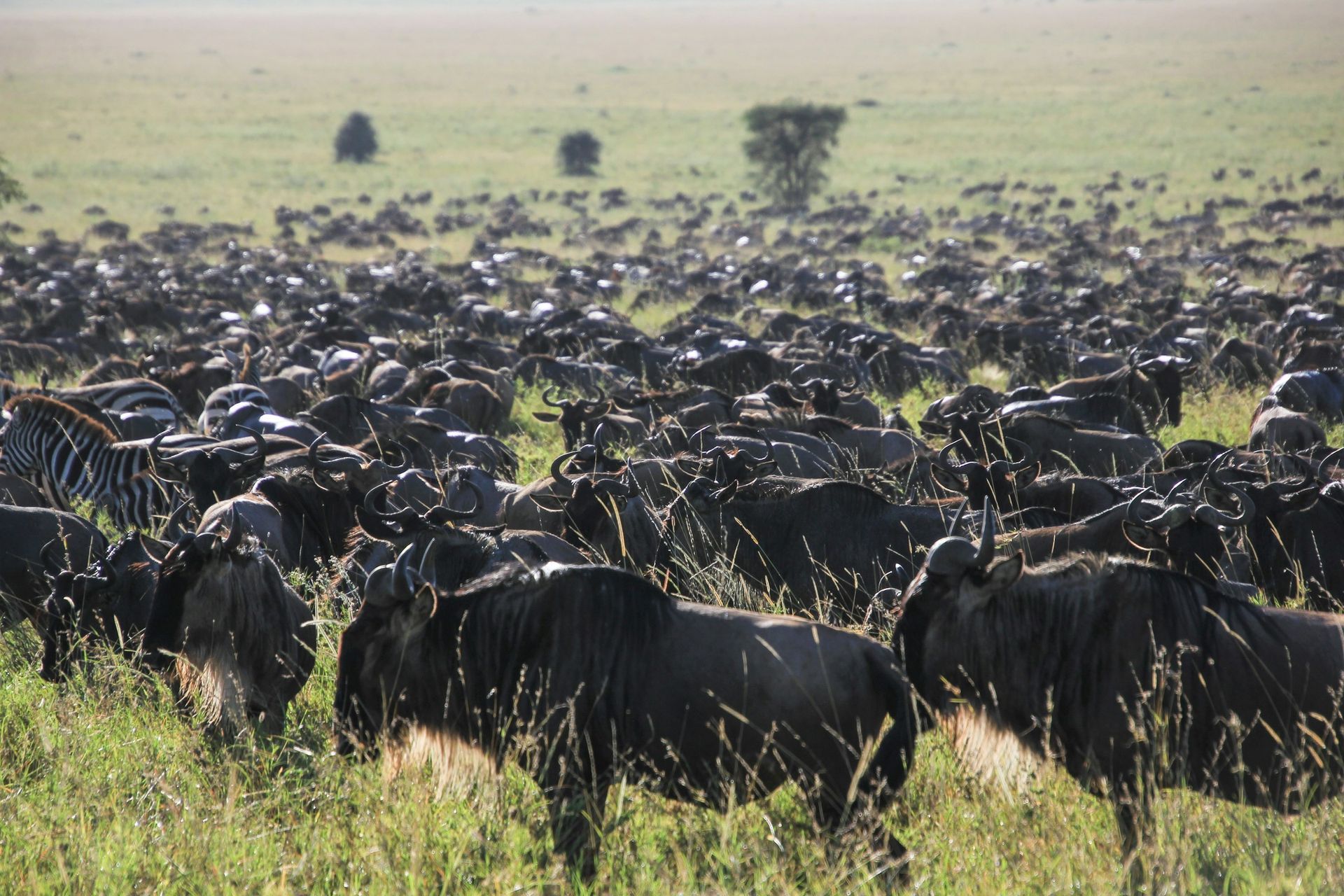
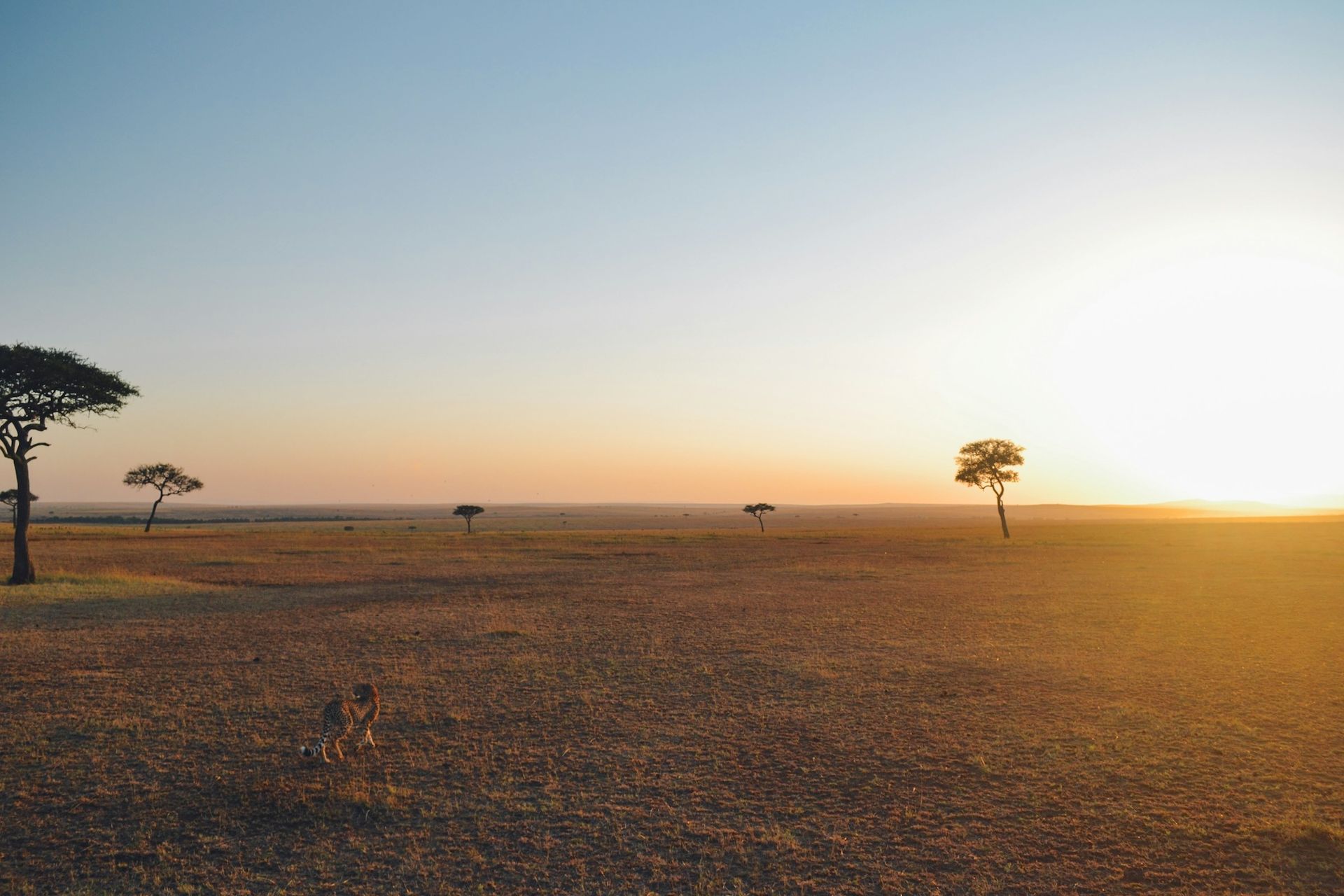
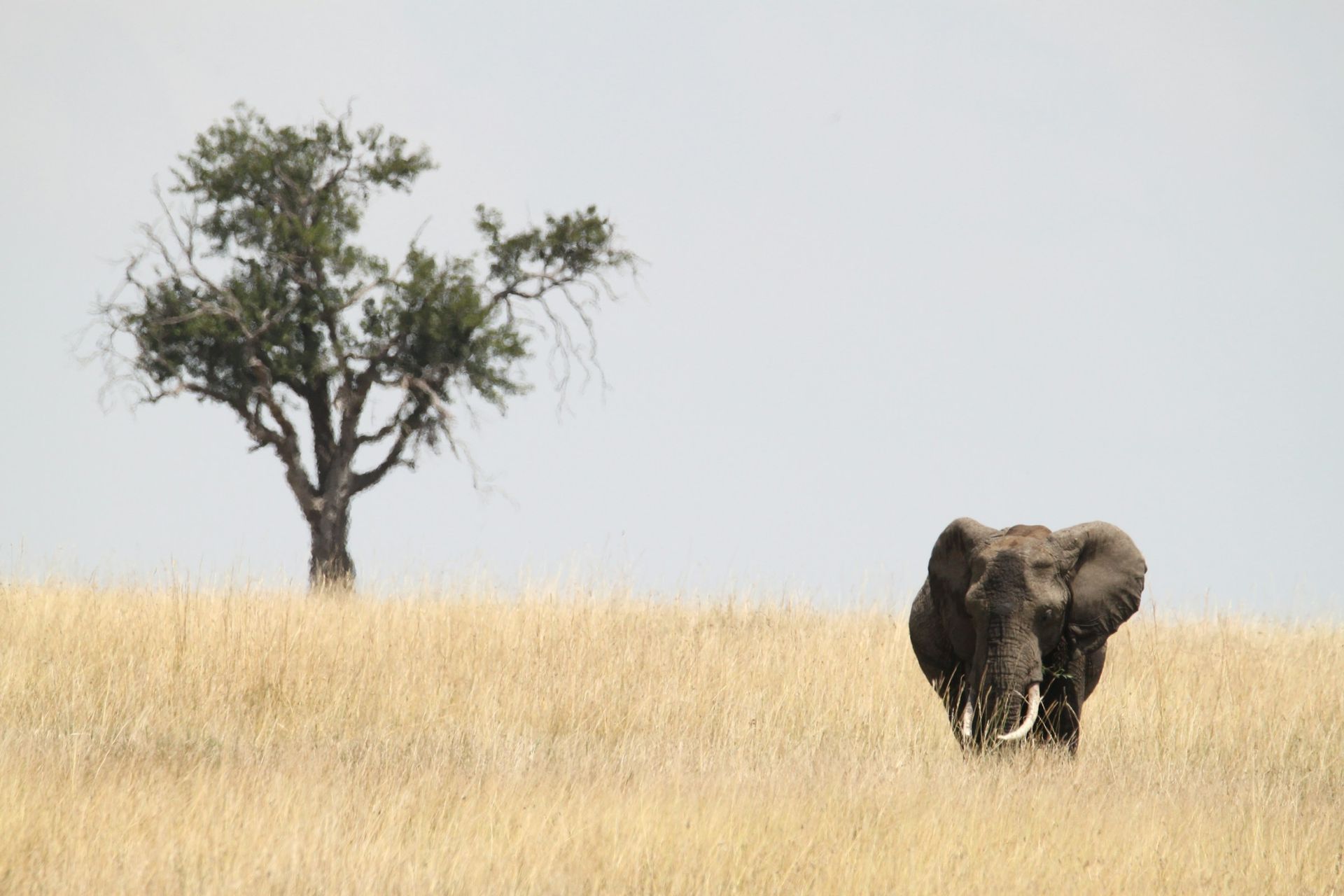
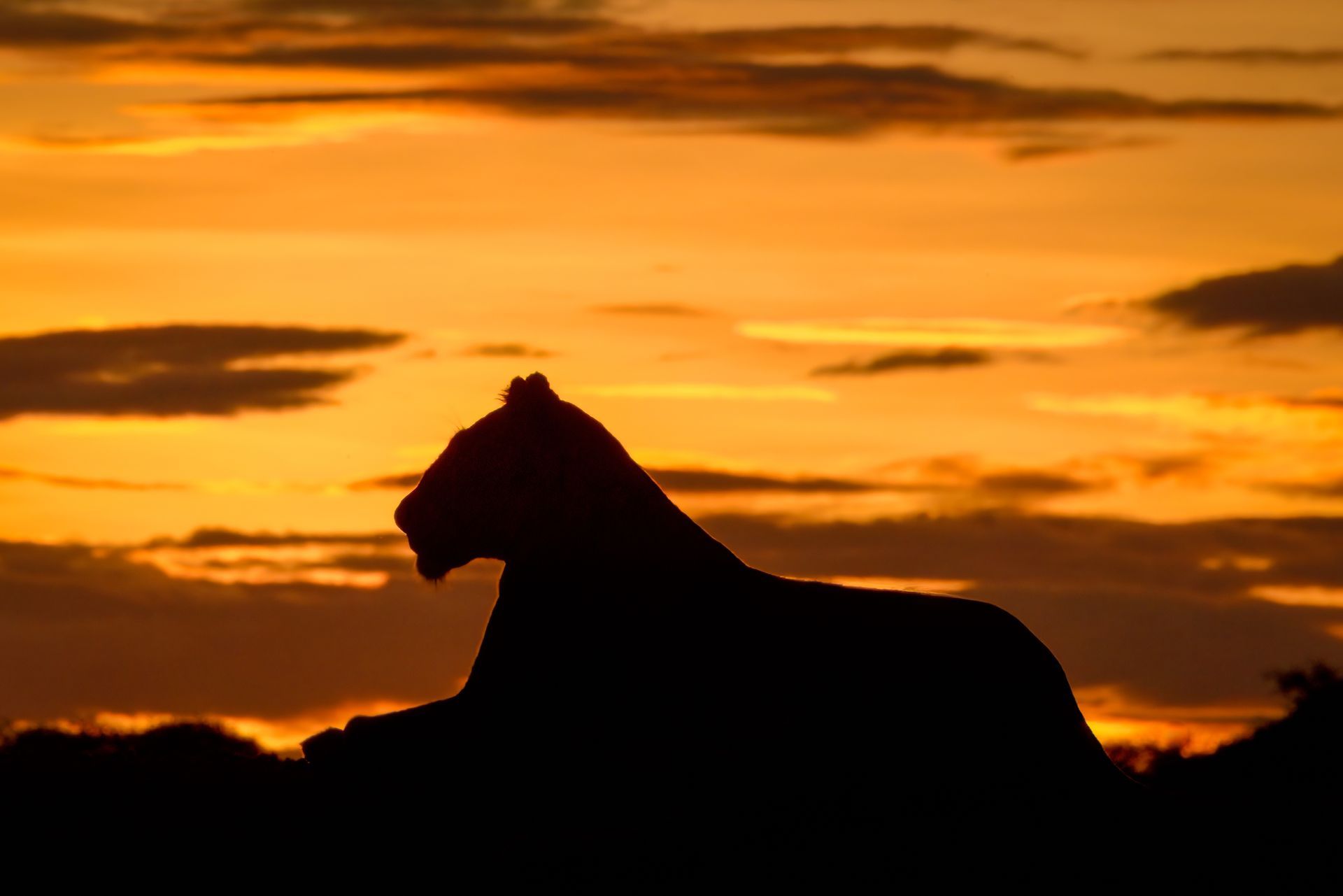
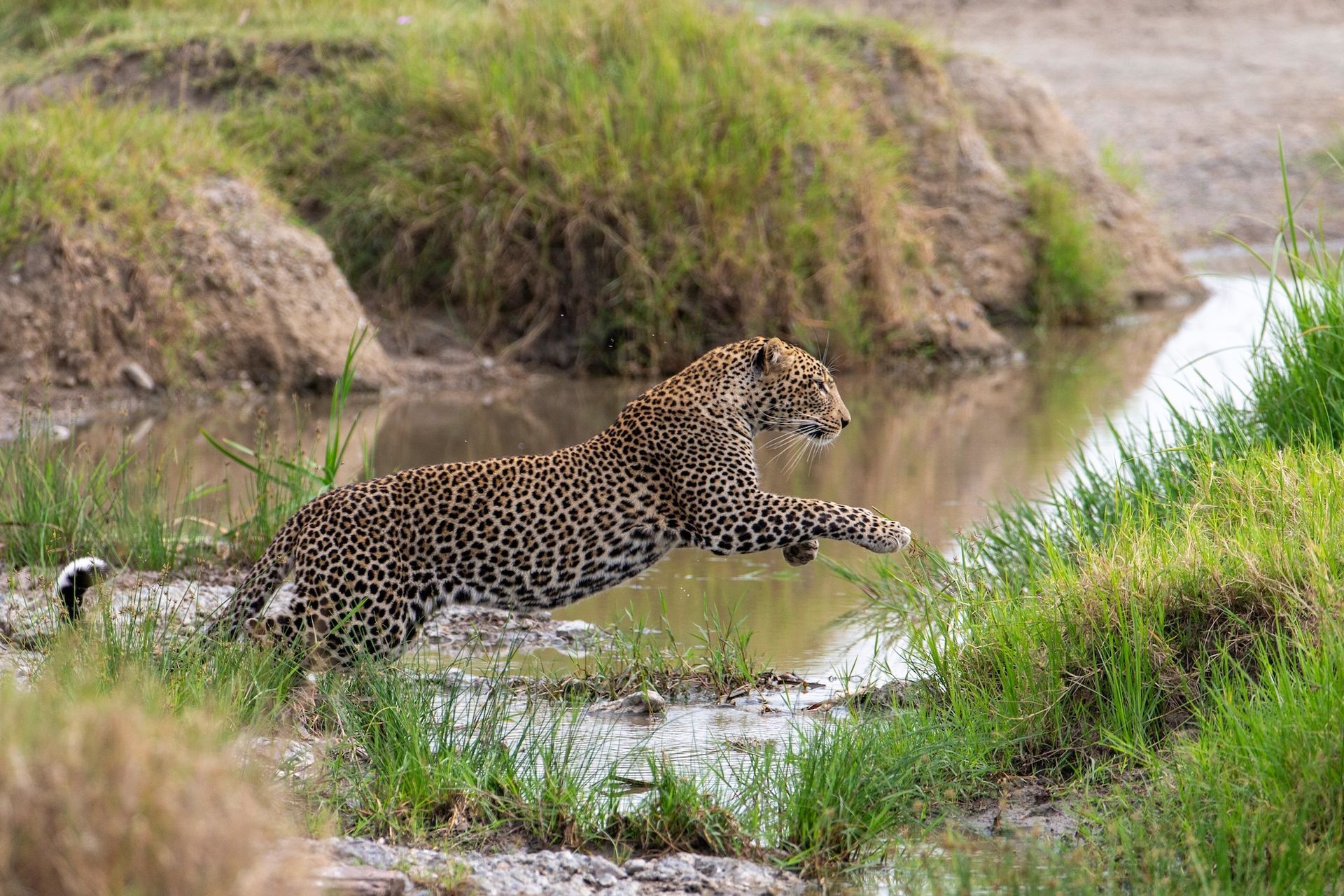
It's always useful to remember that while the migration is one of the world's most famous wildlife events, the Serengeti’s appeal stretches across the whole year and a variety of habitats. Predator activity, social dynamics and cub-rearing behaviours as well as a plethora of the "usual wildlife suspects" can all be observed throughout the year. By focusing on resident wildlife patterns, A&H enables you to offer your clients continuity and predictability without losing the sense of adventure.
A successful Serengeti safari balances classic hotspots with quieter, often overlooked areas. The northern plains attract photographers and migration-focused travellers, while the southern calving grounds offer dramatic interactions early in the year. Western corridors, such as Grumeti and Ikorongo, combine riverine scenery with opportunities for observing social dynamics in action.
Meanwhile, the eastern and southern woodlands are rich in smaller species and birdlife. Linking these regions thoughtfully allows your clients to see contrasts in landscape, behaviour and density, making the safari feel comprehensive rather than repetitive.
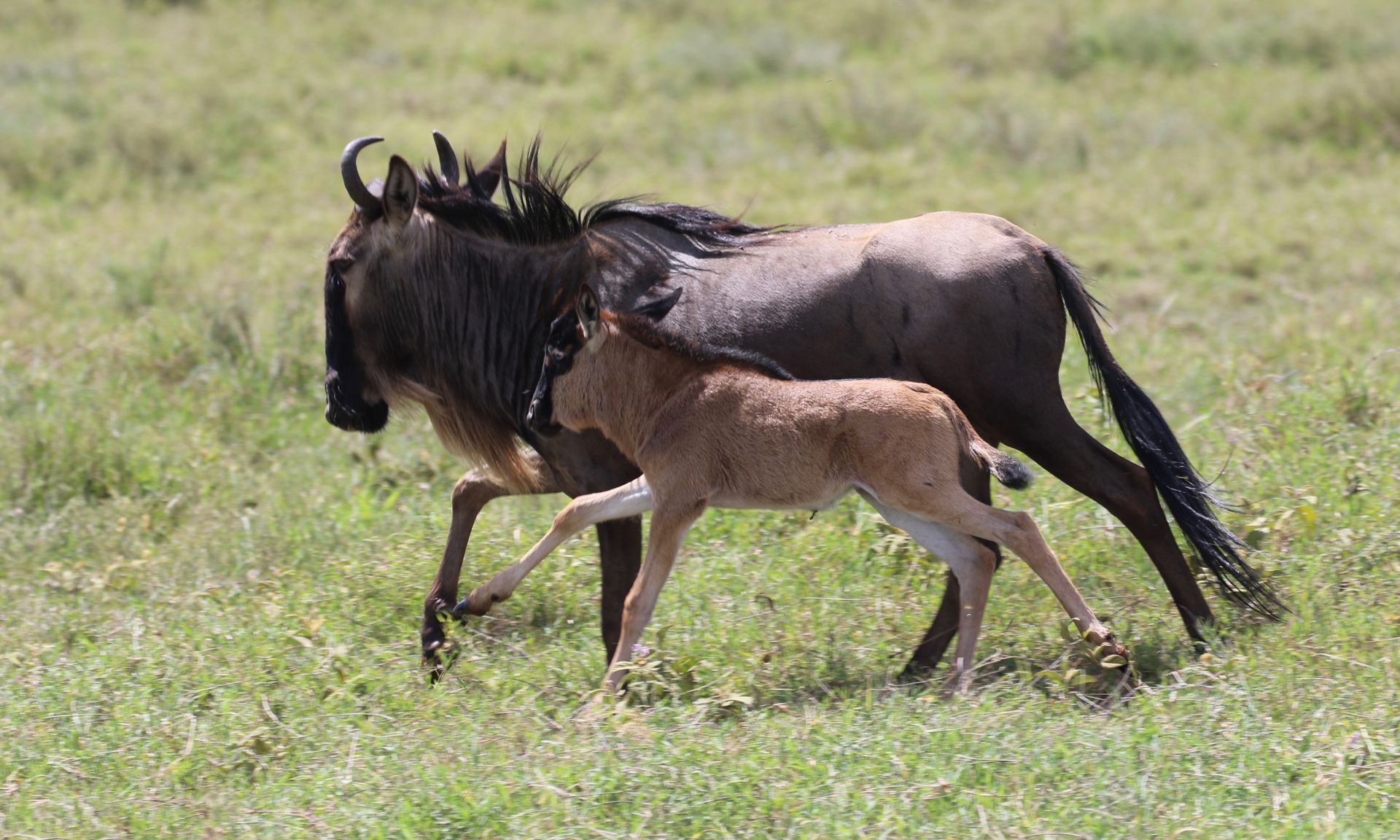
Timing and seasonality remain central to journey design, but not in the conventional sense of “peak” versus “low” season. Each period offers distinct experiences: the calving season reveals intense predator-prey dynamics; the green season brings dramatic skies, newborn herbivores and fewer vehicles; and the dry season concentrates wildlife around permanent water sources, enhancing the likelihood of extended sightings.
By planning around these rhythms, A&H ensures you can offer clients experiences that feel intentional and immersive rather than rushed or opportunistic.
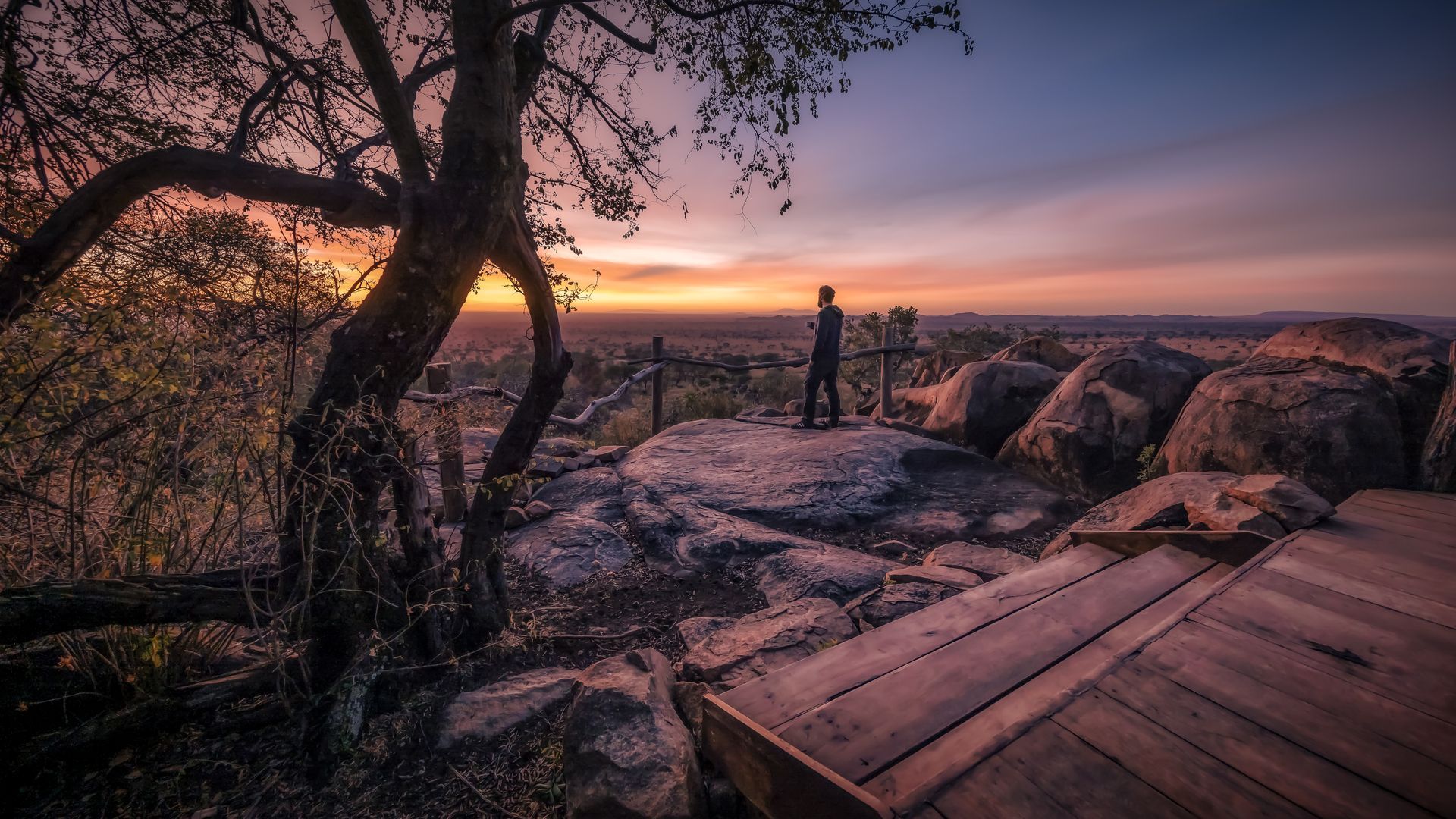
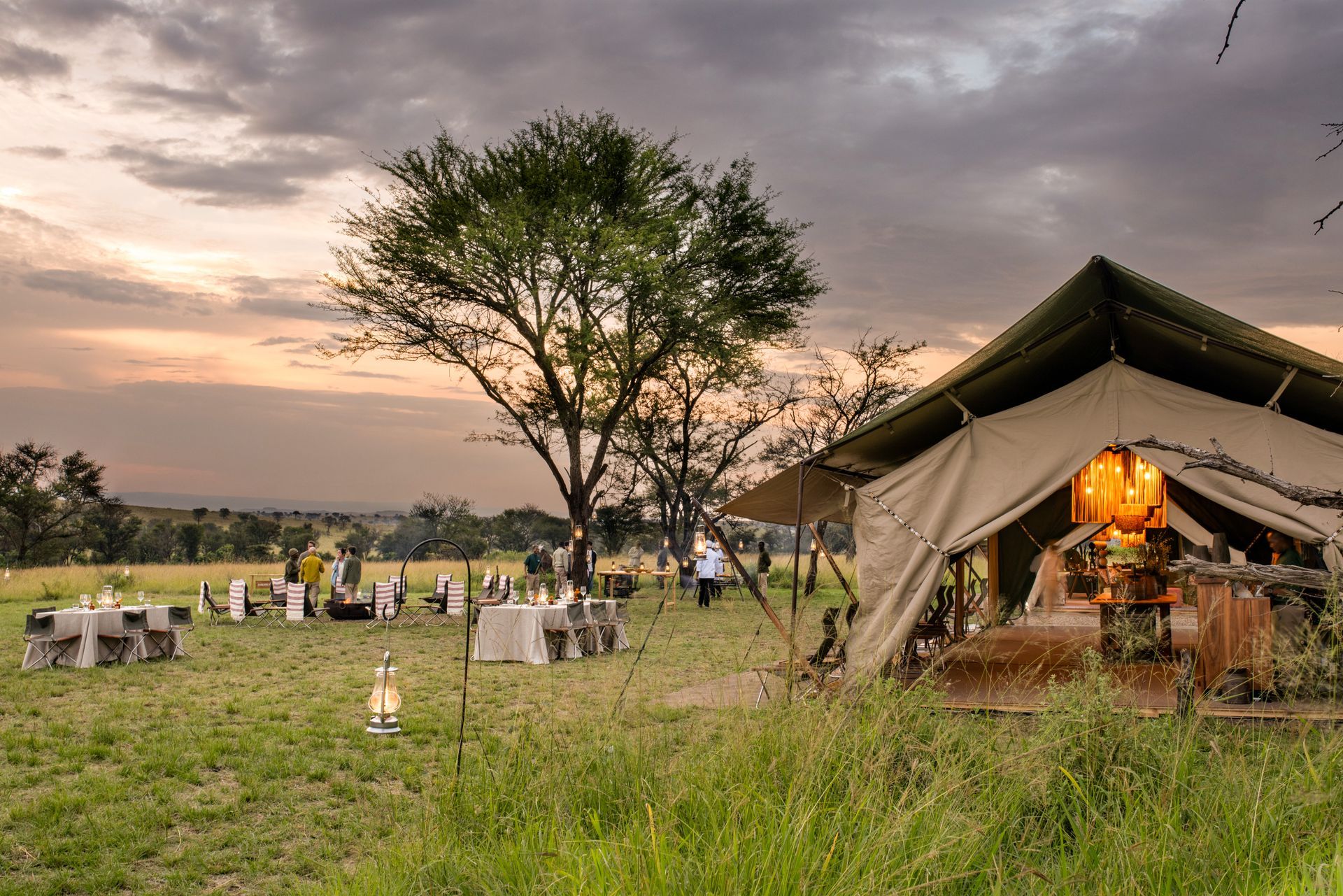
Accommodation plays a crucial role in shaping the Serengeti experience. Strategically located lodges and mobile camps allow travellers to wake up with the plains at their doorstep, reducing travel time and maximising wildlife-viewing opportunities.
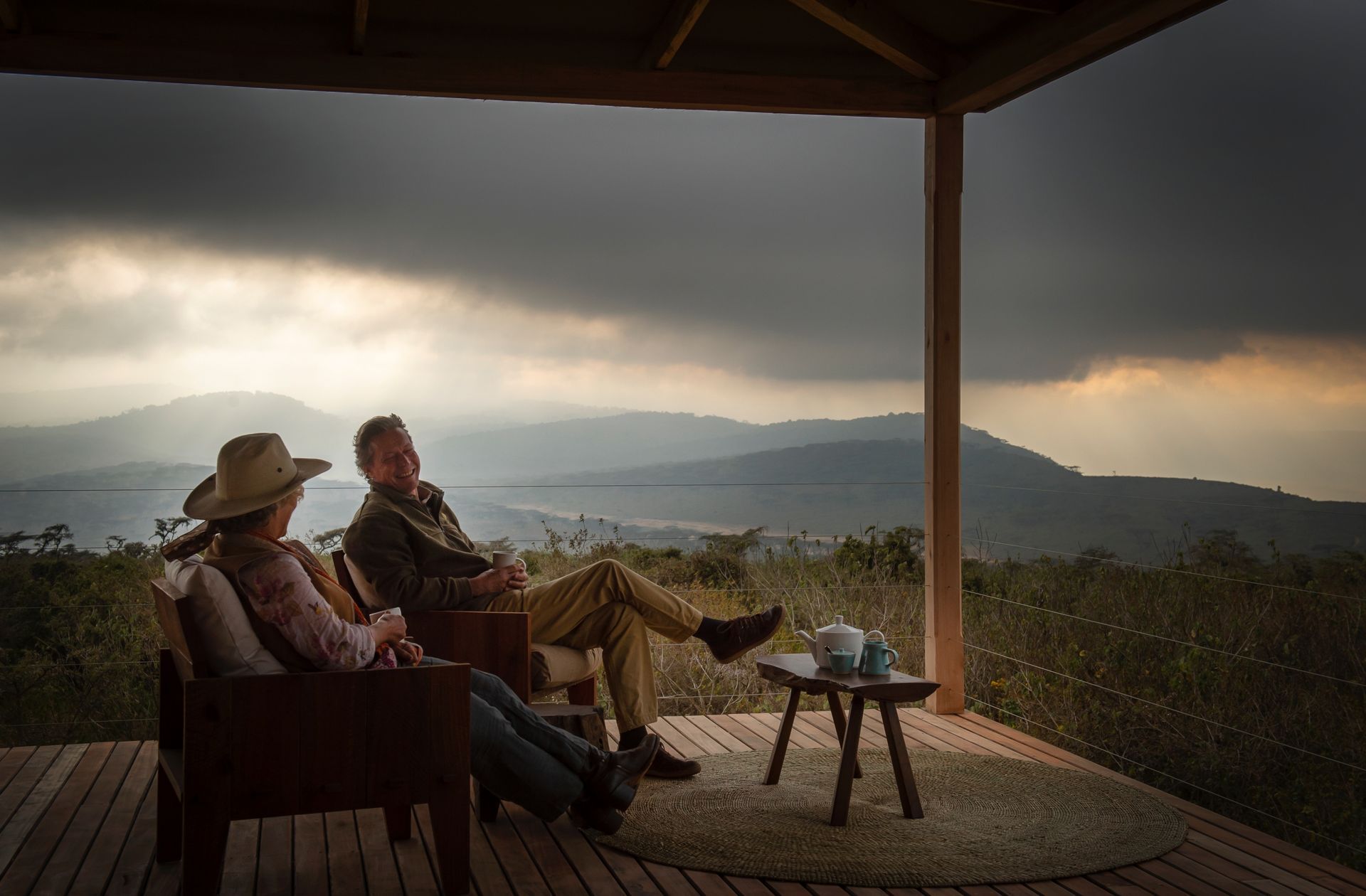
Mixing remote tented camps and mobile/seasonal camps with larger lodges provides variety, while ensuring comfort and service remain consistently high. Placement should also consider wildlife behaviour and benefit from proximity to active areas, as well as facilities, size and levels of intimacy (especially for romantic escapes where privacy is paramount).
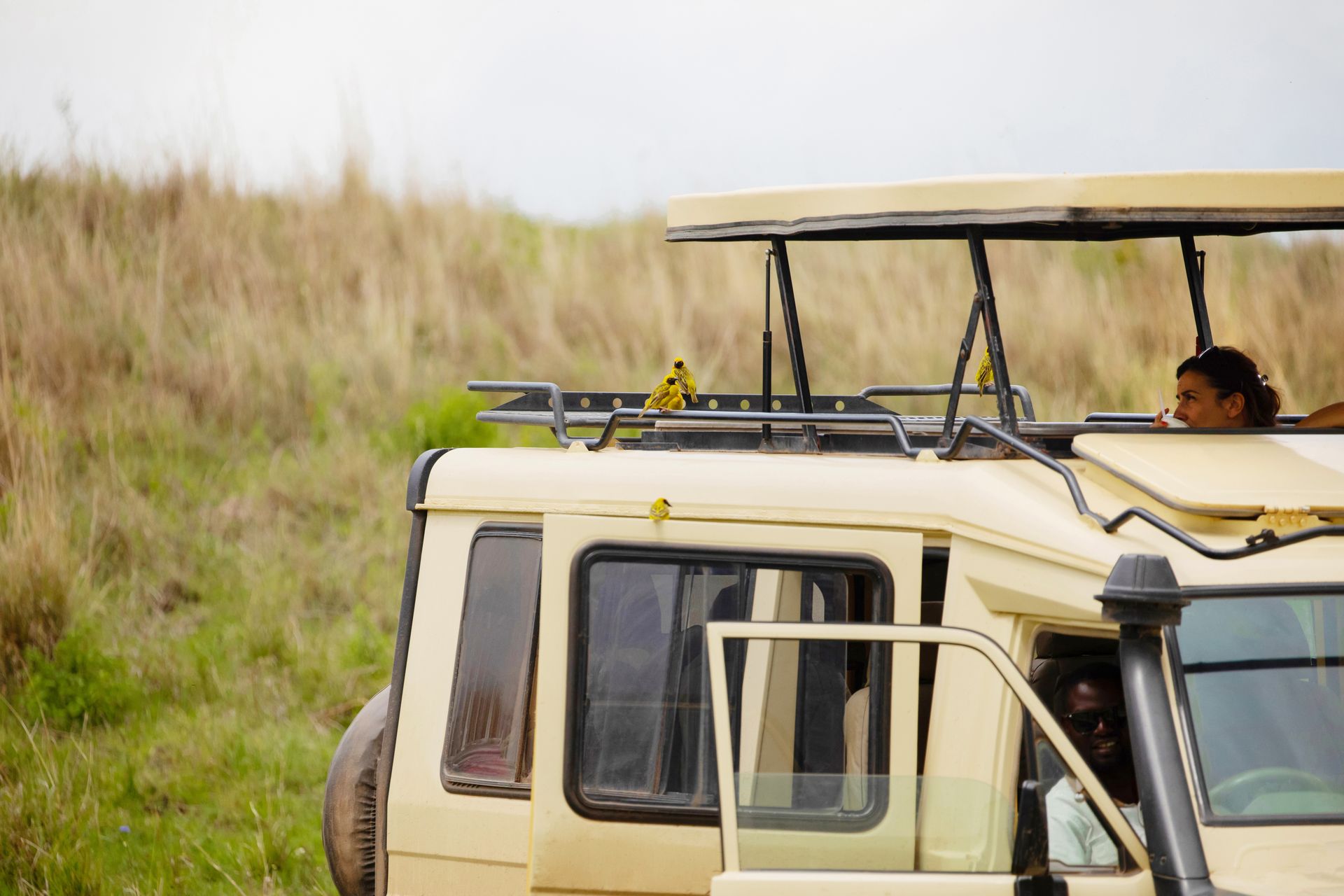
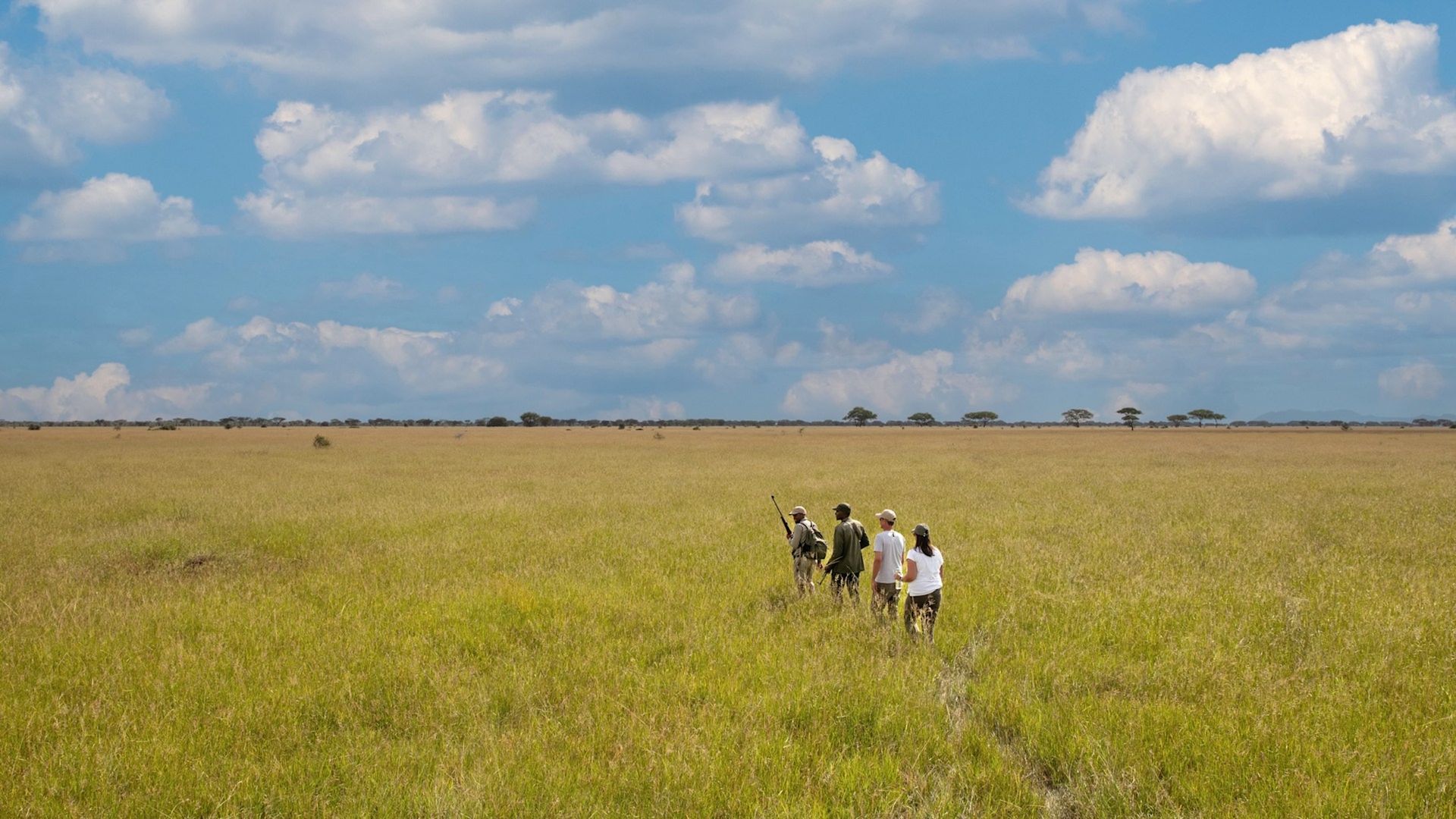
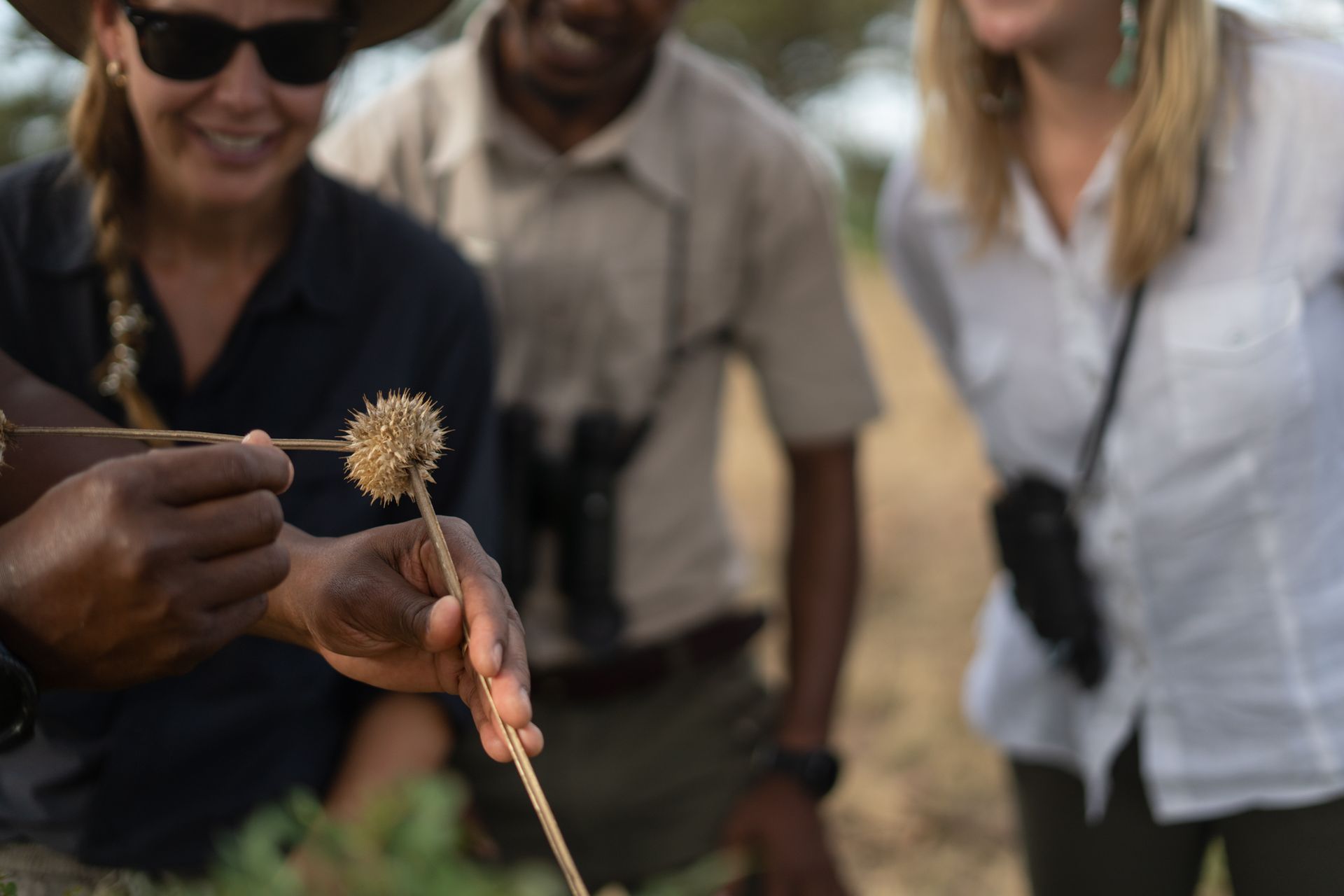
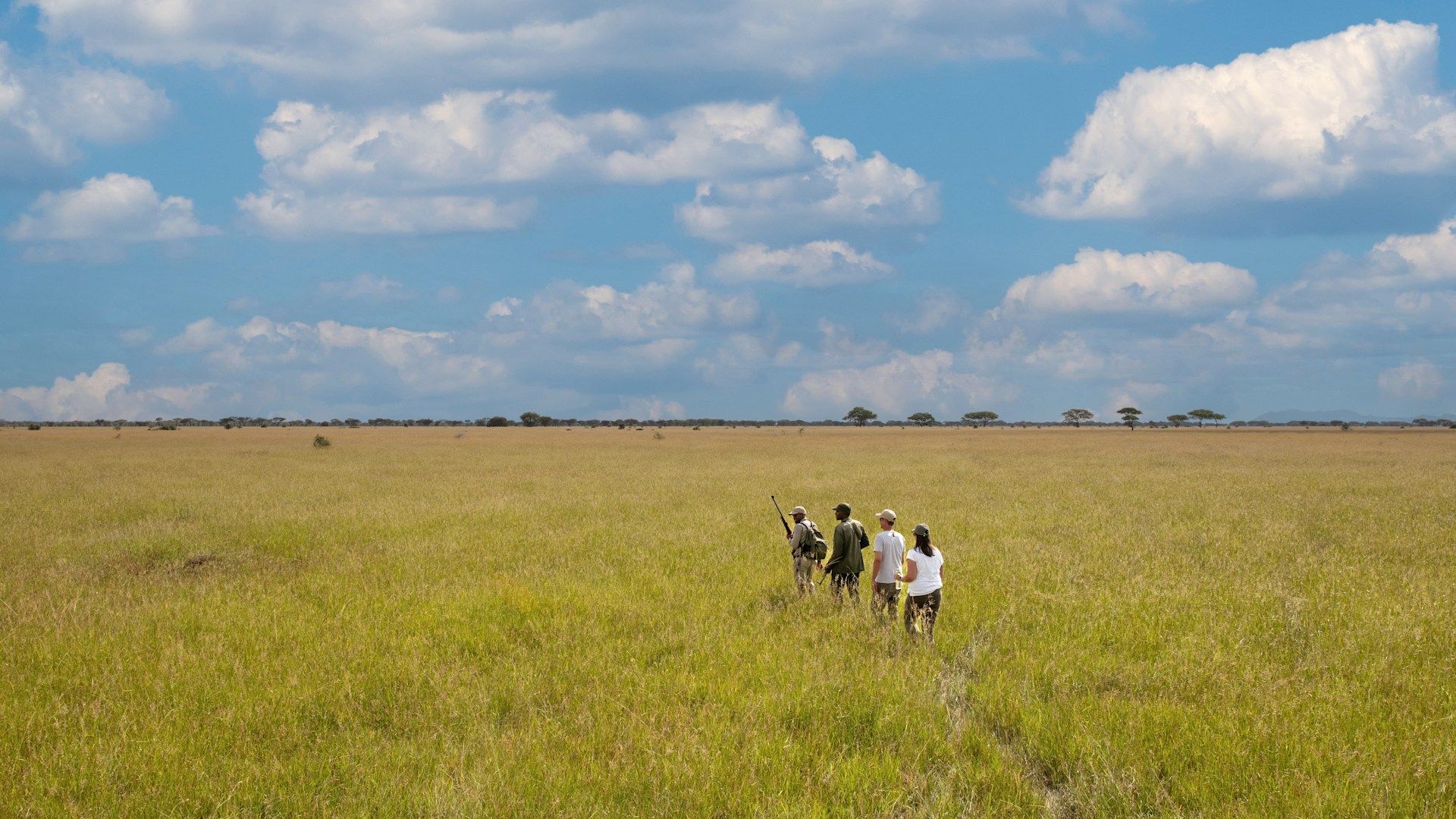
Adding layers beyond traditional game drives elevates a safari further. Walking safaris allow clients to appreciate the landscape, tracks and smaller species that go unnoticed from vehicles. Night drives reveal nocturnal activity and provide a different perspective on the ecosystem. Both of these are largely only offered on private concessions and conservancies, so that's an important thing to consider.
Cultural encounters with Maasai and other communities or conservation-focused projects provide insight into the human-wildlife interface, adding depth and resonance to each day. These experiences demonstrate the Serengeti’s versatility and ensure that a safari can be tailored to client interests.
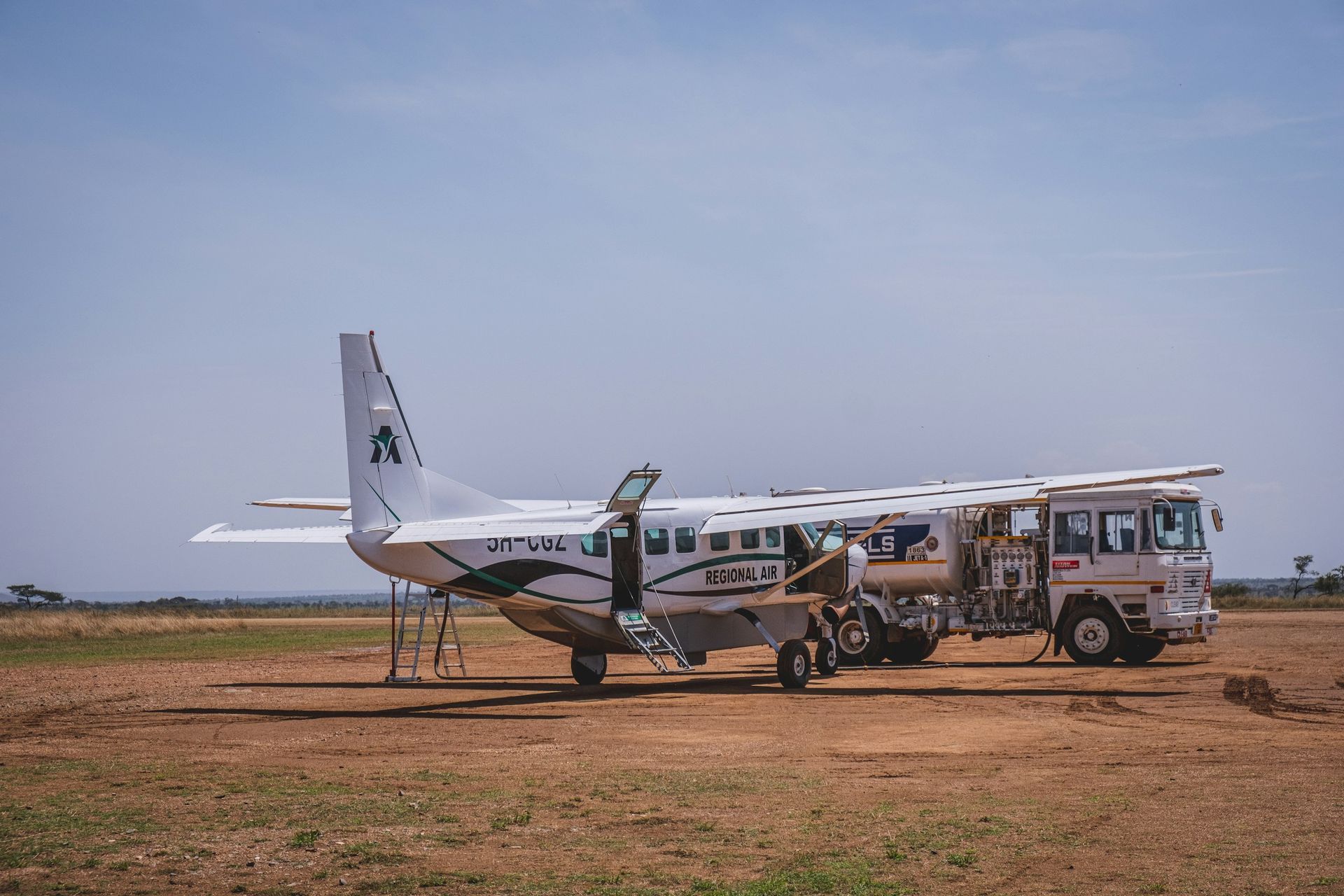
Well-timed air and road transfers connect northern and southern regions efficiently. Road transfers should be scenic and part of the journey, rather than merely functional. Guides, vehicles and camps must be sequenced to maintain rhythm, allowing wildlife experiences to feel uninterrupted. Attention to these details ensures clients encounter the Serengeti as a living, breathing ecosystem rather than a series of isolated sightings.
Finally, journeys that go beyond the migration reinforce the Serengeti’s narrative power. Travellers witness continuity alongside spectacle: resident wildlife following seasonal rhythms, interactions across habitats and the subtle shifts of the plains throughout the year. Each safari becomes a story of the ecosystem itself, rather than a calendar of events.
This approach builds confidence in selling the Serengeti year-round, highlighting both headline moments and quieter, equally compelling experiences that leave a lasting impression.
With the support of A&H, you can offer safaris that are not just trips, but rich, layered journeys that can be enjoyed at any time of year.