Stone Town first!
Why Zanzibar's ancient heart deserves far more than a day
Most travellers arrive in Zanzibar with their eyes already on the horizon. The beach is the destination, the resort is the reward, and Stone Town, if it features at all, is a half-day detour between the airport and the coast sold as a pleasant interlude of carved doors and market stalls before the real business of doing nothing begins. It's an entirely understandable approach, and it misses the point of Zanzibar almost completely.
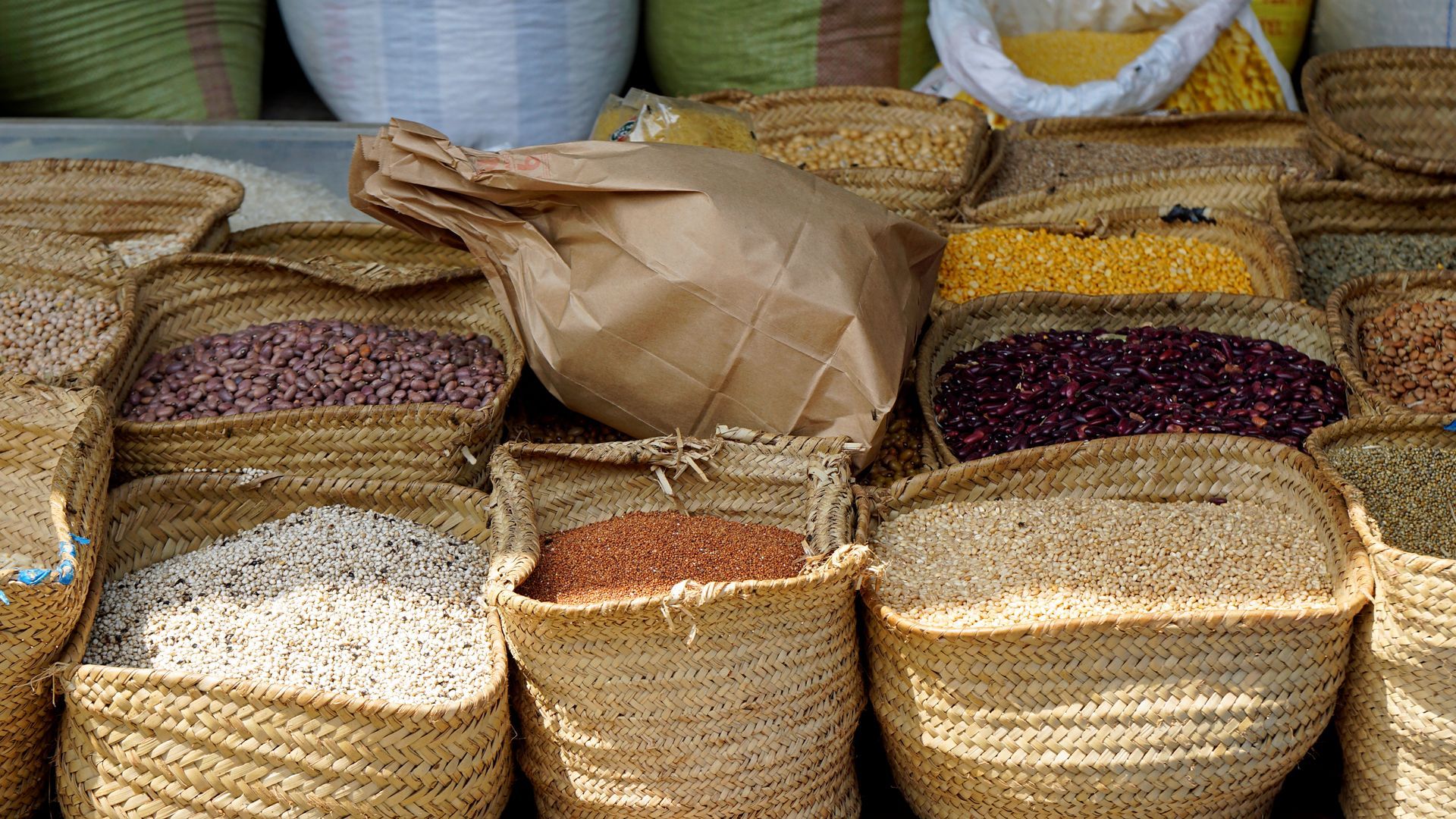
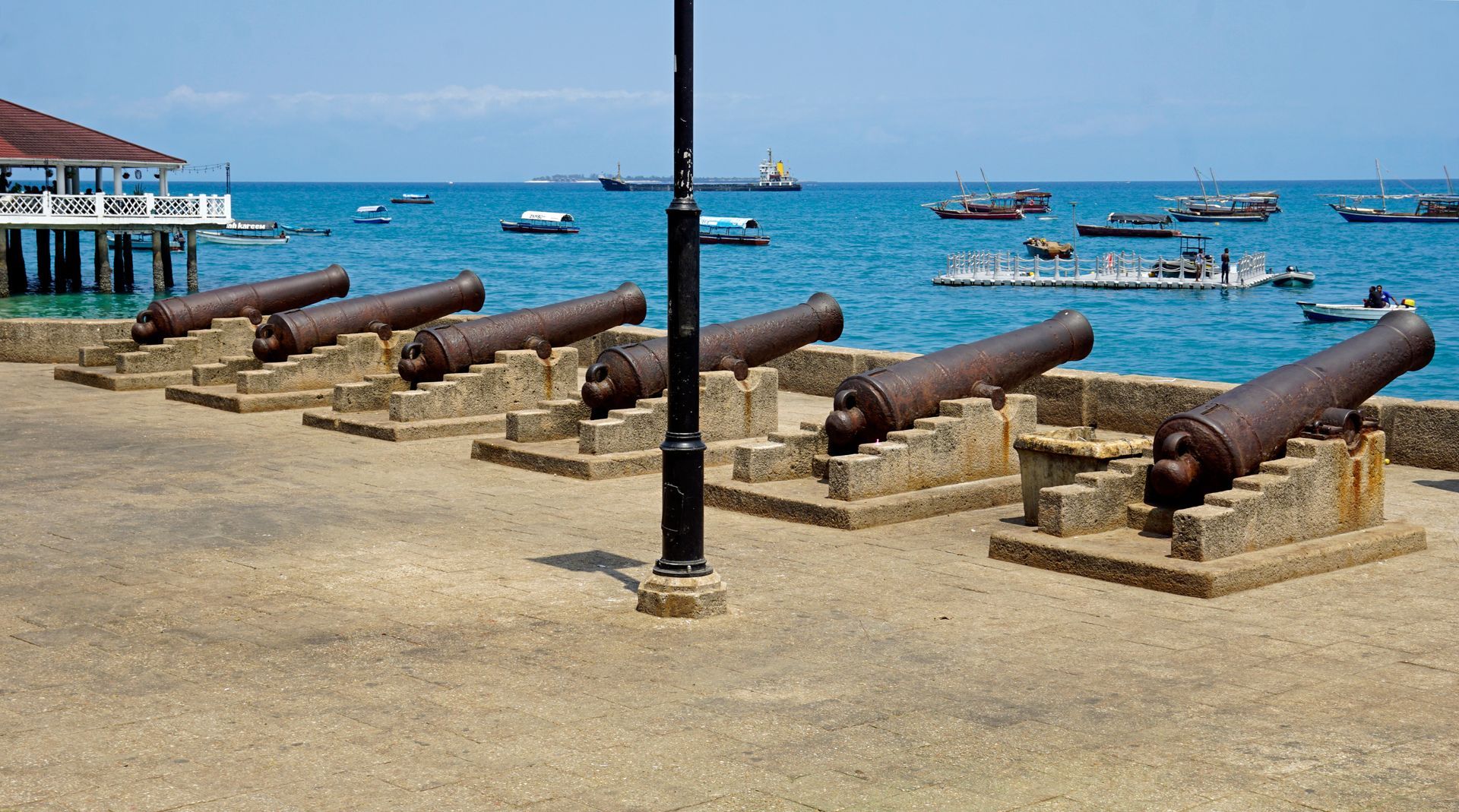
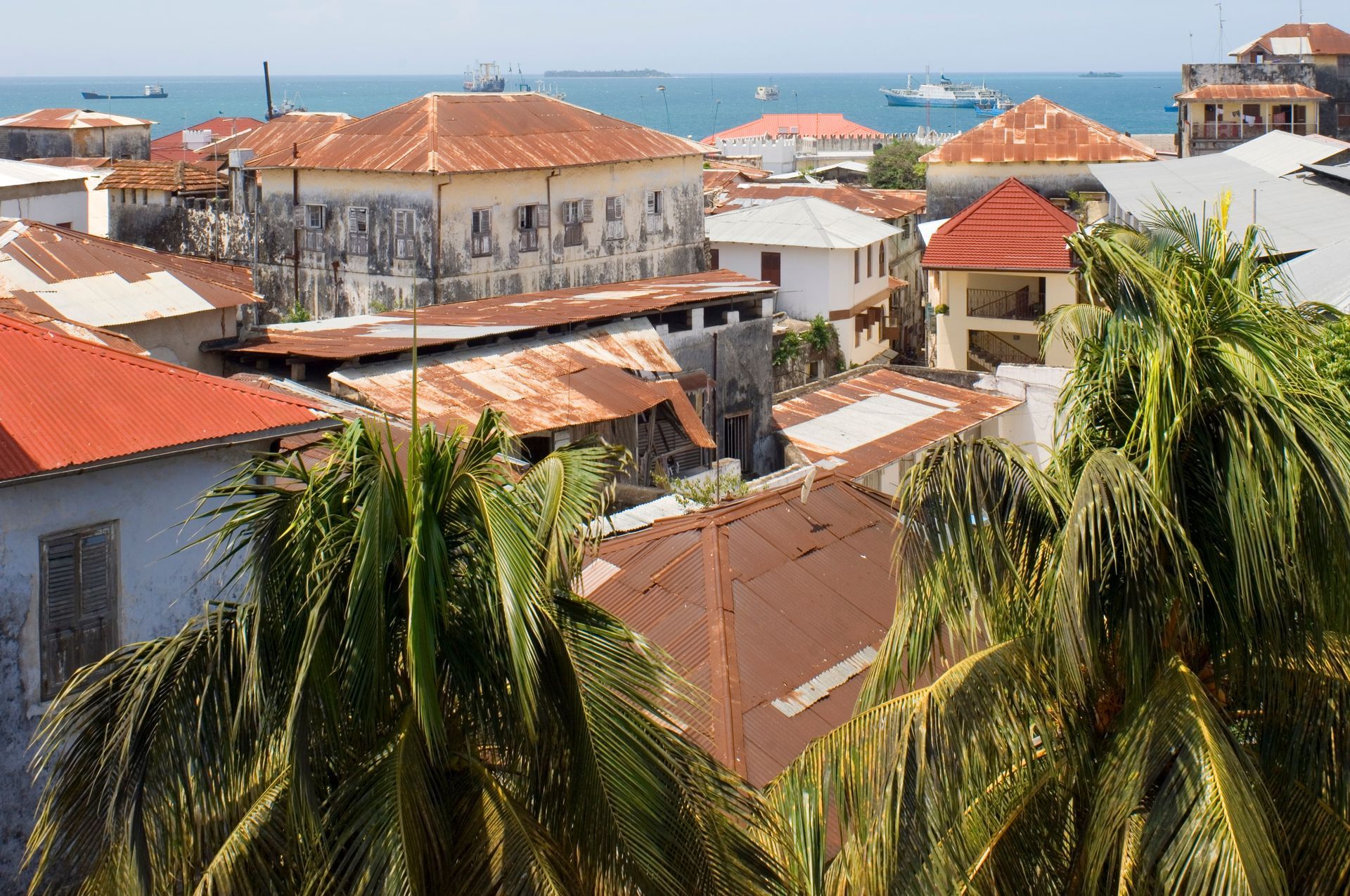
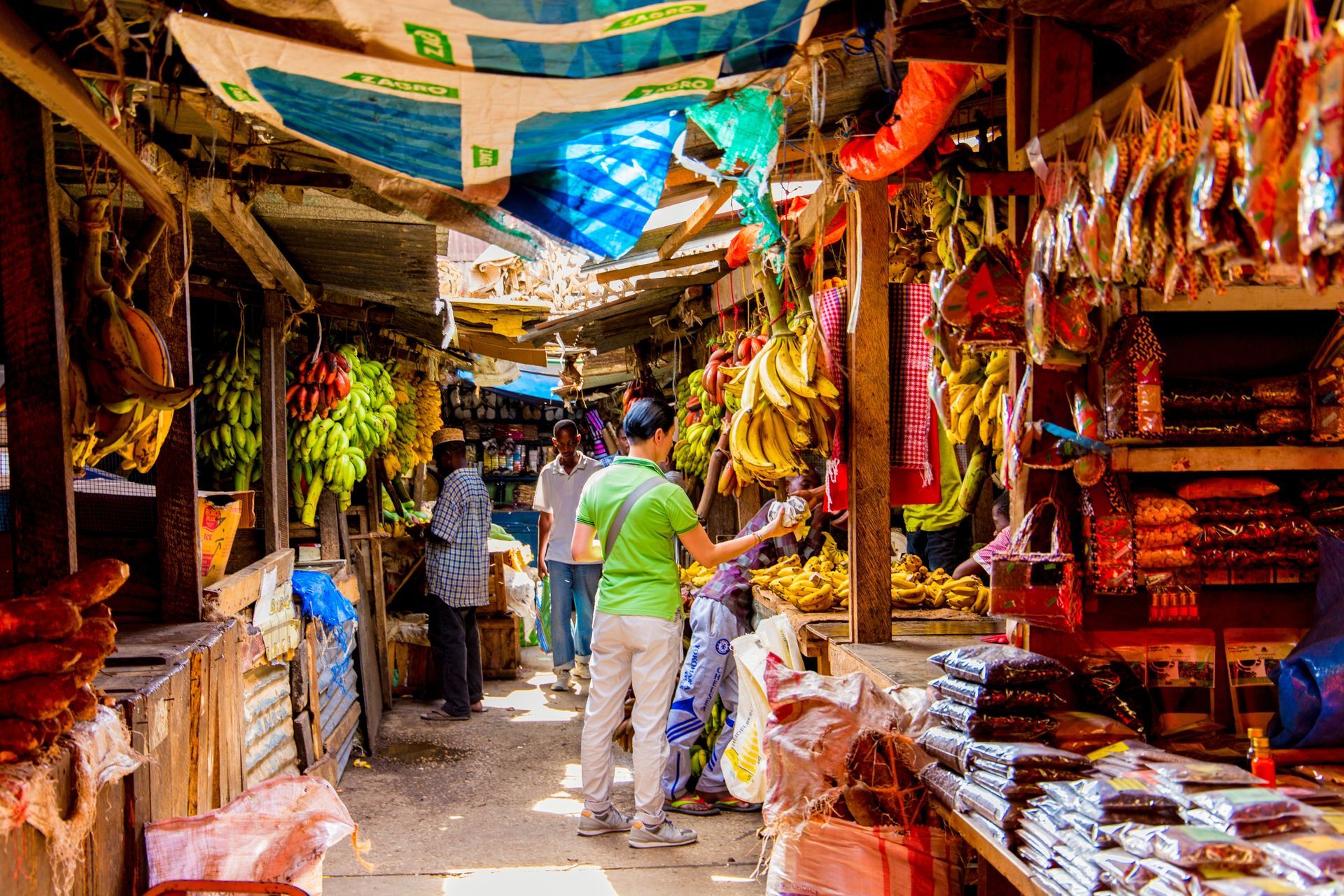
Stone Town is not a warm-up act. It's one of the most layered, atmospheric and genuinely fascinating small cities in Africa, a place where more than a thousand years of Indian Ocean history have accumulated into something so dense with story, texture and sensory detail that a few hours barely scratches the surface.
To give it a couple of days, on the other hand, is to arrive in Zanzibar already changed by it, richer in understanding, deeper in appreciation, and far better prepared to simply be still on a beach when the time comes. Stone Town earns the beach. And the beach, experienced after Stone Town, feels like a gift rather than a given.
A city built by the ocean
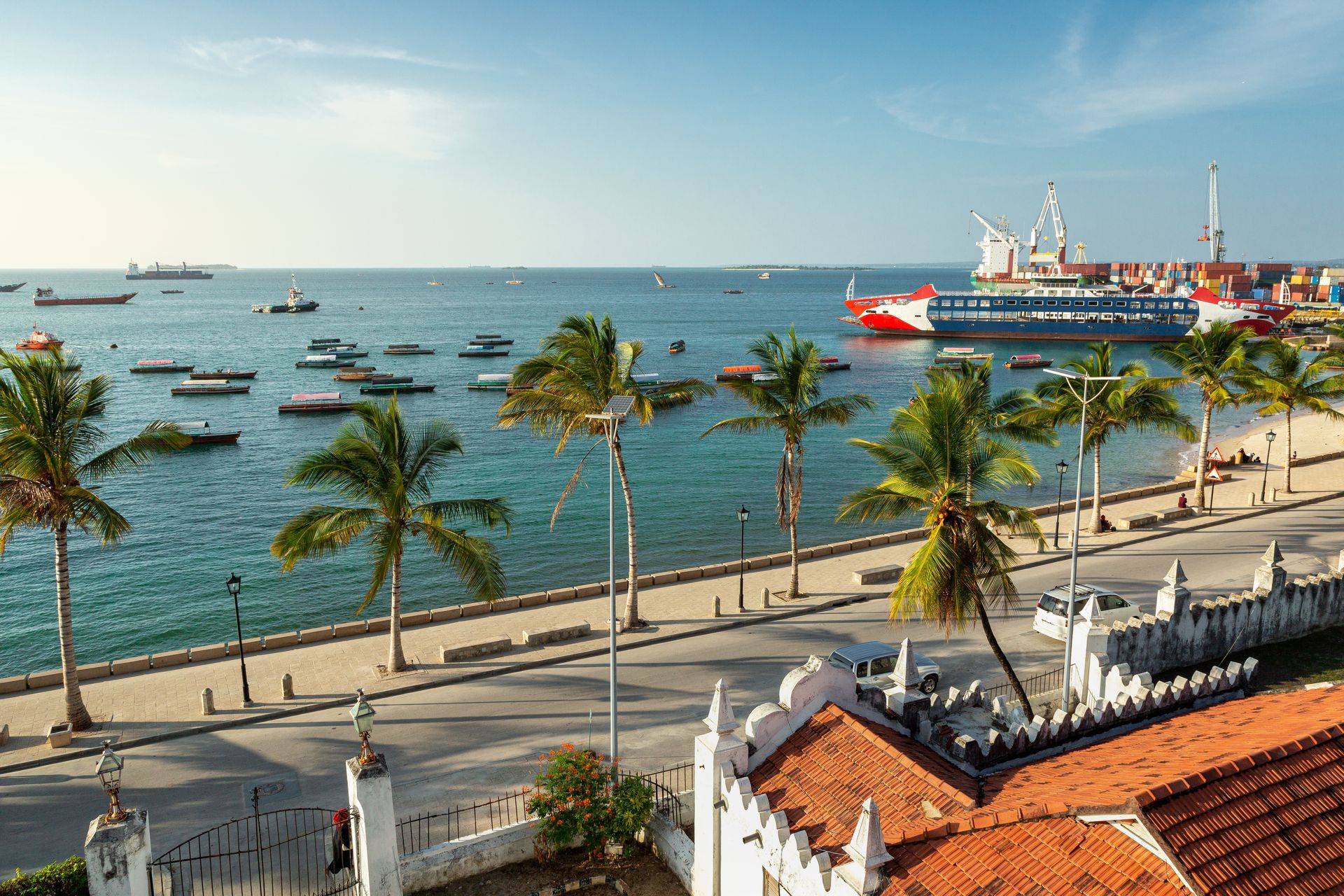
Stone Town's character was formed by the sea and by the extraordinary web of trade routes that crossed the Indian Ocean for centuries before the modern world imposed its own geometry on the map. Arab merchants from Oman established a sultanate here in the seventeenth century that would grow into one of the most powerful and prosperous trading empires in the region. Indian merchants followed, bringing their own architectural traditions, commercial acumen and culinary heritage.
Persian, Portuguese and eventually British influences added further layers. The Swahili culture that holds all of this together is itself a synthesis, a language, a cuisine, a way of life that emerged from centuries of exchange and that exists nowhere quite as fully as it does here.
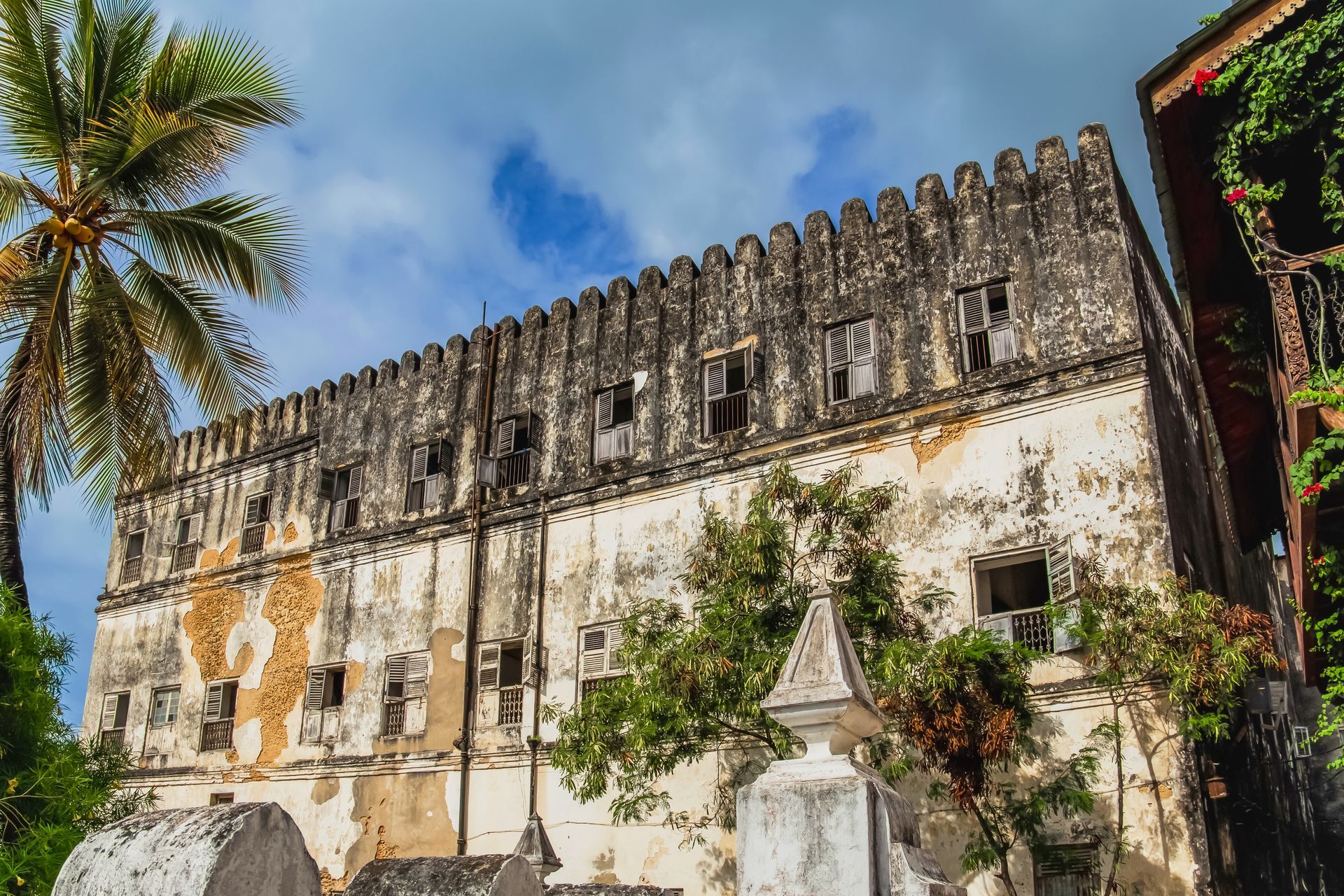
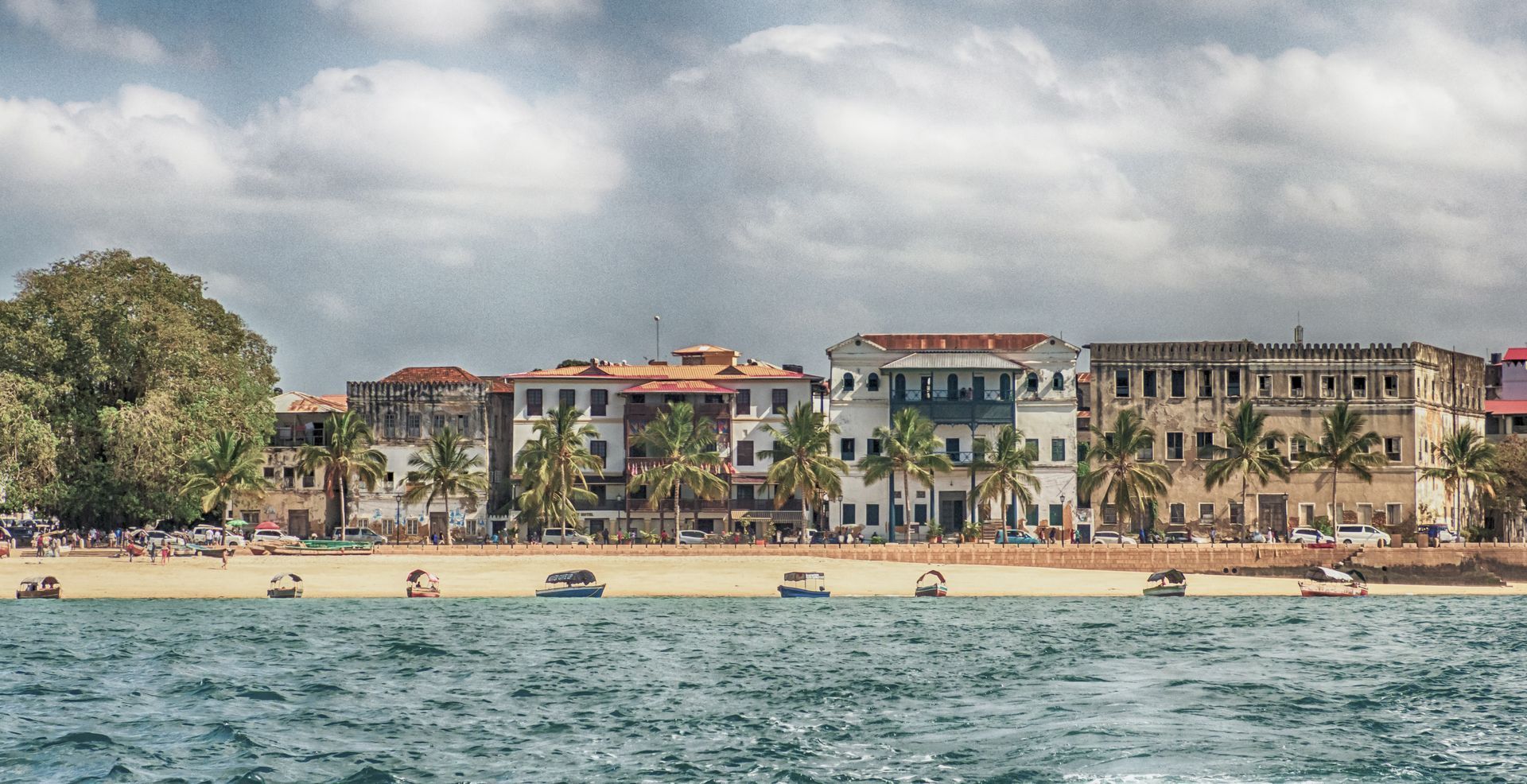
What makes Stone Town remarkable is that this history didn't get tidied away or replaced. It accumulated, layer by layer, and it's still visible in almost everything you look at. The city was designated a UNESCO World Heritage Site in 2000, not as a preservation exercise but as a recognition of something that had already survived largely intact , a living urban environment whose architecture, street pattern and cultural life still reflect the world that built it.
The architecture of encounter
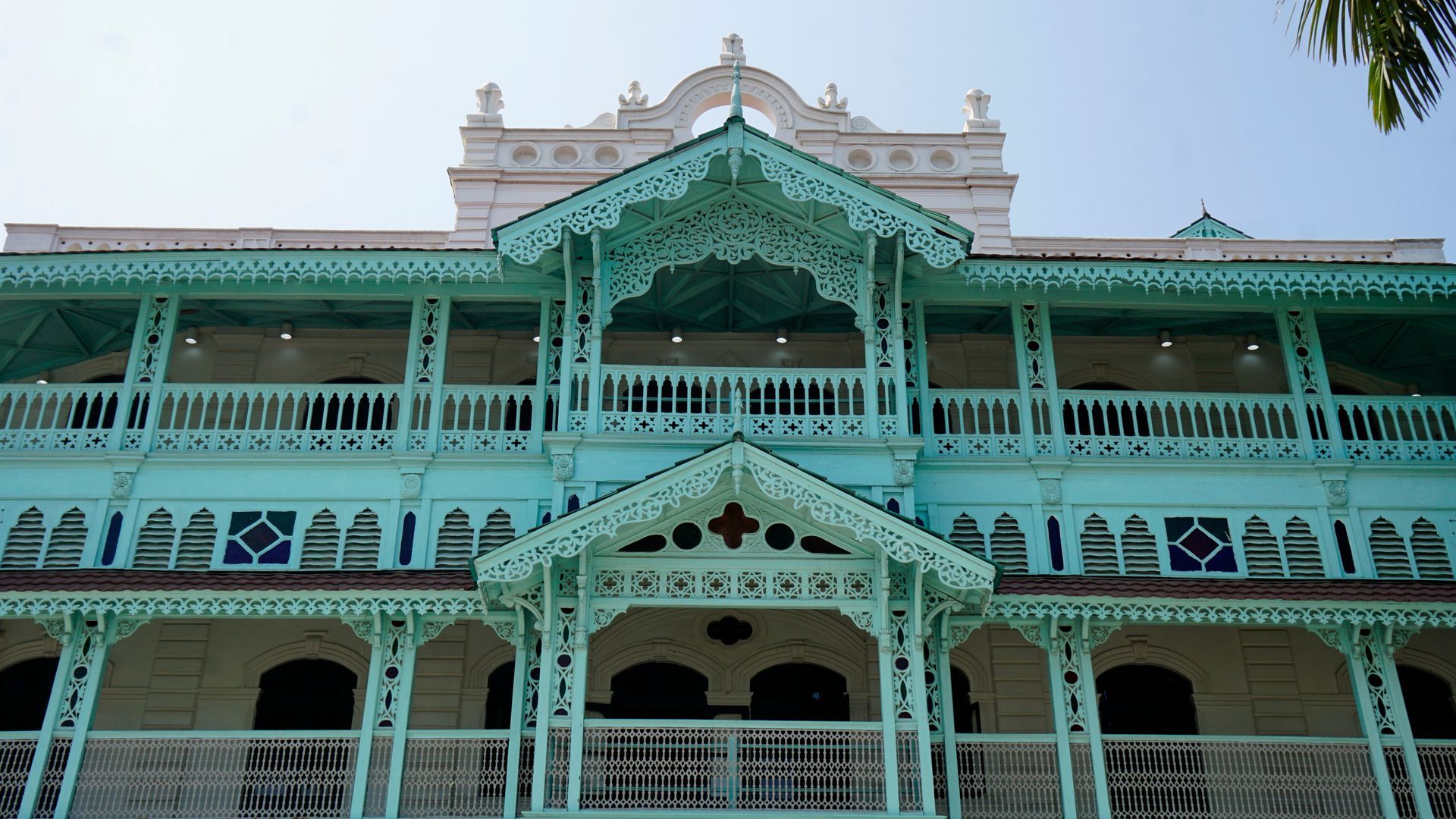
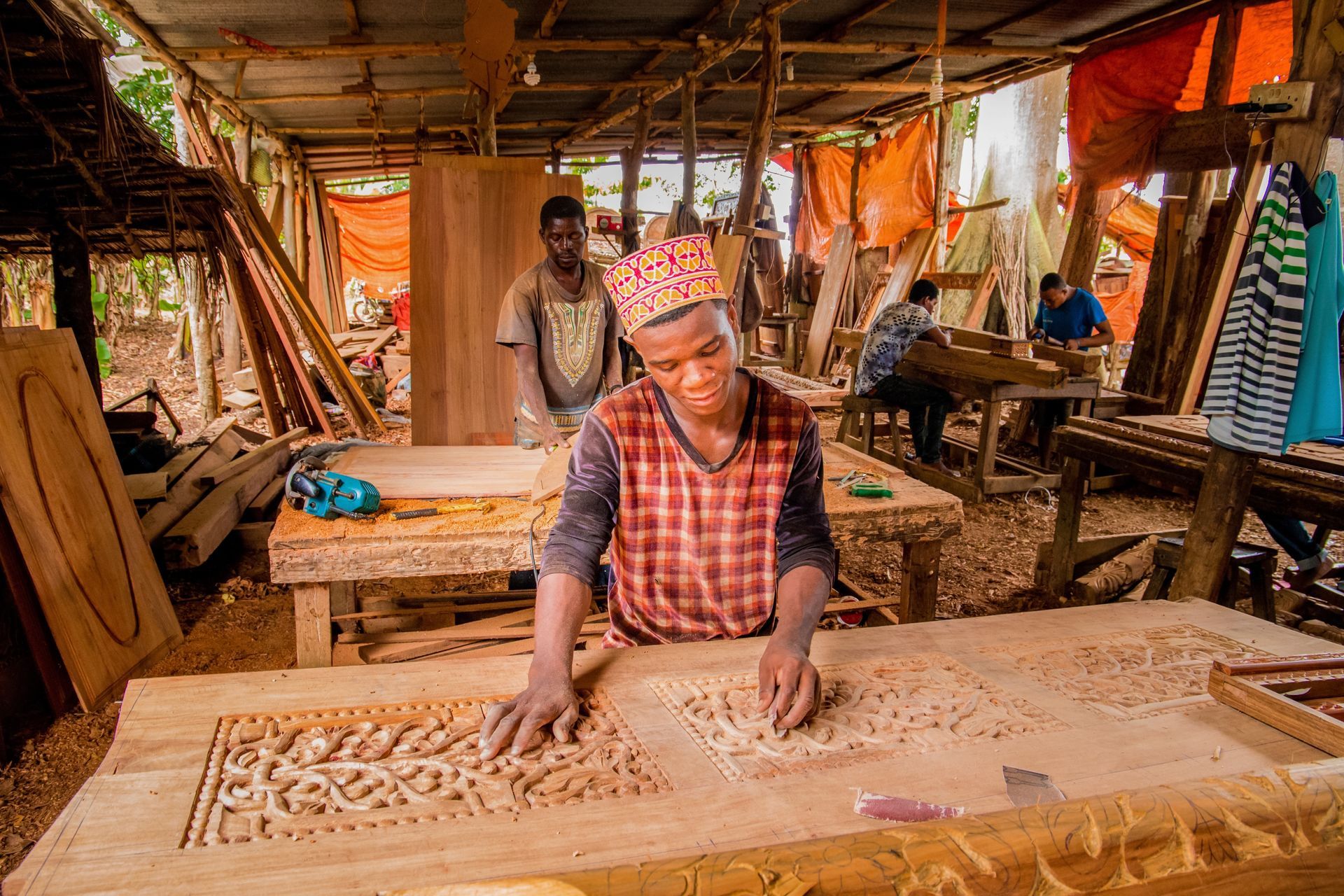
The buildings of Stone Town are a conversation between civilisations, and learning to read them is one of the great pleasures of spending time here. The most immediately striking element is the doors. Zanzibar's carved wooden doors are among the finest examples of decorative craftsmanship in East Africa, and they repay close attention. The Omani Arab tradition favoured heavy, rectangular doors with elaborate geometric carving and large brass studs, originally intended to discourage elephants, a detail that says something rather wonderful about the ambitions of the merchants who commissioned them.
The Indian tradition brought a different aesthetic, with more ornate floral carving, arched fanlights and the kind of exuberant surface decoration that speaks of prosperity worn openly and with pleasure. Many of the finest doors in Stone Town represent a hybrid of both traditions, the result of craftsmen working across cultural boundaries with evident enjoyment.
Beyond the doors, the buildings themselves tell their stories in coral stone and lime plaster, in latticed balconies designed to catch the ocean breeze, in cool interior courtyards where the noise of the street drops away and the light falls in long, quiet shafts. The Palace Museum, formerly the Sultan's palace, offers a formal introduction to the city's Omani period.
The House of Wonders, Zanzibar's largest and most ornate historic building, was the first structure on the island to have electricity and a lift, two facts that feel entirely characteristic of a city that was always reaching towards the future while remaining deeply anchored in its past.
The weight of history
No honest account of Stone Town can sidestep the darker chapter that sits at its centre. For much of the 19th century, Zanzibar was the largest slave trading port on the East African coast, a place through which hundreds of thousands of people passed in conditions of almost unimaginable suffering on their way to markets across the Arab world and beyond.
The Anglican Cathedral, built by the Universities' Mission to Central Africa in 1873 and consecrated in the same year that the slave trade was formally abolished in Zanzibar, stands directly on the site of the island's main slave market. The altar is positioned where the whipping post once stood. Beneath the cathedral, the original slave chambers have been preserved, small, airless rooms where people were held before sale, and visiting them is an experience that stays with you long after you've left.
This history is not comfortable, and it's not meant to be. But engaging with it honestly is part of what makes time in Stone Town meaningful rather than merely picturesque, and it's one of the reasons the city rewards travellers who come with genuine curiosity rather than just a camera.
A city that feeds you extraordinarily well
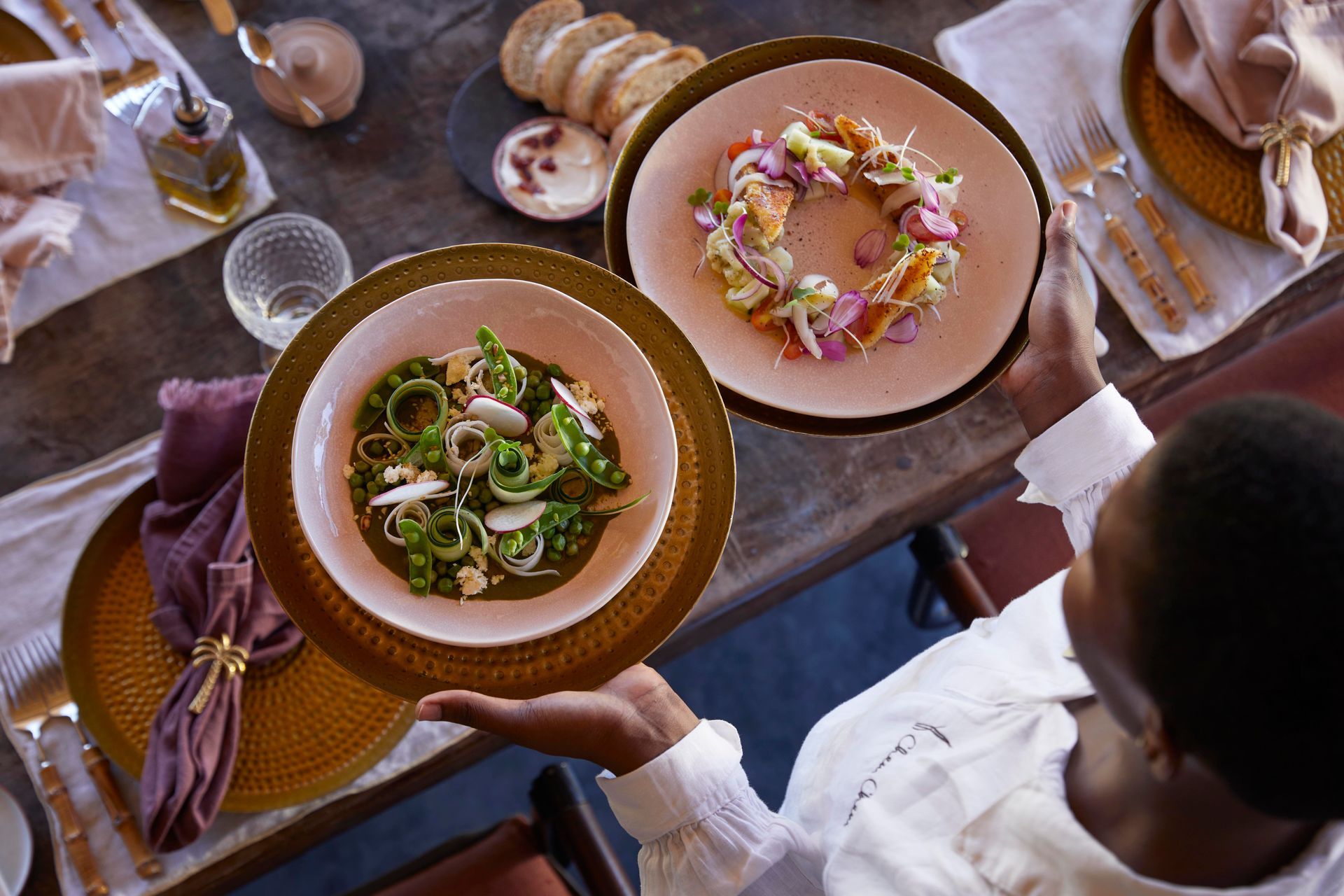
Zanzibar's food is one of its great and still somewhat undersung pleasures, and Stone Town is where it's at its most varied, most vibrant and most exciting. The culinary heritage here draws on the same extraordinary range of influences that shaped everything else about the city from its Arab spicing and Indian technique to the African ingredients and the incomparable bounty of the Indian Ocean. The results are deeply satisfying in a way that feels both exotic and deeply familiar at the same time.
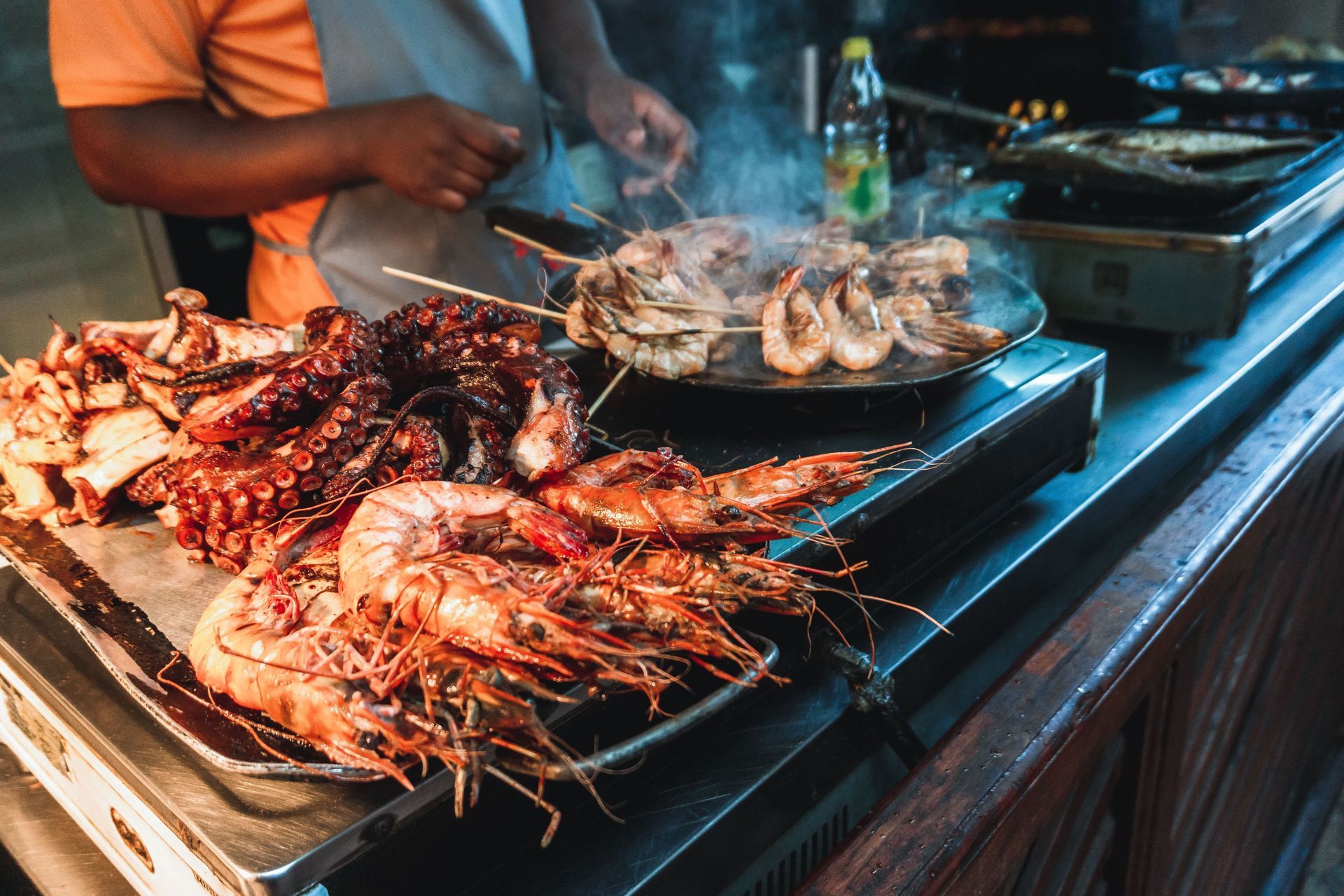
The Forodhani Gardens night market on the waterfront is the most famous expression of this food culture, and it fully deserves its reputation. As darkness falls and the fairy lights come on along the seafront, the market transforms into a wonderfully convivial gathering of food stalls, grilling seafood, local vendors and an entirely unpretentious atmosphere that feels genuinely alive rather than performed for tourists.
Zanzibar pizza has to be tried. It's a street food creation involving a thin dough parcel filled with meat, egg, vegetables and cheese and cooked on a griddle and is one of those things that sounds improbable and tastes magnificent. The grilled octopus, the sugarcane juice, the spiced mishkaki skewers, all eaten at a plastic table with the warm night air and the sound of the ocean nearby, constitutes one of the most enjoyable meals you can have in East Africa.
Beyond Forodhani, Stone Town's restaurant scene has matured considerably in recent years. A number of beautifully restored historic buildings now house restaurants that take the island's culinary heritage seriously, serving Swahili cuisine with care and creativity alongside Persian and Indian-influenced dishes that reflect the city's layered past.
Breakfast at a rooftop café, with fresh tropical fruit, spiced coffee and a view over the rooftops to the harbour, is a particular pleasure that sets the tone for a day spent wandering without too fixed an agenda.
Music, rhythm and the sound of the streets
Taarab music is Zanzibar's own, a genre that emerged from the cultural confluence of the Indian Ocean world and that blends Arabic melodic traditions, Indian instrumentation and Swahili poetry into something hauntingly beautiful and entirely distinctive. Hearing it live, in a courtyard or a small venue in Stone Town, is one of those travel experiences that feels genuinely irreplaceable.
The Dhow Countries Music Academy, based in Stone Town, has done remarkable work in preserving and teaching traditional Zanzibar music, and performances there offer an exceptional window into a musical culture that deserves far wider recognition.
The streets themselves have their own rhythm, whether it's the call to prayer threading through the morning air or the clatter of a football game in a narrow alley, the particular sound of a city that is simultaneously very old and very much alive. Stone Town rewards slow mornings and late evenings, the hours when the light is extraordinary and the streets belong more fully to those who live in them.
Then, the beach
After two or three days in Stone Town, the beach arrives not as the point of the trip but as its natural resolution. The transition from the sensory density of the city to the wide, unhurried openness of Zanzibar's coast is one of the most pleasurable gear changes in travel.
The eastern beaches around Matemwe and Paje offer long stretches of white sand and warm, clear water that invite exactly the kind of purposeful inactivity that a week in the Tanzanian bush, followed by a few days of deep urban engagement in Stone Town, has thoroughly earned.
The north coast around Nungwi and Kendwa brings a livelier atmosphere and the advantage of beaches that hold their depth at low tide. For those seeking something more private and more extraordinary still, Mnemba Island, just off the northeastern tip of Zanzibar, offers one of the finest small luxury experiences in the Indian Ocean, with exceptional diving on the surrounding reef and a level of seclusion that feels genuinely restorative.
The beach is wonderful. It always was. It's just considerably more wonderful when you arrive at it knowing what you know, having spent real time in a city that has been one of the Indian Ocean world's most fascinating places for the better part of a thousand years.
Talk to the Anderson & Harvey team about building a Zanzibar experience into your Tanzania itinerary, one that gives Stone Town the time it deserves before the coast takes over entirely.