The return of the rhino
East Africa’s brightest conservation success story
The sight of a black rhinoceros moving silently through the bush is among the rarest and most thrilling moments on any East African safari. Once widespread across the region’s great plains, forests and highlands, both black and white rhinos suffered catastrophic declines in the 20th century due to relentless poaching and habitat loss. Today, however, these ancient creatures are making a cautious but significant comeback, thanks to dedicated conservation work, cross-border cooperation and the careful management of private and public reserves. Let's find out more...
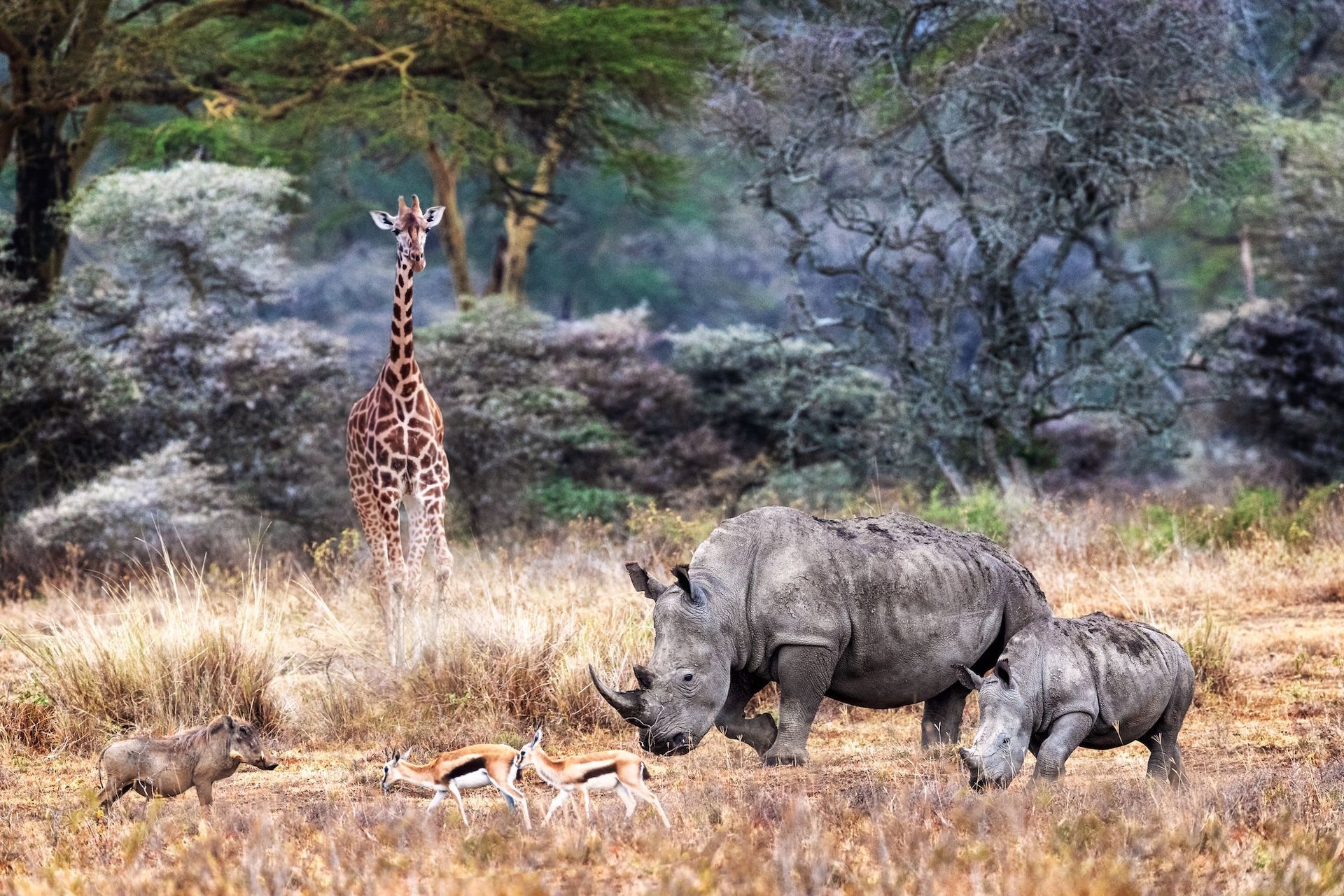
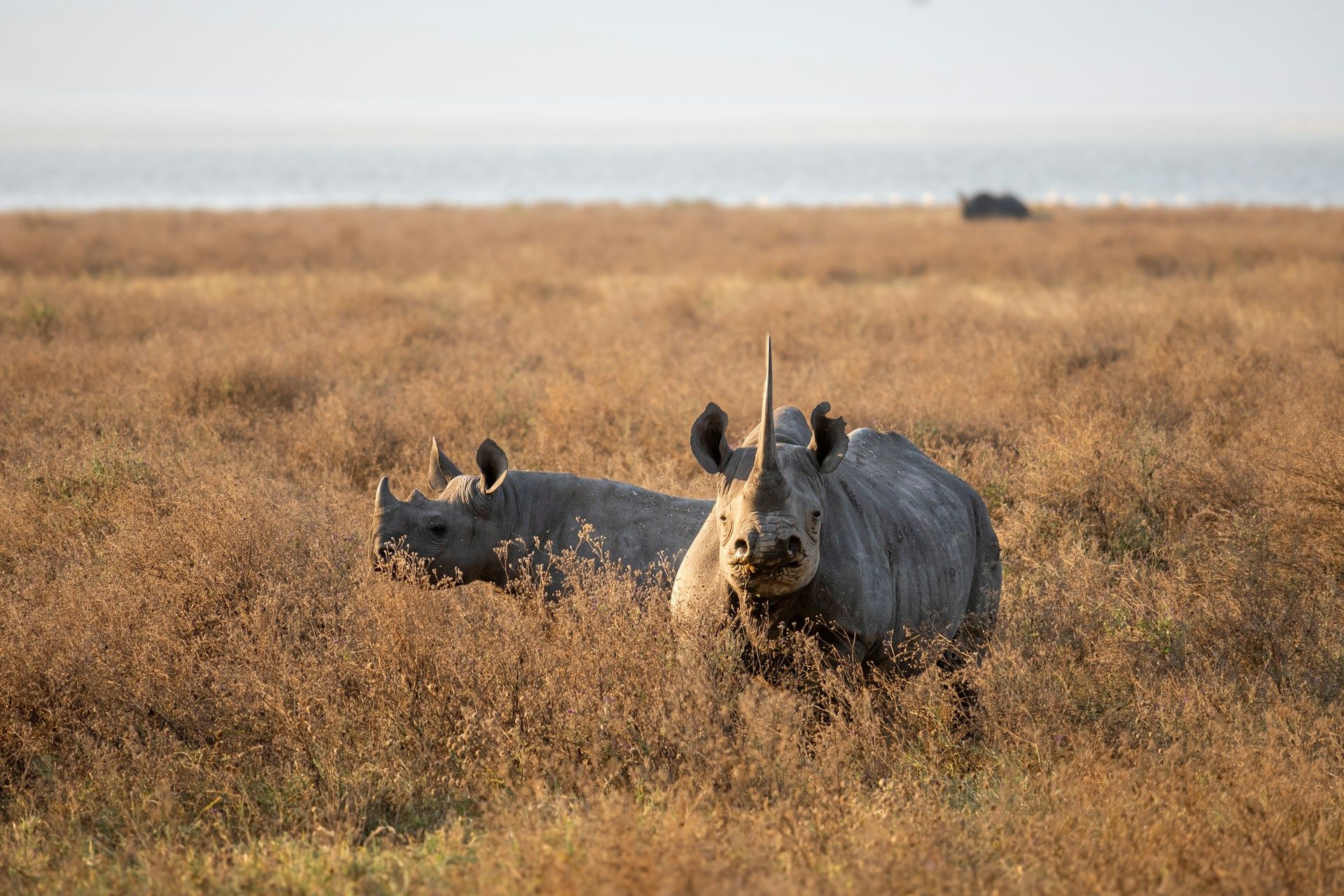
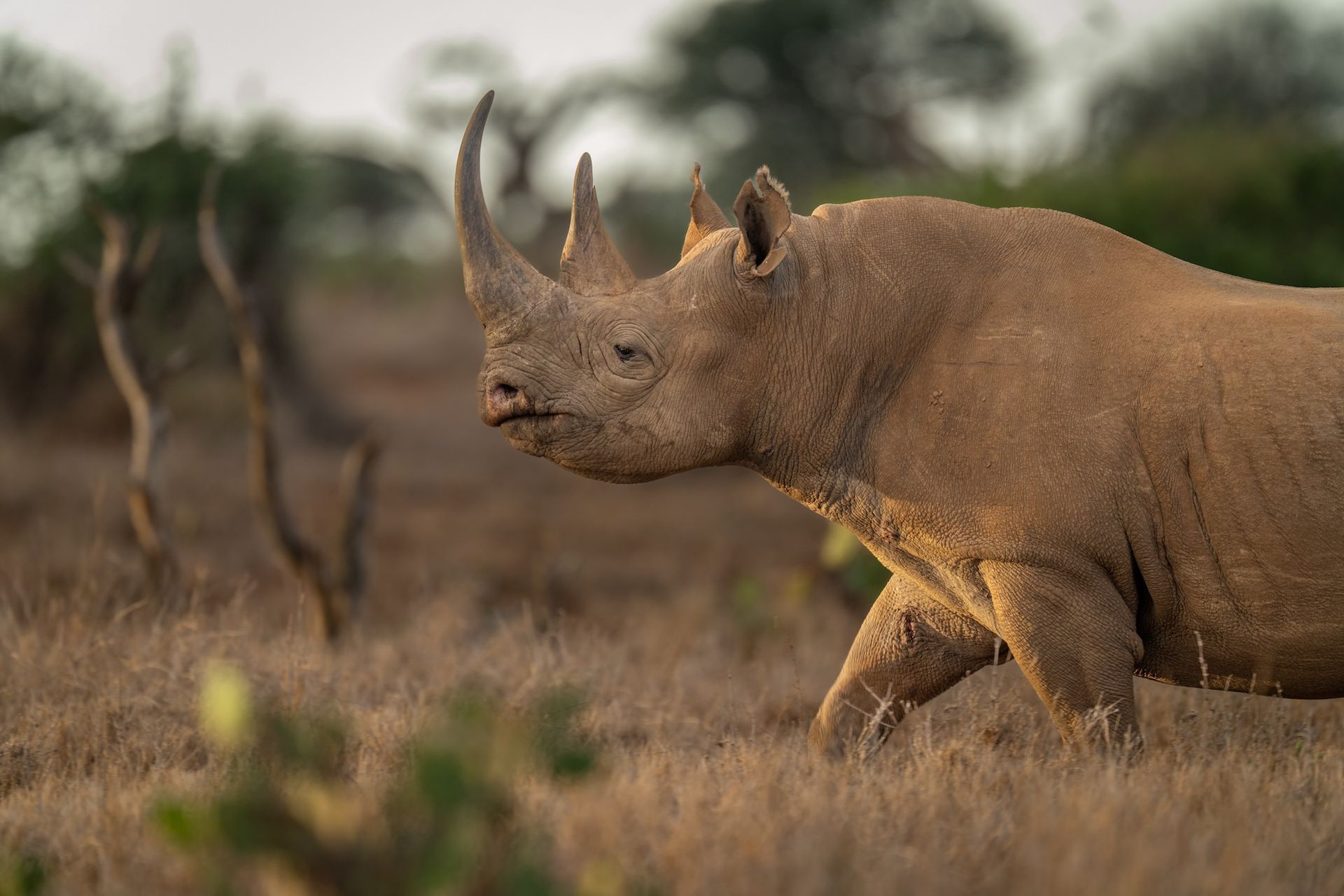
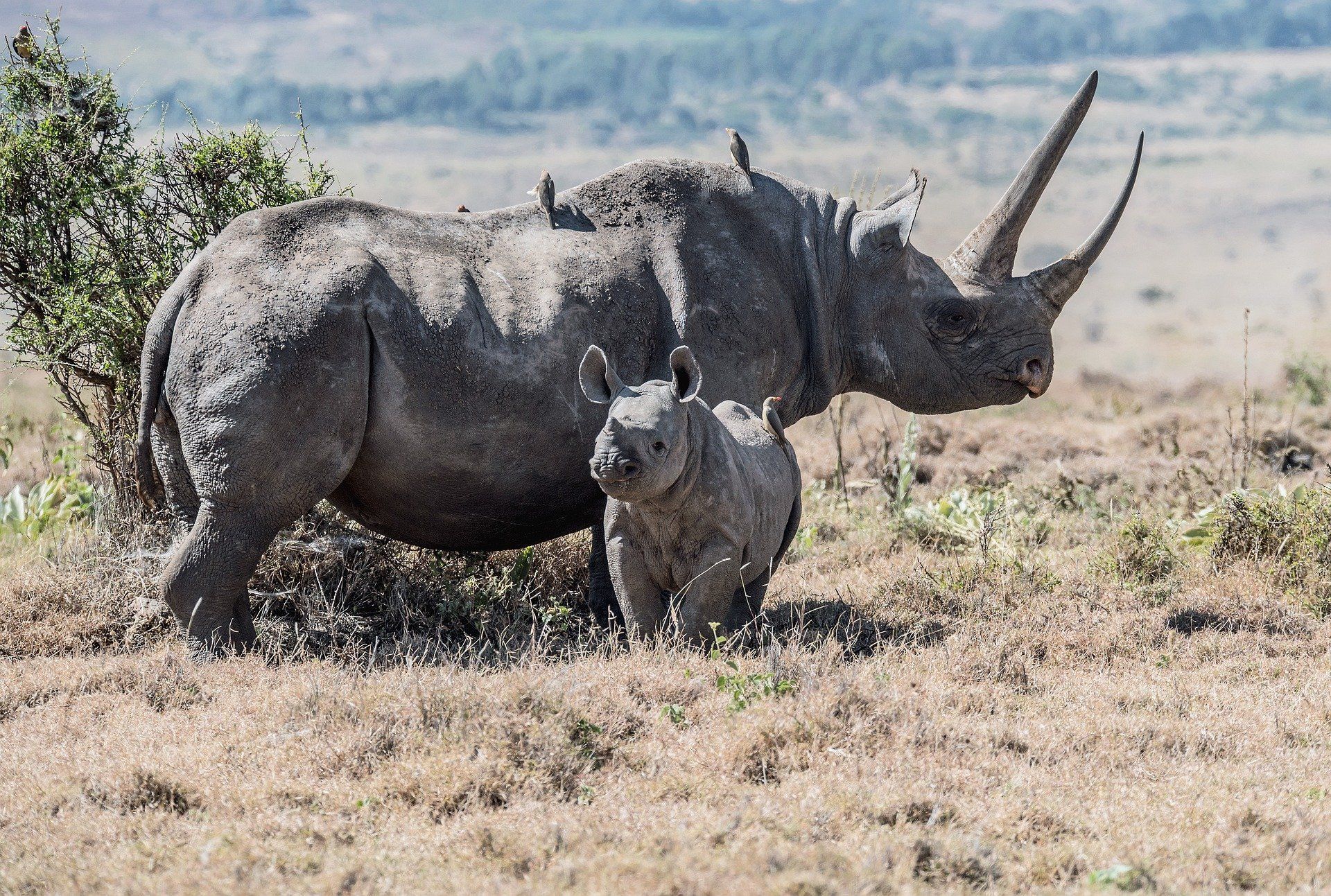
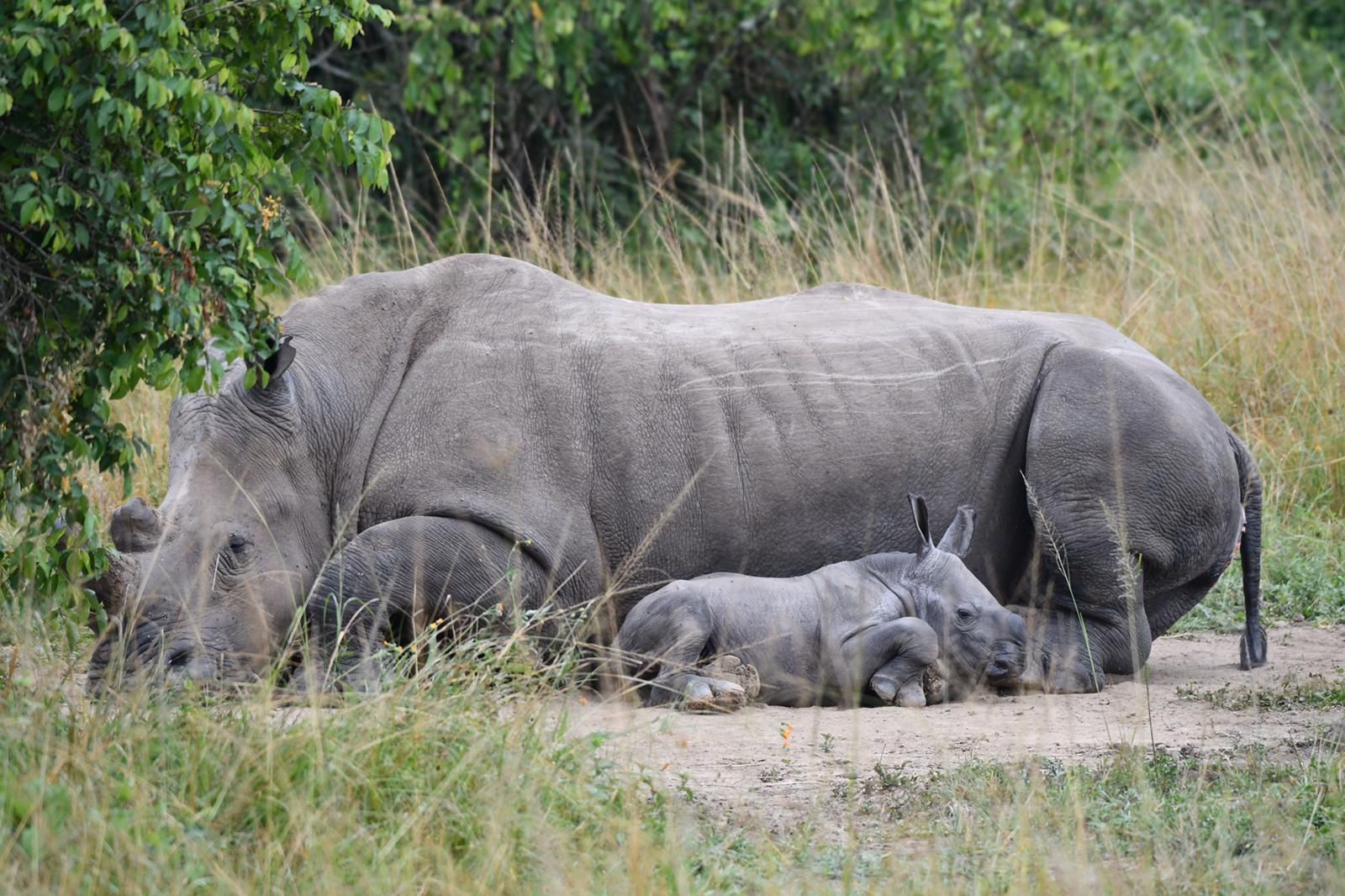
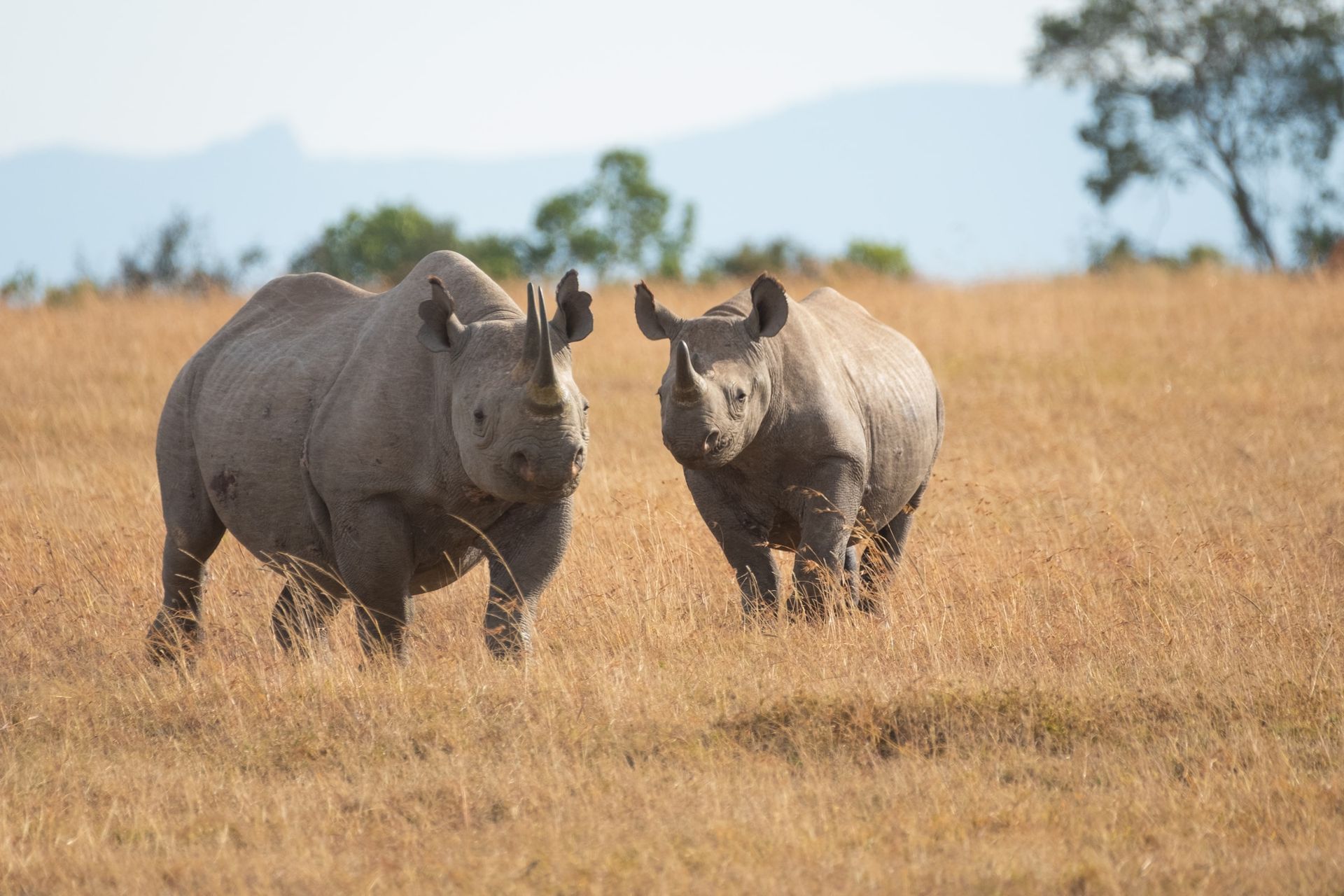
The return of the rhino to key parts of East Africa is more than a conservation success story. It is a testament to the balance of people, land and wildlife that underpins every exceptional safari. This balance has been hard-won, and every rhino sighting is a reminder of the decades of effort that have gone into protecting one of Africa’s most endangered animals.
In northern Tanzania, the Ngorongoro Conservation Area holds one of the country’s last free-ranging populations of black rhino. These elusive animals remain difficult to see, shy, wary and expertly camouflaged, but patient guides from Anderson & Harvey can sometimes track their movements across the crater floor. Each sighting here is a moment of quiet triumph, a glimpse of an ancient survivor in a landscape that has seen the passing of thousands of years.
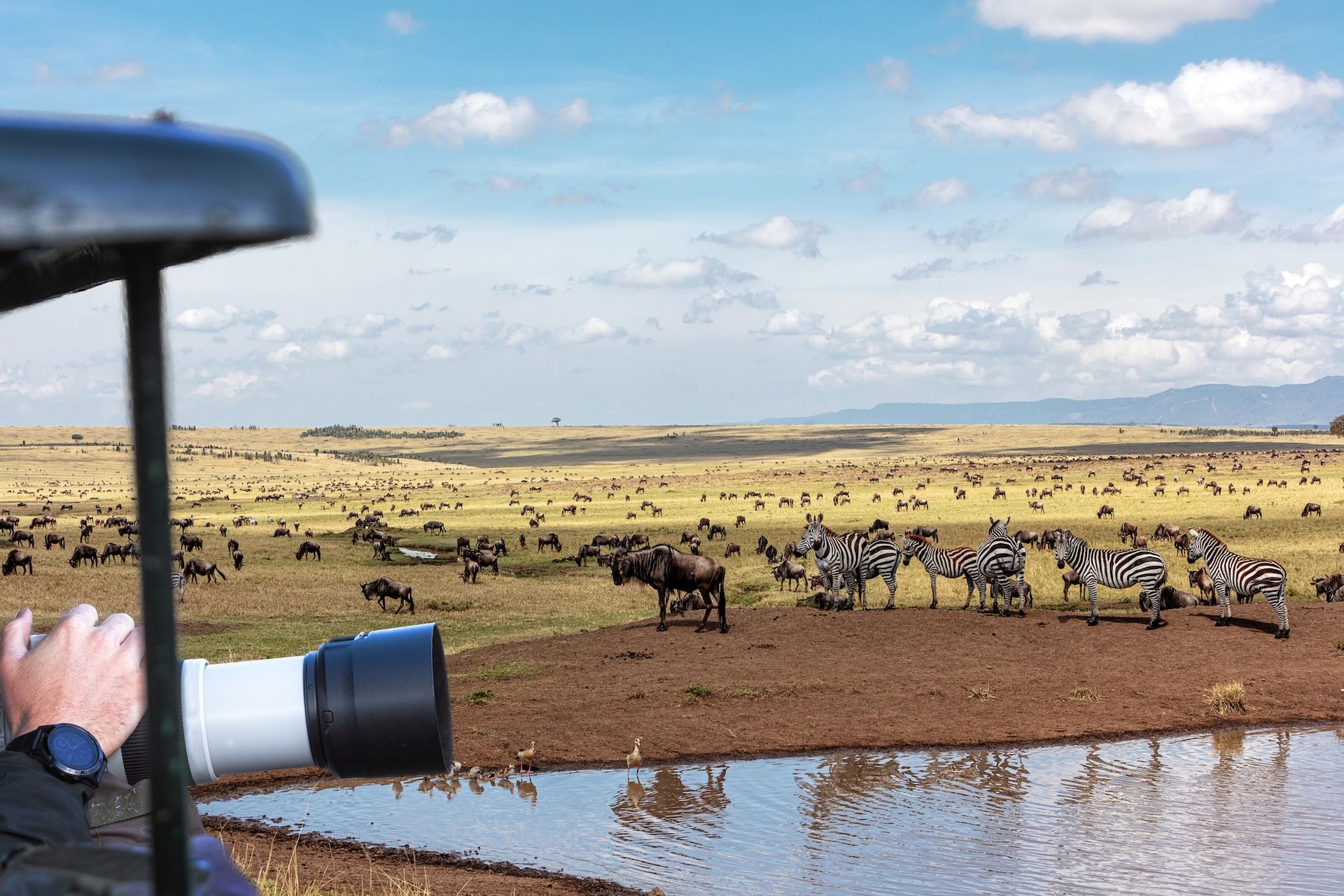
Further north, the Serengeti has seen a slow return of black rhino, particularly in the Moru Kopjes region. This area offers some of the best chances for guests to encounter rhinos in a classic savanna setting, with guides carefully monitoring reports from rangers and researchers. The return of rhinos to Serengeti is deeply symbolic. It represents not only the restoration of a missing piece of the ecosystem, but also the triumph of protection over poaching in one of Africa’s most visited reserves.
Across the border in Kenya, the rhino story is equally inspiring. The private conservancies of Laikipia, such as Lewa and Ol Pejeta, as well as Lake Nakuru, have become strongholds for both black and white rhinos, offering secure habitats, intensive monitoring and significant tourism revenue that flows back into local communities. In these areas, the connection between safari and conservation is direct and tangible. Visiting guests contribute to the survival of the species through the very act of travelling.
Further west, Rwanda’s Akagera National Park has emerged as one of the continent’s unexpected rhino success stories. After decades without rhino, Akagera reintroduced both black and white species sourced from secure populations in South Africa. Today, these animals are thriving, and sightings are becoming increasingly common on guided drives. For Anderson & Harvey guests seeking a varied and surprising safari circuit, including gorillas in the Volcanoes and wildlife in Akagera, this marks an exciting new chapter in Rwanda’s conservation history.
Despite these successes, the challenges remain enormous. Rhino conservation is expensive, requiring constant vigilance, armed protection teams and cutting-edge technology such as drones and GPS tracking. The threat of poaching, driven by demand for rhino horn in illegal markets, has not disappeared. Habitat encroachment, climate change and human-wildlife conflict all pose risks to the fragile gains of recent years.
Yet there is hope. Rhino numbers are slowly rising, and the genetic diversity of these managed populations is being carefully maintained through international collaboration. Tourism plays a vital role.
At Anderson & Harvey we ensure that every guest visit supports conservation directly, funding the rangers, researchers and community programmes that make rhino survival possible.
For travellers, encountering a rhino in East Africa is now an achievable dream once more. Whether in the misty crater of Ngorongoro, the sunlit kopjes of Serengeti, the grassy plains of Laikipia or the rolling hills of Akagera, these animals stand as living proof that with care, patience and commitment, even the most endangered giants can find safe ground.
For us, these moments are the reward for working closely with conservation bodies, community trusts and expert guides. Each sighting deepens the story guests take home. Not only of what they saw, but of what was saved, protected and returned to its rightful place in the wild heart of East Africa.