The evolution of the luxury safari
How the bush became one of the most sophisticated hospitality environments on earth
There was a time, not so very long ago, when roughing it was simply part of the deal. You went on safari, you slept under canvas, you ate whatever the camp cook produced on a gas ring and you were profoundly grateful for the experience regardless of the thread count of your sheets, largely because there weren't any. The wildlife was extraordinary, the landscape was humbling and the discomfort was quietly considered part of the adventure. Nobody complained. You'd come to Africa, after all... So, what's changed?
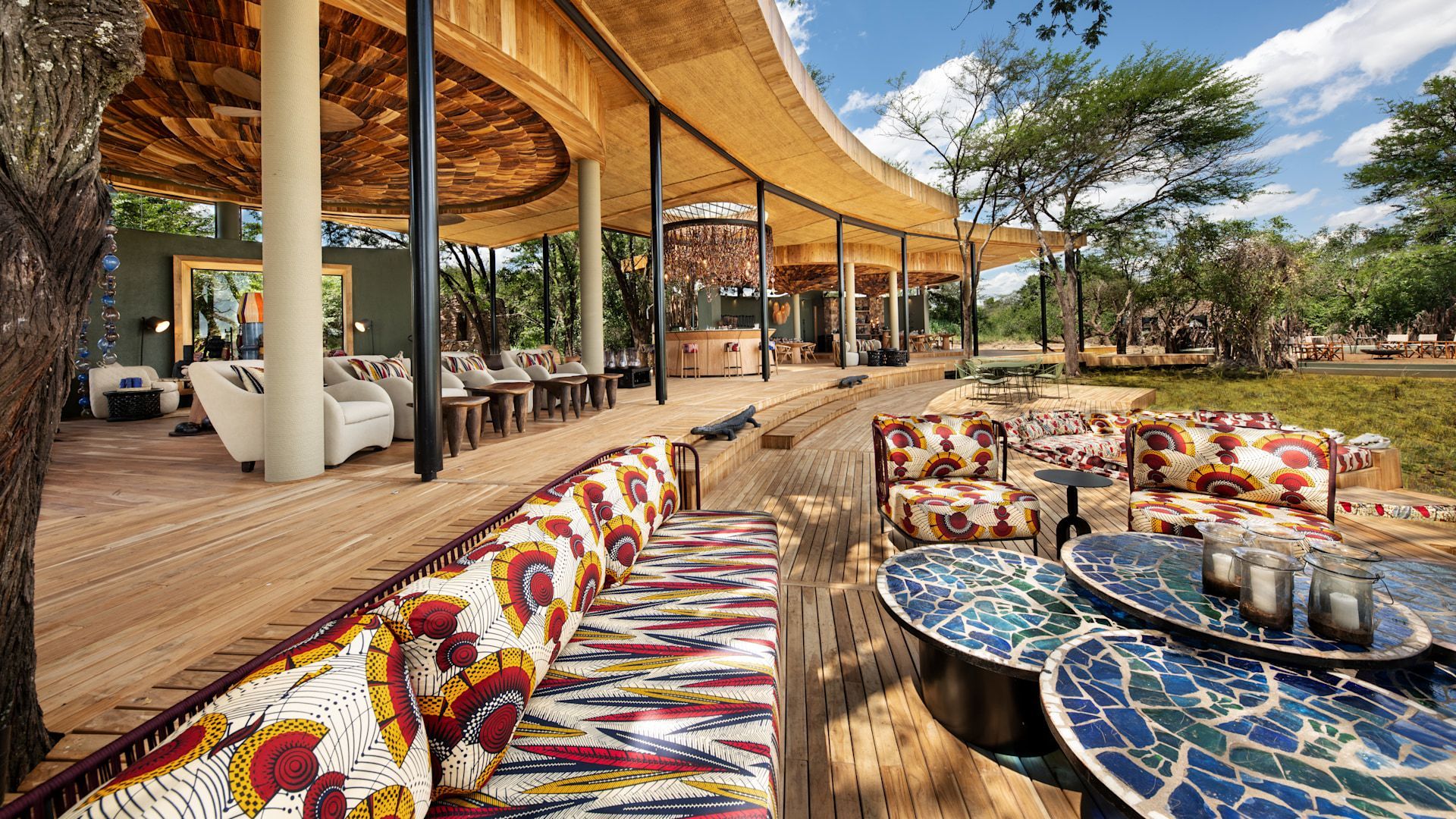
That version of safari still exists in the imagination of a certain kind of traveller, and there's something genuinely appealing about the romance of it. But the reality of what luxury safari accommodation has become in the intervening decades is something so far removed from that original template that the two barely share a vocabulary, let alone a standard of living.
From canvas to extraordinary
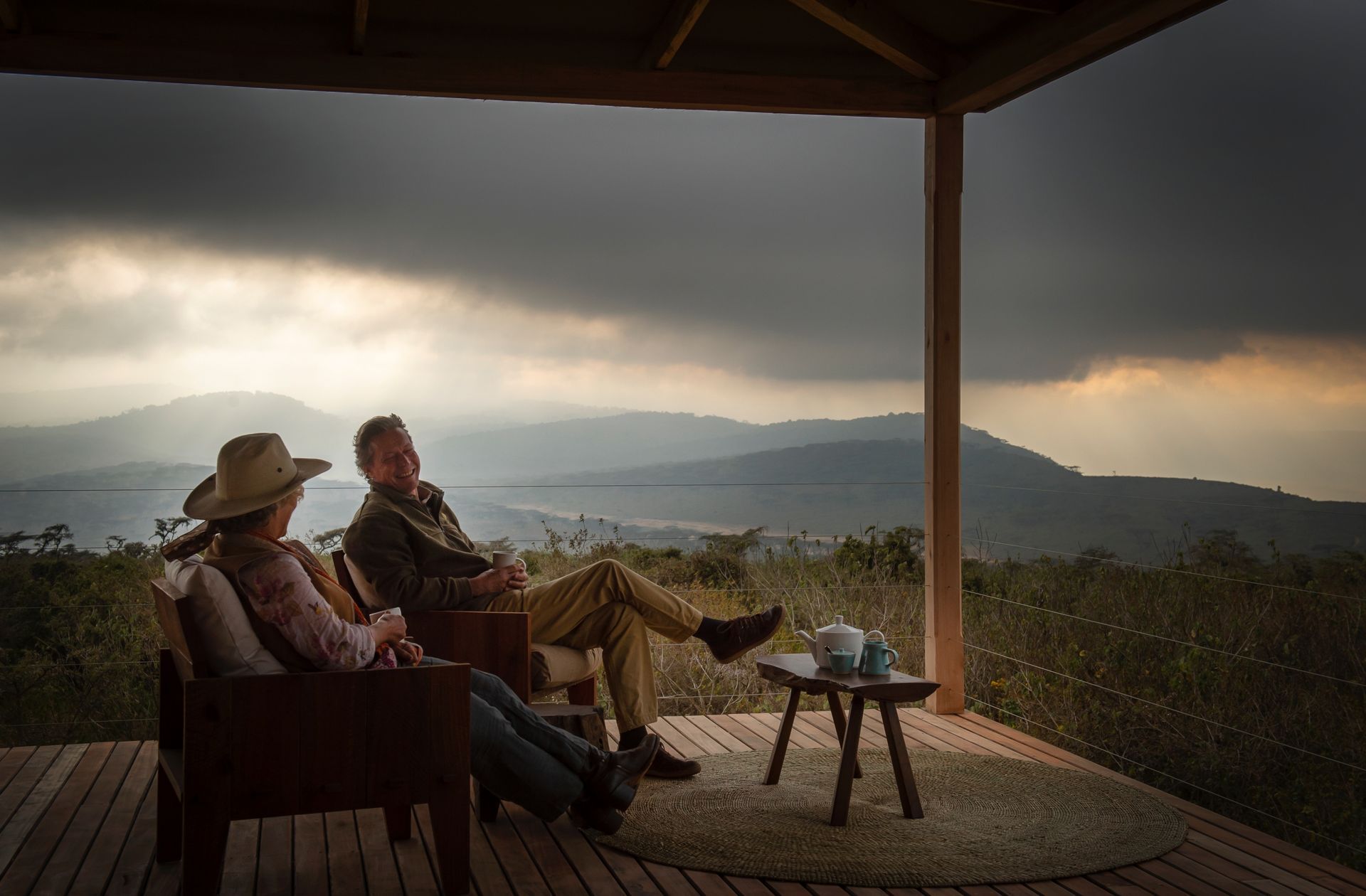
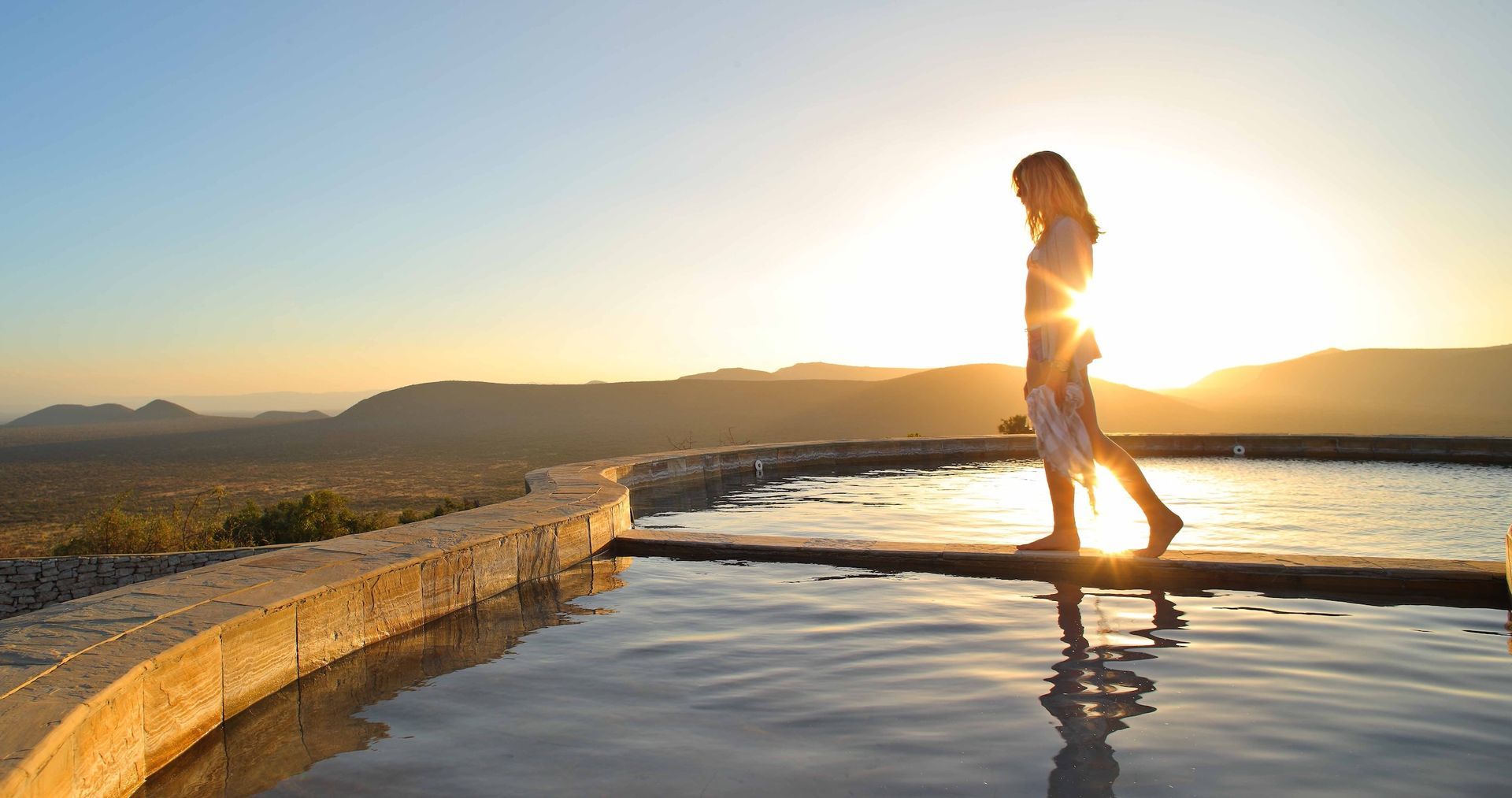
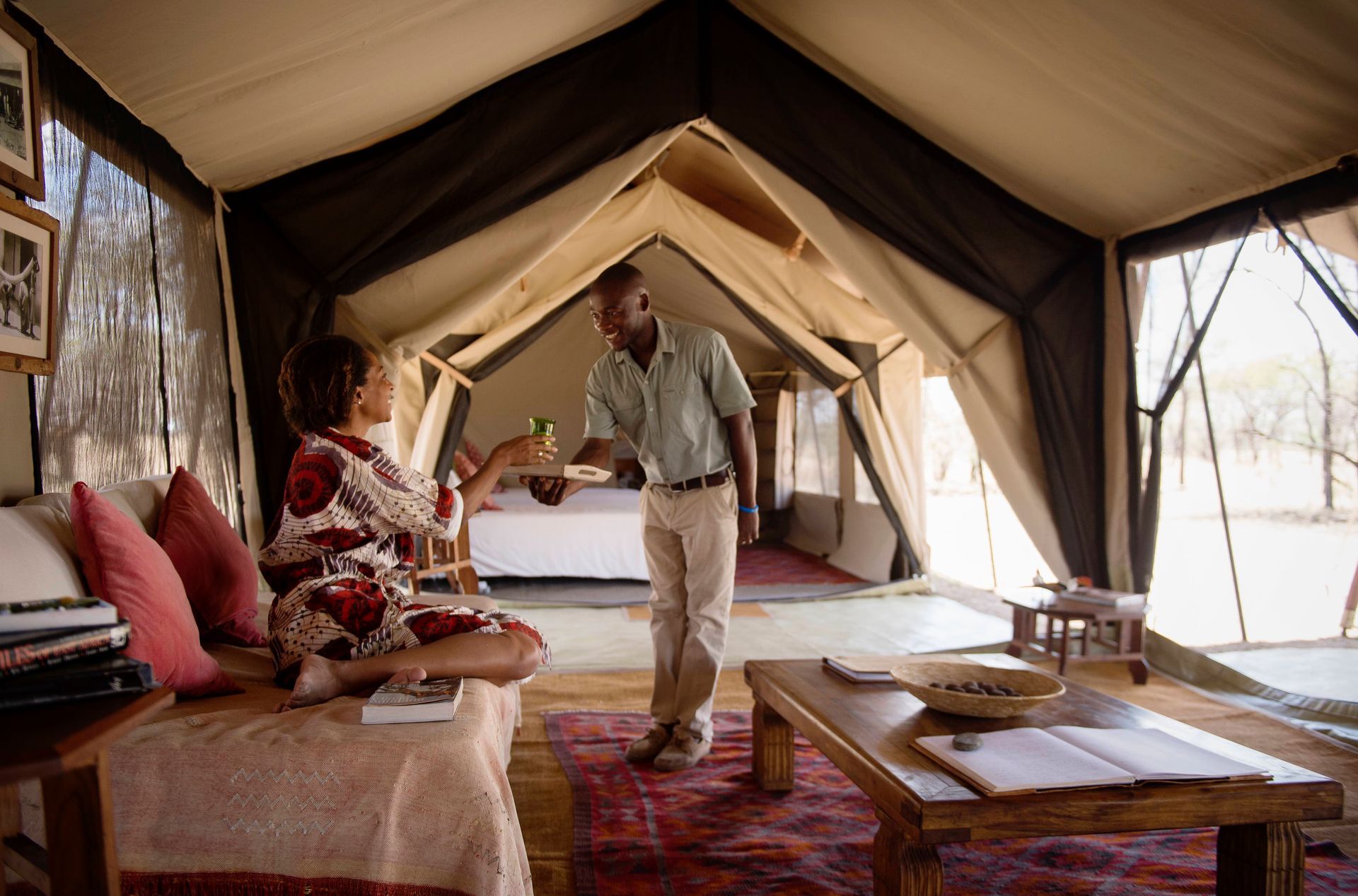
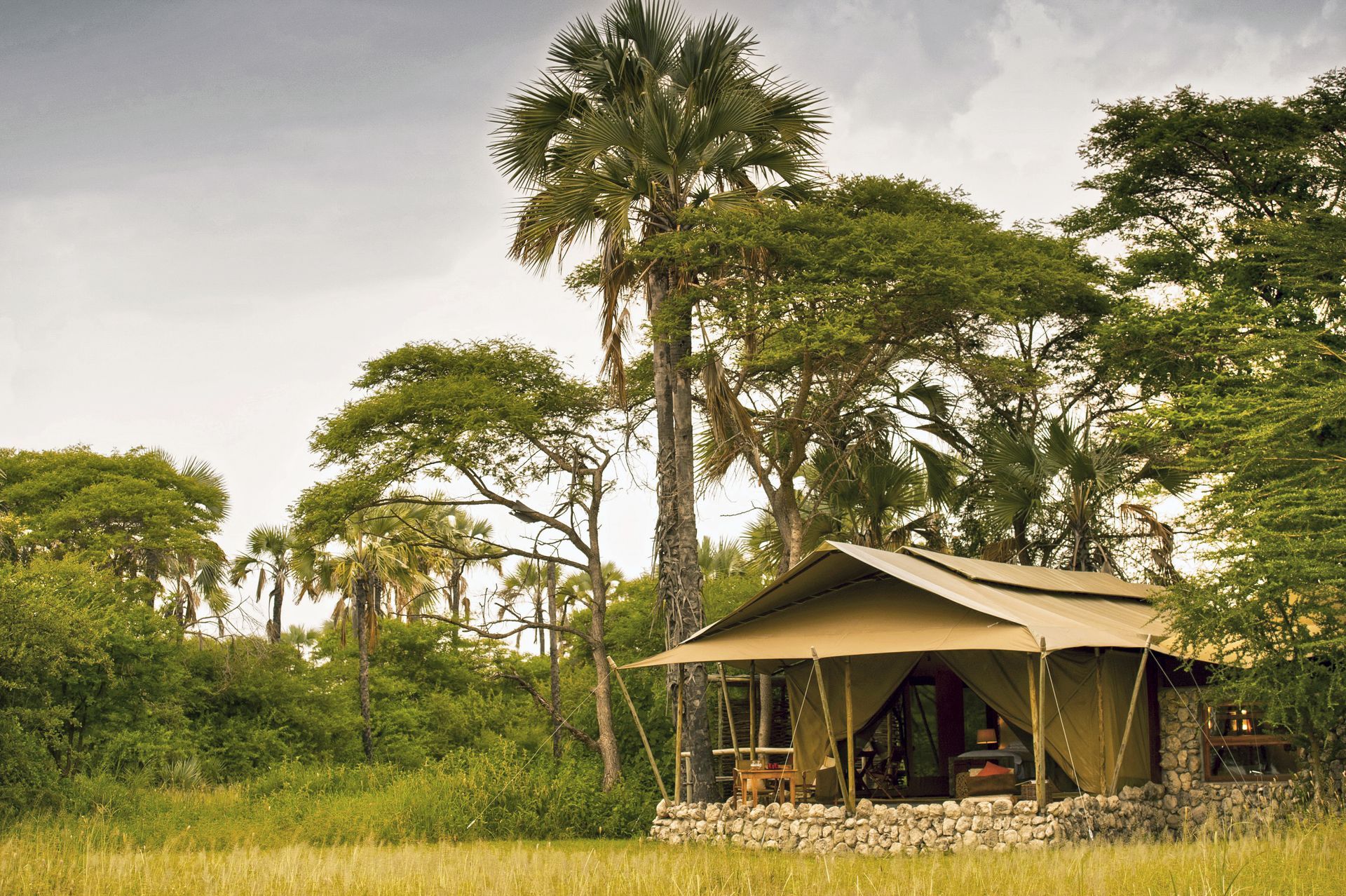
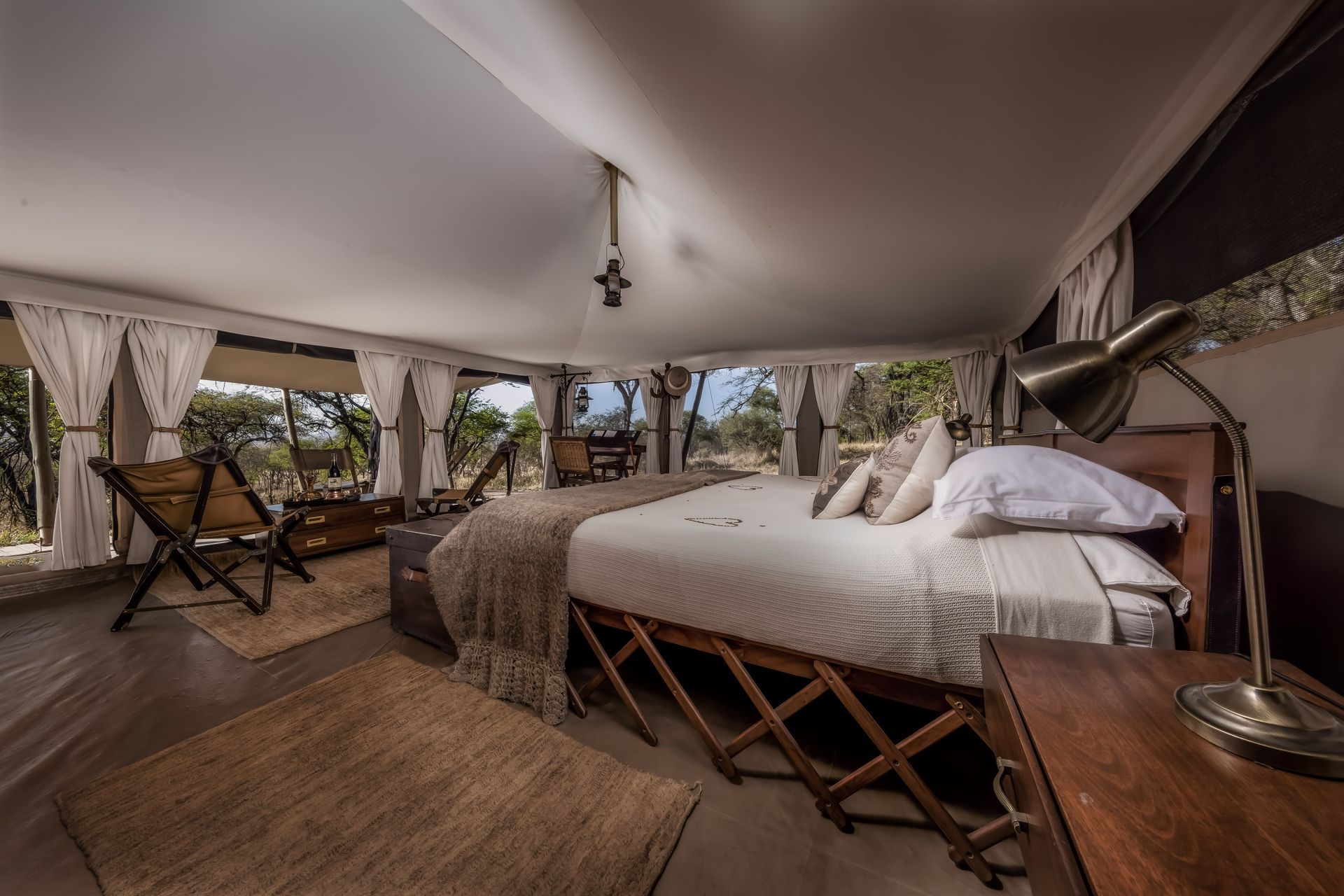
The tented camp remains the defining architectural statement of the East African safari, and the finest examples of the form today are studies in the art of making something feel simultaneously wild and deeply, almost indecently comfortable. The canvas is still there, but it's stretched over frames that enclose spaces of genuine grandeur, with hardwood floors, four-poster beds dressed in the finest linen, outdoor showers open to the sky and private plunge pools that catch the late afternoon light in ways that no interior designer could entirely take credit for. The bush does that bit for free.
What's changed most profoundly is the understanding that luxury in the wilderness is defined not by the importation of urban comforts but by the quality of the experience of being precisely where you are. The best camps in Tanzania's northern circuit have grasped this with impressive sophistication. They're not trying to replicate a five-star city hotel in the Serengeti. They're trying to create something that could only exist here, in this landscape, under these stars, with those sounds drifting in on the night air. That's a fundamentally different and considerably more interesting design brief, and the results, when it's done well, are remarkable.
The sustainability shift
If there's a single development that has most meaningfully changed the character of luxury safari hospitality over the past decade, it's the mainstreaming of genuine sustainability. Not sustainability as a marketing footnote or a page on the website about solar panels and recycling, but sustainability as the central organising principle of how a camp is built, staffed, supplied and operated.
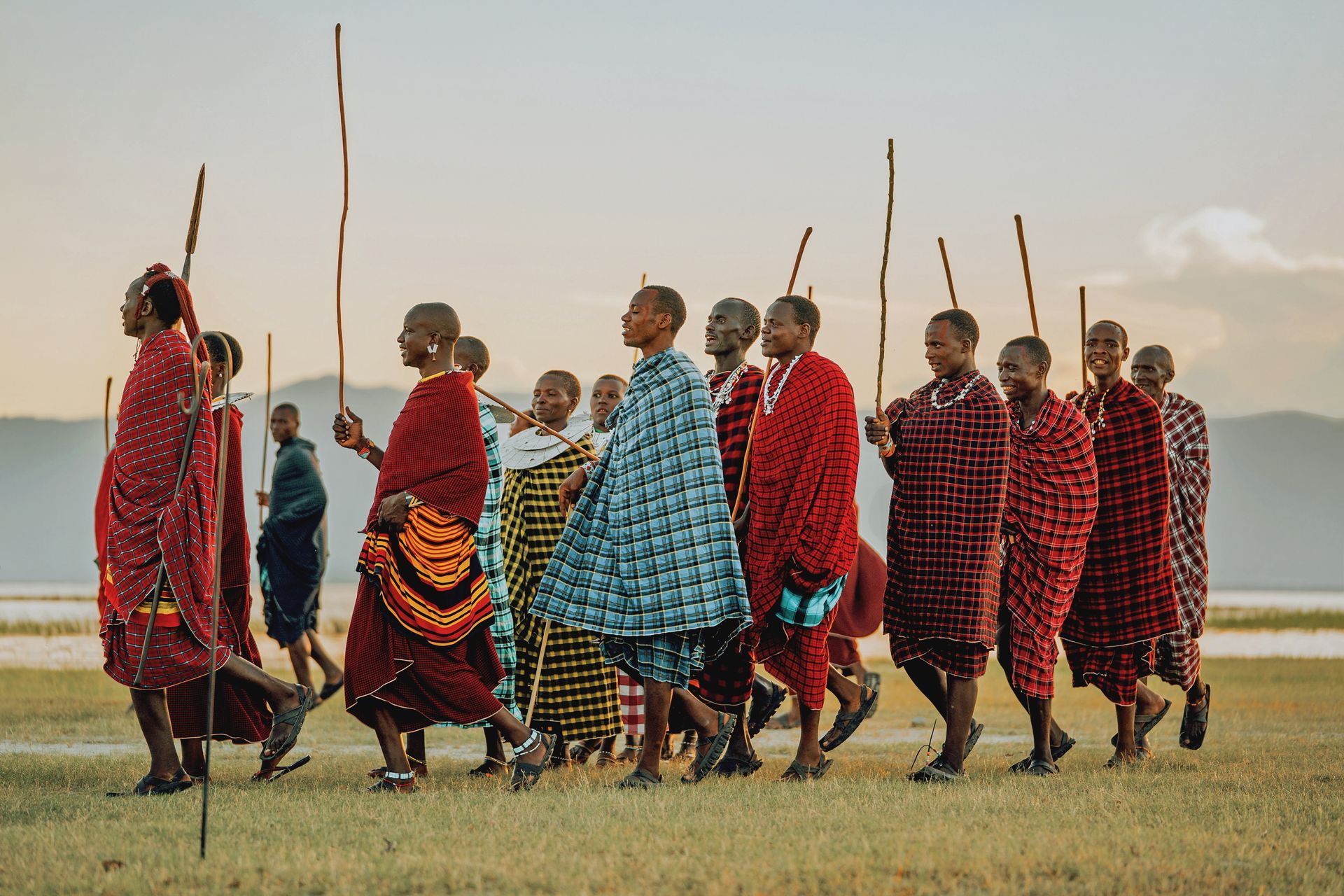
The shift has been driven partly by guest expectation and partly by the straightforward logic that a camp which depletes its environment is a camp with no future. The most progressive properties on the northern circuit are now community-owned or community-partnered, powered entirely by renewable energy, built from locally sourced materials with minimal ecological footprint and staffed almost entirely by people from the surrounding areas.
The economic benefits flow directly into the communities whose land the wildlife depends on, which creates a conservation incentive that no amount of external funding can replicate as effectively. It's an elegant system when it works, and increasingly it does.
For travel professionals building itineraries for discerning clients, this matters. The conversation around sustainability has moved well past the point where it's sufficient to mention it in passing. Clients want to know that their presence in a place contributes to it in meaningful ways, and the camps that can tell that story with honesty and specificity are the ones that attract the most engaged, most loyal and frankly most enjoyable guests.
Food as a defining experience
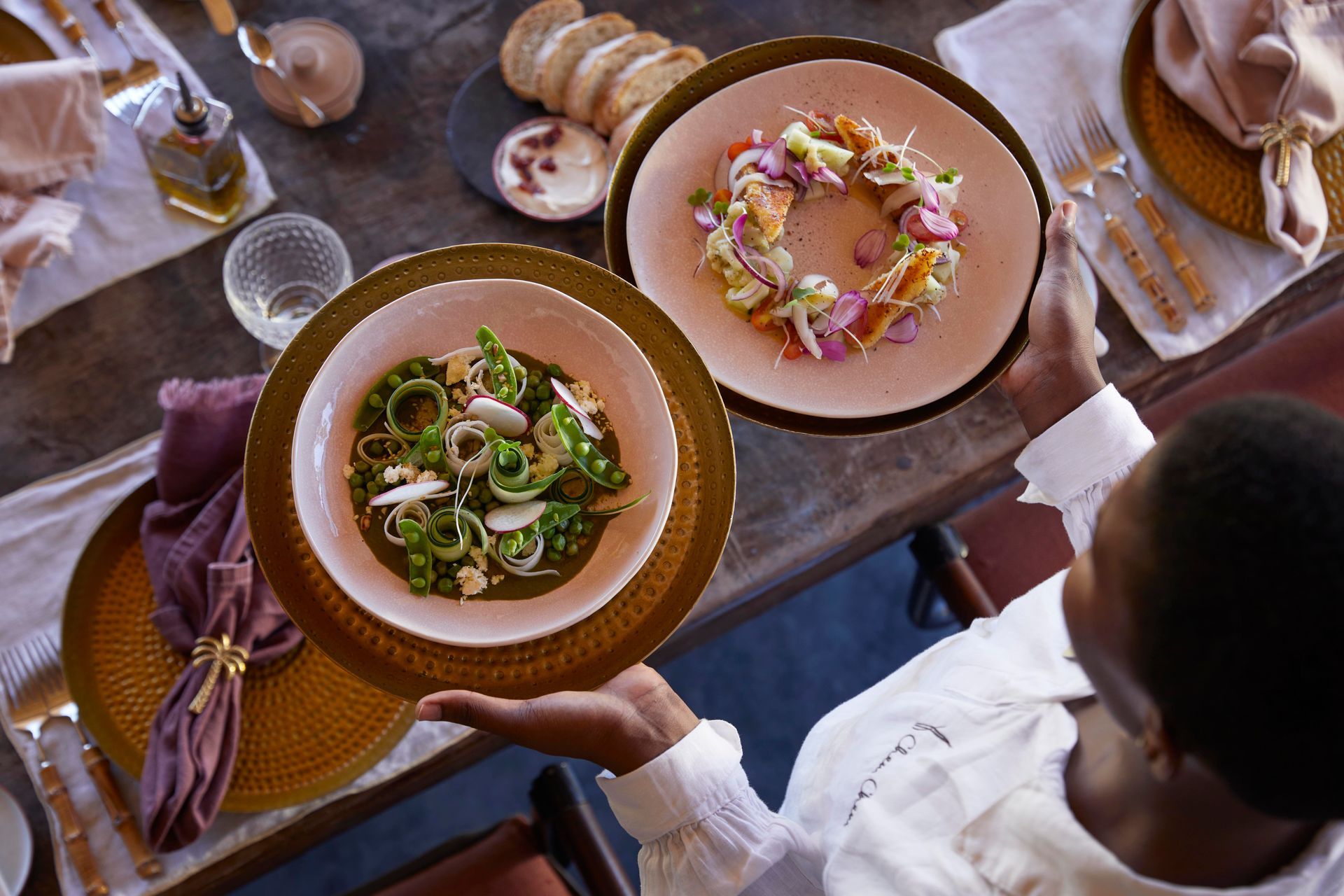
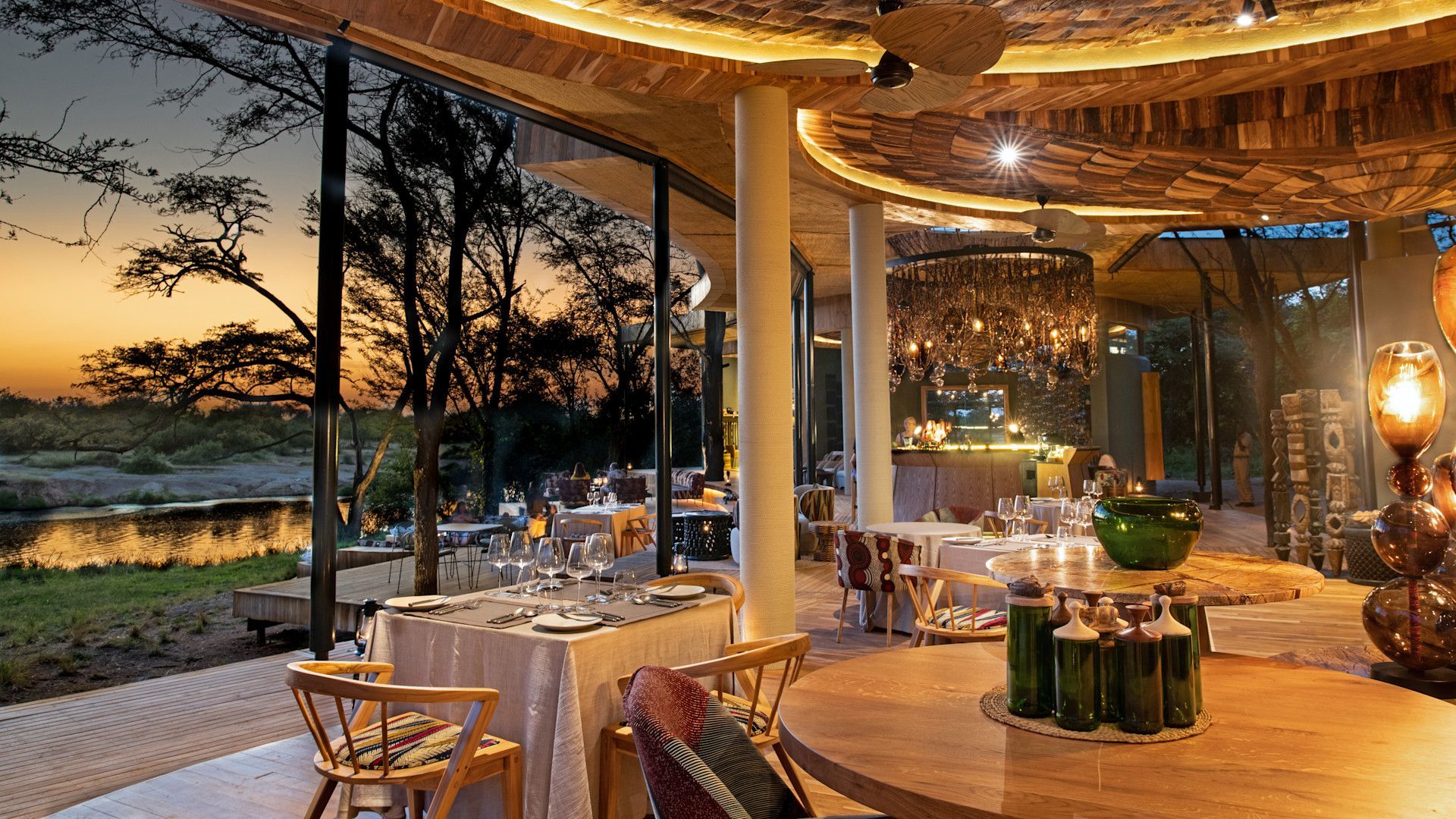
The culinary evolution of the safari camp deserves its own moment of appreciation, because it's been quietly extraordinary. The gas ring and the grateful attitude are long gone. In their place, a generation of safari chefs has emerged who understand that feeding guests in the wilderness is one of the great theatrical opportunities in hospitality, and they've risen to it with considerable flair.
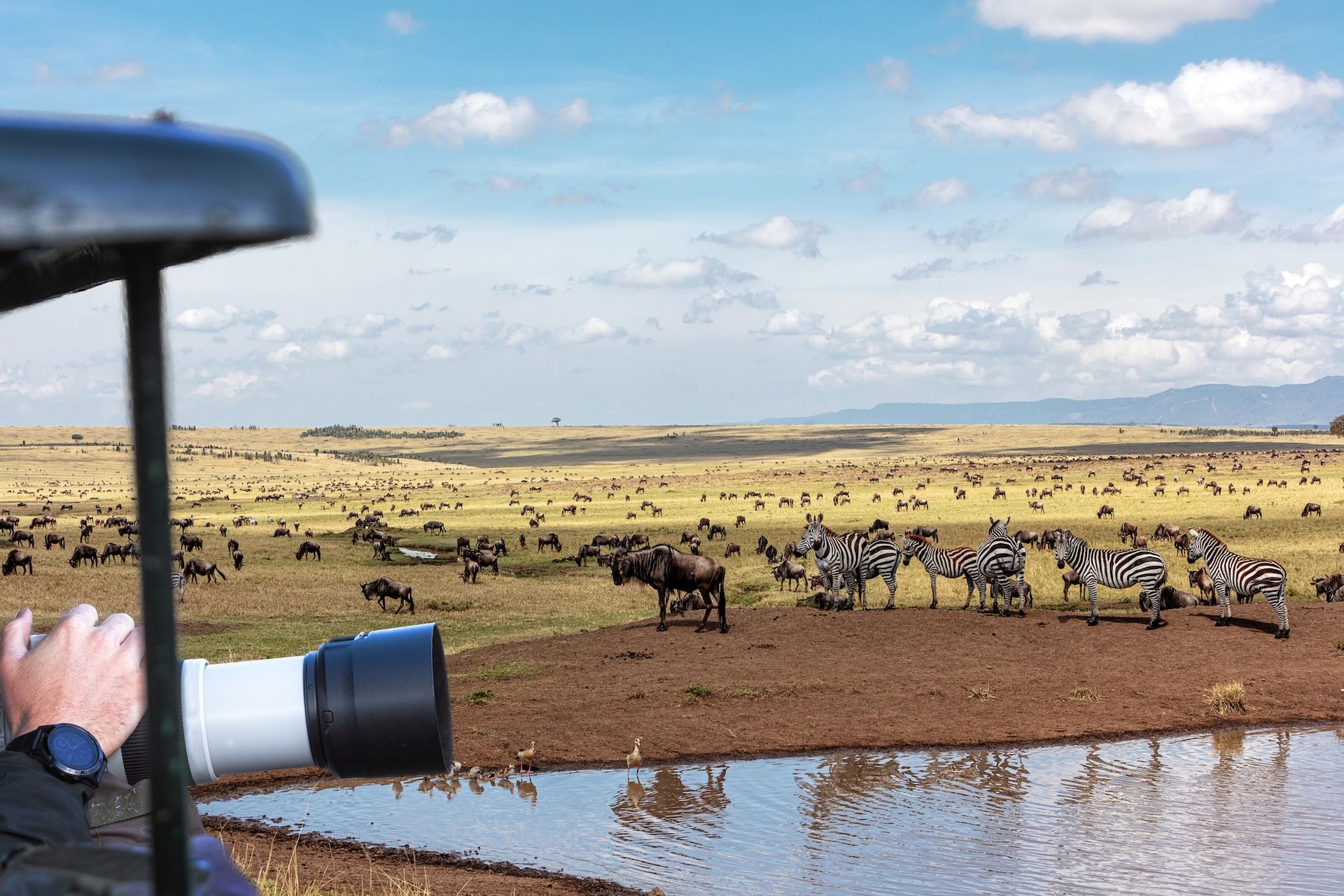
Bush breakfasts laid out on a kopje as the sun burns the mist off the Serengeti. Long, unhurried lunches back at camp as the heat builds and the lions sleep. Dinner tables set in a dry riverbed under a sky so full of stars it seems almost implausible, with candles and crystal and the distant sound of a hyena to remind you that you are, despite all appearances, very much in the wild. The food itself draws increasingly on local ingredients and culinary traditions, with Tanzanian flavours finding their way onto menus that would hold their own in any serious restaurant in any city in the world.
What the most discerning travellers want now
The profile of the luxury safari guest has shifted considerably, and the camps and operators who've noticed are the ones thriving. Today's most discerning safari traveller is frequently well-travelled, environmentally conscious, intellectually curious and entirely unimpressed by luxury for its own sake. They're not coming to East Africa to be pampered in a generic sense. They're coming for experiences that are genuinely irreplaceable, for knowledge that changes how they see the world, for encounters with the natural order that put their own lives in useful perspective.
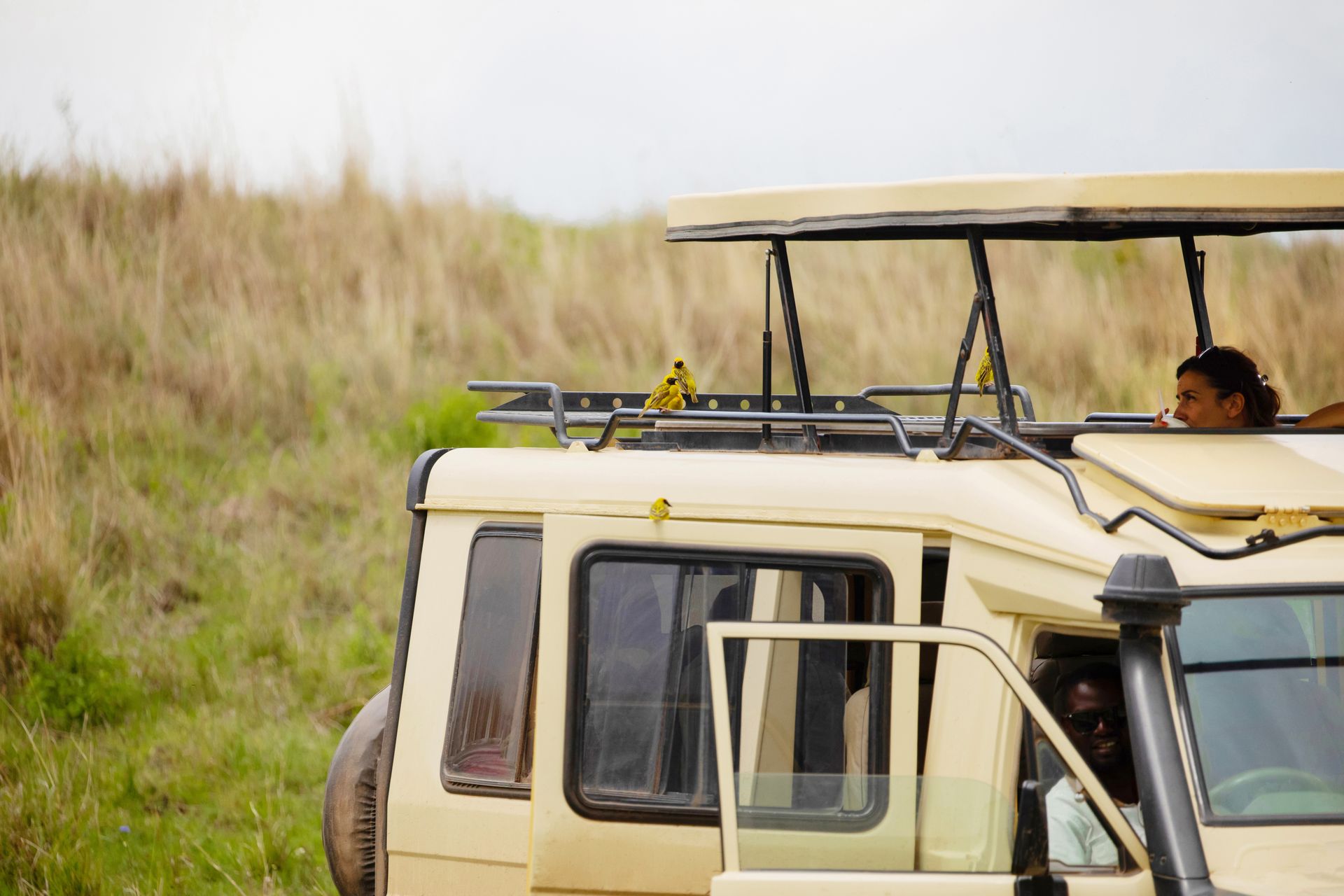
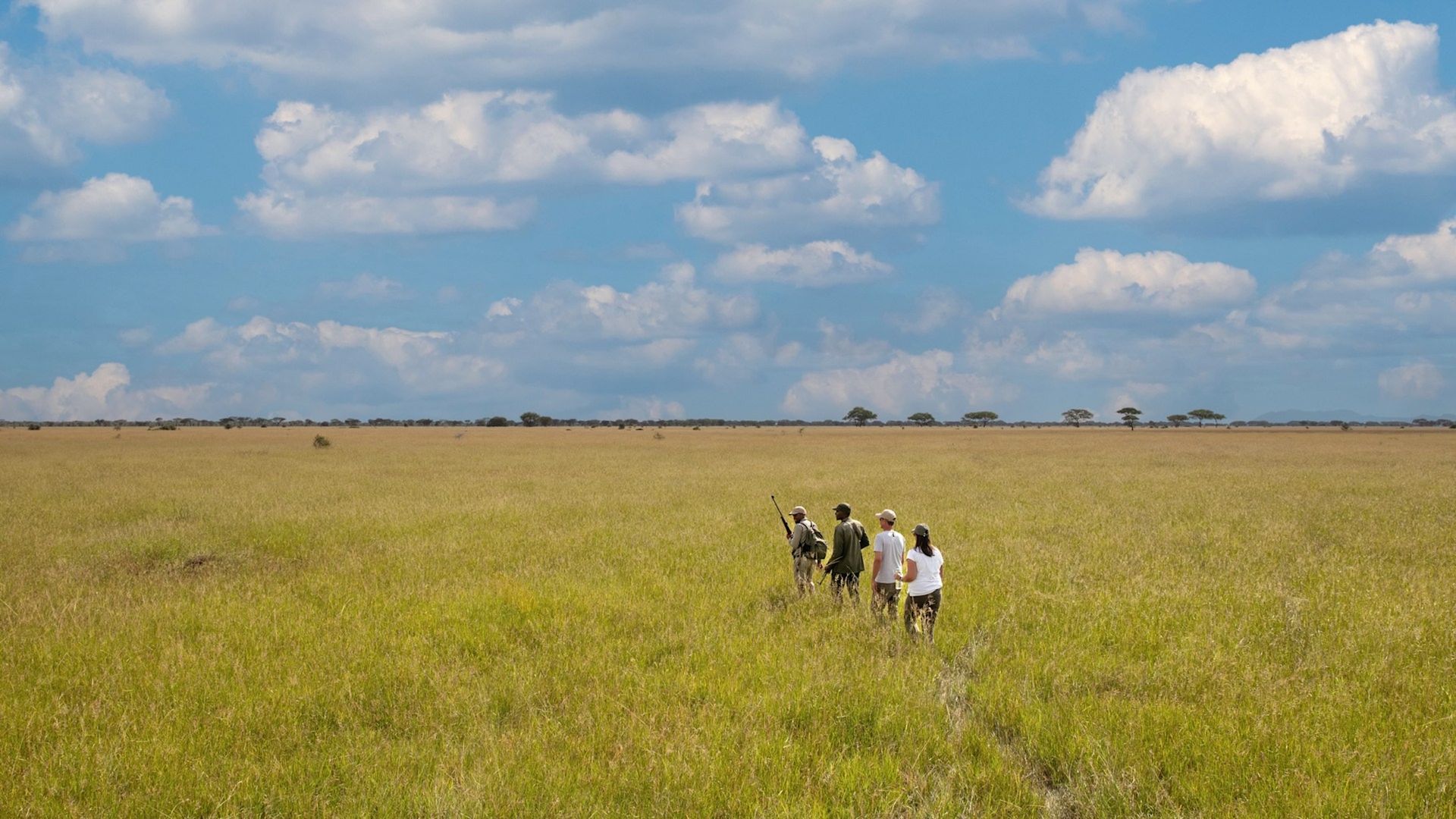
This means that the guide has never been more important. Not as a driver or a spotter, but as an interpreter, a storyteller, a person of deep knowledge and genuine passion whose understanding of the ecosystem transforms a game drive from an exercise in wildlife spotting into something approaching a philosophical experience. The camps that invest in their guides, that give them the autonomy and the resources to do their jobs at the highest level, are the ones whose guests come home changed rather than merely satisfied.
It also means that the most coveted safari experiences right now are the ones that feel intimate, unhurried and genuinely connected to the place they're in. Smaller camps. Longer stays. Fewer activities, done more deeply. The era of the whirlwind five-camp-in-seven-days itinerary still has its market, but the leading edge of luxury safari travel is moving in a quieter, more considered direction, and the northern circuit of Tanzania, with its extraordinary range of landscapes, ecosystems and camp styles, is exceptionally well placed to meet it.
The bush has always been extraordinary. It's just never been quite so good at looking after you while you're in it.
Talk to the Anderson & Harvey team about the camps and experiences on Tanzania's northern circuit that are genuinely leading the evolution.