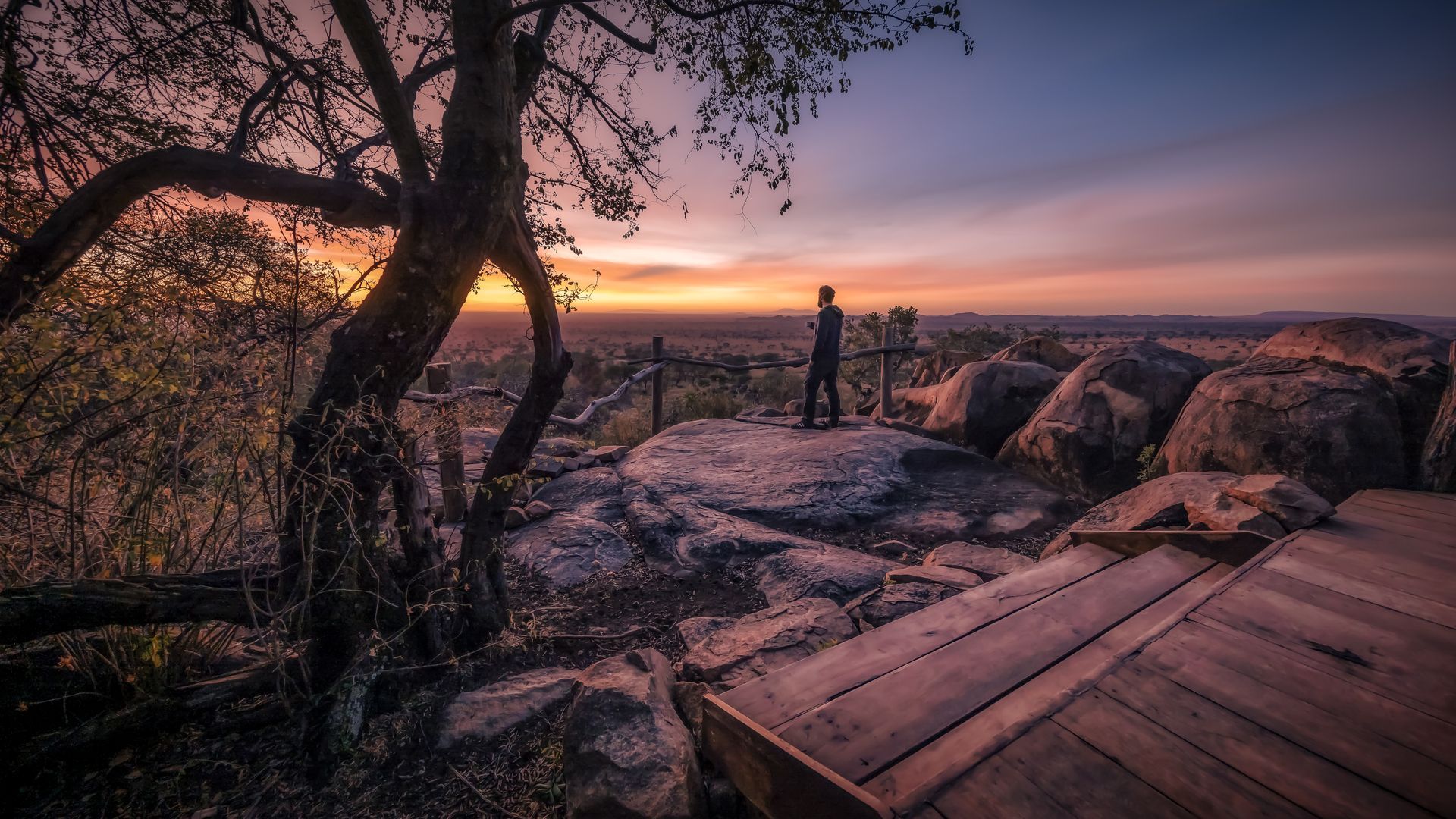
The soul of the Serengeti
Why the southern plains tell the Migration's deepest story
Every year, without fail, the images begin to circulate. Wildebeest launching themselves into the Mara River, crocodiles surging through churning brown water, the chaos and the courage of thousands of animals crossing at once. It's one of the most photographed wildlife events on earth, and it deserves every frame devoted to it. But the river crossings account for a few weeks of a migration that never truly stops, and they take place in a relatively small corner of an ecosystem that stretches across some of the most biologically extraordinary landscapes in Africa.
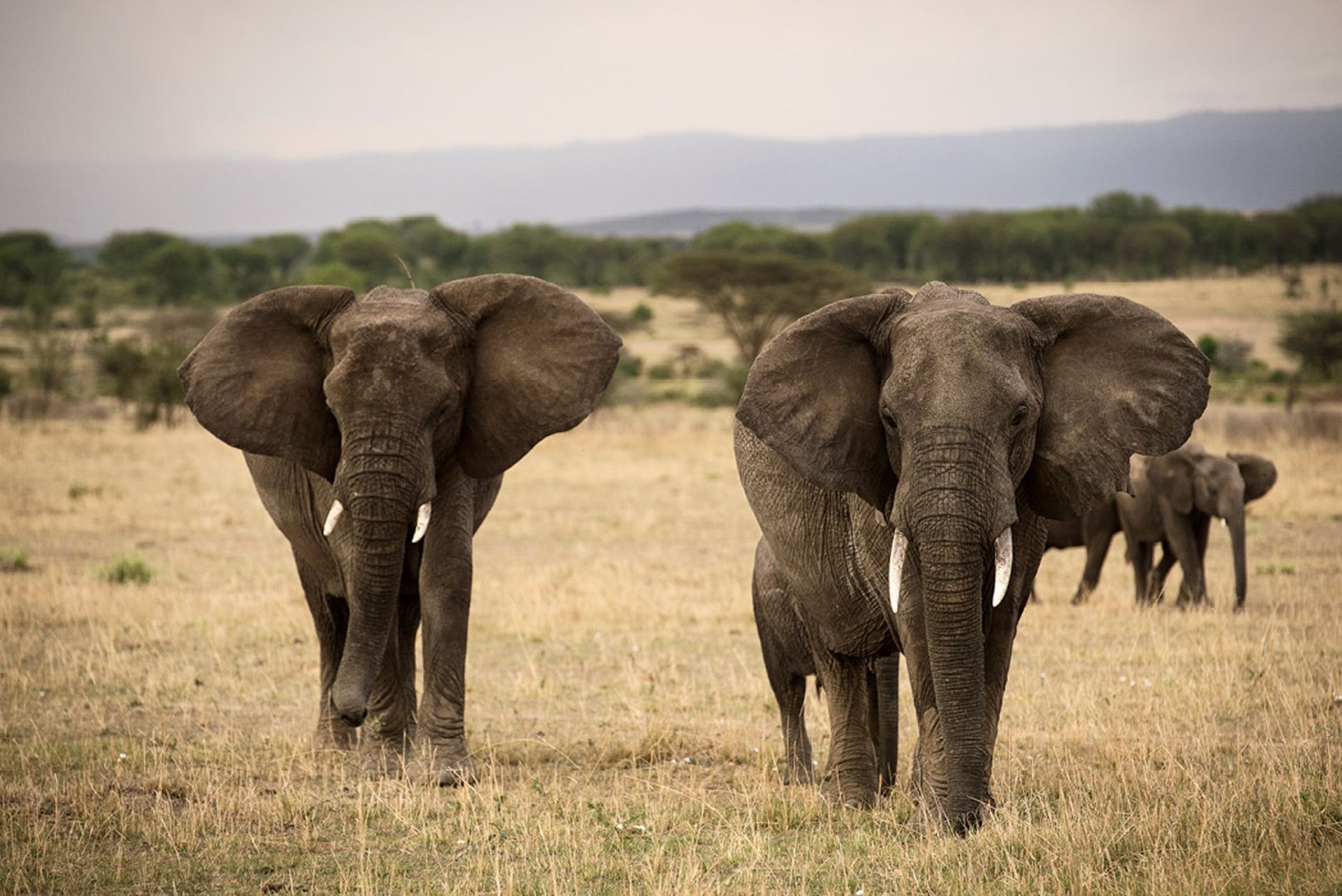
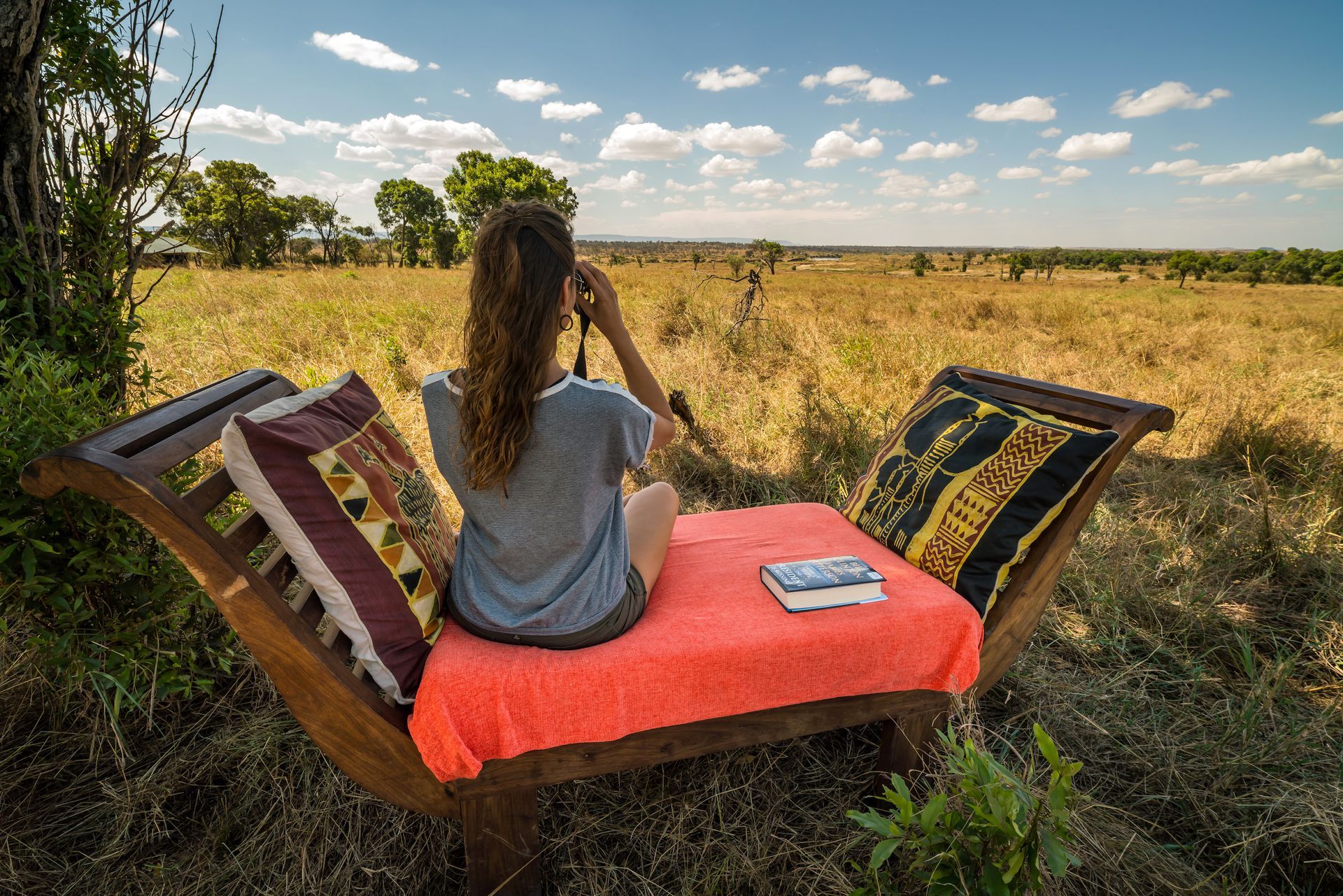
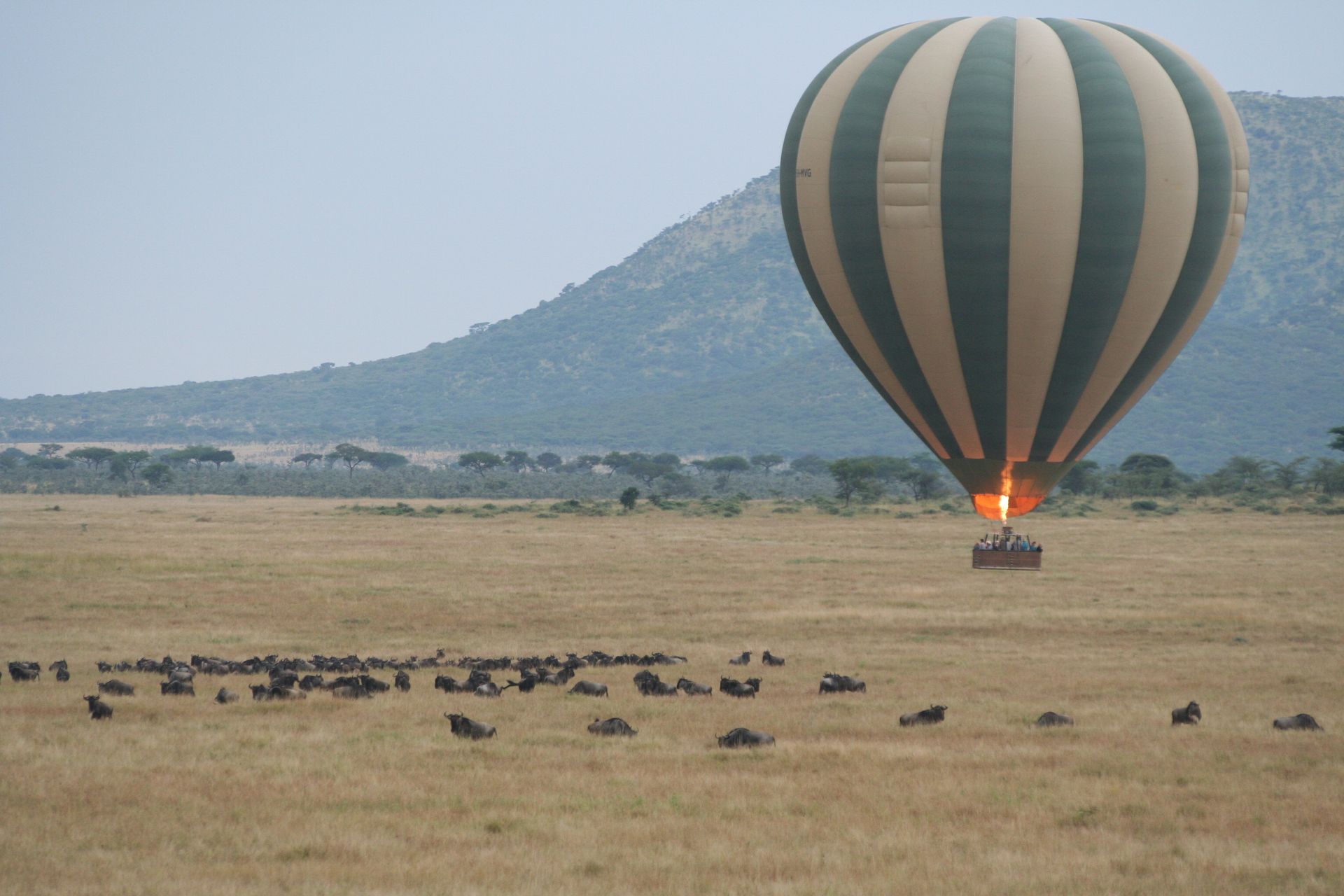
To understand the Great Wildebeest Migration fully, you have to travel south. Far south. To a place where the plains open up into something vast and ancient and quietly breathtaking, and where the real engine of the Migration has been running for longer than human memory reaches. That place is Ndutu, and the story it tells is one that the southern Serengeti has been keeping to itself for far too long. The world may watch the river crossings, but the Ndutu ecosystem holds the secret that keeps the great wildebeest migration alive.
Where the Serengeti meets its origins
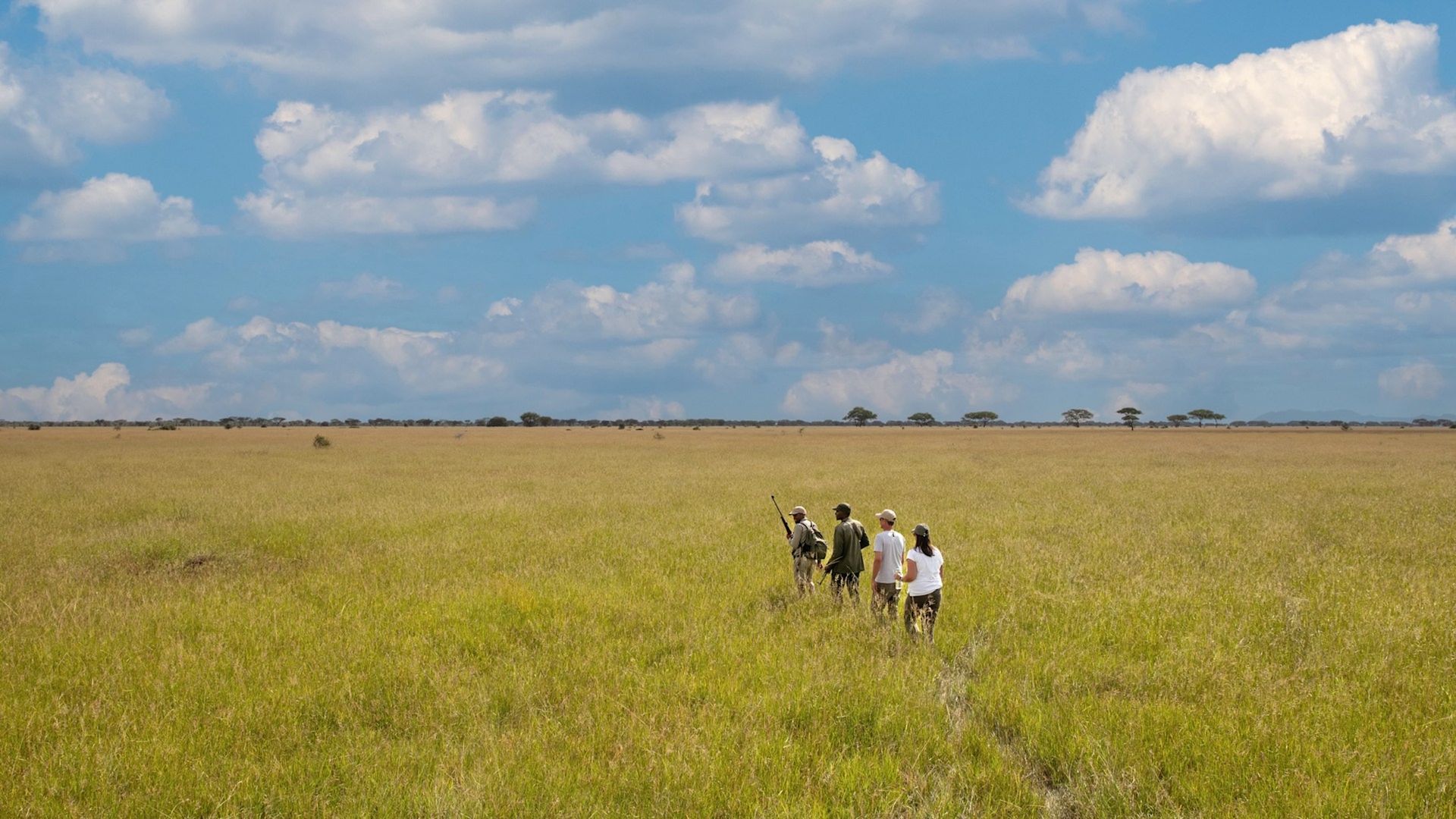
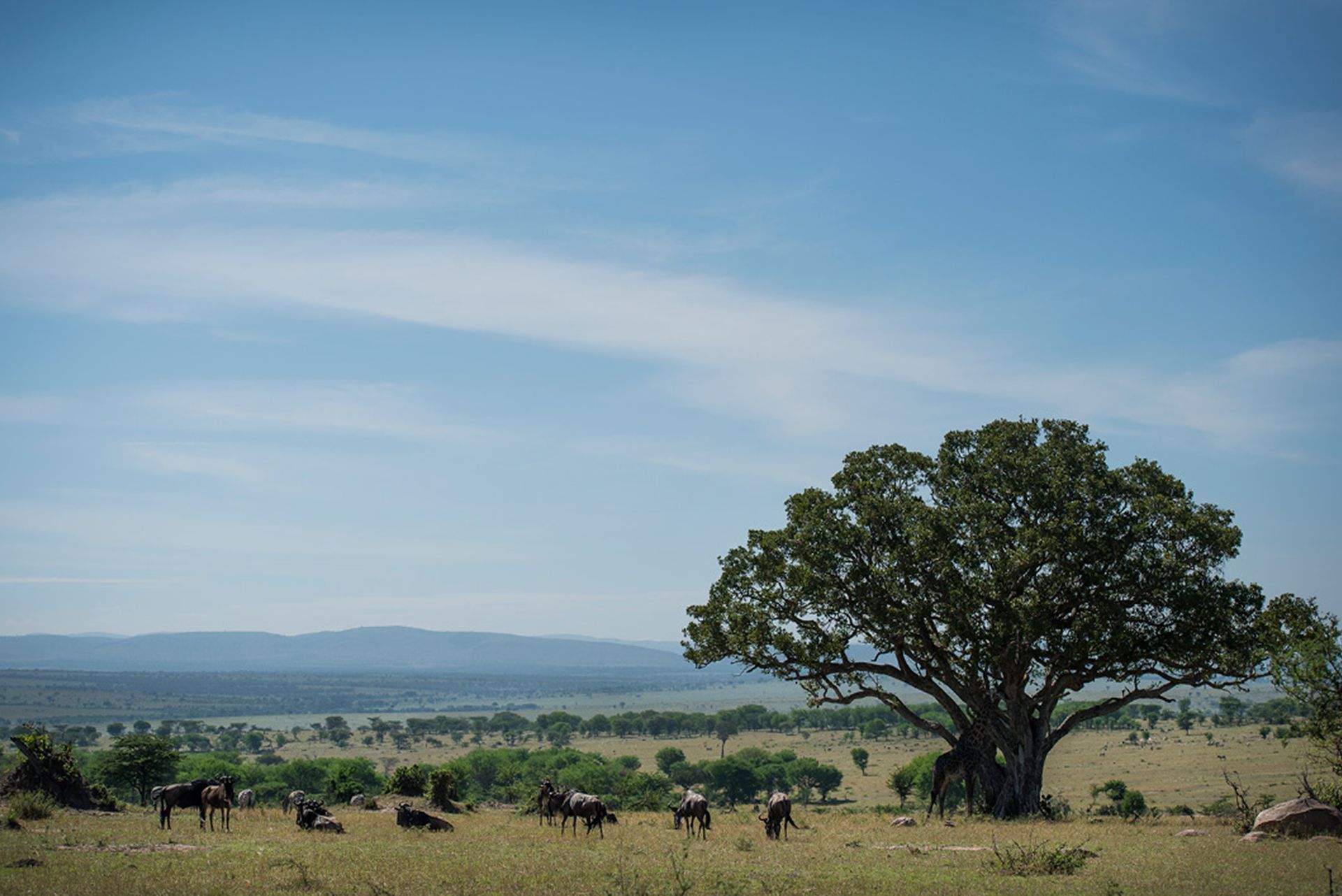
The Ndutu region occupies a remarkable piece of geography. Straddling the southwestern corner of the Serengeti National Park and the Ngorongoro Conservation Area, it sits at the junction of two of Tanzania's most celebrated wild places, belonging fully to neither and drawing the very best from both. It's a landscape of sweeping short-grass plains, acacia woodlands and seasonal lakes that fill and shimmer with the rains, edged by the distant blue suggestion of the Ngorongoro Highlands on the horizon.
There's a spaciousness here, a quality of light and openness, that feels different from the more famous central and northern Serengeti. The horizon seems further away. The sky seems larger.
Beneath the surface of those plains lies the reason the wildebeest have been returning here for millennia. The soils of the southern Serengeti are among the most mineral-rich in the entire ecosystem, a direct legacy of the volcanic activity that shaped this part of East Africa over millions of years. Ash deposits from ancient eruptions, including those of the Ngorongoro and Olmoti volcanoes, have created a soil chemistry that produces short, dense, extraordinarily nutritious grass.
It's this grass, triggered into growth by the short rains between November and March, that draws the herds south each year with a reliability that feels almost magnetic.
The Migration's most vital chapter
The Great Wildebeest Migration is, at its heart, a year-round pursuit of rainfall and grass across a circuit that covers roughly 1,200 kilometres. The river crossings of the northern Serengeti and Kenya's Masai Mara, dramatic and unmistakeable as they are, represent one passage in a much longer journey. What unfolds in the southern Serengeti between January and March is, ecologically speaking, the most critical event in the entire cycle. This is where the next generation of the Migration is born.
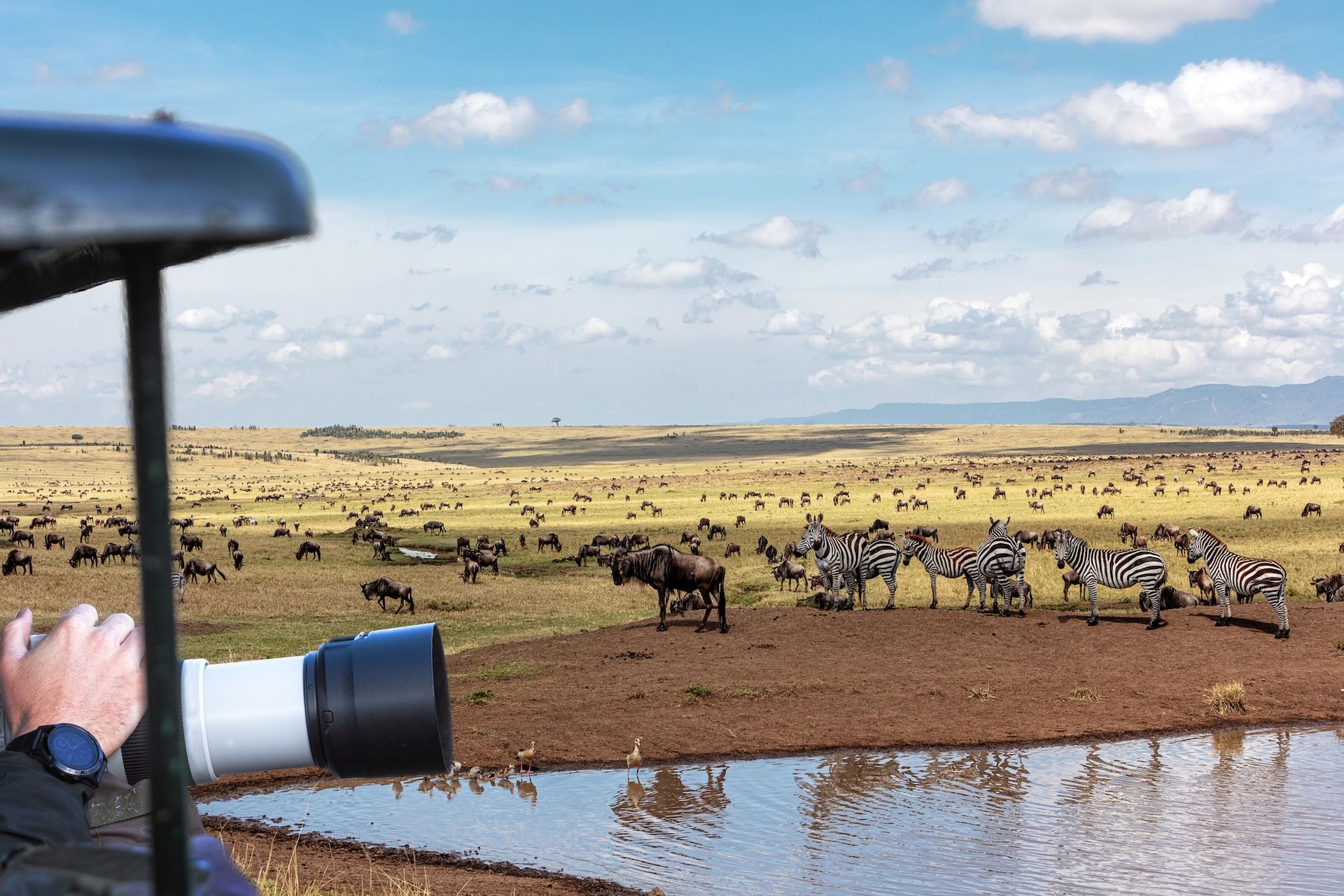
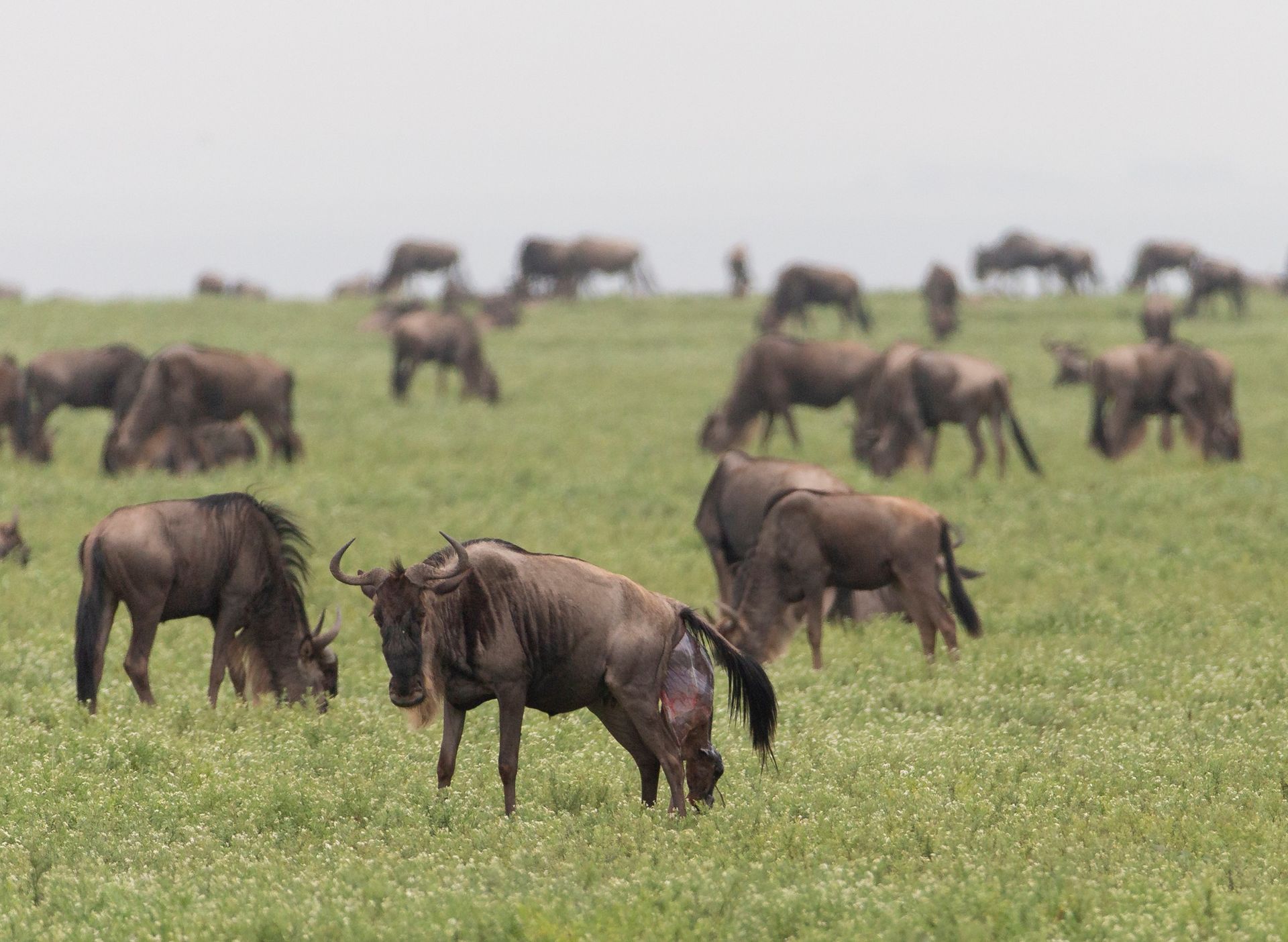
At the peak of calving season, the herds concentrate on the Ndutu plains in numbers that are genuinely difficult to comprehend. Nearly half a million calves are born across a few extraordinary weeks, the result of a synchronised breeding strategy refined over tens of thousands of years. The timing is precise and purposeful. By flooding the plains with newborns within a compressed window, the wildebeest effectively overwhelm the predator population.
Even the most efficient hunters can only take so many calves, and the sheer abundance of new life ensures that enough survive to sustain the herd. It's one of nature's most elegant survival mechanisms, and it plays out here, on these ancient volcanic plains, every single year.
A landscape alive in every direction
What the southern Serengeti offers during this period goes well beyond the wildebeest themselves. The seasonal lakes of Ndutu and Masek, fed by the rains and fringed with acacia and date palms, become magnets for birdlife of extraordinary variety. Flamingos gather in their thousands on the shallows. African fish eagles call from the treetops. Storks, herons, avocets and a bewildering array of migrant species turn the lake margins into a spectacle of their own.
For birders, this corner of the ecosystem during the green season is among the finest experiences in East Africa.
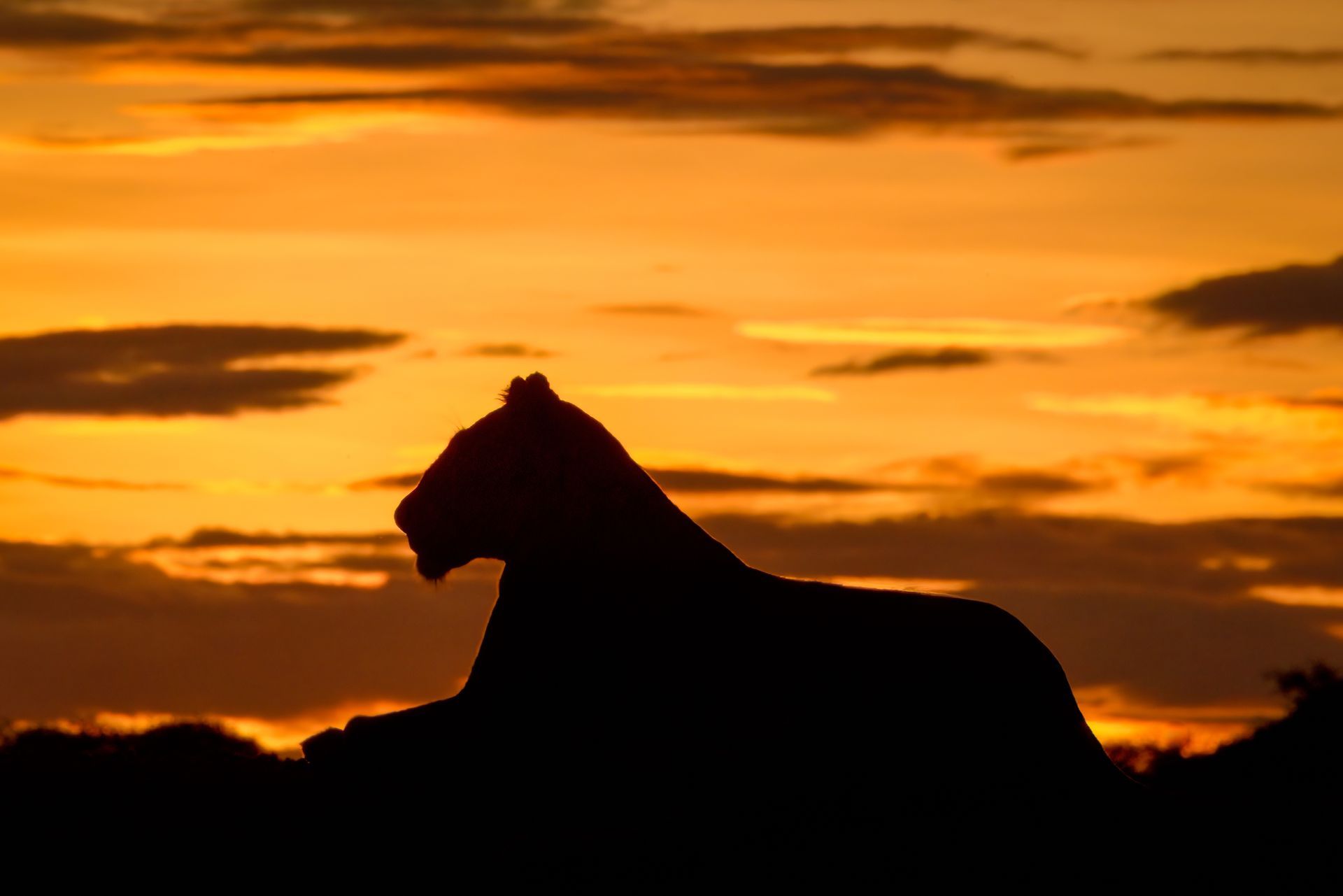
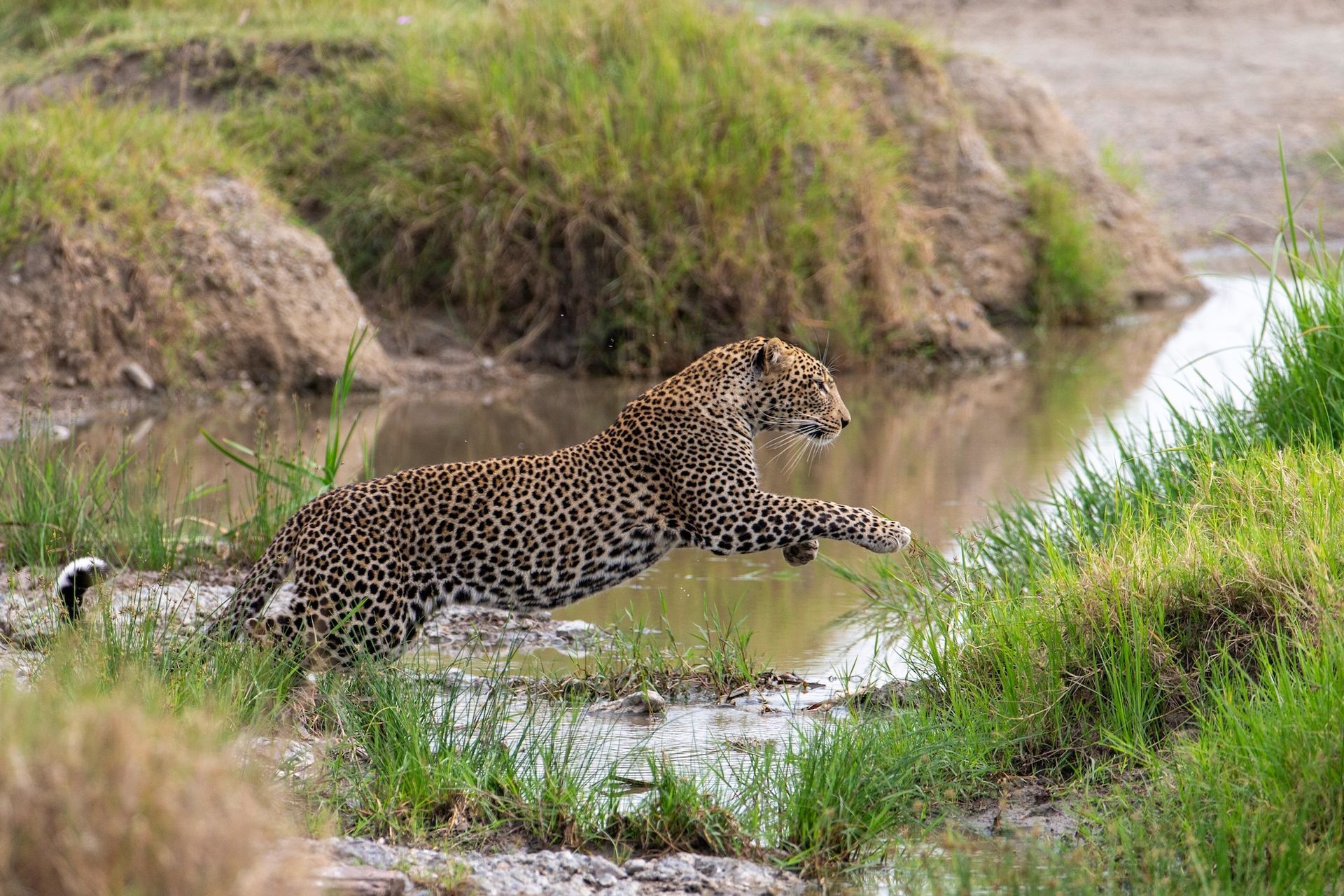
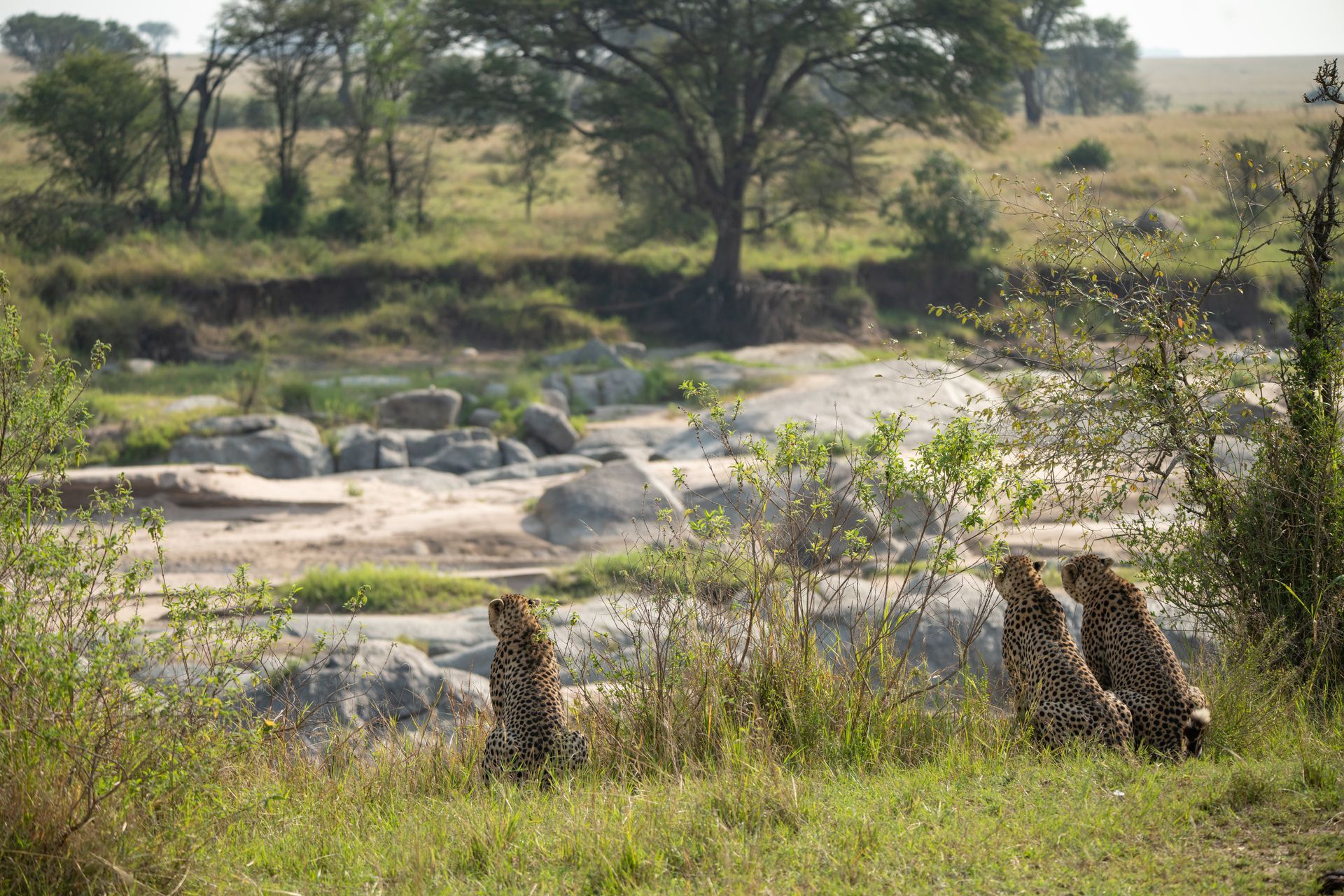
The predator activity during calving season is, quite simply, exceptional. Lions are everywhere, moving through the herds with a calm authority born of knowing that the odds are firmly in their favour. Cheetahs, which find the open short-grass plains of the south ideally suited to their hunting style, are present in remarkable numbers and are frequently seen in coalition groups or with cubs of their own, the calving season having triggered their own breeding cycle. Leopards patrol the acacia woodlands at the edges of the plains.
Hyena clans are large, vocal and perpetually active. It's a predator-watcher's paradise, and the relatively flat, open terrain means that sightings are long, unobstructed and deeply immersive.
The intimacy that the north can't offer
There's a particular quality to a safari on the southern plains that's worth dwelling on. Because the herds are feeding and calving rather than moving in the relentless, directional way they do during the river crossing season, the pace of game viewing changes entirely.
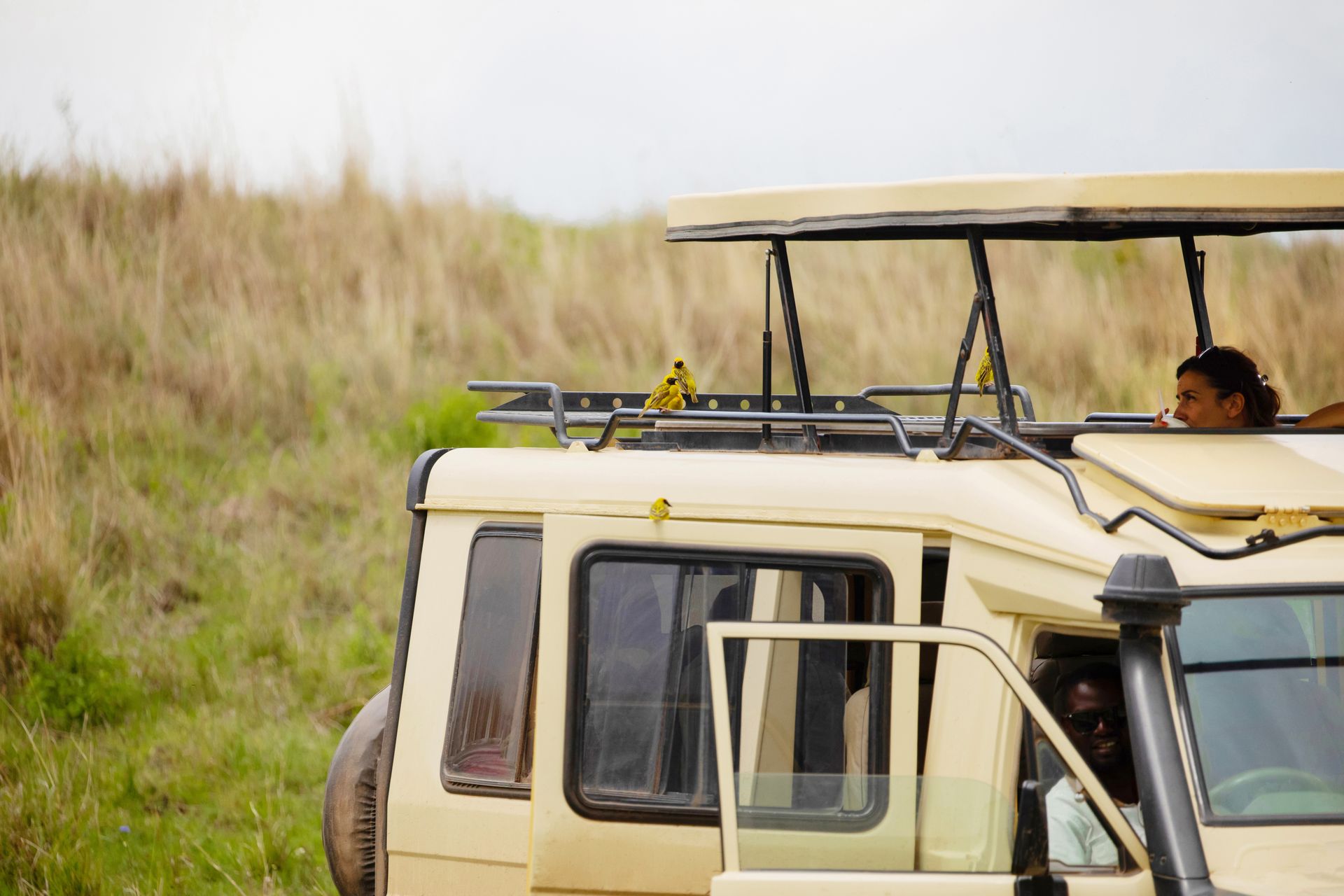
Guests find themselves in the midst of the wildlife rather than observing it from a distance, with wildebeest grazing around the vehicle, zebras moving through camp at dusk and predators working the edges of the herds with unhurried precision. The experience is immersive in a way that's quite different from the concentrated drama of the northern crossings, and many guests who've witnessed both describe the southern Serengeti as the more affecting of the two.
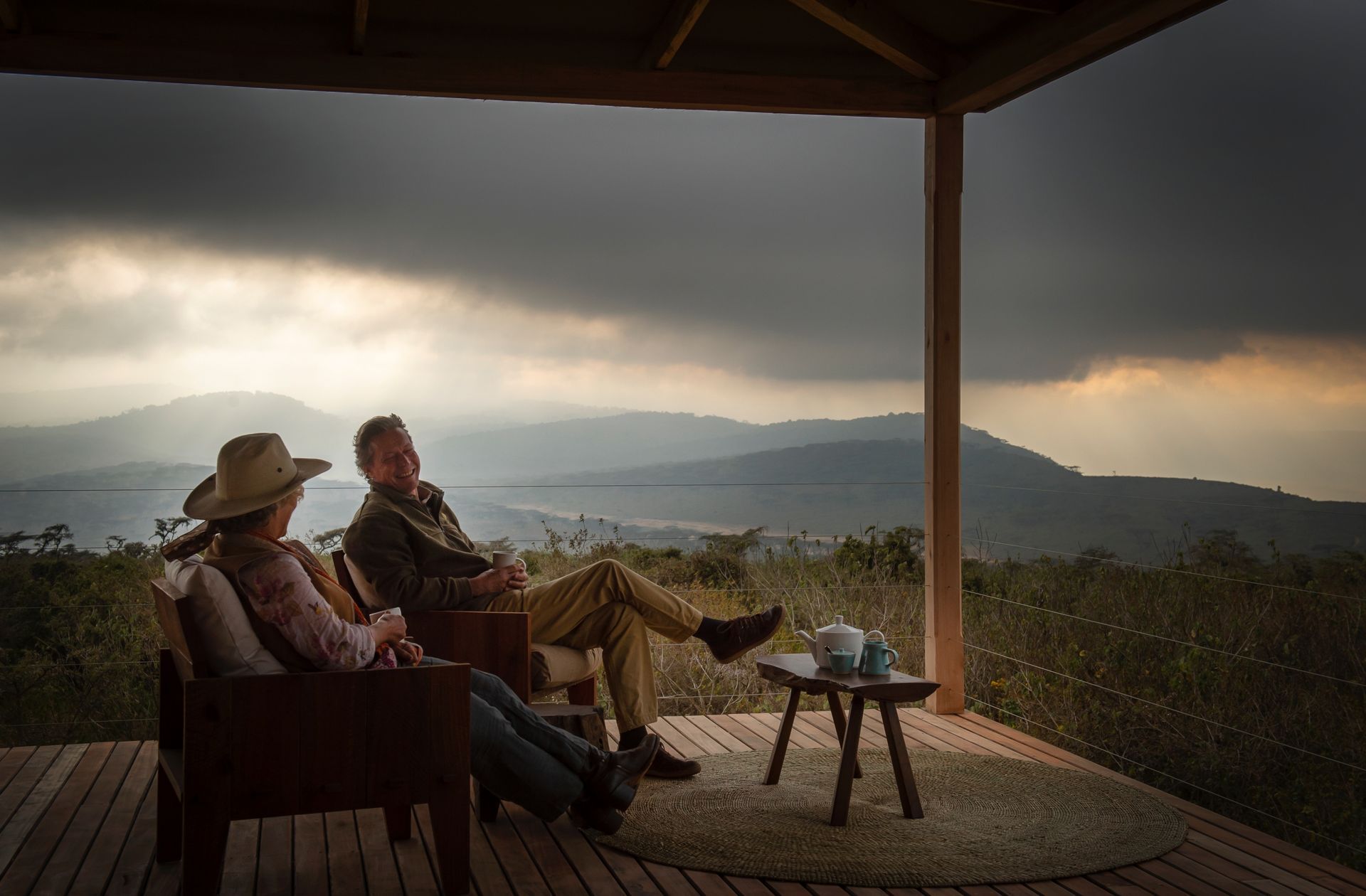
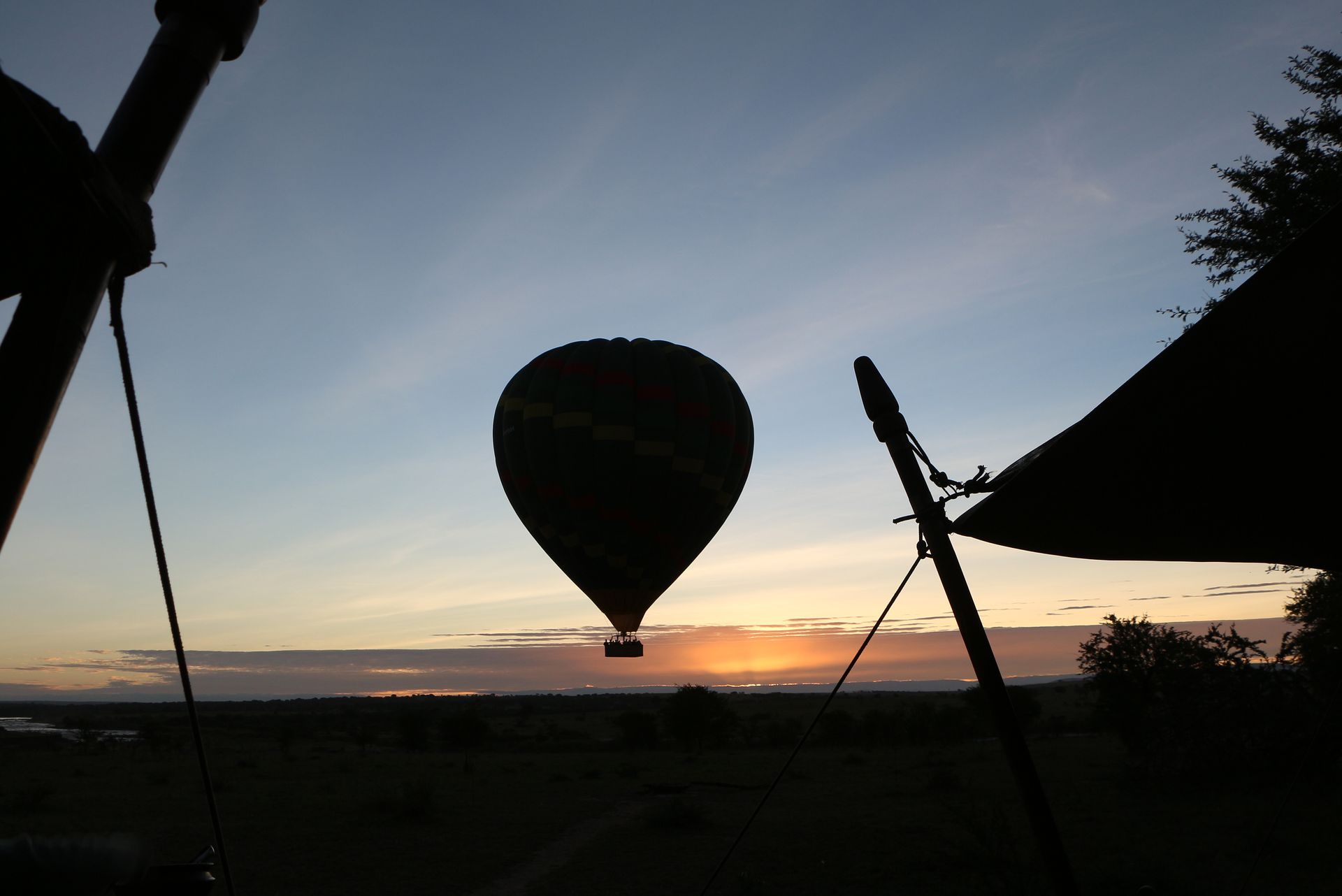
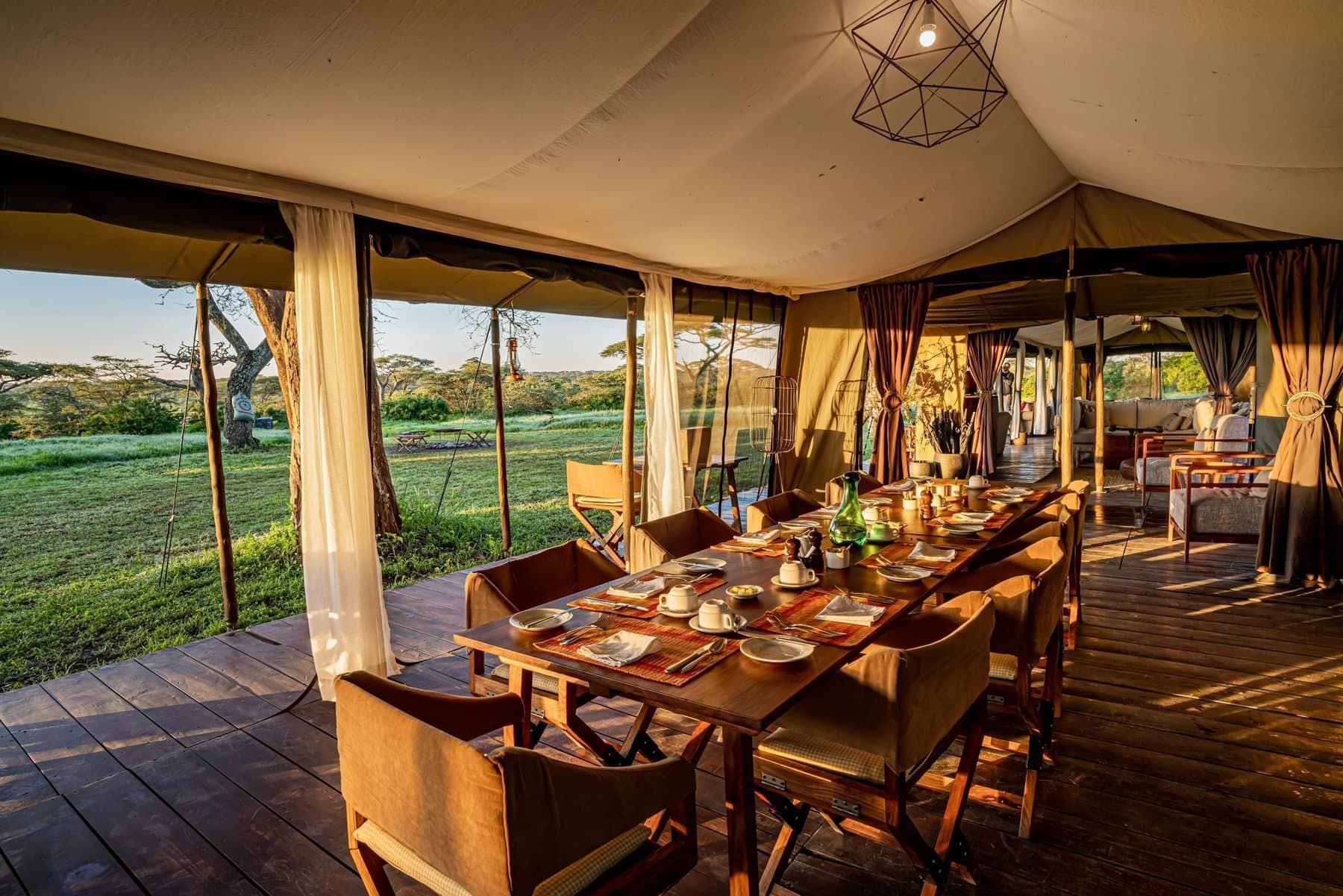
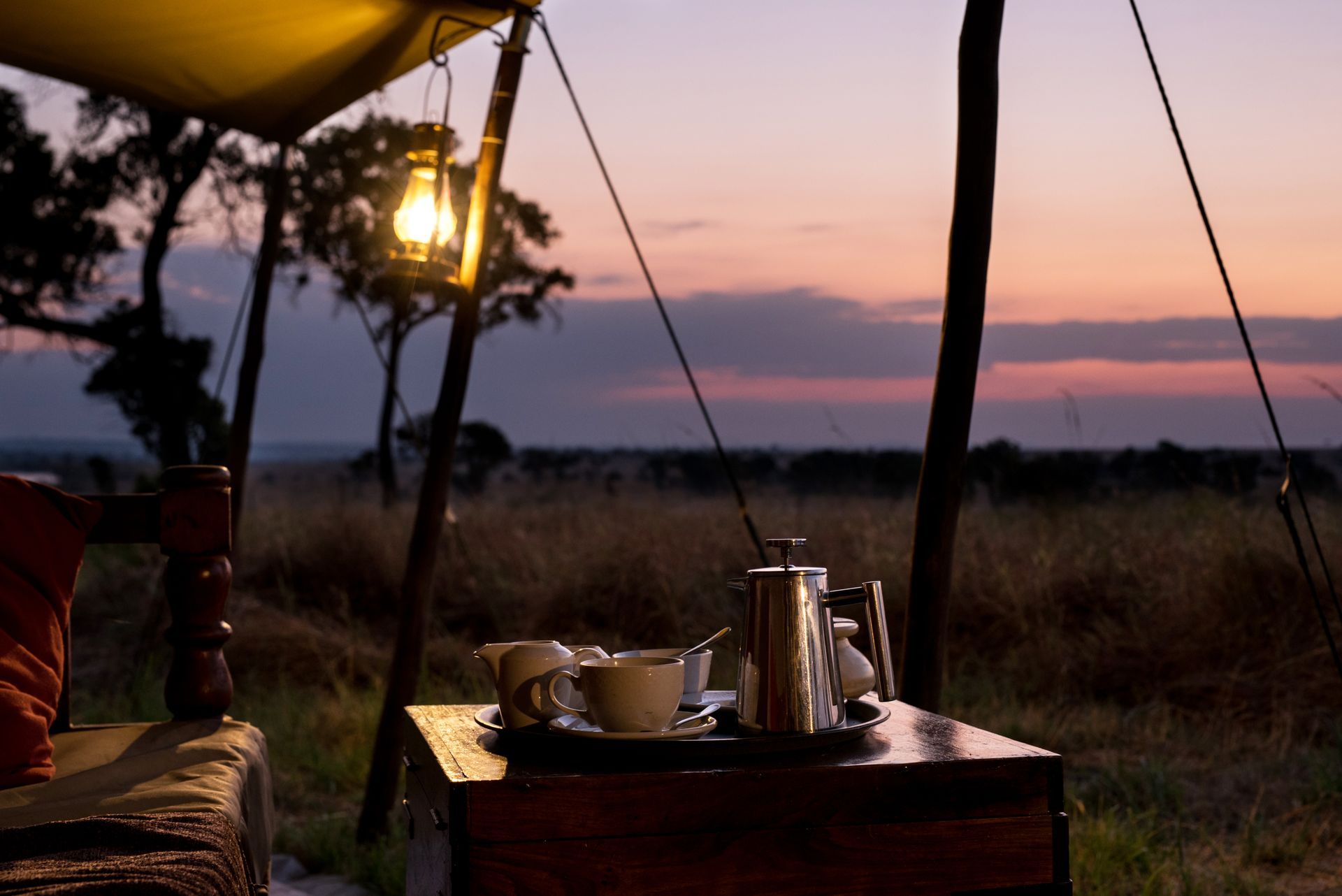
The camps positioned in and around Ndutu during calving season are among the most atmospherically placed in the entire Serengeti ecosystem. Mobile and semi-permanent tented camps sit directly on the plains, close enough to the herds that the sounds of the Migration form the soundtrack to every morning and evening. Waking before dawn to step outside and find the plains already alive with movement, the air still cool and the light just beginning to touch the horizon, is the kind of moment that stays with a person long after they've come home.
The bigger picture
Perhaps the most valuable thing that the southern Serengeti offers is perspective. To stand on the Ndutu plains during calving season, surrounded by life on a scale that the human mind struggles to fully absorb, is to understand the Migration not as a highlight reel of dramatic crossings but as something continuous, cyclical and deeply rooted in this particular landscape.
The wildebeest don't come here because it's convenient. They come because this ancient, mineral-rich corner of Tanzania has been sustaining them for longer than any of us can imagine, and because the Ndutu plains, in their quiet, generous way, hold the secret to everything that follows.
The river crossings are magnificent. But the soul of the Serengeti lives here, on the southern plains, in the weeks when the grass is green and the calves are finding their feet and the great cycle of life turns once again.
Talk to the Anderson & Harvey team about crafting a southern Serengeti safari that puts your clients at the heart of this extraordinary chapter in the Migration's story.