10 essential building blocks for a great safari
The A&H guide to designing perfect journeys
There is a moment every good safari itinerary should deliver. That quiet click, when everything suddenly makes sense. Flights line up. Landscapes flow. Wildlife encounters feel earned rather than staged. For all of us, this moment does not happen by accident. It comes from understanding how the East African region works as a whole, and how its moving parts fit together long before anyone ever boards a plane...
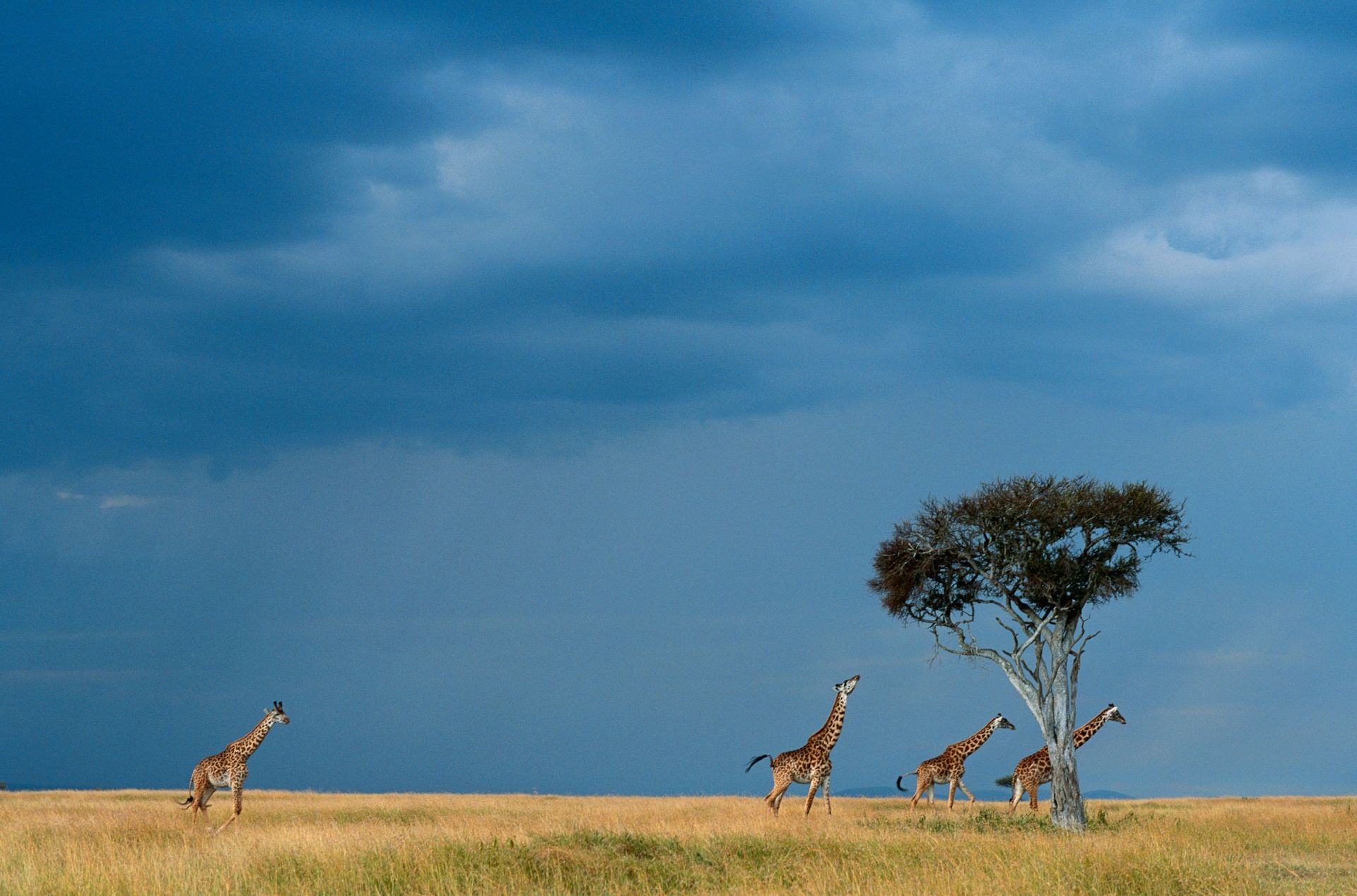


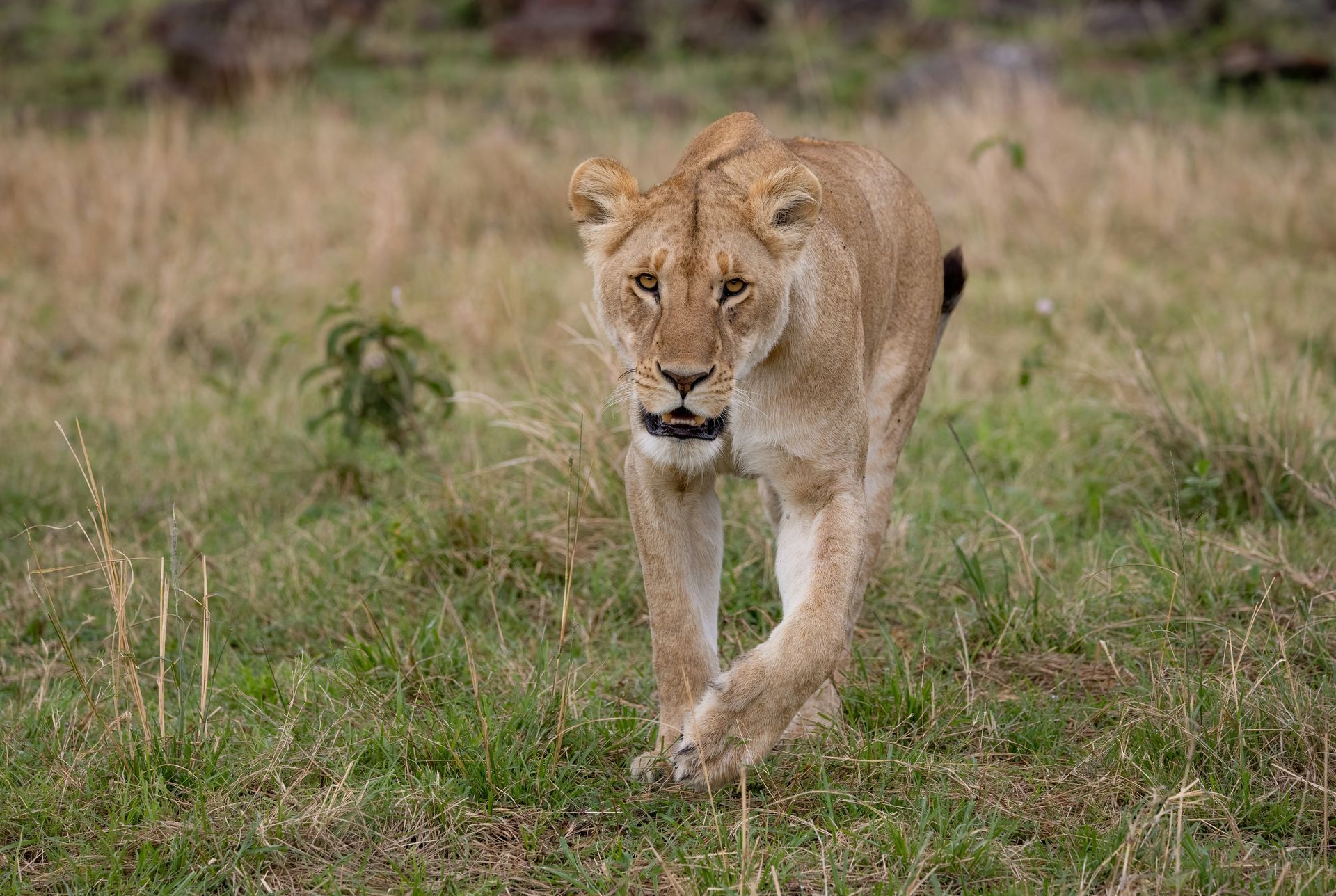
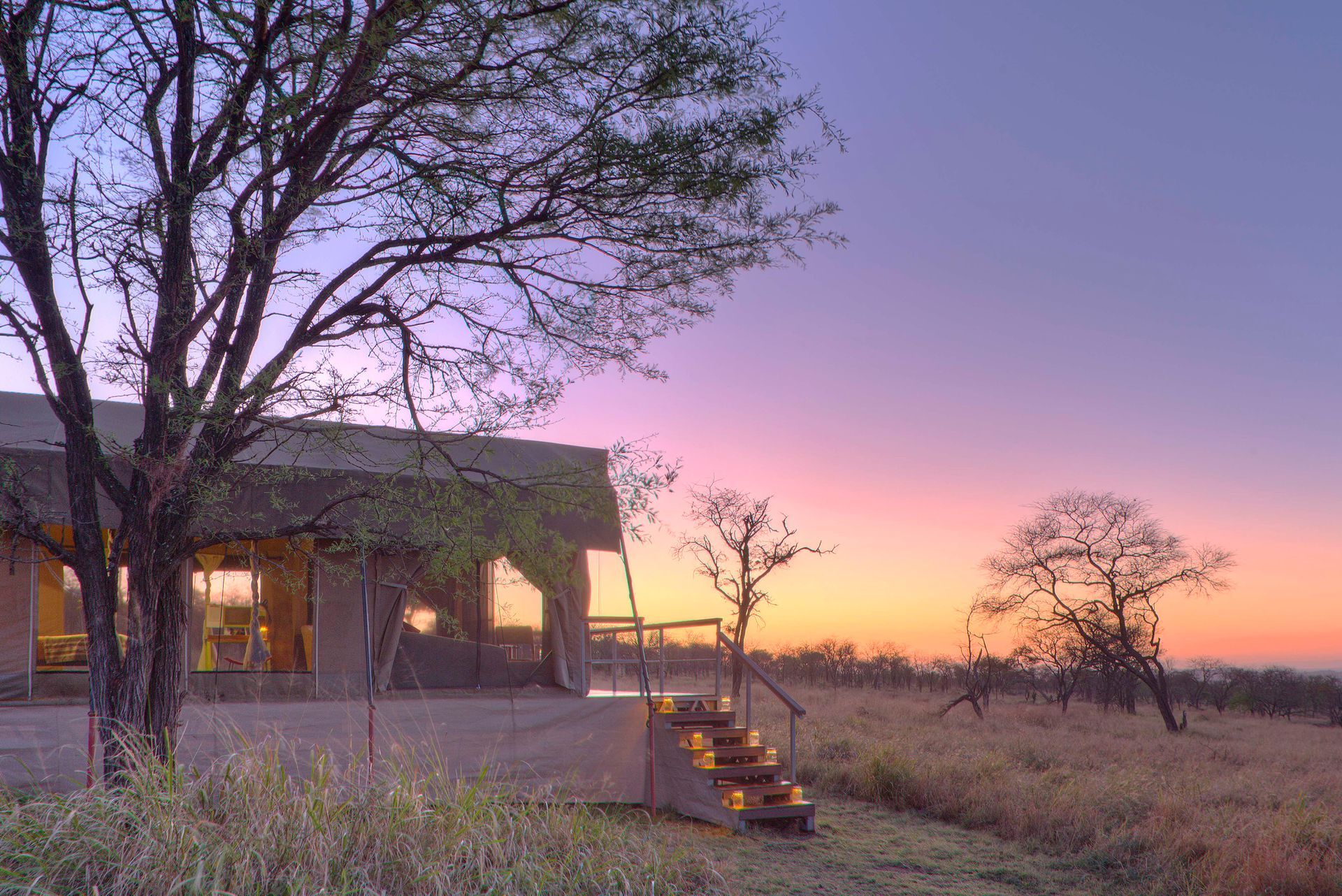
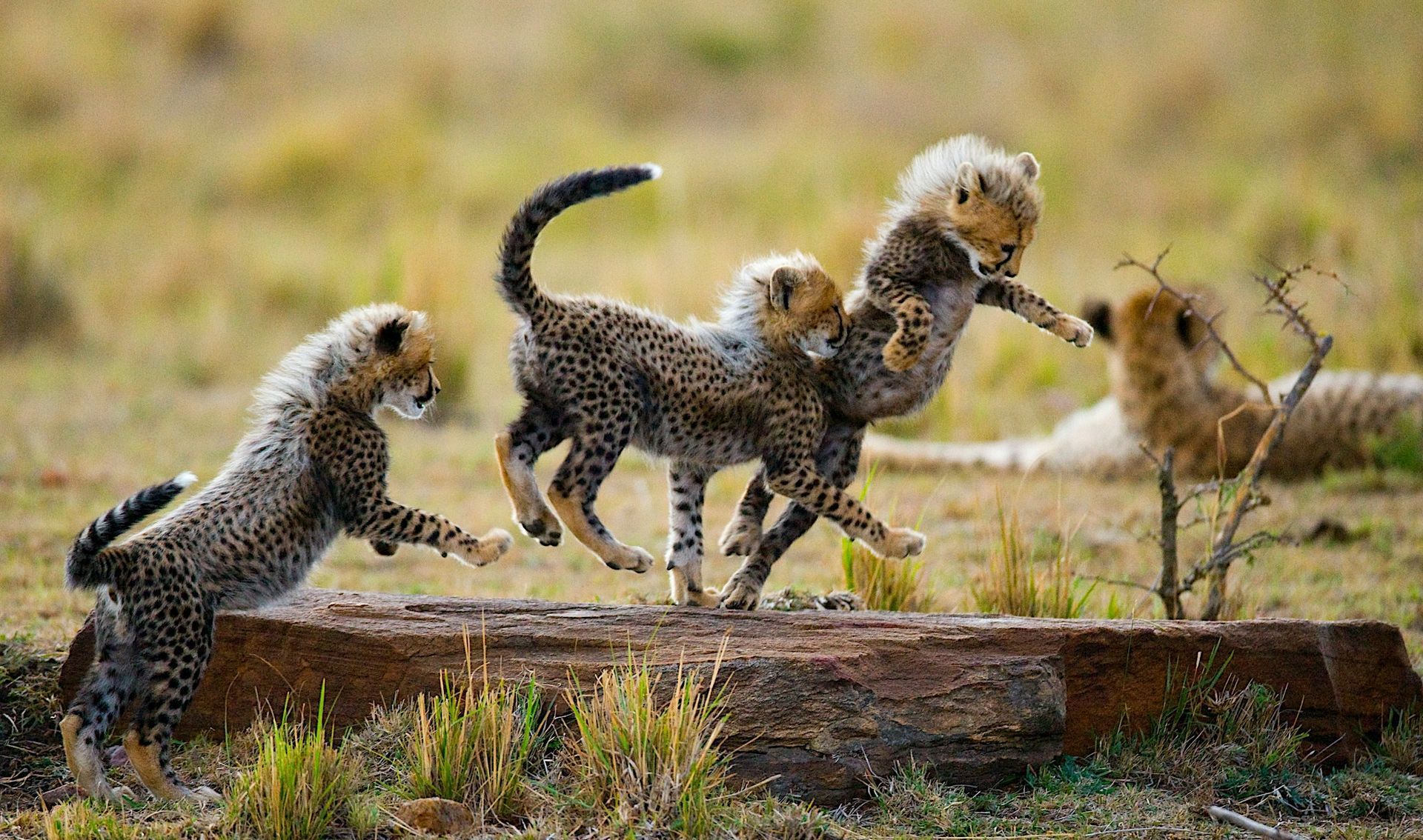
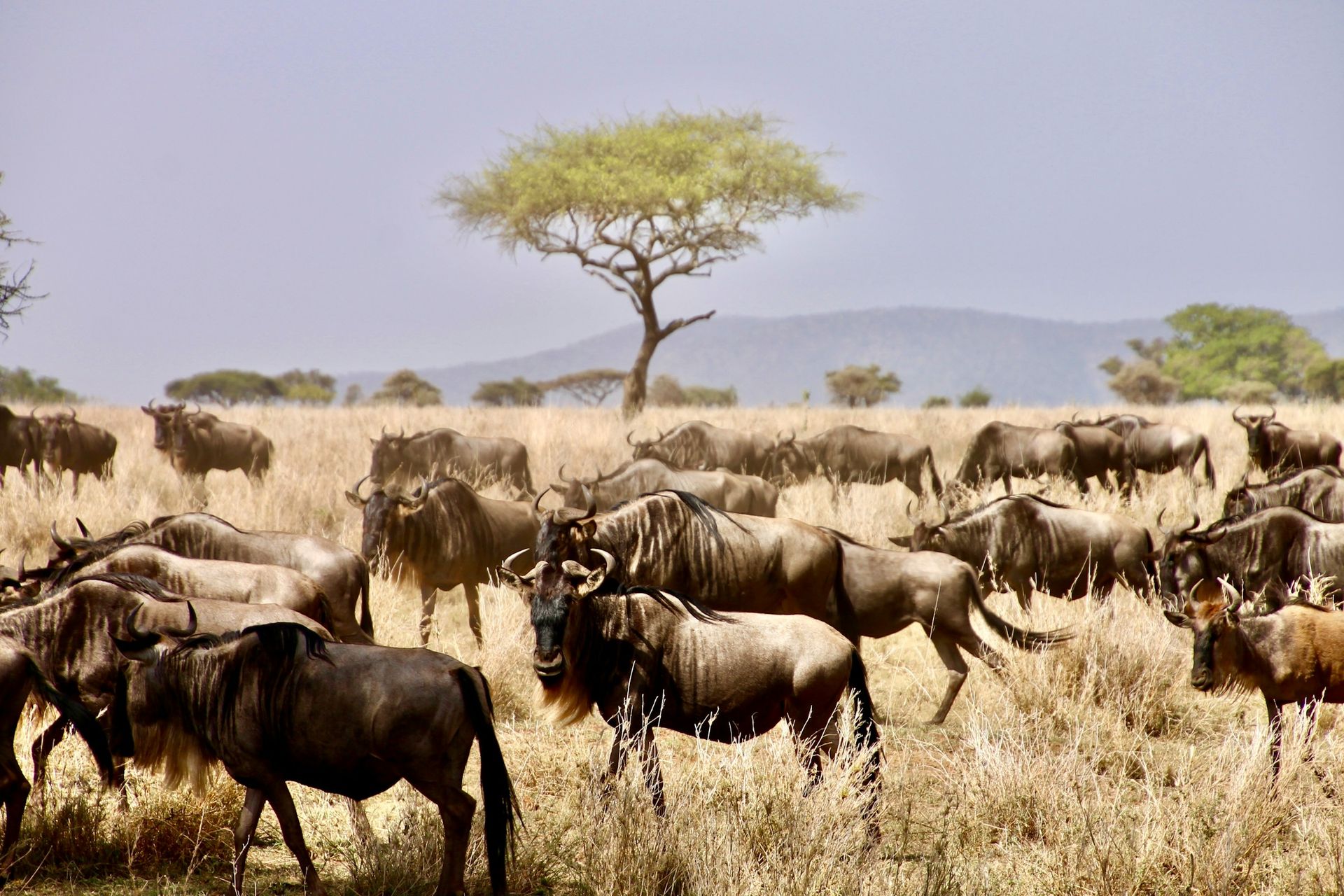
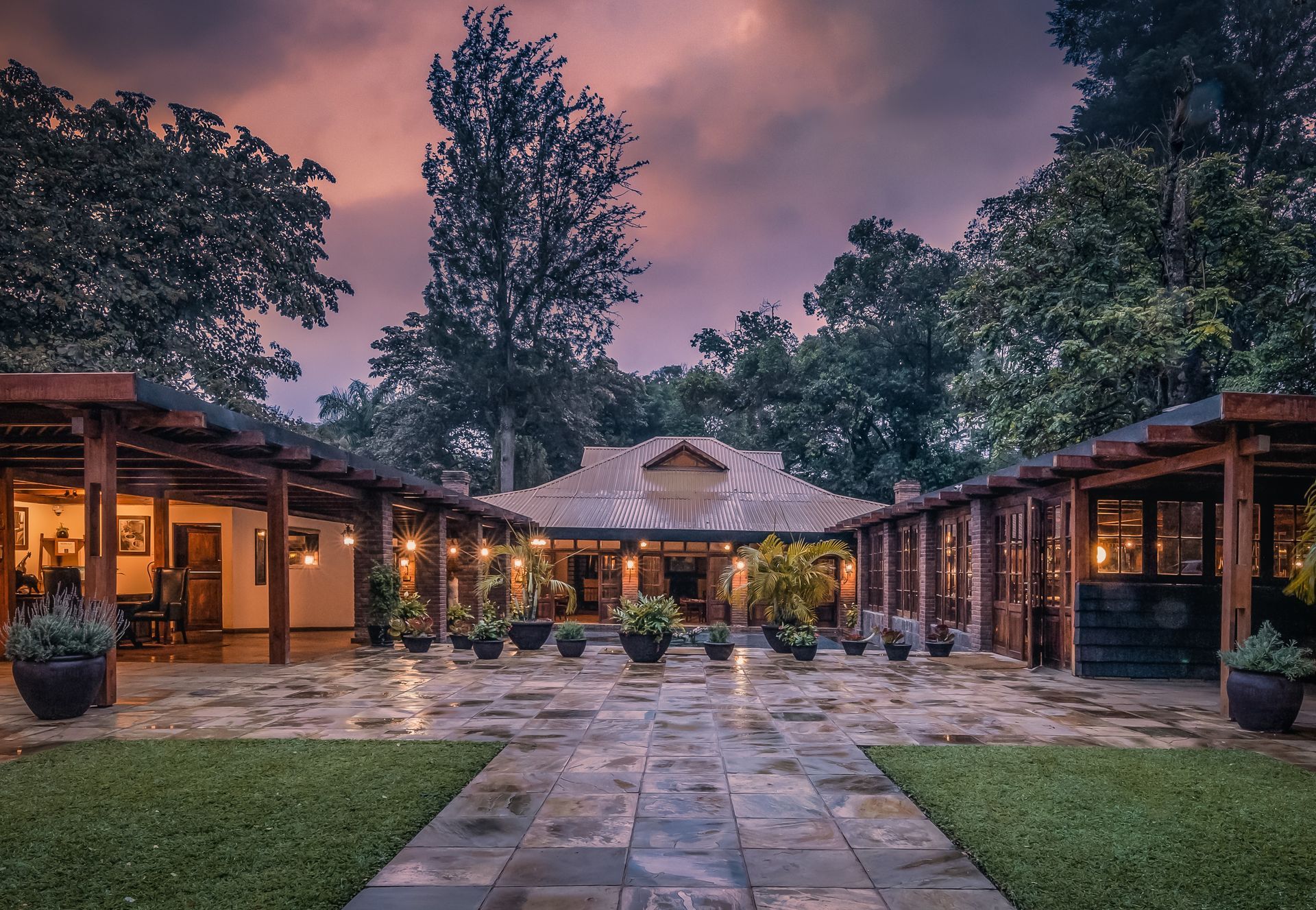
Designing safaris in East Africa is less about selling destinations and more about building experiences. Kenya, Tanzania, Uganda, Rwanda and Zanzibar are not standalone products. They are chapters in a wider story, each with its own pace, personality and purpose. Get the structure right, and the safari sings. Get it wrong, and even the most extraordinary places can feel disjointed.
These 10 building blocks form the backbone of itineraries that flow, excite and ultimately deliver on what East Africa promises best.
1. Where the journey begins.
A safari opening should feel like an invitation, not a hurdle. Kenya offers a natural introduction, with Nairobi acting as a polished gateway into wild spaces like Laikipia or the Masai Mara. Tanzania opens with scale and drama, often beginning in Arusha before expanding into vast wilderness. Uganda and Rwanda offer a more focused start, purposeful and immersive, particularly for travellers drawn to primates and conservation led experiences. Choosing the right starting point shapes expectations from day one.
The opening days are also when travellers begin to acclimatise to the pace and rhythm of East Africa. Settling into the sights, sounds and movements of the landscape allows the journey to feel immersive from the start. It is in these early hours and days that anticipation builds into understanding, setting the tone for how wildlife, scenery and culture will be experienced throughout the safari.
2. Joining the dots
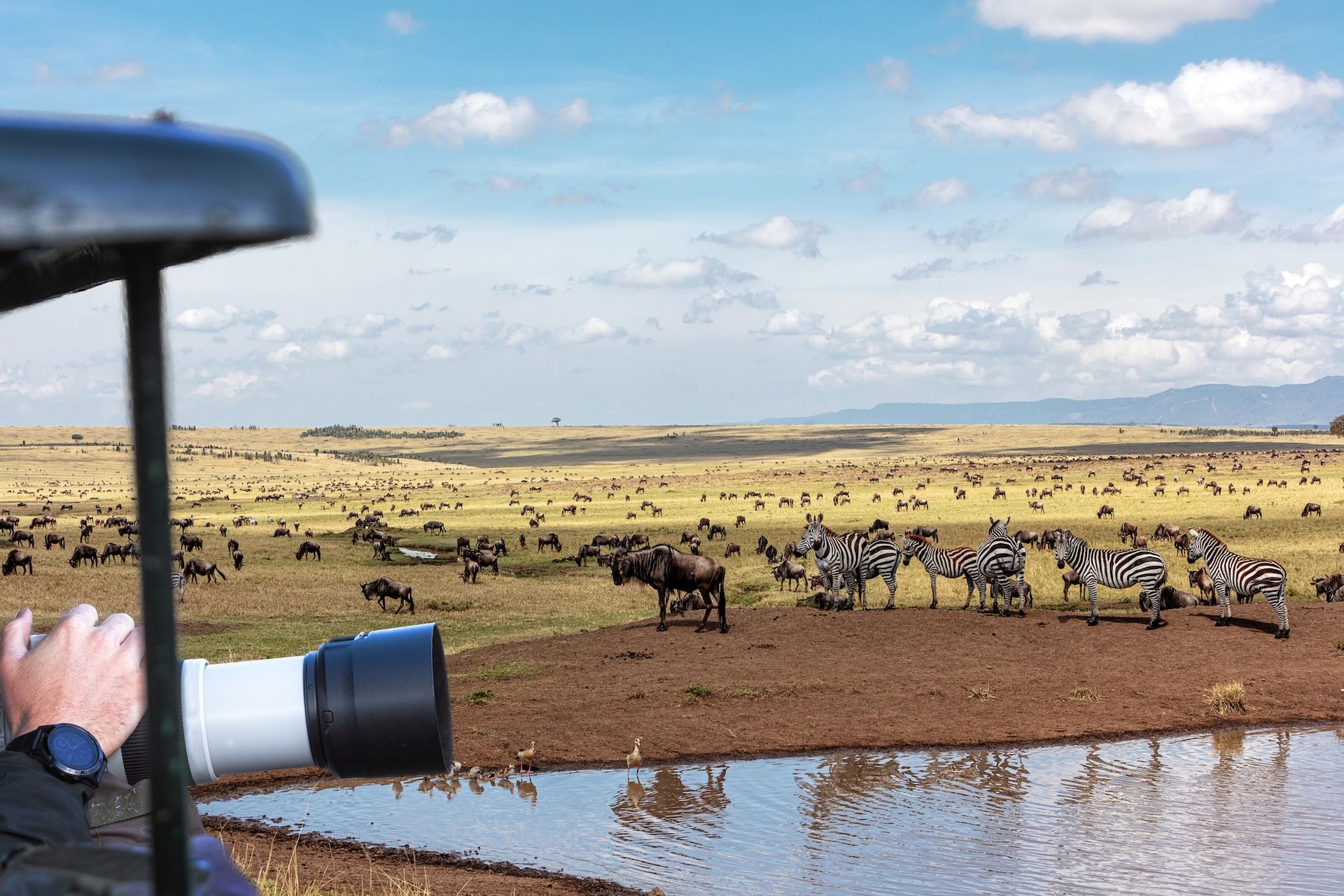
The Serengeti and the Masai Mara earn their reputations, but the magic lies in how they are paired. A classic savannah safari gains depth when balanced with places like Samburu, Ruaha, Katavi or northern Uganda. These regions add contrast, breathing space and a sense of discovery that trade clients increasingly value. It is here that itineraries move from familiar to memorable.
Linking iconic and lesser-known regions allows the safari to tell a richer story. Travellers experience contrasting ecosystems, from open plains to forested hills, from riverine corridors to volcanic landscapes, each with its own wildlife rhythms and character. This variety keeps every day fresh, offering surprise and discovery beyond the headline moments.
3. Timing and seasonality
This building block is one of the most powerful we have. East Africa rewards those who plan ahead. The Great Migration shifts and evolves. Green seasons bring drama, light and fewer vehicles. Gorilla and chimpanzee trekking conditions vary subtly through the year. Zanzibar’s seasons influence how a safari should end. Designing with these rhythms in mind transforms good trips into exceptional ones.
Understanding the seasons also enhances the quality of wildlife encounters and scenery. Whether it is observing newborns in the green season, tracking concentrated wildlife during dry months, or catching the perfect light for photography, timing allows each experience to feel intentional. Seasonality shapes not only what is seen, but also how it is experienced, creating moments that are unforgettable.
4. Wildlife: focus with intent
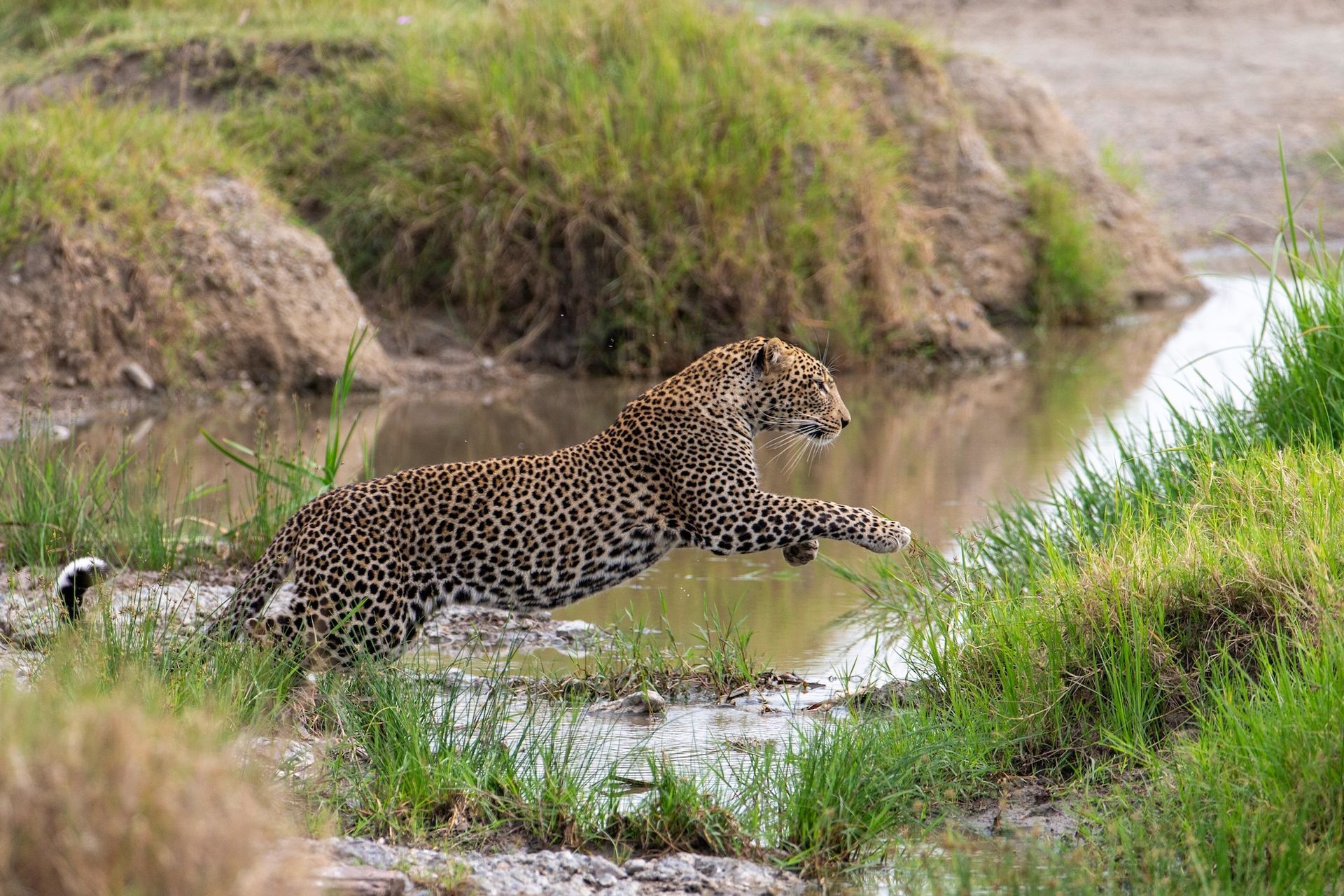
Not every safari needs to chase the same story. Some travellers want predator-rich plains and big skies. Others want time, patience and forest encounters in Uganda or Rwanda. Knowing where behaviour is best observed, not just where species exist, allows itineraries to feel purposeful rather than generic. This is where expert planning truly shows.
Focusing on behaviour as well as species adds depth and engagement to every encounter. Guests gain insight into hunting strategies, social structures or foraging patterns, turning sightings into stories. This intentional approach ensures wildlife experiences are more than snapshots—they become opportunities to understand the rhythms and intelligence of the natural world.
5. Cultural context
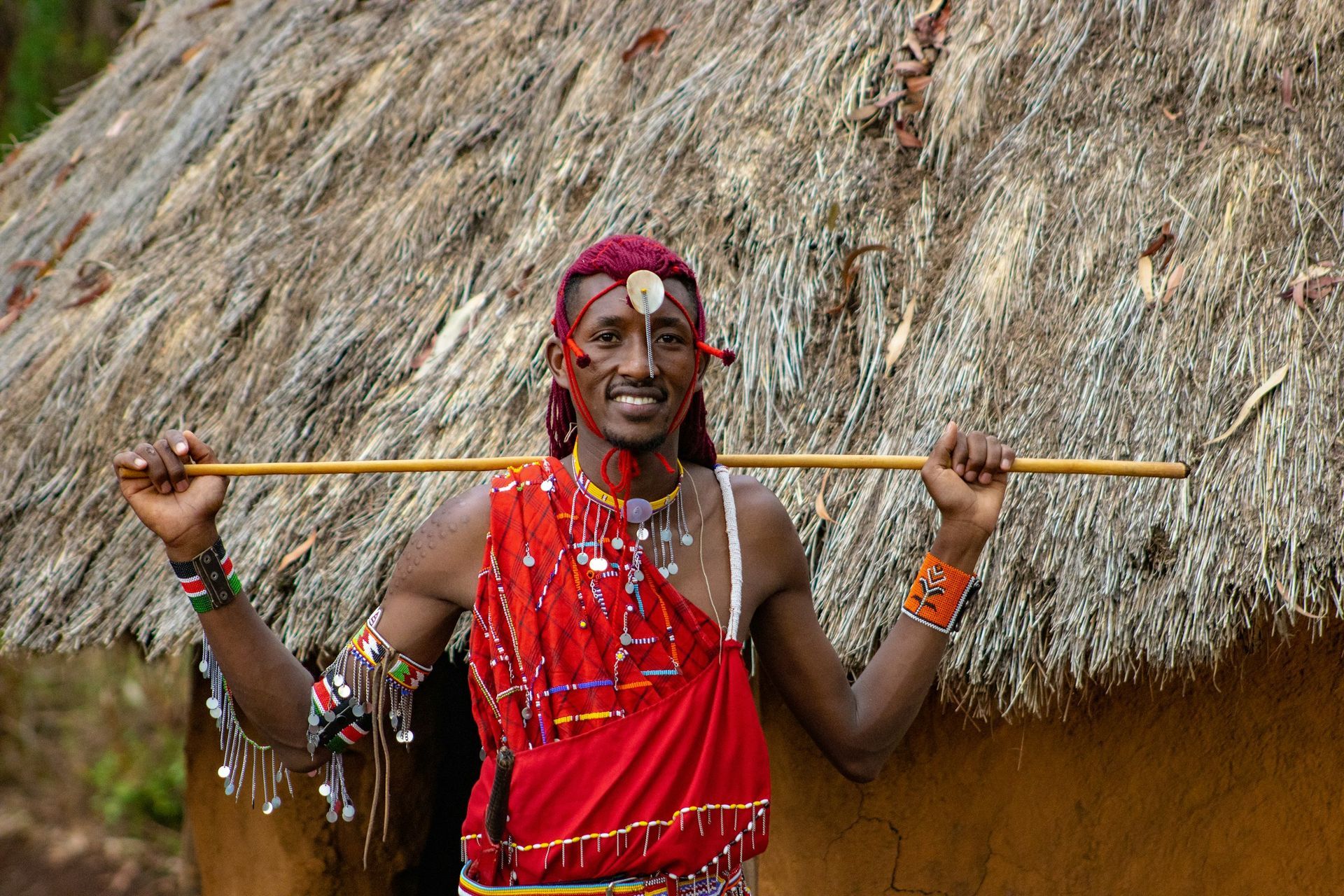
When handled well, culture adds resonance rather than distraction. Encounters with Maasai communities, framed with respect and authenticity, provide insight into how people and landscapes coexist. Elsewhere, conservation initiatives, community guides and local narratives deepen a traveller’s connection to place. These moments should feel natural, not performative.
Culture also provides perspective on conservation and the human dimension of wildlife management. Seeing communities actively protecting habitats or participating in eco-tourism projects gives context to wildlife encounters, making them richer and more meaningful. These experiences highlight how people and nature interact, adding layers to the safari story.
6. Smart logistics
East Africa rewards good routing. A well-timed light aircraft flight becomes part of the experience, offering aerial perspective and saving precious time. Poor connections or unnecessary road transfers drain energy and excitement. For the trade, mastering logistics is about protecting the rhythm of the journey while making the most of the region’s remarkable air networks.
Well-considered logistics also allow travellers to spend more time immersed in landscapes rather than in transit. Smooth connections between regions, camps and experiences preserve energy and anticipation, letting each safari day flow naturally. Efficient routing transforms travel into part of the adventure rather than a logistical challenge.
7. Accommodation progression
Where guests sleep matters, but how those properties relate to one another matters more. A safari that evolves from contemporary comfort to remote simplicity feels like a journey unfolding. Mixing styles, locations and levels of exclusivity keeps experiences fresh while avoiding sensory overload.
A thoughtfully sequenced accommodation plan also shapes the emotional journey. Beginning in accessible camps allows adaptation, moving into remote lodges creates intimacy, and ending at a coastal or island property provides a gentle denouement. The evolution of lodgings mirrors the narrative of the safari itself.
8. Space to settle
Great safaris are not rushed. Allowing guests to have a slow safari and to stay put, to watch patterns emerge and landscapes reveal themselves, leads to richer sightings and deeper appreciation. This is especially important around primate trekking, where the emotional weight of the experience benefits from time and reflection.
Remaining in one location also lets subtle wildlife behaviours become visible. Patterns of movement, feeding or interaction can be observed over hours, giving insight that fleeting sightings never provide. Time and space allow guests to absorb the rhythm of the environment fully.
9. Ending well
The ninth building block and often the most overlooked. A safari needs a sense of closure. For example, Zanzibar plays this role beautifully, offering warmth, colour and a gentler rhythm after days spent tracking wildlife. It allows travellers to exhale, to process and to leave Africa with balance rather than fatigue. Alternatively, ending deep in the bush can work for those seeking immersion to the very last moment. Either way, the finale should feel intentional.
A considered ending frames the entire journey, helping experiences resonate and settle. Whether it is the gentle lapping of waves on Zanzibar, the golden glow over savannah plains, or the quiet of a forest sunrise, a strong conclusion ensures memories linger and the story of the safari feels complete.
10. Storytelling
The best journeys tell a story that unfolds naturally. Landscapes change. Wildlife encounters build. Experiences feel connected. For the trade, this narrative clarity makes selling easier and ensures travellers return home feeling they have truly travelled, not simply moved between places.
Storytelling unites all elements of the safari into a cohesive narrative. Every landscape, species encounter, cultural insight and moment of reflection contributes to a larger arc, leaving guests with memories that are coherent, layered and meaningful. A well-told safari is more than a series of destinations—it is a journey that lives on long after the plane touches down.
East Africa is generous. It rewards curiosity, patience and good planning. When these 10 building blocks are understood and applied, itineraries gain confidence and character. For our trade partners, this is where our creativity thrives and where the safaris we create move beyond expectation into something genuinely unforgettable.