The light that changes everything
Viewing East Africa through a lens and how to do it!
There are places in the world that are merely beautiful, and there are places that seem to exist in a state of permanent, almost aggressive photographic perfection. East Africa is firmly in the second category. Anyone who has ever raised a camera in the Serengeti at first light, or watched a mountain gorilla regard them with an expression of ancient, unhurried intelligence through a viewfinder in the forests of Rwanda, will tell you that no amount of photographic experience entirely prepares you for what this part of the world does to your eyes!
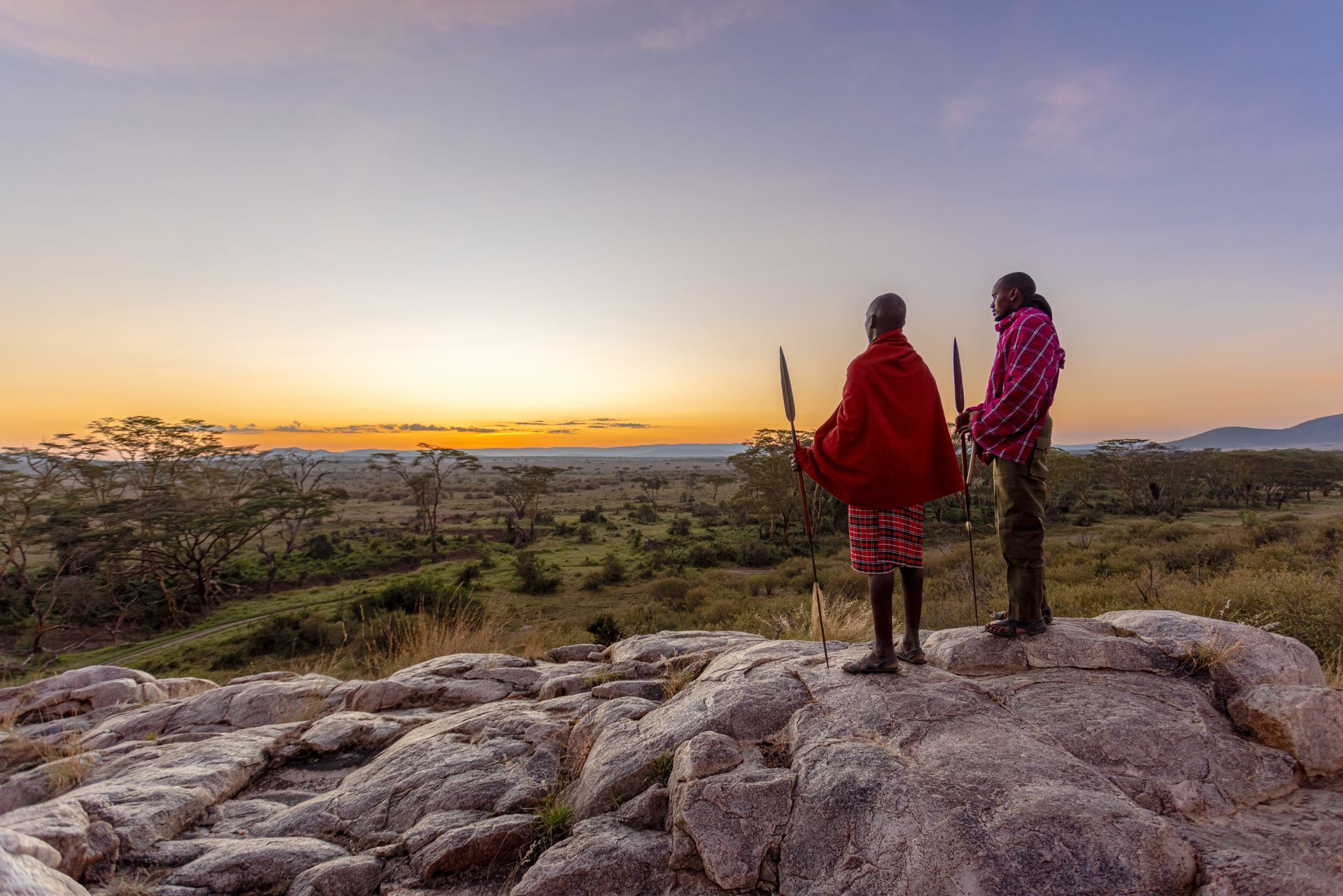
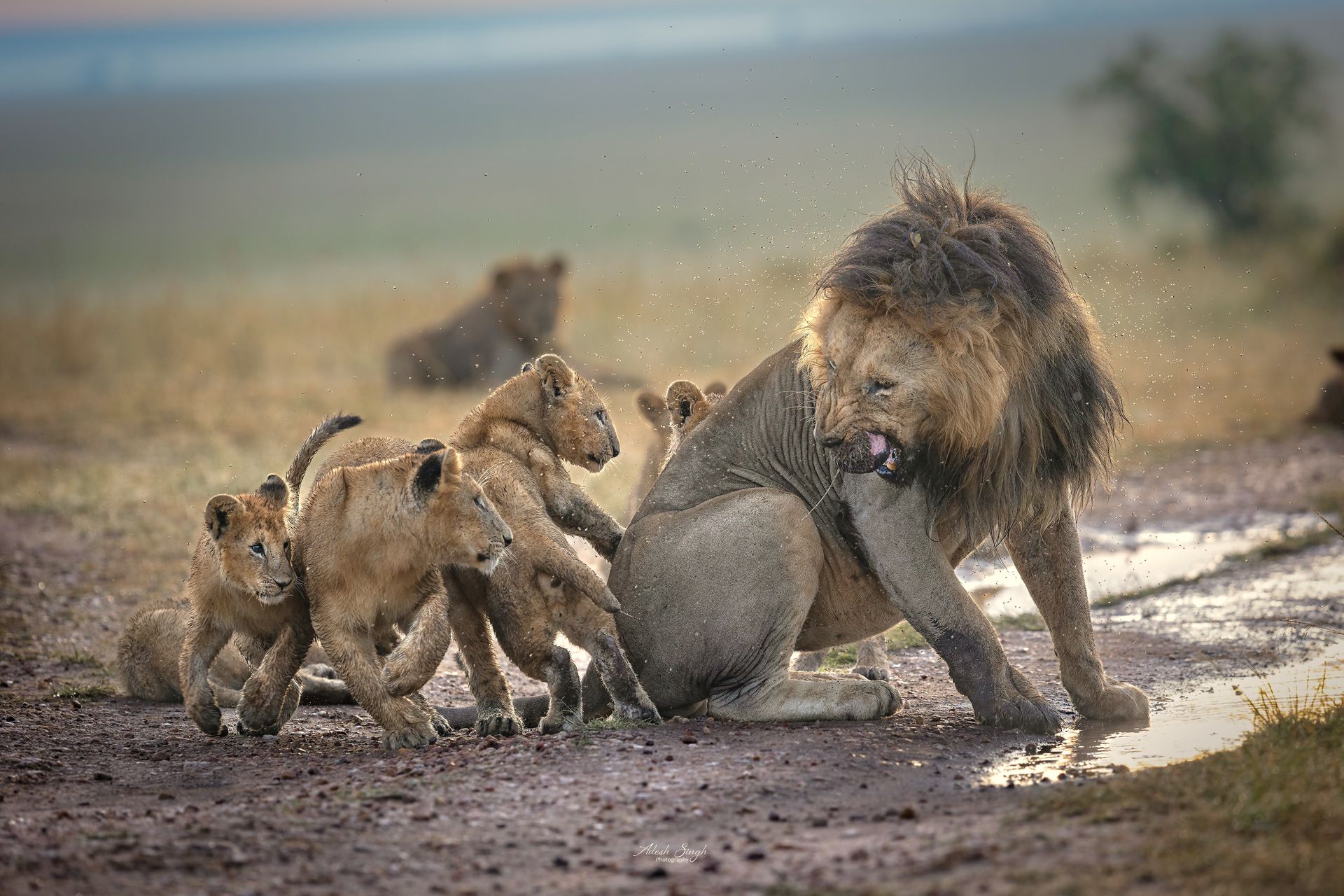
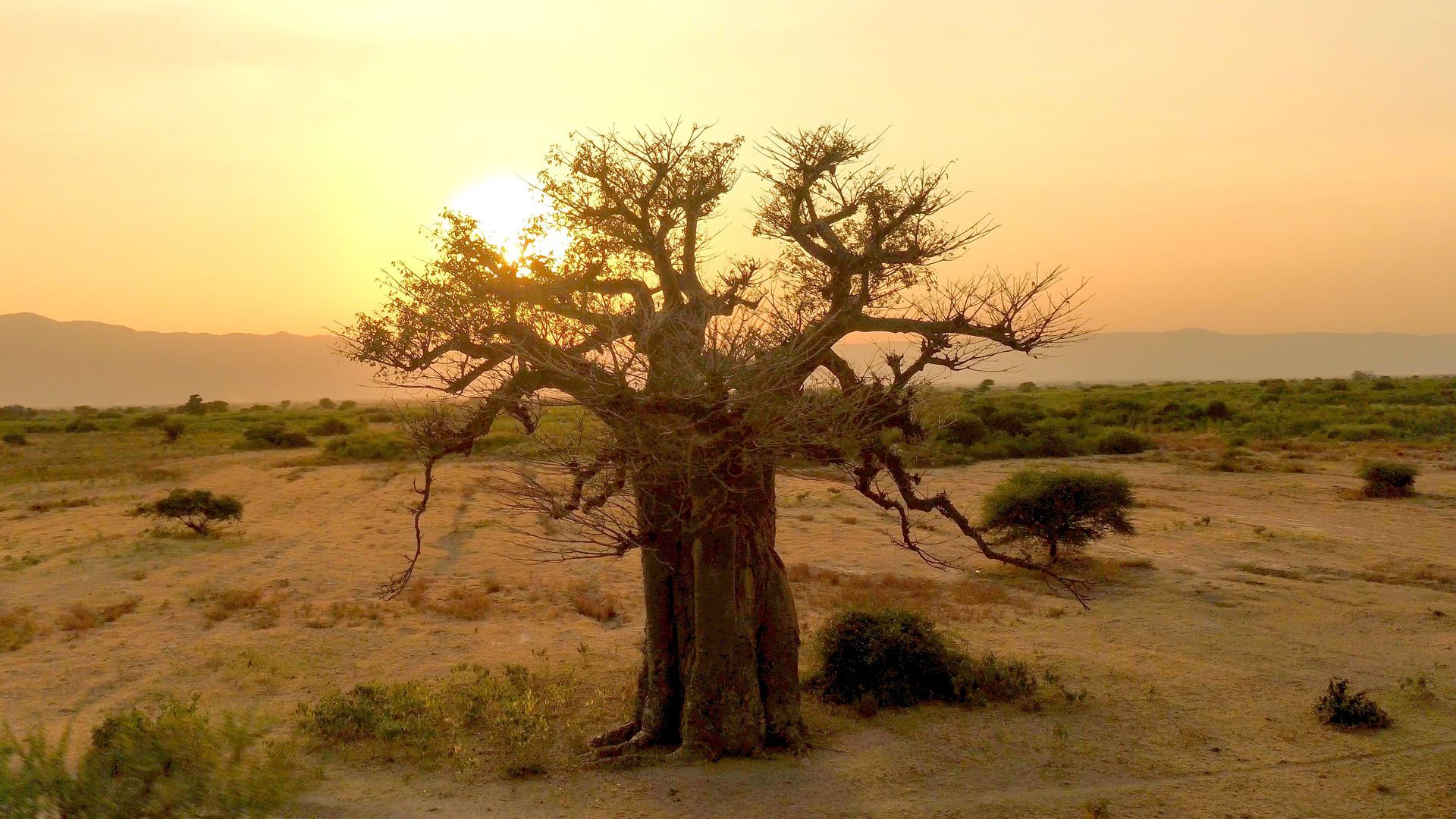
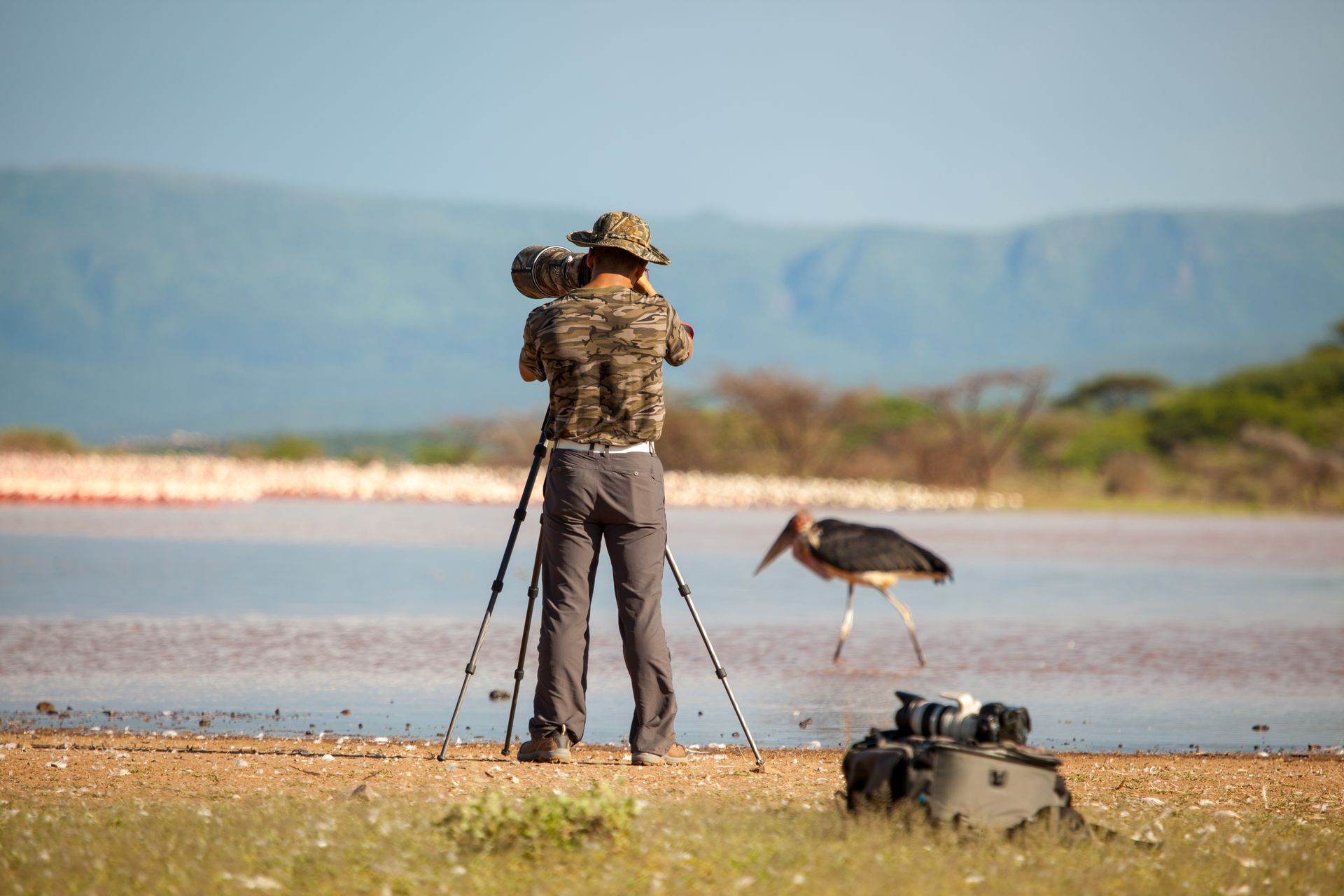
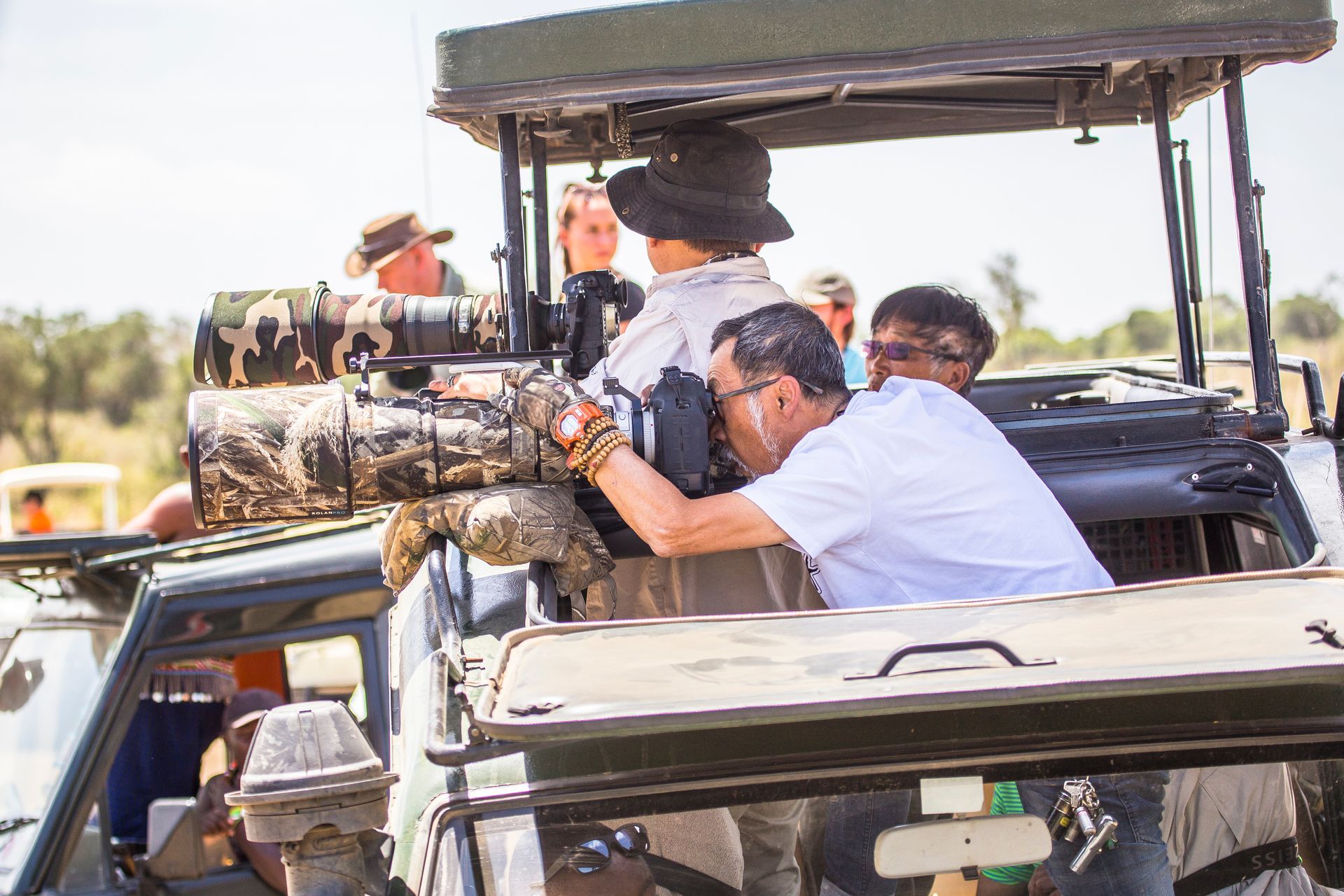
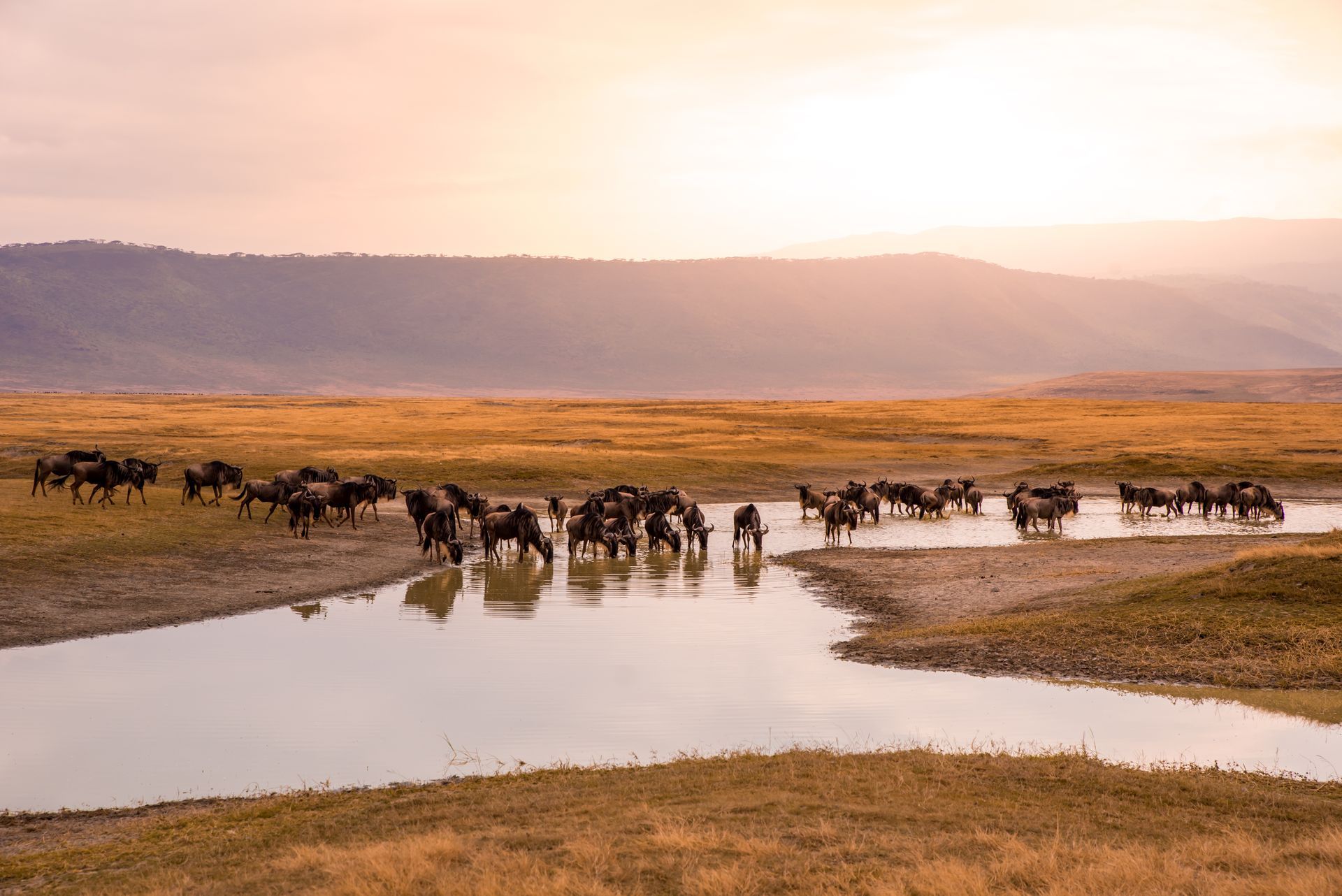
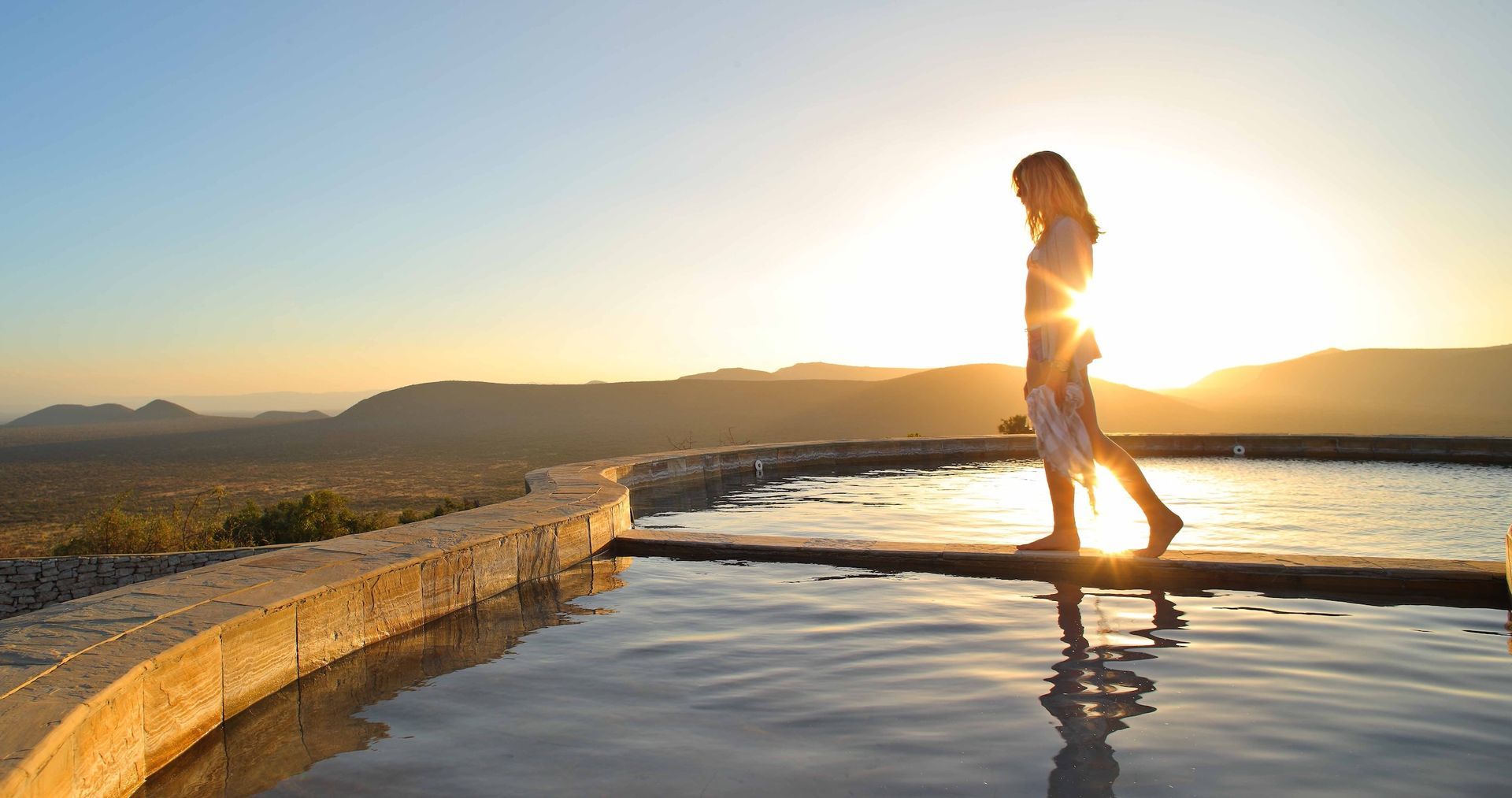
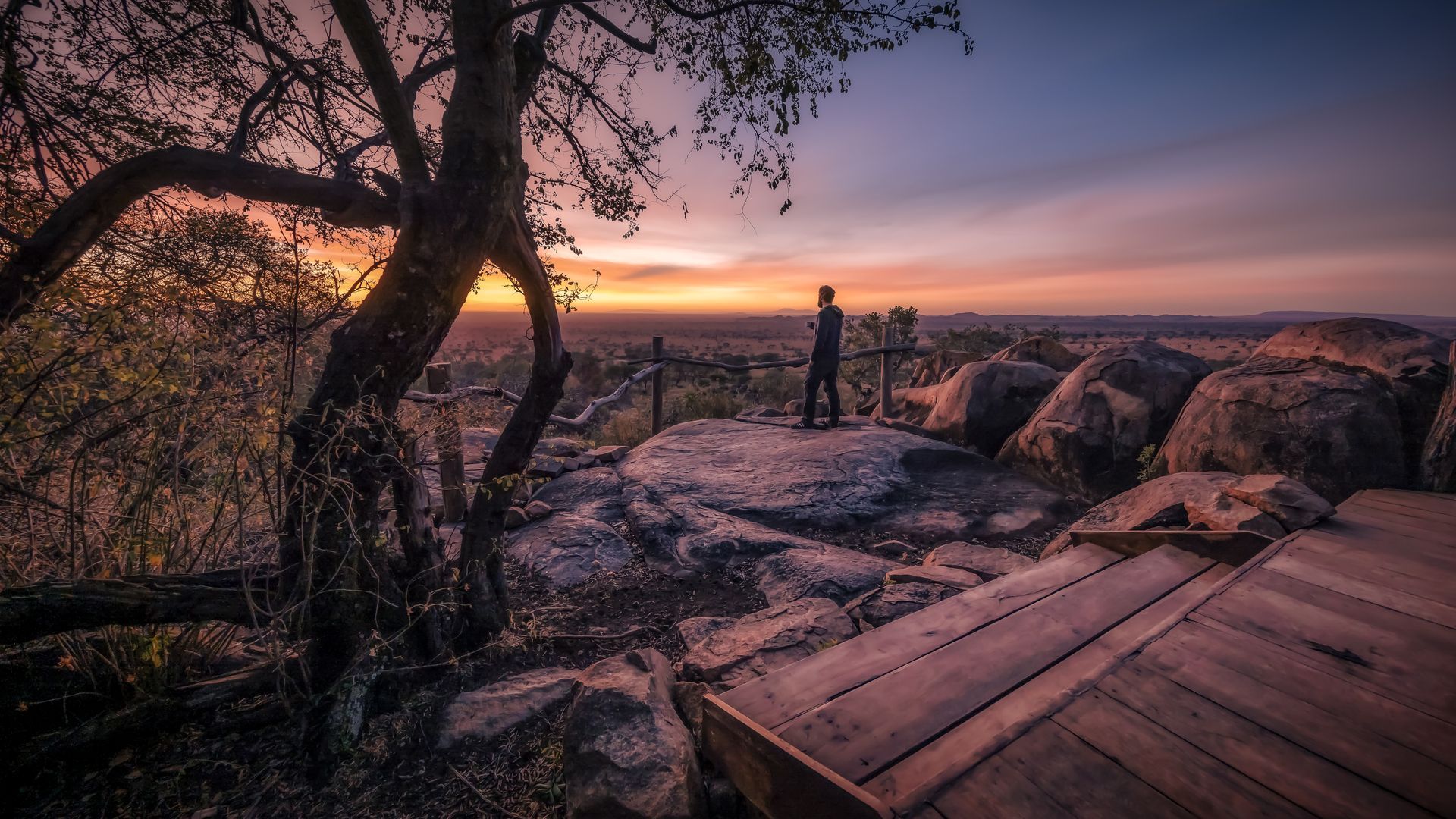
It's not simply the wildlife, extraordinary as it is. It's the light. East Africa sits astride the equator in a way that produces a quality of illumination at the golden hours of early morning and late afternoon that photographers travel to the other side of the world specifically to find.
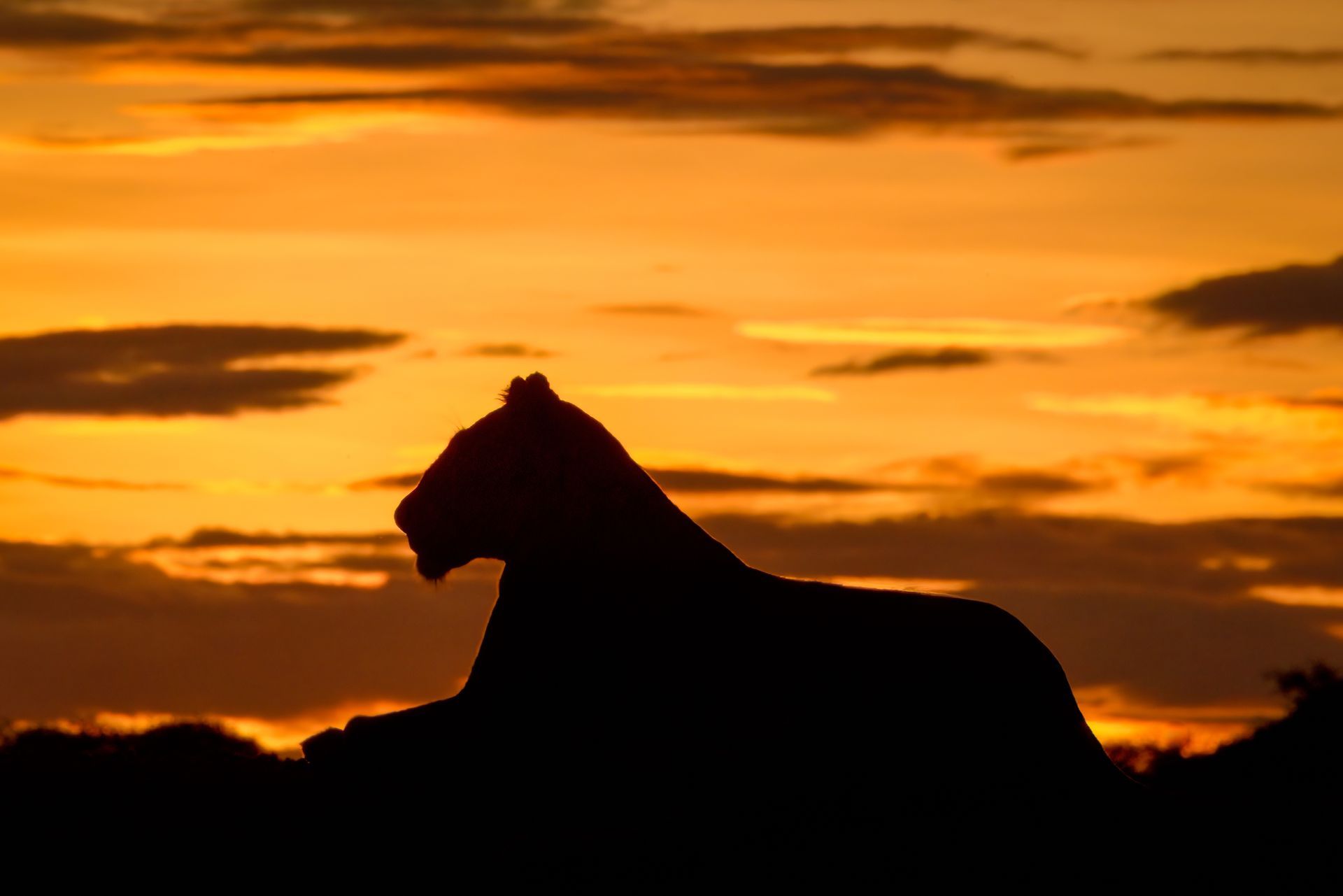
The low angle, the warmth, the way it catches dust and backlit grass and the flank of a lion and turns the whole scene into something that looks less like a photograph and more like a painting by someone with an implausible amount of talent. Professional wildlife photographers return to the northern circuit of Tanzania year after year not because they haven't already taken extraordinary images there, but because the light is different every single time and it's always worth coming back for.
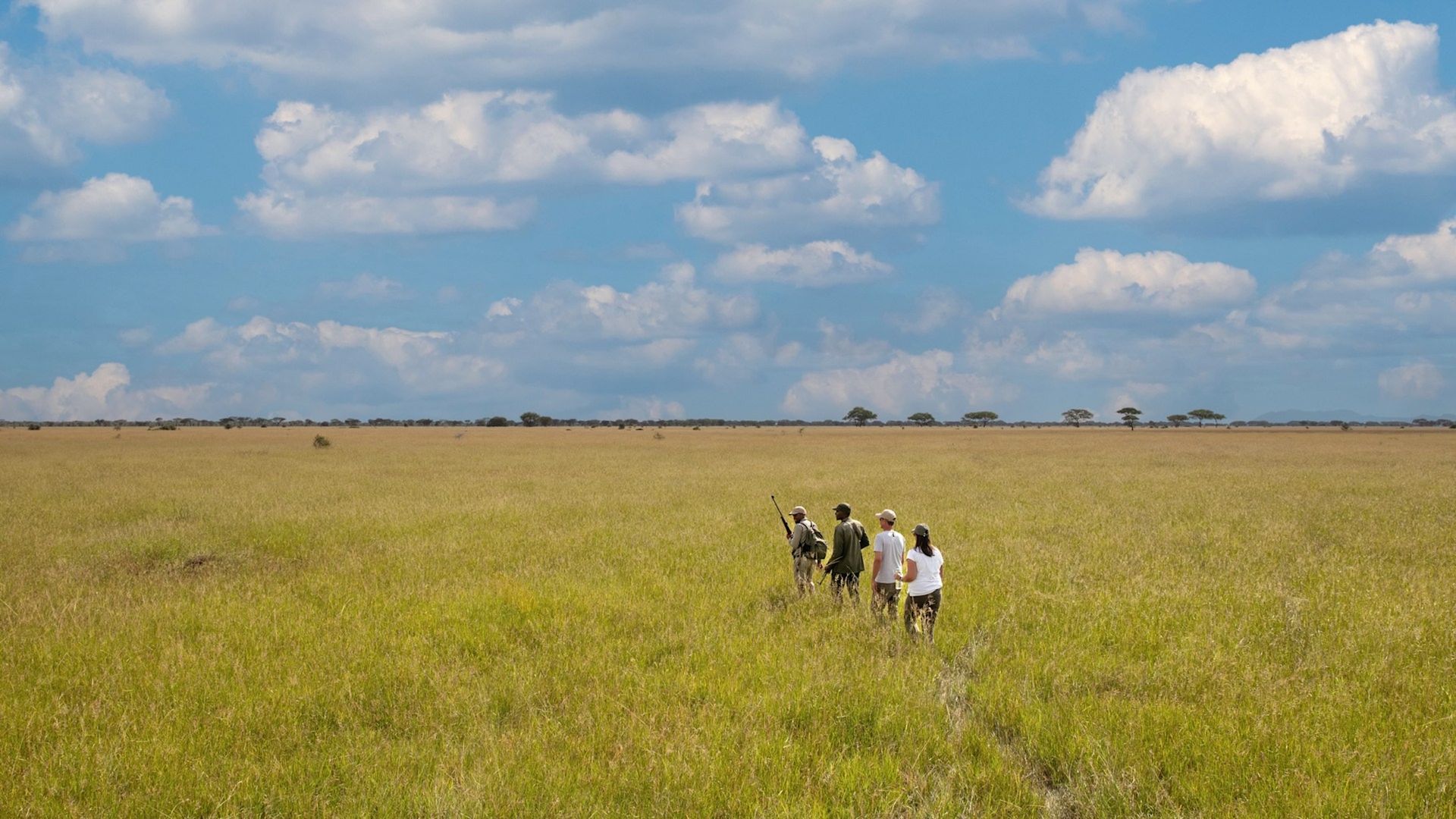
The open terrain of the northern circuit is, from a purely technical standpoint, one of the finest photographic environments on earth. The short grass plains of the Serengeti and the Ndutu ecosystem offer unobstructed sightlines across vast distances, allowing for the kind of wide, contextual images that place animals within their landscape rather than isolating them against a blurred background.
The Ngorongoro Crater, with its contained ecosystem and extraordinary density of wildlife, offers something different again. A natural amphitheatre in which every game drive delivers sightings at close range and in beautiful, varied light depending on where you are on the crater floor and what time of day you're shooting.
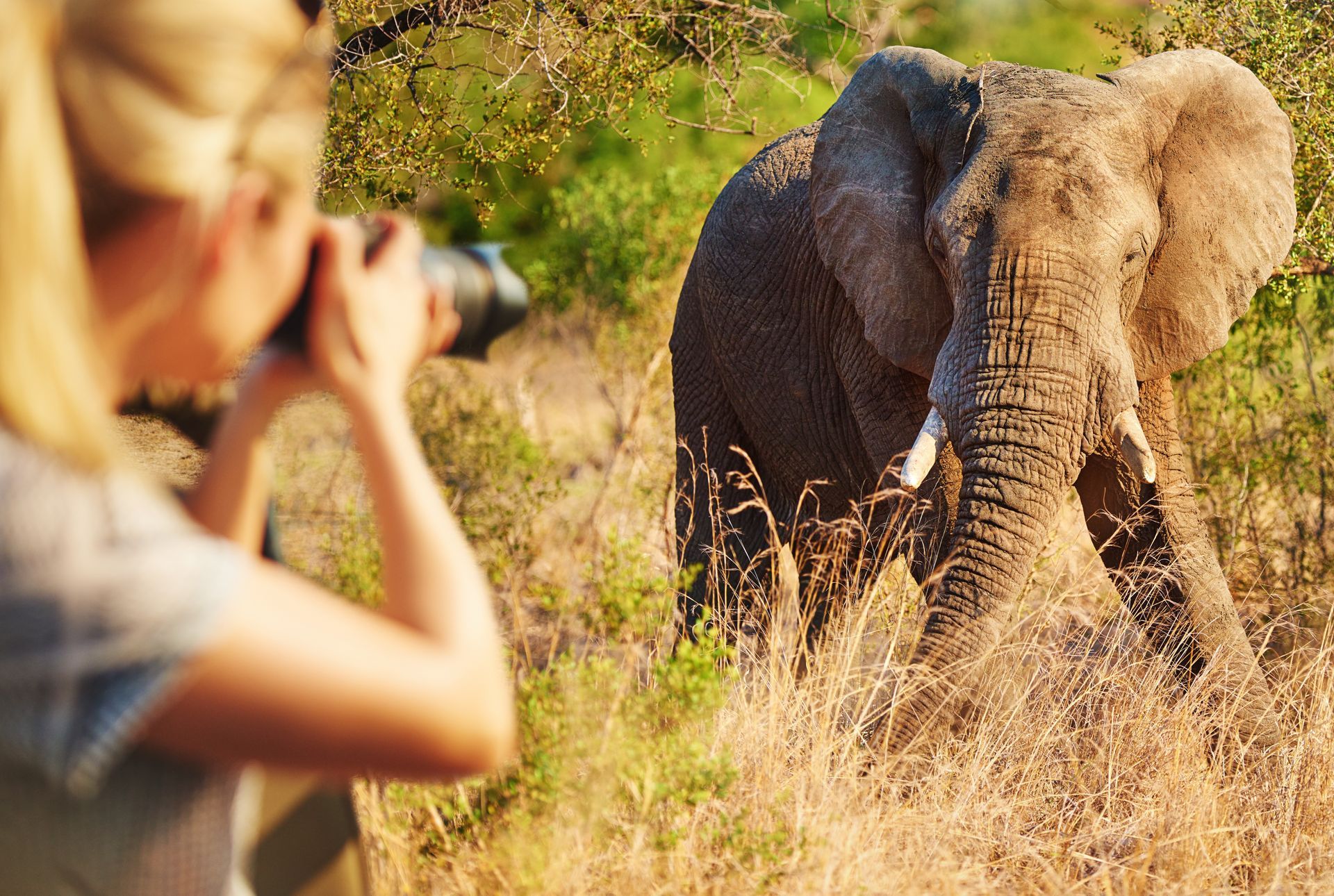
Tarangire, with its ancient baobabs, its river valley and the extraordinary elephant concentrations of the dry season, offers a more textured, more intimate photographic experience, where the landscape itself is as compelling a subject as the animals moving through it.
The gorilla encounter
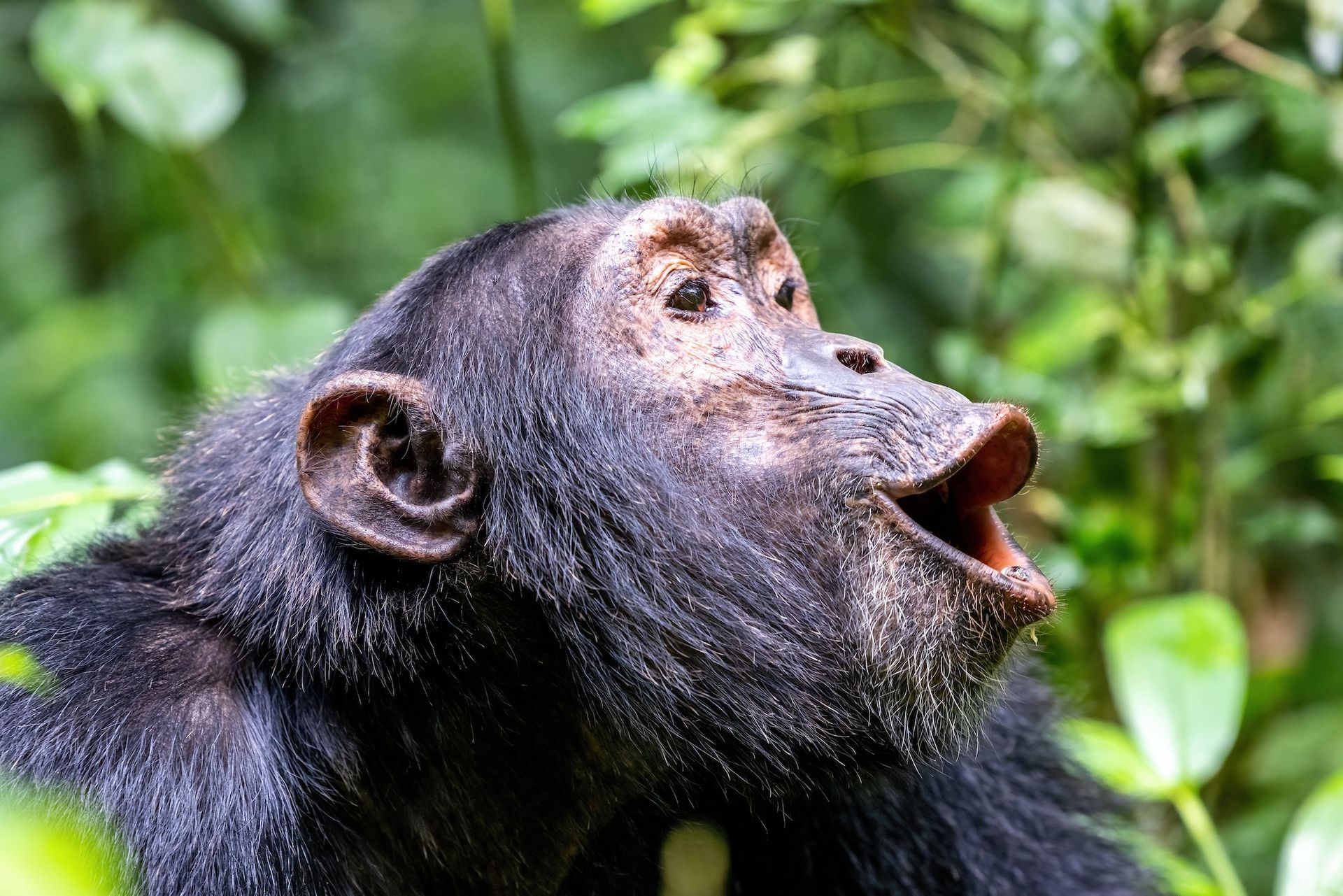
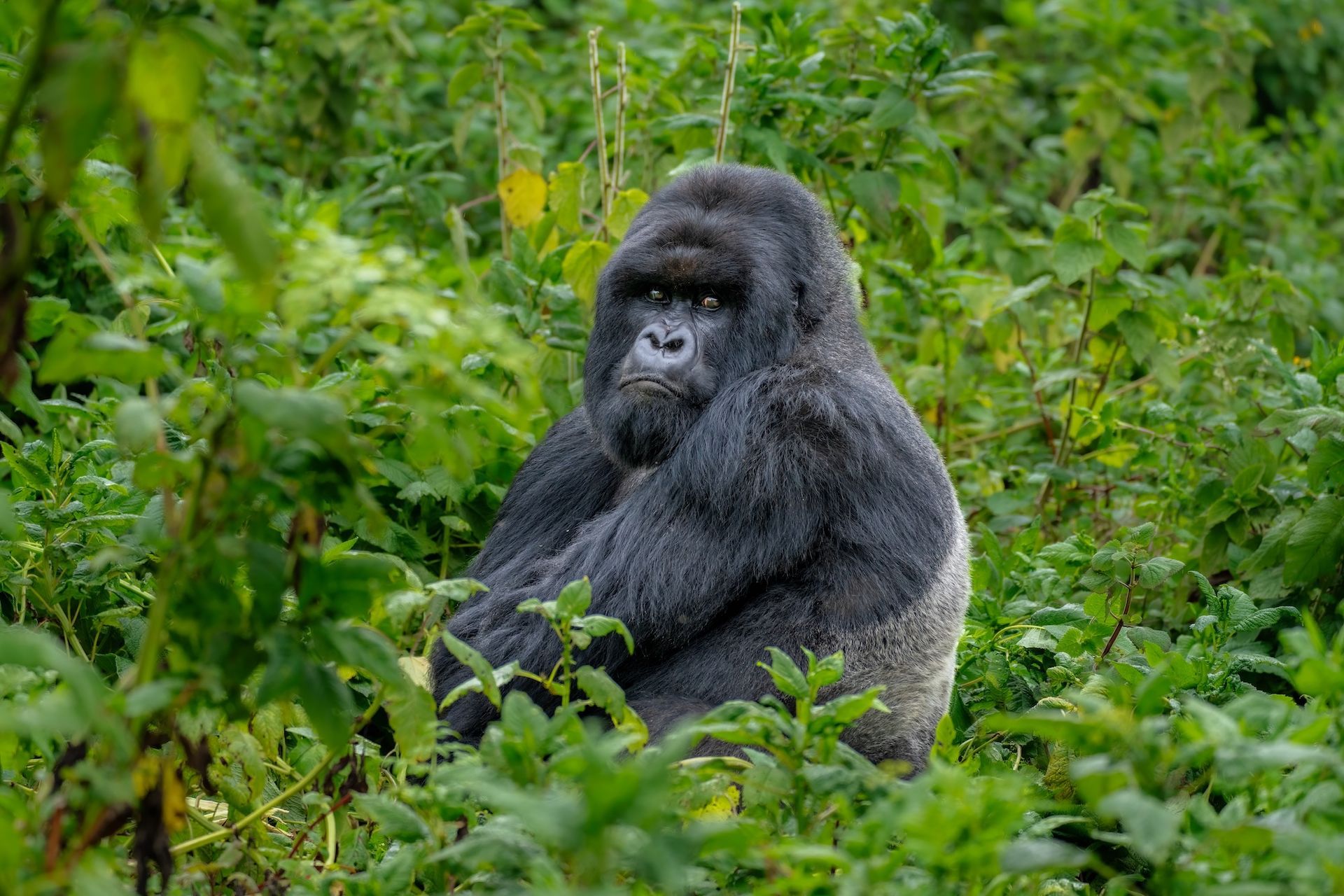
Then there is Rwanda and Uganda, and the singular, irreplaceable experience of photographing mountain gorillas in the wild. No telephoto lens required and no distance to manage, just you, at remarkably close quarters, with one of our closest relatives going about its morning in the misty forests of the Virunga volcanoes or Bwindi Impenetrable Forest, apparently entirely unbothered by your presence.
The photographic challenge here is not finding the subject but managing the low light of the forest interior, the dappled, shifting quality of illumination filtering through the canopy, and the sheer emotional intensity of the encounter, which has a tendency to make even experienced photographers momentarily forget what they're supposed to be doing with their camera.
Gorilla photography rewards patience and a certain stillness. The trackers and guides who lead these treks have an intimate understanding of each habituated group's habits and preferred locations, and time spent quietly observing before raising the camera invariably produces better images than the instinct to shoot everything immediately. The gorillas, for their part, are magnificently indifferent to the whole process, which is exactly what you want.
Kenya's magnificent cast
Kenya adds its own remarkable chapter to the East African photography story. The Masai Mara, particularly during the river crossing season, offers the kind of dramatic, large-scale wildlife spectacle that fills double-page spreads in the world's great natural history magazines.
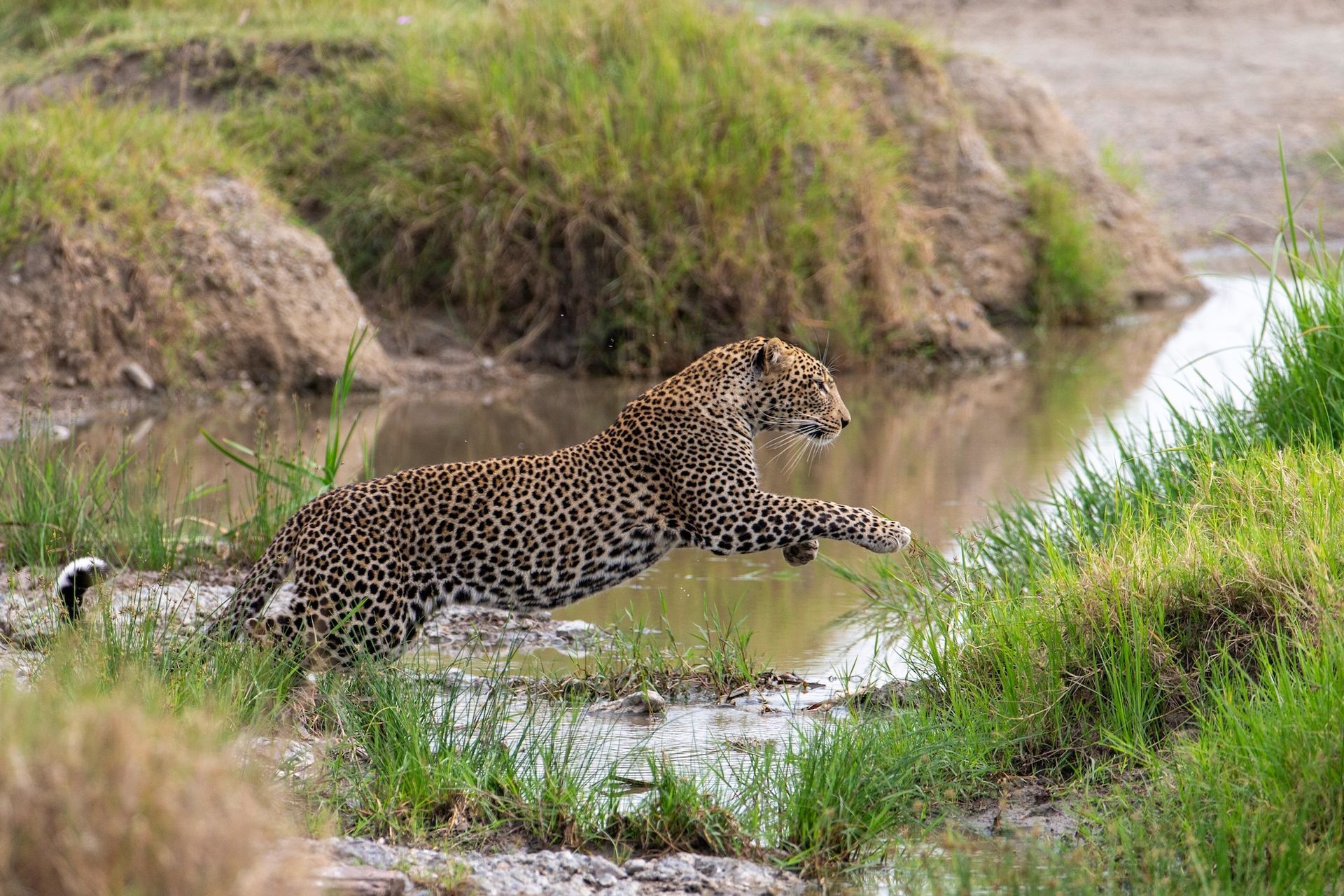
The crossings are unpredictable, explosive and over quickly, which makes them both thrilling and technically demanding, a combination that suits photographers who like to earn their images. The resident big cat population of the Mara is exceptional year-round, with lions, cheetahs and leopards all present in numbers that make sustained, behavioural photography entirely achievable across multiple game drives.
Amboseli, with Kilimanjaro rising above the plains on a clear morning and elephant herds moving through the dust beneath it, offers one of the iconic photographic compositions in Africa. The kind of image that looks almost too good to be real until you're standing in front of it with a camera in your hands and realising, with considerable pleasure, that it looks exactly like that.
The guide makes the difference
Across all of these destinations, the single factor that most consistently determines the quality of a photography safari is the guide. A great safari guide with a genuine understanding of animal behaviour, of light and positioning, of when to stay and when to move on, is worth more to a serious photographer than any piece of equipment they could bring with them.
Our guides on Tanzania's northern circuit have spent years working with photography-focused guests and have developed an almost intuitive sense of how a sighting is going to develop, positioning the vehicle to make the most of the available light and the likely direction of movement in ways that seem effortless but represent years of accumulated knowledge.
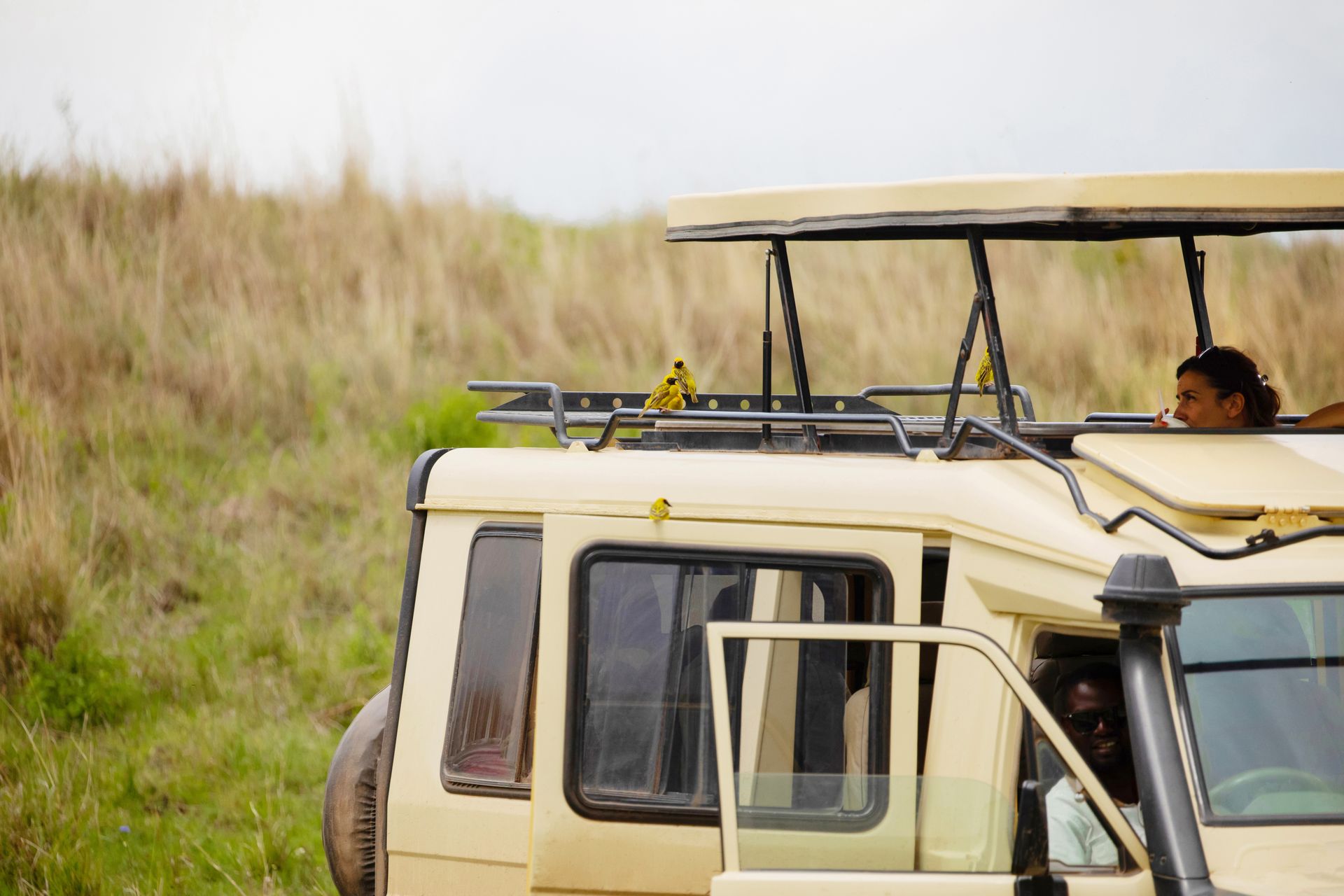
Anderson & Harvey's customised safari vehicles feature pop-up roofs that offer photographers the elevated, unobstructed shooting position that serious wildlife photography demands, combined with the stability that long lens work requires and the kind of unhurried, flexible approach to game drives that allows photographers to stay with a sighting for as long as it's worth staying.
Beyond the big moments
It would be easy to write about East African photography exclusively in terms of its headline spectacles. The Migration crossings, the gorilla encounters, the Kilimanjaro sunrise. But some of the most extraordinary images that come out of this part of the world are the quieter ones.
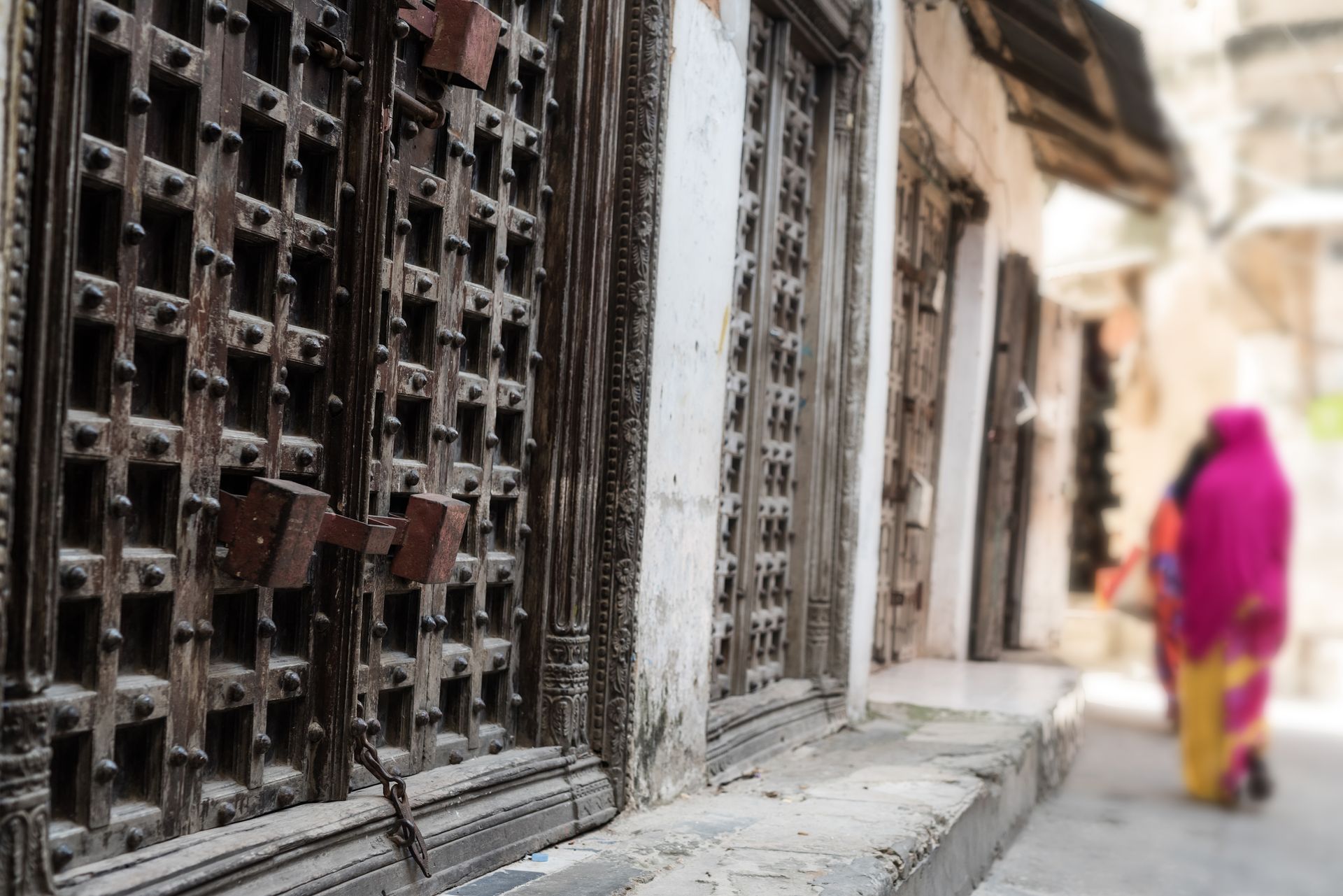
A hamerkop landing on a termite mound in the afternoon light... The texture of an elephant's skin at close range... The expression on the face of a young lion cub regarding the world with a mixture of curiosity and mild suspicion... The Maasai elder walking his cattle across a plain that stretches to the horizon... The possibilities are endless.
East Africa rewards the photographer who looks as well as shoots, who understands that the best images are often the ones that weren't planned, that emerged from simply being present in one of the most visually extraordinary places on earth with enough patience and enough humility to let the light do what it does.
Talk to the Anderson & Harvey team about building a photography-focused itinerary on Tanzania's northern circuit, with extensions into Kenya, Rwanda and Uganda for the full East African photographic experience.