Why East Africa still defines the classic safari
Landscapes, wildlife and journeys that set the benchmark for African travel
For many, the idea of an African safari begins and ends with East Africa. It is here that the original safari routes took shape, where endless savannahs stretch to the horizon, and where wildlife encounters unfold on a scale that still feels almost cinematic. Long before safari became a global concept, East Africa was already setting the standard – and it continues to do so today.
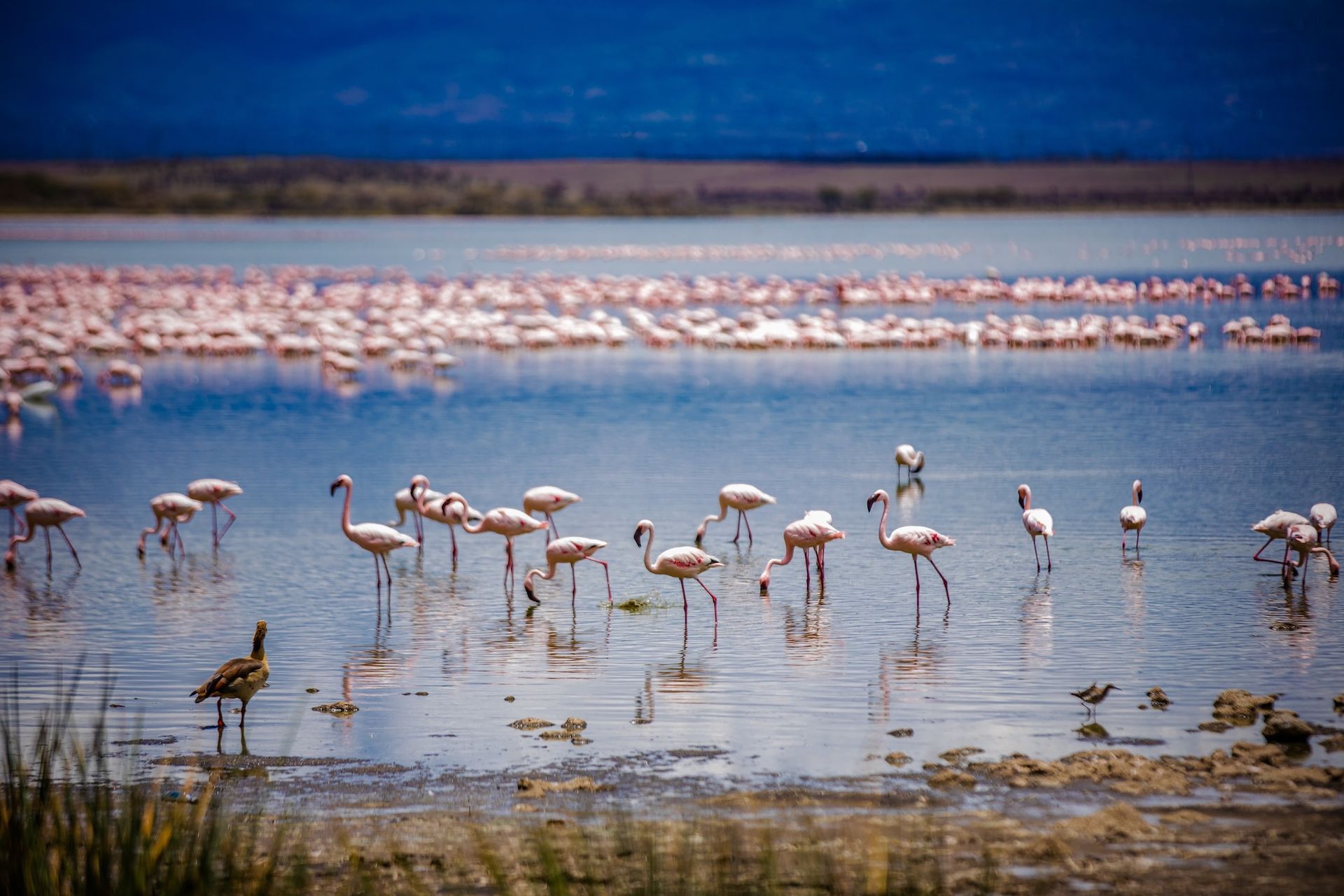
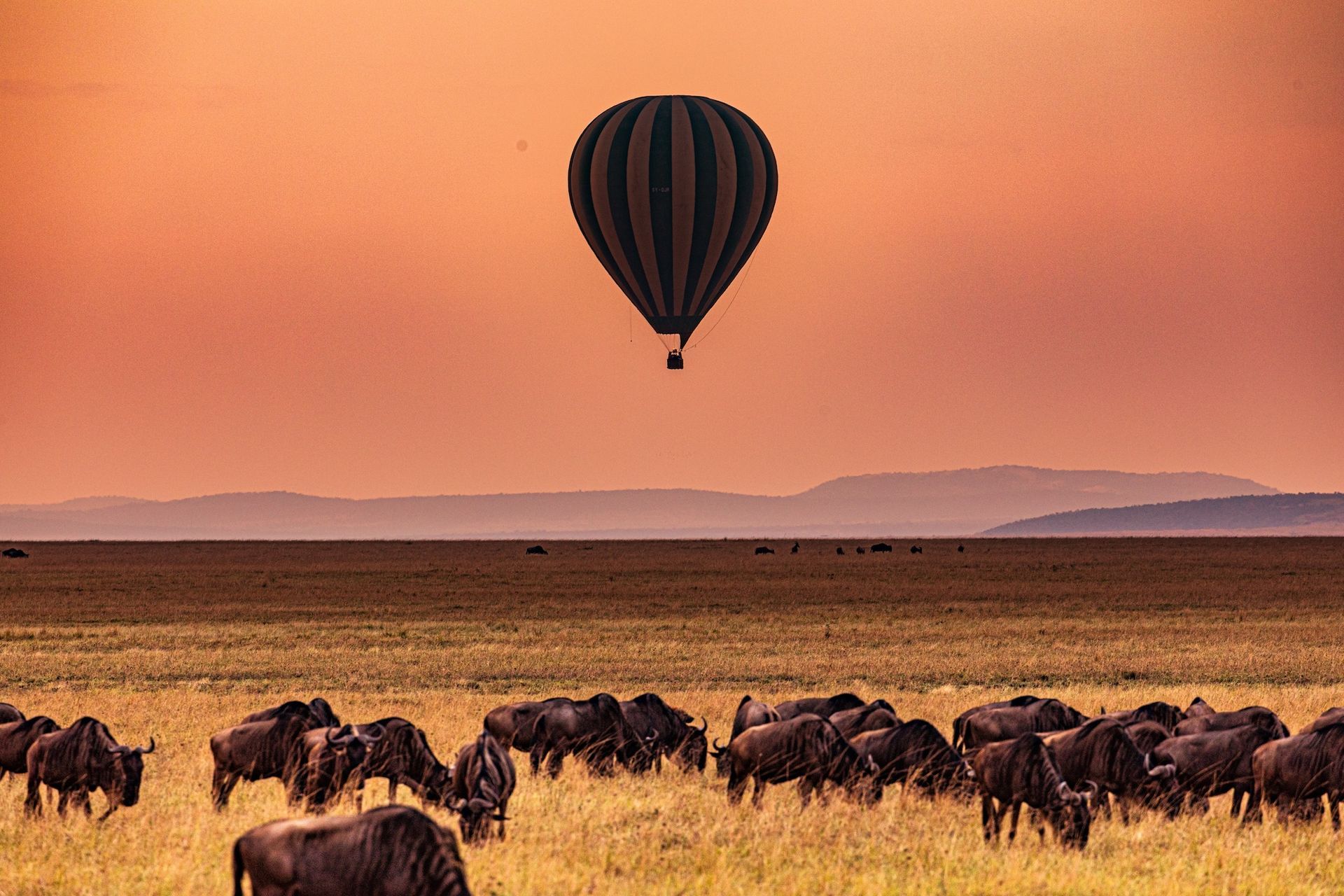
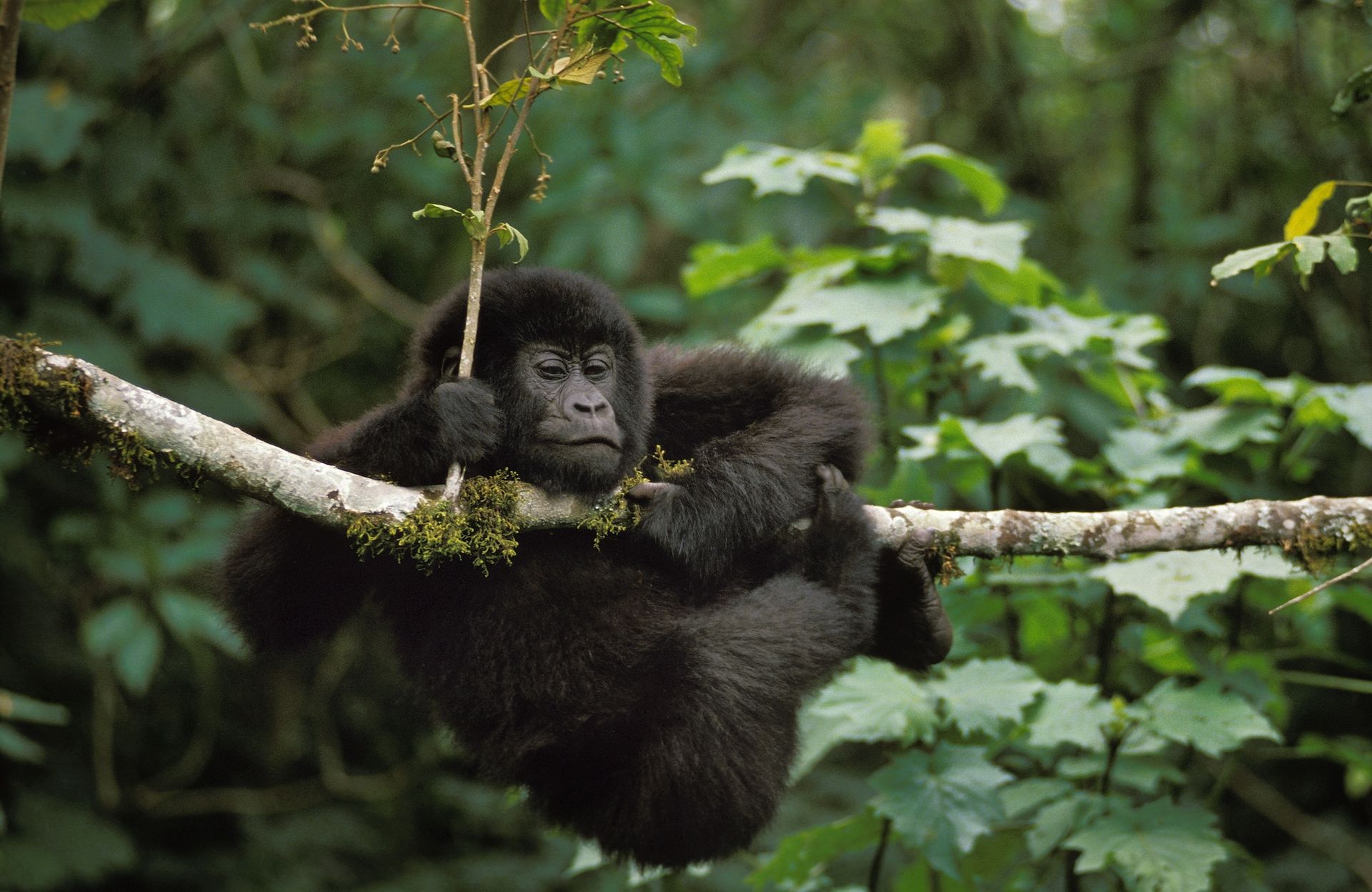
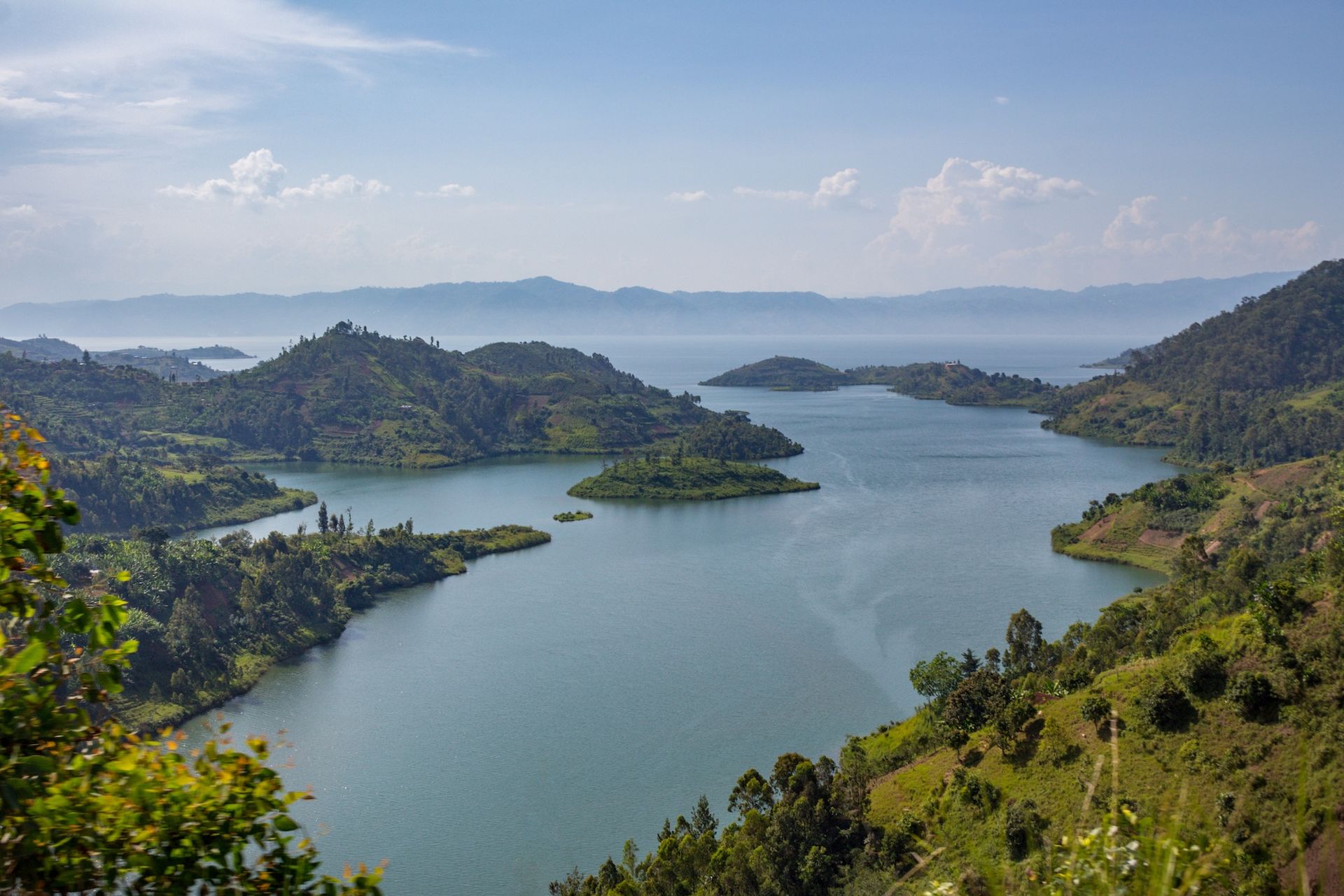
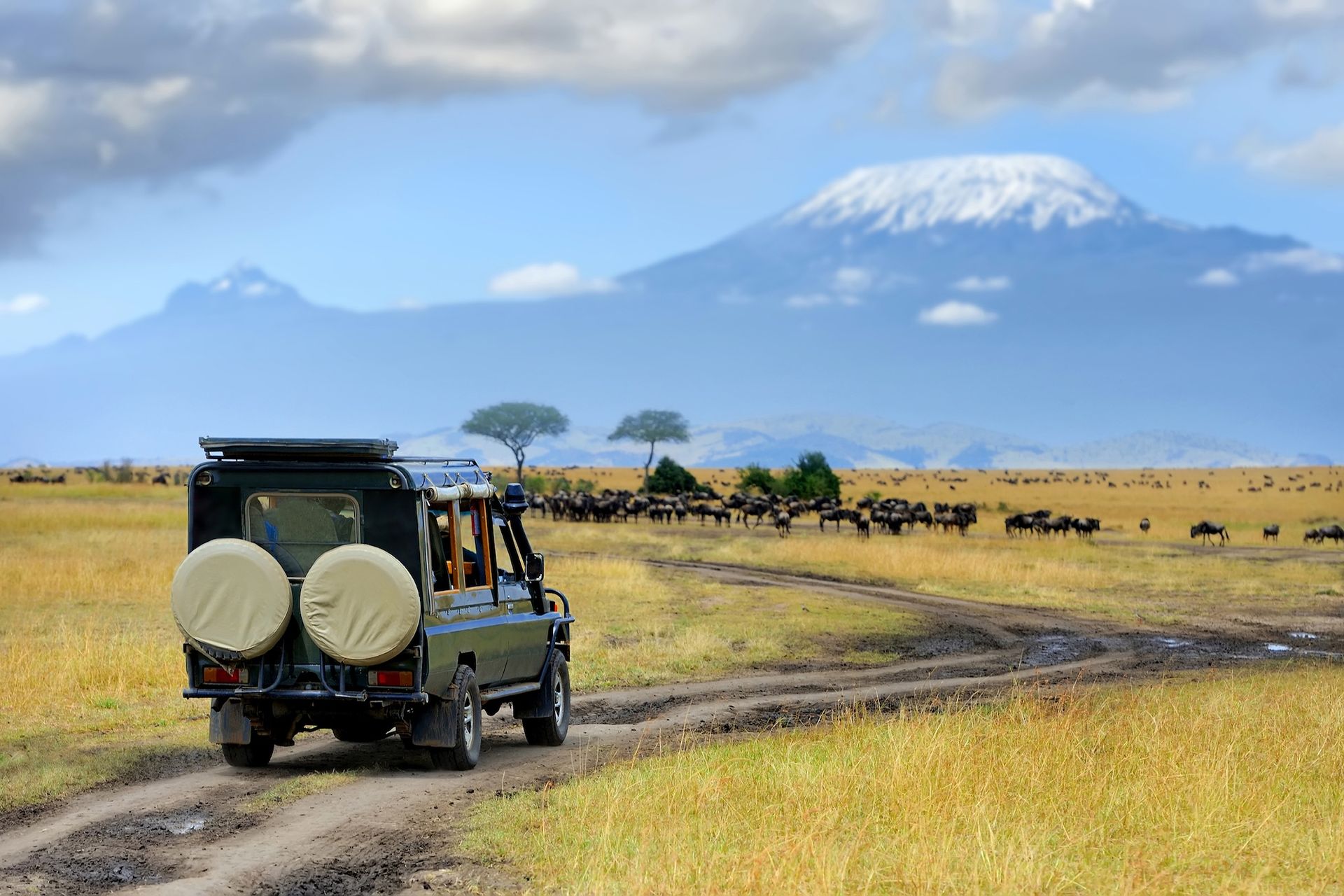
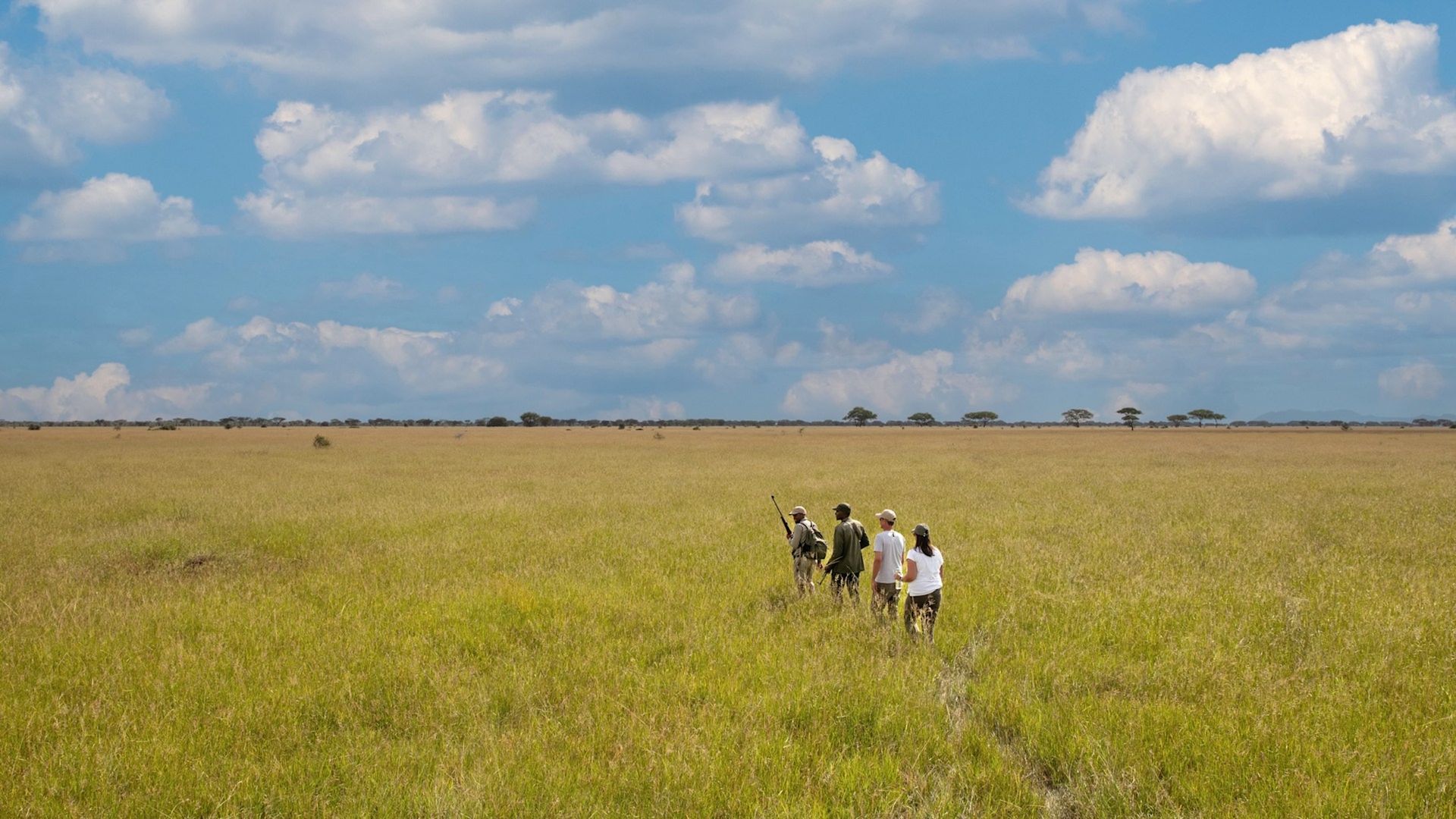
The region is a study in contrasts, both geographical and experiential. From the open plains of the Serengeti and the Masai Mara to the misty slopes of the Virunga Mountains, East Africa delivers landscapes that are diverse, dramatic and endlessly photogenic. Volcanoes and highlands punctuate the horizon, rivers carve through woodlands, and forested valleys harbour species found nowhere else on earth.
The addition of the Indian Ocean coastline, with islands such as Zanzibar, provides a gentle counterpoint to days spent in the bush. Here, white sand beaches, swaying palms and turquoise waters offer a chance to pause and reflect, creating a natural bookend to a journey filled with wildlife, movement and discovery.
It is a region that offers breadth without compromise and balance without losing the sense of adventure.
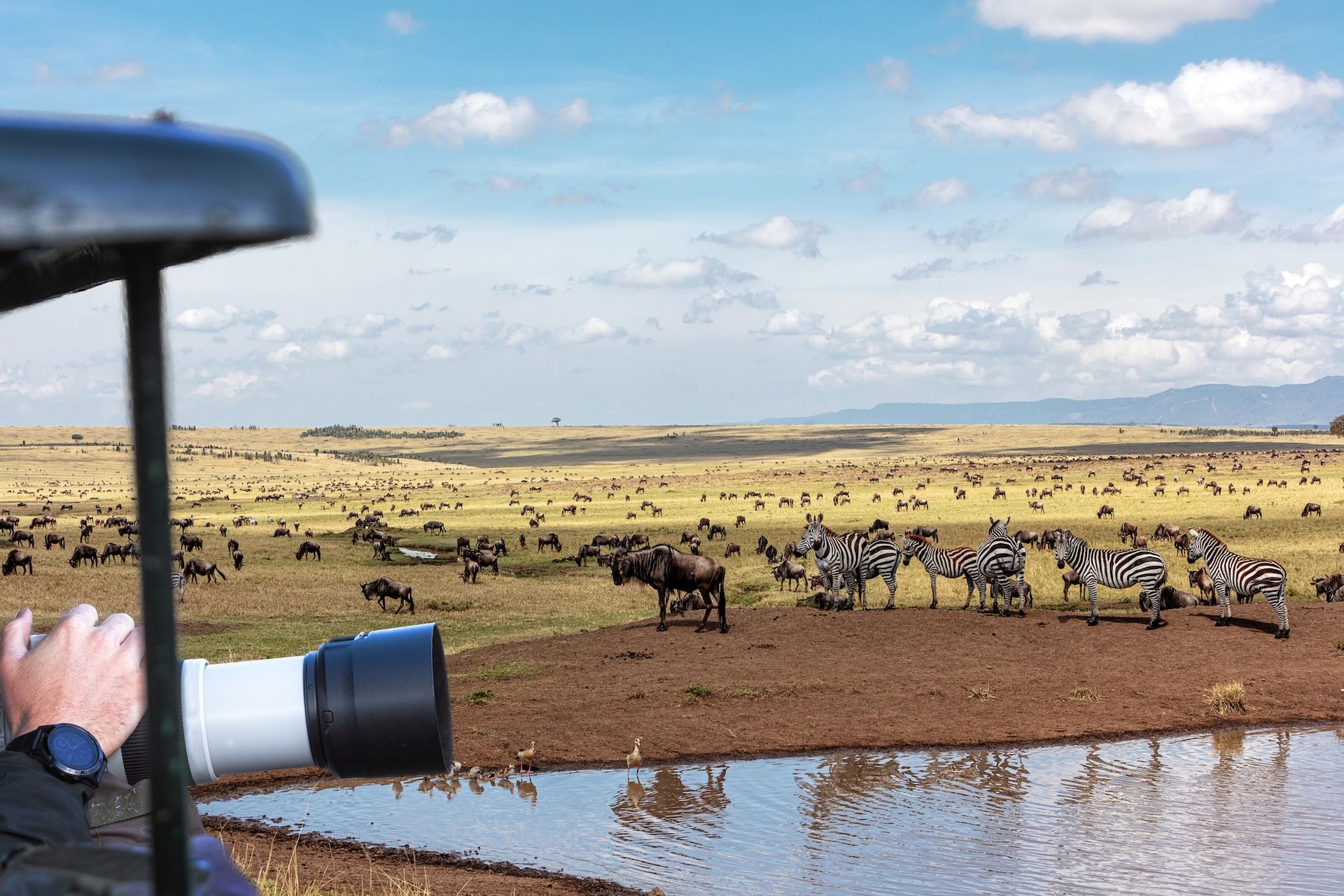
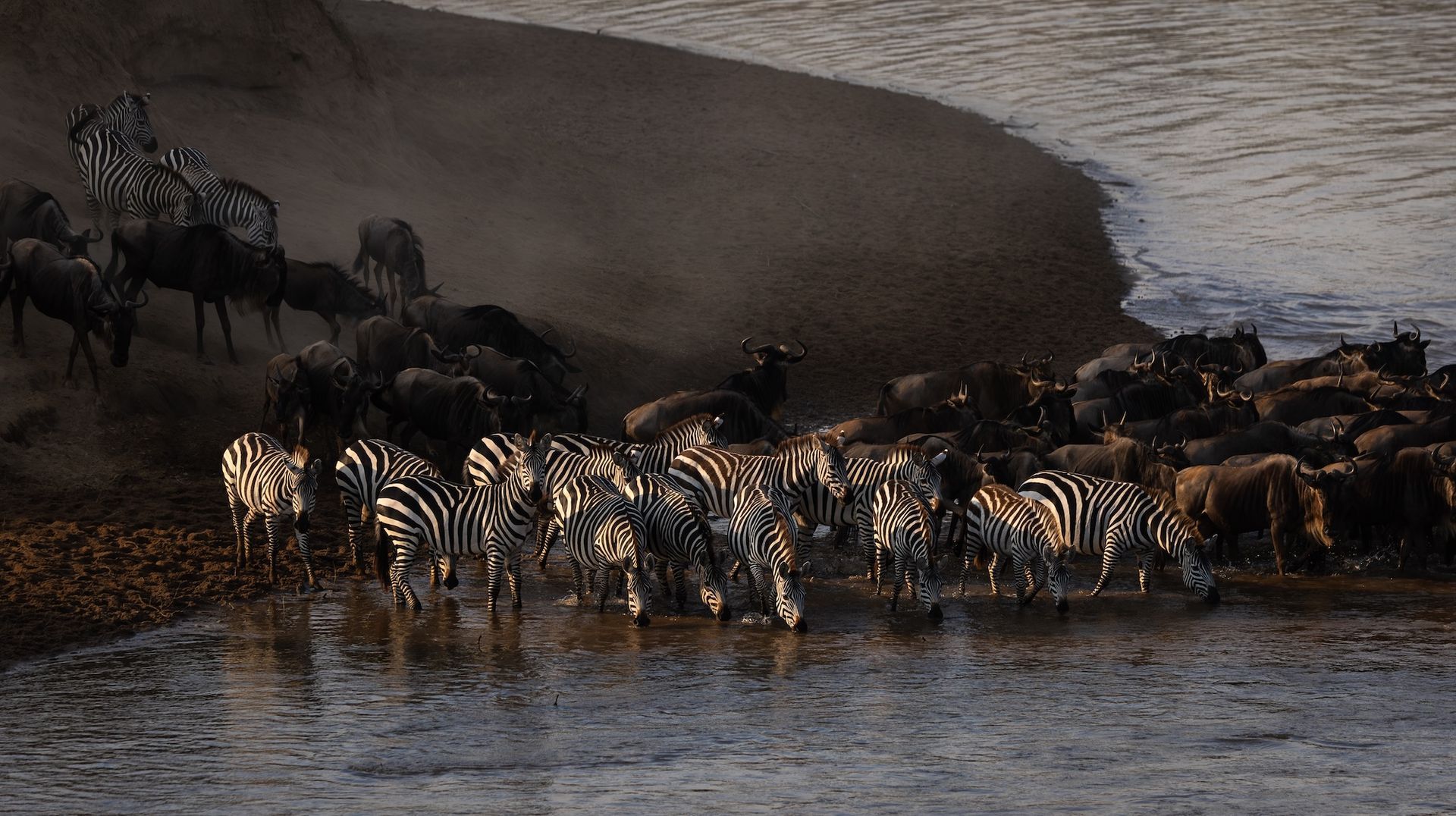
Movement is what truly defines the region. The seasonal migration of wildebeest and zebra is the most famous example – a vast, circular journey dictated by rain, grass and instinct. But this rhythm of movement runs deeper. Elephants follow ancient routes between feeding grounds, predators track the herds, and rivers rise and fall in response to rainfall hundreds of kilometres away.
Even the flow of travel from one camp to the next echoes this movement, connecting landscapes, ecosystems and experiences so that they feel like part of a single, evolving story. The way the wildlife interacts with the land is mirrored in the journey itself, where plains, forests, wetlands and riverine corridors all play a role in the narrative of the region.
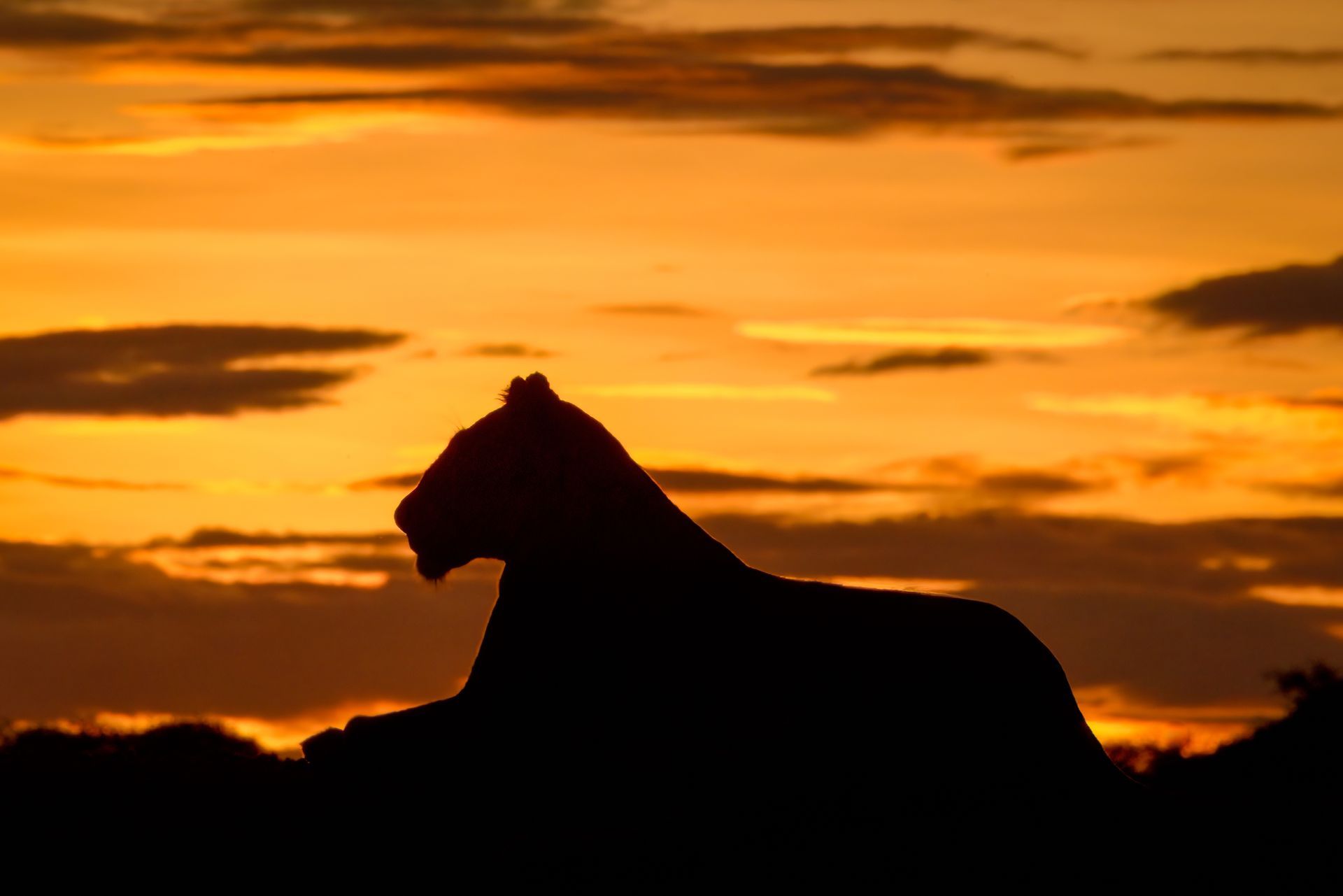
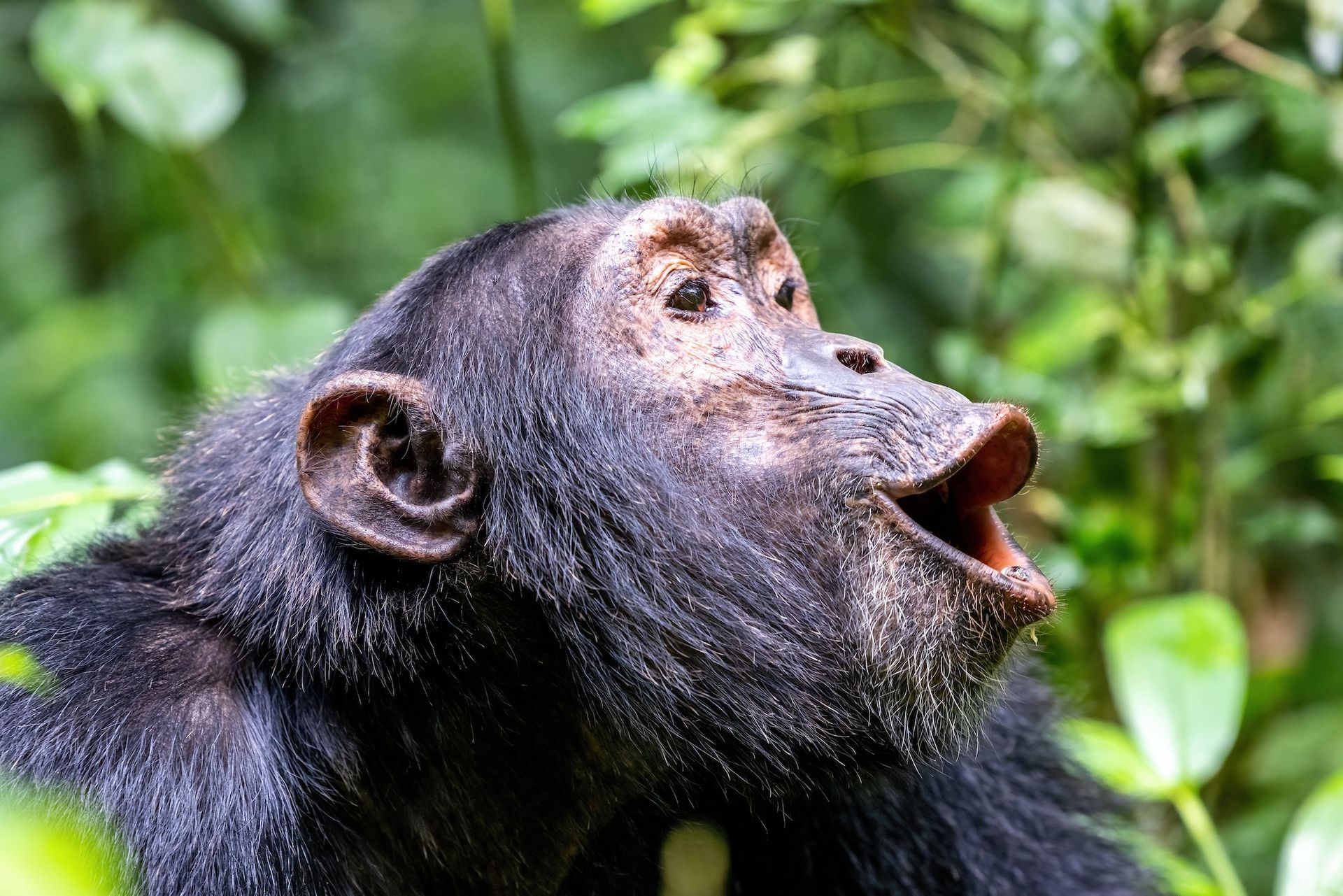
Wildlife density is remarkable, but context is what elevates each sighting. Observing a lion pride on the open plains of the Serengeti is a vastly different experience from trekking through Ugandan forests to watch mountain gorillas. Both are extraordinary, but each has its own rhythm, intensity and emotional resonance. Birdlife, reptiles, small mammals and even insects contribute to a sense of richness that goes far beyond the headline species.
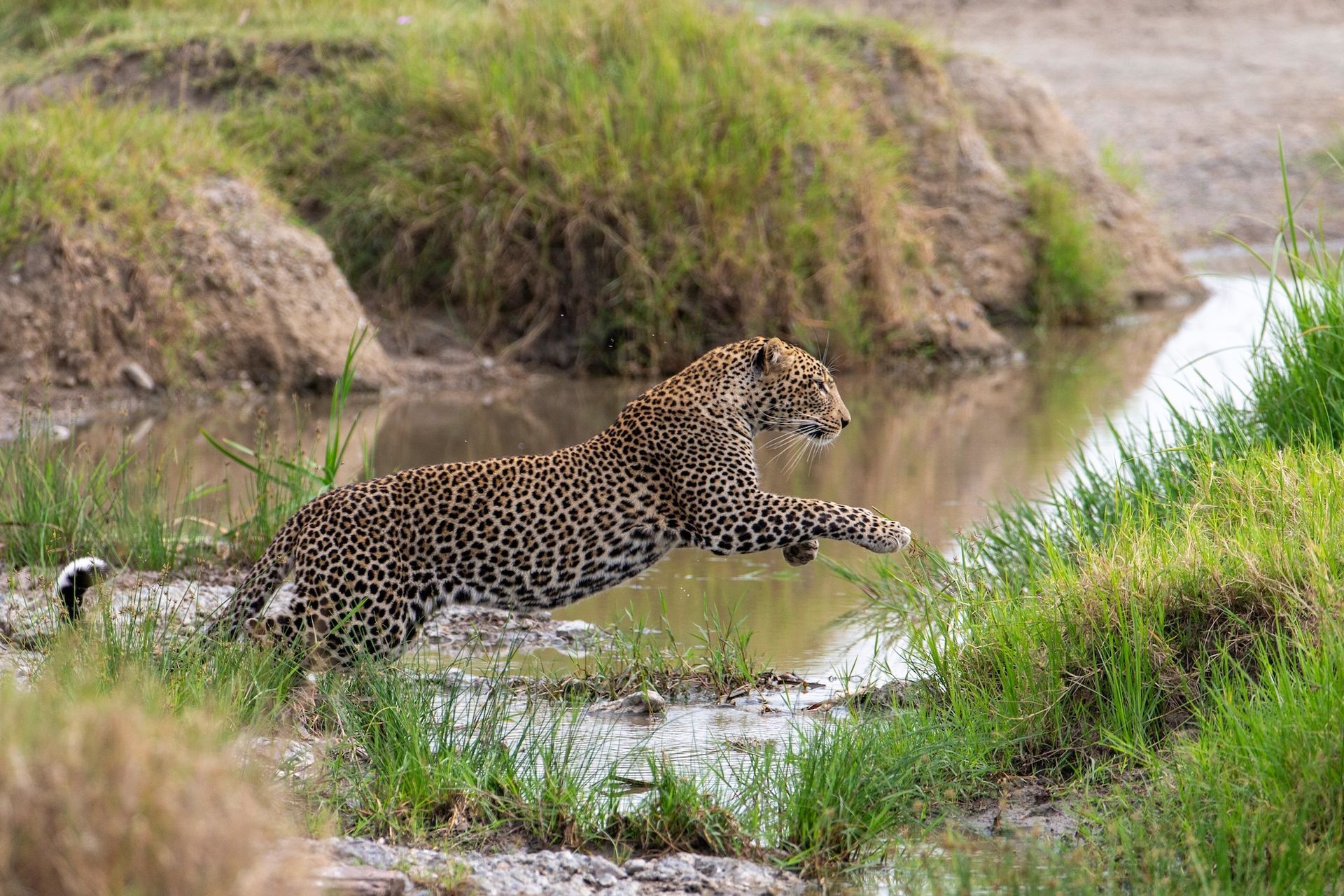
East Africa’s wildlife storytelling is multi-layered, shaped by habitat, climate, behavioural dynamics and the human history that underpins conservation and landscape stewardship. Every encounter, whether with a solitary leopard in a kopje or a family of elephants crossing a floodplain, offers a window into a carefully balanced ecosystem.
Culture is equally integral. Pastoralist traditions, particularly those of the Maasai people, remain closely tied to the land, and their presence adds an authentic human dimension that enhances rather than distracts from the wilderness. In Uganda and Rwanda, community-led conservation initiatives and sustainable tourism programmes provide a meaningful complement to wildlife encounters, showing how people, animals and landscapes can coexist. These experiences add perspective and depth, reminding travellers that safari is as much about understanding the world as it is about witnessing it.
Accessibility and variety are further hallmarks of the region. First-time safari-goers can ease into the experience without sacrificing depth, while those with prior experience can discover remote corners and specialist encounters that feel genuinely fresh.
One journey may focus on the drama of big cats on the plains, another on intimate primate encounters in forests, and yet another on a seamless blend of safari and coastline, with Zanzibar providing a natural place to pause, reflect and unwind after days in the bush. The combination of savannah, forest and beach allows every itinerary to feel expansive and layered, offering different textures, rhythms and experiences that ensure no two safaris are ever identical.
Timing also matters. East Africa does not have a single safari season but a rolling series of highlights. The migration shifts, bird populations move, and landscapes transform with rainfall. This means there is rarely a wrong time to travel – only different reasons to go at different moments.
Predator activity, primate trekking conditions, river levels and even light for photography all vary throughout the year, subtly shaping the character of each journey. A safari planned with these rhythms in mind feels connected and coherent, where every sighting and every moment is enhanced by the season in which it occurs.
Ultimately, East Africa sets the benchmark not because it is inherently superior, but because it is foundational. It demonstrates the safari in its most recognisable form while leaving space for nuance, surprise and personal interpretation.
Whether it is a first encounter with African wildlife or a continuation of a lifetime of safari, East Africa reveals why the safari idea captured the imagination of the world – and why it continues to inspire today. Its landscapes, wildlife and cultural richness provide the tools to create journeys that are layered, engaging and coherent. From expansive plains to forested slopes and coastal retreats, East Africa delivers variety, scale and drama without compromise.
Decades after the first safari routes were blazed, the region continues to define the essence of African travel. Every step through savannah or forest, every encounter with a predator or primate, and every pause on a Zanzibar beach is part of a story that only East Africa can tell. It is a place where the landscape, wildlife and human presence are in constant dialogue, creating journeys that are simultaneously iconic, intimate and endlessly compelling.