On the trail of predators
Big Cats in the Serengeti-Mara Ecosystem
The Serengeti-Mara ecosystem stands as one of the most iconic wildlife landscapes in the world, a sprawling expanse of savannah, riverine forest and kopjes that has shaped our understanding of Africa’s great predators. For over a century, this region has captivated scientists, photographers and safari guests alike, offering some of the best opportunities to witness the drama, power and complexity of lions, cheetahs and leopards in their natural realm.
At Anderson & Harvey, the Serengeti-Mara ecosystem remains a cornerstone of the safari experience. It is also a stage for some of the most fascinating predator behaviour on the continent, from tactical alliances and territorial brinkmanship to the fine-tuned strategies that define their survival.
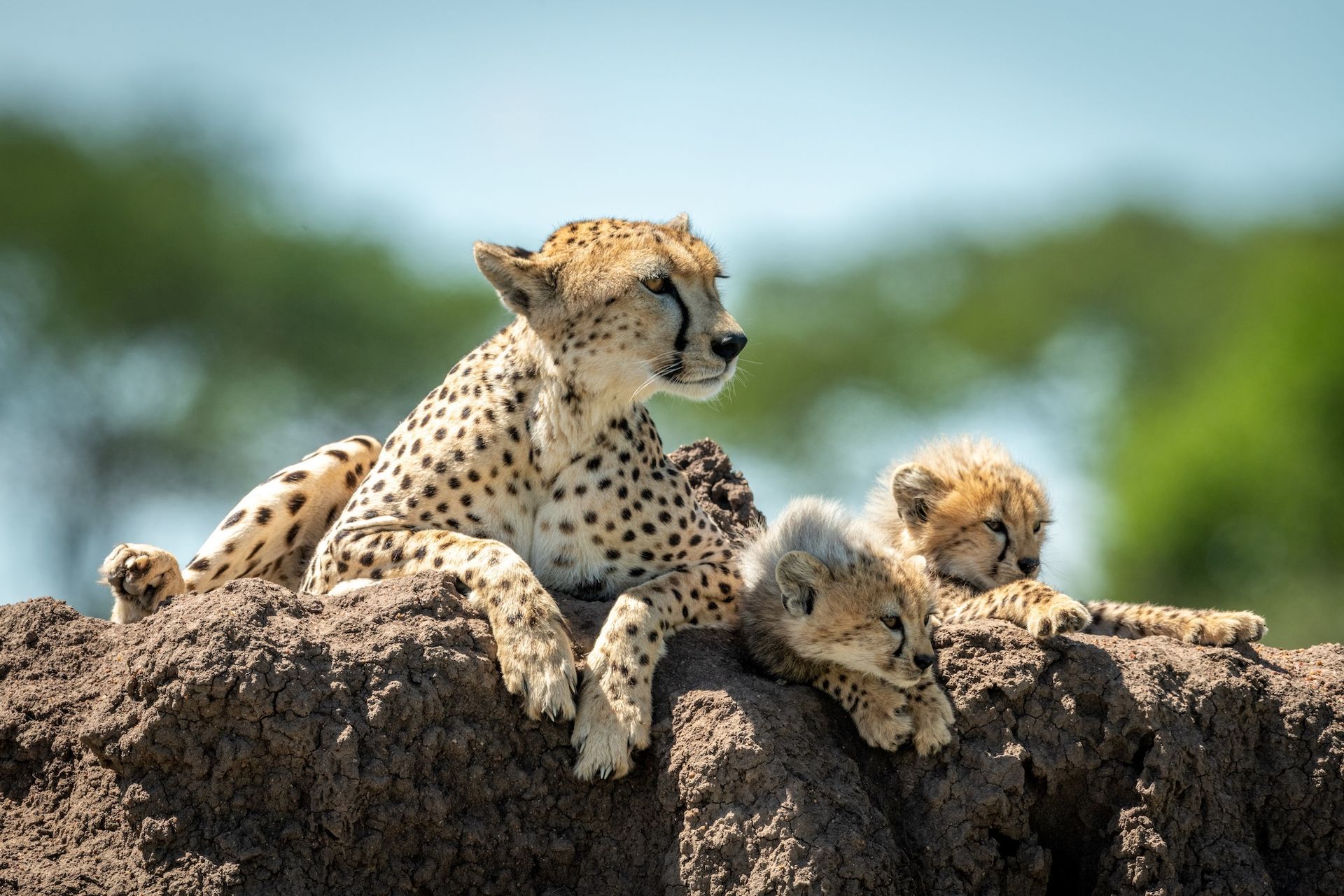
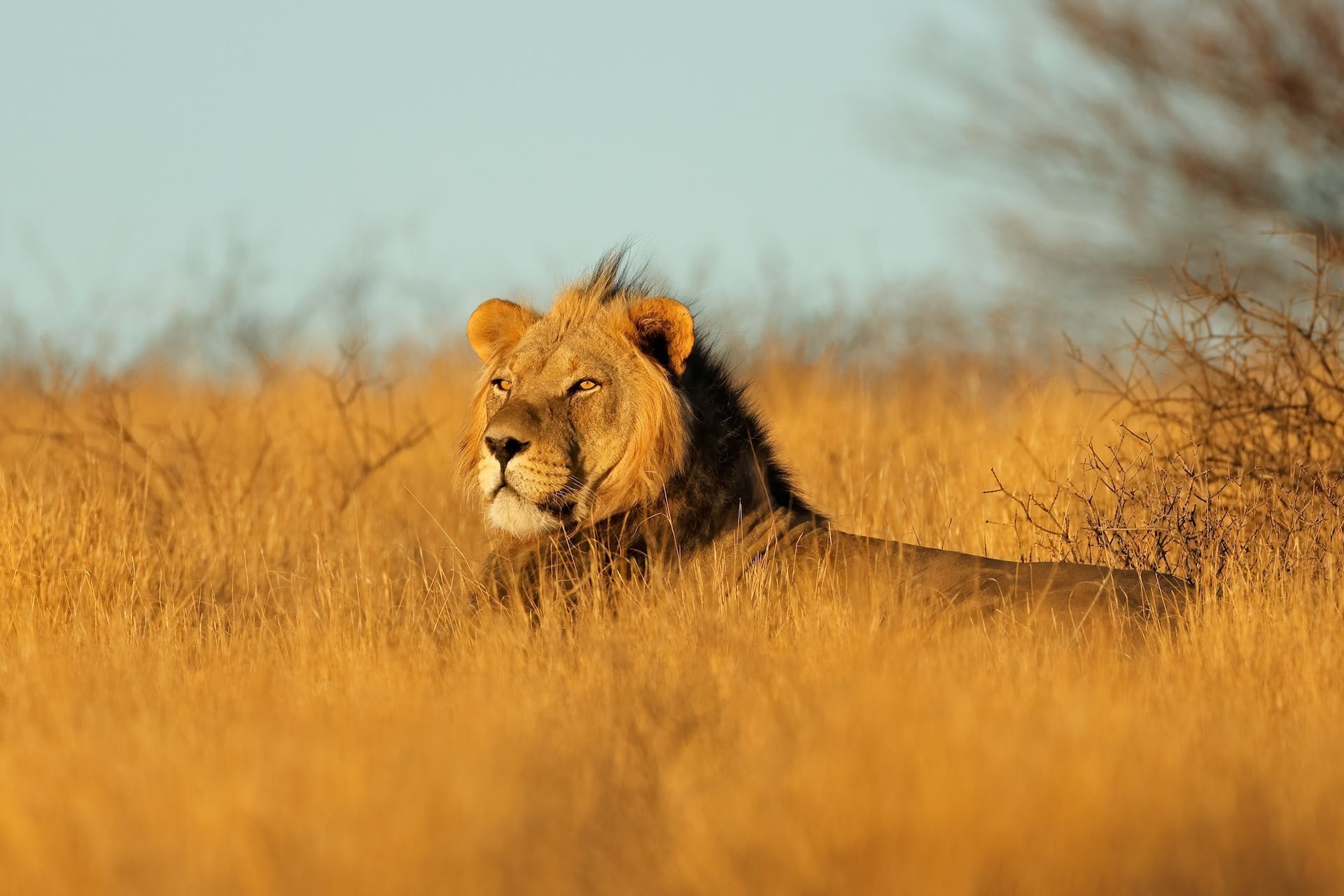
Male lions, for instance, are not just brute forces marching across the plains. They are political operators, forming coalitions of brothers or even unrelated males to increase their chances of taking and defending pride territories. Cheetahs also build alliances. Males often join together in small coalitions that help them secure hunting ranges. But for cheetah mothers, the story is a more fragile one. They raise their cubs against steep odds, navigating a landscape where lions, hyenas and even martial eagles threaten their young. This constant pressure is one reason the species remains vulnerable.
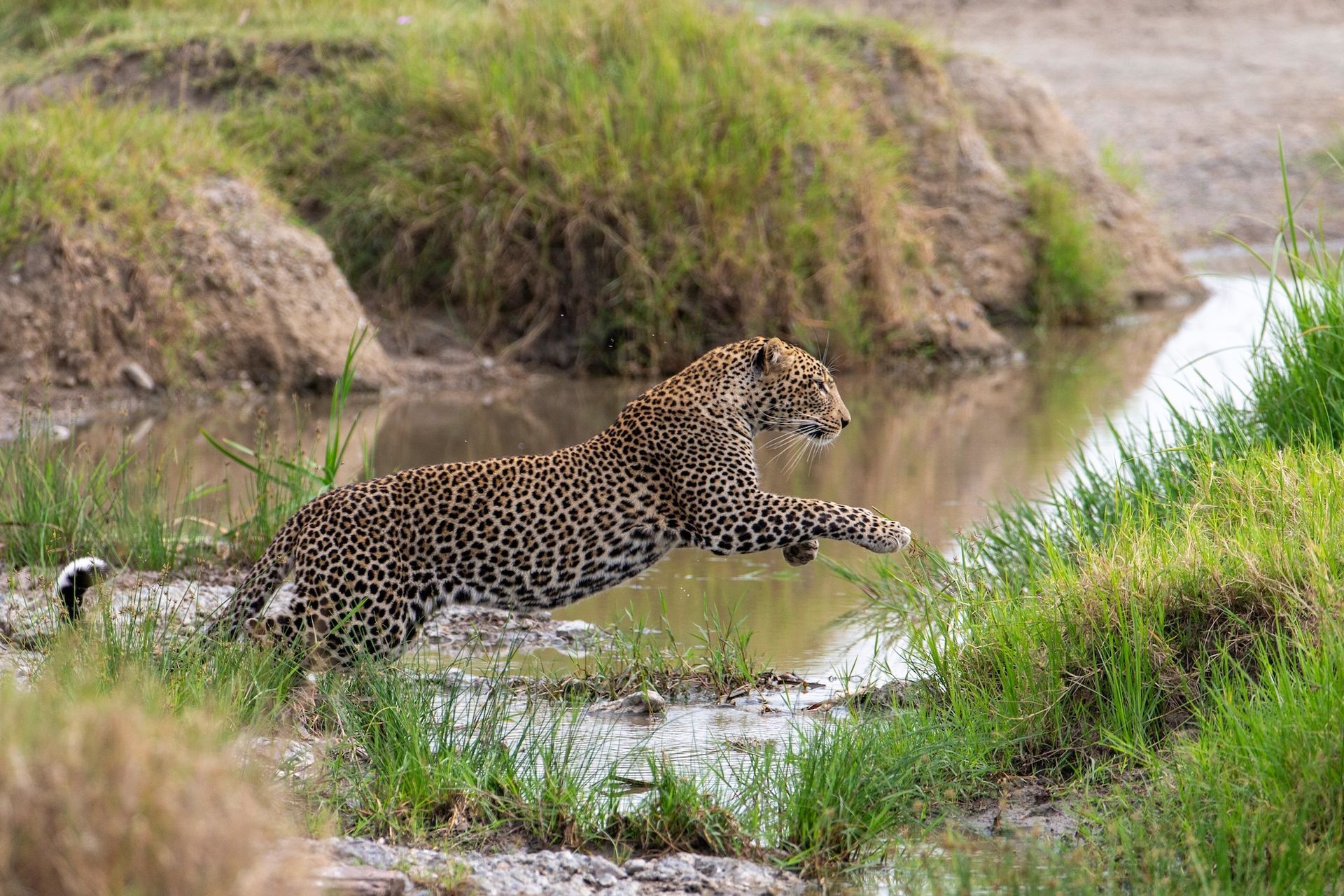
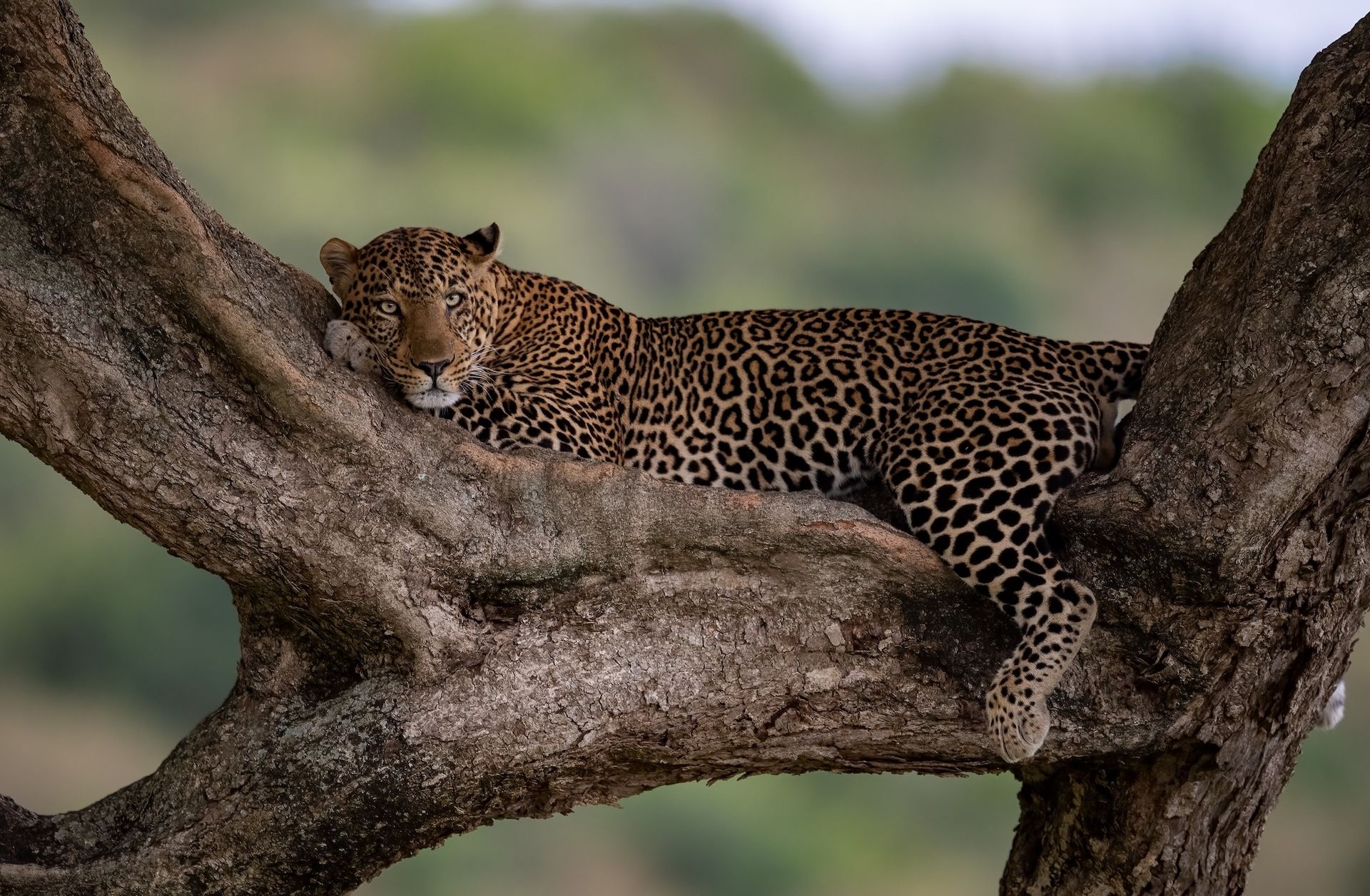
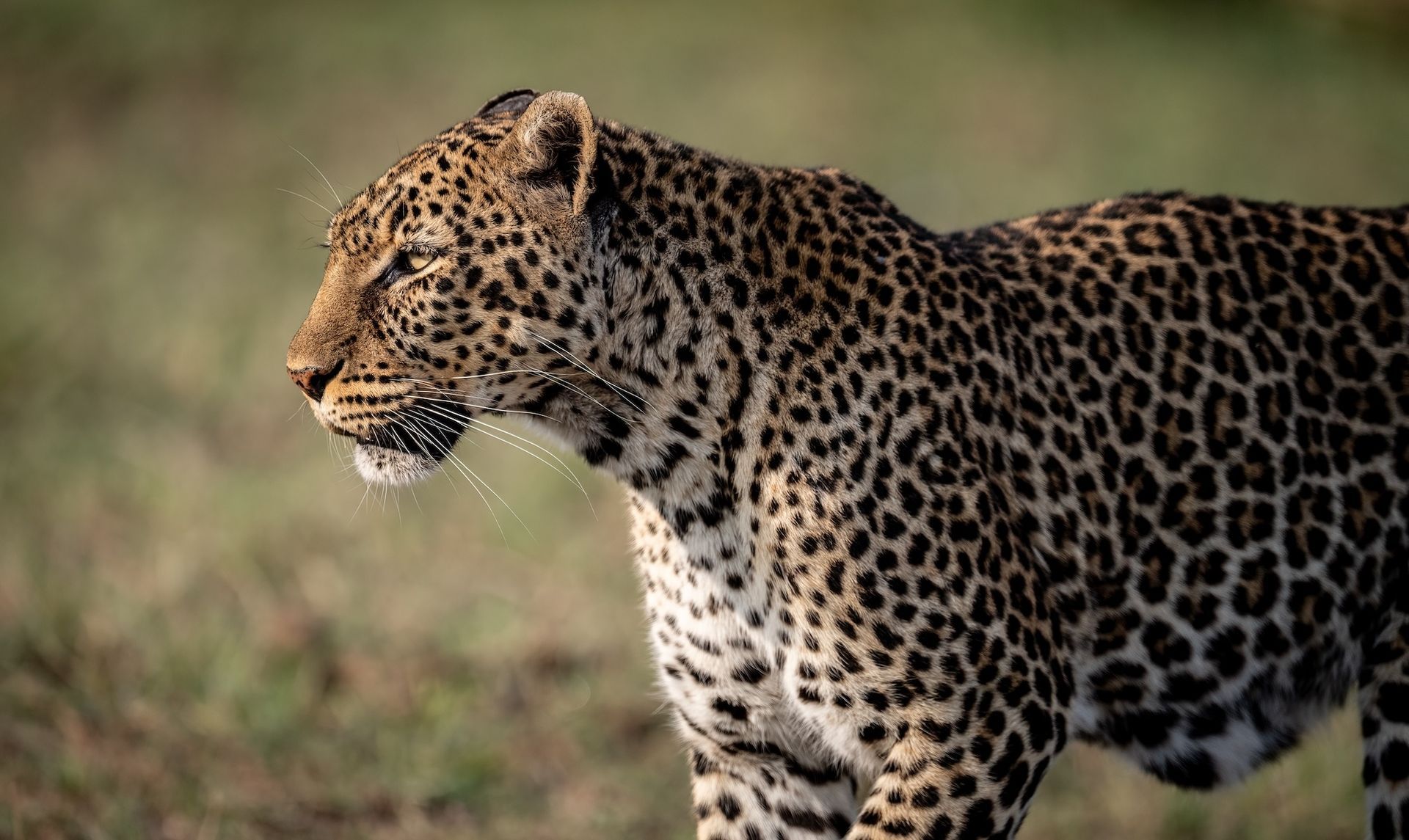
Leopards, meanwhile, play an entirely different game. Their lives are shaped by adaptability, the ability to shift territories, adjust hunting routines or reroute their movements when competition intensifies or human presence creeps closer. They are the shape-shifters of the predator world, masters of rewriting their own rules of survival.
Our team of expert guides bring unmatched knowledge of these behaviours, enabling guests to understand not just where to find these animals but how to appreciate the intricate social and ecological roles they play. The big cats here are more than mere spectacles. They are apex predators whose presence keeps the ecosystem in balance.
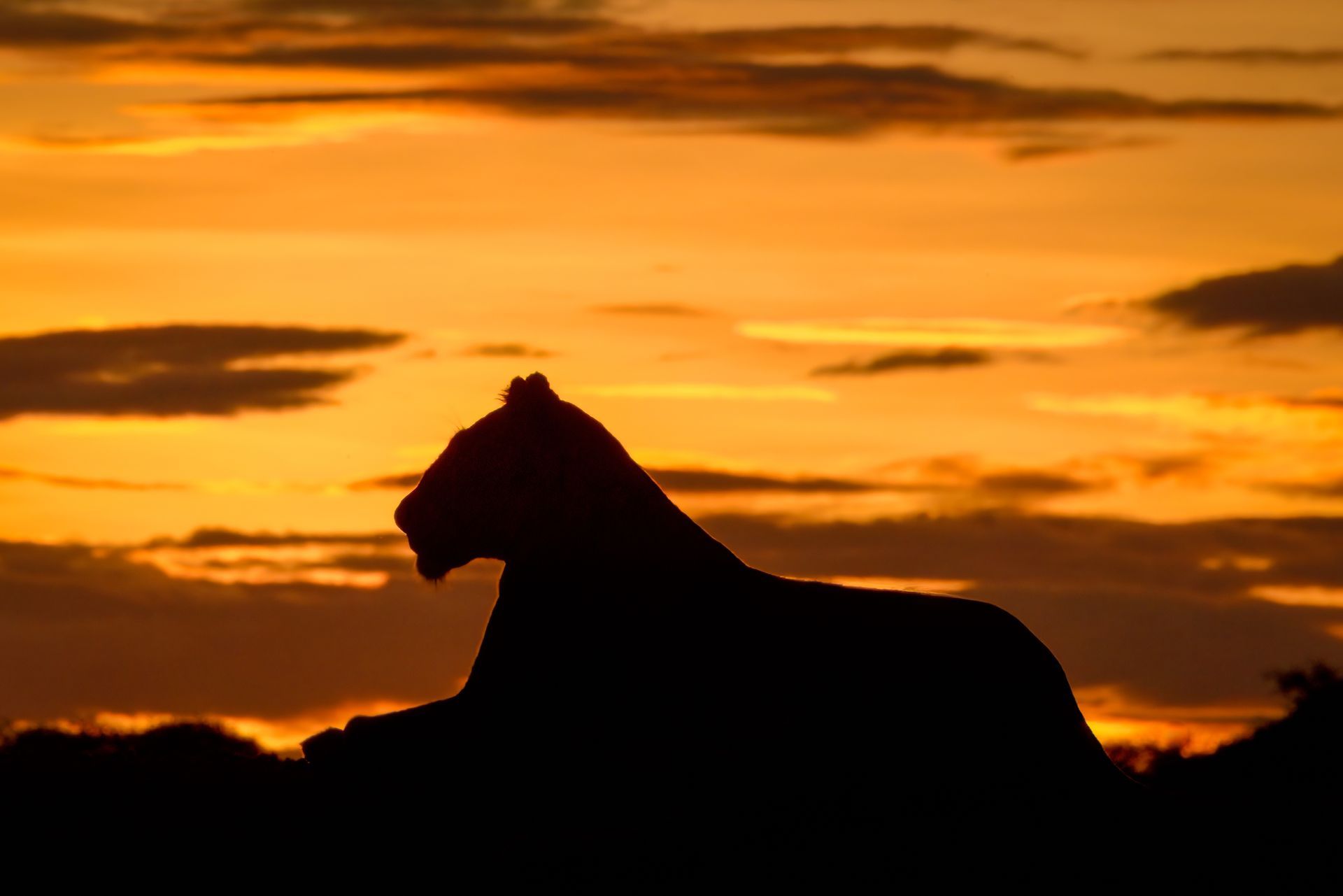
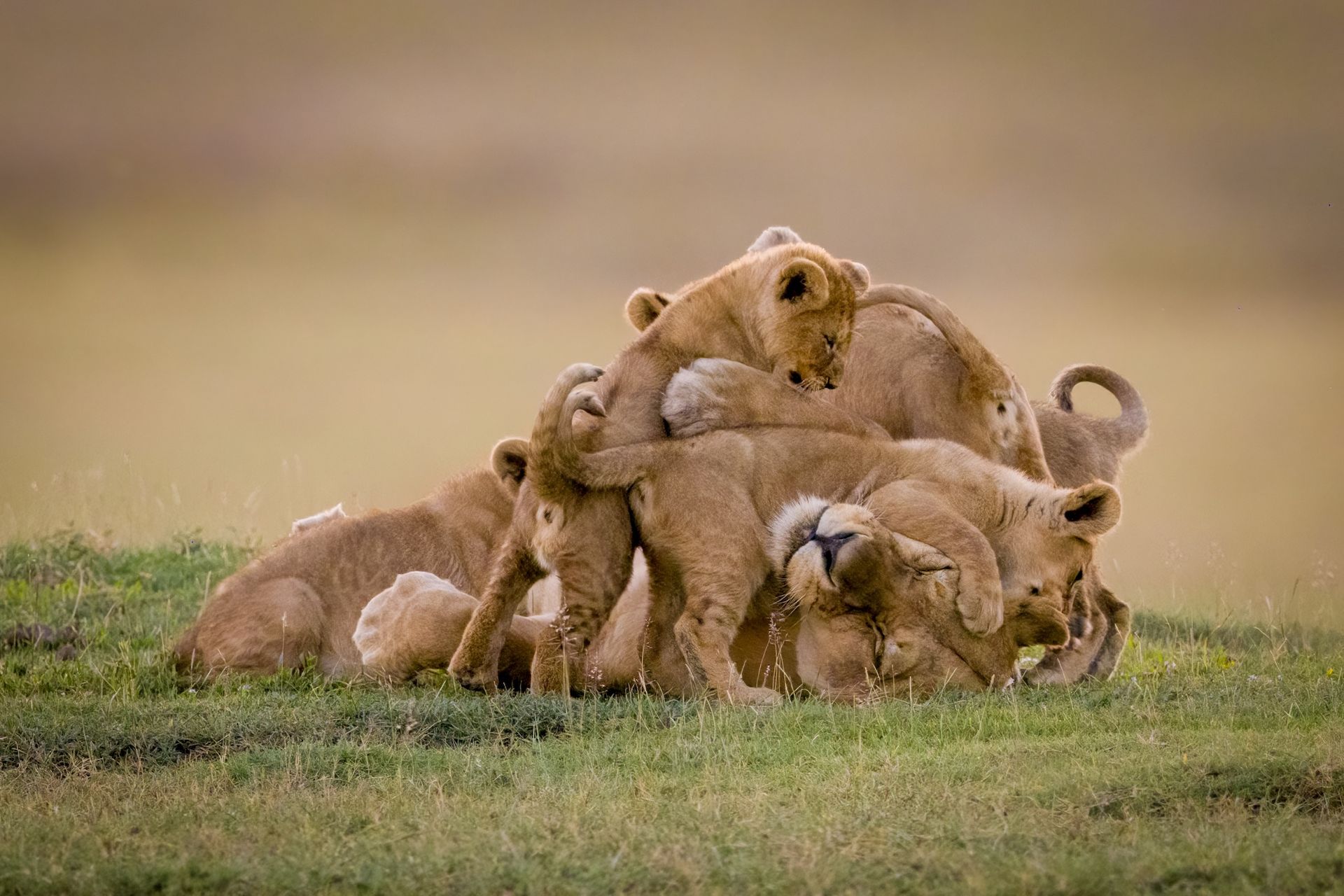
Lions dominate this landscape both in number and in personality. The Serengeti holds some of the densest lion populations in Africa, with prides that range from a handful of individuals to more than twenty. These prides are complex, multi-layered societies. Related females work together to hunt and rear cubs, males defend their hard-won territory and sub-adults learn the lessons that will shape their future.
Watching lions with an understanding of their social dynamics adds a powerful layer to any sighting. Moments of tenderness, tension or triumph begin to tell their own stories.
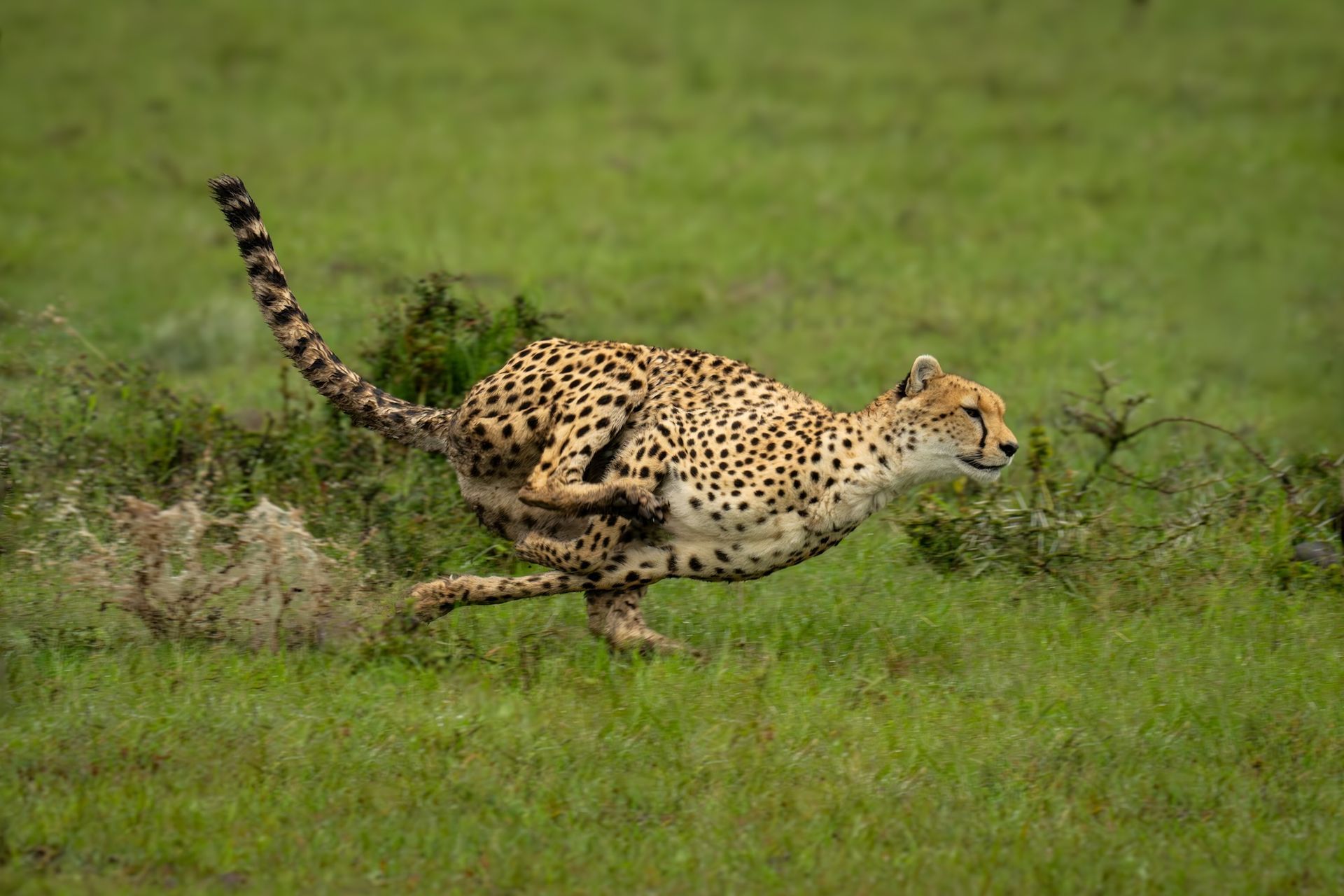
Cheetahs, by contrast, bring a different energy to the plains. They are finely tuned sprinters whose lives depend on timing, visibility and speed. Their hunting style, stealth followed by a blistering chase, requires wide open grasslands and a sensitive balance of risk and opportunity. The Serengeti’s mix of open plains, scattered shrubs and rolling grasslands gives them room to thrive, though not without challenges. High cub mortality and intense competition from other predators mean that every cheetah sighting carries a sense of fragile resilience.
Leopards remain the most enigmatic of the trio. Preferring dense cover, rocky outcrops and riverine forests, they slip through their environment like shadows. Their solitary existence makes sightings less predictable but far more intimate. Watching a leopard stash a kill in a tree, or seeing a youngster practise its stalking skills under the watchful gaze of its mother, offers some of the most memorable encounters in African safari travel.
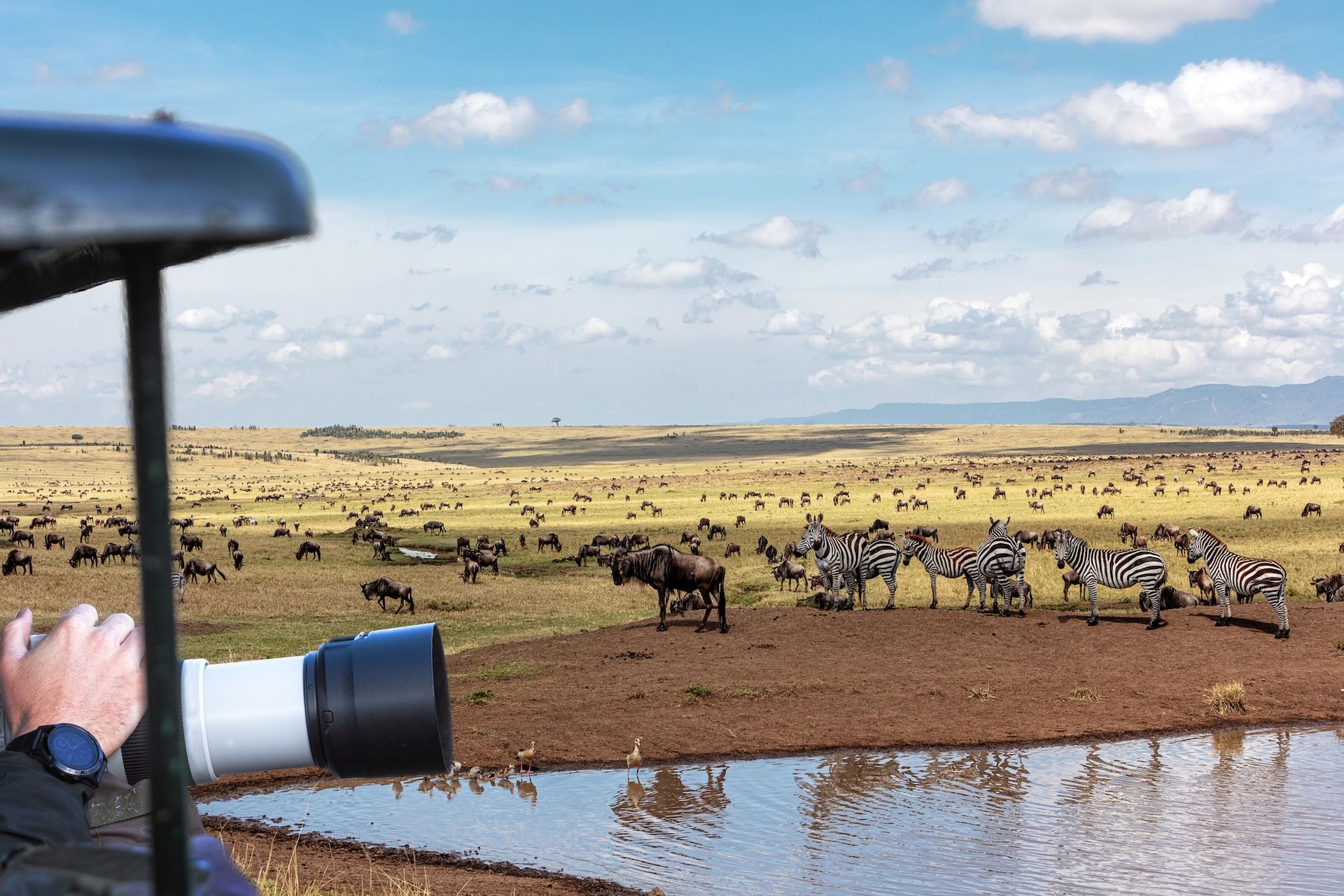
Together, these predators shape the ecosystem around them. Their interactions influence herbivore behaviour, which in turn affects vegetation growth and the overall health of the landscape. This is the circle of life in motion, a living and breathing system where every species plays its part.
Our commitment to conservation and research ensures that guests learn about these relationships and understand that a safari is not only about spectacular sightings but also about the complex web of life those sightings represent.
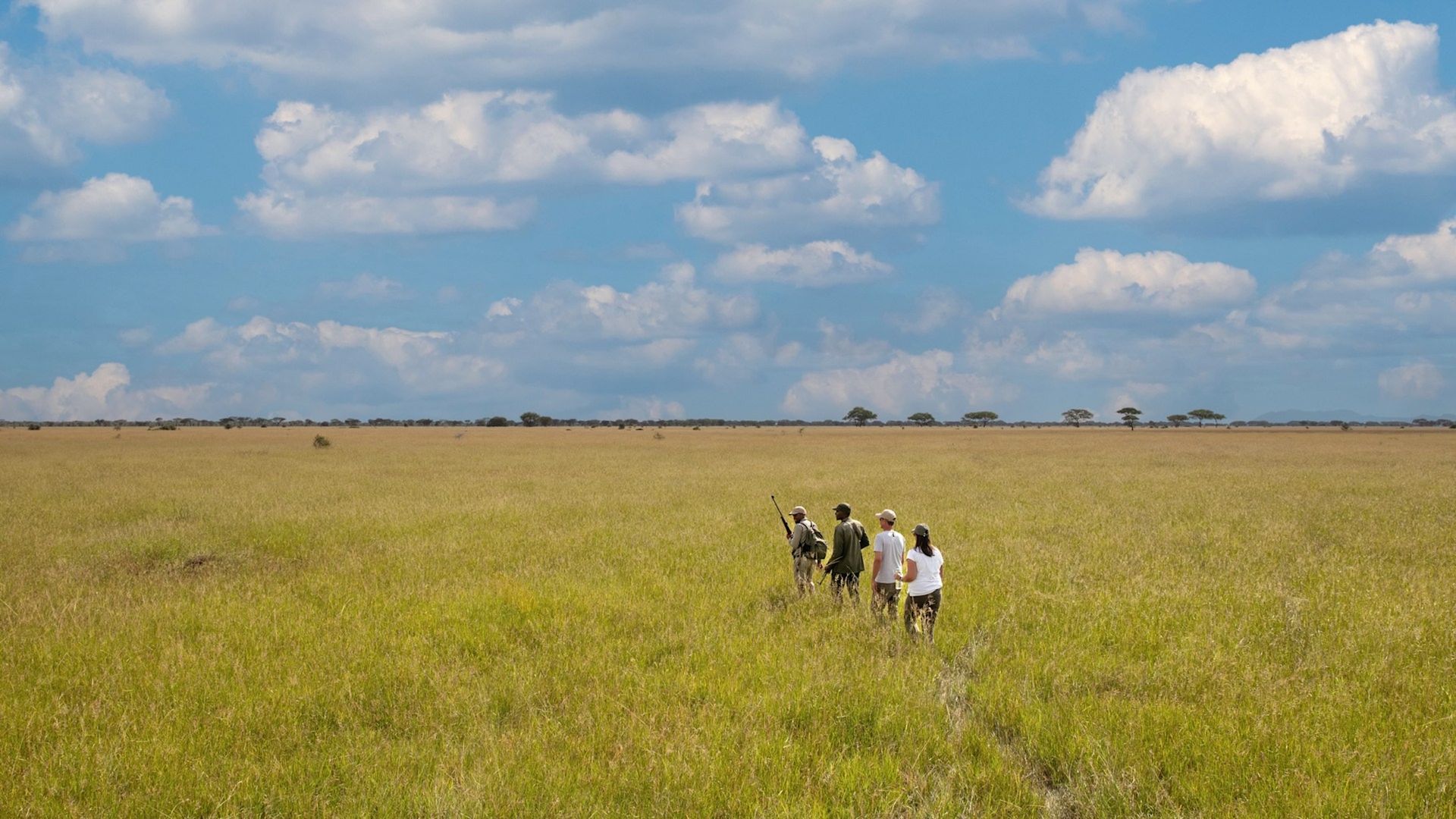
At Anderson & Harvey, our guides are storytellers as much as they are trackers. They bring years of experience to each drive, walk or observation, interpreting the animals’ behaviour and revealing the narratives unfolding across the plains. This depth of insight transforms an encounter with a lion, cheetah or leopard into something far more meaningful, a moment of connection with the wider ecosystem.
For those travelling with Anderson & Harvey, witnessing big cats is often a highlight of any safari. Each sighting offers a glimpse into stories of survival, adaptation and the untamed spirit of East Africa. And in a time when these species face pressure from habitat loss, conflict and poaching, such encounters serve as powerful reminders of both nature’s resilience and the ongoing need for conservation.
We remain dedicated to supporting protected areas, nurturing community partnerships and practising responsible tourism that helps ensure these magnificent predators continue to thrive for generations to come.