Get the best out of the migration with A&H
Top tips on the best places to witness this cyclical spectacle
The Great Wildebeest Migration remains one of the most spectacular wildlife events on Earth, a perpetual cycle of movement across the Serengeti-Mara ecosystem, spanning two countries and dictated by seasonal rainfall and the endless search for fresh grazing. However, experiencing it without the crowds requires careful planning. By choosing remote lodges, prioritising private conservancies, and opting for exclusive guided experiences, your guests can witness this epic journey in its purest form. Let's find out more...
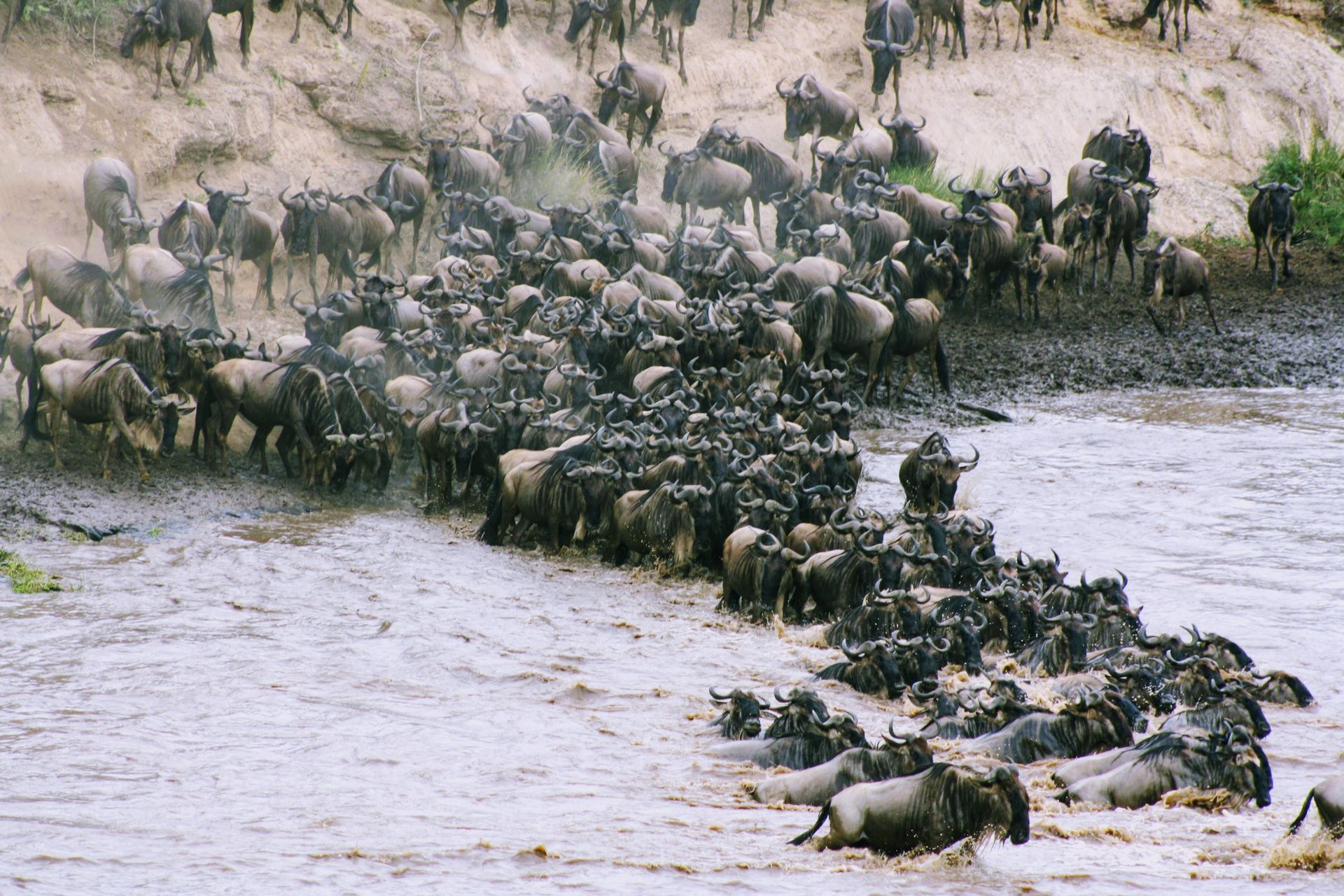
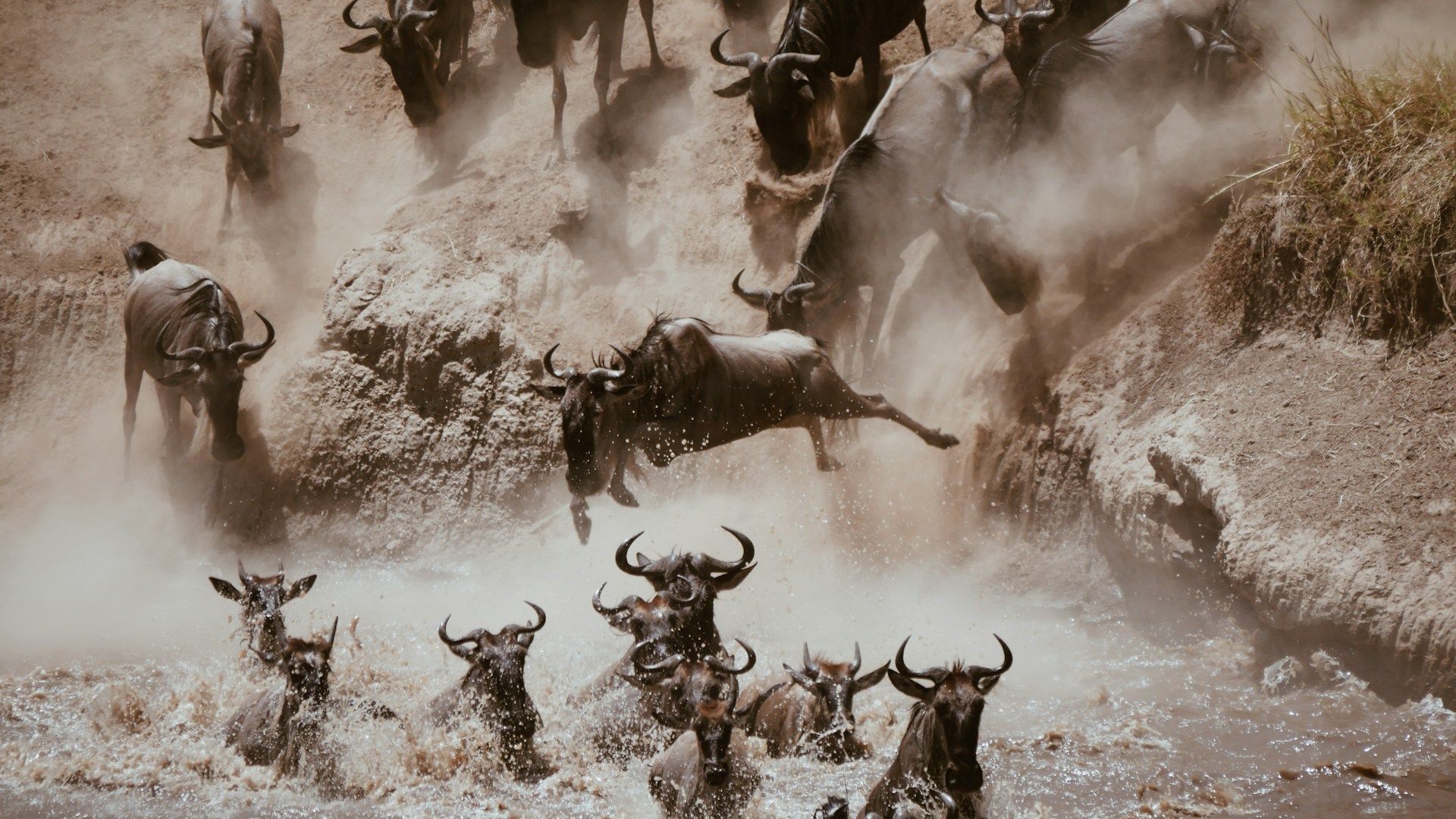
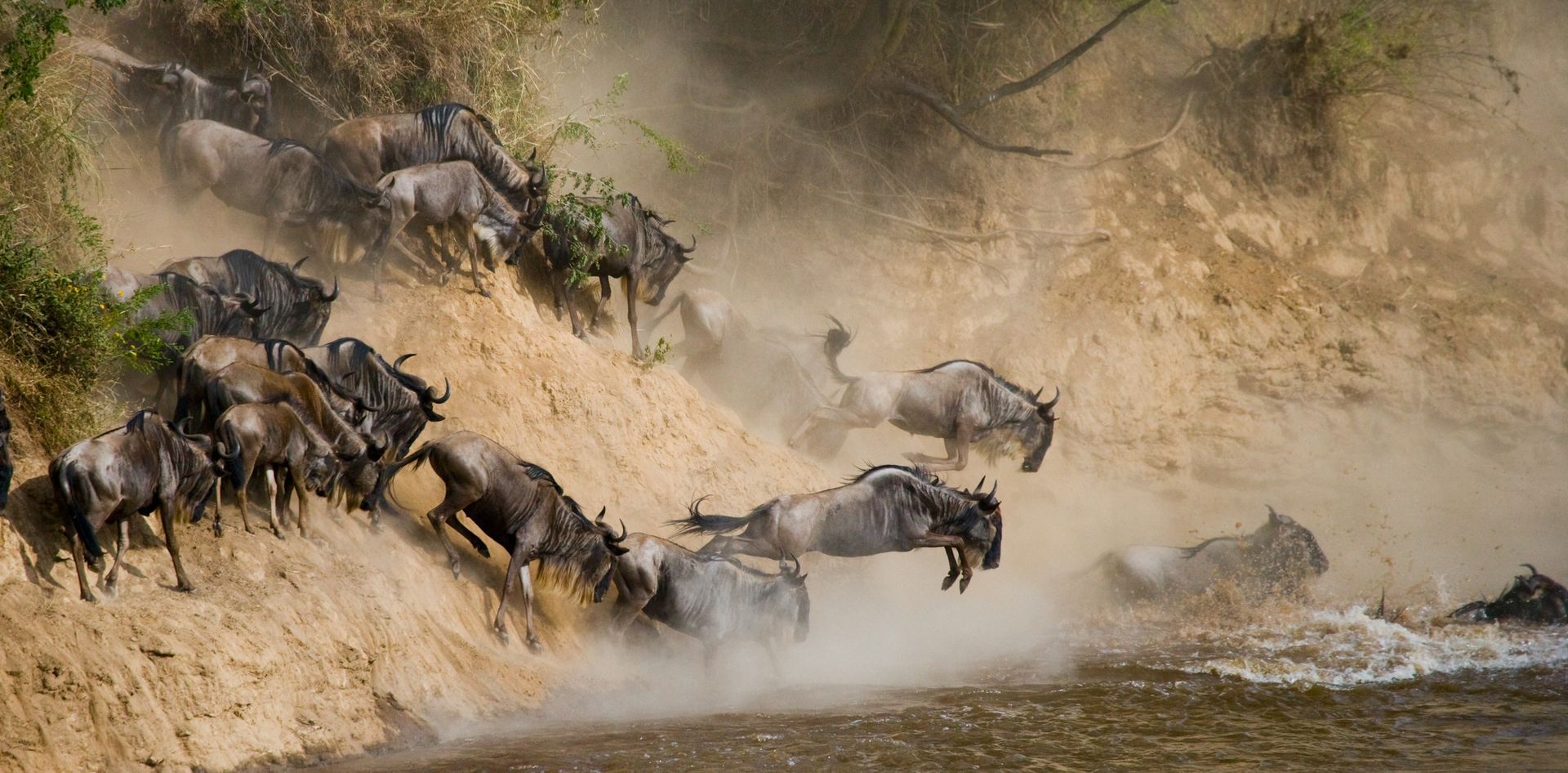
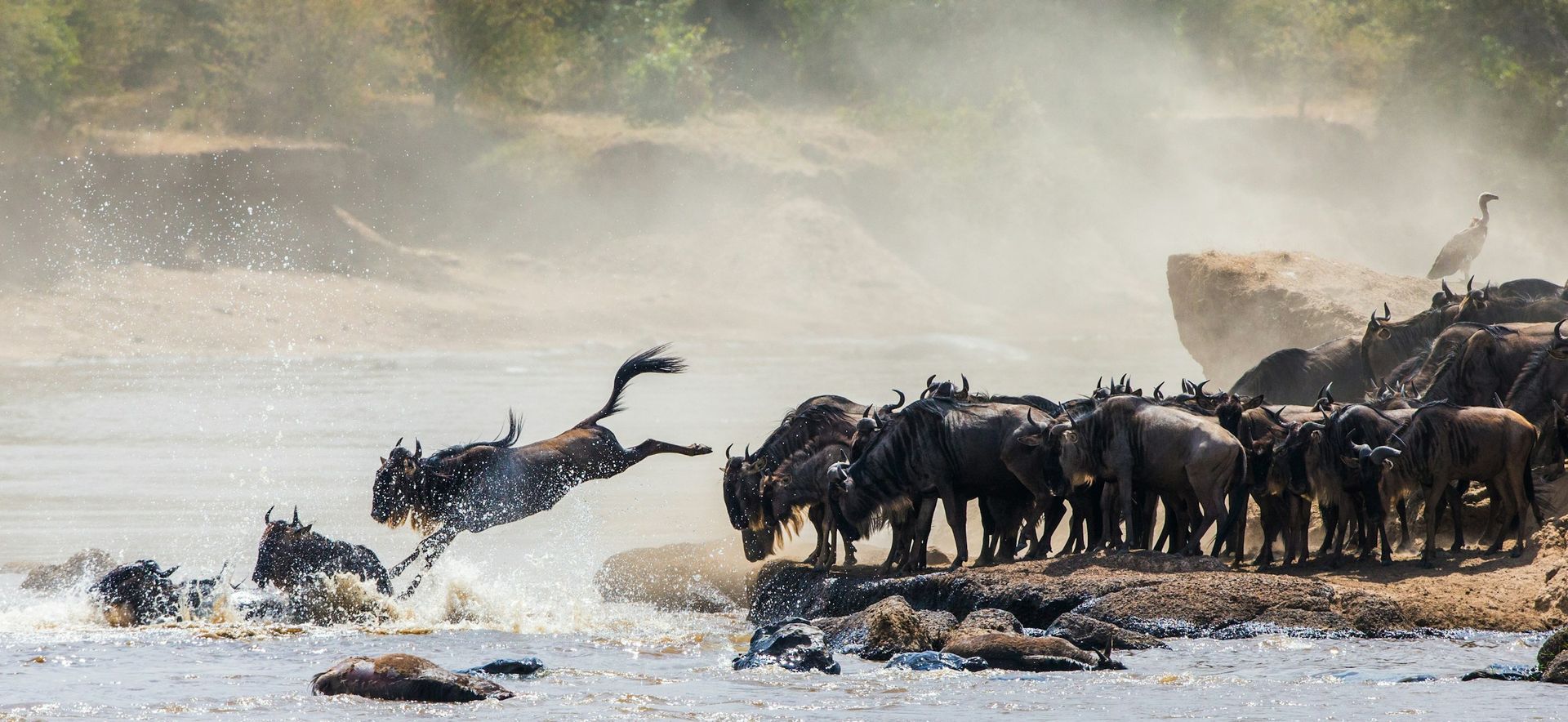
Each year, over 1,5-million wildebeest, accompanied by hundreds of thousands of zebras and gazelles, traverse vast distances between Tanzania and Kenya, crossing crocodile-infested rivers and navigating predator-laden landscapes. While the migration attracts thousands of visitors annually, those in the know can experience this natural wonder without the usual crush of crowds, provided they plan strategically. Which is where Anderson & Harvey steps in!
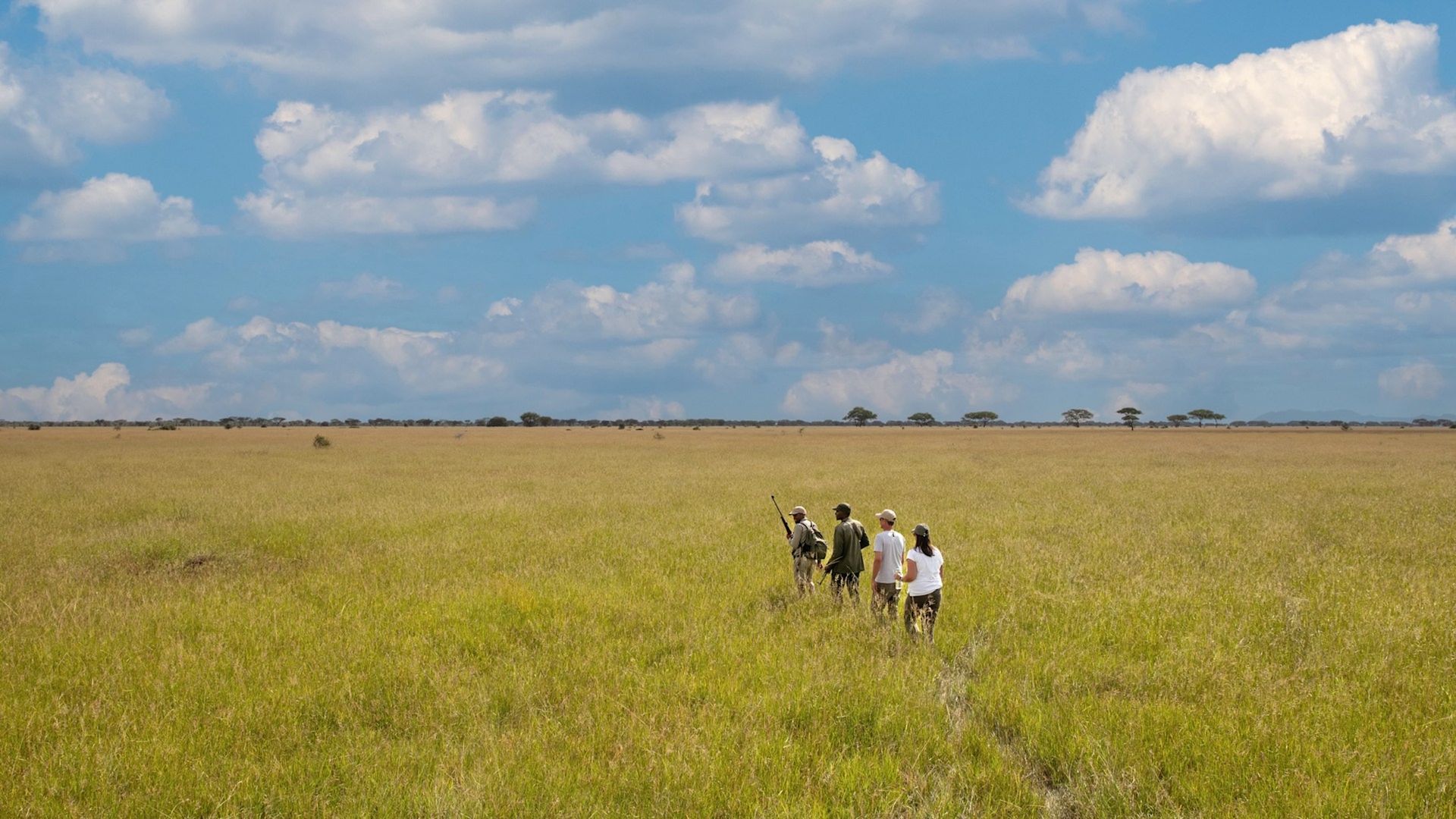
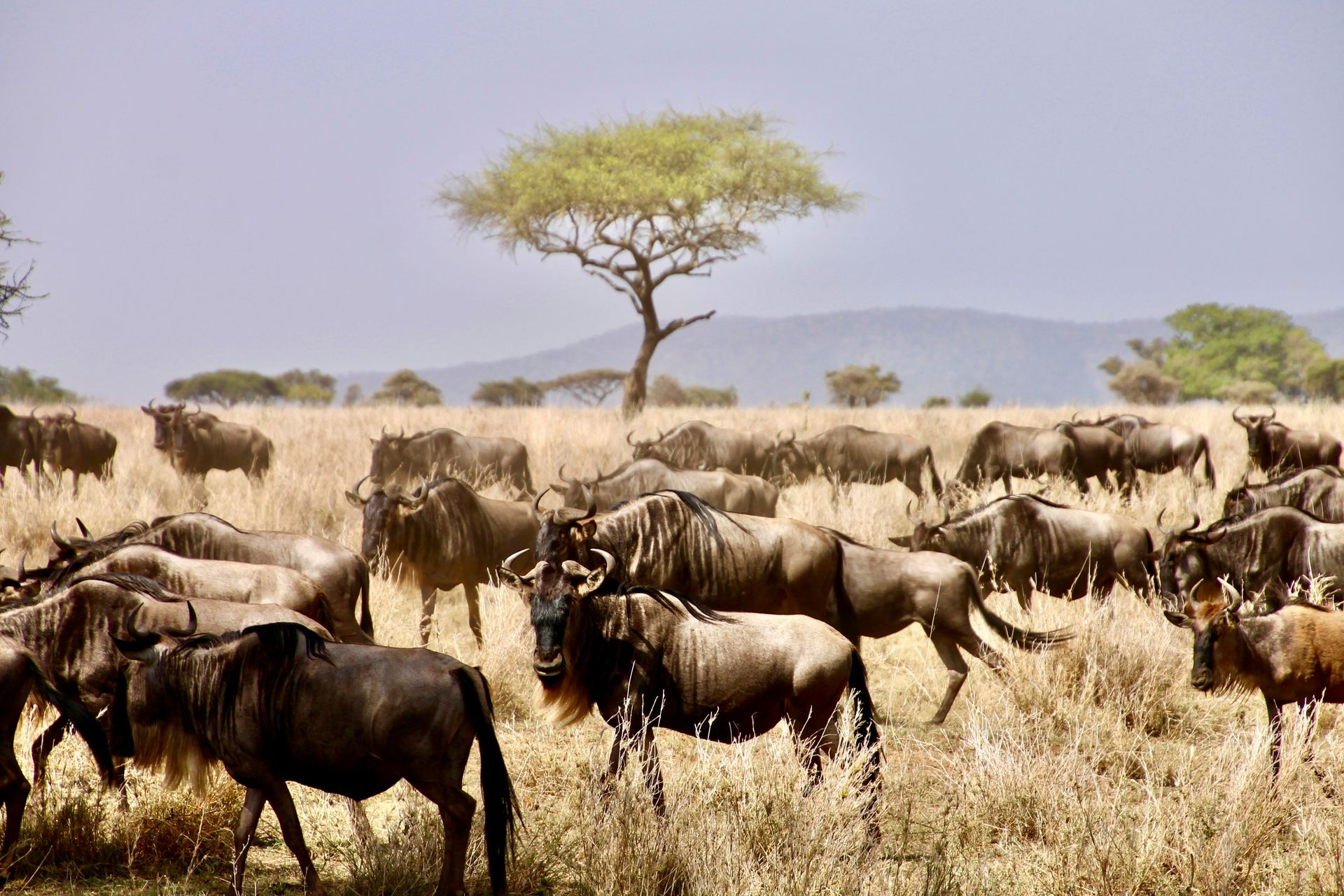
Experiencing the migration in its full splendour requires understanding the best locations to witness its different phases. In Tanzania’s Serengeti National Park, the vast southern plains offer some of the most immersive experiences. Here, from December to March, the herds spread across the open grasslands, providing unparalleled photographic opportunities against sweeping landscapes.
Unlike the more confined settings of river crossings, the sheer scale of the herds in the southern Serengeti is breathtaking. This period also marks the calving season, when nearly half a million wildebeest give birth in a synchronised event that draws an abundance of predators.
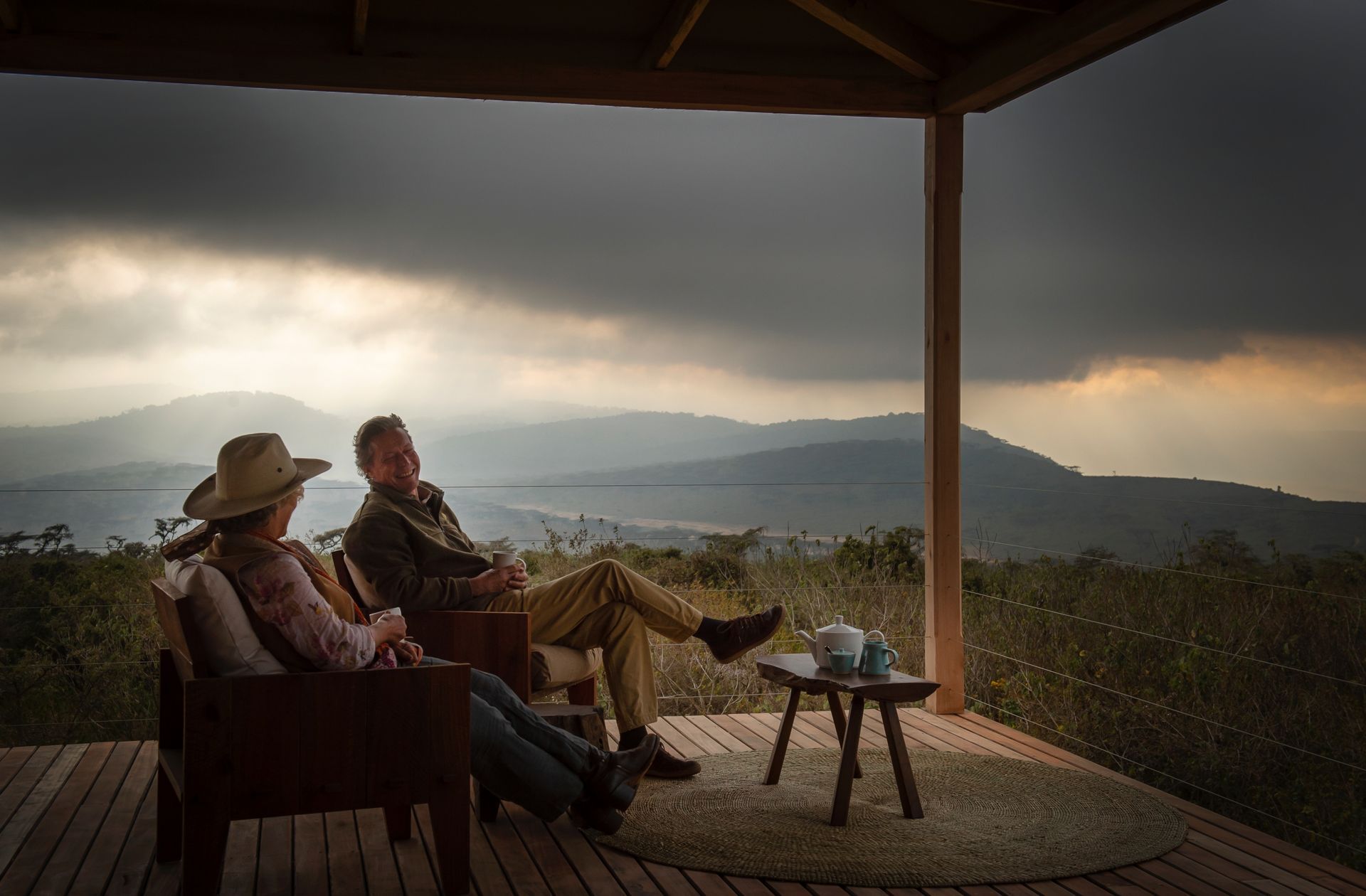
The Ndutu region is a prime location to witness this stage, offering some of the best access to newborn calves taking their first steps while lion prides, cheetahs, and hyenas lie in wait. Luxury camps in the area allow guests to wake up to the sight of thousands of wildebeest just outside their tents. These camps often employ highly skilled guides who track the migration's movements daily, ensuring optimal wildlife encounters.
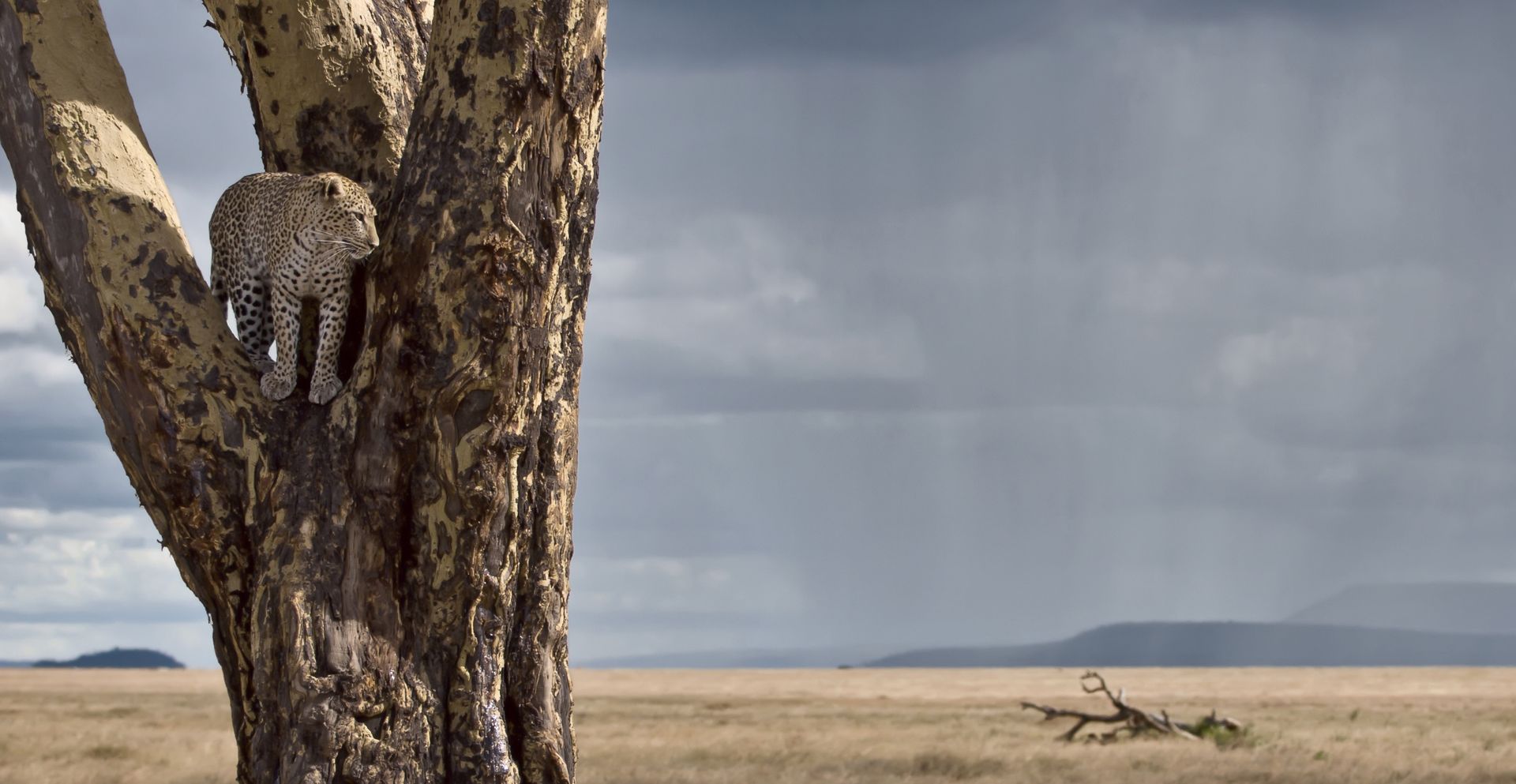
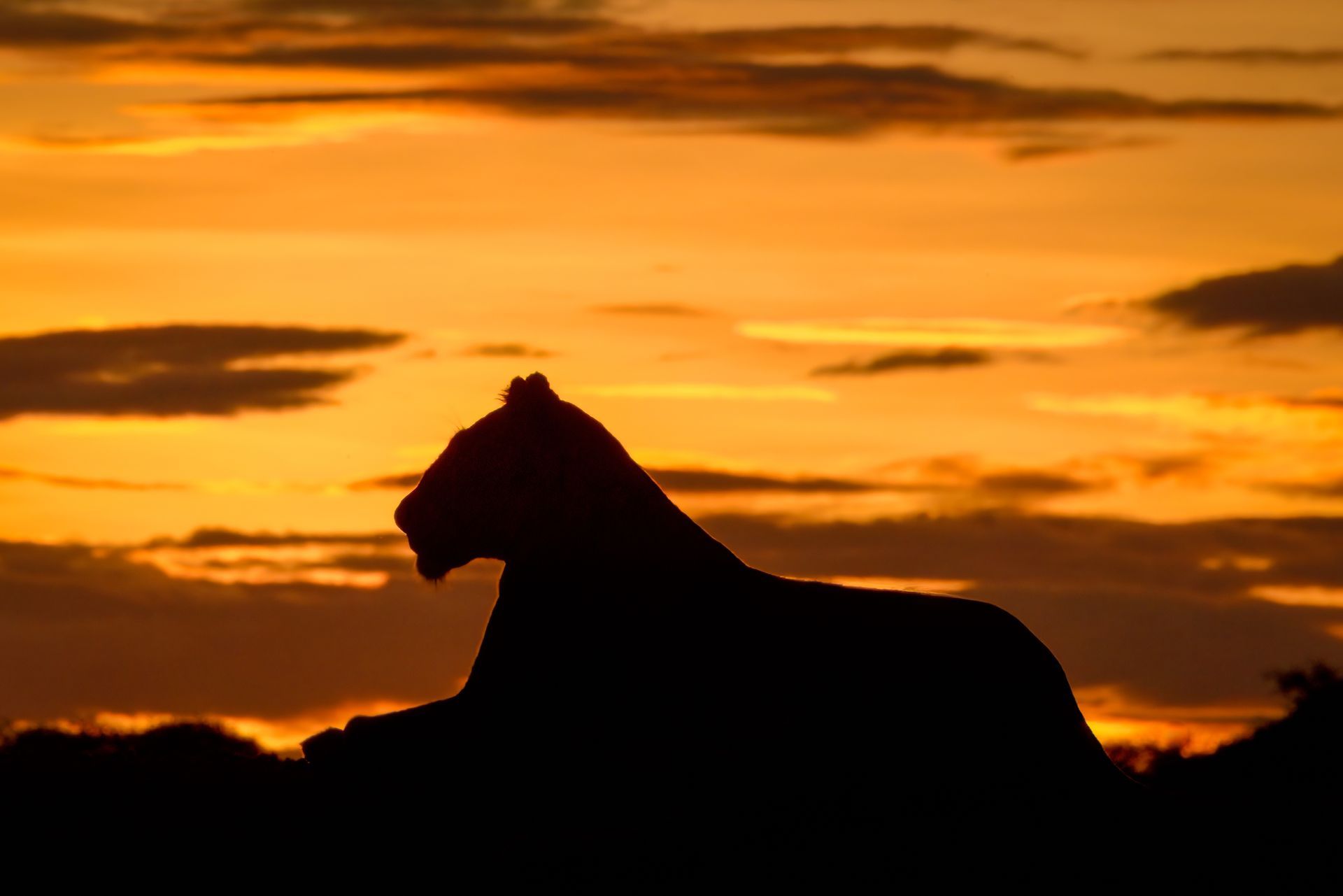
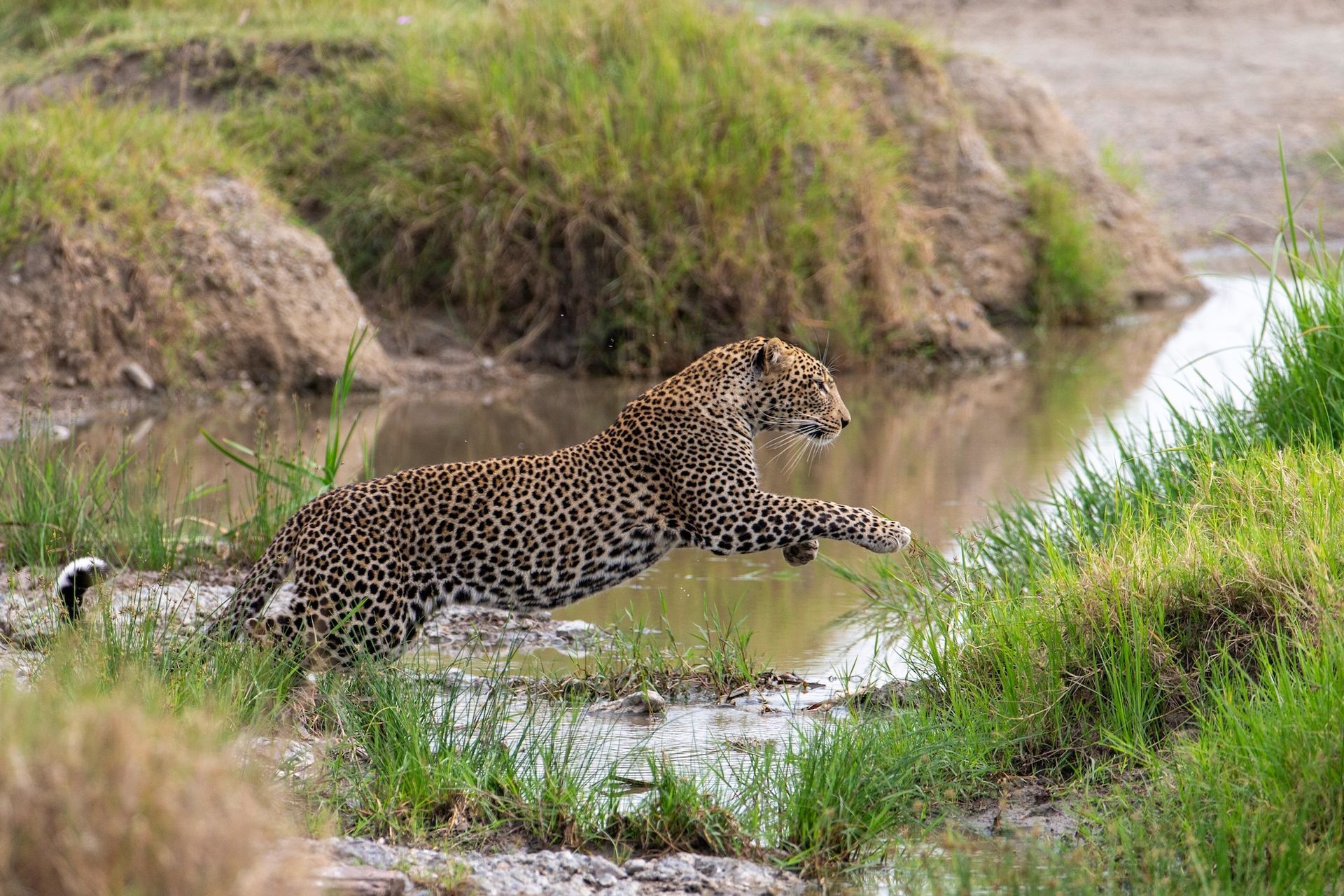
As the herds begin their gradual push northward, the central Serengeti emerges as a prime location for witnessing predator-prey interactions. With its mix of open plains, rocky kopjes, and woodlands, this region provides the perfect hunting ground for the Serengeti’s formidable lion prides.
The Seronera Valley, a well-known wildlife hotspot, is one of the few places where visitors can reliably see big cats alongside vast herds of wildebeest. While this area is popular, choosing a lodge with private concessions or guided off-road experiences can significantly enhance the experience by avoiding the busiest tourist zones.
Further west, the Grumeti Reserve offers a more exclusive take on the migration. Unlike the central Serengeti, where visitor numbers can be high, the private nature of the Grumeti concessions means only a limited number of guests have access. This results in uncrowded game drives and more intimate wildlife experiences. The Grumeti River, a major obstacle for the migrating herds, provides dramatic yet relatively undiscovered river crossings. Unlike the chaotic scenes of the Mara River, these crossings tend to be quieter, making them ideal for photographers and wildlife enthusiasts seeking a more serene spectacle.
By mid-year, as the herds continue their journey north, the northern Serengeti offers what many consider to be the pinnacle of the migration experience. The landscapes here are more rugged, with rolling hills and acacia-dotted savannahs setting the stage for some of the most intense wildlife action.
The Mara River crossings in this region are nothing short of legendary, and while they attract large crowds, choosing an exclusive mobile camp near Kogatende or Lamai can ensure a front-row seat without excessive vehicle congestion. These camps shift locations in real-time, following the herds closely to guarantee the best viewing opportunities.
For those determined to witness the migration in Kenya, the Masai Mara presents an equally spectacular setting. However, avoiding the crowds is key. The main reserve, while famous for its density of wildlife, can become saturated with safari vehicles, particularly during peak migration season.
A better alternative is to stay in one of the private conservancies bordering the Mara, such as Mara North, Olare Motorogi, or Naboisho. These conservancies offer exclusive game drives, night safaris, and walking expeditions, all while providing access to the migration without the intense competition for sightings. The conservancies also have strict vehicle limits at sightings, ensuring that every moment with the migration feels intimate and unspoiled.
By the time the herds begin their return journey south, a different kind of magic unfolds. The migration’s retreat through the Serengeti is often overlooked, yet it presents unique opportunities for those seeking solitude. The vast expanses of the northern and central Serengeti see a temporary lull in visitors, allowing for serene game drives with unparalleled wildlife encounters.
This is also the time when large male lions, often seen trailing the exhausted herds, provide extraordinary hunting displays. Booking a stay at a lodge positioned along the migration's return route, such as those in the western Serengeti or the private Mwiba Wildlife Reserve, ensures an exclusive experience far from the crowds.
For those seeking a more immersive approach, hot-air balloon safaris over the Serengeti provide a breathtaking aerial perspective of the migration, revealing the sheer scale of the herds as they stretch to the horizon.
Talk to us about getting the best migration experiences for your guests and let us work our migration magic for you, using our extensive understanding of the dynamics of the migration to select the best camps and lodges in the best destinations to suit your needs.