All about Ngorongoro
Explore this fascinating East African treasure with Anderson & Harvey
Among the most remarkable natural and cultural treasures on Planet Earth, Tanzania's Ngorongoro Crater and its surrounding conservation area are jewels in East Africa's tourism crown, drawing thousands of visitors each year to marvel at the breathtaking landscapes, phenomenal wildlife and ancient history this region is imbued with. Vast, diverse and truly spectacular, the Ngorongoro is a founding pillar of Tanzania's northern circuit and an absolute must on any safari itinerary. Let's find out why...
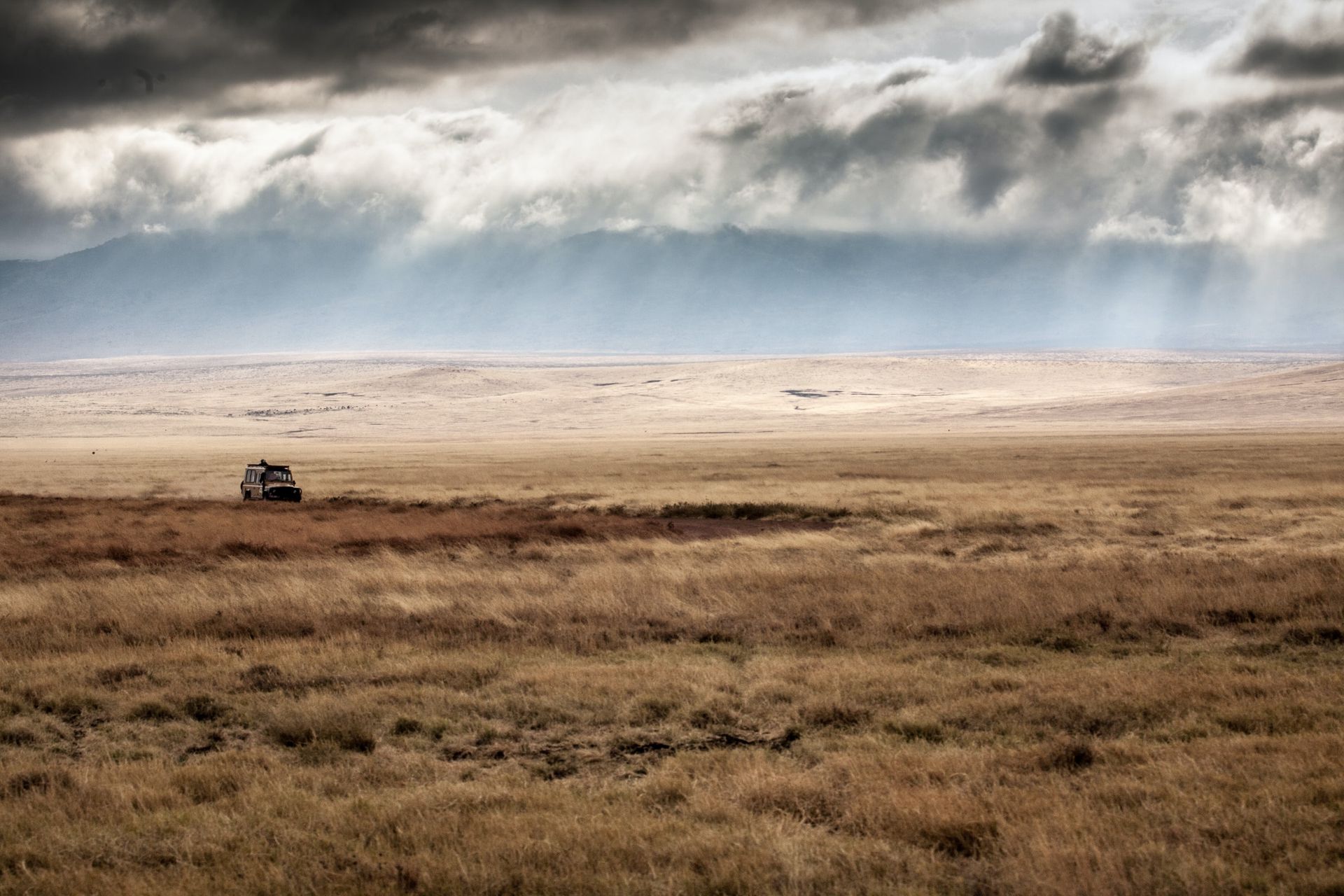
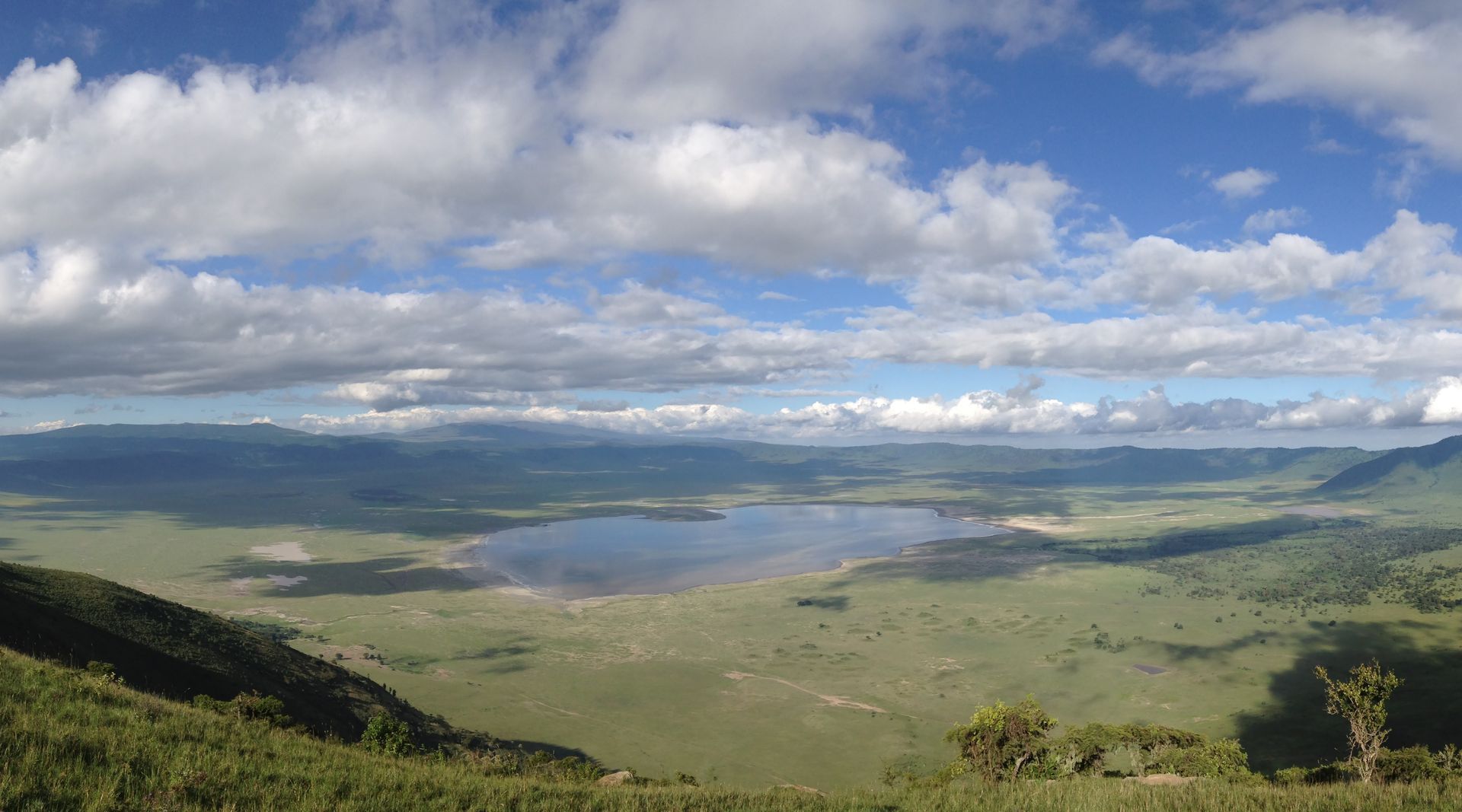
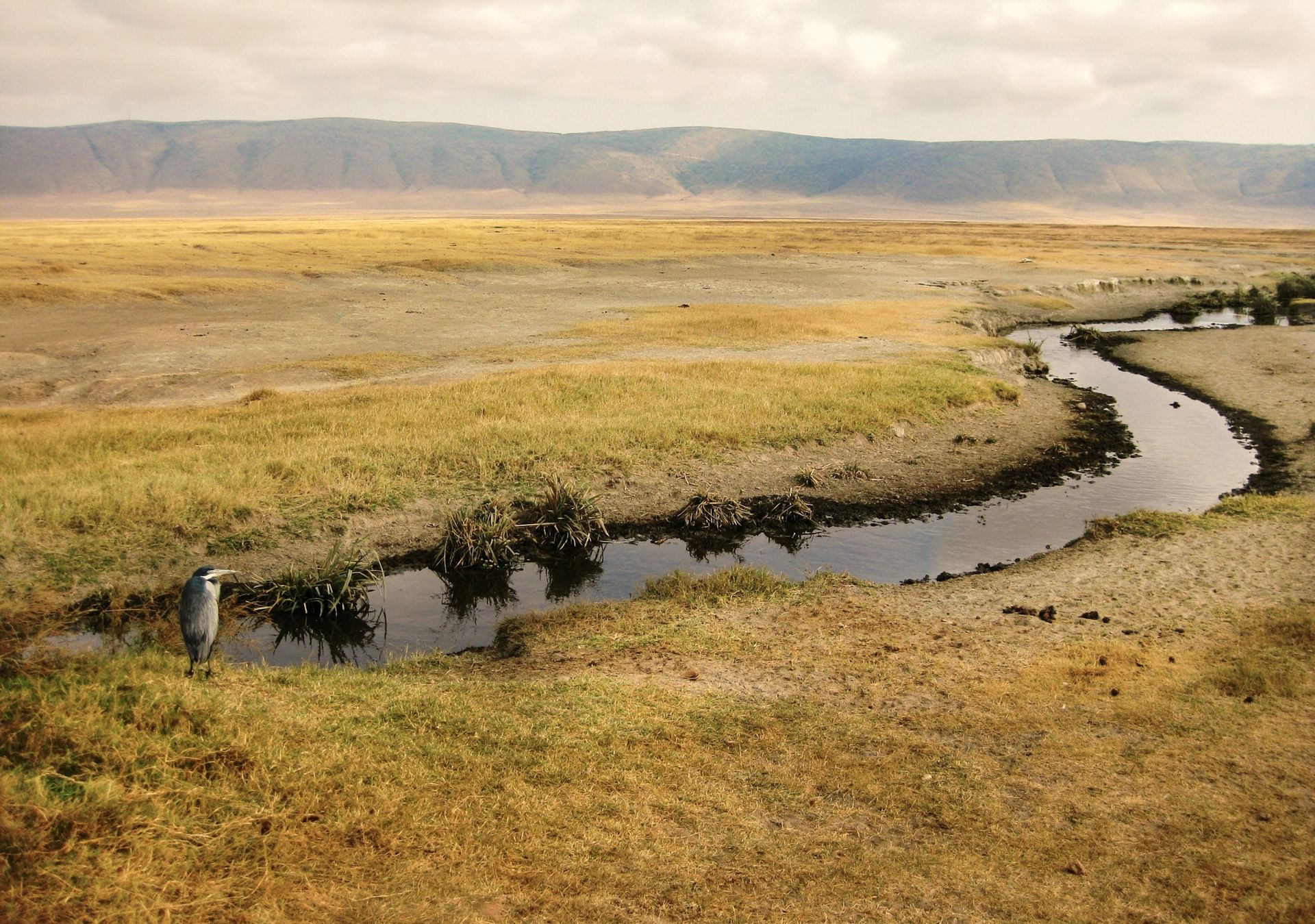
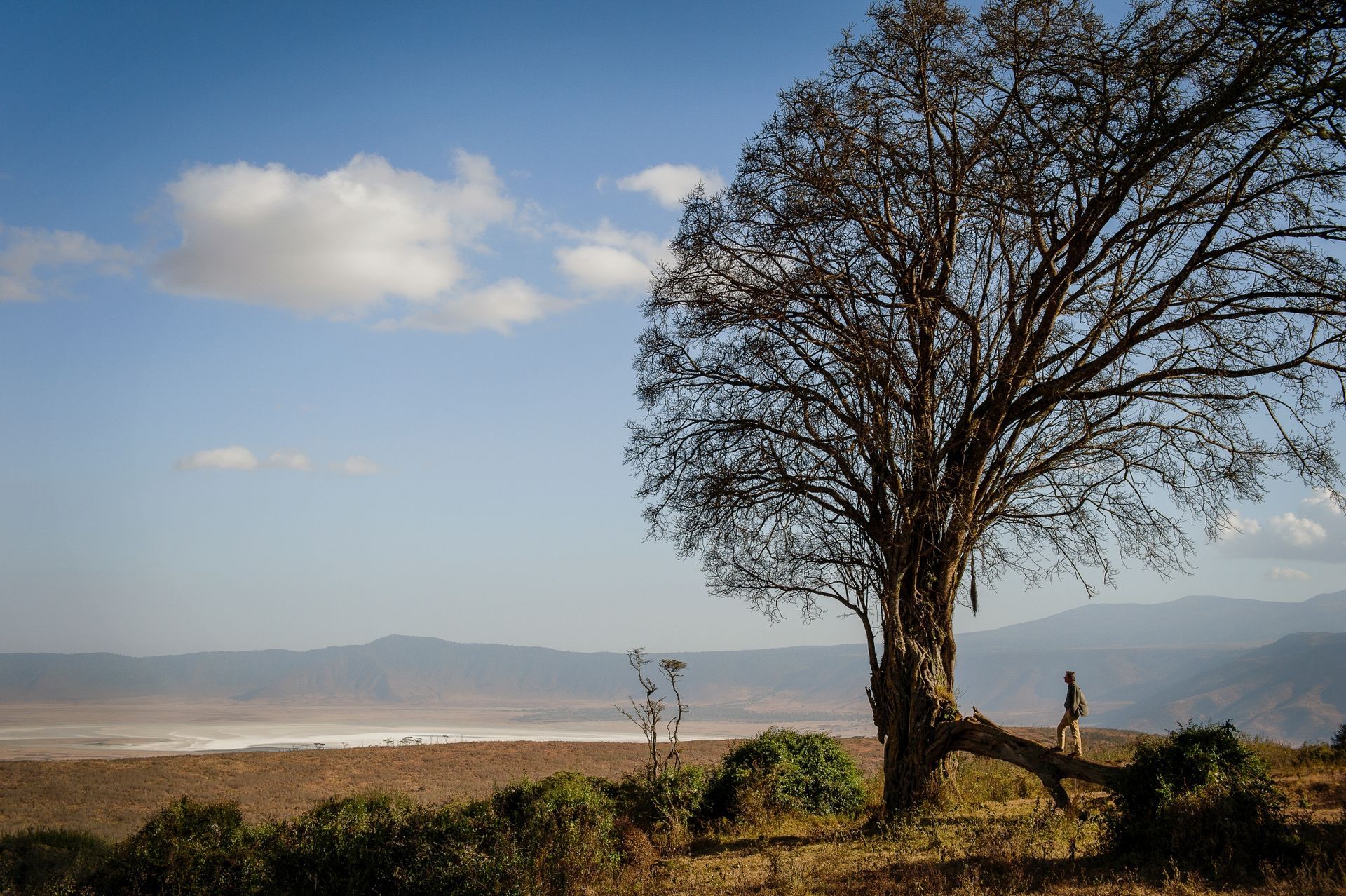
First off, let's get the pronunciation right... It's "ungoro-goro" and the Maasai named it after the sound their cow bells make. It's a UNESCO World Heritage Site, located in the Great Rift Valley, and is renowned for its stunning geological features, rich biodiversity, and archaeological significance.
The crater stands within the surrounding Ngorongoro Conservation Area (NCA) - a unique ecosystem spanning approximately 8,292 square kilometres that harmonises wildlife conservation, human culture, and scientific exploration. The crater itself is a marvel of nature, celebrated for its dramatic landscapes and thriving wildlife.
Geological wonder
Formed approximately 2.5-million years ago due to volcanic activity, it's not a crater in the traditional sense but rather a caldera — one of the largest intact calderas in the world. This depression was created when a massive volcano, once believed to be even taller than Mount Kilimanjaro, erupted and collapsed inward. The caldera is about 610m deep and more than 260 kilometres in diameter.
The forces that shaped the Ngorongoro Crater are part of the broader tectonic processes that created the Great Rift Valley, a geological phenomenon extending from Lebanon in the Middle East to Mozambique in southeastern Africa. The region's intense volcanic activity has been key to shaping the diverse landscapes, with the resulting fertile soils and varying altitudes giving rise to a multitude of habitats.
Diversity aplenty
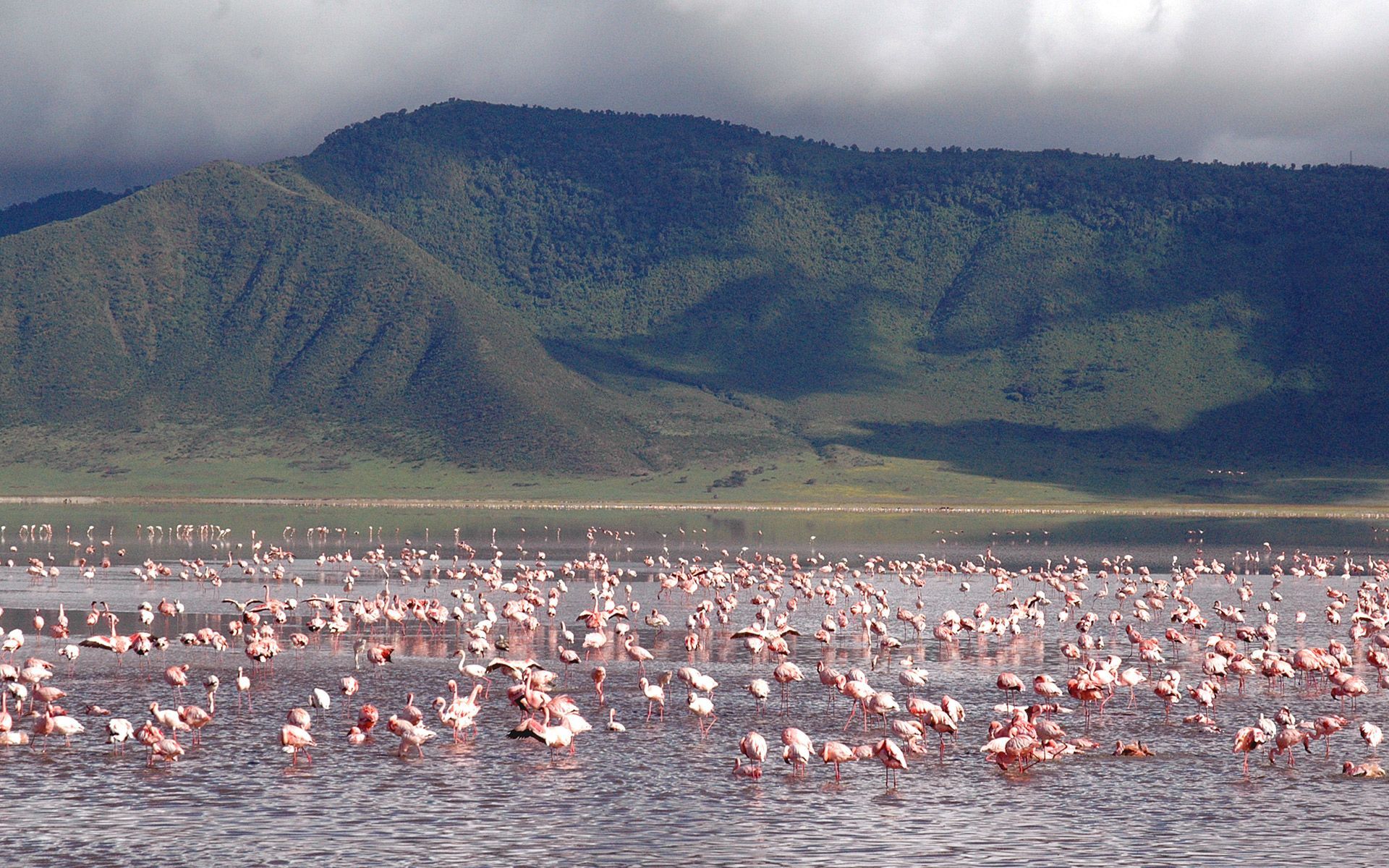
The Ngorongoro Crater is often referred to as the "Garden of Eden" for its extraordinary biodiversity and near-complete ecosystem. Despite its relatively small size, it hosts over 30,000 large animals, including some of the most iconic species in Africa. The crater’s floor is dominated by grasslands, interspersed with patches of acacia woodland, swamps, and a central soda lake, Lake Magadi. The lake, whose waters are rich in sodium carbonate, supports vast flocks of flamingos that add vibrant colour to the landscape.
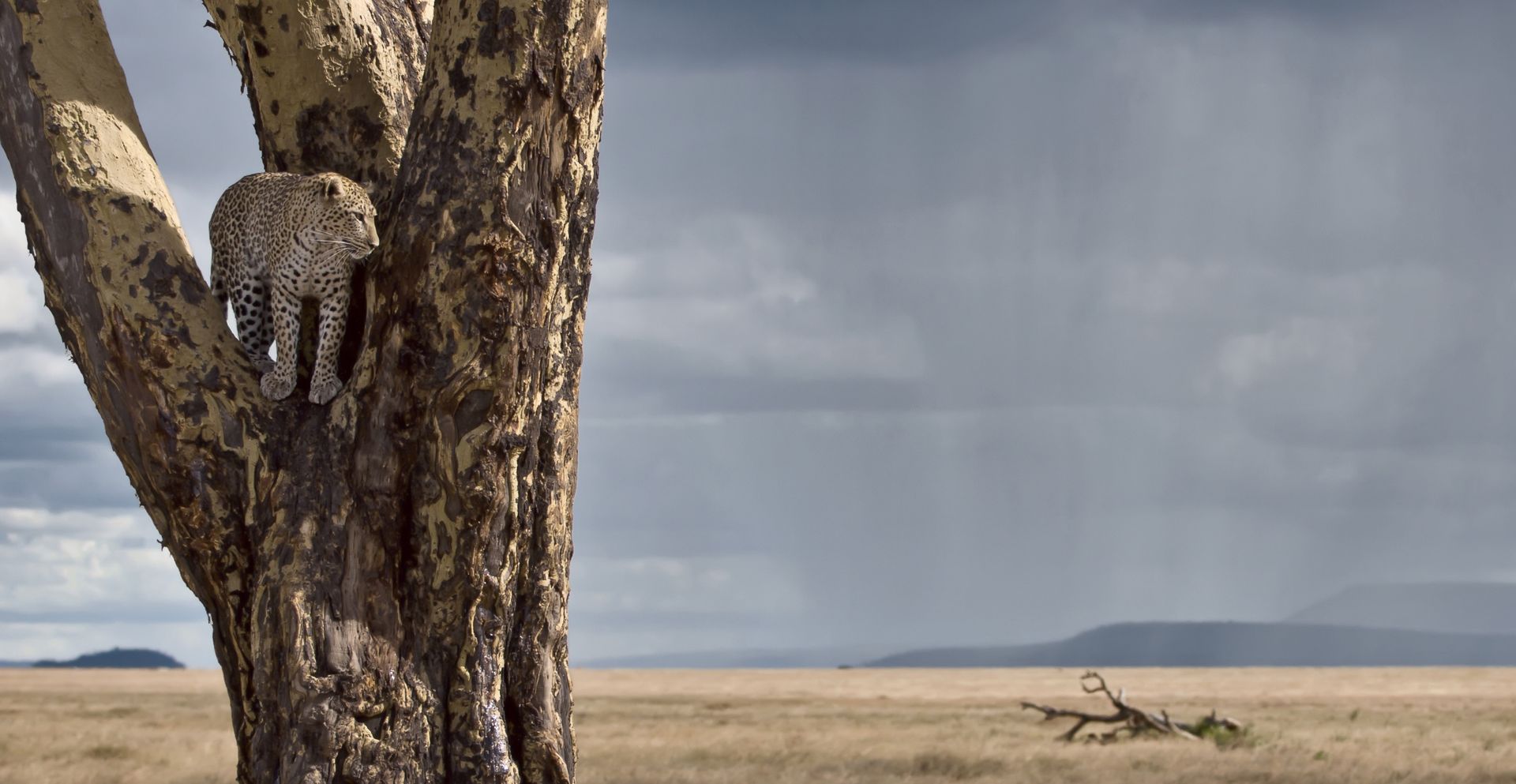
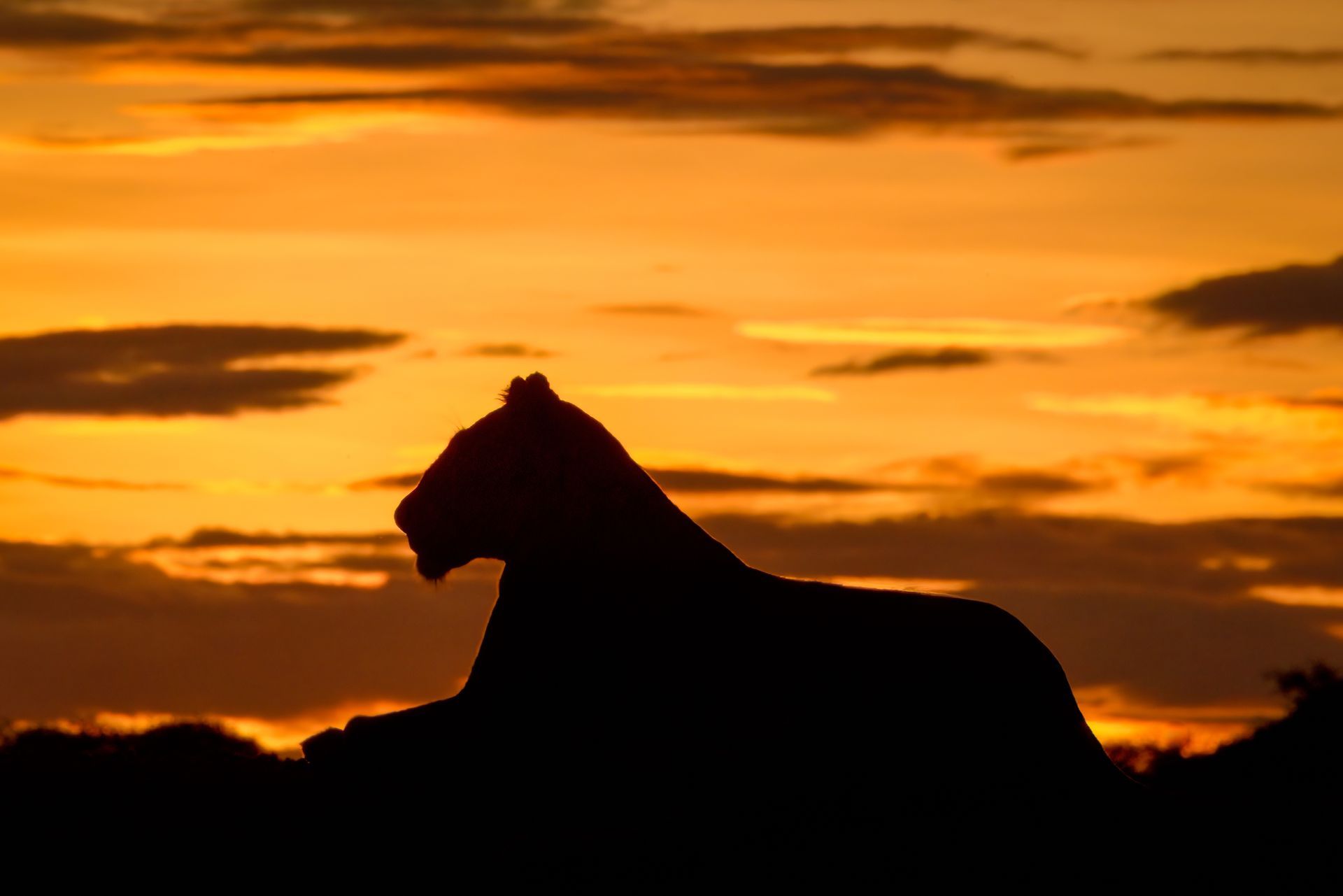
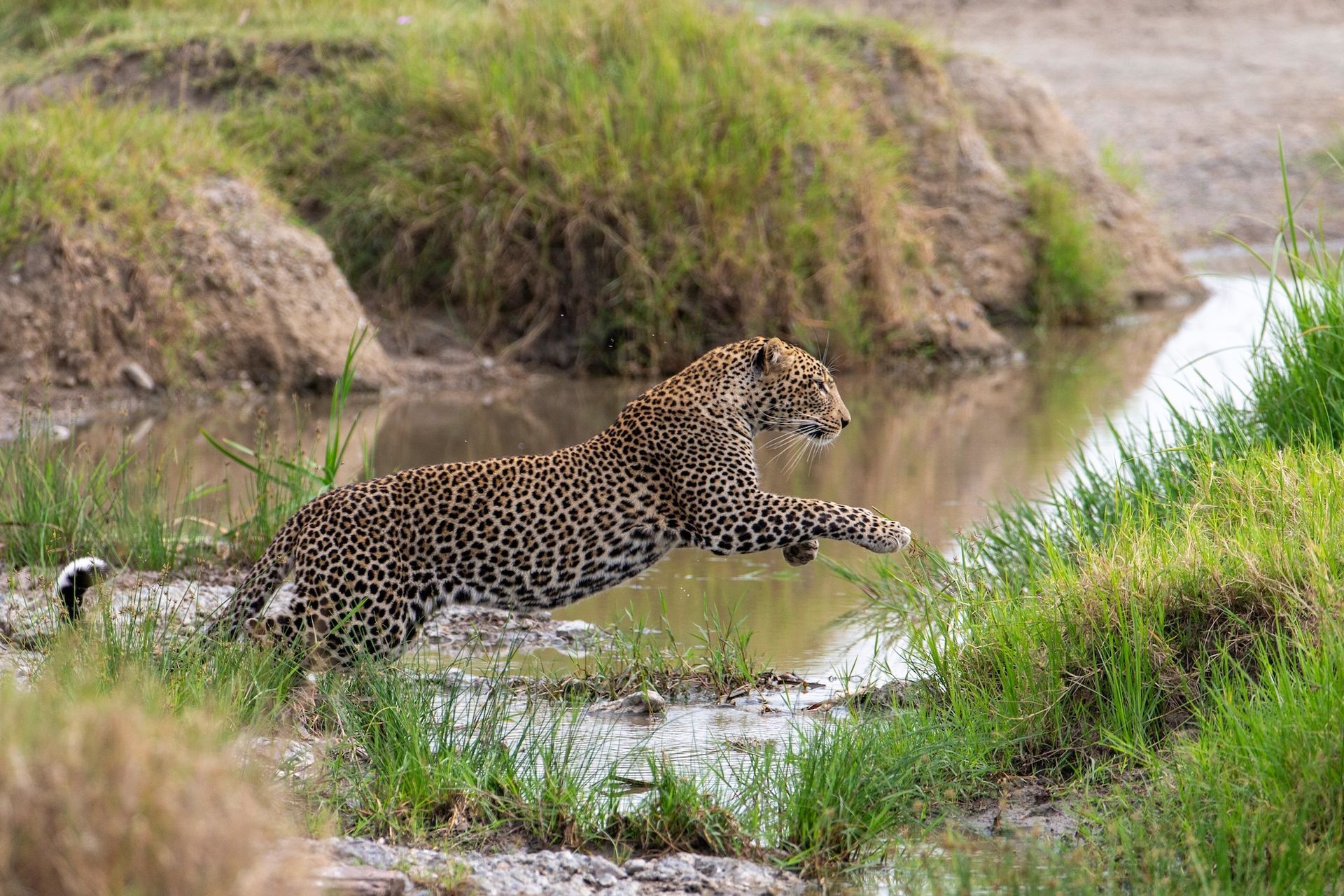
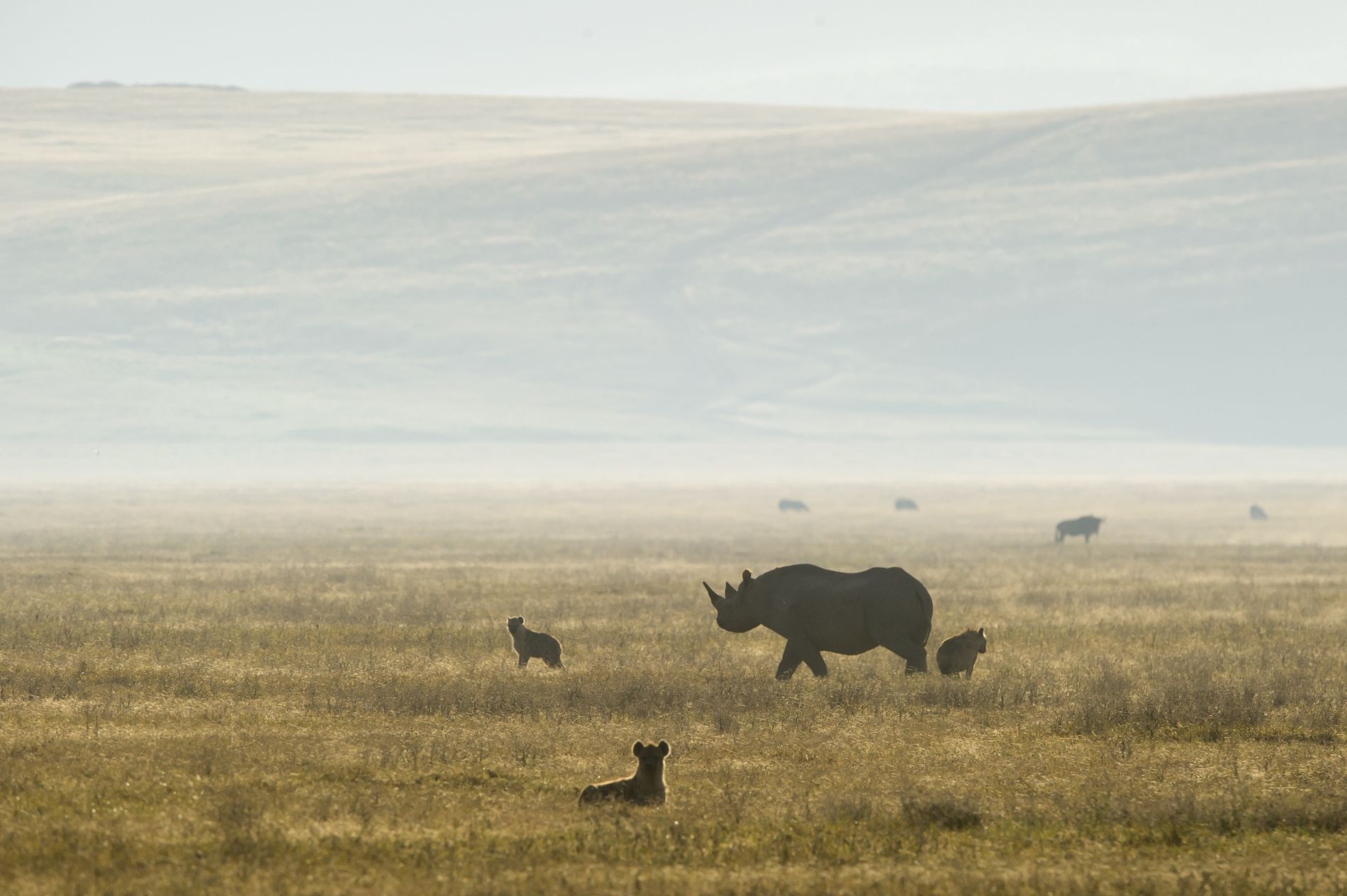
The crater is home to an impressive array of species, including the "Big Five" — lion, elephant, buffalo, leopard, and rhino. It is one of the few places in East Africa where black rhinos can be observed in their natural habitat. The density of lions within the crater is particularly high, and the population is famous for its stability.
Predators such as hyenas, jackals, and cheetahs thrive in this environment, supported by a large prey base of herbivores like wildebeest, zebras, and various antelope species. Remarkably, the crater also harbours unique populations of animals like the golden jackal and serval, which have adapted to the specific conditions of this semi-enclosed environment. The Lerai Forest on the crater floor is home to a small population of elephants, distinguished by their unusually large tusks.
The NCA is not limited to the crater alone. It extends to diverse landscapes, from highland plateaus to savannahs and woodlands, offering a range of ecological niches. The region’s rich variety of habitats is home to approximately 550 species of birds, making it a birdwatcher’s paradise. The NCA also supports large migratory populations of wildebeest and zebras, which pass through during their annual migration to and from the Serengeti.
A hotbed of human history
Beyond its ecological significance, the NCA is home to the semi-nomadic Maasai people, who have coexisted with the wildlife for centuries. The Maasai graze their livestock within the conservation area, exemplifying a rare model of human-wildlife coexistence. Their traditional practices are carefully managed to avoid significant disruption to the ecosystem.
The NCA is a cradle of human history, holding some of the most important archaeological and palaeontological sites in the world. Olduvai Gorge is often dubbed the "Cradle of Mankind." It is here that the pioneering archaeologists Louis and Mary Leakey discovered fossils that revolutionised our understanding of human evolution. In 1959, they unearthed the remains of Paranthropus boisei, a hominid species that lived about 1,8-million years ago. Further excavations revealed tools and other artefacts that suggest this area was inhabited by some of the earliest human ancestors.
Nearby, the Laetoli site is famous for the discovery of fossilised hominid footprints preserved in volcanic ash, dating back over 3,6-million years. These tracks, believed to have been made by Australopithecus afarensis, are among the earliest direct evidence of bipedalism in human ancestors. The archaeological significance of these finds has placed the NCA at the forefront of discussions on human origins.
A lake like no other
At the centre of the Ngorongoro Crater lies Lake Magadi, a shallow soda lake with a surface area that fluctuates depending on rainfall. The lake's high alkalinity supports the growth of cyanobacteria, which in turn attracts large flocks of flamingos. These birds feed on the microscopic algae and crustaceans that thrive in the alkaline waters. The flamingos, with their striking pink plumage, create a spectacle against the backdrop of the crater's walls, drawing photographers and wildlife enthusiasts from around the globe.
Lake Magadi is also a crucial water source for the wildlife within the crater. During the dry season, the lake shrinks, and its remaining water becomes highly concentrated with minerals, resulting in vivid white and pink hues. The surrounding marshes and wetlands provide critical habitats for hippos, waterbucks, and a variety of wading birds.
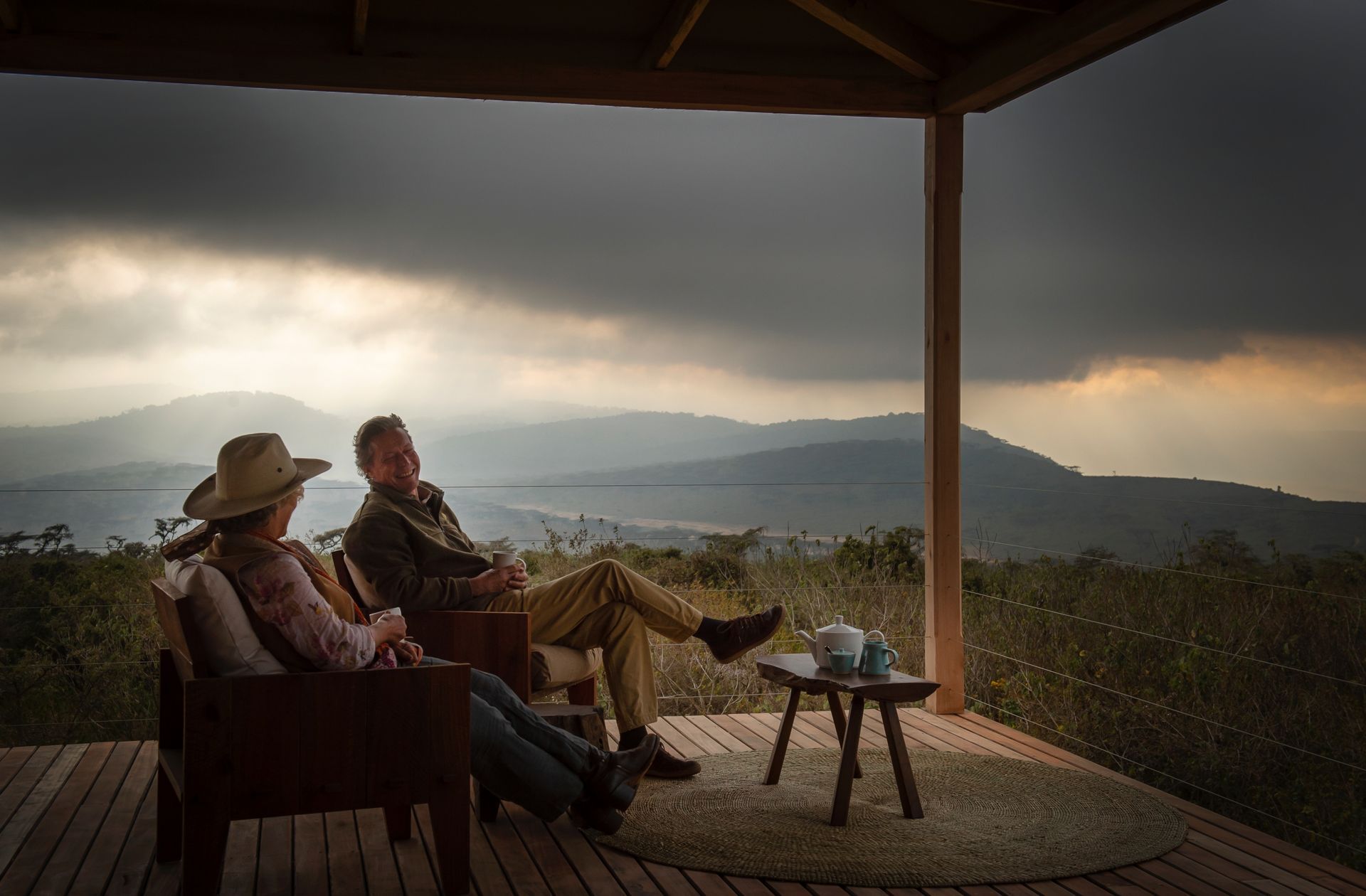
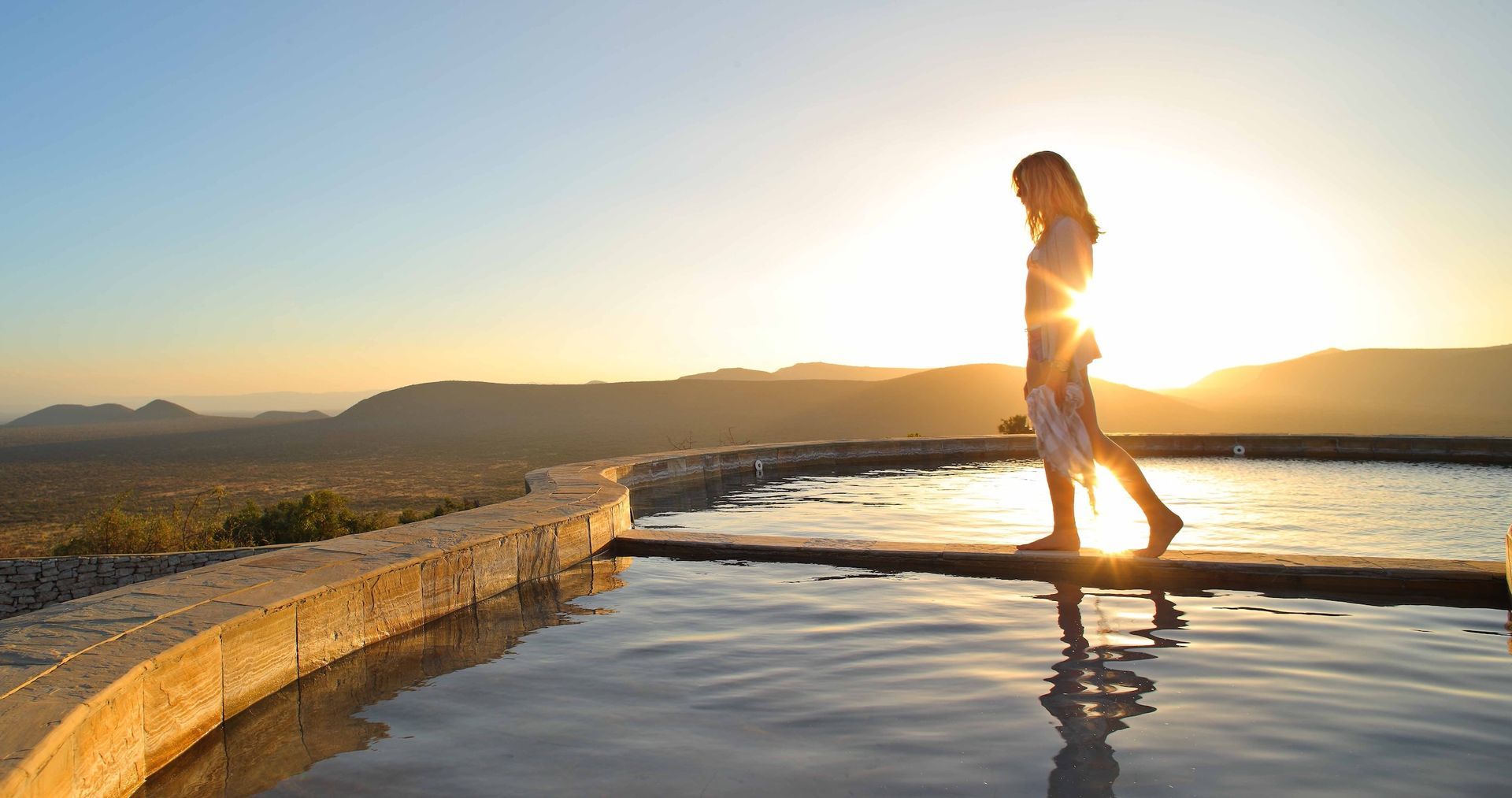
On the crater rim and in the region around it you'll find a wonderful range of accommodation options, some with exceptional, panoramic views of the crater itself. If you'd like to include the Ngorongoro in your Tanzania itinerary, chat to us about your options and we'll make sure your clients get the very best experiences available.