What to do in Volcanoes National Park
There's so much more than just gorilla trekking on offer!
Rwanda's breathtaking Volcanoes National Park is renowned the world over as being the home of the endangered mountain gorilla and the place where you can trek to encounter these fascinating great apes in their natural habitat. But a stay in this incredible place is not complete unless you explore more and sample everything else that's on offer, getting a real taste of this amazing and jaw-droppingly beautiful East African country in the process! So let's look at what else you can do in VNP...

Culture on tap
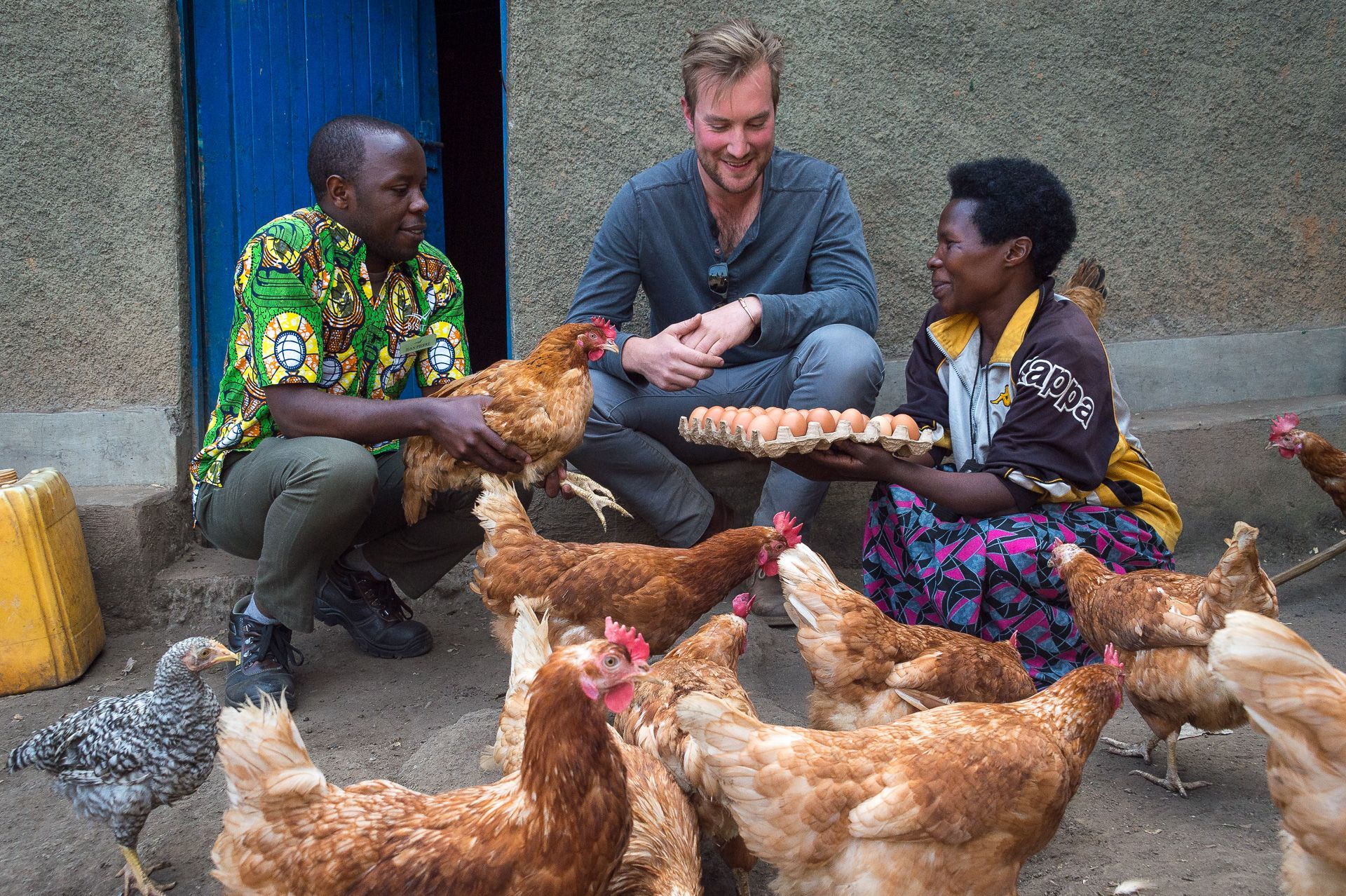
Visiting local people in the various communities around VNP is an absolute must, learning about traditional village life and traditions that have been handed down over countless generations. Visitors can participate in basket making, pottery, grinding corn the traditional way, cooking and sampling traditional cuisine.
Visit Ibyiwacu
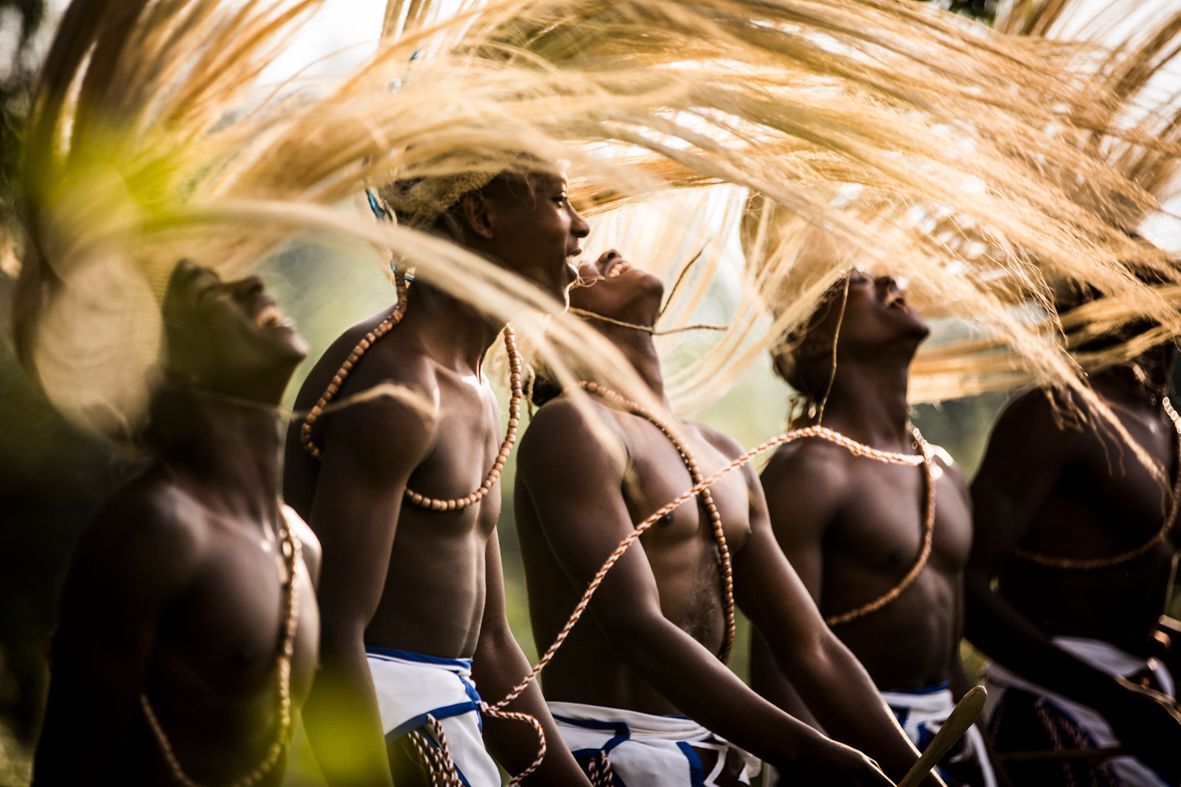
Get to sample a true traditional Rwandan cultural homestead, learning about the King's Court, known in traditional folklore as the Mwami, and witness the energentic Intore war dance performed by warriors for the king.
Visit Dian Fossey's tomb
Trek to the final resting place of renowned American primatologist Dian Fossey of "Gorillas in the Mist" fame. She played a critical role in helping to protect and conserve the mountain gorilla population and habitation around and within the Volcanoes National Park.
Hike Mount Bisoke
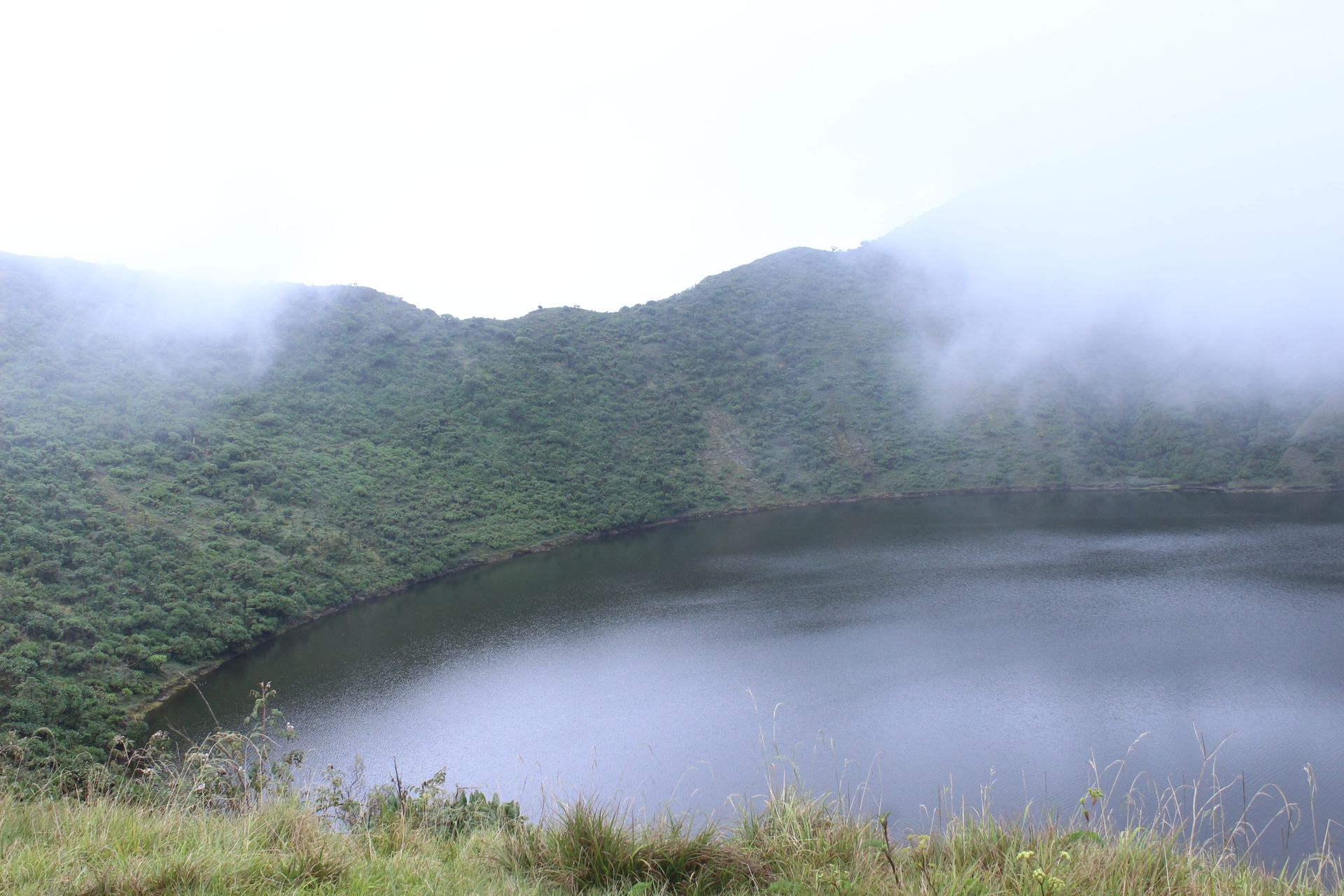
Bisoke is a dormant volcano situated within the Volcanoes National Park and is part of the Virunga mountain range. The full-day hike up to the peak of the mountain and back is professionally guided and while it is quite a strenous and challenging hike that requires a good deal of physical fitness, there are porters that help hikers with their equipment and bags for a fee. Once at the top, you are rewarded with magnificent views of the forest and the crater lake below.
Muhabura Hike
An adventure hike on Mount Muhabura is one of the most memorable activities in Rwanda. Like Bisoke, Muhabura is a volcano that is part of the Virunga Volcanoes Massif. The top of this volcano has a spectacular crater lake. It takes up to six hours for experienced hikers and mountaineers to get to the peak, but the hike is planned as a full-day activitity with stops along the route. Porters are also available for those keen on having their equipment carried for a fee.
Full-day Gahinga hike
Gahinga sits next to Muhabura, but the climb is completely different as Gahinga is covered in vegetation almost to the summit of the mountain. While it is not as steep as Muhabura, it can be challenging because of the dense vegetation and sometimes muddy terrain.
Buhanga Eco Park visit
Buhanga Eco Park is a small forest that sits about 8km outside Musanze (the main town in northern Rwanda). It offers opportunities for guided nature walks as well as cycling along designated routes. The forest is dominated by magnificent dragon trees and is home to a number of rare birds species. Bird lovers will find this a rewarding experience and the best time to visit the forest is in the early morning or late afternoon when the birds are at their most active and birdsong fills the air.
Cave visits
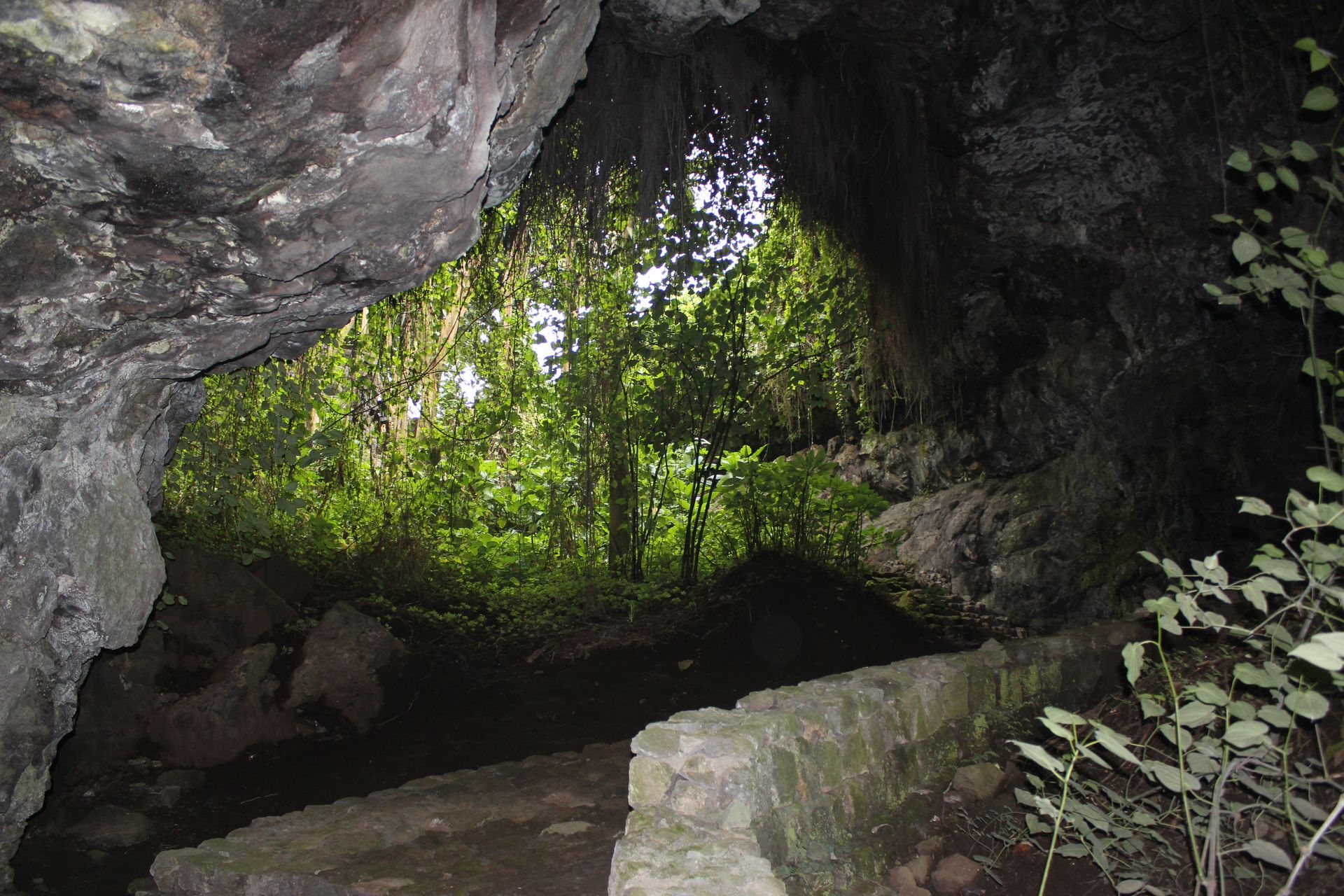
Due to the volcanic activity the forged Volcanoes National Park, there are a number of caves in the area. Musanze Cave is the most commonly visited and is 2km long. It lies in the volcanic region where lava flow layers dating from 65-million years ago created the Albertine Rift Valley. The cave has a total of 31 entrances and the main chamber is vast, with several side passages leading off from it. Over the aeons, collapses have created a truly incredible array of coloured shafts of light.
There are a total of 52 surveyed caves in the Northern Province of Rwanda covering more than 15km of cave passages. The longest cave in Rwanda is called “Ubuvumo Bwibihonga” - a multi-level system of parallel lava tubes that extends to well over 4.5km in length.
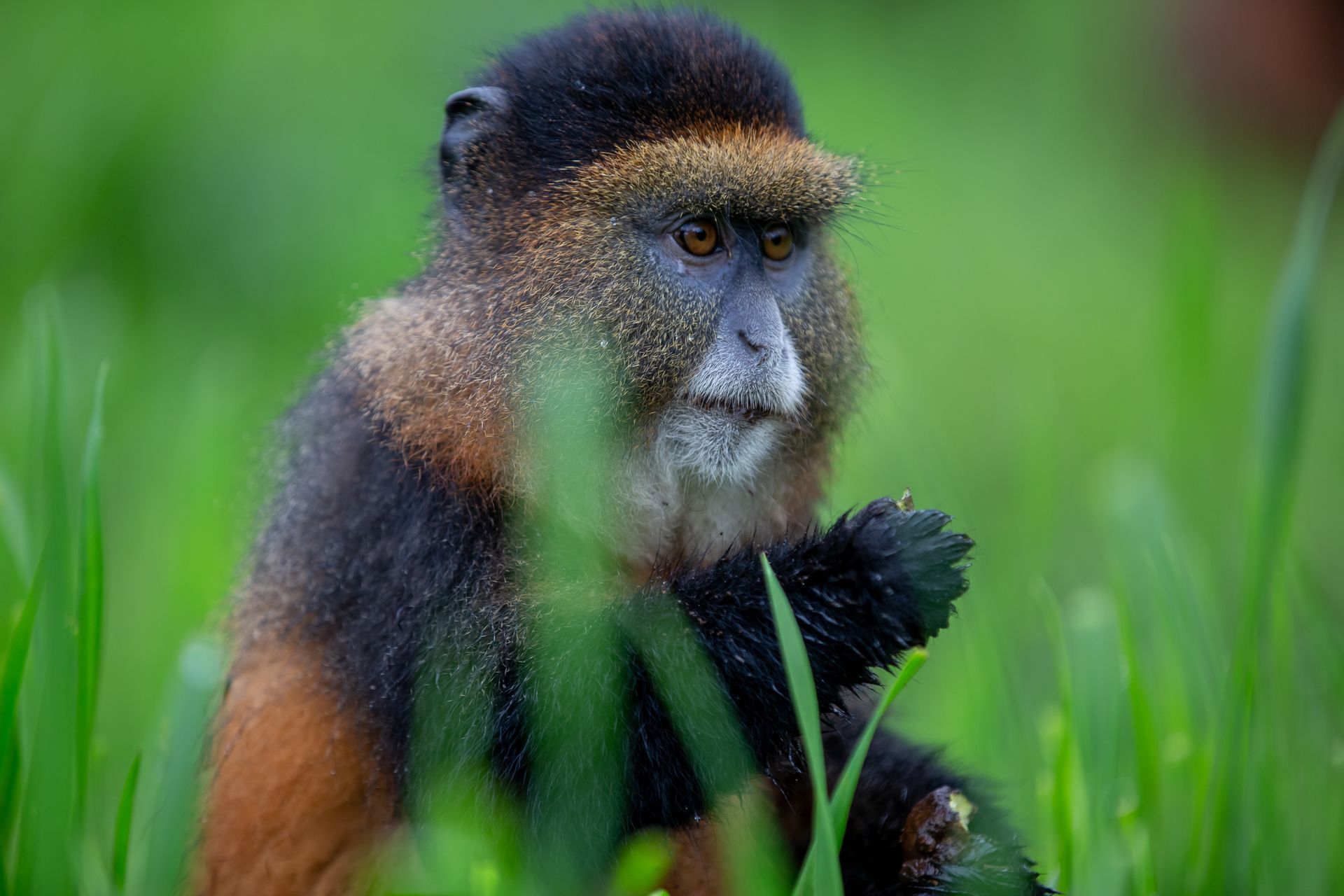
Golden monkey trekking
Golden monkeys are found in the high altitude bamboo forests of Volcanoes National Park. Like the mountain gorillas, the golden monkeys have become habituated, meaning that they are used to human beings and will not scamper off when approached by visitors. A subspecies of the Sykes monkey, golden monkeys are found both in the Volcanoes National Park and the Mgahinga Gorilla Park in Uganda. There are two habituated golden monkey troops in VNP, ranging up to 100 members in each group.
The golden monkey treks begin at Volcanoes National Park’s Kinigi Headquarters at 7am. As with gorilla trekking, it's best to wear long pants, long-sleeved shirts, a hat, light rain jacket, waterproof hiking boots, a waterproof daypack, with some snacks, enough bottled water and camera equipment. The services of porter can be engaged to assist you with your day pack and free you to take pictures of the golden monkeys in their habitat.
Let us know what your clients would like to do when we are putting together your Rwanda itinerary and we will make all of the arrangements for these amazing activities.