On the trail of the painted wolf
Meet East Africa's enigmatic wild dog
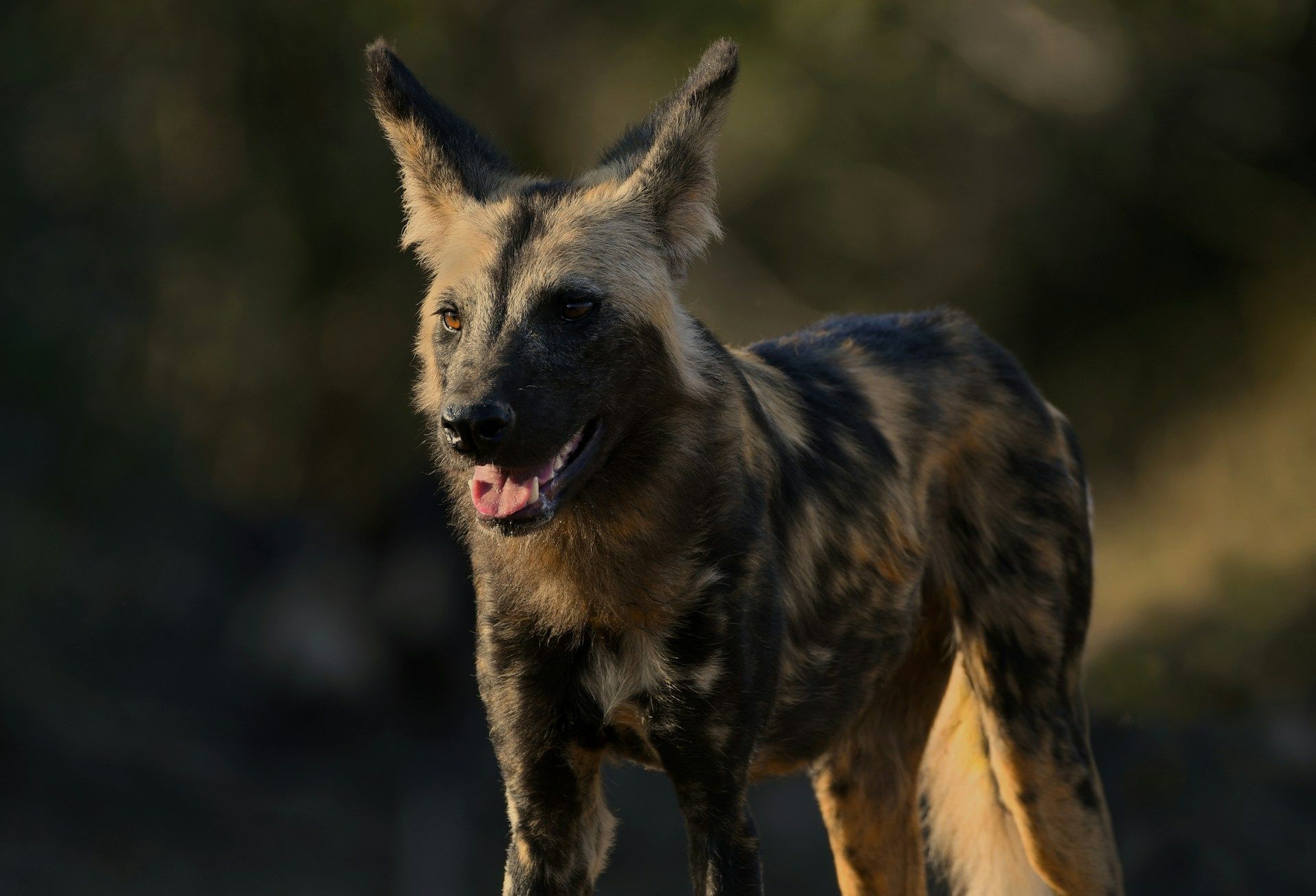
Few animals embody the spirit of Africa’s wild places quite like the painted wolf (Lycaon pictus) also known as the African wild dog. Their mottled coats of black, brown, white and yellow create a living mosaic that is as unique as each individual. More than just their striking appearance, these elusive carnivores are renowned for their complex social structure, extraordinary hunting stamina and endangered status. Let's find out more about them...
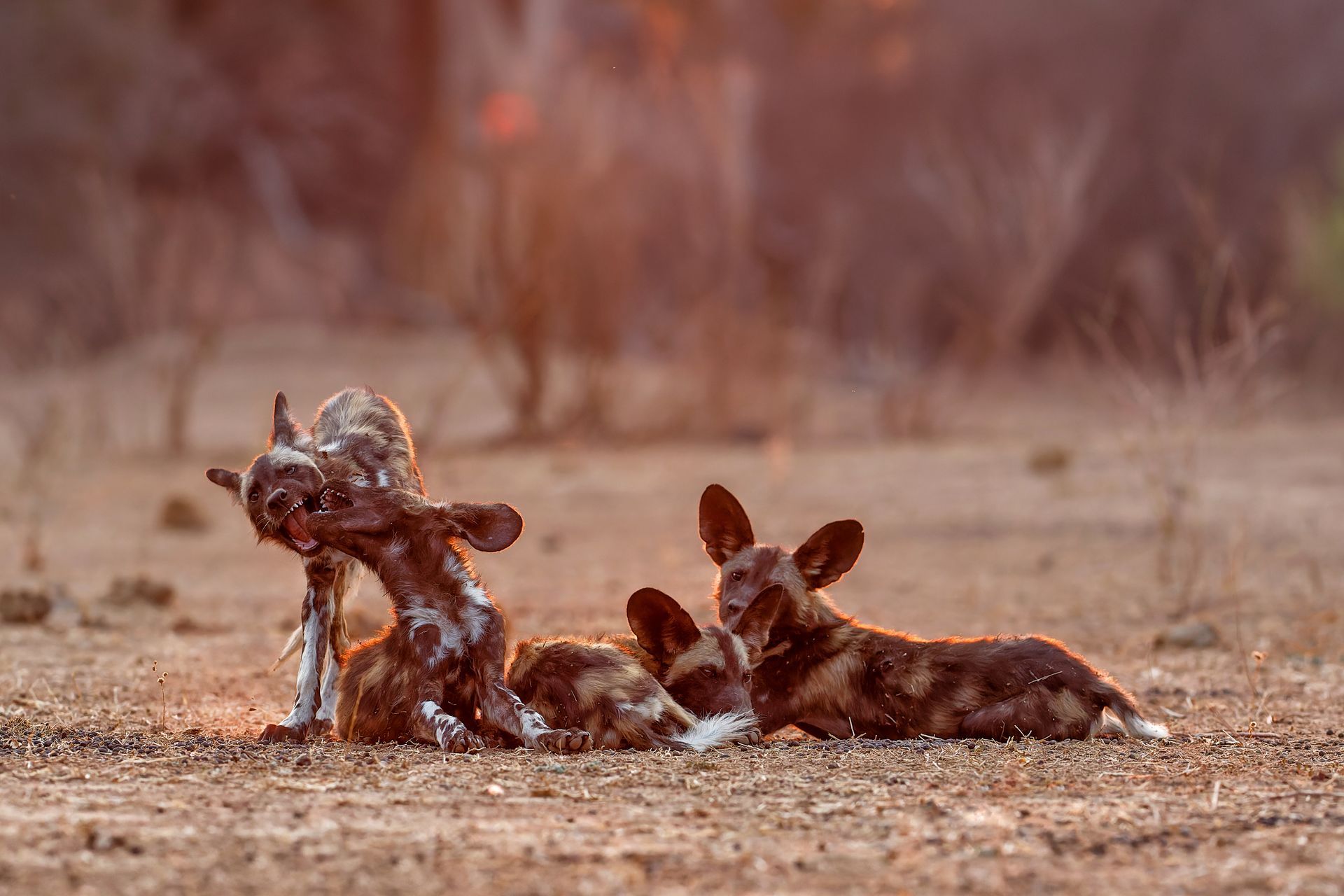
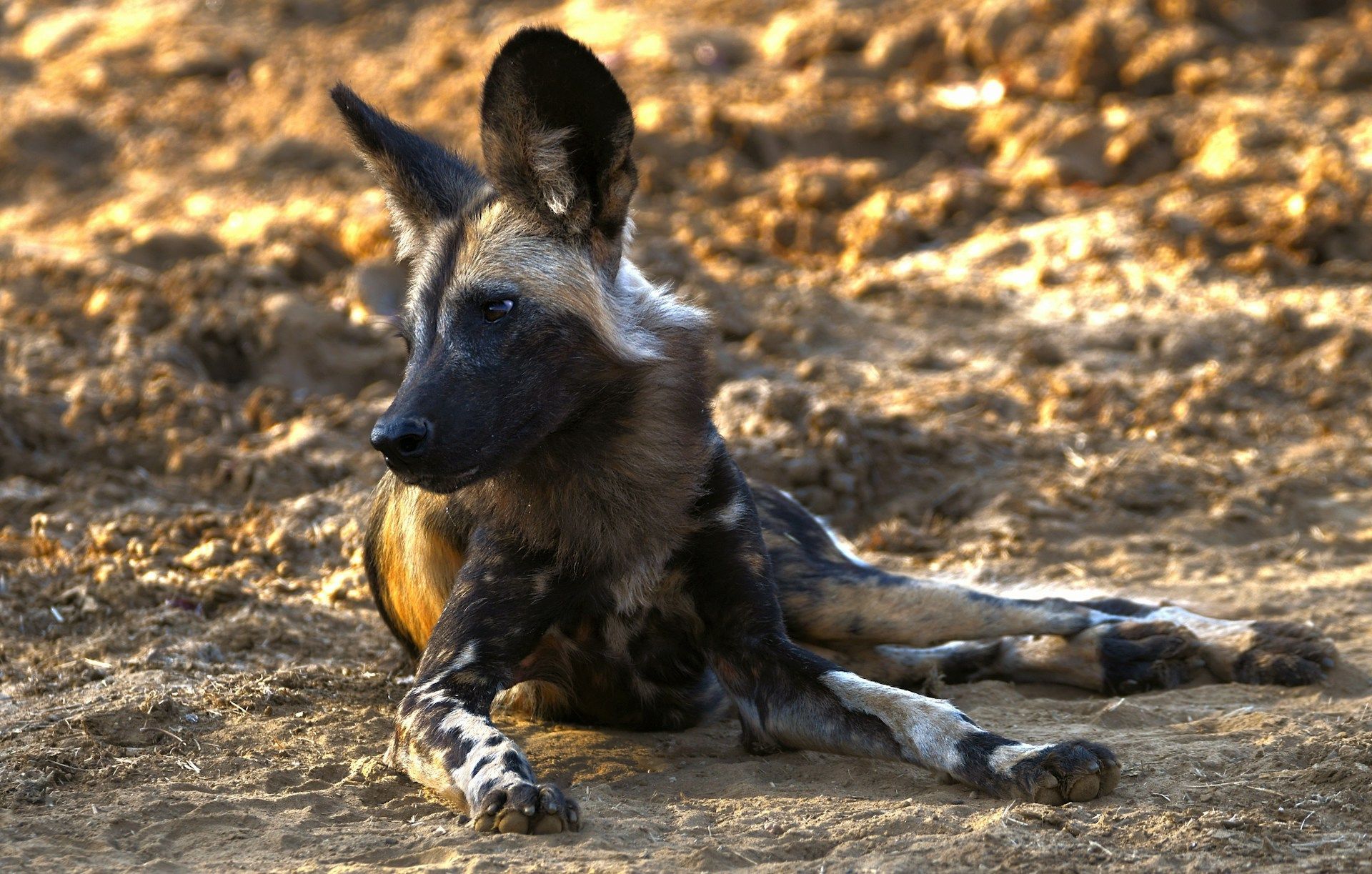
For guests travelling with Anderson & Harvey through the Serengeti, Ruaha and Selous (now part of Nyerere National Park) ecosystems, the chance to track and observe these rare predators is a highlight that offers both thrilling safari moments and important conservation insights.
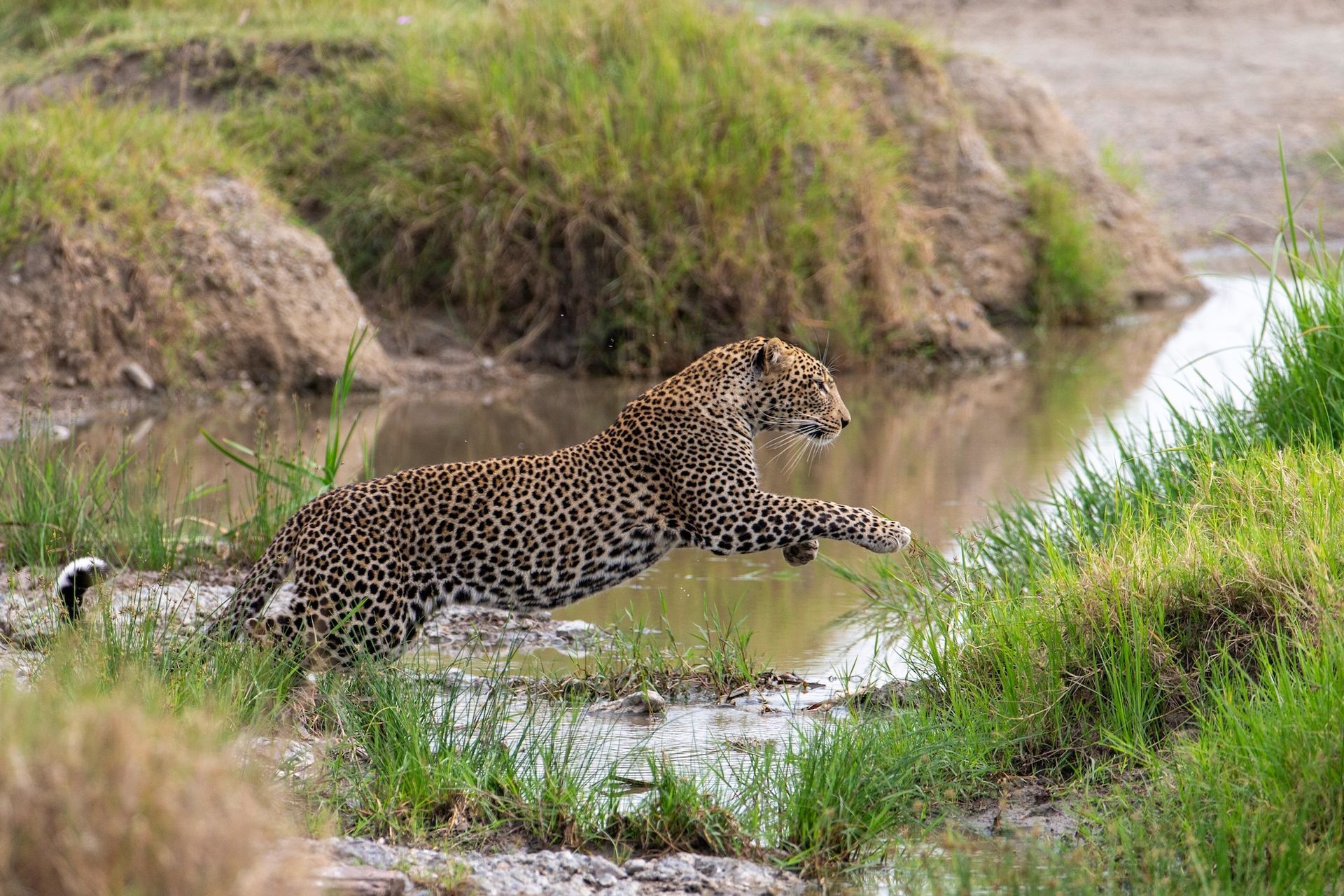
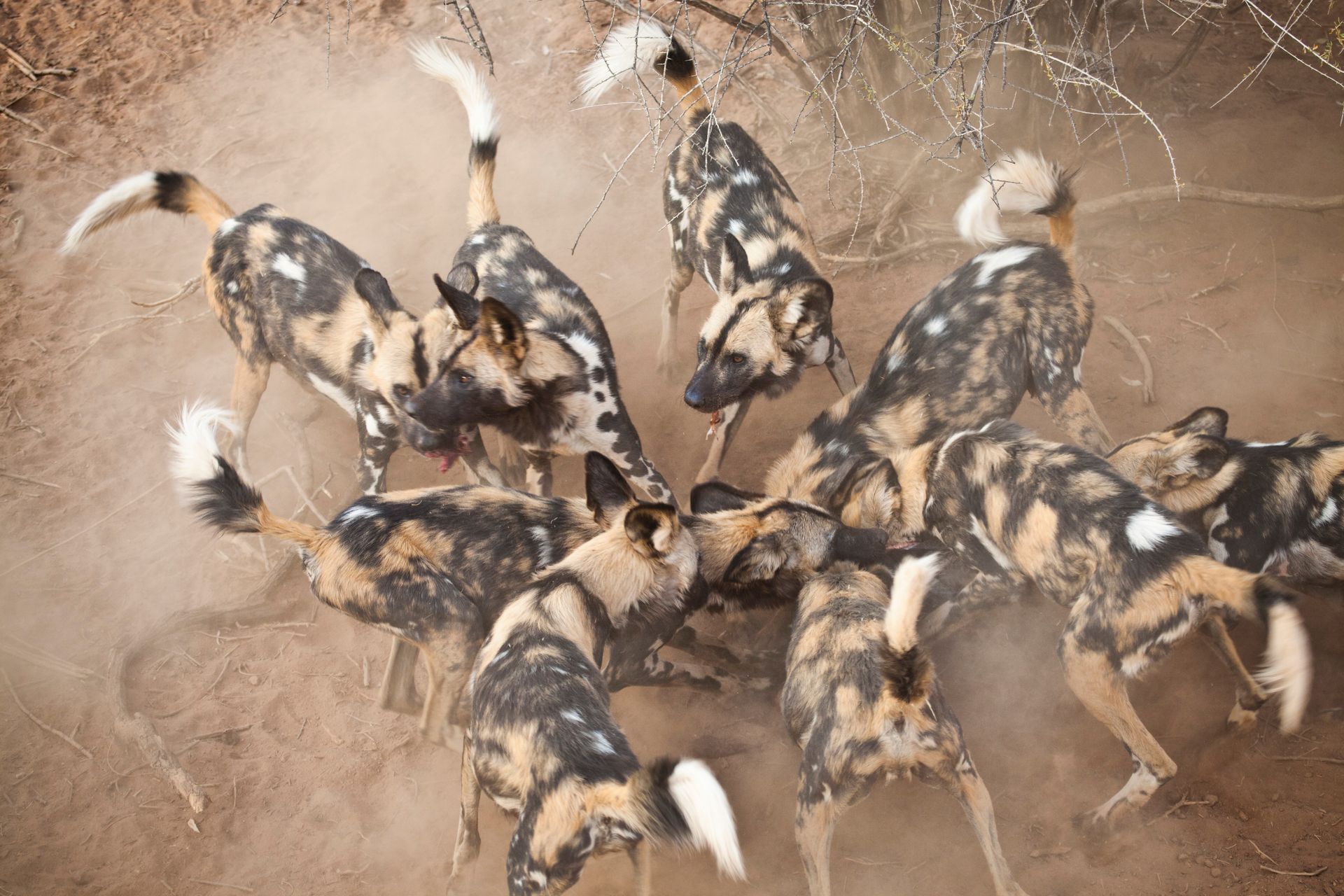
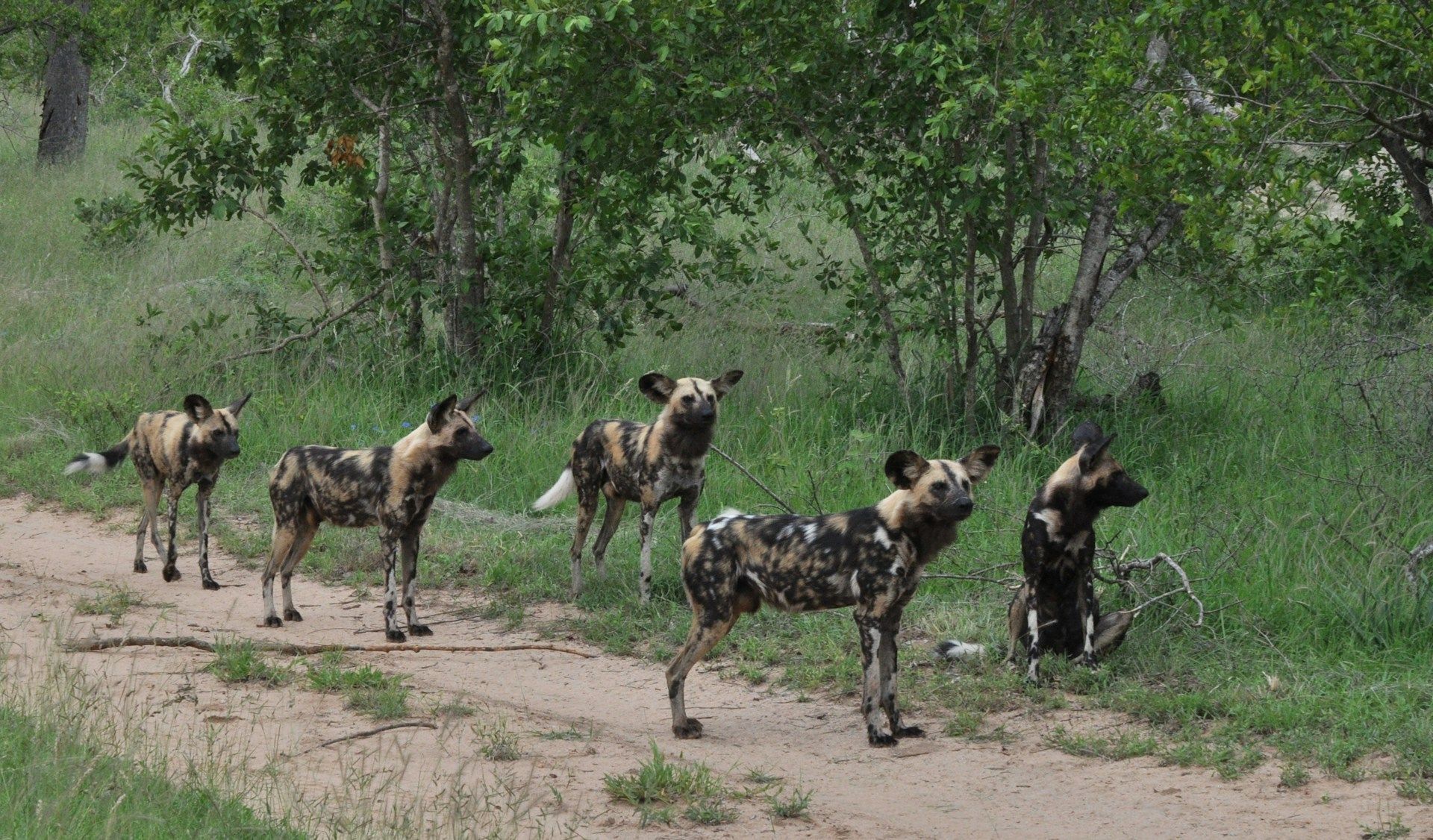
Painted wolves are among the most efficient hunters on the planet. Packs can consist of up to 20 or more animals, led by a dominant breeding pair. The cohesion and cooperation within the pack are remarkable. Unlike solitary predators such as leopards or ambush hunters like lions, painted wolves hunt in highly coordinated groups. They use remarkable teamwork and stamina to pursue prey relentlessly over long distances, reaching speeds up to 60km per hour. This endurance hunting strategy often exhausts their quarry, leading to a success rate estimated at 80% - far higher than other African predators.
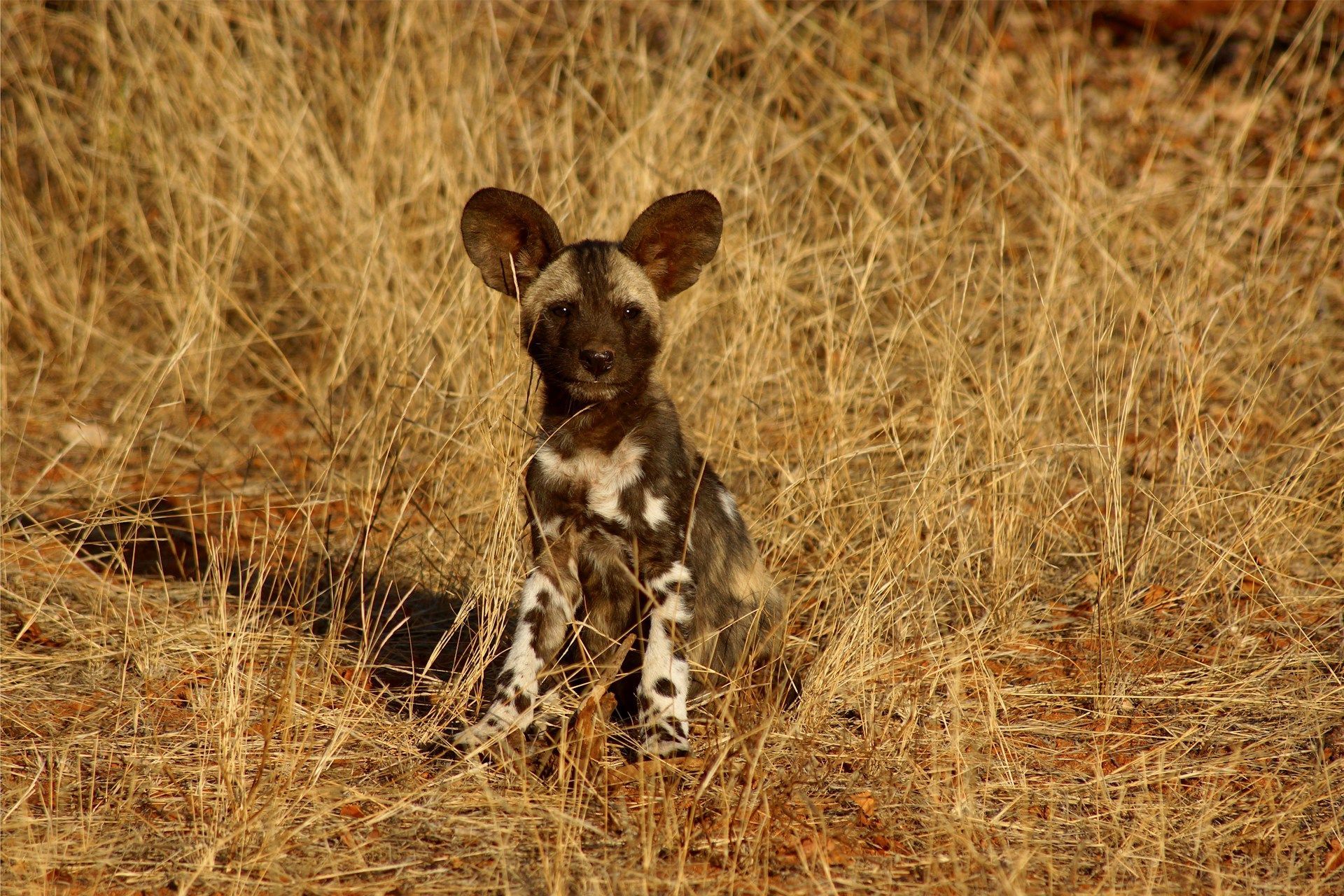
The pack’s social bonds are intricate and essential to their survival. Beyond the dominant pair, all members participate in raising the pups, sharing duties like guarding the den, regurgitating food, and teaching young wild dogs to hunt. This co-operative care enhances pup survival in a species that faces high risks from disease, predation and human conflict.
Wild dogs require vast territories to roam, often covering hundreds of square kilometres to find adequate prey. This need for large, connected landscapes means they are highly sensitive to habitat fragmentation caused by human settlement and infrastructure. Today, their range is fragmented and populations have shrunk drastically across Africa.
Tanzania remains a vital stronghold, with healthy populations in the Serengeti National Park, Ruaha National Park and Nyerere National Park, all areas frequently chosen by Anderson & Harvey for their exceptional wilderness values and commitment to conservation.
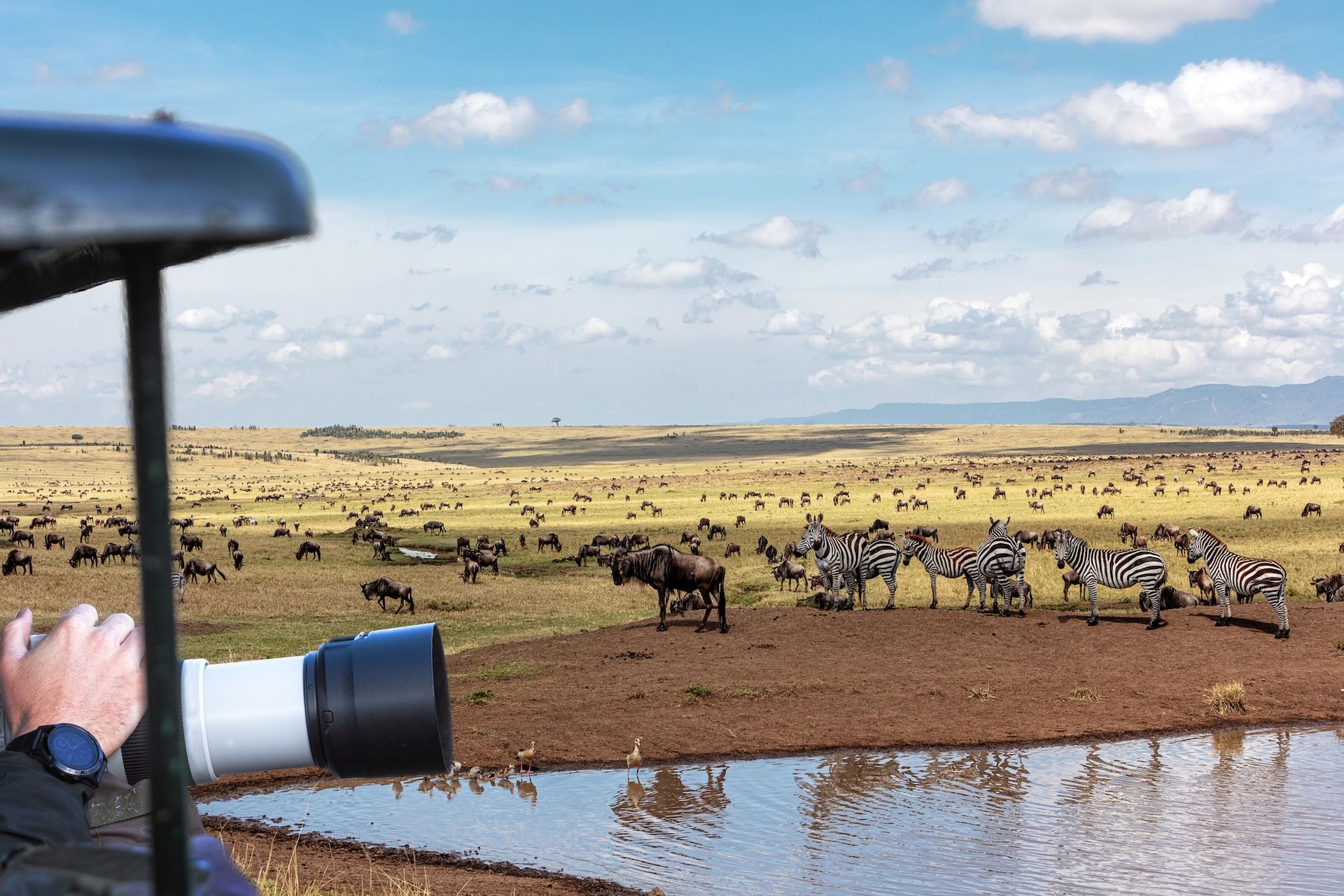
The Serengeti and its associated ecosystems of Tarangire and the Ngorongoro Conservation Area offer expansive open plains ideal for spotting painted wolves during their dynamic hunts. Ruaha, Tanzania’s largest national park, provides a rugged, less-visited habitat with diverse landscapes from riverine forests to acacia woodlands, supporting sizeable wild dog packs. Meanwhile, Nyerere National Park boasts vast savannah and miombo woodland, where wild dogs maintain stable populations alongside other large carnivores.
Despite their incredible adaptability and specialised hunting tactics, African wild dogs are classified as Endangered by the IUCN Red List. Their numbers have declined to an estimated 6,000 adults across the continent. The main threats include habitat loss and fragmentation, human-wildlife conflict (particularly persecution by livestock herders), and diseases such as rabies and canine distemper transmitted by domestic dogs.
Anderson & Harvey’s philosophy of responsible safari tourism embraces conservation education. Through carefully managed wildlife viewing, guests learn about the threats painted wolves face and how protecting their habitat benefits the broader ecosystem. This awareness encourages support for conservation initiatives that safeguard both wildlife and local communities.
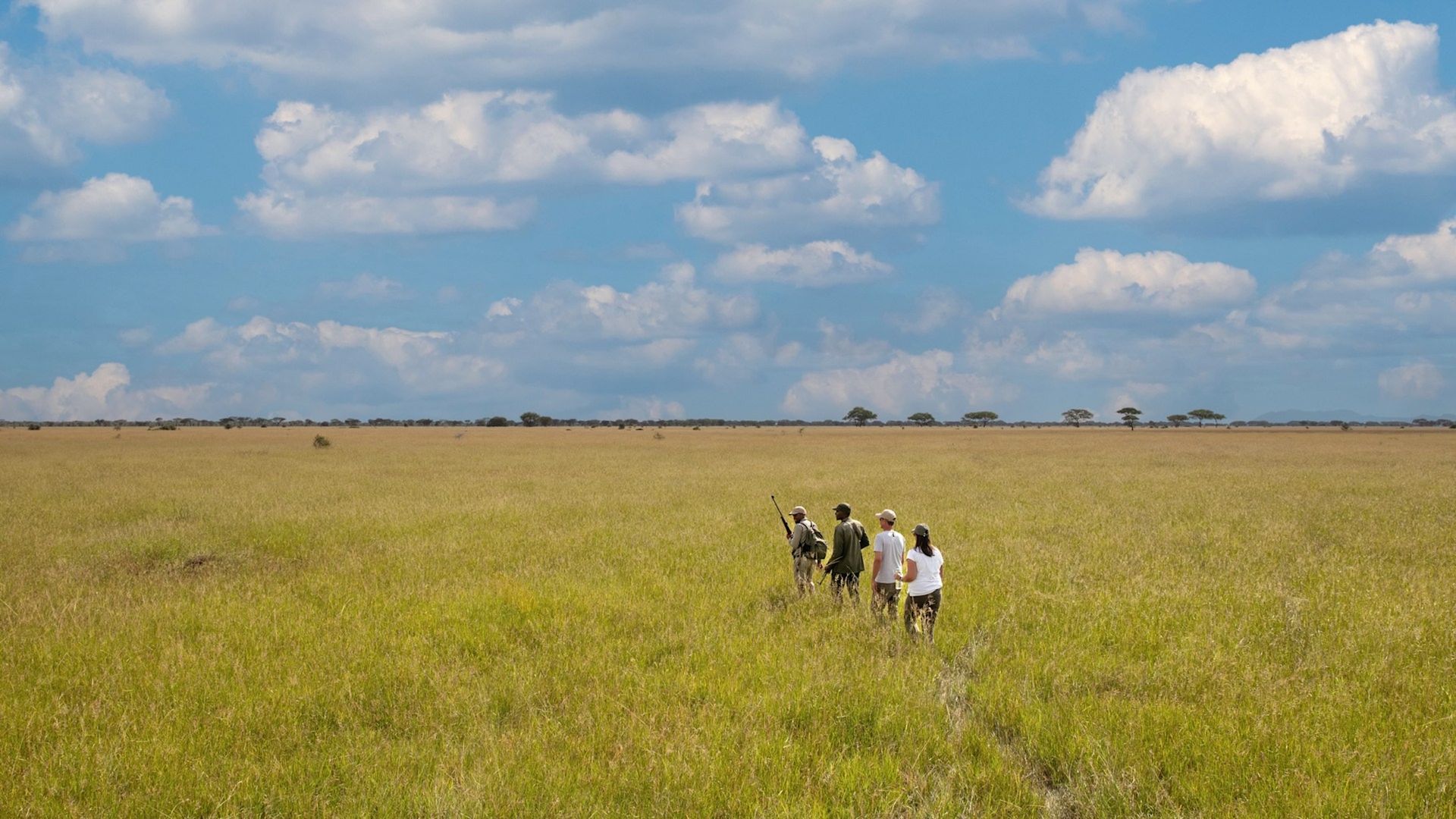
Sightings remain relatively rare and require skilled guiding. Packs move frequently within large home ranges, sometimes covering up to 30km a day. Tracking involves interpreting spoor (footprints and scat), listening for vocalisations, and understanding pack dynamics. Anderson & Harvey’s guides, with deep local knowledge and experience, maximise guests’ chances of encountering wild dogs while minimising disturbance.
Beyond the immediate spectacle, these encounters foster a connection to the fragile balance of predator-prey relationships. Painted wolves regulate herbivore populations, preventing overgrazing and maintaining healthy ecosystems. Their survival is a key indicator of wilderness health.
Painted wolves represent more than a single species as they are symbols of the complex challenges facing Africa’s predators and the landscapes they inhabit. Anderson & Harvey’s safaris encourage a holistic understanding of East Africa’s biodiversity, blending thrilling wildlife experiences with meaningful conservation narratives.
Guests leave with a deeper appreciation of the painted wolves’ resilience and the ongoing work to protect them. This knowledge enriches the safari experience, transforming it from passive observation into active engagement with Africa’s natural heritage.