Our guide to chimpanzee tracking in East Africa
Meet our closest living relatives in Uganda and Rwanda
You hear them before you see them. Somewhere in the canopy above, something is moving fast through the branches, and then the forest erupts: a chorus of whoops and screams and the deep, resonant drumming of fists on a tree trunk that carries half a kilometre through the undergrowth and stops every conversation dead. This is chimp tracking, the continent's most underrated primate experience...
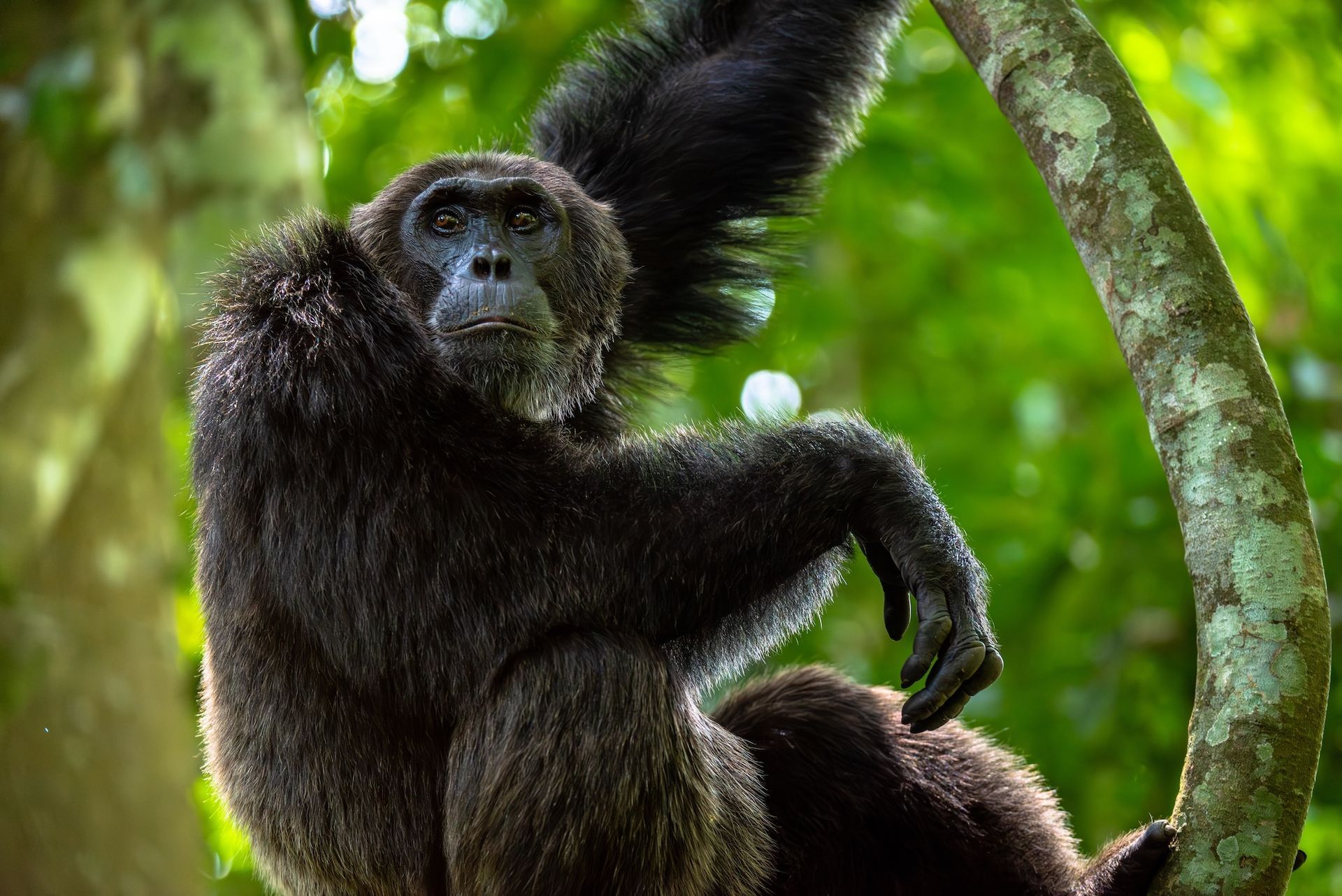
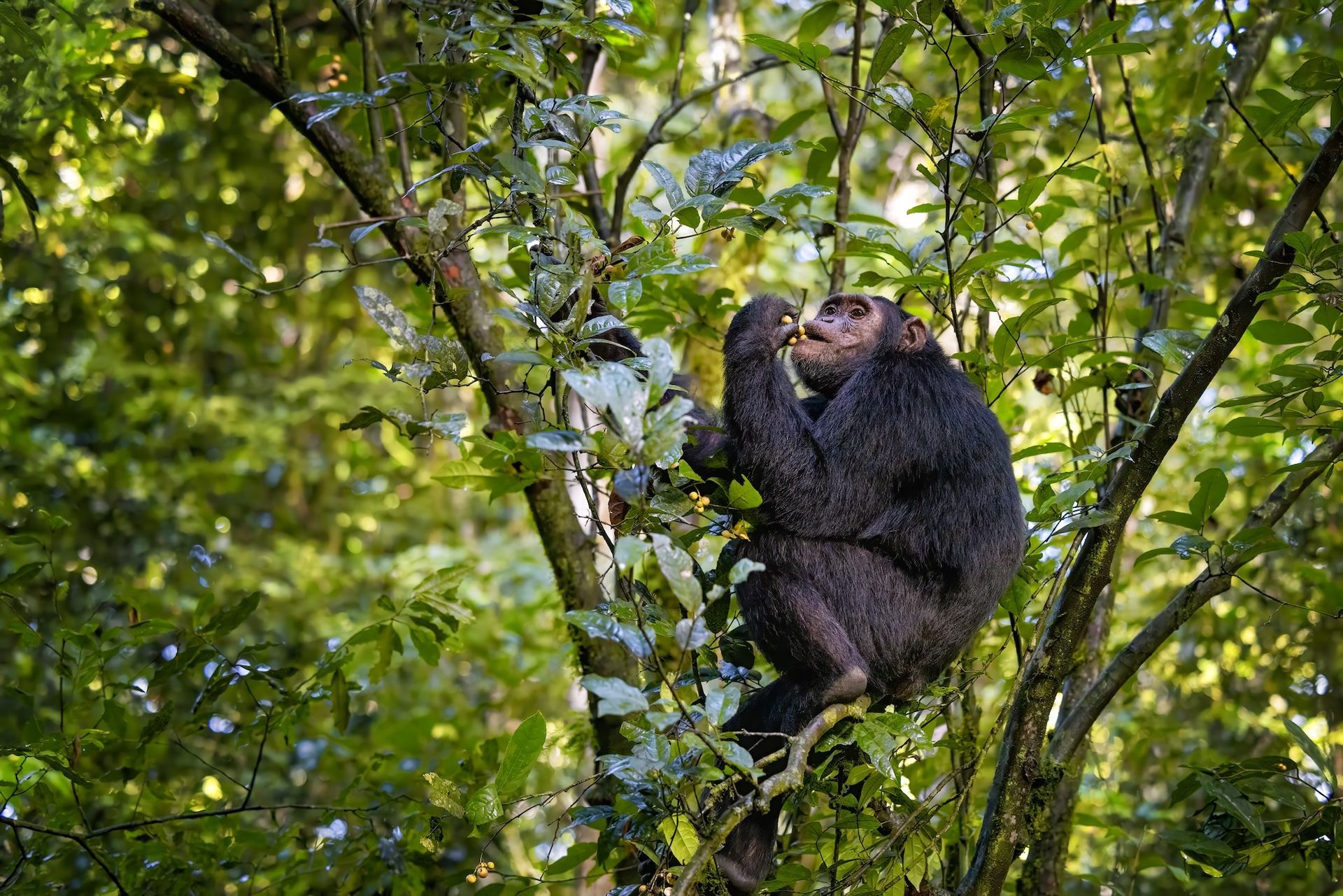
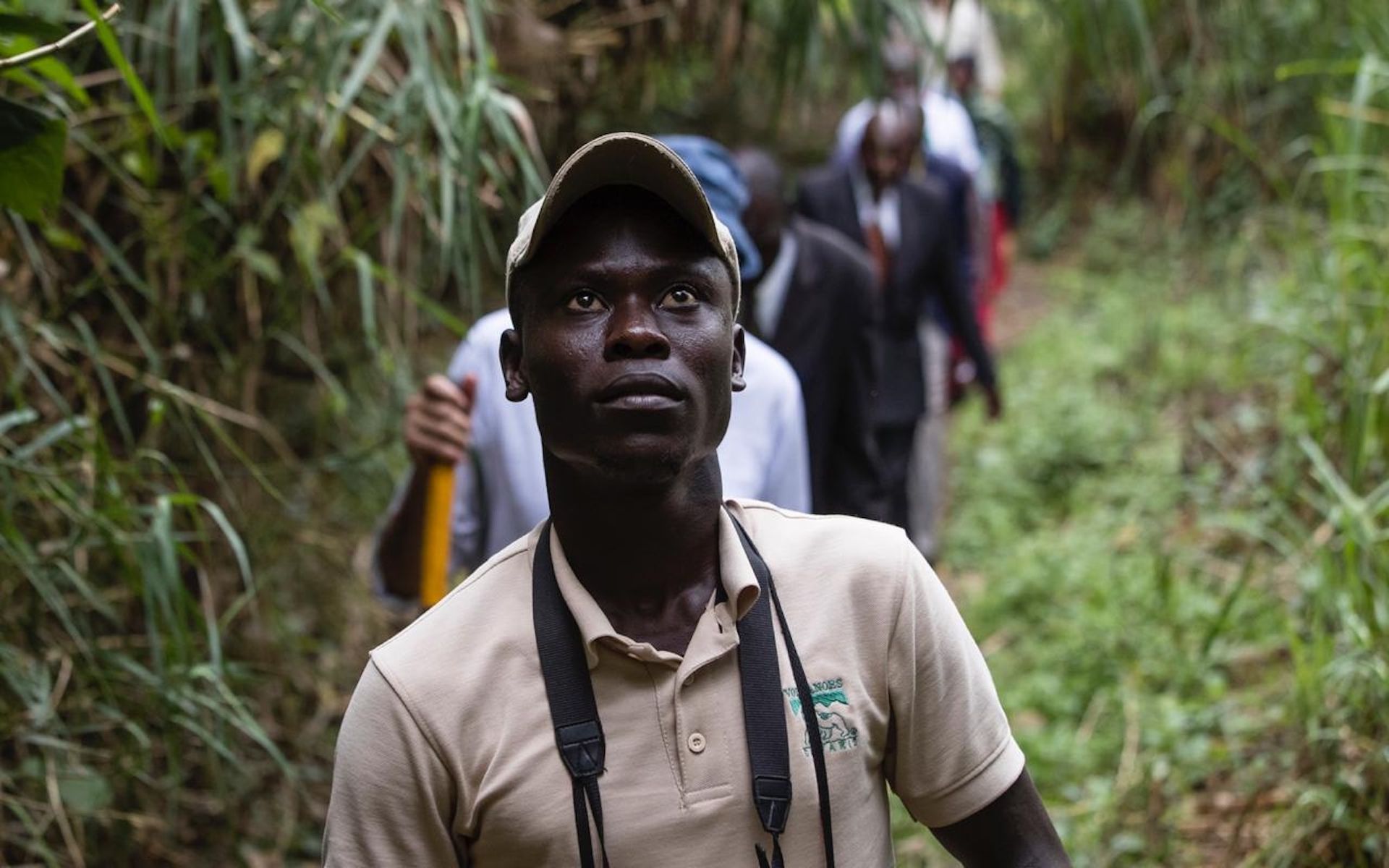
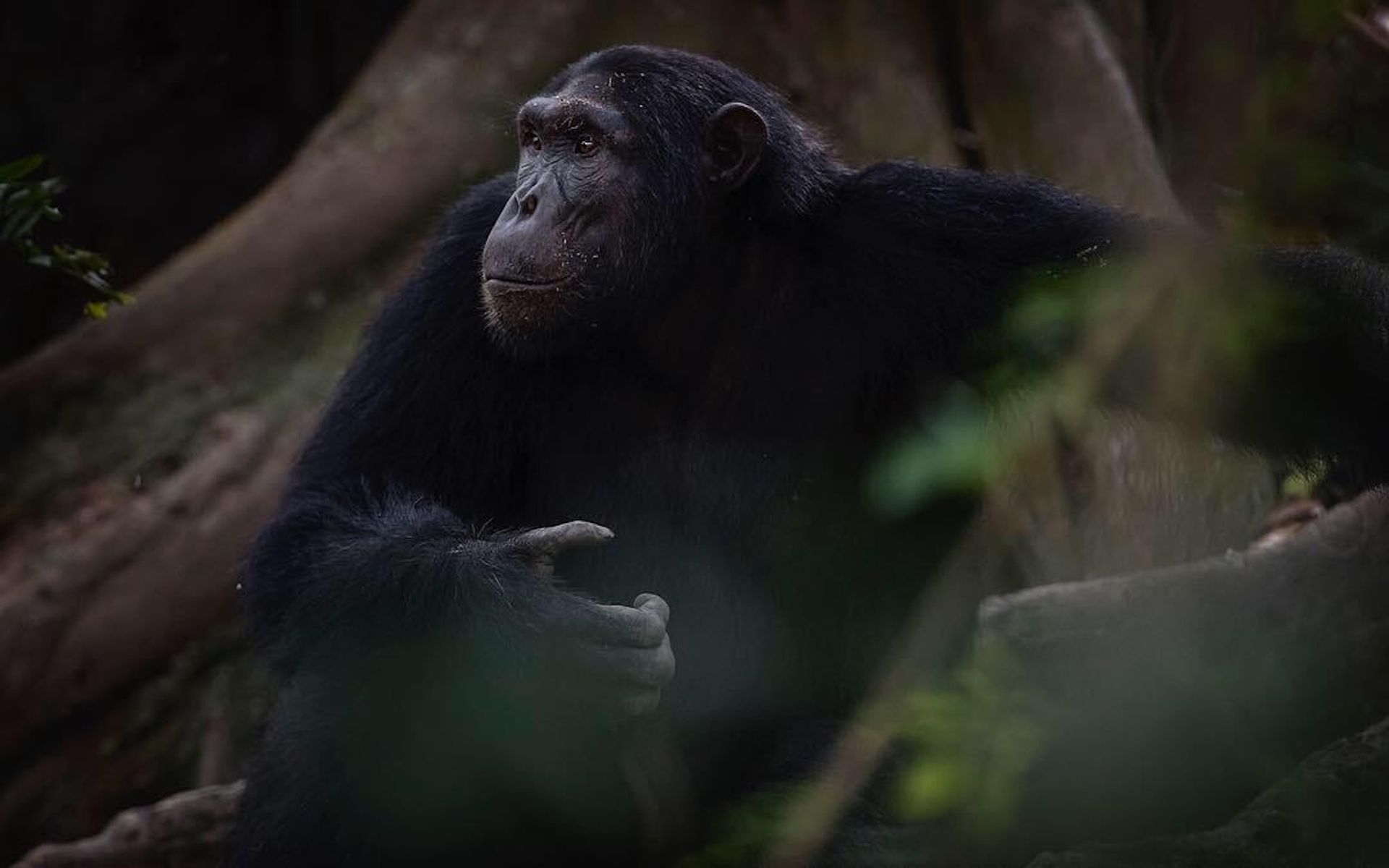
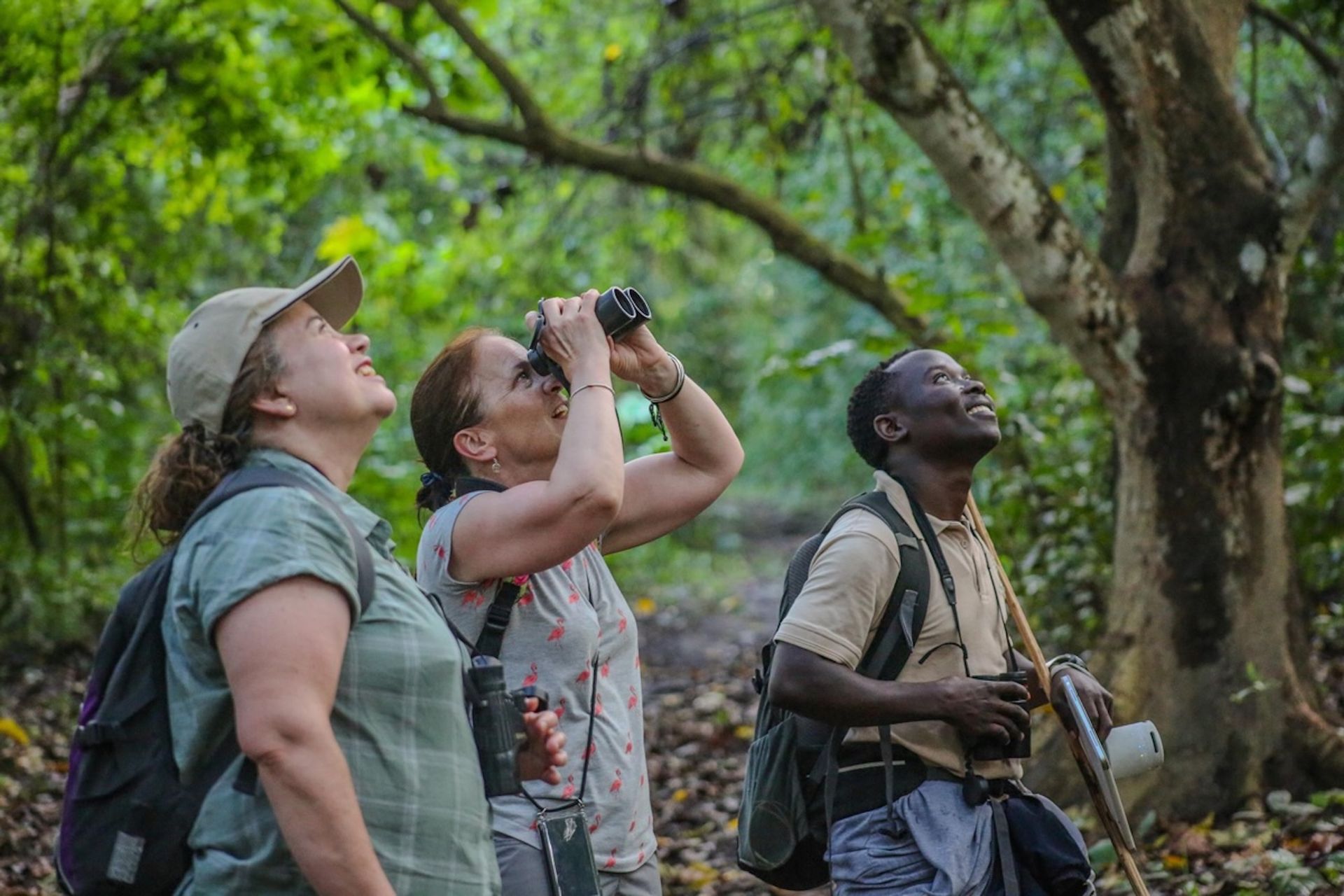
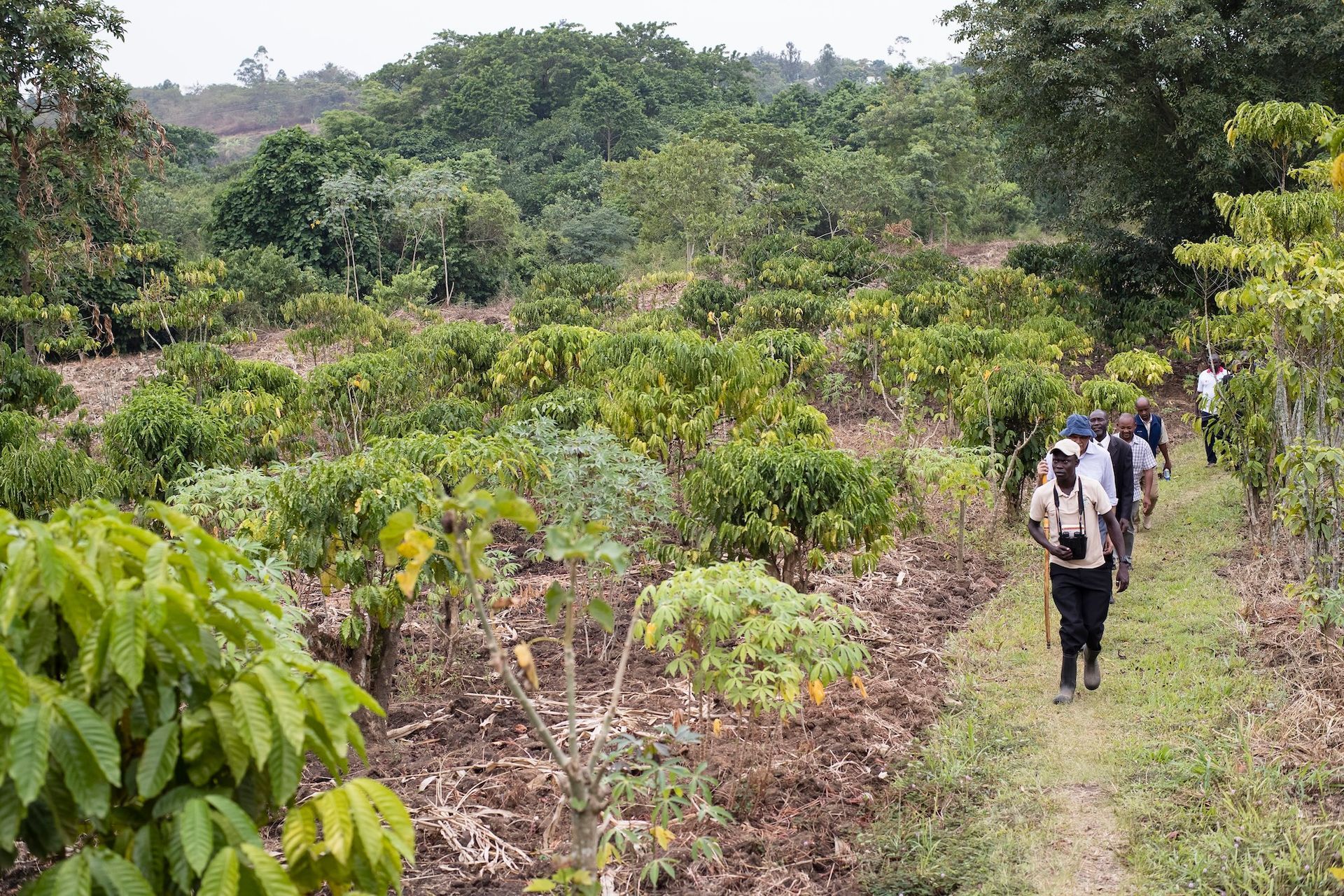
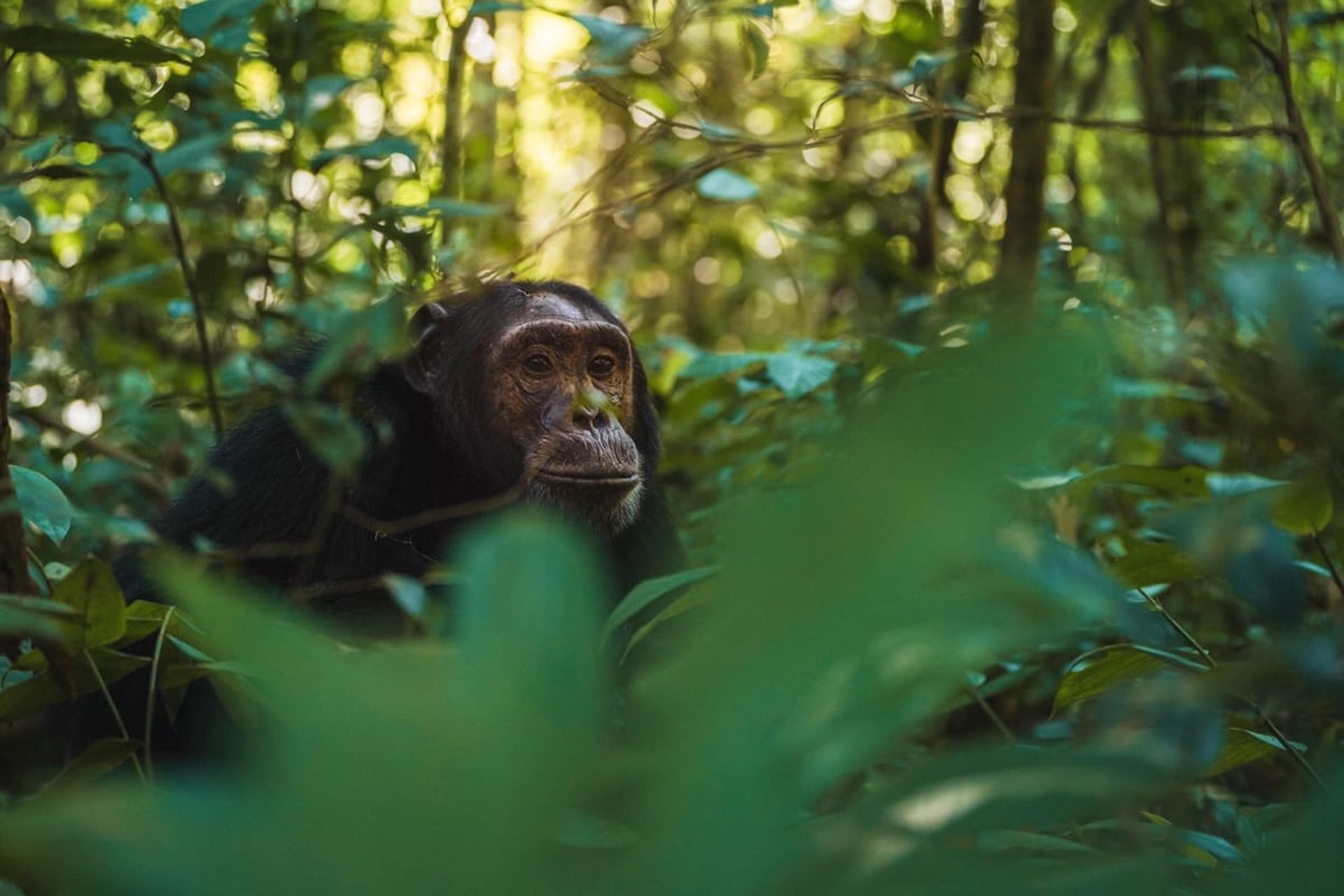
Your guide is already moving, picking a path through the vegetation towards the sound, and you follow, heart rate climbing, trying to keep up and watch where you're putting your feet at the same time, which turns out to be impossible. And then the canopy parts slightly and there they are, a few metres overhead and entirely unbothered by your arrival, going about their morning with the focused, argumentative energy of a species that shares 98.7% of its DNA with the breathless humans staring up at them from the forest floor.
For many operators, gorilla trekking is the headline act and chimps are an optional extension, a pleasant half-day added to a Rwanda or Uganda itinerary for clients with a spare morning. That framing does the experience a serious disservice. Gorilla tracking is profound, meditative and awe-inspiring. Chimpanzee tracking is something else entirely: louder, faster, funnier and in many ways more emotionally complex, because the familiarity is harder to process.
Gorillas are magnificent and remote but chimps are uncomfortably, recognisably like us, and spending an hour in their company tends to unsettle people in ways they find difficult to articulate afterwards.
Understanding the differences between East Africa's main chimpanzee tracking destinations is what allows us to match the right experience to the right client, and there are meaningful differences to understand.
Kibale: the benchmark
Uganda's Kibale National Park is the standard against which every other chimpanzee tracking destination is measured. It covers 795 square kilometres of tropical rainforest in western Uganda, contains around 1,500 chimpanzees across four habituated communities, and offers the highest sighting success rate of any chimp destination in East Africa, somewhere above 90% on most days.
The Kanyanchu community, the most visited, is thoroughly accustomed to human presence and carries on its social life with magnificent indifference to the small groups of visitors observing from the required minimum 8m distance.
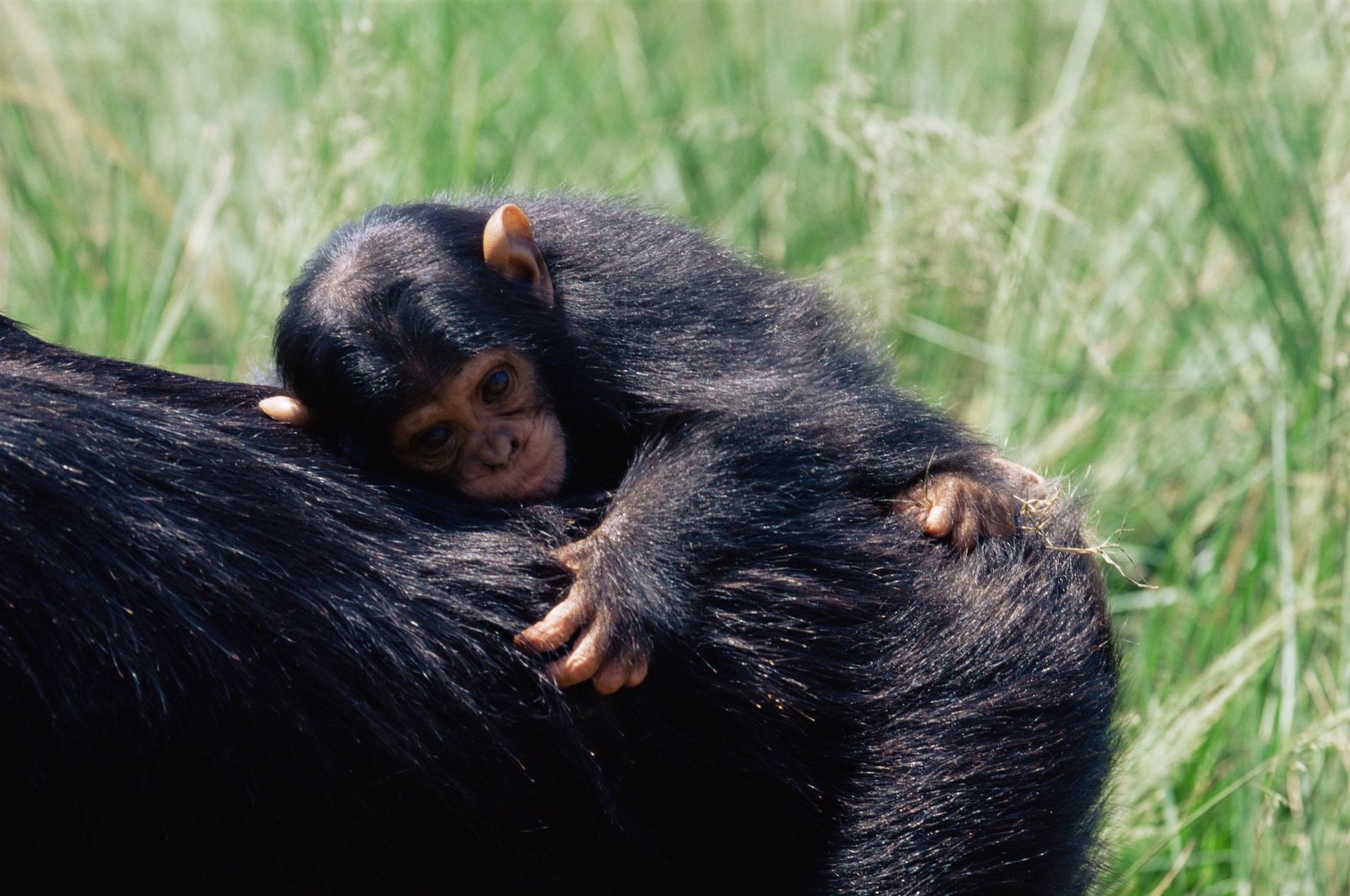
What happens in that hour with the chimps is different every time, and that unpredictability is part of the point. An alpha male might launch a dominance display that shakes the trees and sends junior males scattering into the undergrowth. A mother might descend to the forest floor with an infant clinging to her back, passing close enough for guests to see the texture of the infant's grip and the way the mother adjusts her movement to compensate for the extra weight. Two juveniles will almost certainly be wrestling somewhere, with the slapstick abandon of animals playing purely for the pleasure of it. The sounds alone, the pant-hoots and screams and the percussion of knuckles on buttressed roots, are an experience in their own right.
Kibale also offers something no other East African destination currently matches: the Chimpanzee Habituation Experience. This full-day immersion follows a community still in the multi-year process of becoming accustomed to human presence, which means guests accompany researchers and trackers from the moment the chimps descend from their sleeping nests at dawn until they build new nests at dusk.
The experience is physically demanding and emotionally absorbing in equal measure, and it produces a quality of observation simply not available on a standard one-hour track. For clients with a genuine interest in primate behaviour, or photographers wanting extended time and varied light, it's the single best chimpanzee experience available anywhere in East Africa.
Kyambura: the unexpected alternative
Two hours south of Kibale, within Queen Elizabeth National Park, the Kyambura Gorge is where travel professionals should be sending clients who want something more raw and dramatically staged. The gorge is a sheer-walled, 100m deep rift in the earth, densely forested at its floor and completely surrounded by open savannah at its rim, so that descending into it feels like stepping through a door into a different world.
A community of around 30 chimpanzees has lived here in effective isolation from other chimp populations for long enough that their gene pool and behaviour reflect that separation in ways researchers find genuinely interesting.
The trade-off is sighting consistency. With a small, semi-habituated community in complex terrain, Kyambura cannot offer the near-certainty of Kibale, and travel professionals should set expectations accordingly. Clients who understand and accept that should go. Clients who need a guaranteed encounter should not. For the right guest, the combination of Queen Elizabeth's savannah game drives, a boat trip on the Kazinga Channel and an afternoon descent into the gorge makes for one of the most varied single-day wildlife programmes in Uganda, and the gorge itself is worth the visit even on a quiet day.
Nyungwe: Rwanda's primate forest
Rwanda's Nyungwe Forest National Park brings a different set of variables to the conversation. It's an ancient montane rainforest covering more than 1,000 square kilometres in the country's southwest, home to around 500 chimpanzees across multiple communities, two of which are habituated for tourism. It also holds 12 other primate species moving through the canopy regularly.
The practical considerations are worth communicating clearly to clients. Nyungwe is steep, the vegetation is dense, and the chimpanzees range widely enough to make tracking times unpredictable, sometimes two hours, sometimes six. Sighting rates are lower than Kibale, and the experience asks more of participants physically than either of the Ugandan options.
The reward, when it comes, is proportional: finding chimpanzees deep in a mist-wrapped ancient forest on a ridge above the Congo-Nile Divide is an encounter with a particular dramatic weight that the more accessible Ugandan experiences don't quite replicate.
The stronger case for Nyungwe, from an itinerary perspective, is how naturally it fits onto a Rwanda programme that already includes gorilla trekking in Volcanoes National Park. Two of Africa's great primate encounters within a single country, bookended by the cultural and culinary pleasures of Kigali, is a compelling sell for the growing number of clients who want a focused, high-quality East African experience without the logistical complexity of a multi-country itinerary.
Matching the experience to the client
The practical question is which destination serves which guest. Clients for whom a sighting is non-negotiable, who are moderately fit and want the full social spectacle of a large habituated community, belong in Kibale on a standard morning track. Clients who want the deepest possible immersion, who are fit, patient and genuinely curious about primate research, belong in Kibale on the habituation experience.
Clients combining Uganda's primate forests with savannah game viewing in Queen Elizabeth belong in Kyambura, with expectations managed accordingly. Clients building a Rwanda-focused primate itinerary belong in Nyungwe, ideally with enough time in the forest to absorb it properly.
What all of them share is the moment that defines the experience regardless of destination: the point at which a chimpanzee turns from whatever it was doing, fixes you with a direct, appraising gaze, and holds it long enough to make you acutely aware of the 1.3% of DNA that separates you. It's a small gap, as it turns out. Standing in a forest in Uganda or Rwanda, you feel it very clearly.
Talk to the Anderson & Harvey team about incorporating chimpanzee tracking into your East African itineraries, as a standalone experience or as part of a broader primate journey combining chimps, gorillas and the wildlife of the northern circuit.