The art of pacing
Why fewer camps make for a better safari
Slowing down is the best decision your clients will never know you made for them. Why? Because there's a particular kind of exhaustion that safari veterans recognise immediately and first-time travellers rarely anticipate. It arrives somewhere around day five of a seven-camp itinerary, usually during the third transfer of the week, when the bags are being loaded onto yet another light aircraft and the landscape outside the window, spectacular as it is, has begun to blur into a general impression of Africa rather than the vivid, specific, deeply felt experience that everyone came for. The wildlife has been extraordinary. The camps have been beautiful. And yet something essential has been lost somewhere between the packing and the unpacking and the packing again...

It's the thing that nobody puts in a brochure, and it's the thing that makes the difference between a safari that guests enjoy and a safari that genuinely changes them.
The instinct to see everything is entirely understandable. East Africa is vast and varied and full of extraordinary places, and the awareness that it's a long way to come for just a few of them is a powerful force in itinerary planning. But the mathematics of more camps and more destinations rarely adds up the way it promises to, and the guests who come home most transformed by their safari are almost invariably the ones who went deeper rather than wider.
What depth actually feels like
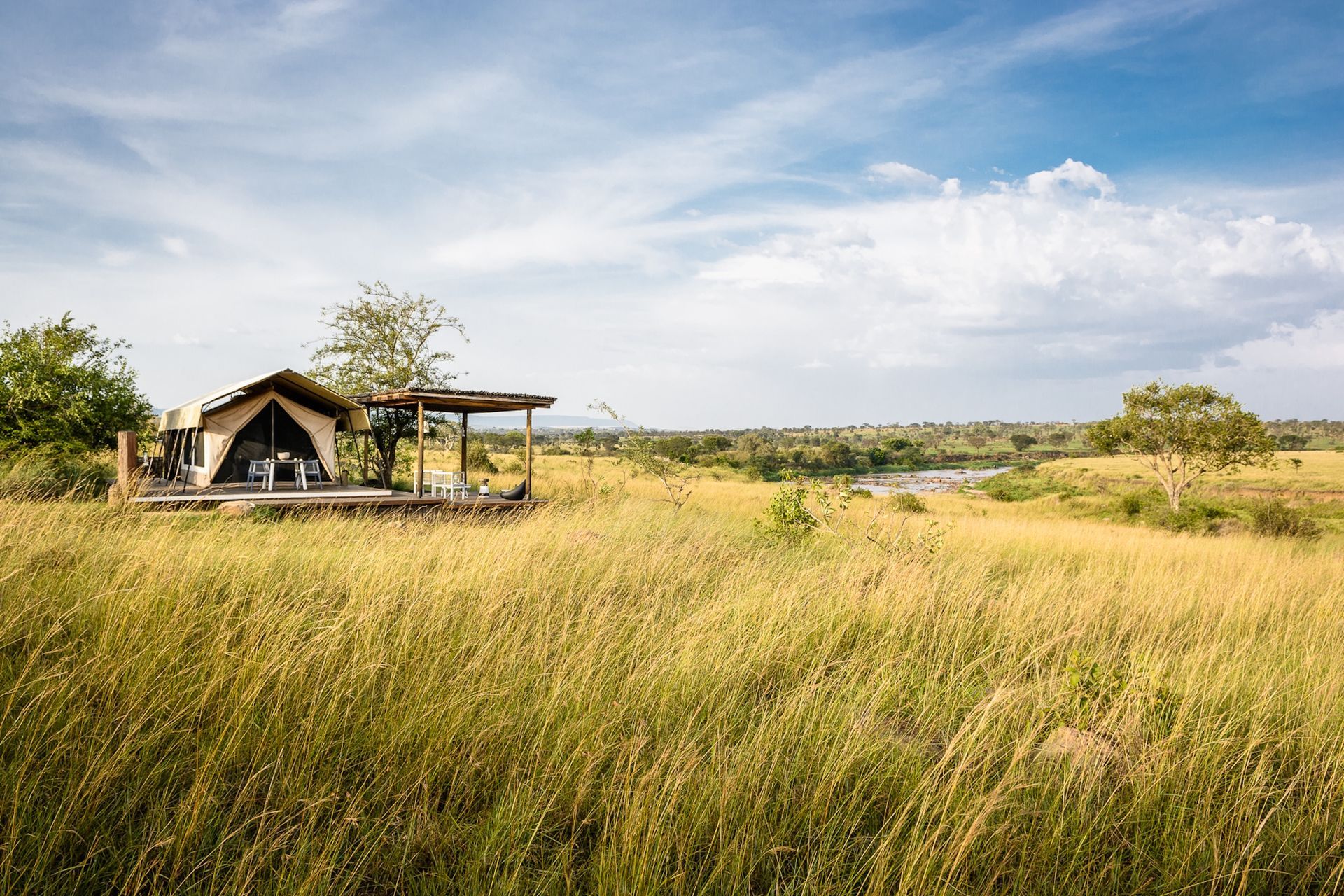
A camp that a guest has had three nights to settle into feels entirely different from one they've arrived at for a single night. By the second morning, the guide knows how they like their coffee, which animals they're most excited by and whether they prefer to sit in silence or ask questions on a game drive. The guest, for their part, has begun to read the landscape with their own eyes rather than simply following the guide's direction. They've started to notice things, the way the light falls differently at different times of day, the particular behaviour of a pride they've now seen three times, the sound of the bush at night becoming familiar rather than foreign.
This is what depth feels like, and it can't be rushed or replicated by adding another camp to the itinerary.
The transfer tax
Every transfer between camps carries a cost that rarely appears on a spreadsheet. There's the time, of course, the hours in a vehicle or on a light aircraft that are hours not spent in the wilderness. But the less visible cost is the emotional one. Arriving somewhere new requires a period of adjustment, a recalibration of the senses to a different landscape, a different rhythm, a different set of sounds and smells and distances. That process takes time, and in a single-night stay it barely has time to begin before the bags are out again.
Three nights in one place, by contrast, allows the adjustment to complete itself fully and then delivers something beyond it, a quality of settledness and ease that makes the whole safari experience richer and more immersive. Guests stop feeling like visitors passing through and start feeling like they belong somewhere, which is one of the most quietly powerful things a good safari can deliver.
The itinerary that breathes
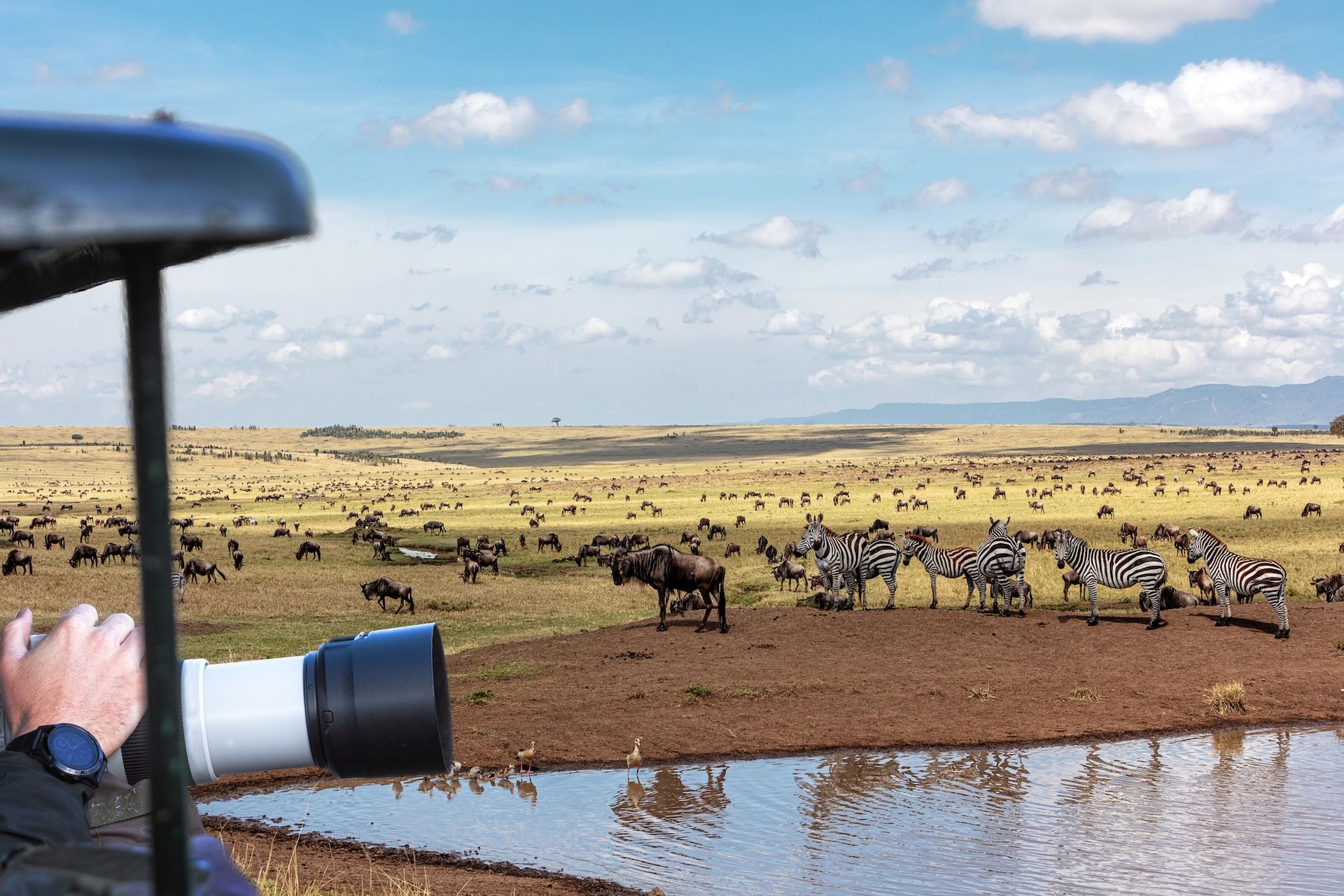
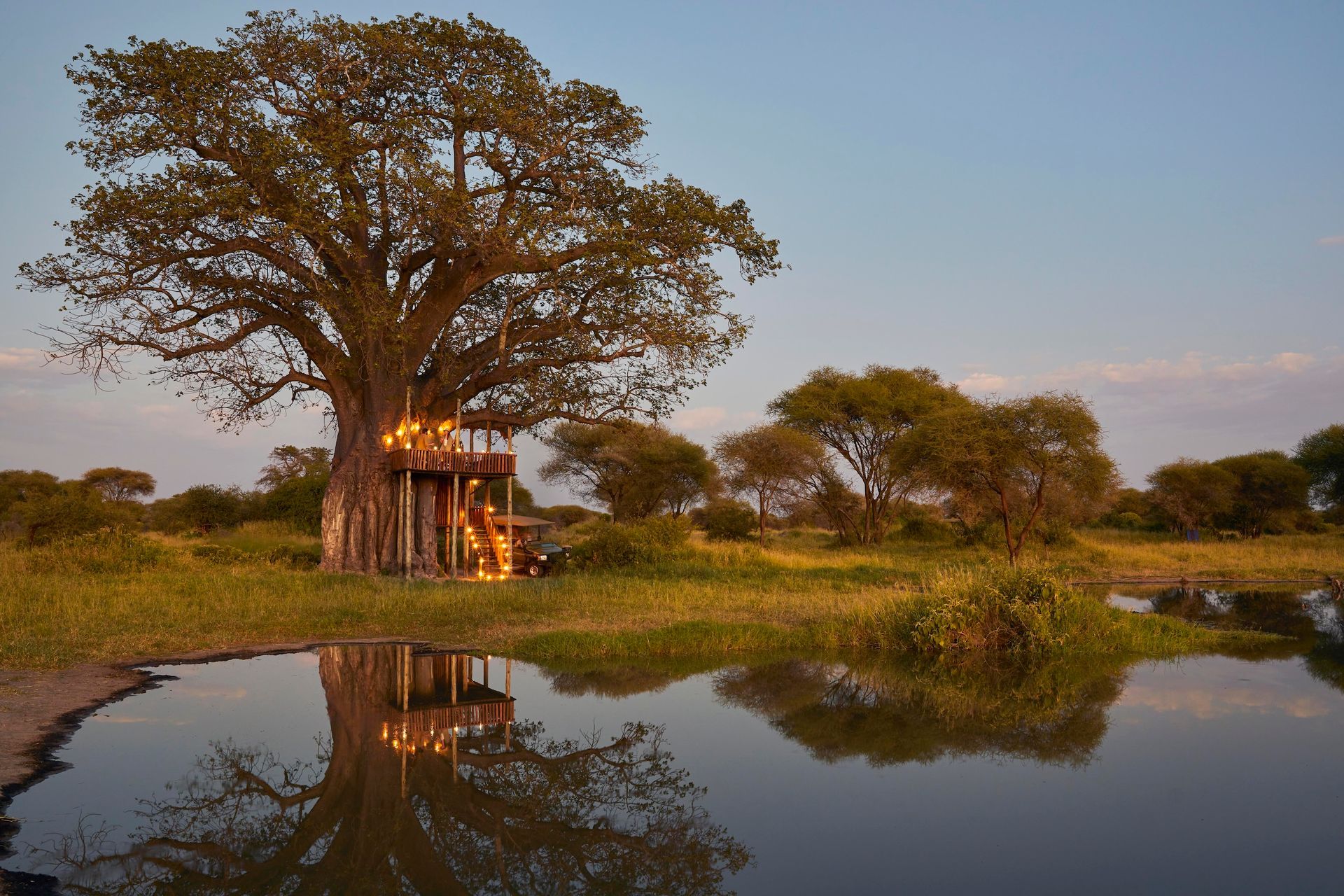
None of this means that variety has no place in a well-crafted safari. The contrast between Tarangire's ancient baobab landscape and the open plains of the central Serengeti is a genuine and valuable part of the northern circuit experience, and moving between them gives guests a sense of the ecosystem's extraordinary range. Two or three thoughtfully chosen camps, each given enough time to reveal itself properly, will always deliver more than five or six camps visited in passing.
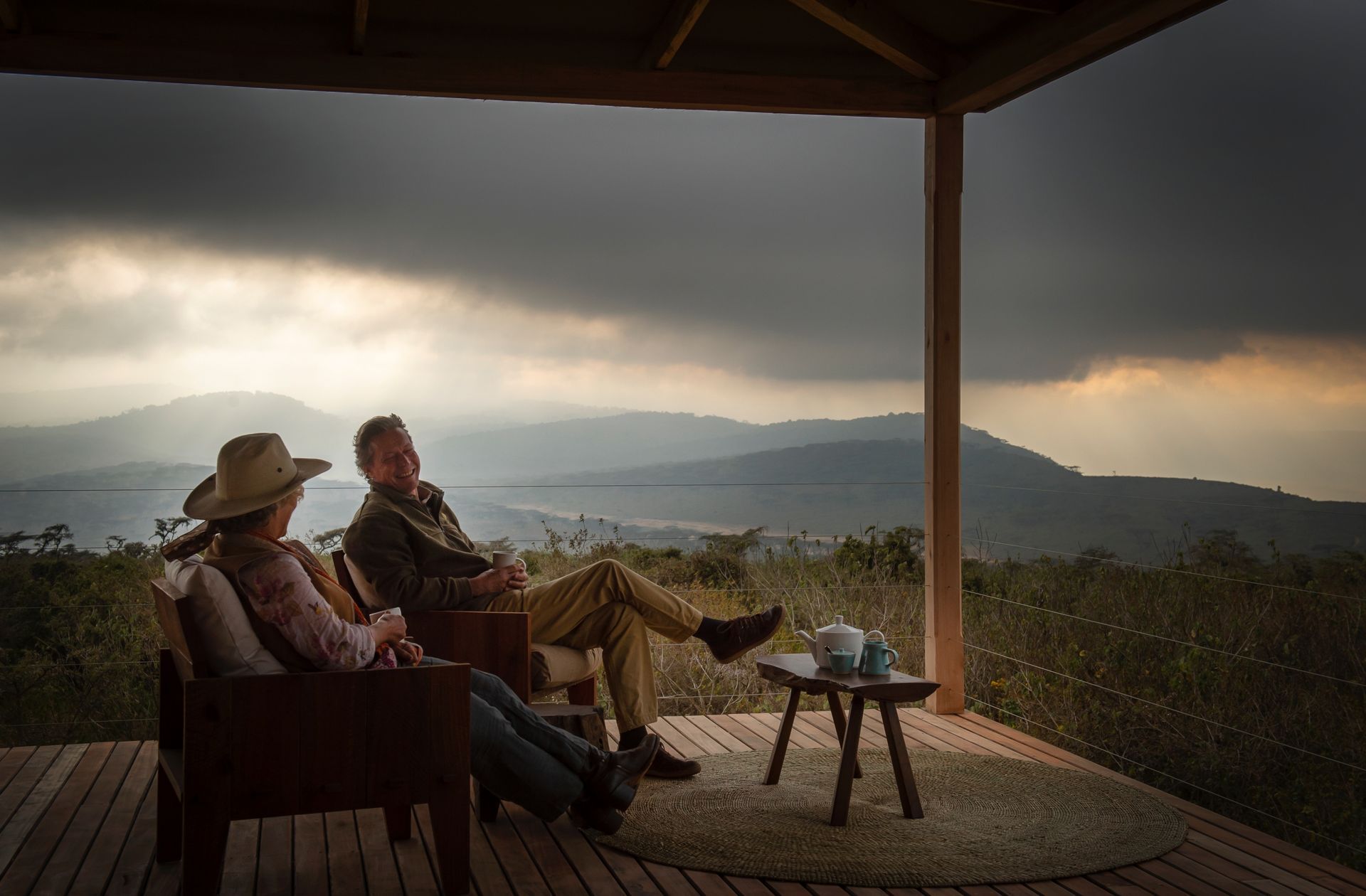
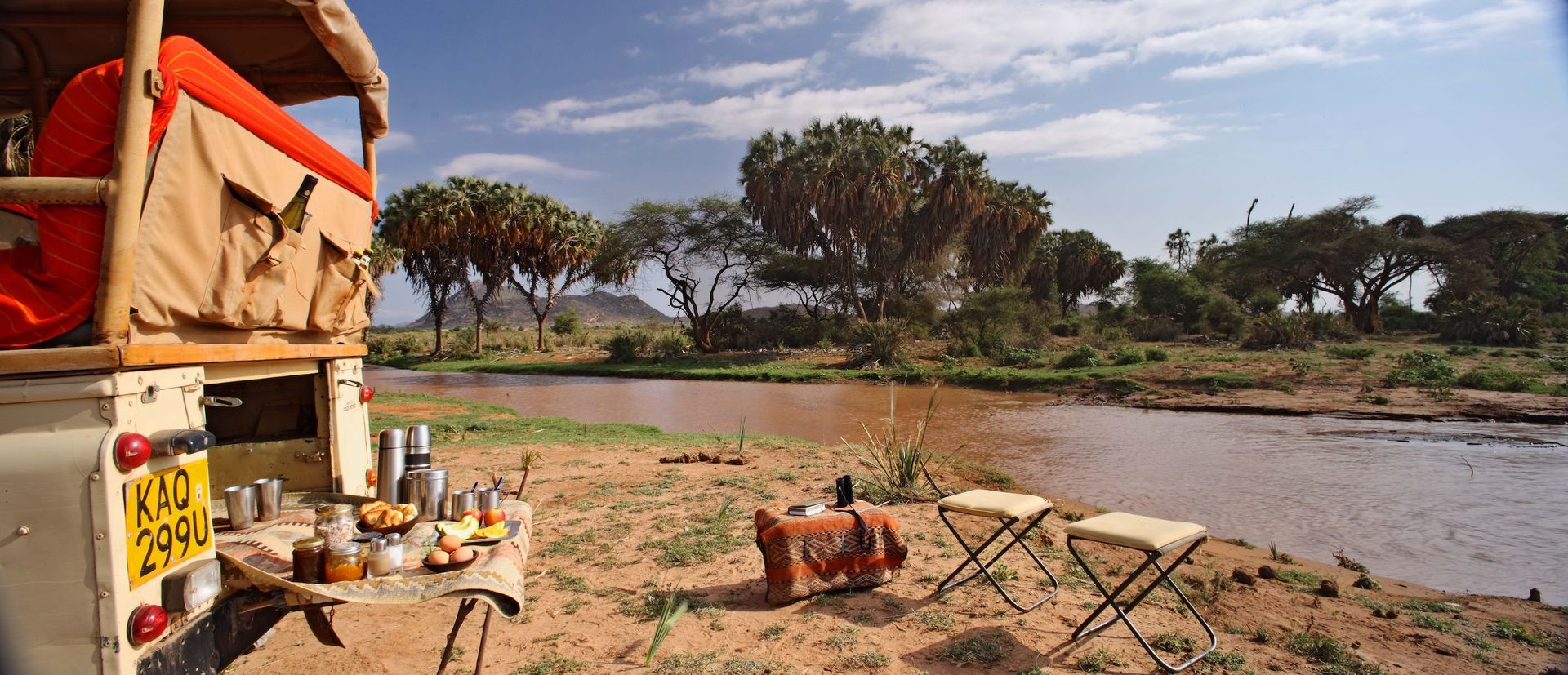
The itinerary that breathes, that has space built into it for a morning with no fixed agenda, for a long lunch back at camp while the heat builds, for a second visit to a sighting that deserved more time than it got, is the itinerary that guests remember with the most warmth and the most detail. Unplanned moments, by their nature, can only happen when there's space for them, and space is exactly what a slower, more considered safari creates.
The return guest
There's a telling pattern among guests who come back to East Africa for a second or third time. Almost without exception, they ask for fewer camps and more time in each one. The first safari is about discovery, the urgent, wide-eyed accumulation of extraordinary experiences. The second is about something different entirely, about returning to places that left an impression and giving them the time they deserved. The guests who come back are the ones who felt, somewhere on their first trip, that they'd only just scratched the surface of something remarkable.
That feeling, it turns out, is best created by going slowly enough to feel the depth of a place rather than its surface. It's the gift that a well-paced itinerary gives every guest, whether they know it or not.
Talk to the Anderson & Harvey team about crafting a safari itinerary that gives your clients the time and space to be genuinely moved by East Africa.