On the trail of the leopard
Our guide to the best places to (possibly) spot East Africa's most elusive big cat
Of all the animals that define an East African safari, the leopard is the one that most consistently refuses to cooperate. Lions sleep in full view on termite mounds and pride themselves, quite literally, on being seen. Elephants are hard to miss. Even the cheetah, built for speed rather than concealment, tends to sit on a conspicuous vantage point surveying the plains with an air of calm availability. The leopard does none of this...
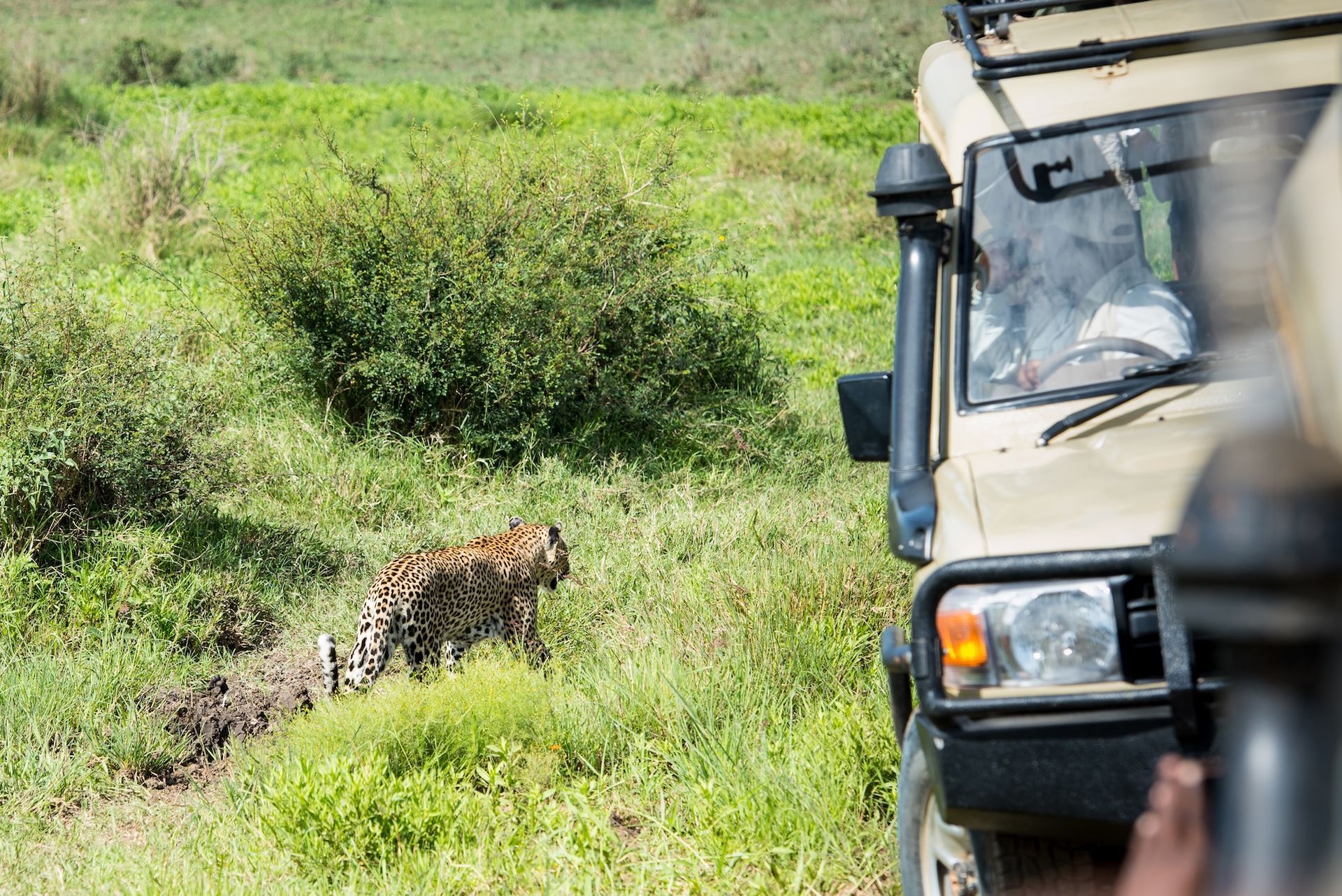
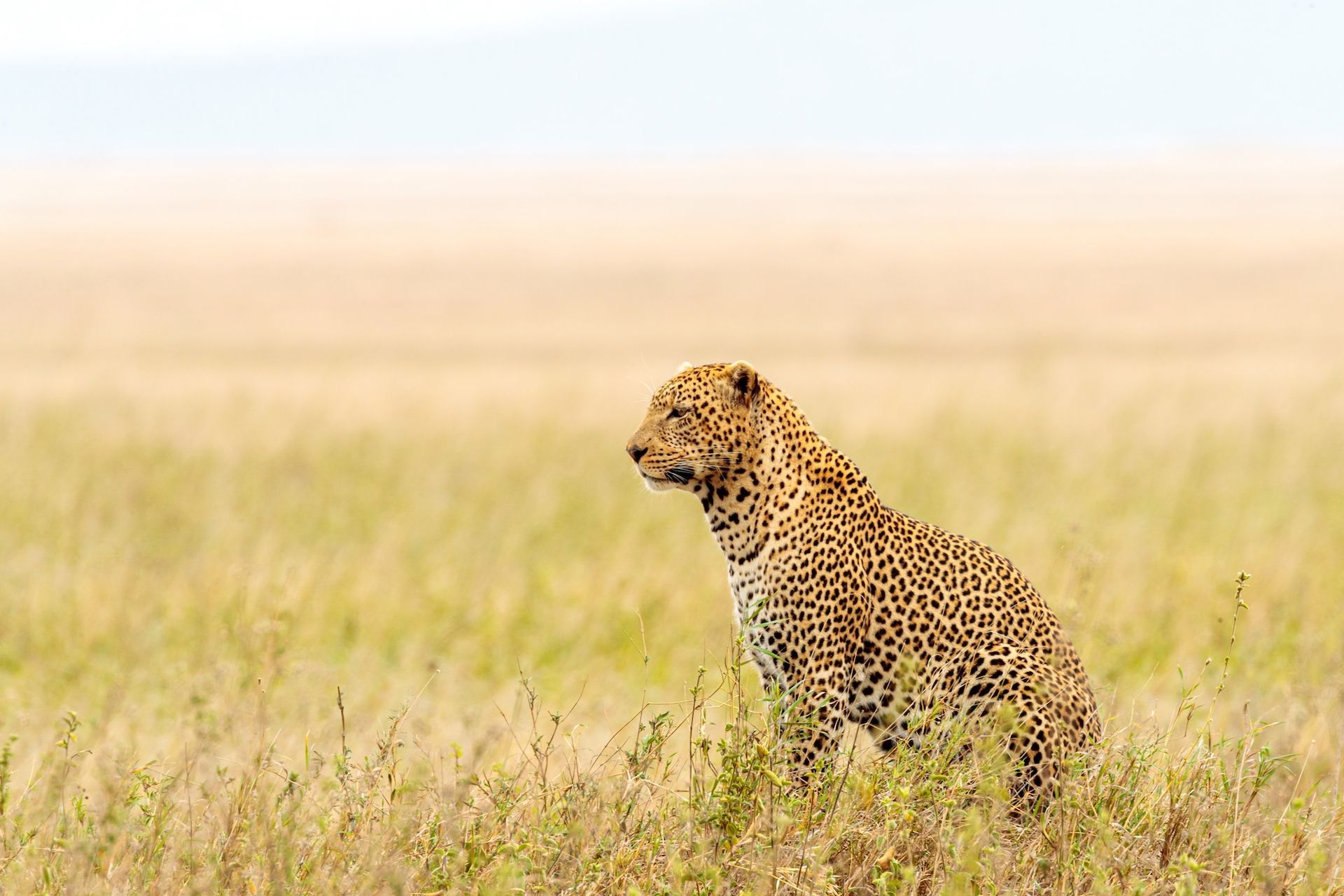
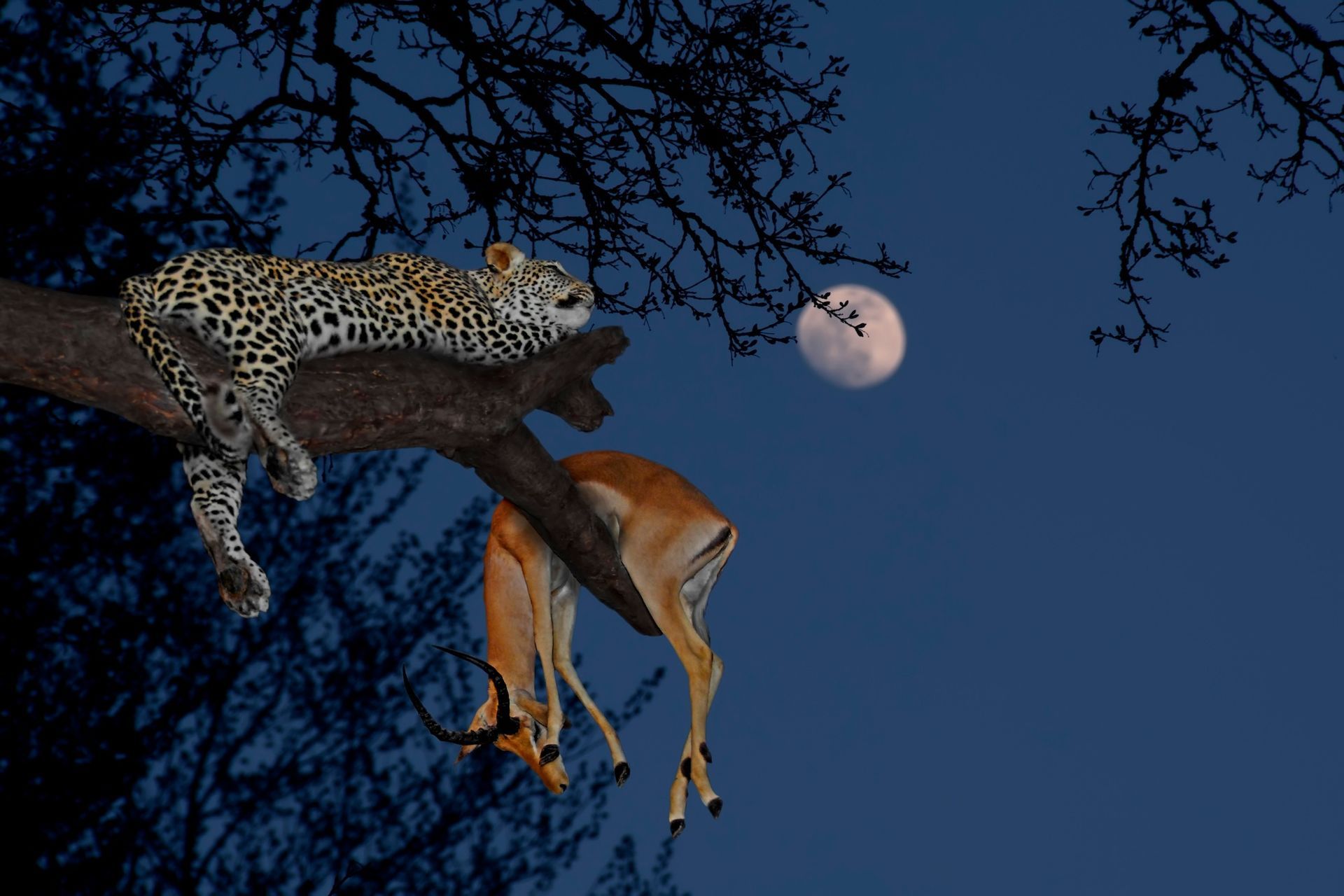
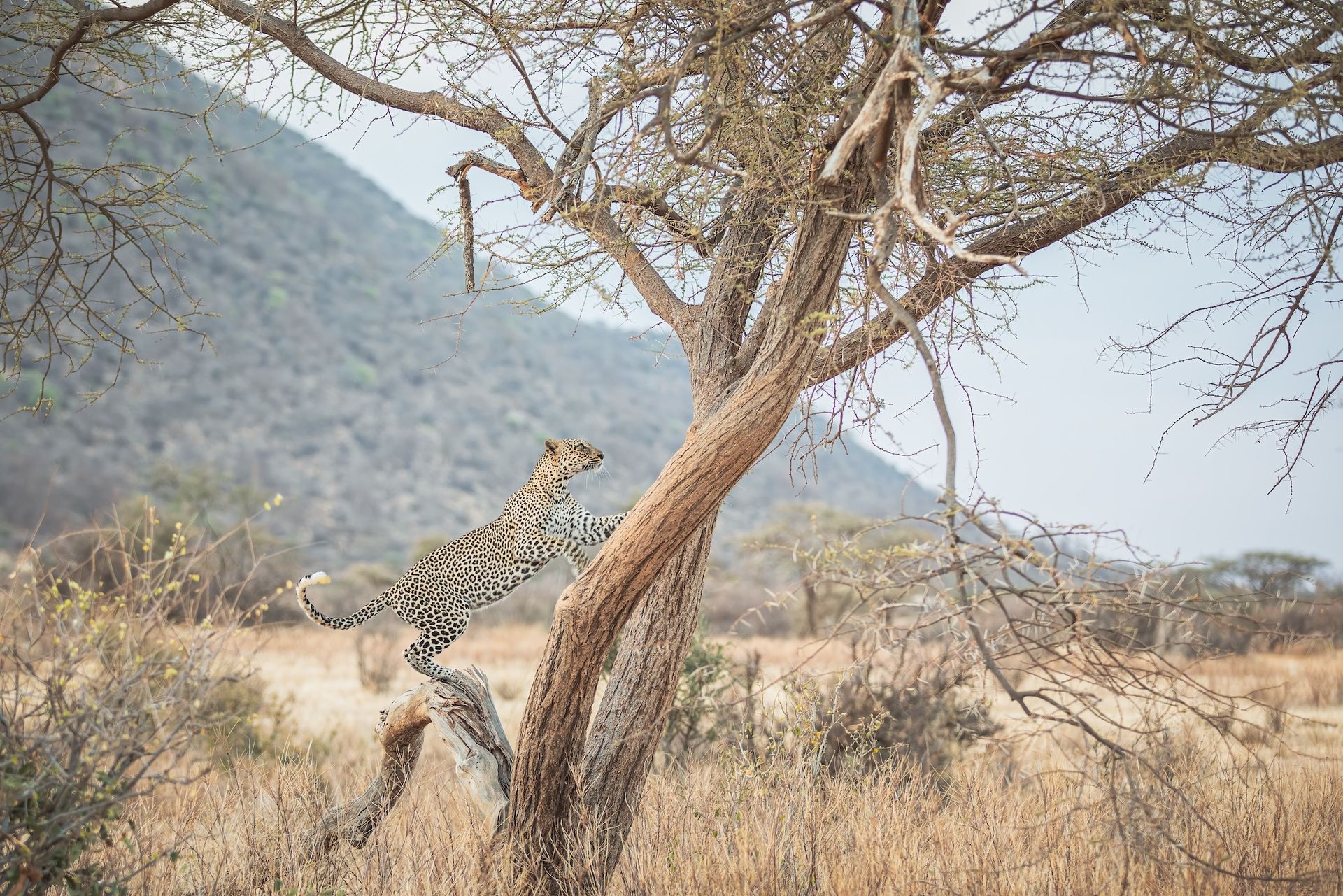
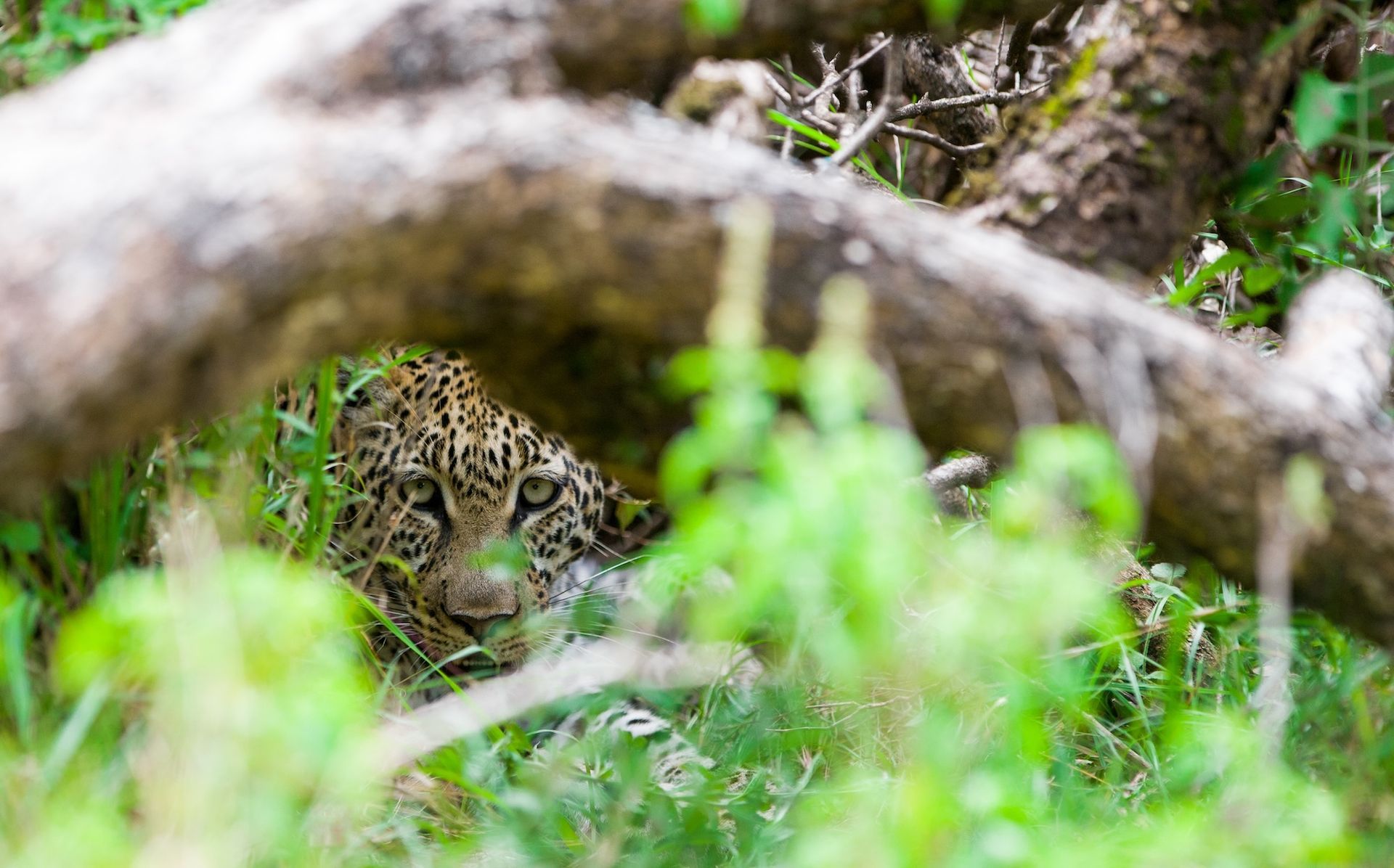
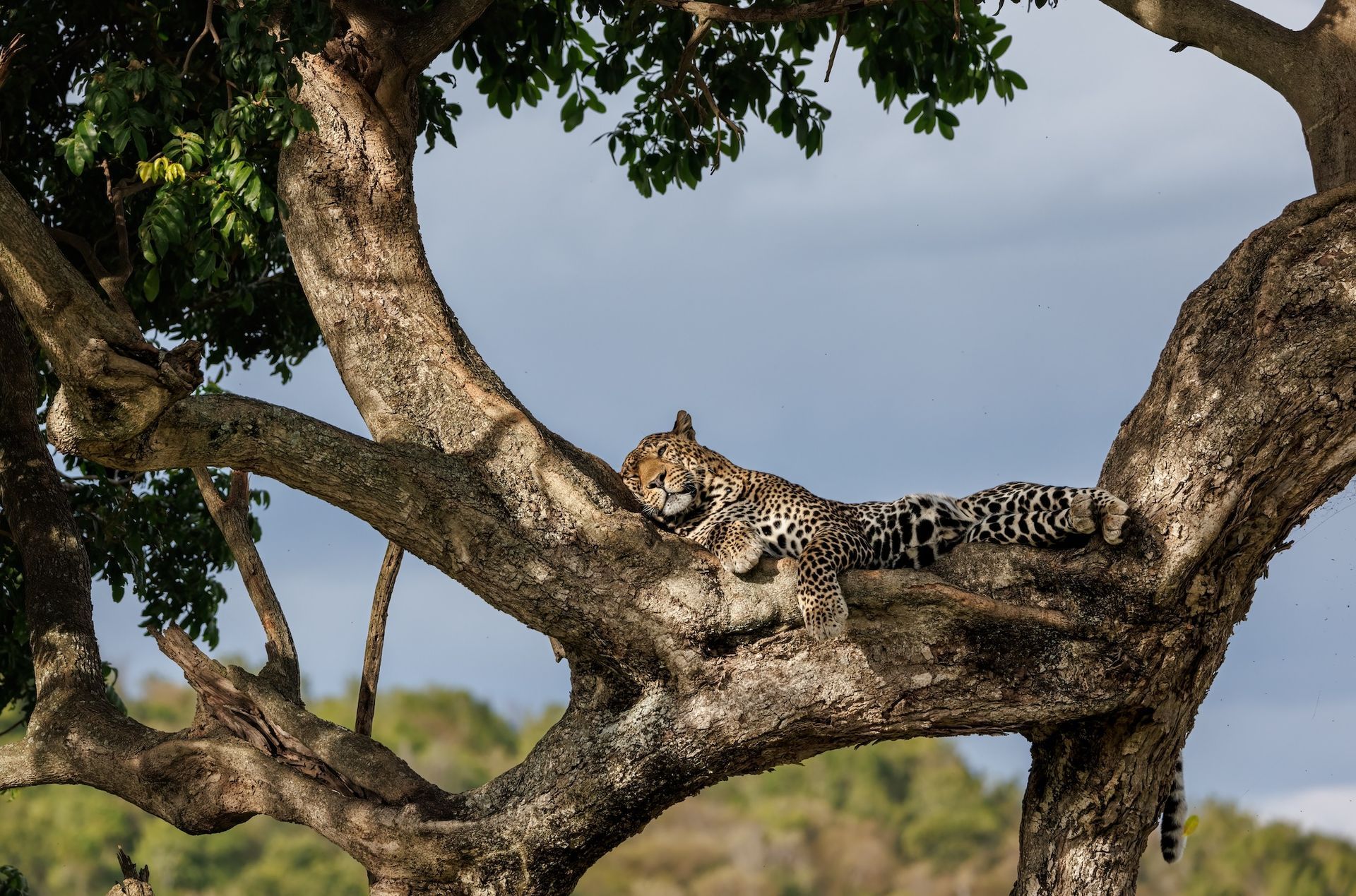
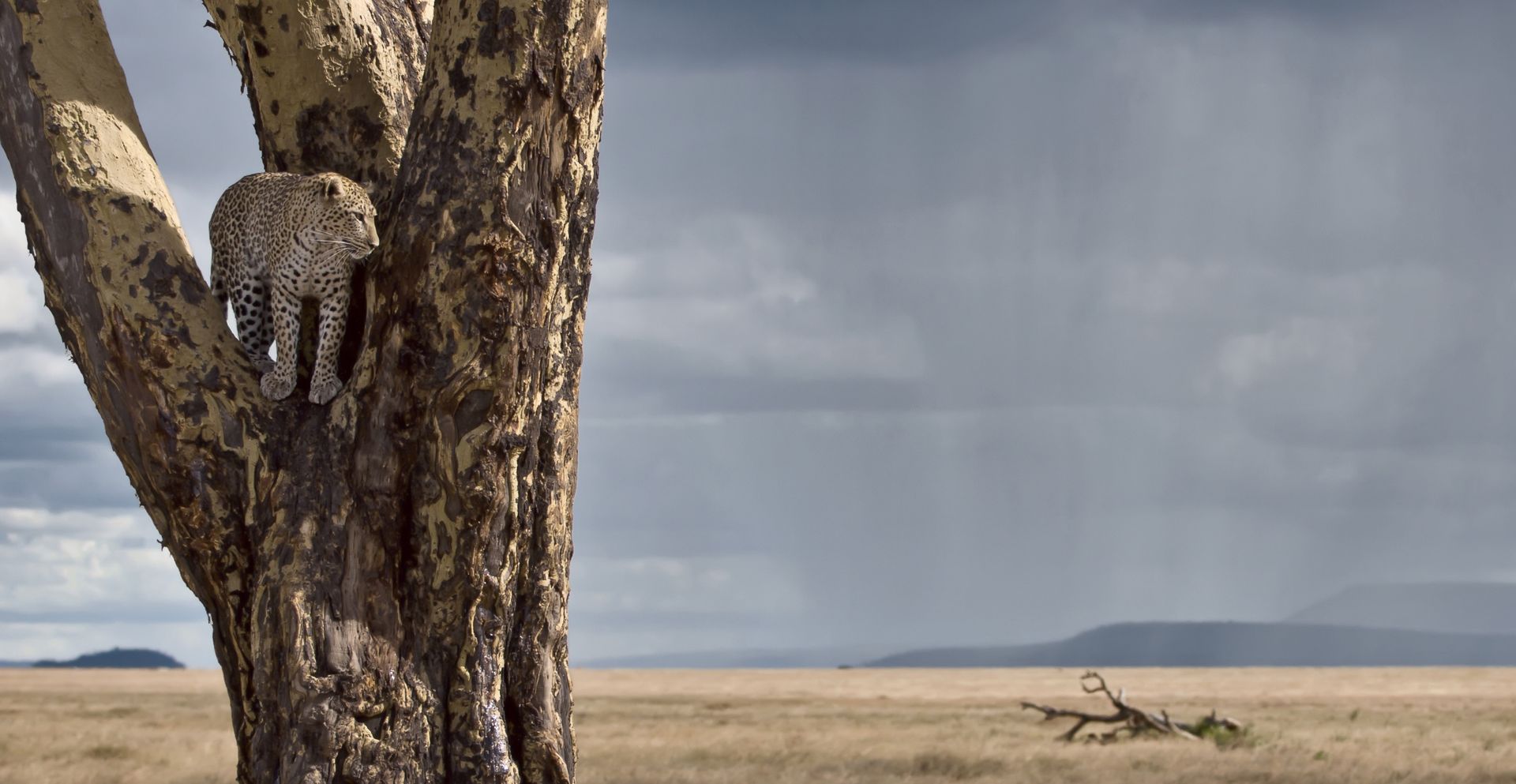
Melting into riverine forest, draping itself along a branch in a way that suggests it was always part of the tree, and watching everything from a position of absolute invisibility are a leopard's finest traits, and prospective leopard spotters' prime challenges! The fact that the leopard is, across much of its range, the most numerous of Africa's big cats makes the difficulty of spotting one all the more maddening and all the more rewarding when the moment finally comes.
Part of what makes the leopard so compelling is that it rewards a different kind of attention. Seeing one isn't a matter of driving until you find it; it's a matter of learning to read a landscape the way the leopard reads it. The fig tree with the thick horizontal branch... The pile of boulders where the kopje meets the riverbank... The deep grass at the edge of the acacia thicket where something is moving with a slowness that isn't the wind... A great guide doesn't just find leopards; they teach you how to find them yourself, and that shift in understanding changes the way you look at every piece of ground you cross afterwards.
The leopard is also, biologically, a creature of extraordinary range and adaptability. It's the most widely distributed of all the big cats, found across sub-Saharan Africa and into parts of Asia, equally at home in semi-arid scrub and montane forest and open savannah. It hunts everything from dung beetles to young giraffe, hoists prey twice its own weight into trees to keep it from lions and hyenas, and raises cubs largely alone, the female defending a territory against all comers while remaining almost entirely invisible to the human eye.
It is, in almost every respect, the most competent and self-sufficient predator on the continent.
The Serengeti's riverine secrets
Tanzania's Serengeti is one of the finest leopard destinations in East Africa, though it asks something of the visitor in return. The Seronera Valley, in the central Serengeti, is where the leopard spotting is most reliable, its riverine forest threading through the open plains in a way that concentrates both prey and the cats that hunt them. The big sycamore figs along the Seronera River are loved by leopards to store their kills, and a carcass wedged high in the fork of a tree is often the first indication that one is in the area, the cat itself somewhere nearby in a posture of studied invisibility.
The central Serengeti has the kind of leopard density that makes sustained observation possible across multiple game drives, and that sustained observation is where the real rewards lie. An afternoon spent watching a female teaching a cub to stalk, or a male patrolling his territory boundary at dusk with the unhurried authority of an animal that owns every square metre he crosses, is not merely a highlight of an East African safari. It's the kind of encounter that redefines what a highlight means.
The Mara's private conservancies
Kenya's Maasai Mara and its surrounding conservancies offer leopard encounters of a different character. The varied terrain of the Mara, with its riverine forest, rocky outcrops, open grassland and the dense thickets of the conservancy areas, creates multiple habitat niches that different individuals occupy in different ways. The relatively lower vehicle numbers in the private conservancies north and west of the main reserve mean that sightings here tend to be quieter, longer and more intimate than in the busier parts of the ecosystem.
The Mara's leopards are, in general, well habituated to vehicles, which means that when you do find one, it's likely to carry on doing exactly what it was doing before you arrived, hunting, feeding, moving through its territory or simply lying on a branch in the afternoon light with the complete indifference of an animal that has long since made its peace with being observed. That indifference is deceptive. The leopard is watching everything, registering everything, and could be gone before you've fully appreciated its movement.
Samburu and the northern frontier
Further north, Kenya's Samburu National Reserve offers a leopard experience shaped by a completely different landscape. The Ewaso Nyiro River runs through Samburu in a green corridor, and the leopards that hunt along its banks are as adapted to this semi-desert environment as the reticulated giraffe and Grevy's zebra that share it with them.
Samburu's leopards tend to be larger and more powerfully built than their southern counterparts, shaped by the demands of hunting in a harder landscape, and the contrast between the lushness of the riverine vegetation and the dry, rocky terrain beyond gives every sighting a particular dramatic intensity.
Giza, and the shadow of Laikipia
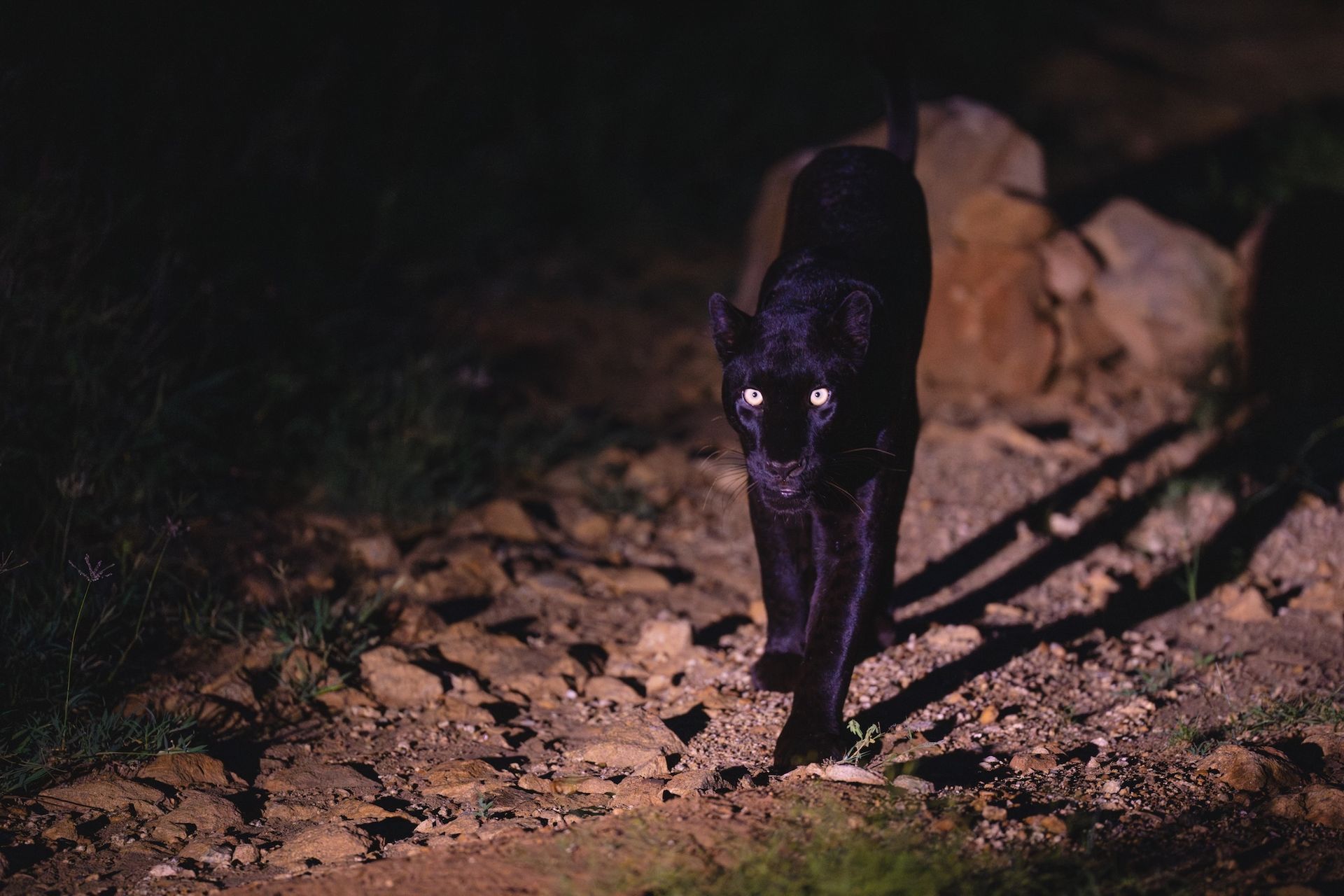
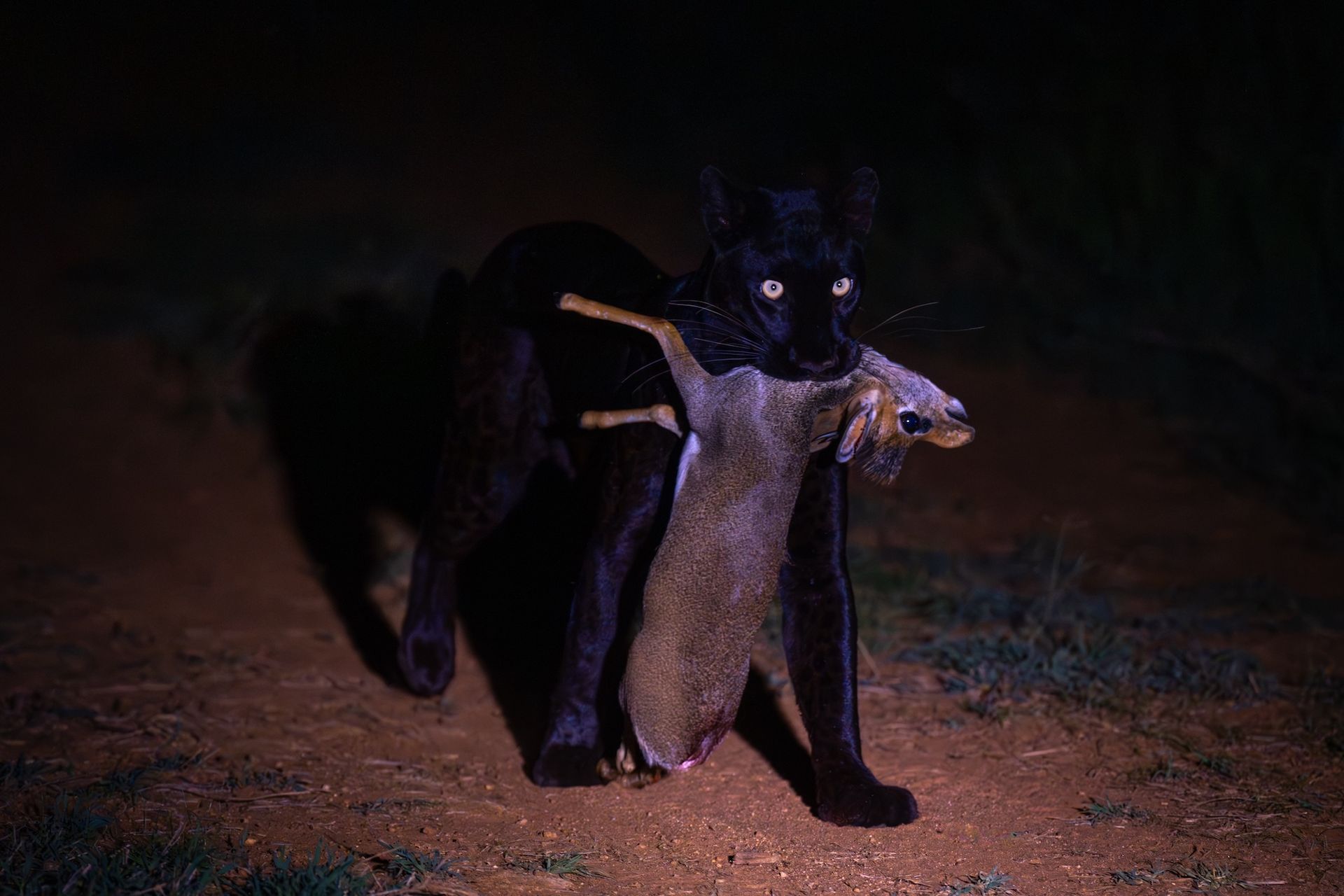
No account of East Africa's leopards is complete without Laikipia, and no account of Laikipia's leopards is complete without Giza. In February 2019, British wildlife photographer Will Burrard-Lucas set camera traps along a track at Laikipia Wilderness Camp in central Kenya, following reports from local community members of something extraordinary in the area. What the cameras captured was a young black female leopard, her coat swallowing all light, her orange eyes burning back at the lens.
The images circled the world within hours of publication. Giza, as she came to be known, was the first African black leopard to be scientifically documented in high-quality photography in over a century, the previous confirmed record having been made in Ethiopia in 1909.
Melanism in leopards is the result of a genetic mutation that causes an overproduction of the dark pigment melanin, producing what is colloquially and incorrectly called a black panther. The classic leopard rosettes are still there, visible when the light catches the coat at certain angles, the ghost of the pattern beneath the darkness.
Giza is not a different species, or even a different subspecies; she is a leopard, as entirely and completely as any spotted cat on the Serengeti plains, shaped by the same evolutionary pressures and the same hunting imperatives. What sets her apart is the extraordinary rarity of her colouring, and the way that colouring interacts with the particular landscape of Laikipia, its rocky kopjes, its acacia thickets and its deep shadows, to make her simultaneously more camouflaged and more mythological.
Since Burrard-Lucas's photographs were published, Laikipia's melanistic leopard population has revealed itself to be more substantial than anyone had anticipated. Local researchers have documented at least 10 individual melanistic leopards across the greater Laikipia area, and Giza herself has since raised cubs, ensuring that this extraordinary genetic thread continues into the next generation.
Laikipia Wilderness Camp now runs dedicated black leopard vehicles for guests wanting to maximise their chances of a sighting, operating under strict ethical guidelines that put Giza's welfare unequivocally ahead of any photographic ambition.
The encounter that stays with you
A leopard sighting, wherever it happens, carries a particular emotional register that the other big cat encounters don't quite replicate. It's something quieter and more unsettling, the recognition that you are in the presence of an intelligence that has been watching you for considerably longer than you've been watching it, and that the terms of the encounter, whatever you might think, are entirely its own.
Talk to the Anderson & Harvey team about building a safari itinerary that puts you in prime leopard country, from the riverine forests of the Serengeti to the private conservancies of the Mara, the northern frontier of Samburu and the extraordinary melanistic world of Laikipia.