The experiences that make a safari unforgettable
Our guide to what lays beyond the game drive...
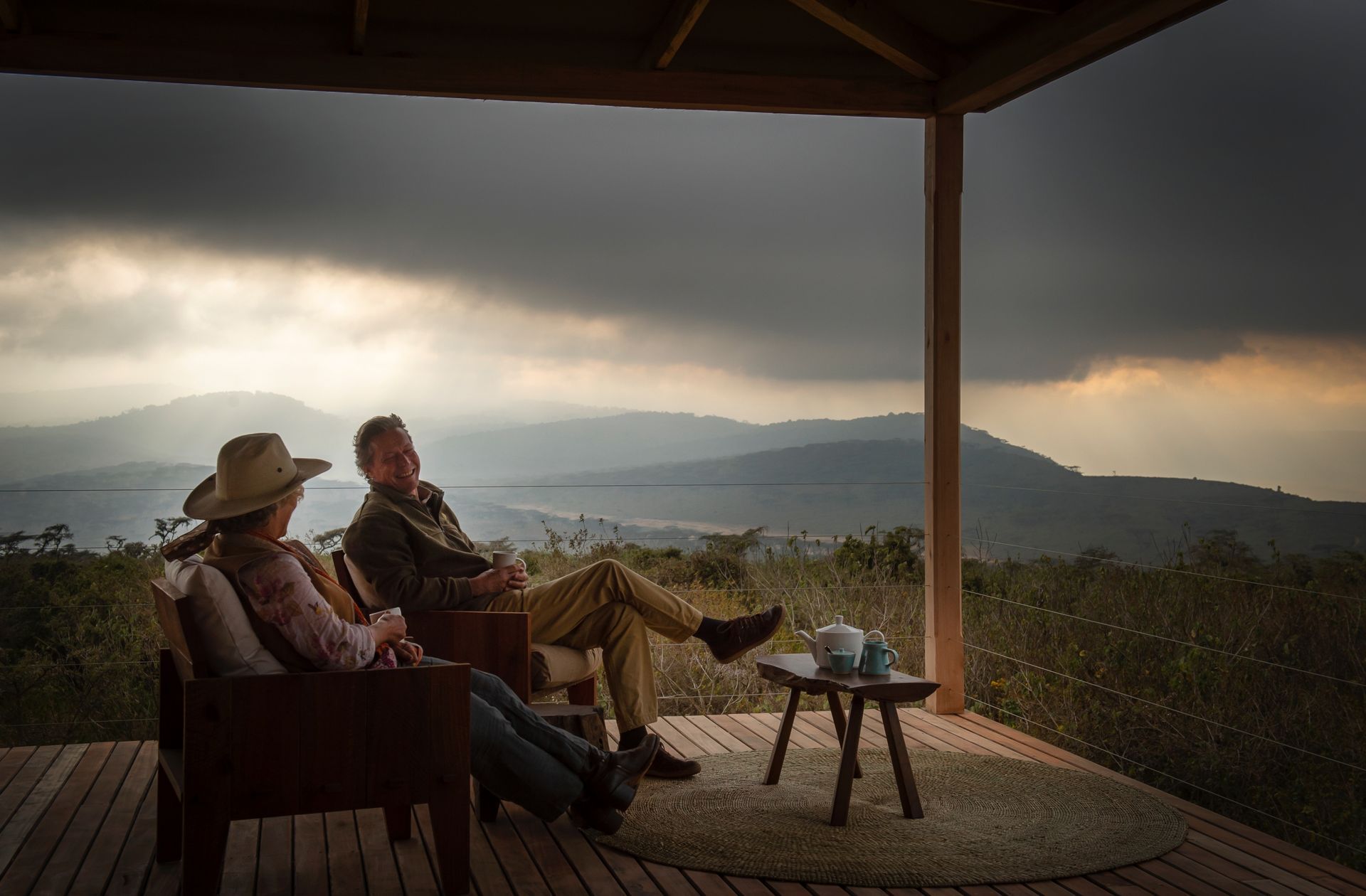
Ask any seasoned safari traveller which moment they remember most vividly, and the answer is rarely what you'd expect. It's almost never the biggest sighting or the most dramatic crossing. More often it's something quieter, more personal and altogether less predictable than anything an itinerary could guarantee. Every great safari is built around the game drive, and nobody is suggesting otherwise. But the experiences that linger longest, the ones guests reach for first when someone asks what Africa was really like, are almost always the ones that happened when the engine was off and the vehicle was nowhere in sight.


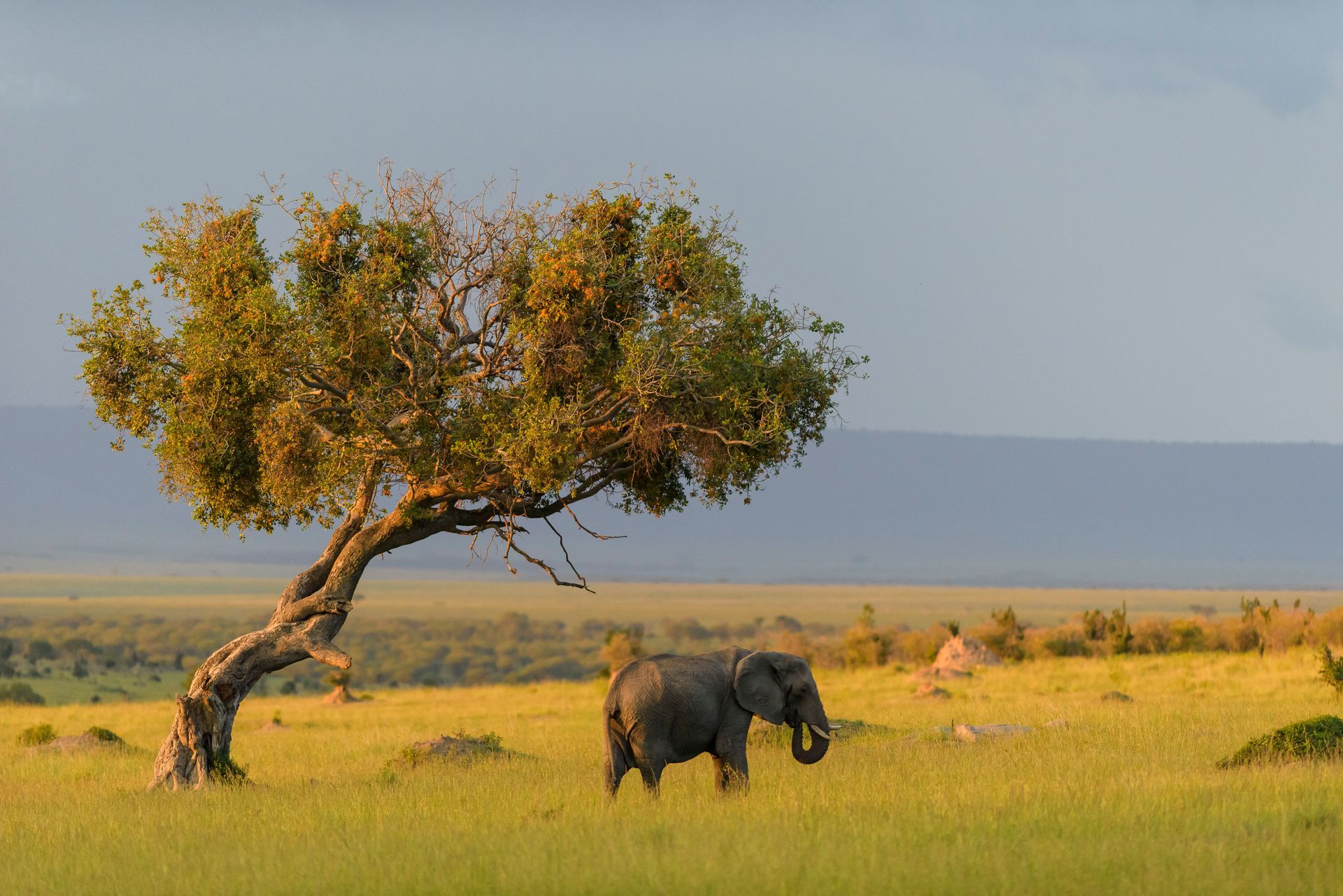
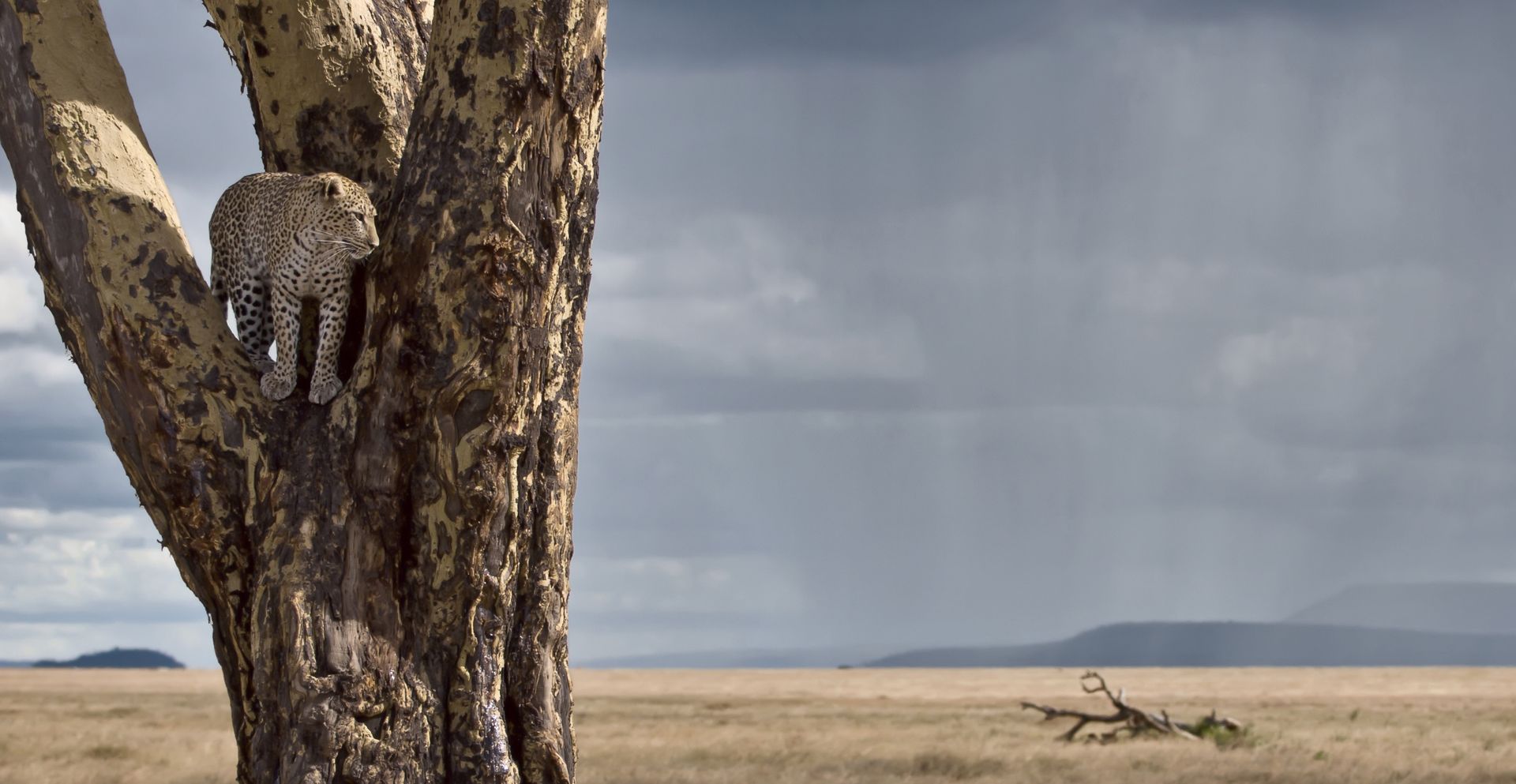
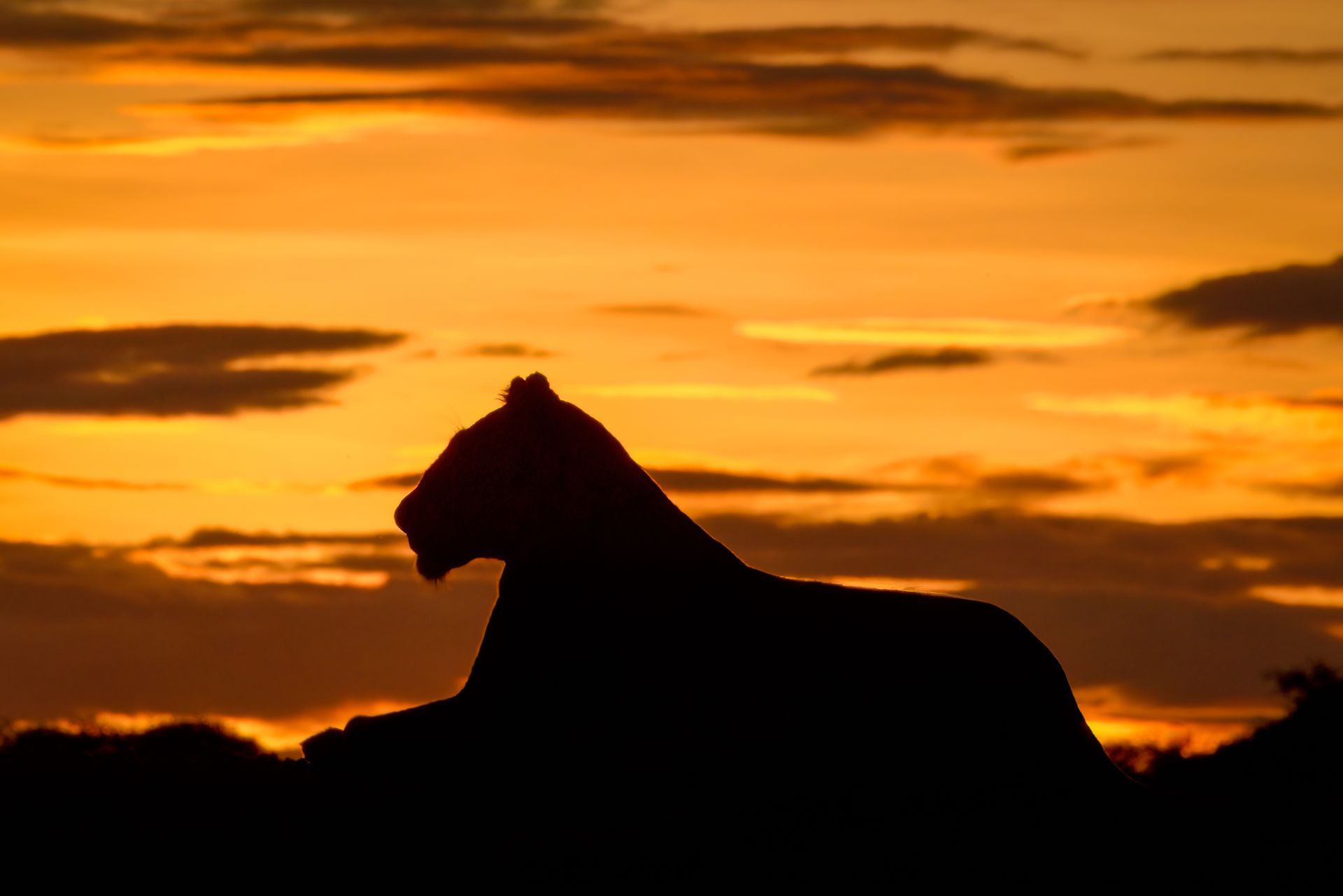
Every great East African safari is built around the game drive, and rightly so. There is nothing quite like the particular alchemy of an open landscape, extraordinary wildlife and a skilled guide who knows how to read both, and no amount of time in the bush diminishes the pleasure of it. The game drive is the foundation, and it always will be.
However, some of the most affecting moments on a Tanzania or Kenyan safari happen away from the vehicle entirely, in the quiet of a walking safari at dawn, in the improbable magic of drifting above the Serengeti in a hot air balloon as the sun comes up over the plains, in the shared experience of a Maasai community visit that leaves guests with a perspective on this landscape that no game drive alone can provide. These are the experiences that guests describe years later when they're trying to explain to someone who hasn't been why East Africa gets under the skin the way it does.
They're also the experiences that transform a good itinerary into an exceptional one.
On foot in the wilderness
There's a quality of attention that a walking safari demands that no game drive can quite replicate. When you leave the vehicle and step onto the same ground the wildlife walks on, the bush rearranges itself around you in ways that feel entirely new. Things you'd never notice from a vehicle suddenly become vivid and absorbing, the track of a leopard pressed into soft soil, the architecture of a termite mound, the particular smell of the air before rain. Distance collapses and the landscape becomes immediate in a way that is, for many guests, genuinely revelatory.
Tanzania's northern circuit offers exceptional walking safari opportunities, particularly in areas where the terrain and the wildlife density make the experience both safe and deeply rewarding. A morning on foot with a knowledgeable guide, followed by a bush breakfast in a shaded spot with the sounds of the wilderness carrying on around you, is the kind of experience that reorients a person's relationship with the natural world in ways that stay with them long after they've come home.
Above the Serengeti
The hot air balloon flight over the Serengeti is one of those experiences that sounds wonderful in a brochure and then turns out, in reality, to exceed every expectation entirely. Rising before dawn, the balloon lifting silently into the cool pre-sunrise air, the plains spreading out below in the half-light and then, as the sun crests the horizon, the whole extraordinary landscape igniting in gold and amber and the long blue shadows of early morning.
Herds visible from above give a sense of the Migration's true scale in a way that no ground-level game drive can convey. Giraffes moving in slow, elegant procession through the acacia woodland. A pride of lions, small and impossibly graceful from this altitude, heading back from a night hunt.
The breakfast that follows, laid out on the plains with the balloon deflating gently behind you, is the kind of theatrical flourish that the occasion entirely deserves.
Culture and conservation
The human story of East Africa is as extraordinary as its wildlife story, and the experiences that bring guests into genuine, respectful contact with that story add a dimension to a safari that pure game viewing, wonderful as it is, can't provide on its own. A visit to a Maasai community in the lands surrounding the Serengeti, handled with sensitivity and authenticity, gives guests a window into a way of life that has coexisted with this wildlife for centuries and that is, in its own way, as remarkable as anything they'll see on a game drive.
Conservation experiences, whether that's joining a research team in the field, visiting a community anti-poaching project, visiting an elephant orphanage or spending time with the people working to protect the ecosystems that make all of this possible, give guests a sense of participation and purpose that deepens their connection to the places they're visiting in ways that stay with them long after they've left.
The game drive will always be the heart of it
None of this is to suggest that the game drive needs supplementing because it falls short in any way. It doesn't. The northern circuit of Tanzania delivers wildlife experiences of a quality and consistency that nowhere else on earth quite matches, and a safari built entirely around early morning and late afternoon game drives in the Serengeti, the Ngorongoro Crater and Tarangire is a deeply satisfying thing in its own right.
An itinerary that weaves in a dawn walking safari, a balloon flight, a conservation encounter and community visit is something else entirely. It's a journey with texture and variety and emotional range, the kind of trip that guests return from not just satisfied but genuinely expanded, full of stories that go well beyond what they saw from the vehicle.
Add in other special activities like bush breakfasts, picnic lunches, dinners under the stars, helicopter flights and shopping in local markets and you have even more cherries to put on top of the safari cake.
The game drive will always be the heart of an East African safari. It's everything that surrounds it that gives that heart somewhere worth beating.
Talk to the Anderson & Harvey team about the activities and experiences available across Tanzania's northern circuit and beyond.