The Ngorongoro highlands and Karatu
Discover the green heart of the northern circuit
Somewhere between the baobab country of Tarangire and the open plains of the Serengeti, the northern circuit climbs the Rift Valley escarpment, the air cools and the dust gives way to red earth, green fields and drifting mist. This is the Ngorongoro highlands, a fertile upland of coffee estates, forest and farmhouse lodges that most itineraries pass through on the way to somewhere else, and one that rewards a little more of your clients' time than it usually gets.
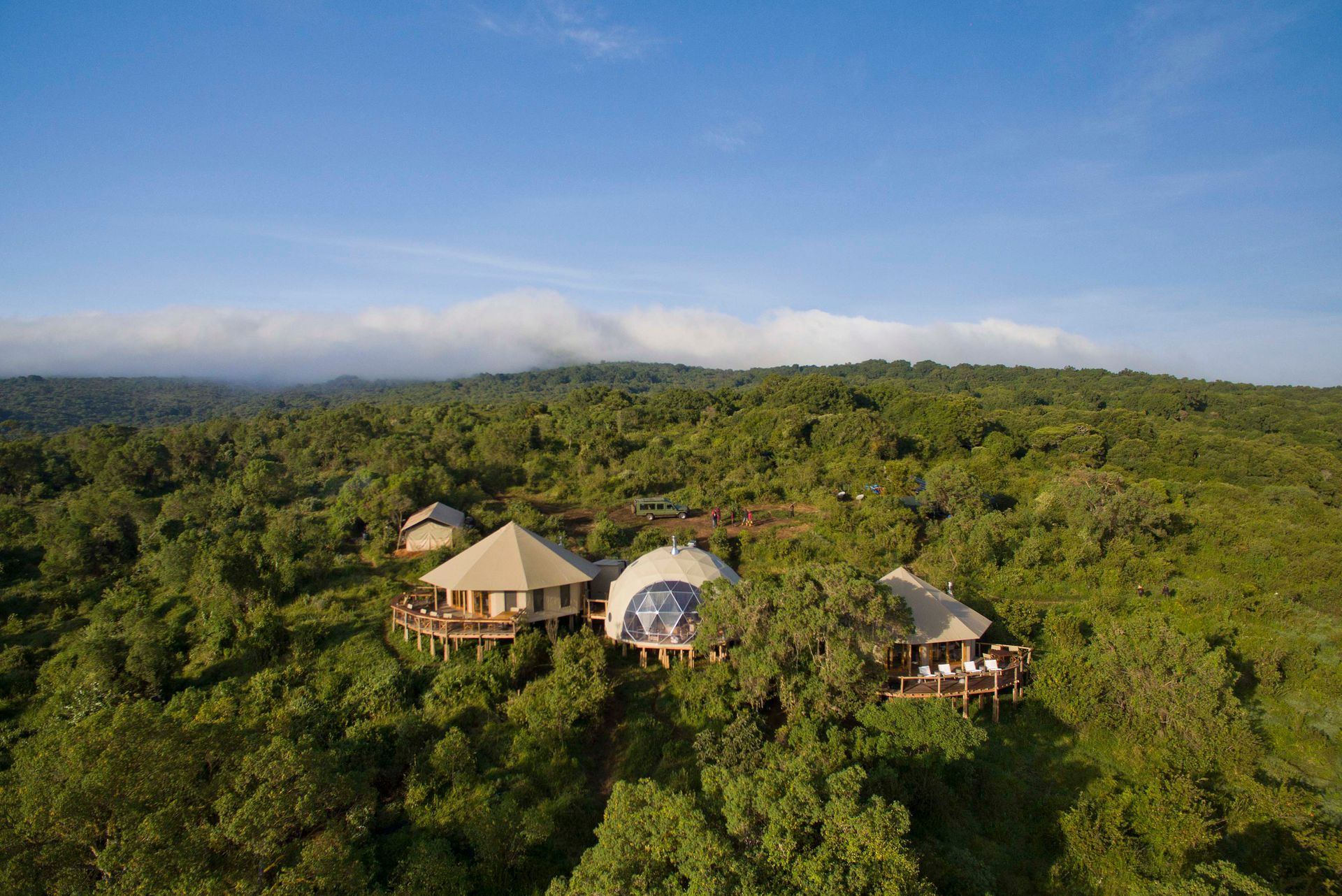
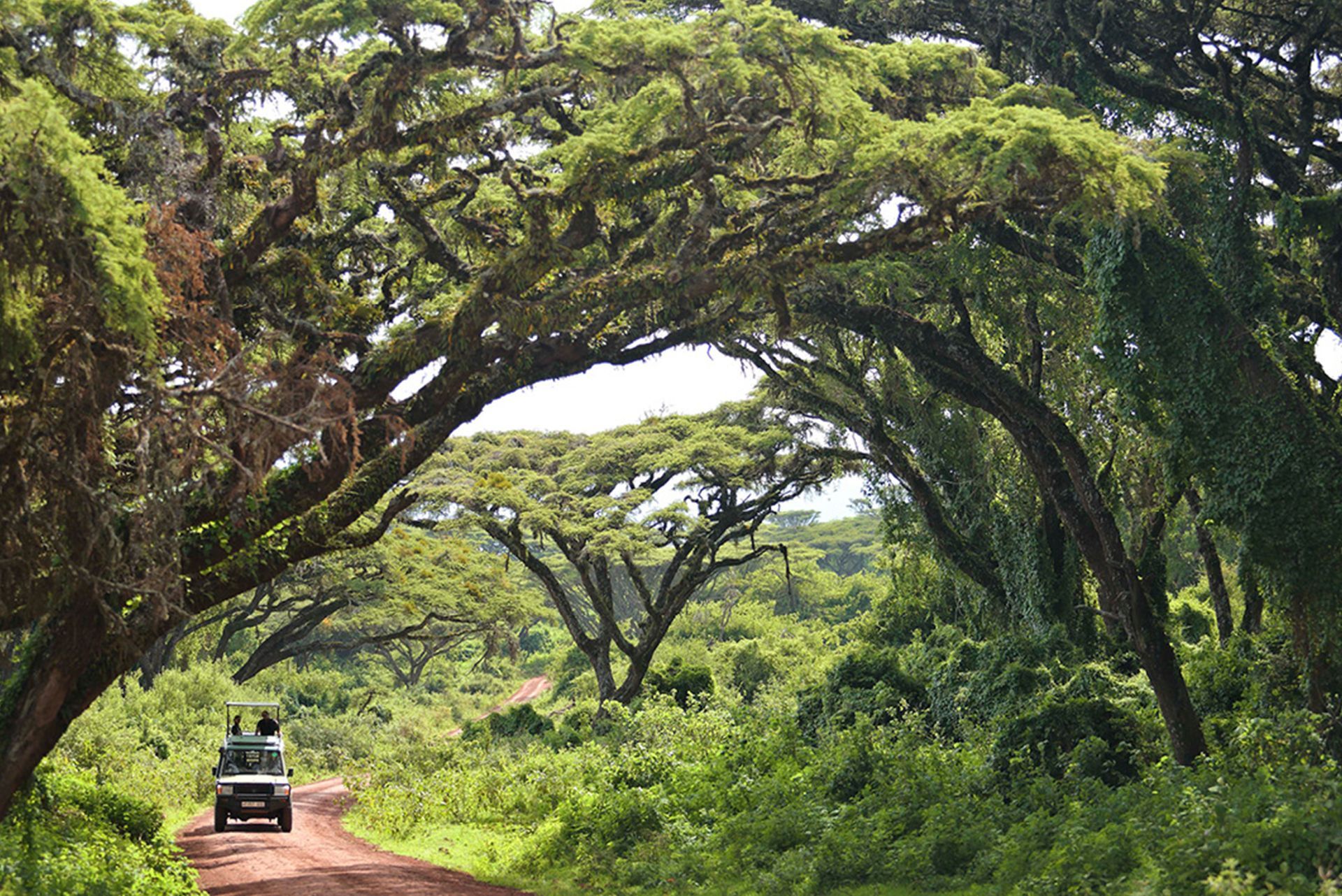
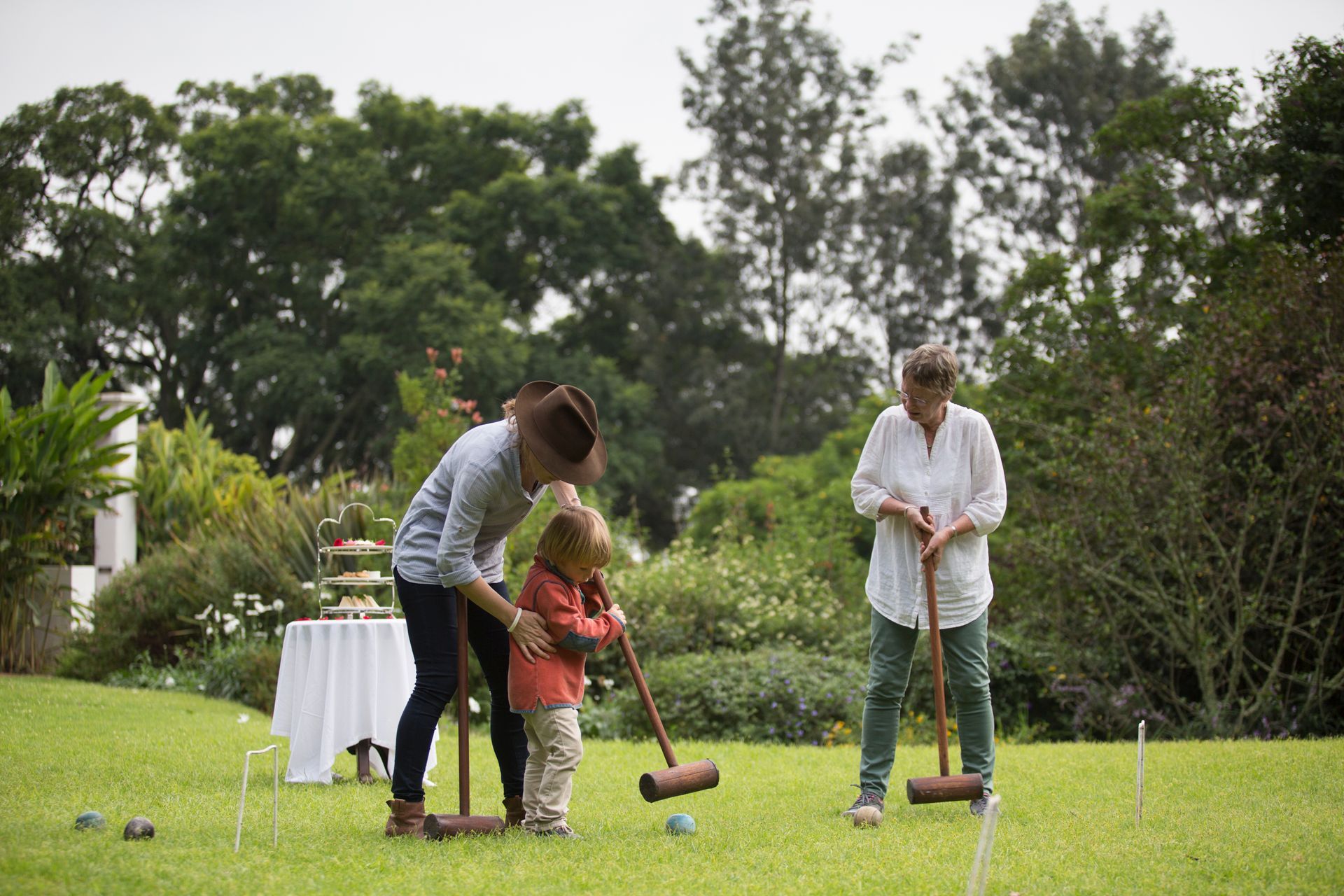
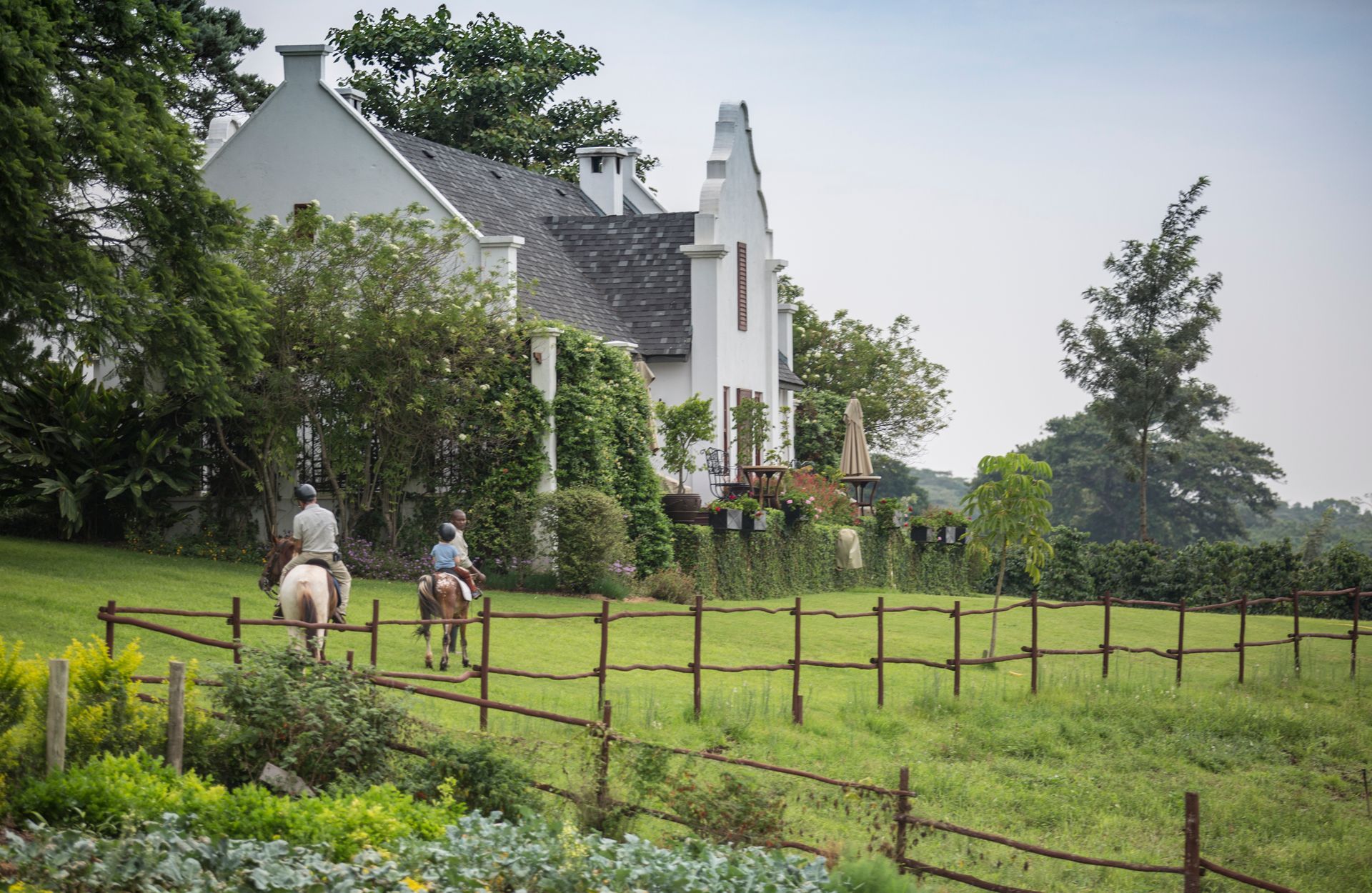
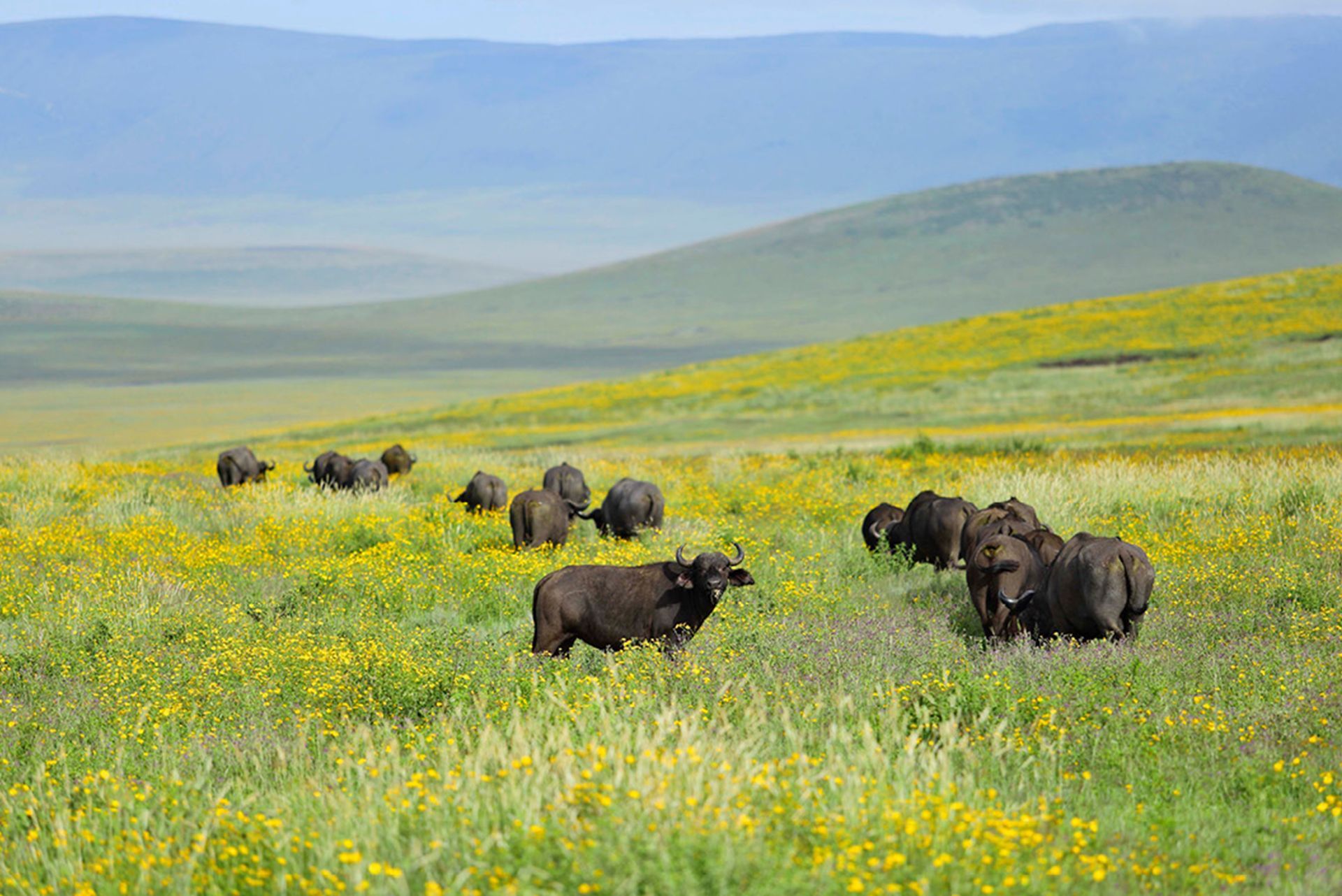
The highlands around Karatu and the rim of the Ngorongoro Crater tend to appear in itineraries as a single overnight stop before the descent into the Crater, which is understandable given how much the northern circuit has to offer. It's also a missed opportunity, because this green, gentle country brings a change of tempo, landscape and atmosphere that can lift an entire safari.
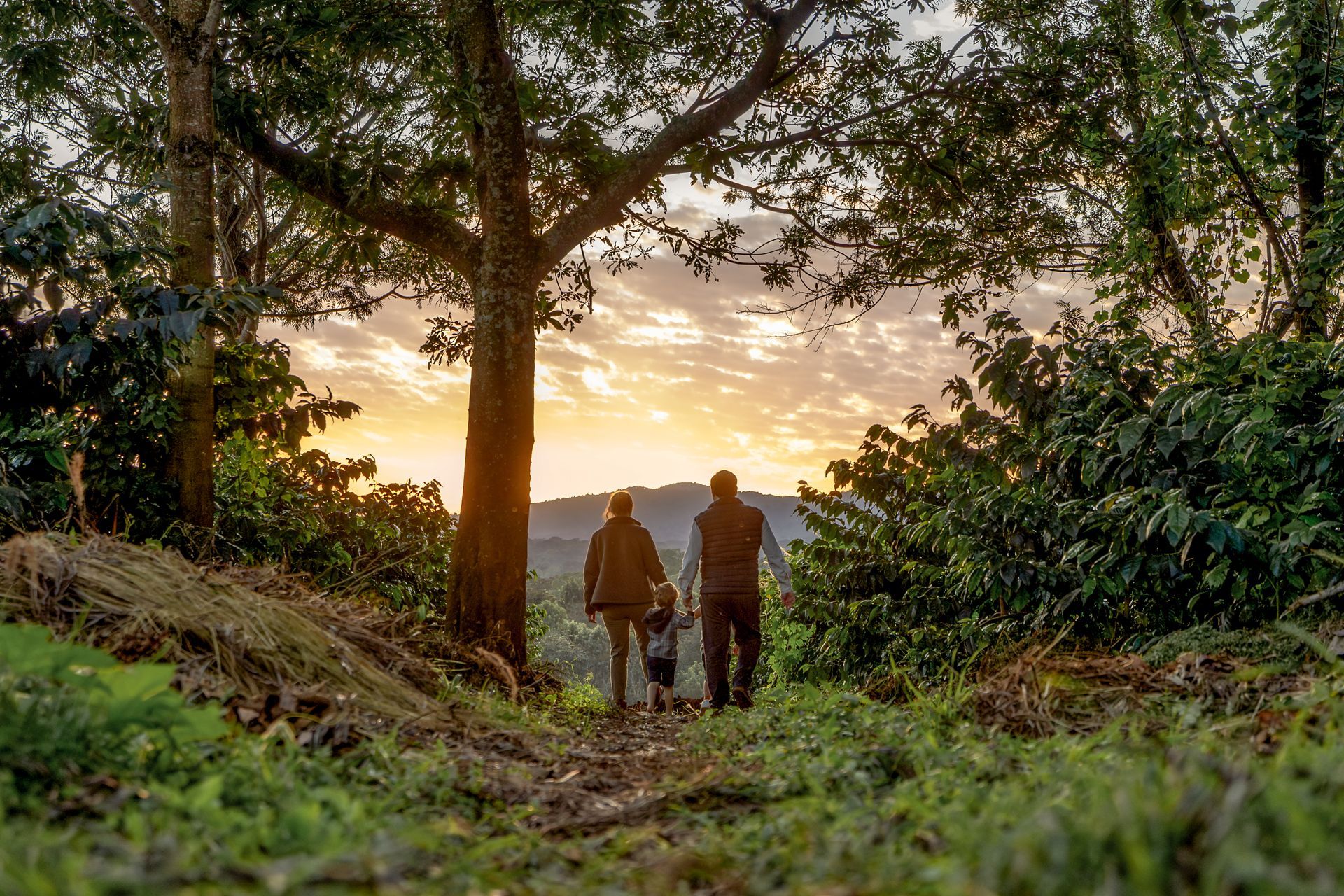
Karatu sits at around 1,500m on the slopes below the crater rim, surrounded by coffee estates, wheat fields, vegetable farms and pockets of forest that have been worked for generations by the Iraqw people. The climate is cool and kind, evenings tend to end beside a fire, and many of the lodges are converted farmhouses or set within working estates, with rambling gardens, kitchen plots and long views across the valley.
A change of pace at the heart of the journey
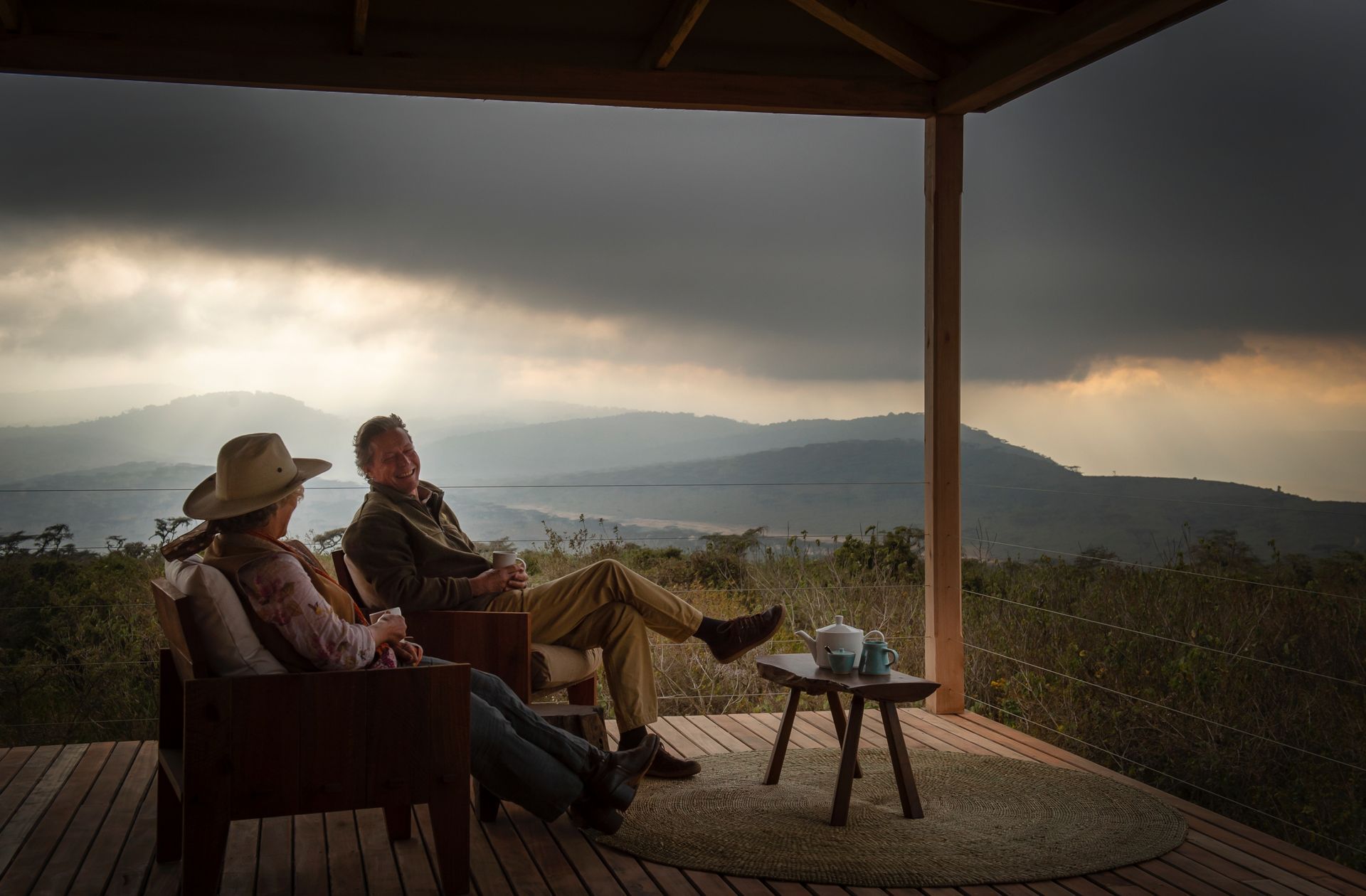
A northern circuit safari is a wonderful but demanding thing, built around early starts, long hours in the vehicle and the constant, absorbing attention that game viewing asks of everyone on board. Placed at the midpoint of a journey, the highlands offer a natural pause, a place where guests can sleep a little later, walk a little further and let everything they've experienced so far settle before the next chapter begins.
Two nights among the farms around Karatu transforms the experience, because a full day with no game drive on the schedule opens up the possibility of guided walks through farmland and forest, visits to coffee estates, long lunches in lush gardens and spa treatments, allowing guests to arrive in the Serengeti refreshed and genuinely ready for it. It’s pacing at its most practical, and it reflects the thinking behind every itinerary Anderson & Harvey builds.
Coffee, gardens and the farm-to-table kitchen
Coffee has been grown on these volcanic slopes for generations, and several estates around Karatu still cultivate it today, some with roots stretching back to the colonial era. Following the journey from bush to cup, from the ripening cherries on the plants to the drying beds, the roasting and finally the first fragrant cup, gives guests a rich insight into the agricultural life of the highlands and a fresh perspective on a drink most of them take entirely for granted.
The same fertile soil feeds some of the finest kitchens on the northern circuit. Many highland lodges grow a large share of their own fruit, vegetables and herbs, and meals here have a seasonal, garden-fresh quality that sits beautifully alongside the bush cooking of the camps further west. For clients who love their food, the highlands often become an unexpected culinary highlight of the entire safari.
The crater rim and its misty forests
Climbing beyond Karatu, the road enters the montane forest of the Ngorongoro Conservation Area, where moss and lichen hang from the trees, the mist rolls in and out through the canopy and the temperature drops noticeably. At more than 2,200m, the crater rim has a cool, almost alpine character that comes as a delightful surprise to clients who imagine Tanzania as endlessly hot and dry.
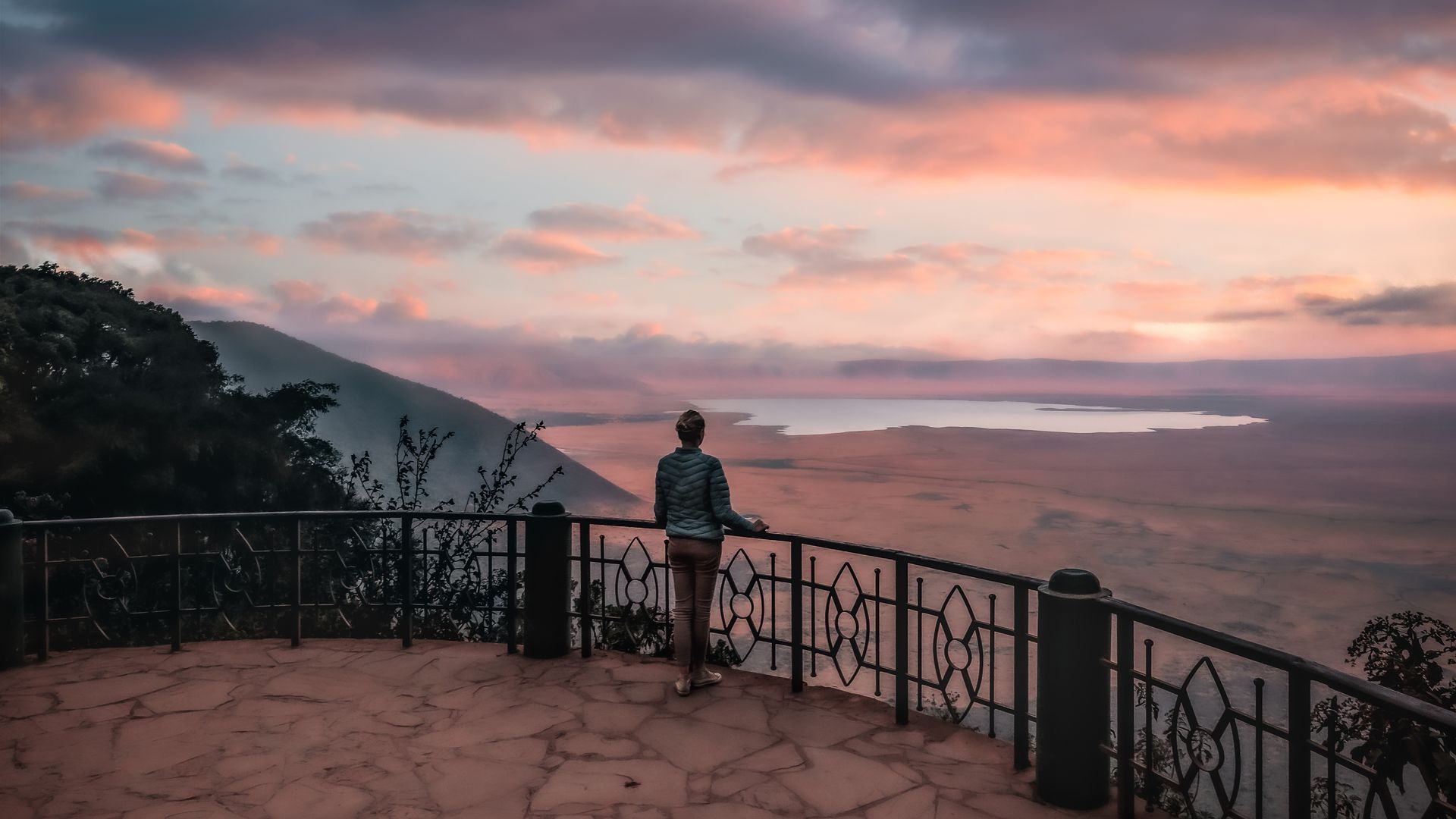
Staying on or near the rim brings its own reward, with the vast caldera spread out below in the soft light of late afternoon and an early start that positions guests to descend into the Crater ahead of the busier hours. The highlands and the Crater work as a pair, and giving them the time they deserve allows each to be experienced fully and unhurriedly.
Building the highlands into an itinerary
Sequencing is everything with the highlands. They sit naturally between Tarangire and the Serengeti, giving a road safari an elegant shape, and they work equally well as a gentle final stop before the drive back to Arusha or Kilimanjaro, when a quiet couple of days on a farm makes the perfect transition from wilderness to the long journey home. Families, honeymooners and multigenerational groups in particular tend to find the space, the gardens and the slower rhythm a welcome counterpoint to the intensity of the plains.
Knowing which highland lodges suit which clients, how to time the descent into the Crater and where a farm stay will add the most to a particular journey is the kind of detail that comes from years on the ground, and it's knowledge the Anderson & Harvey team brings to every northern circuit itinerary it shapes alongside its trade partners. The highlands may be the green heart of the circuit, but in the right itinerary they become one of its most memorable chapters.