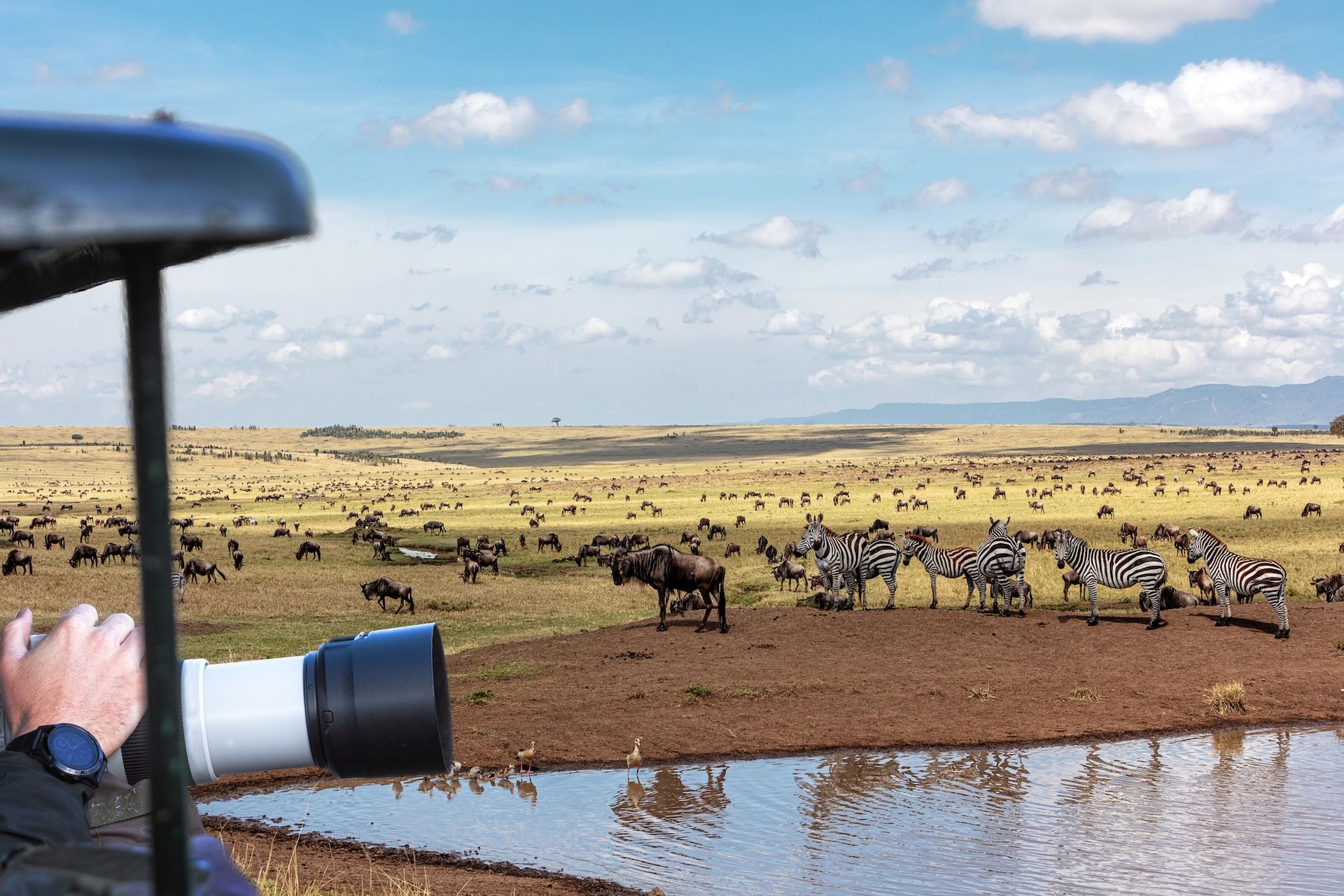
Our guide to multigenerational safaris
How to enjoy East Africa's greatest shared adventure
Families who've done a multigenerational safari once tend to do it again. That says a great deal, because these are usually well-travelled people with high expectations and a group dynamic that takes some managing. Getting a three-generation family, or an extended group of siblings, cousins, aunts and uncles, onto the same page about a holiday is challenging enough before you factor in the logistics of East Africa. And yet the experience consistently delivers across every age in the group, which is why it's one of the most reliably bookable propositions in the luxury travel market right now.
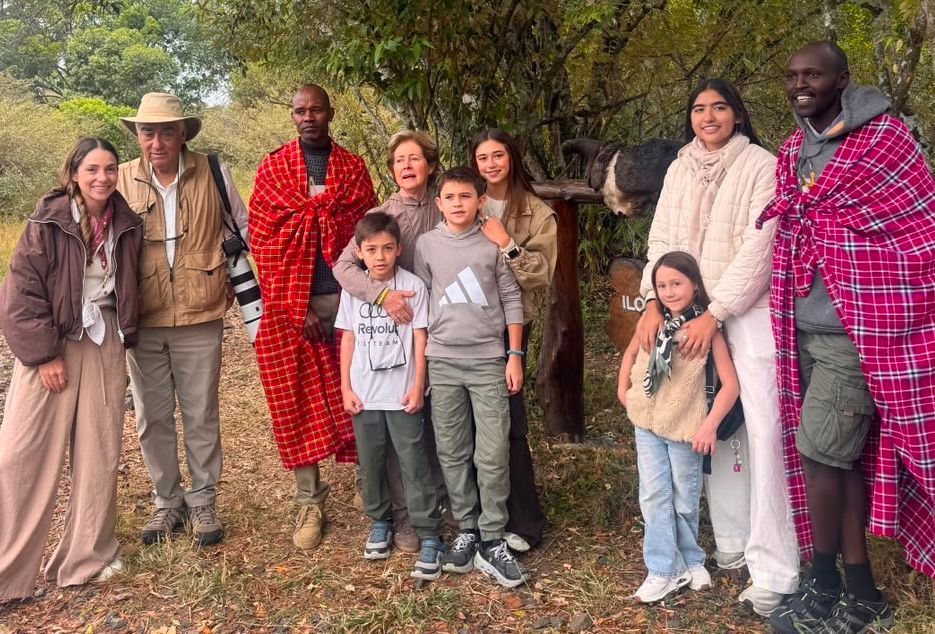
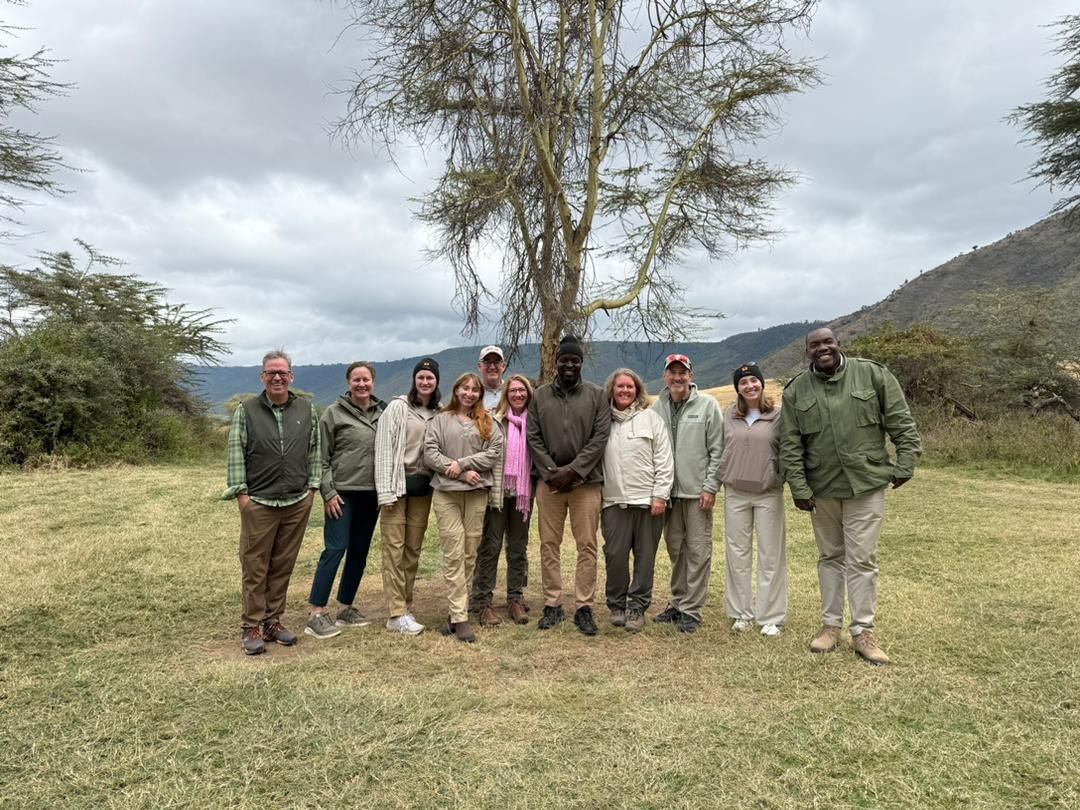
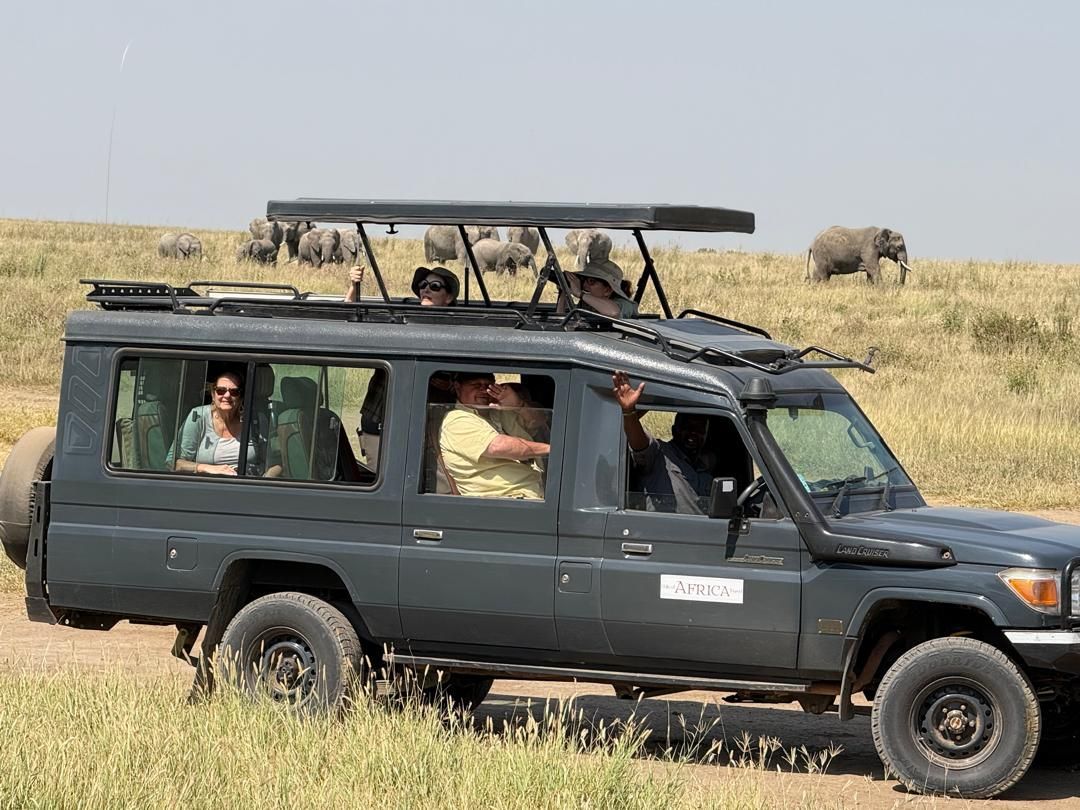
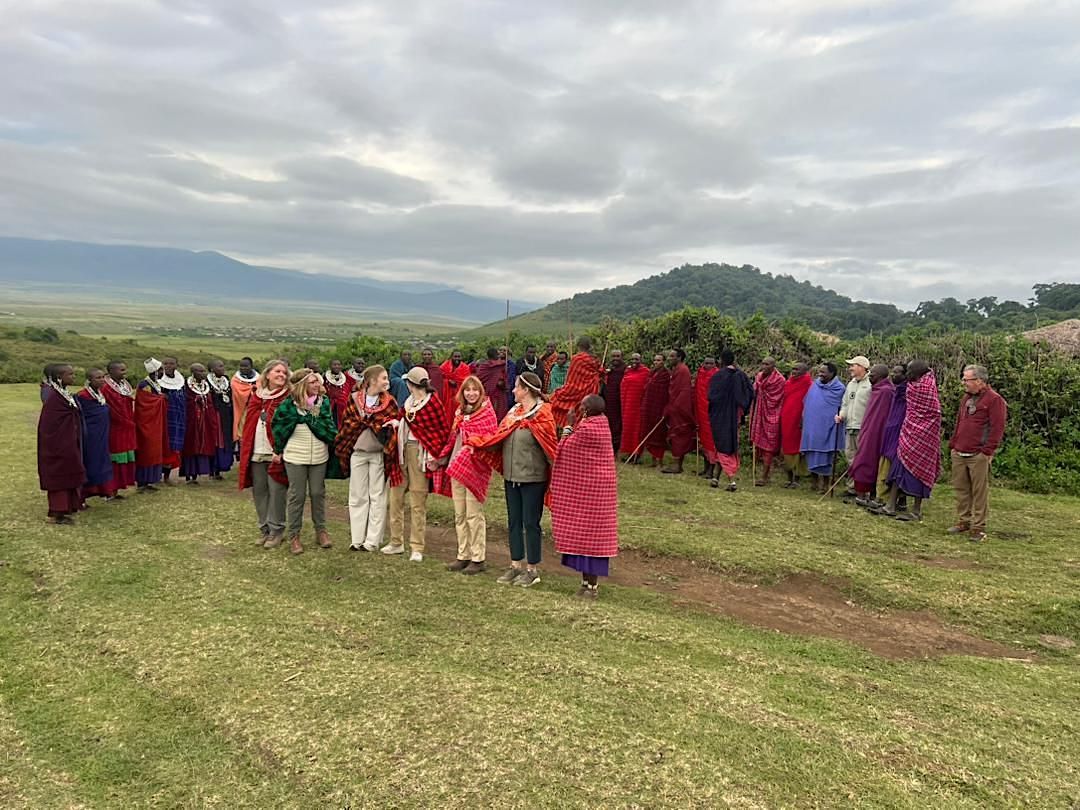
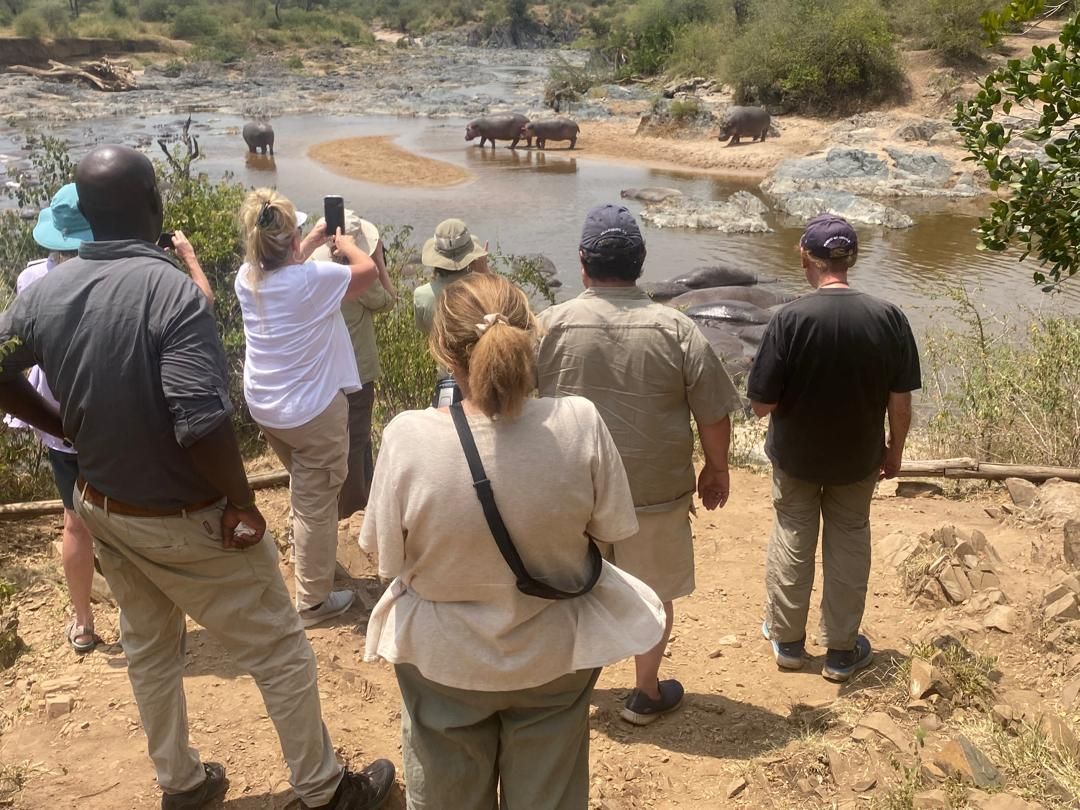
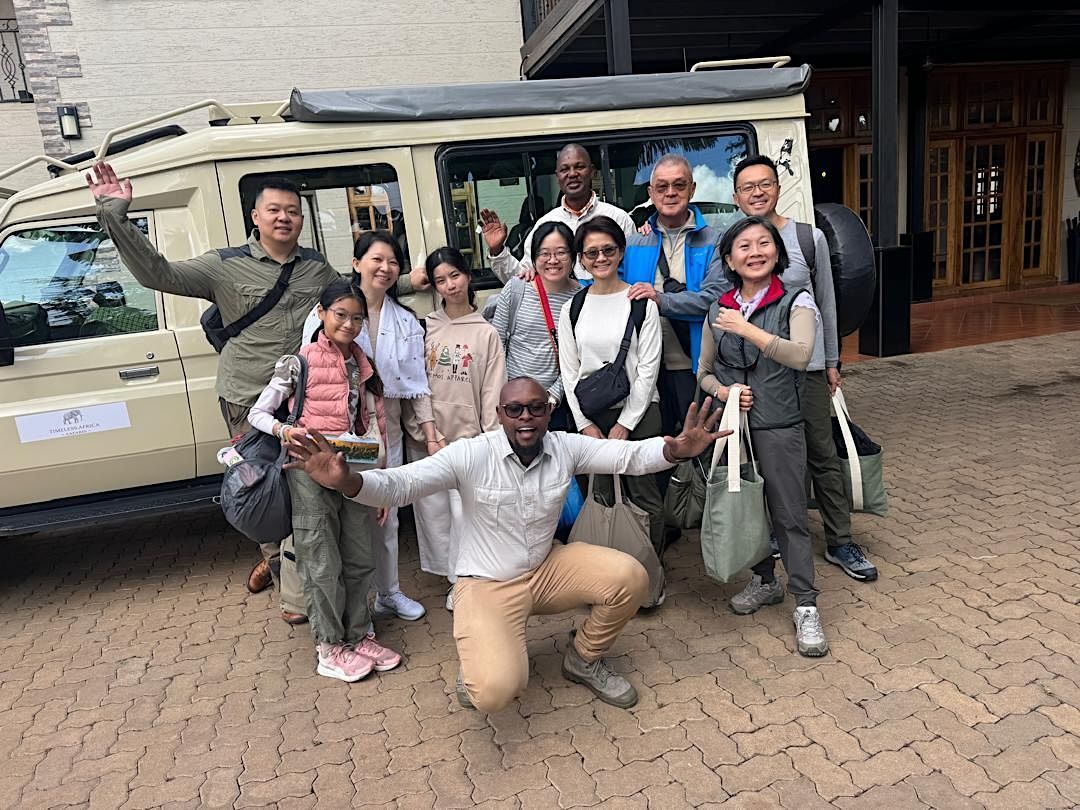
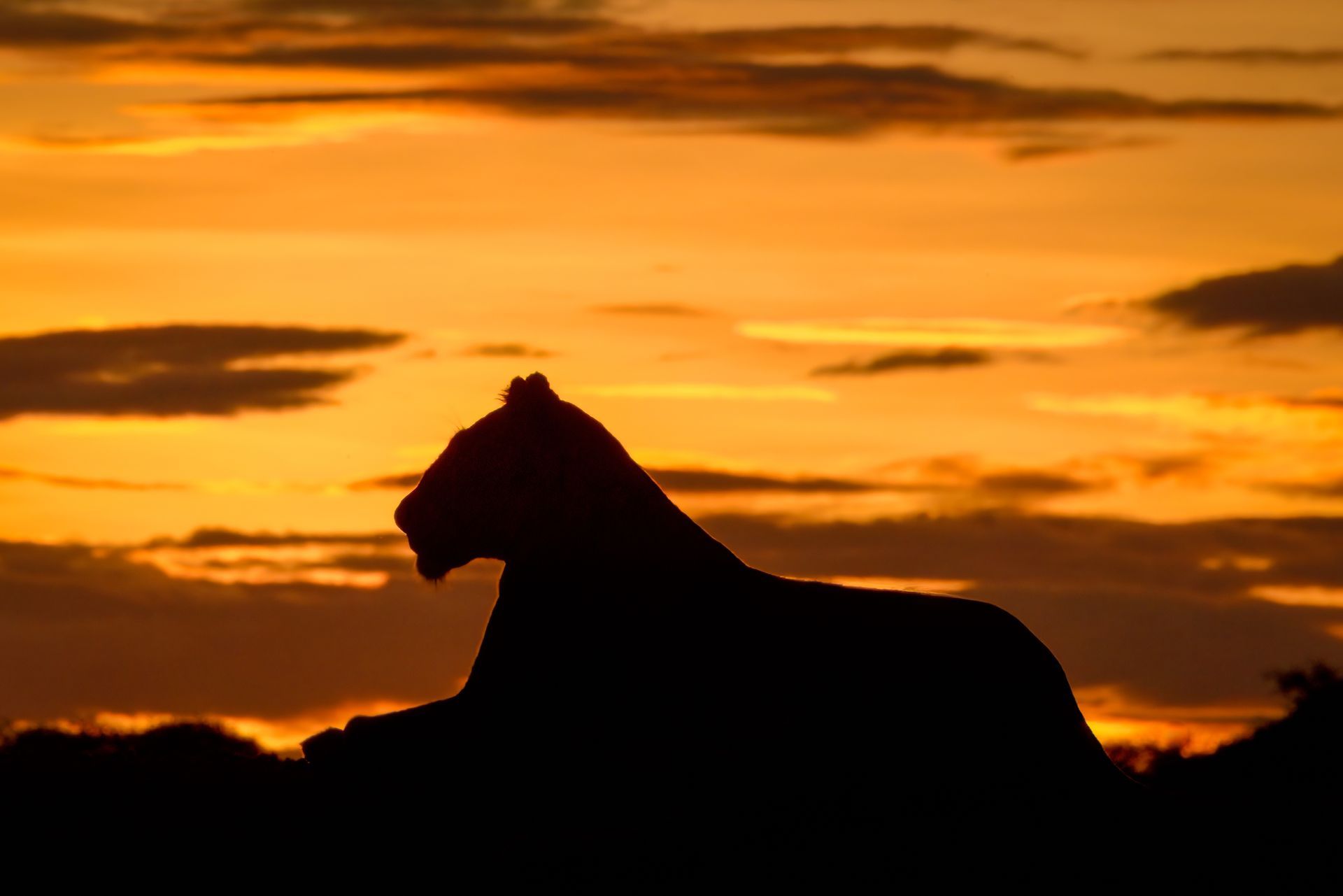
The reason East Africa works so well for mixed-age groups is straightforward: the wildlife doesn't discriminate! A pride of lions moving through the grass at dusk is as arresting at eight as it is at 68, and the shared experience of watching it from the same vehicle, with the same guide, in the same light, creates a common ground that family holidays rarely manage. The conversations it generates around the dinner table that evening tend to be the ones that people are still telling years later.
The groups this applies to are more varied than the word "multigenerational" sometimes suggests. We see parents and adult children travelling together, groups of siblings ranging from their 30s to their 60s, making a milestone trip, an extended family pulling together across branches and generations for something that a reunion dinner simply couldn't provide... The safari works for all of them, provided the itinerary is built with enough intelligence and flexibility to serve everyone in the group.
Pace is everything
The most common mistake in multigenerational safari planning is trying to do too much. The temptation, particularly for first-timers in East Africa, is to cover every famous destination, the Serengeti, Ngorongoro, Tarangire, the Masai Mara, perhaps a gorilla trek in Rwanda or Uganda, and to fit it all into a fortnight. For a group with different energy levels, different fitness and different ideas of what a good day in the field actually looks like, that approach tends to produce exhaustion rather than wonder, particularly among older members of the group for whom long transfer days and relentless early starts take a cumulative toll.
The better approach is to choose fewer destinations and spend more time in each. Three nights in Tarangire, followed by three nights in the central Serengeti and two nights on the Ngorongoro rim, gives a group the space to settle into each place properly. It allows for rest days, for slower mornings, for the kind of extended time at a waterhole or riverbank that produces the sightings worth having.
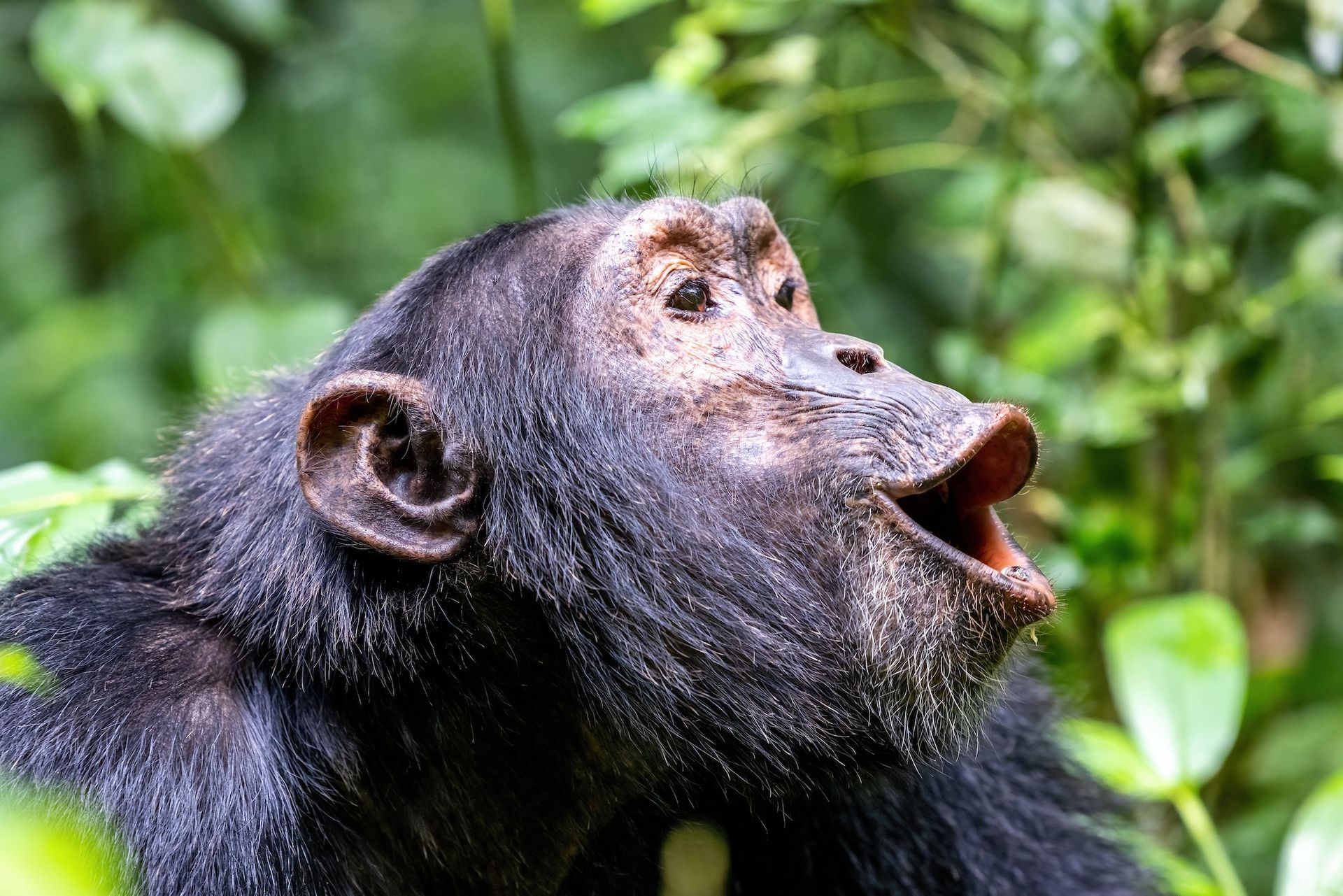
A Rwanda itinerary built around gorilla tracking in Volcanoes National Park and game viewing in Akagera, or a Uganda journey combining Kibale's chimpanzee forests with Queen Elizabeth National Park, each works equally well as a focused multigenerational experience precisely because it doesn't try to be everything at once.
Private vehicles and private arrangements
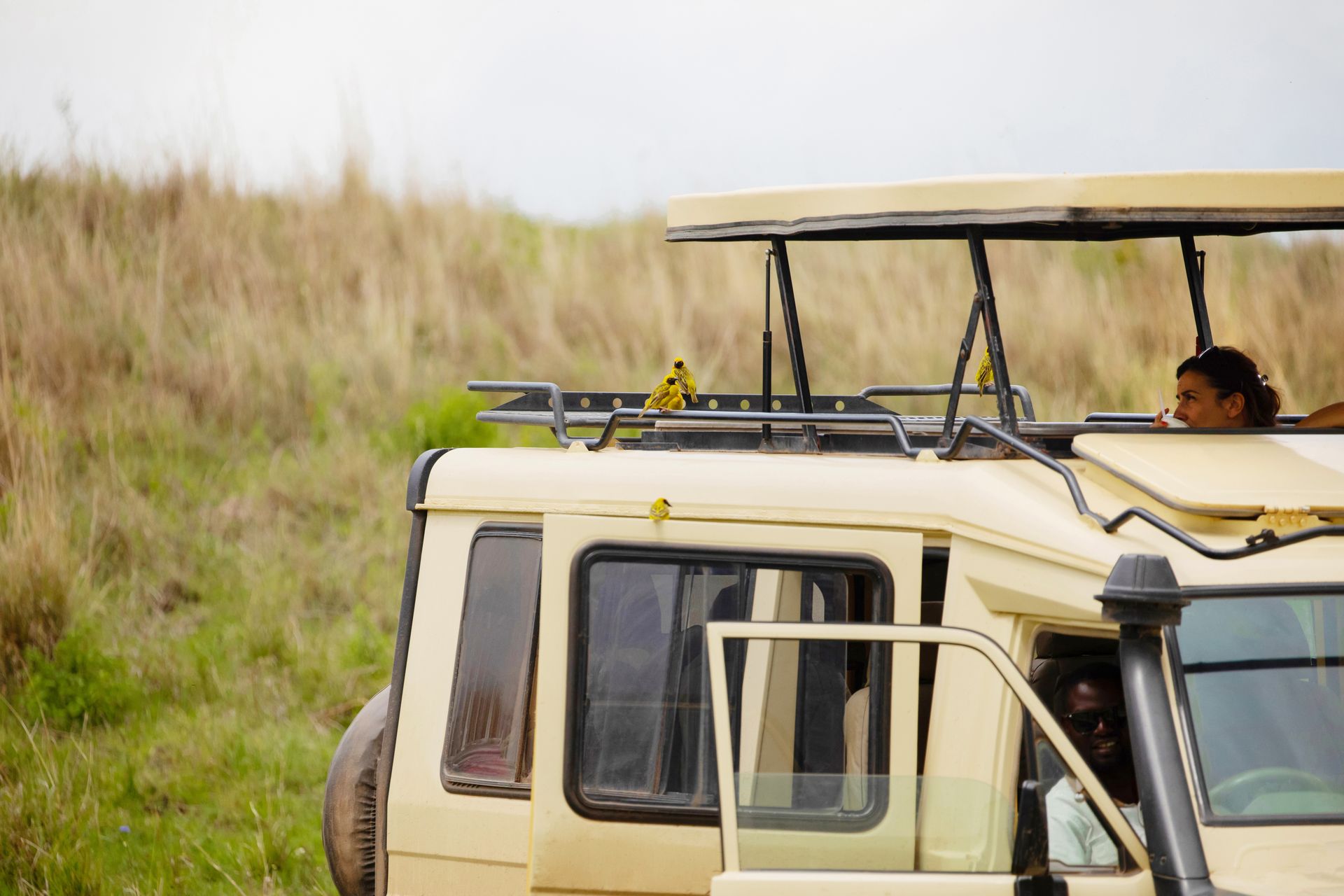
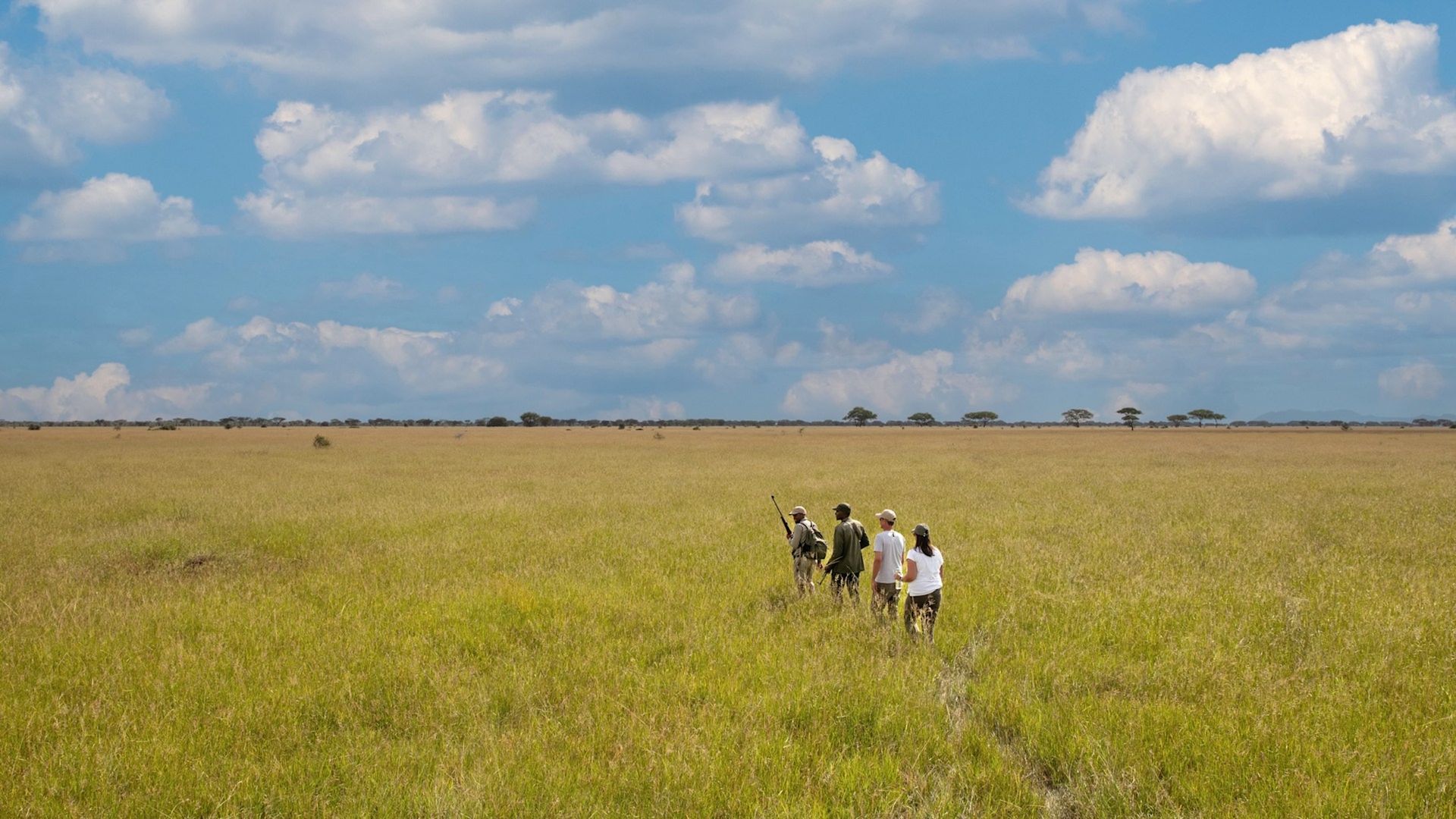
Every multigenerational safari should be built around a private vehicle, and this matters more for these groups than almost any other. Different people want different things from a game drive, and a private vehicle gives the group the freedom to accommodate all of them. Leave early or leave late, stay with a sighting for as long as it holds interest, head back to camp when someone needs a break or follow the unplanned detour when something unexpected appears. None of this is possible in a shared vehicle, and for a group that already has its own internal dynamics to manage, the flexibility of going private is not a luxury but a necessity.
What different ages take from it
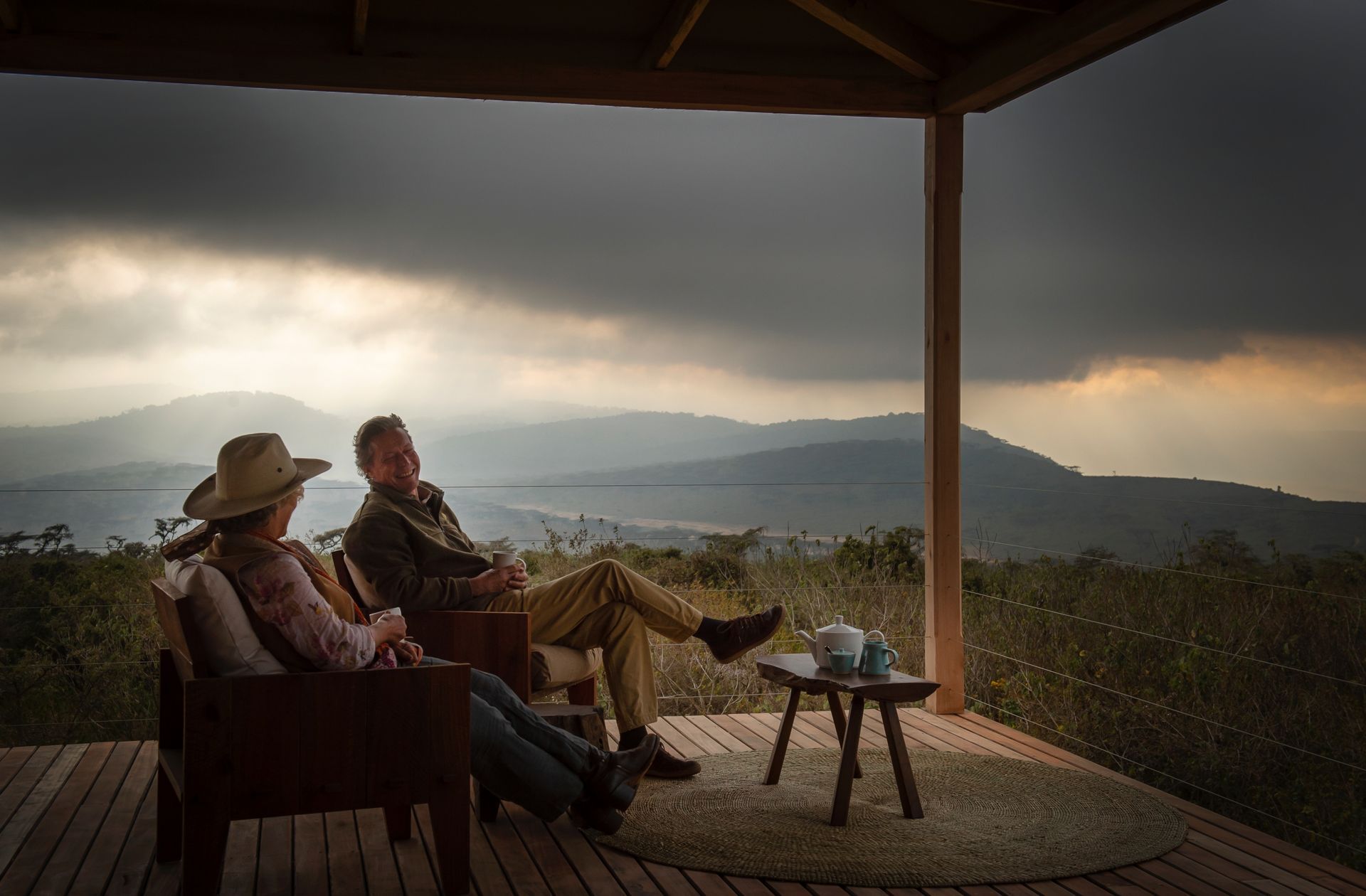
Younger members of the group tend to be transformed by the scale of it. A real elephant at close range, a real lion doing real lion things, lands very differently from anything a screen has shown them, and the effect on their curiosity and their understanding of the natural world is often immediate and lasting. A grandparent watching that happen to a grandchild for the first time is having an experience of a completely different kind but of equal power. Older members of the group bring a quality of attention that younger ones haven't yet developed, a patience and a depth of context that makes everything richer, and that quality tends to be contagious across the vehicle.
The middle generation tends to find the multigenerational safari one of the most satisfying things they've ever been part of. Experiencing the people they love most discover something together, in a place as genuinely extraordinary as East Africa, is its own reward.
Getting the details right
Building an itinerary that works for a mixed-age group requires knowing both your clients and your destination in real detail. Which camps have accommodation configurations that work for larger groups? Where are the access and mobility considerations that matter for older travellers? Which experiences tend to land across every age, and which need managing more carefully? These are questions that Anderson & Harvey's team answers from genuine on-the-ground experience across Tanzania, Kenya, Uganda and Rwanda, and that experience is what turns a good itinerary into a great one. If you have a multigenerational group in the pipeline, it's a conversation worth having.
Let's chat soon!