Culinary magic in the middle of nowhere
How food on safari has become an art form!
Safaris in Tanzania are usually booked for the incredible wildlife and spectacular landscapes and all that goes with them. Food is, at best, an afterthought in the planning conversation, and this is entirely understandable. It's also one of the great miscalculations of first-time safari travellers, who arrive expecting average meals and leave having eaten, in many cases, extraordinarily well. Let's dive deeper into the advent of safari cuisine!
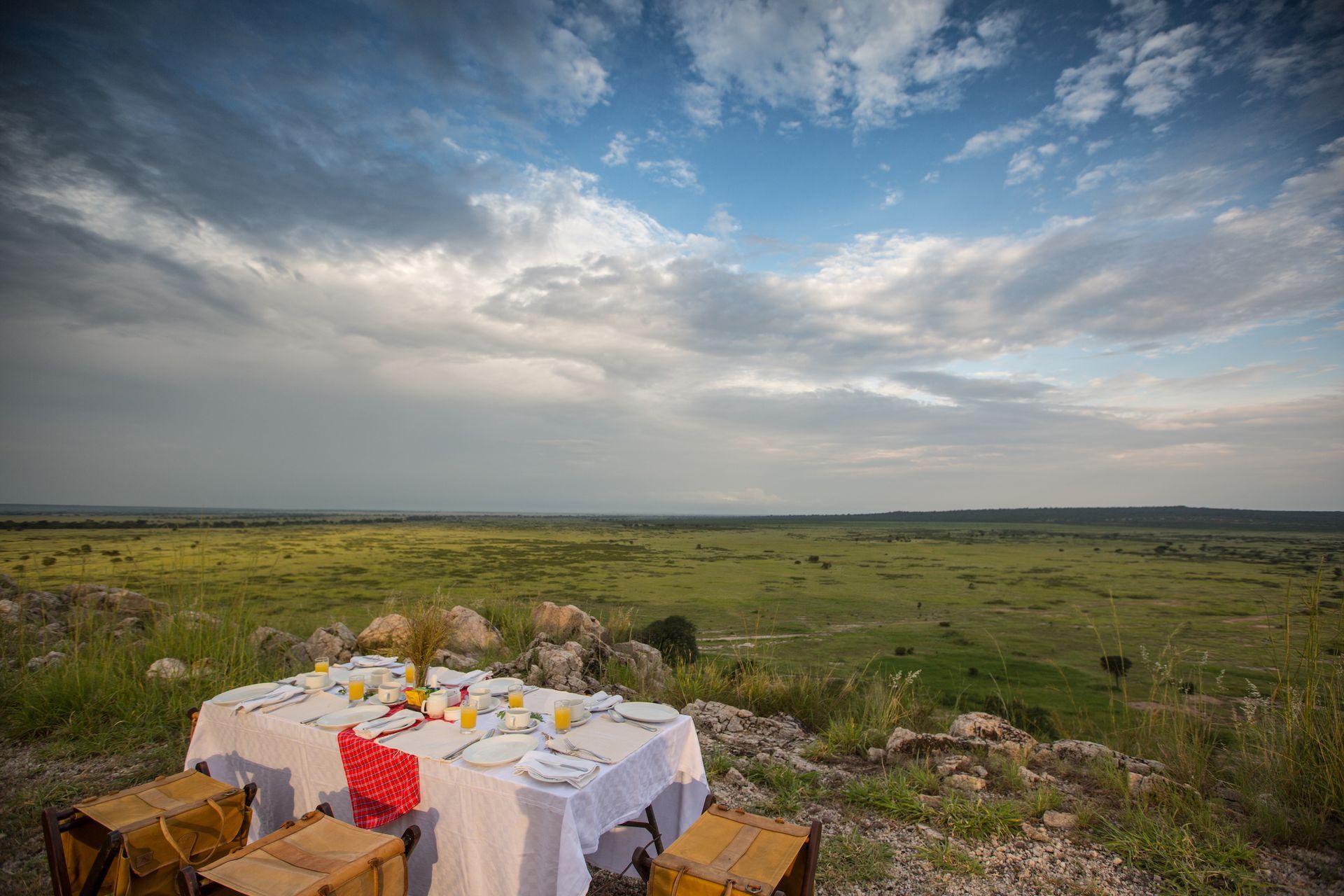
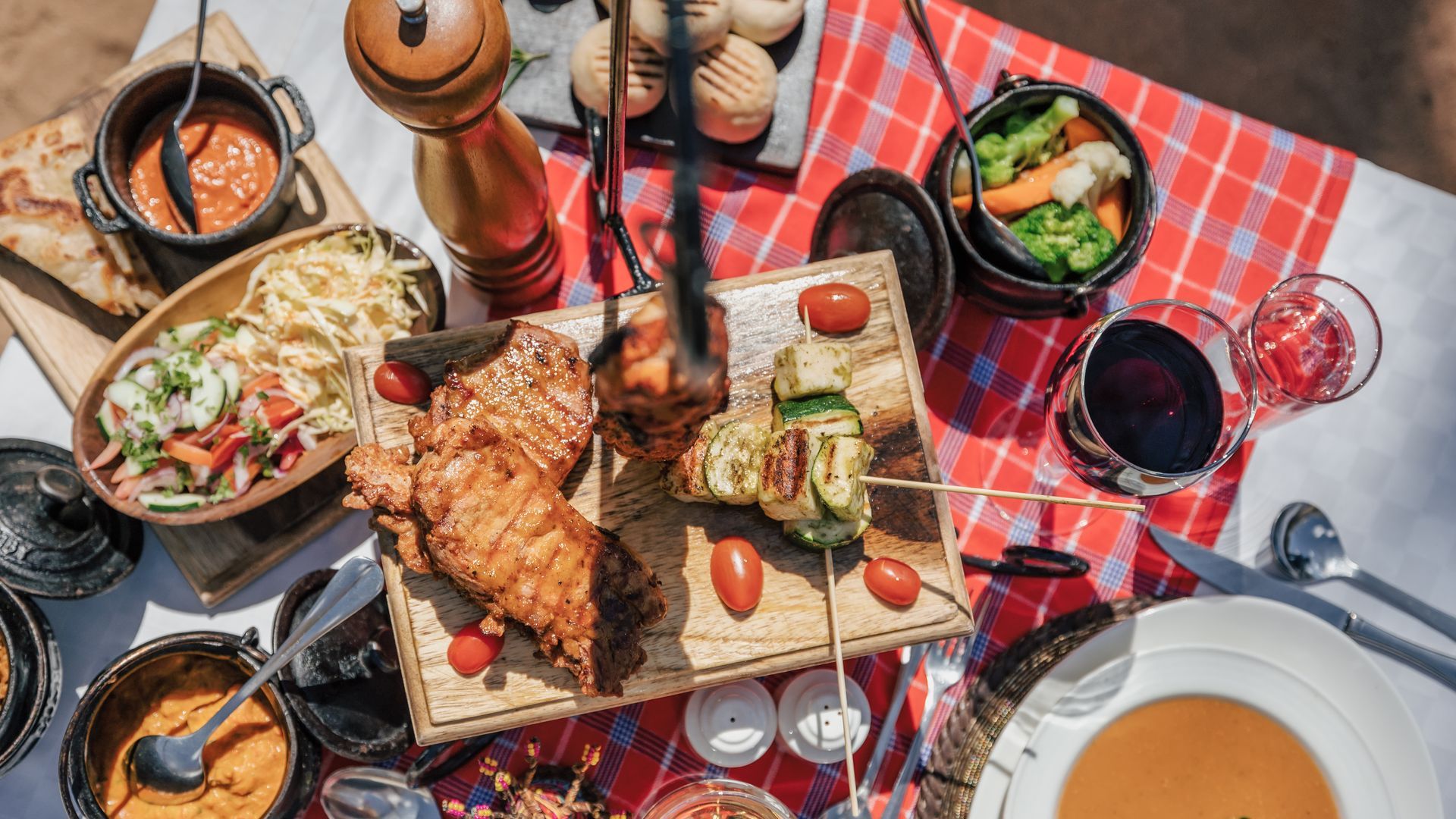
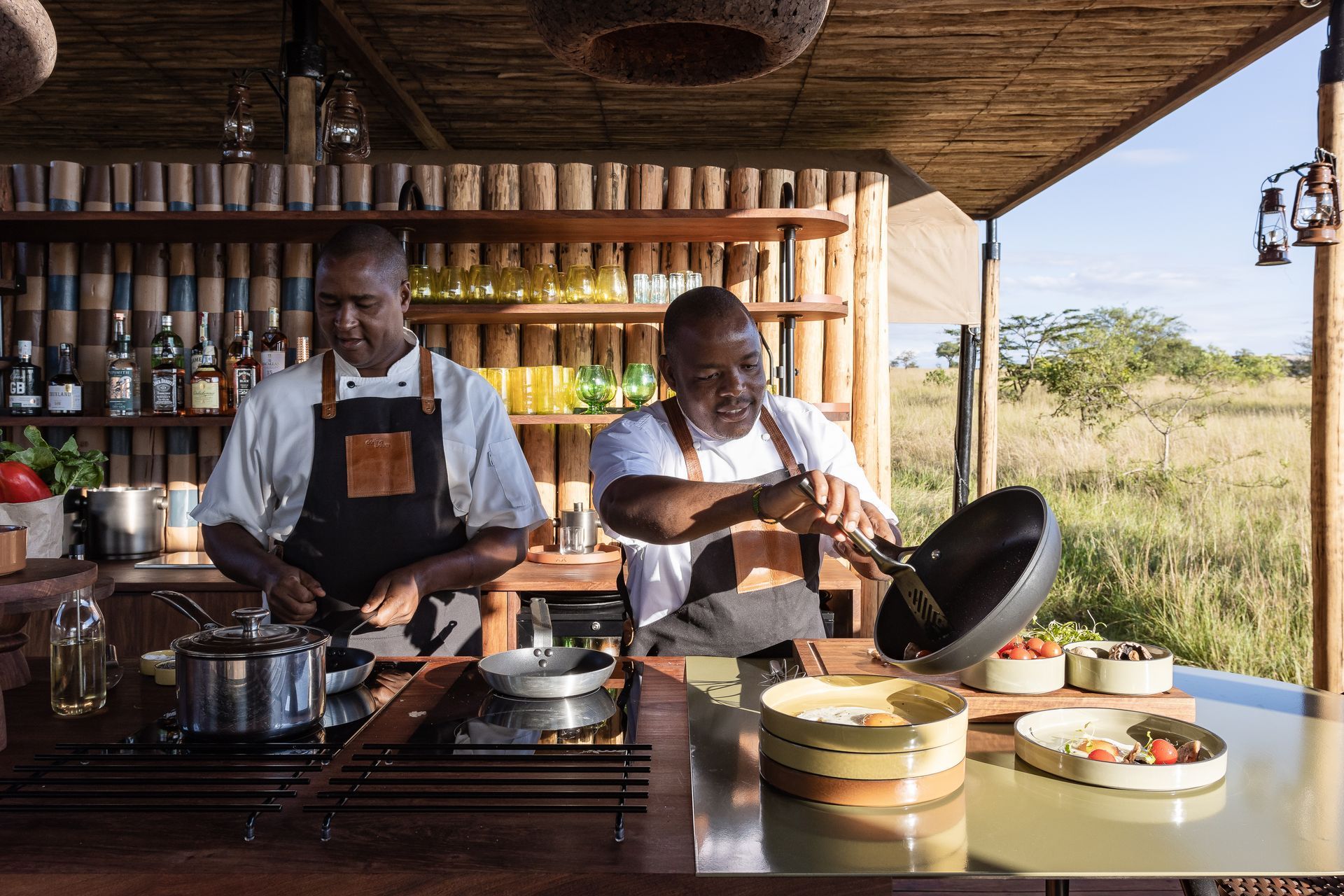
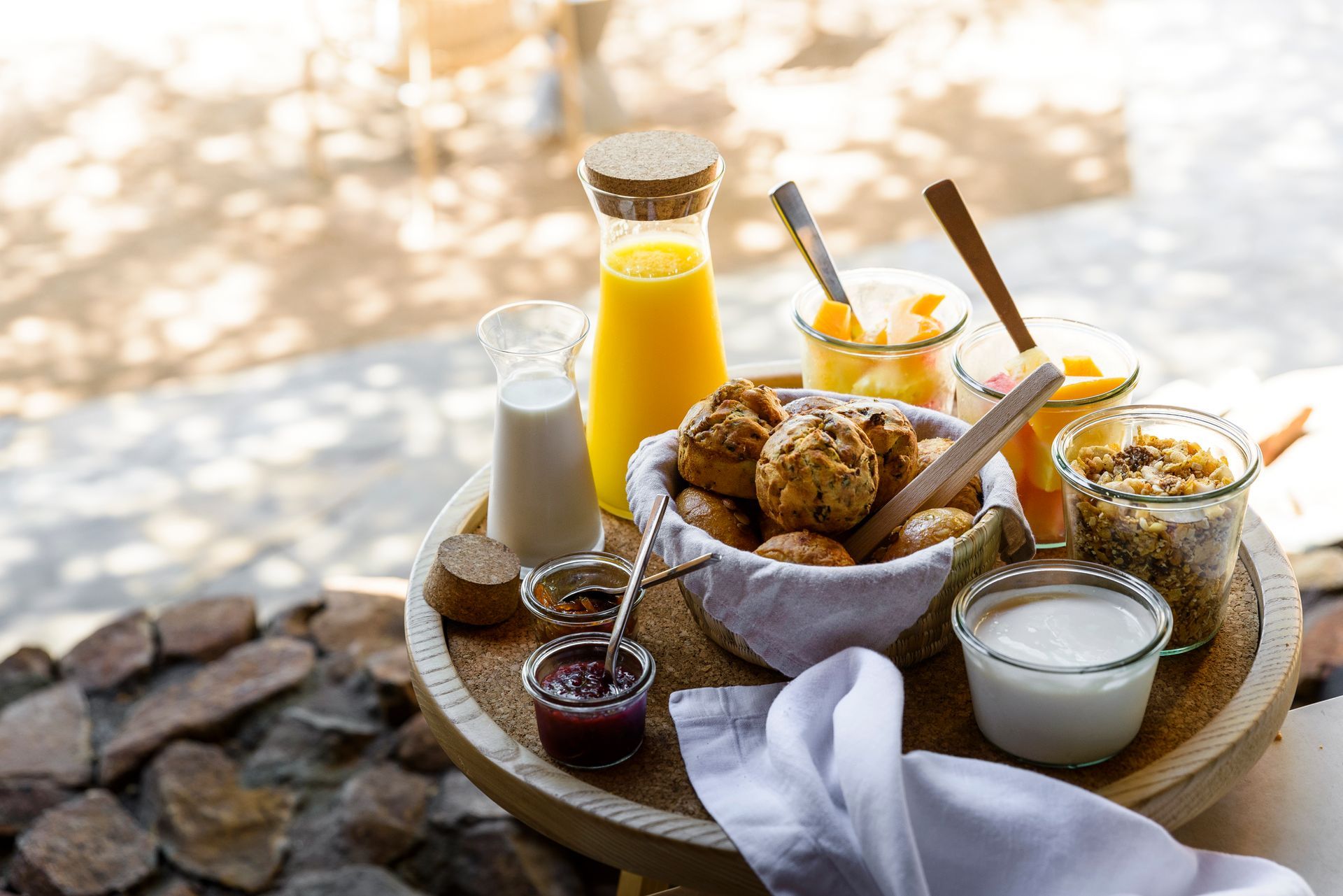
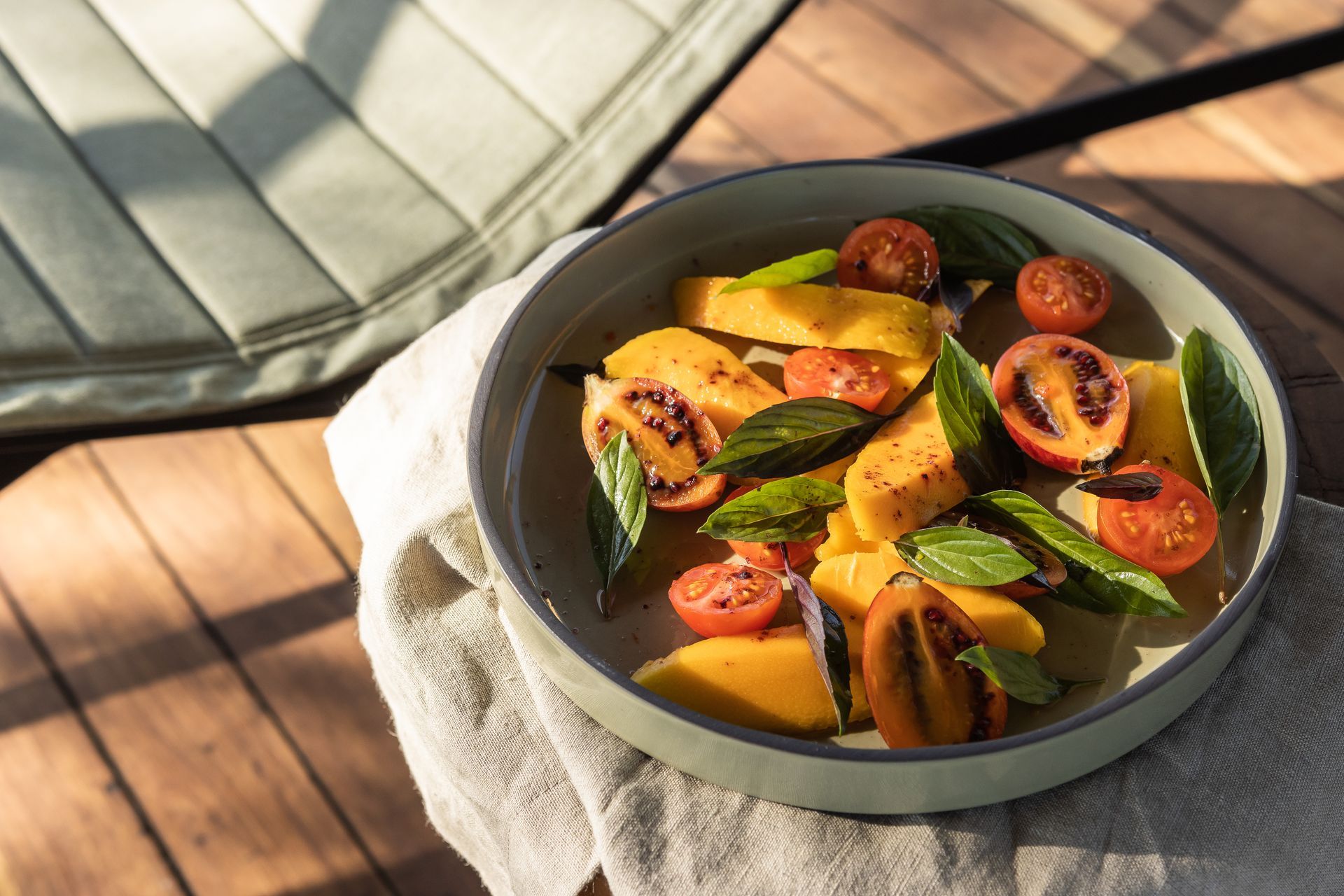
The explanation lies partly in the quality and creativity of the bush kitchens that the best camps on Tanzania's northern circuit now employ, and partly in something harder to quantify: the effect that the African wilderness has on appetite. Spending hours on a game drive in the open air, fully alert to everything around you, produces a hunger so clean and so uncomplicated that almost any food tastes better than it would at home. Add a setting of implausible beauty and the company of fellow travellers still buzzing from wildlife sightings, and you have a dining environment that no restaurant anywhere in the world can honestly compete with.
The rhythm of a safari day
Food on a great East African safari is structured around the rhythm of the bush, which is to say around the light, the animals and the particular imperative of being in the right place at the right time. This means eating at hours that no urban schedule would normally accommodate, and discovering rather quickly that it suits you perfectly.
The day begins before dawn, when a soft knock at the tent brings tea or coffee and perhaps a small plate of biscuits or rusks, enough to wake the senses before the drive out to wherever the guide thinks the morning's best sightings are likely to be. The early start is one of the great gifts of the safari day, the light at this hour being like nothing else on earth and the wildlife at its most active before the heat builds and the animals settle into the shade.
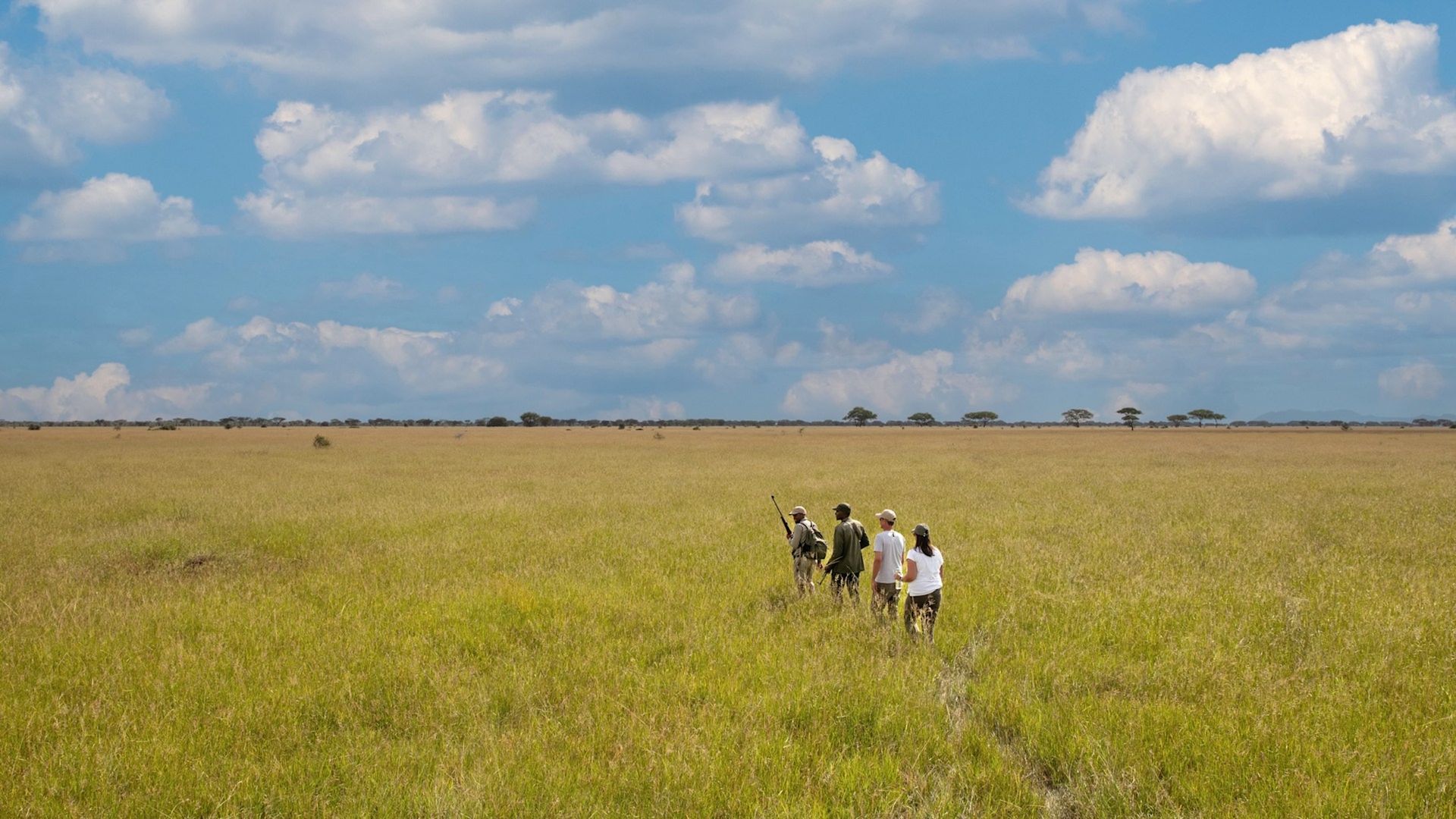
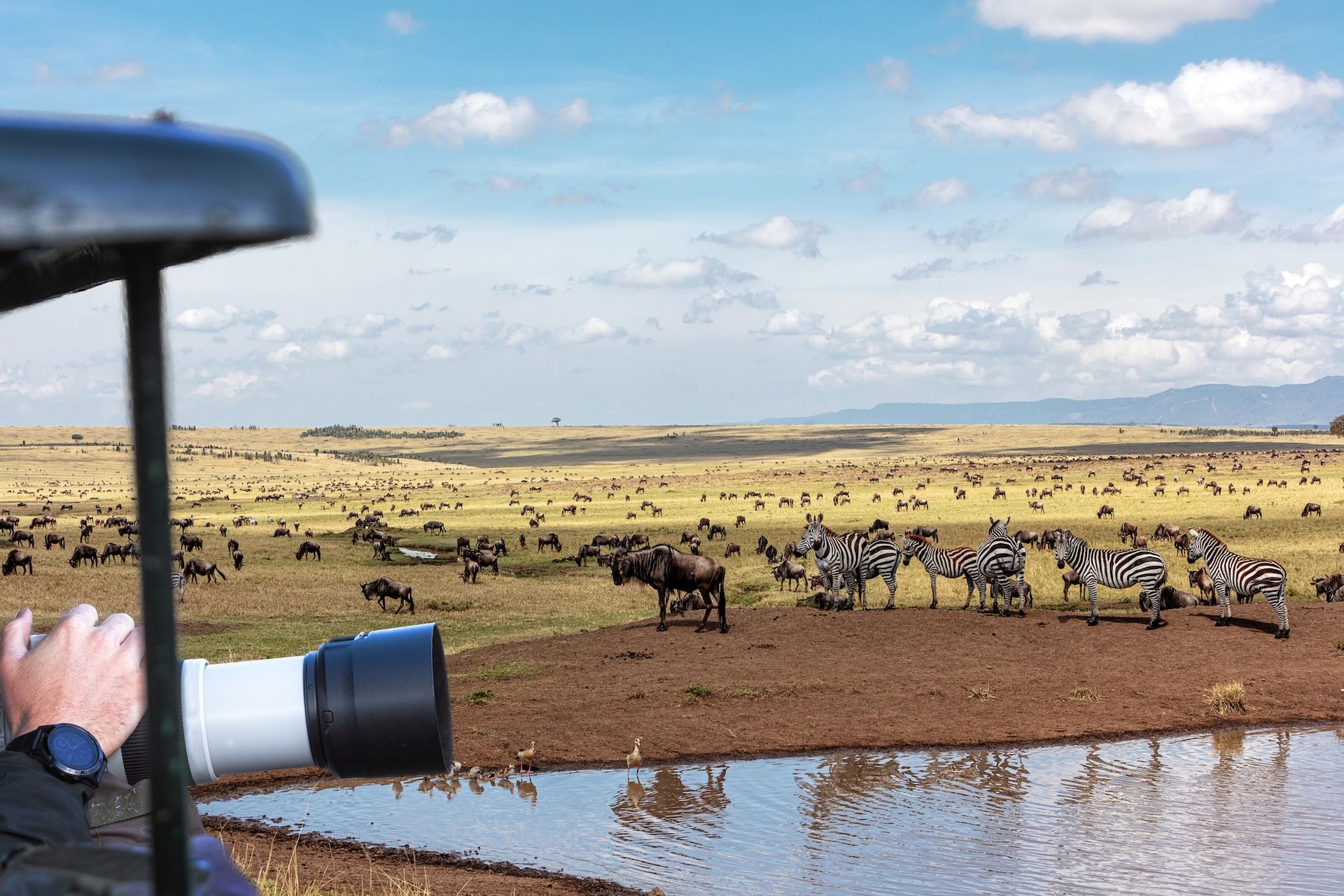
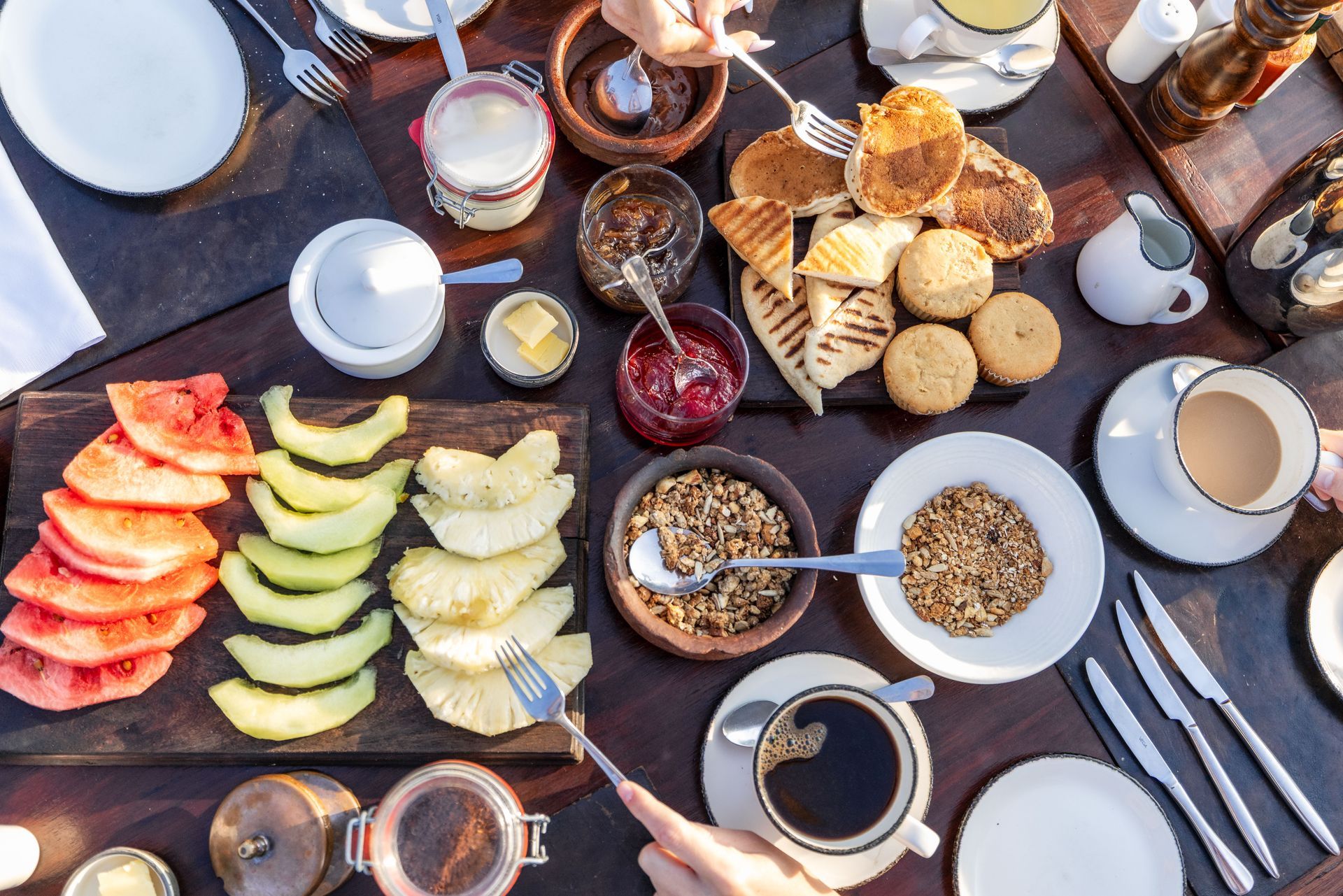
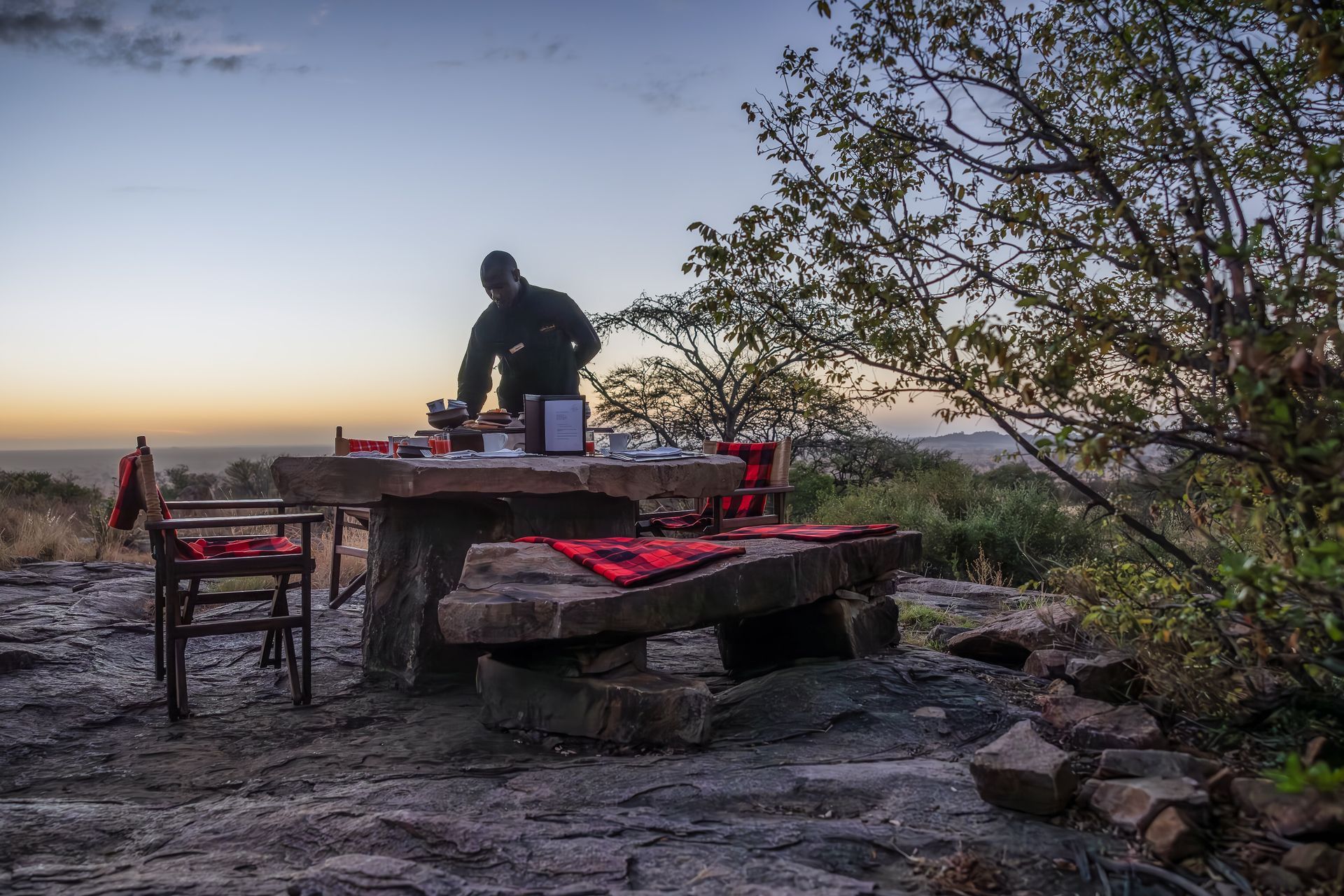
After two or three hours in the field, the vehicle stops somewhere that invariably turns out to be more scenic than any location a caterer could deliberately choose. A folding table appears, a proper cloth is laid, and a coffee break ensues like none before it. Or perhaps a bush breakfast is produced that typically includes fresh fruit, eggs cooked to order over a portable stove, toast, yoghurt, cold meats and enough coffee to restore anyone's enthusiasm for the second half of the morning. Eating breakfast with elephants grazing a hundred metres away and the Serengeti stretching to the horizon in every direction is, quite simply, one of life's better experiences.
Lunch back at camp is served during the midday rest when the heat is at its most persuasive, and it tends towards the relaxed and generous. Fresh salads, grilled meats or fish, warm bread, cold drinks and the quiet pleasure of sitting in the shade of an acacia while the camp falls into its afternoon stillness and the lions sleep somewhere nearby. Most guests discover that the mid-afternoon rest they were certain they'd never take has quietly become the highlight of every safari day.
The sundowner
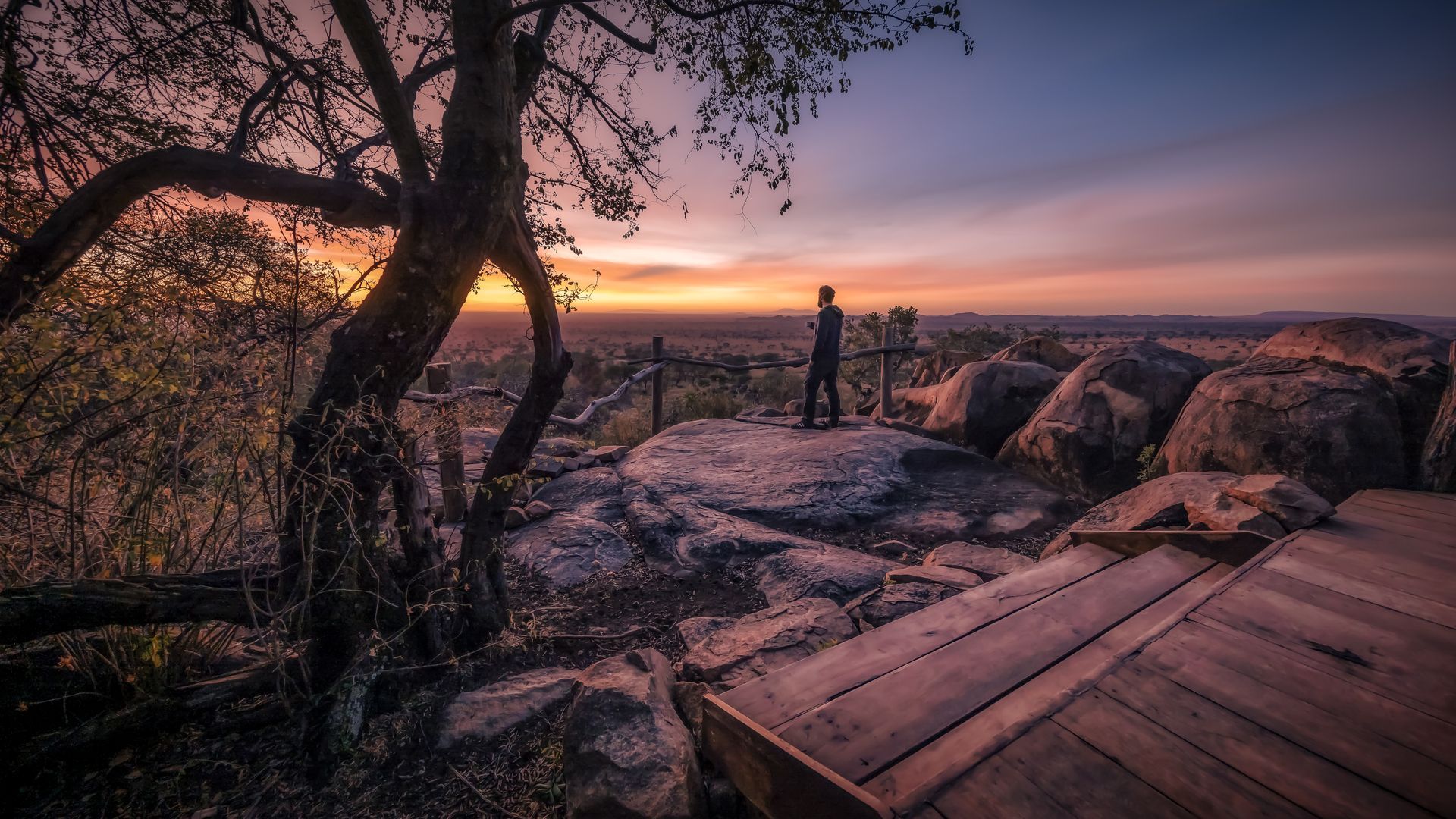
The evening game drive ends at what the bush does best, the sundowner, that most sacred of safari rituals, when the vehicle stops at a viewpoint chosen for its light and its outlook and drinks appear from the cool box alongside snacks that suggest someone with considerable skill has been thinking about this moment since mid-afternoon. Watching the sky perform its nightly extravagance over the Serengeti with a cold drink in hand is the kind of experience that makes a person feel, with complete conviction, that life is working out rather well.
Dinner under the stars
Dinner is where the culinary ambition of any safari camp or lodge shows itself most fully. The bush kitchens producing these meals are operating under conditions that would defeat most professional chefs, with limited power, limited refrigeration and supply chains that run through dusty roads and light aircraft, and yet the food that emerges from them is frequently a genuine revelation. Swahili-spiced lamb slow-cooked over coals. Fresh tilapia grilled simply with lemon and herbs. A chocolate fondant that has somehow survived the journey from a camp kitchen to a table set in a dry riverbed under a sky so full of stars it seems almost implausible.
The setting is doing a great deal of work, it's true. But the food earns its place at the table, and the combination of exceptional cooking, exceptional surroundings and the warm, lingering glow of an extraordinary day in the bush produces the kind of dinner that guests are still describing to their friends six months later.
Food is invariably the last thing safari travellers think to mention when they're planning a trip, and among the first things they talk about when they get home. That particular reversal tells its own story about what a well-run safari kitchen is capable of, and it's a story that the best camps on Tanzania's northern circuit tell with impressive consistency.
Talk to the Anderson & Harvey team about the camp partners on Tanzania's northern circuit that deliver the finest culinary experiences in the bush.