Following the herds: the seasonal camps of the Serengeti
How the Serengeti's moving camps work
At some point every year, a convoy of trucks makes its way slowly across the Serengeti carrying beds, bathtubs, kitchen equipment, canvas, rugs, lanterns and everything else needed to create a luxury camp in the middle of the wilderness, bound for a stretch of open country chosen for one simple reason, which is that it's where the great herds are expected to be in the months ahead. A season later the whole operation is packed up and moved again, and the cycle continues year after year in step with the migration.
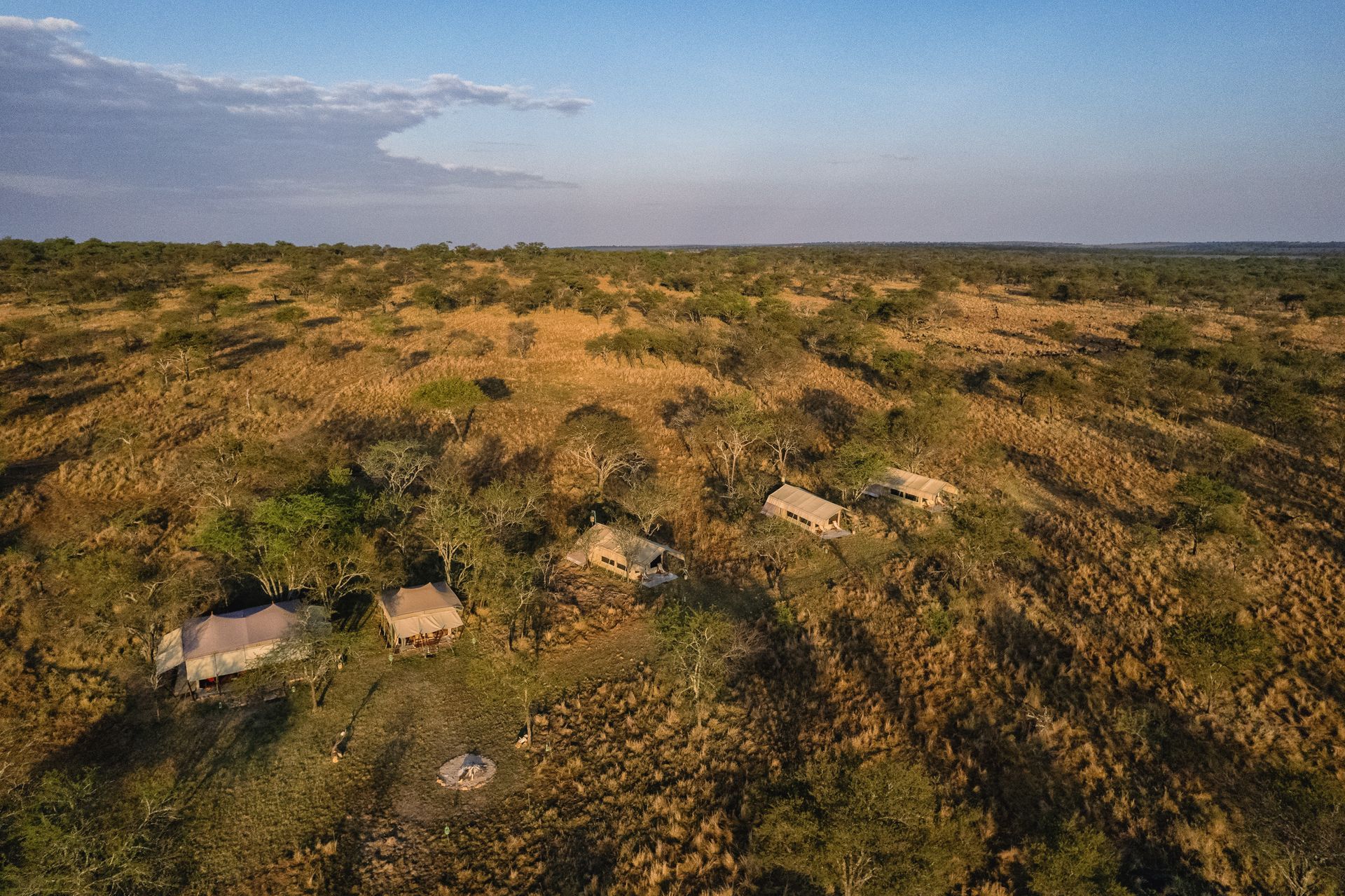
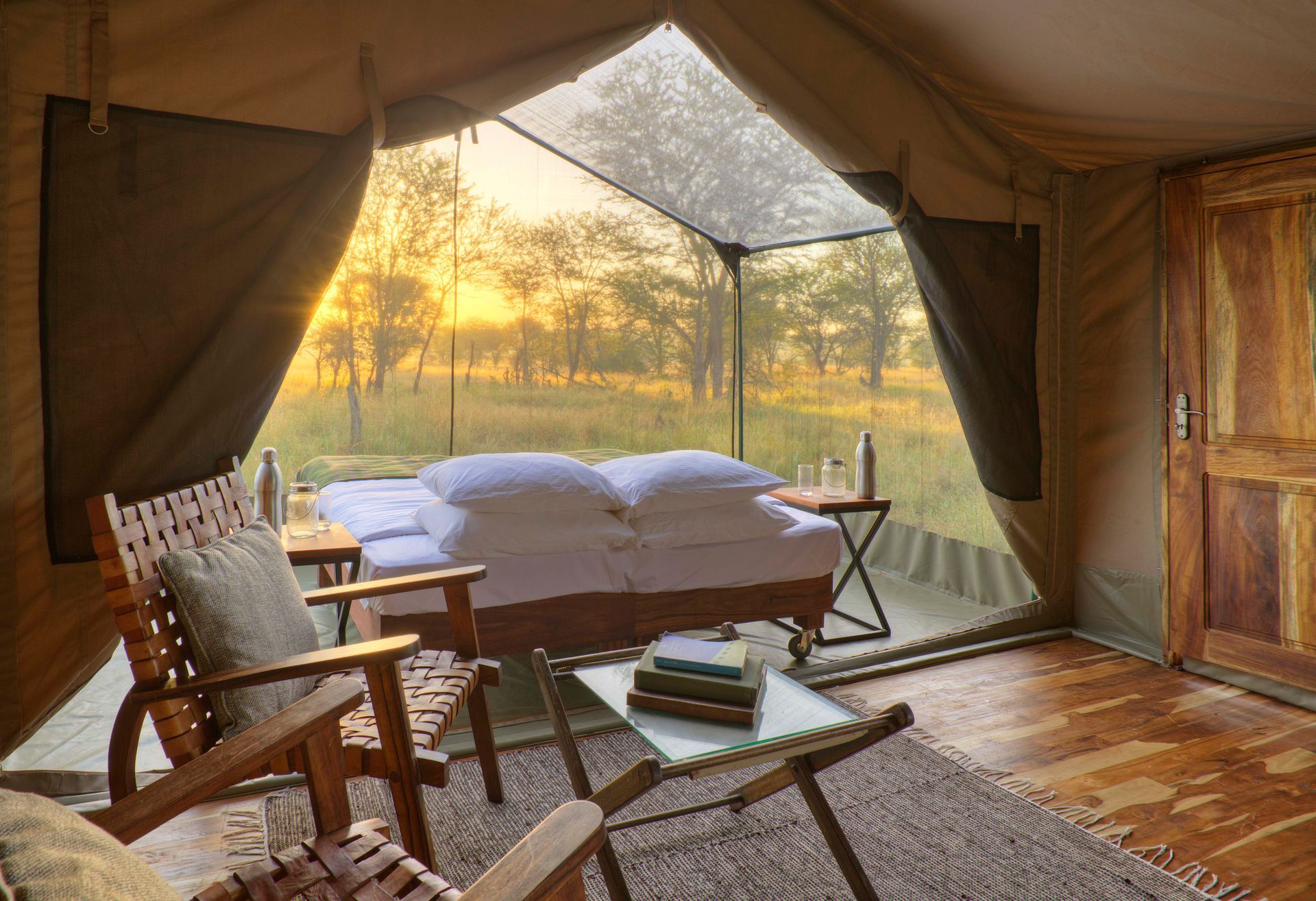
The seasonal camps of the Serengeti are one of the most ingenious ideas in African travel, combining the comforts of a fine camp with the freedom to follow one of the greatest natural events on earth as it moves through the year. For travel professionals building journeys around the migration, understanding why they exist, how they move and where they sit through the seasons is the key to placing clients in exactly the right corner of the ecosystem.
The idea itself has deep roots. Long before permanent lodges appeared on the plains, safaris were mobile by nature, with expedition camps carried from place to place on the backs of porters and later on trucks, and today's seasonal camps draw directly on that heritage, albeit with considerably more comfort than the early expeditions ever enjoyed.
Why the camps move
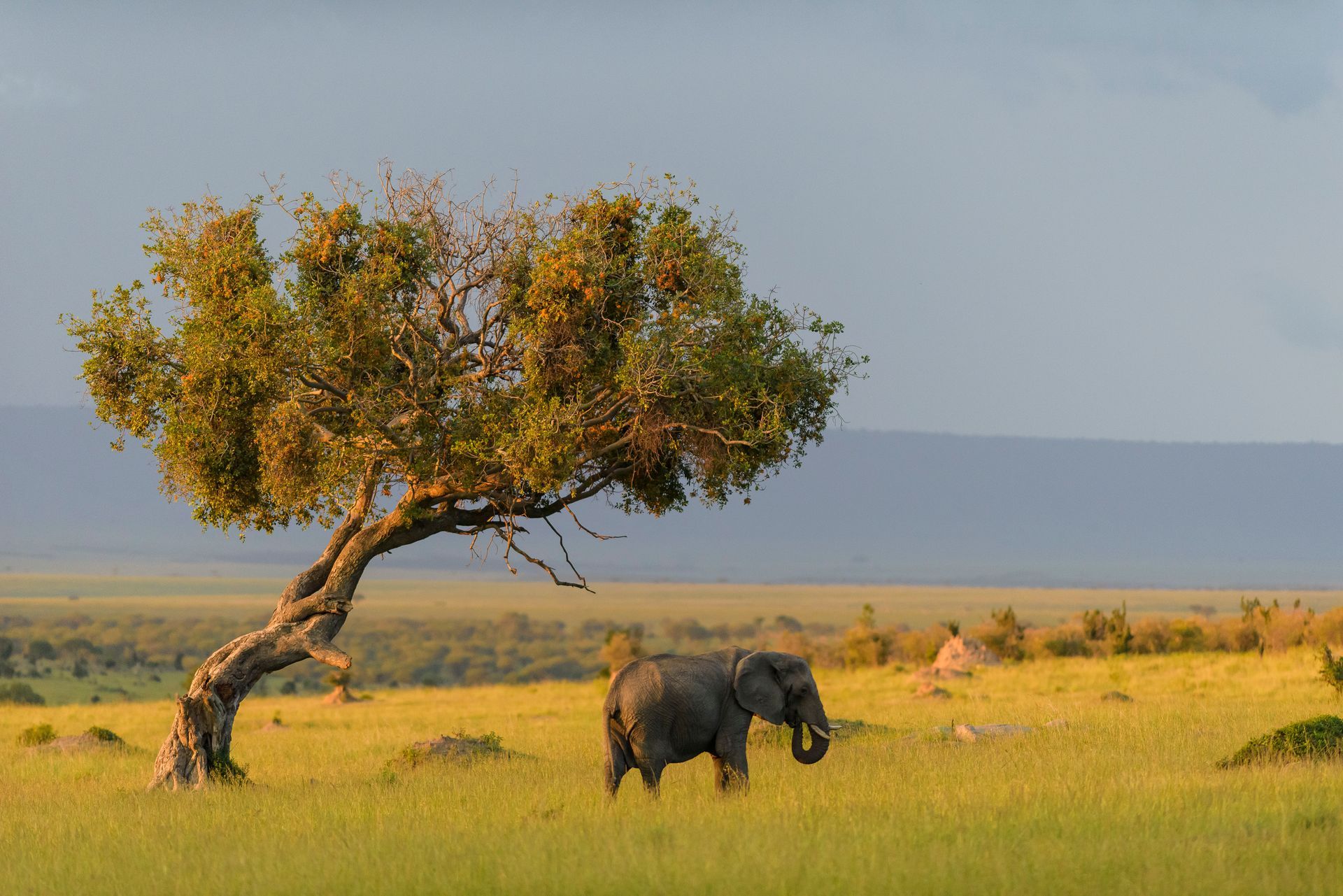
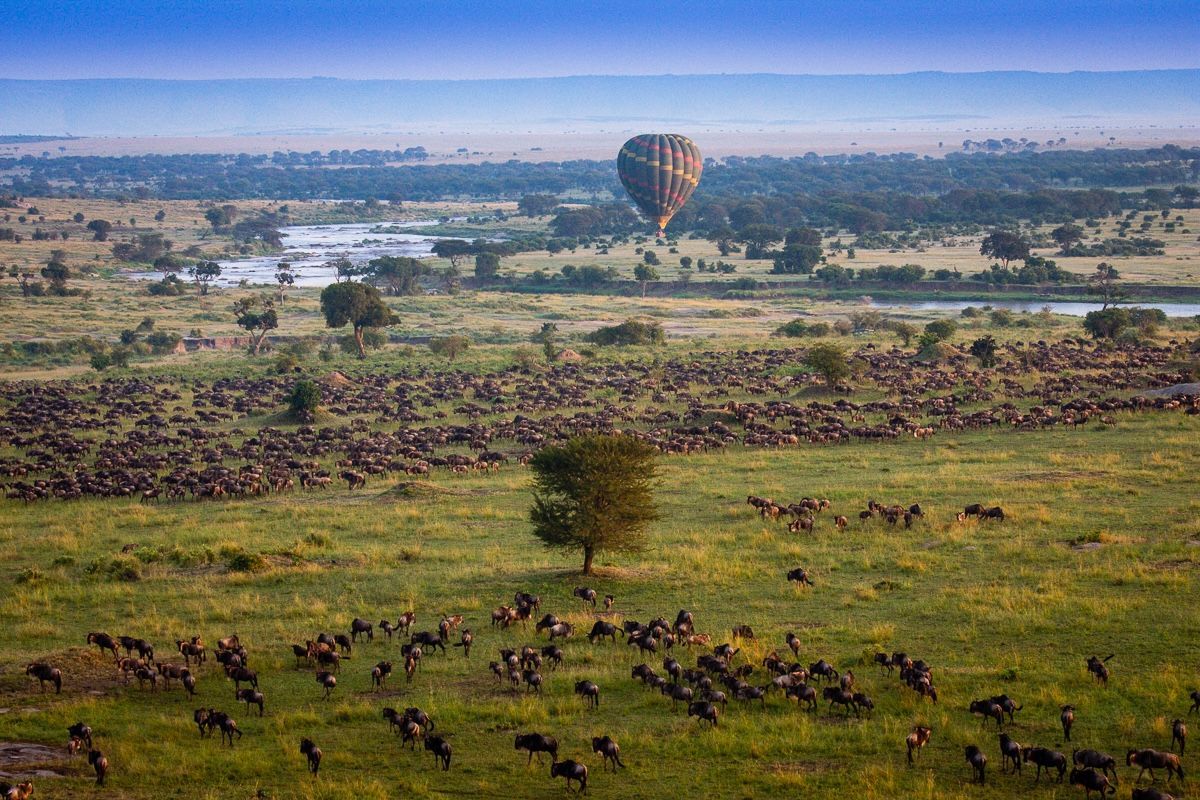
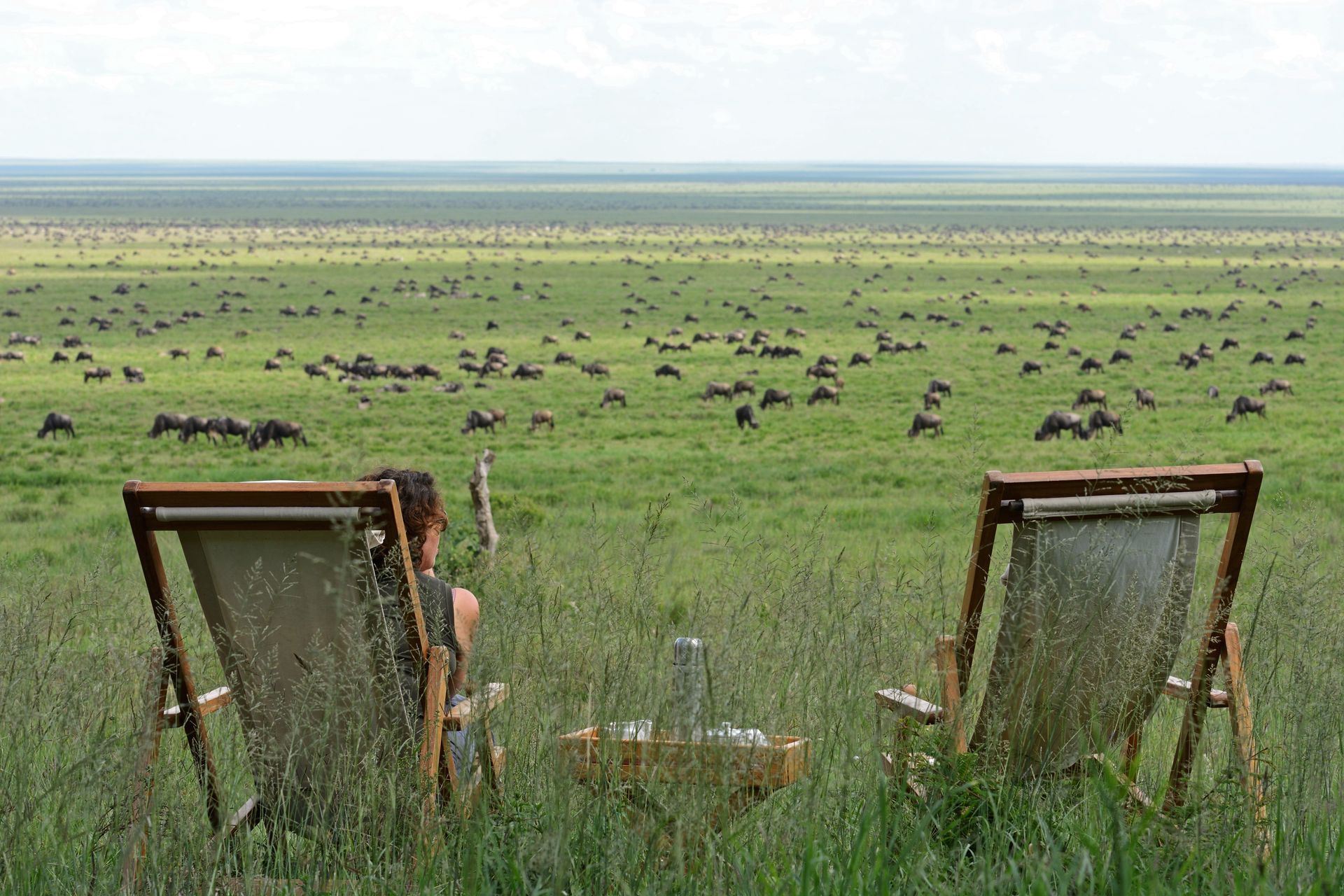
The great migration sees some 1,5-million wildebeest, accompanied by zebra, travel in a vast, broadly clockwise loop through the Serengeti ecosystem, driven by the rains and the fresh grazing they bring. A permanent lodge sees the herds pass through its area for a matter of weeks each year, while a seasonal camp relocates to stay within reach of them for as much of the year as possible.
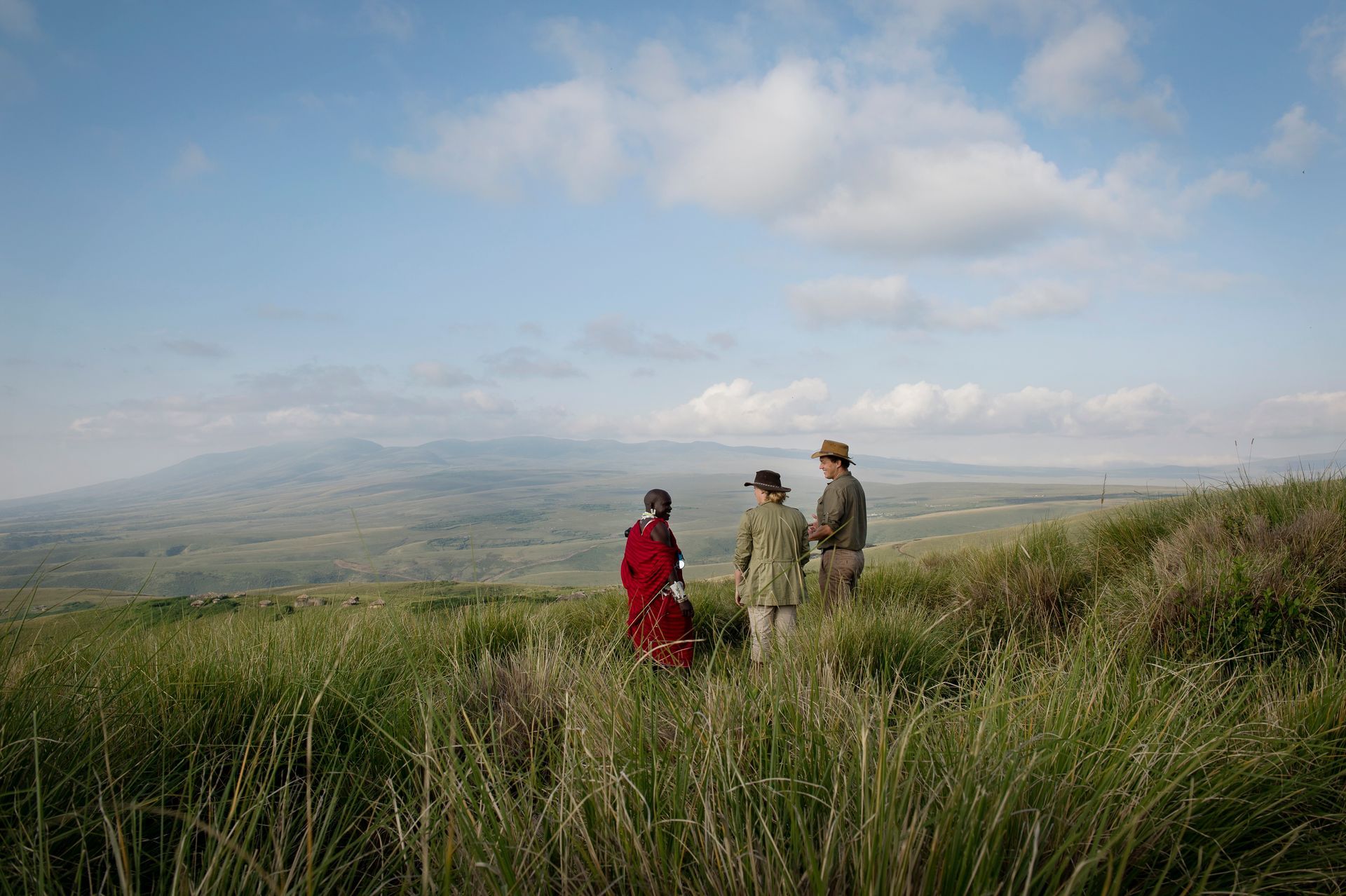
The rules of the national park play an equally important part. Permanent development within the Serengeti is tightly controlled, and seasonal camps operate on designated sites under licence, which is why everything from the plumbing to the furniture is designed to be dismantled, packed and carried to the next location. That temporary nature also allows camps to be placed in remote, beautiful areas where permanent building simply isn't permitted, giving guests a sense of seclusion that's hard to find anywhere else.
The rhythm of the year
Most seasonal camps follow a pattern of two or three positions a year. From around December to March, many settle in the south of the ecosystem, on the short-grass plains around Ndutu, where the herds gather for the calving season. When the long rains arrive in April and May, a number close altogether for a few weeks of rest and refurbishment, while others make their way to a mid-season site in readiness for the herds moving north.
From around June, the camps begin repositioning, some to the western corridor or the central Serengeti, and by July most of those following the migration have moved north to the Mara River region around Kogatende and the Lamai Wedge, where they remain until the herds swing south again in October and November and the convoys follow them back down to the southern plains. The exact timing shifts from year to year with the rains, and the positions each camp takes are planned months in advance on the strength of long experience of how the herds behave.
How a camp moves
A move is a remarkable feat of logistics that guests never see. The camp team strikes the tents, packs the furniture, kitchens, solar power systems and water tanks, and loads everything onto trucks that may travel for a day or more across the Serengeti to reach the new site. There, the entire camp is rebuilt from scratch in a matter of days, usually during a short closure between seasons, with the same attention to comfort and detail as before.
Some truly mobile camps make the journey several times a season, setting up for only a few weeks at a time to stay as close as possible to the herds, while others make just two moves a year between established seasonal sites. Each approach has its own character, and understanding the difference helps match the right camp to the right client, from those who want to be close to the heart of the action to those who prefer a little more permanence and polish.
Life under canvas
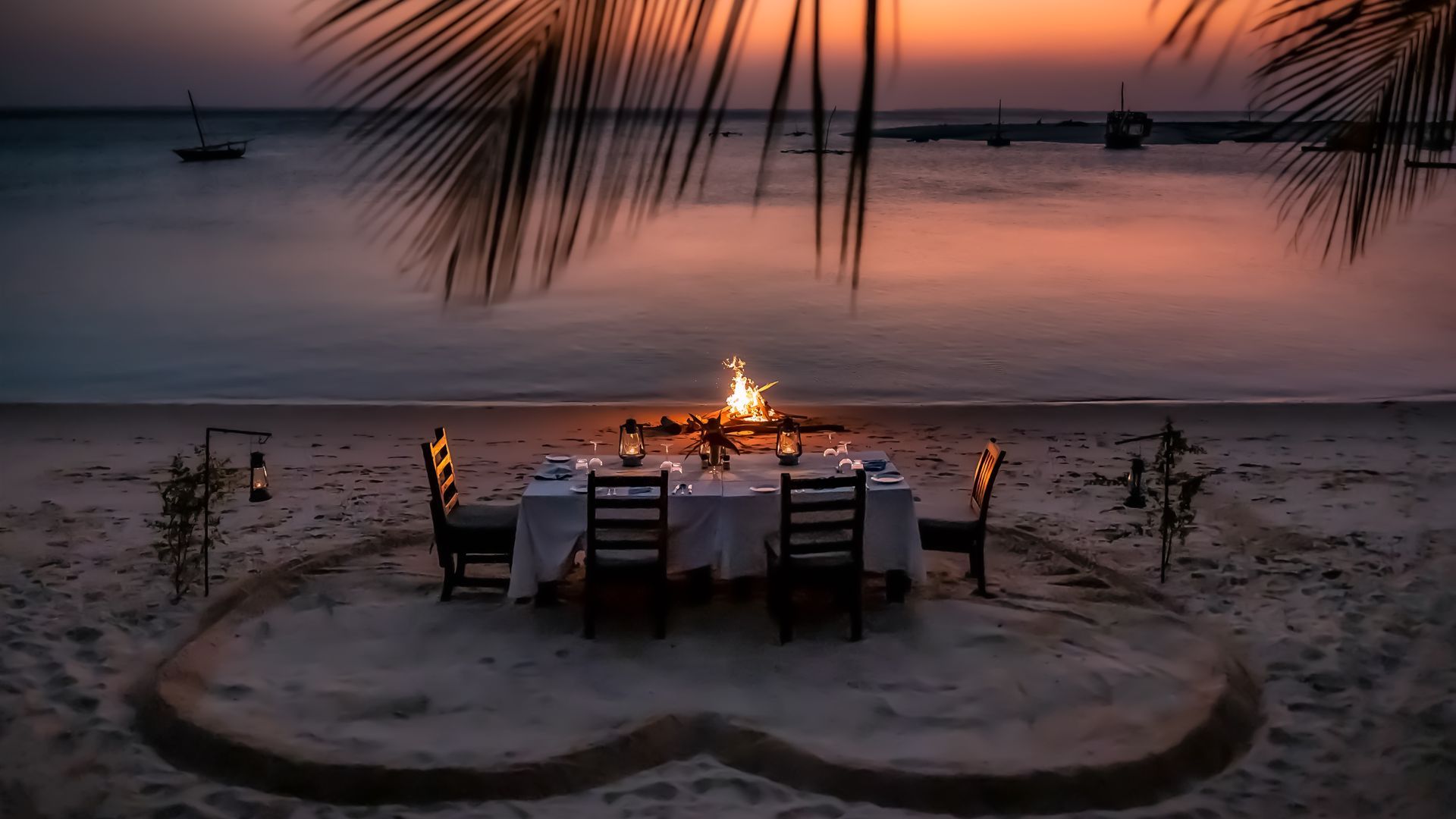
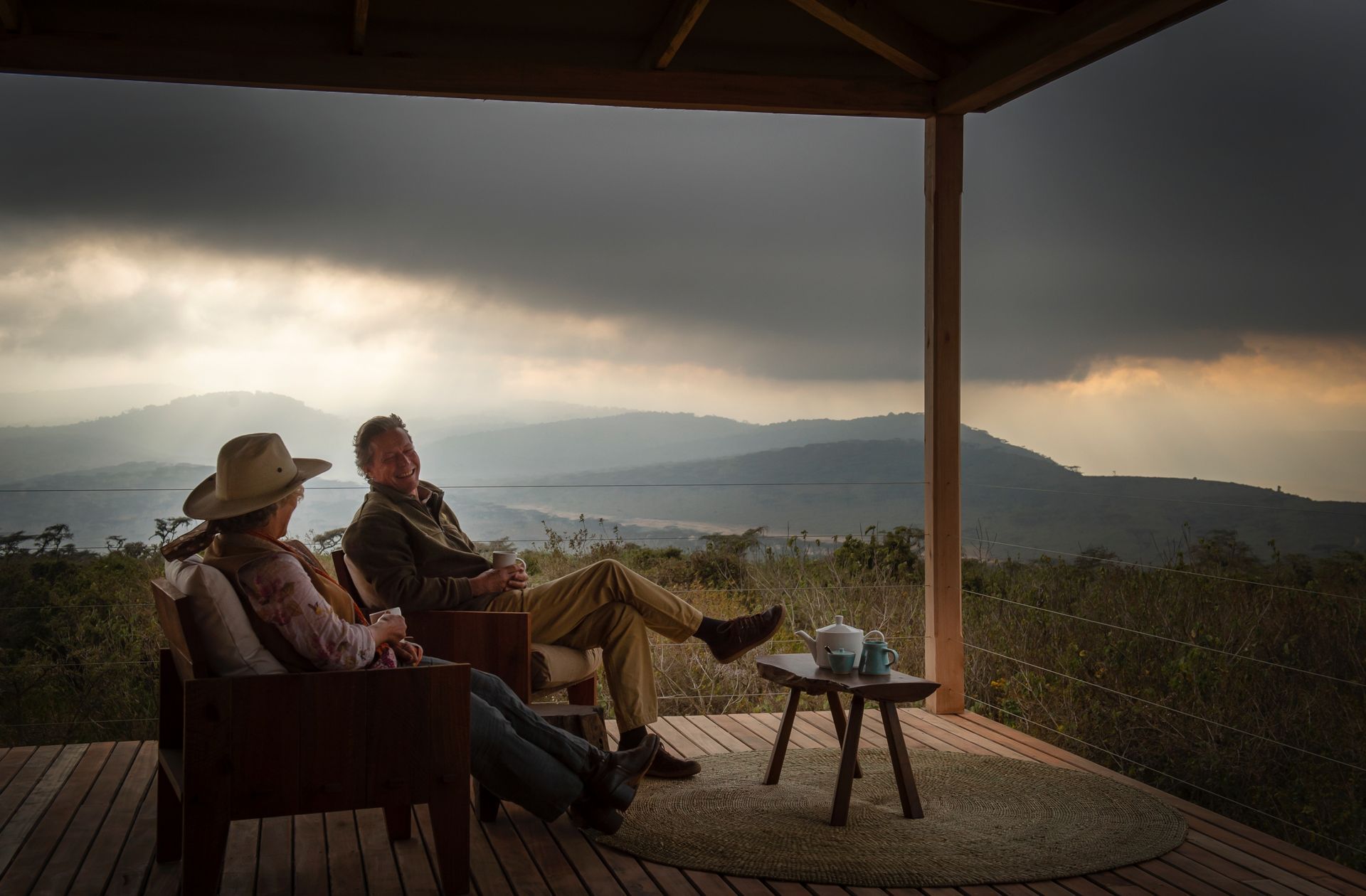
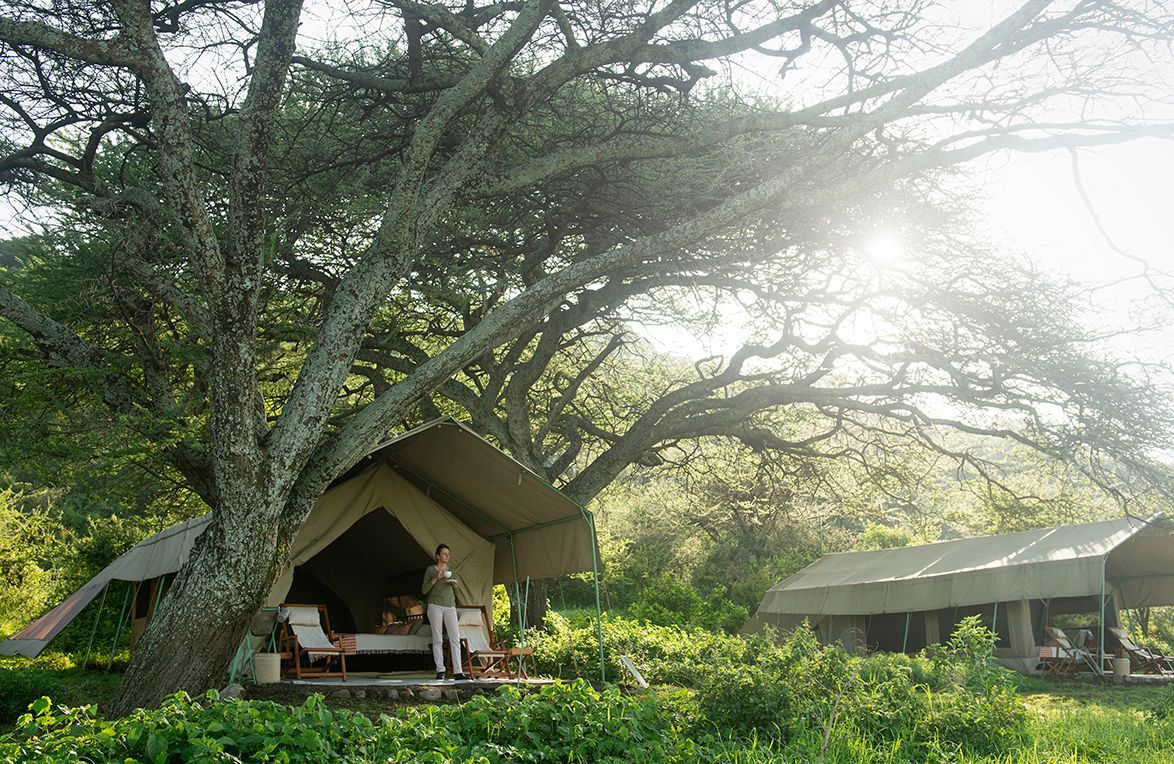
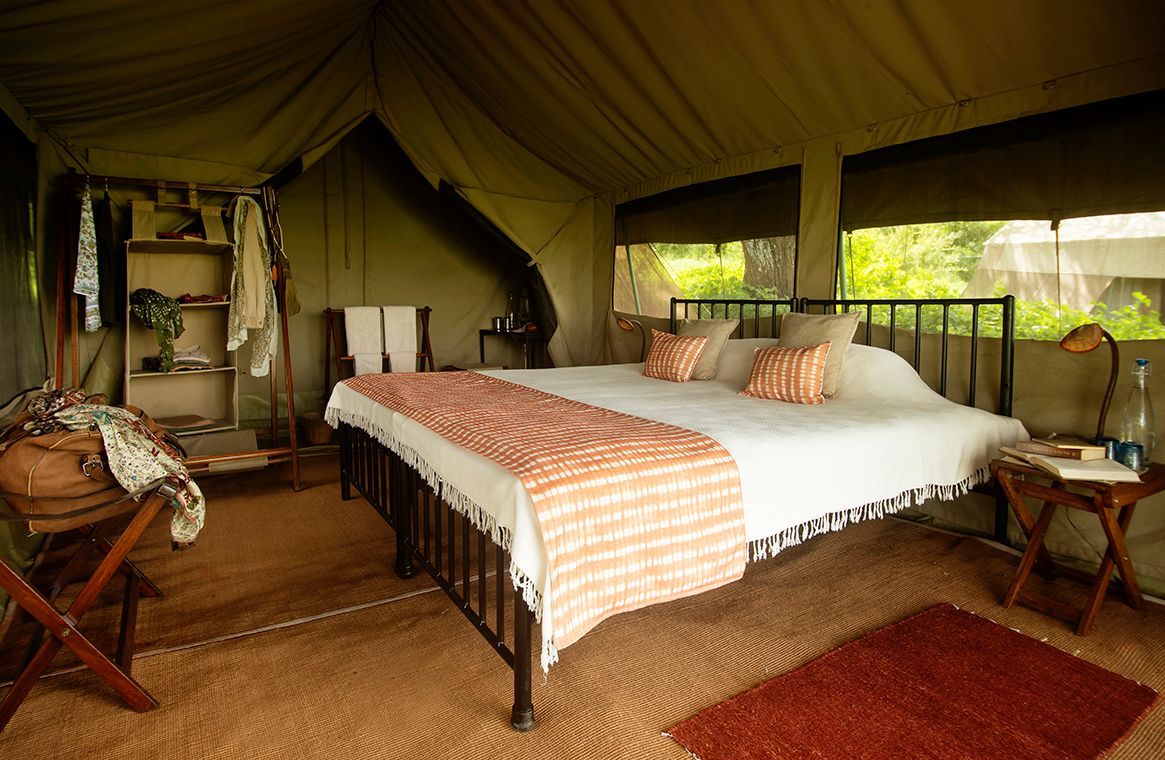
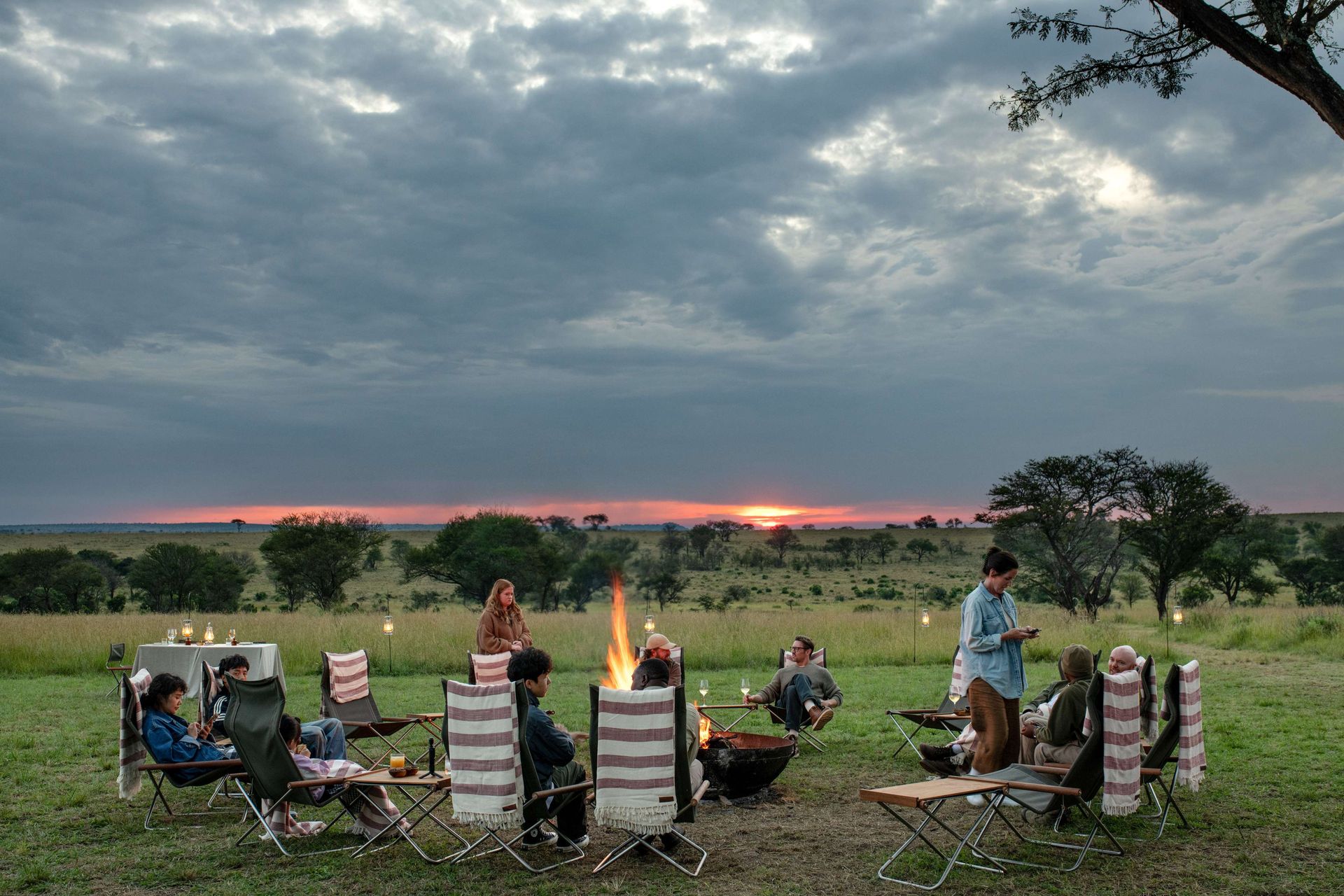
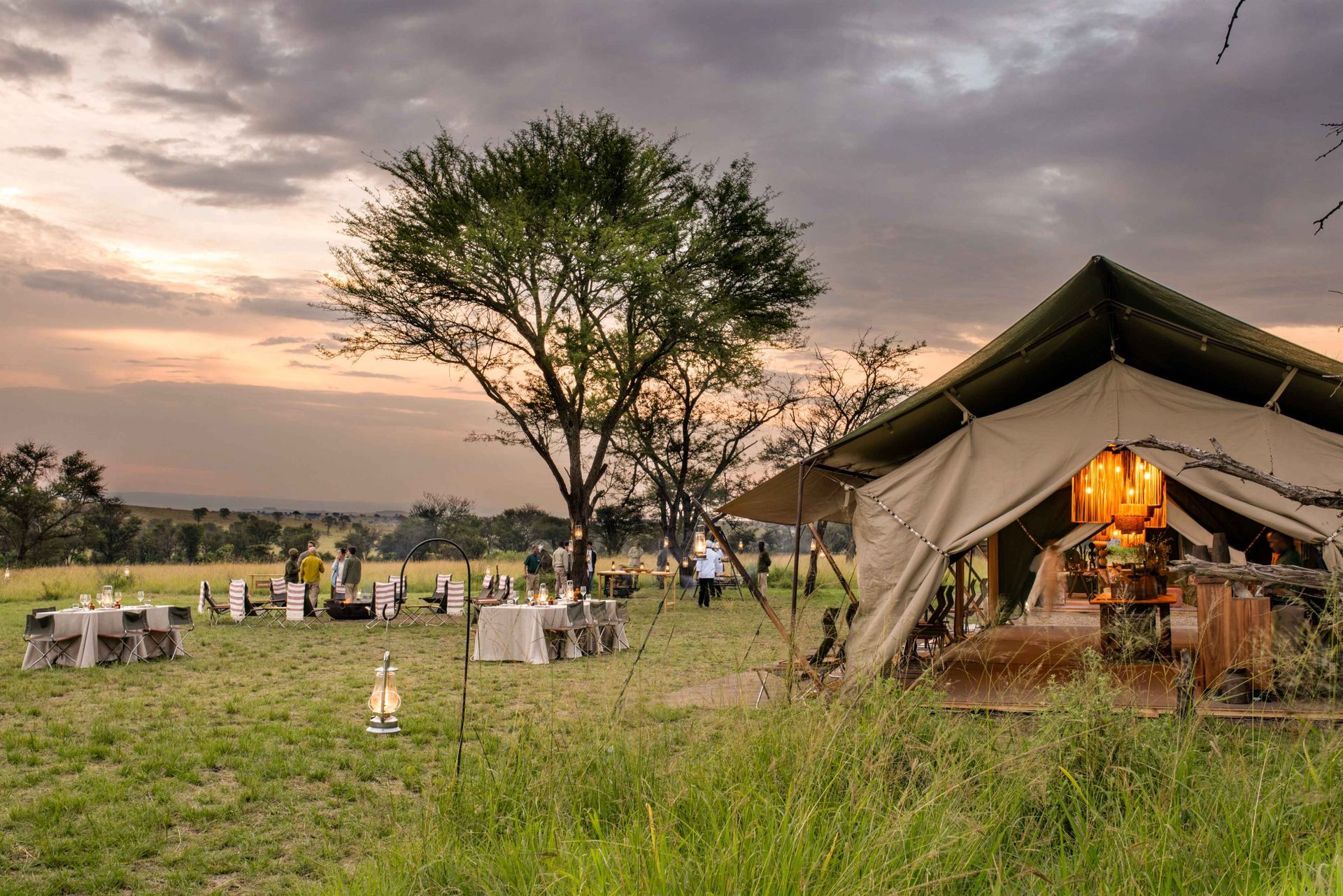
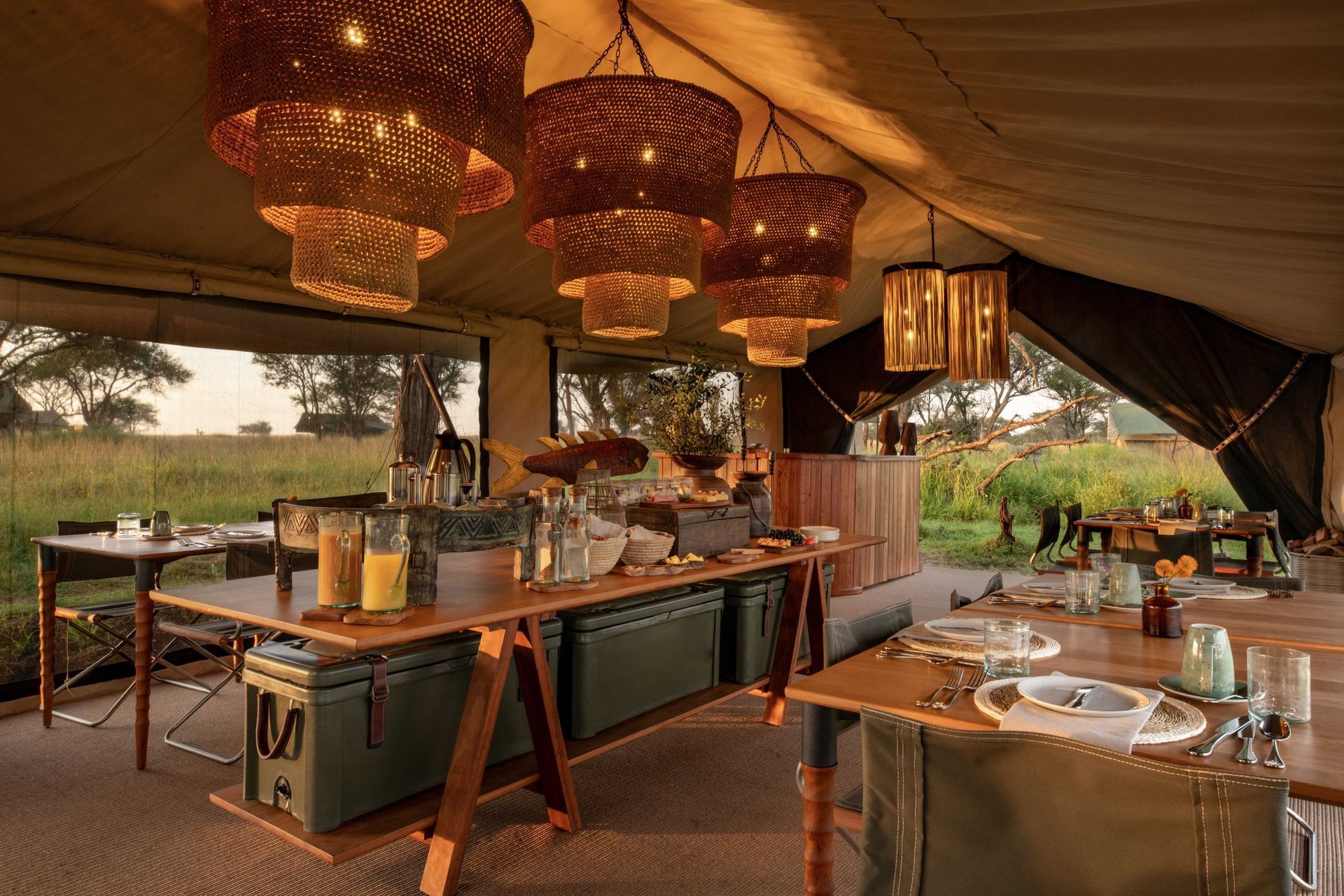
The experience of staying in a seasonal camp is one of the great pleasures of a Serengeti safari. Tents are spacious and beautifully furnished, with full-size beds, en-suite bathrooms with flush toilets and safari showers filled with hot water, solar-powered lighting and rugs underfoot, and dinners are served by lantern light in the mess tent or beneath the stars beside a fire.
What sets these camps apart is their atmosphere. With only a handful of tents in each, a team that knows every guest by name and only canvas between the bed and the night sounds of the Serengeti, the sense of being immersed in the wilderness is complete. For clients drawn to the romance of a classic safari, few experiences come close to falling asleep in a seasonal camp in the middle of the plains.
Placing clients in the right camp at the right time
Choosing a seasonal camp means weighing where it will be positioned during a client's dates, how it sits in relation to the herds' likely movements and how it fits with the rest of the itinerary. Two camps under the same brand can be hundreds of kilometres apart in any given month, and the difference between a well-chosen position and a less fortunate one can shape the whole journey.
Anderson & Harvey's team tracks the seasonal positions of its partner camps through regular inspections and close relationships with the people who run them, and its private vehicles and guides travel with guests from camp to camp, building the seasonal camp experience into journeys that combine the excitement of the migration with time in the permanent lodges and highlands elsewhere on the northern circuit.
With interest in the 2027 peak season already building, it's knowledge that makes all the difference when timing and positioning matter most.