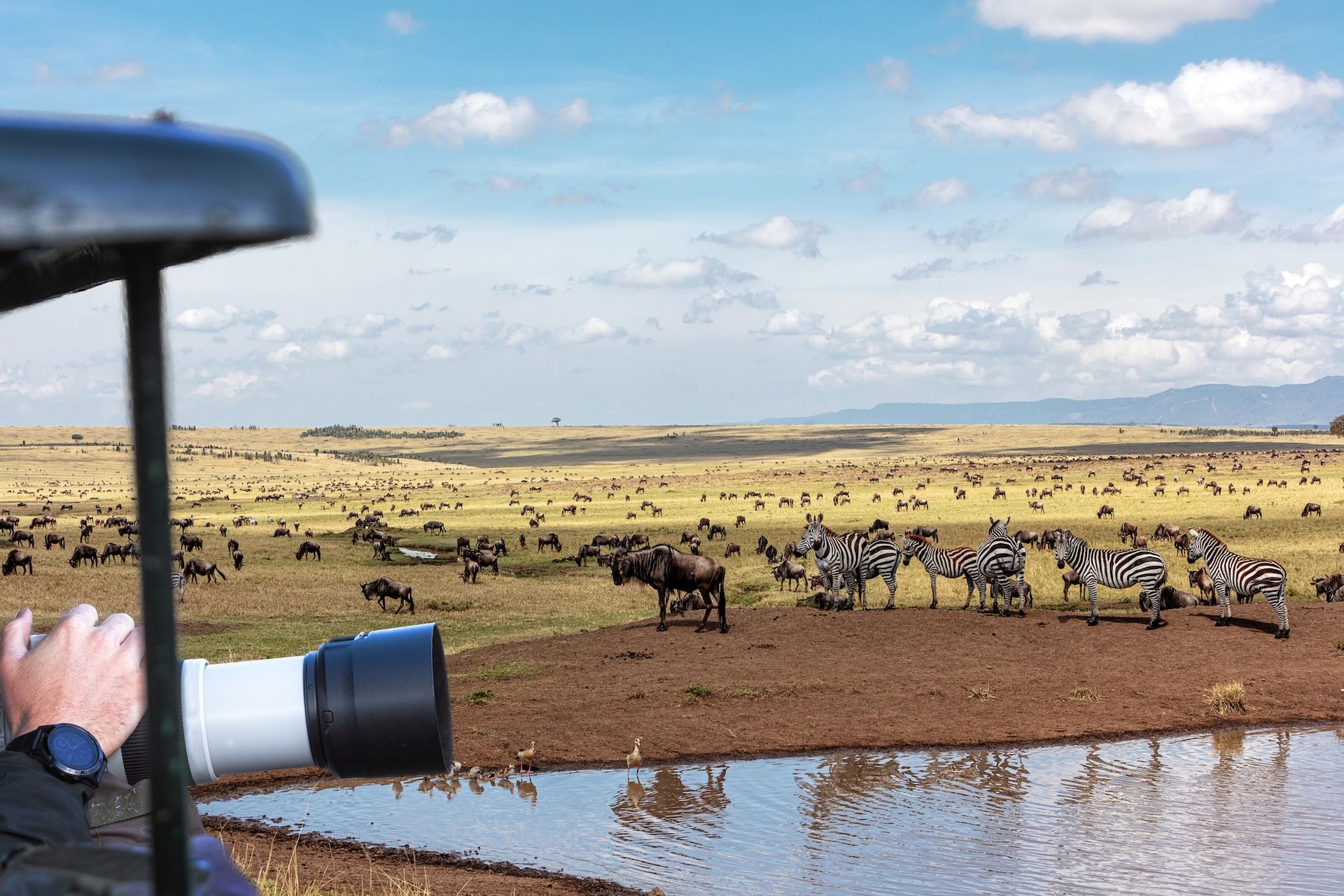
Birding in Tanzania - all you need to know
The northern circuit delivers exceptional avian experiences all year round
East Africa has been quietly accumulating one of the planet's most extraordinary concentrations of birdlife for millennia, and the numbers alone are enough to stop a serious birder in their tracks. More than 1,400 species across the region; over 500 reliably recorded on Tanzania's northern circuit in a single week by an attentive observer; endemics found nowhere else on earth; and migrants arriving in their millions each November to join a resident population already of staggering variety and beauty. For the dedicated birder, this corner of Africa is a paradise, and for the traveller who has never given birds particular thought, it opens new horizons.
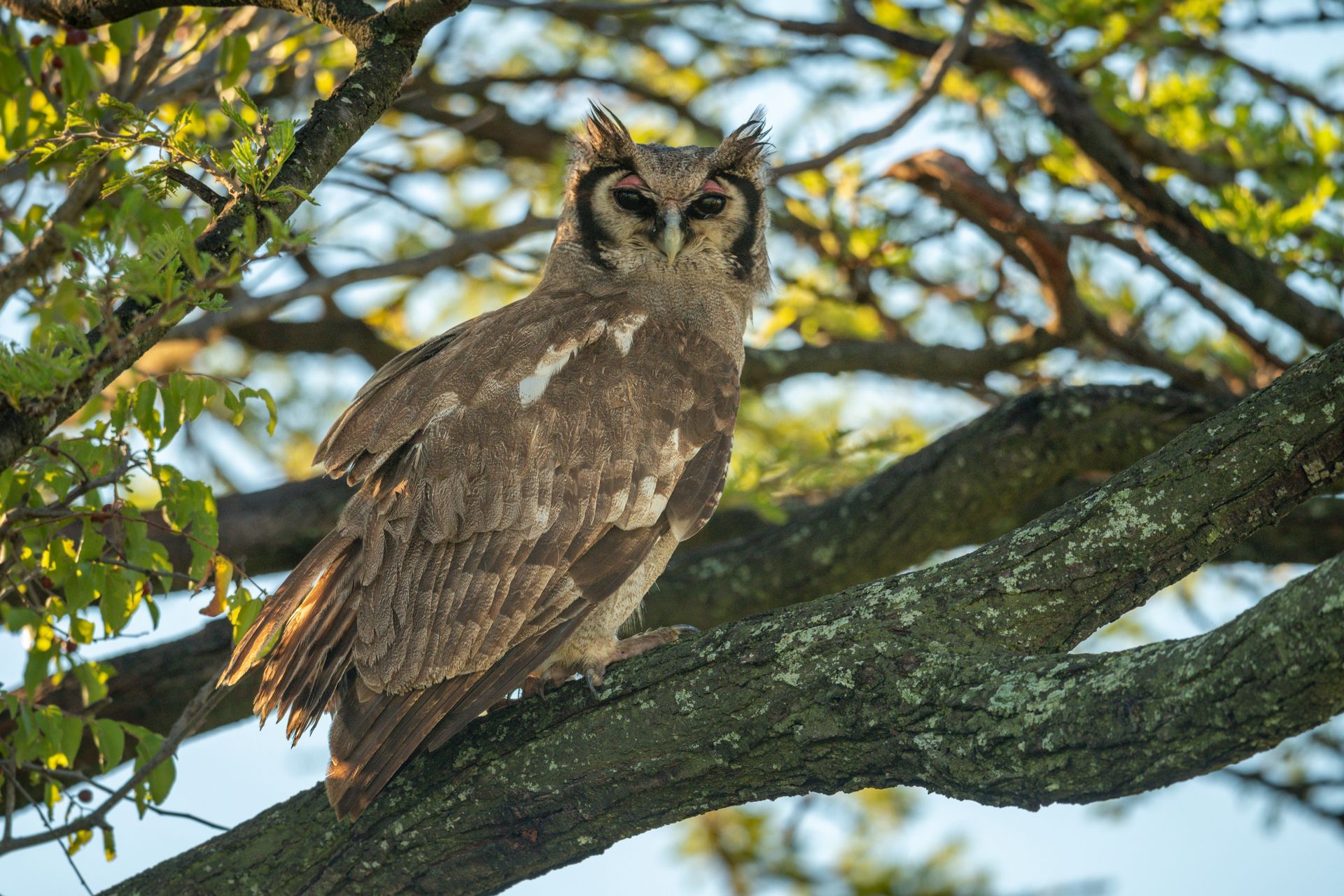

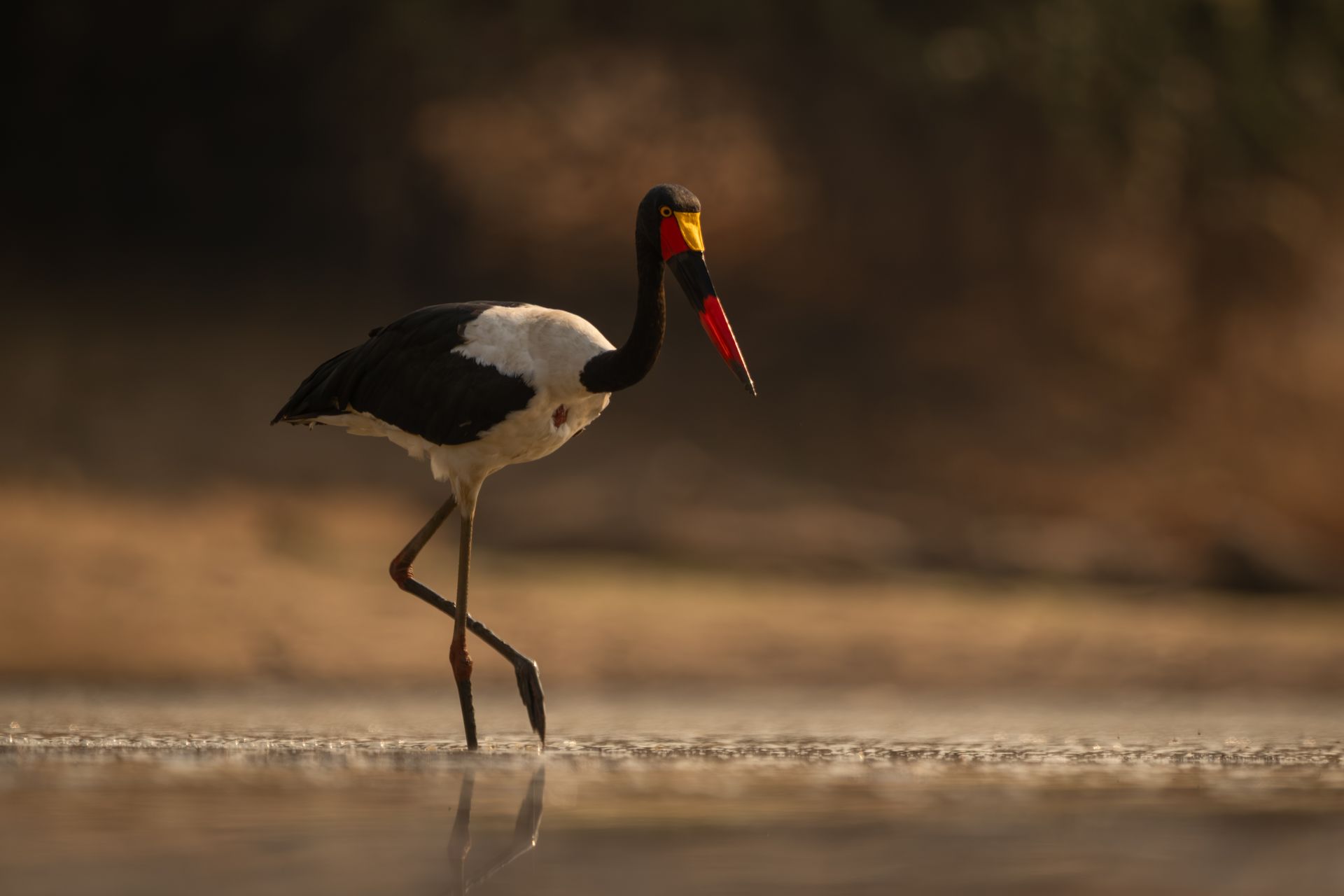
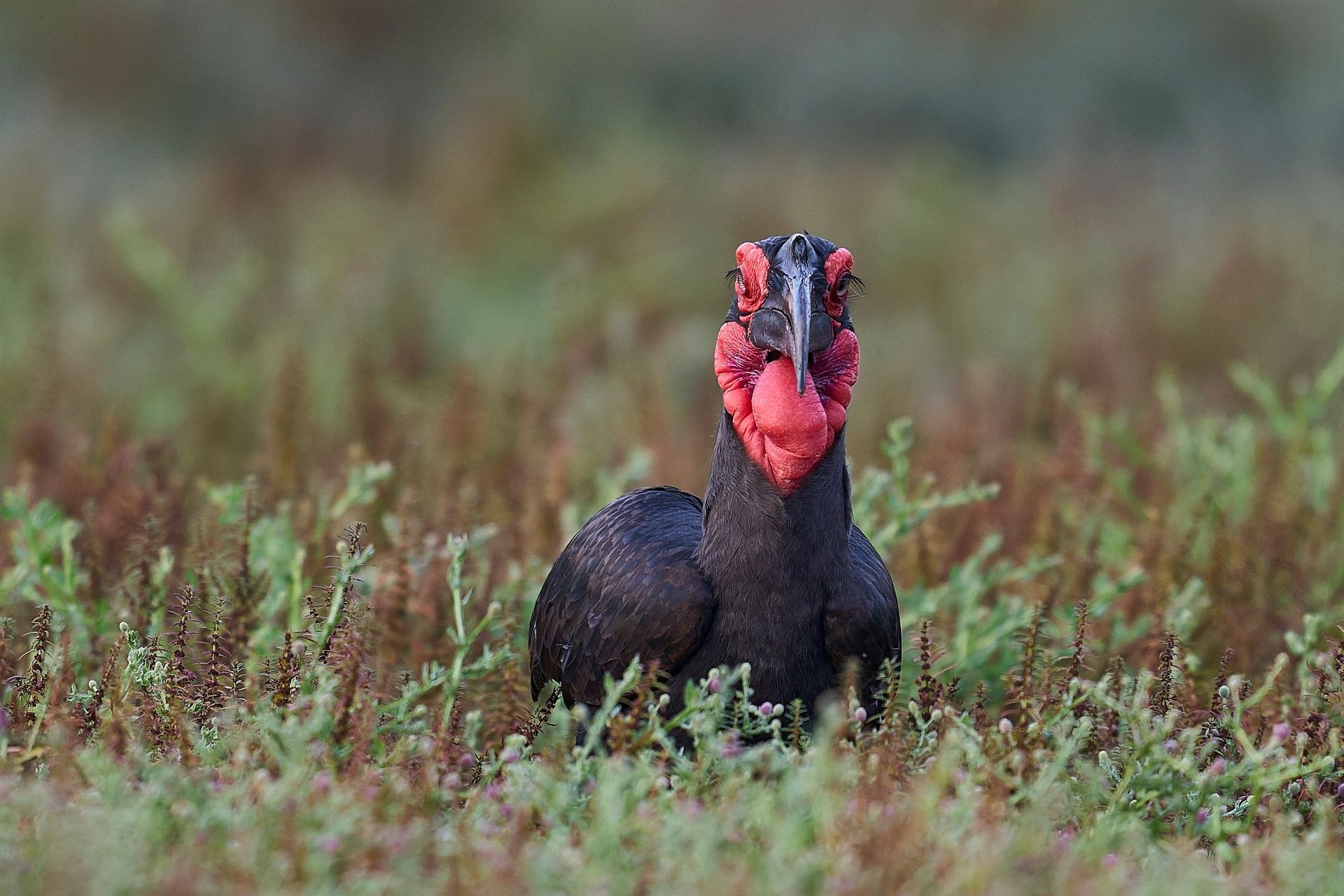
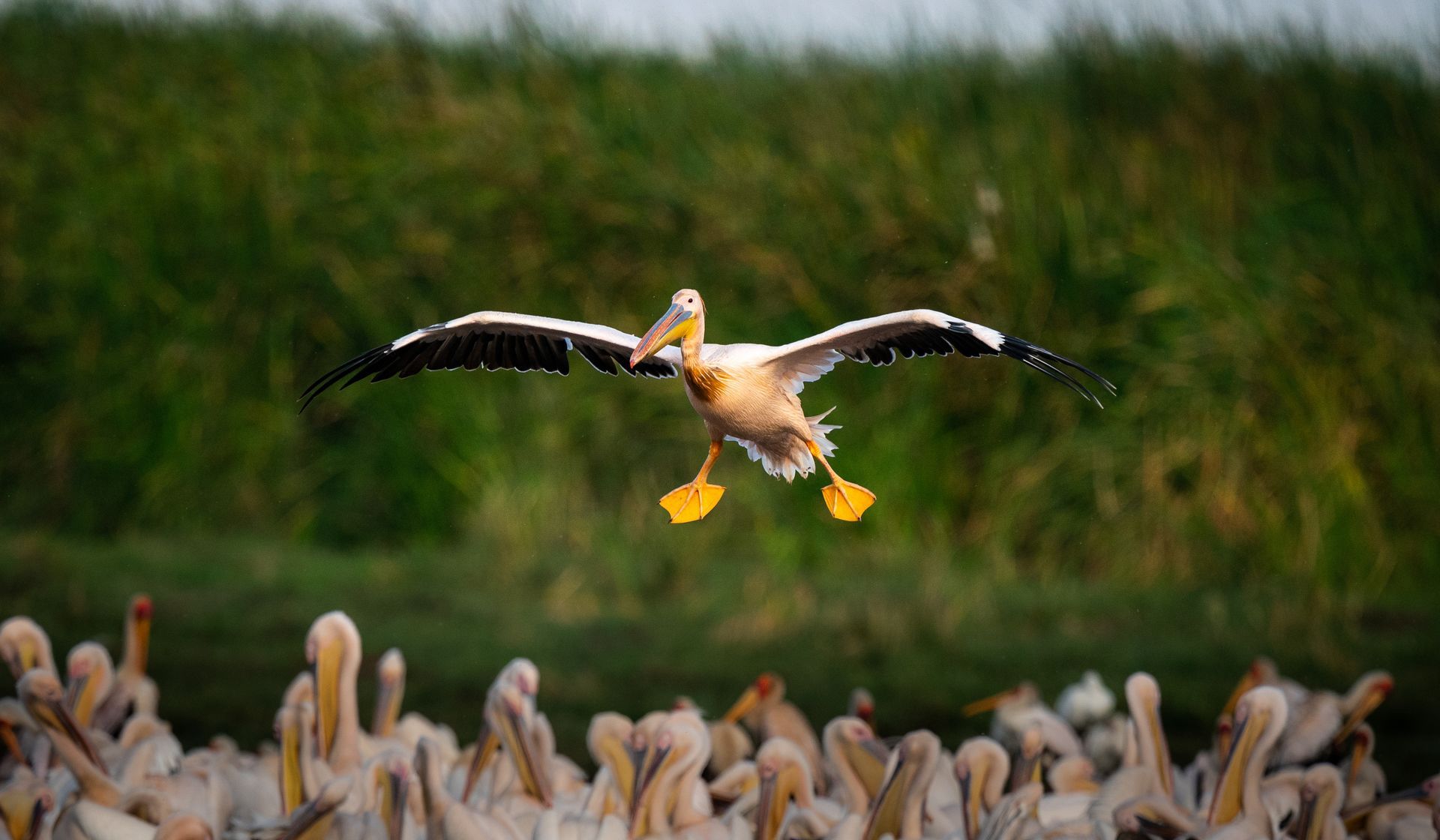
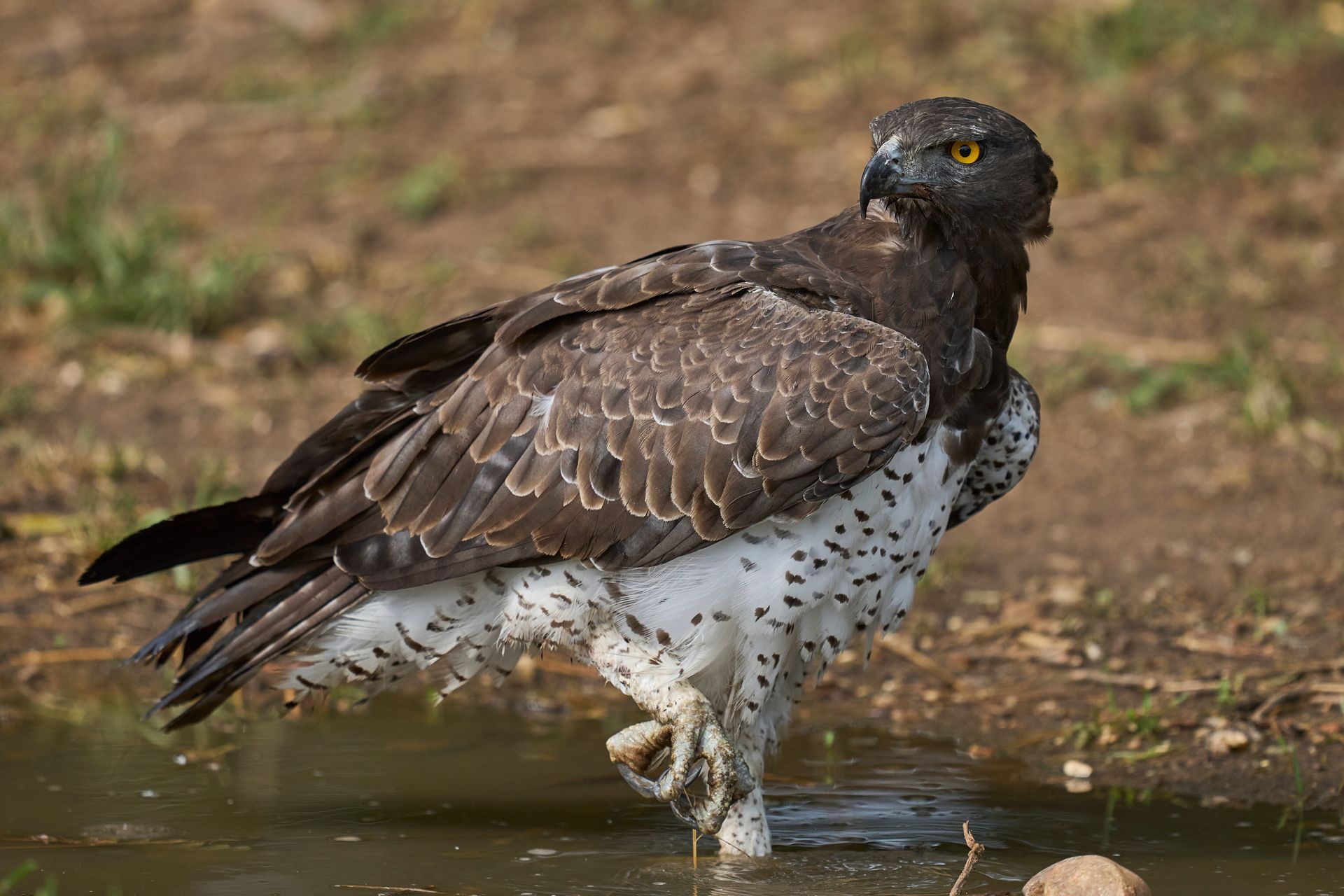
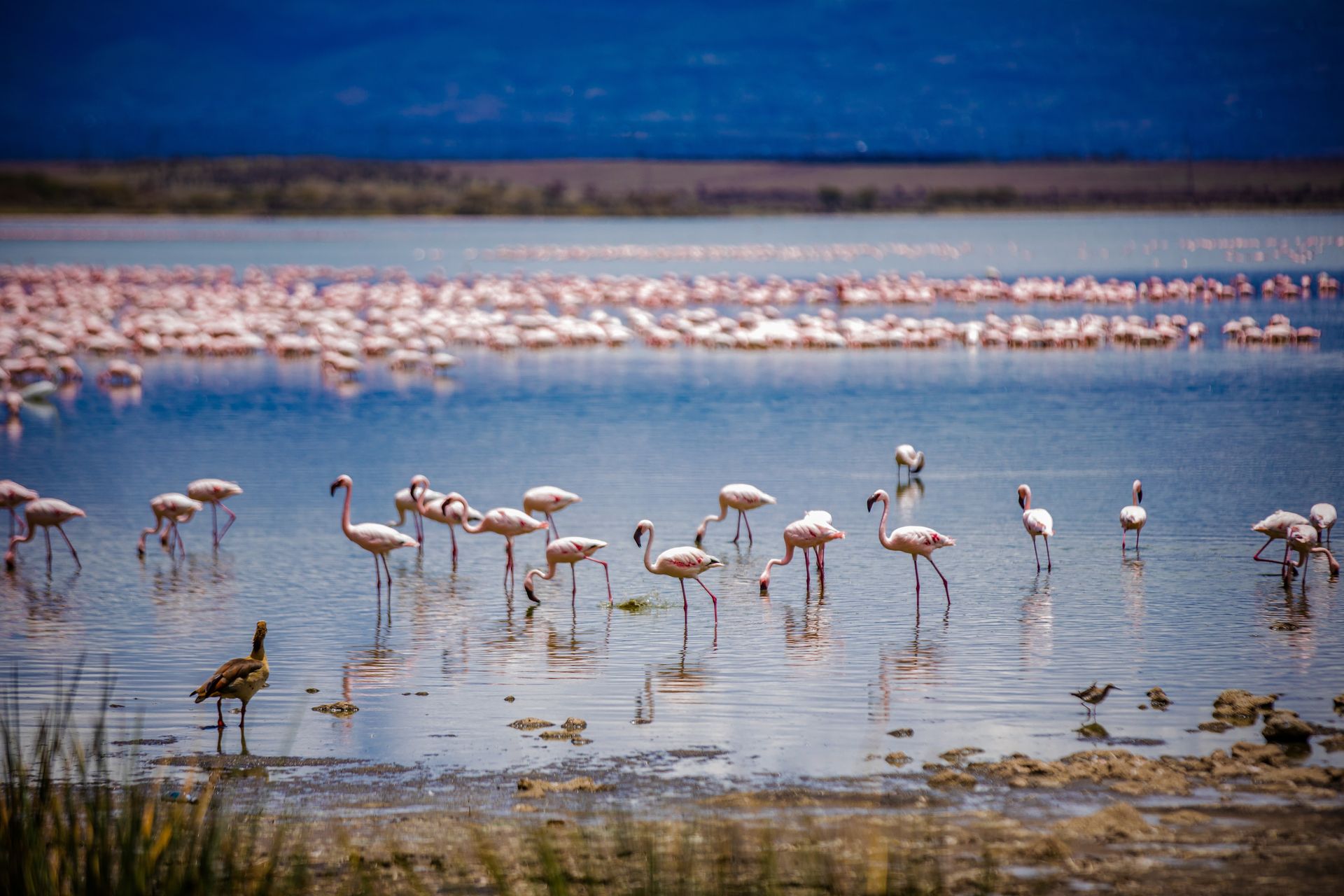
The northern circuit's wildlife spectacle tends to be told in the language of lions and wildebeest, and rightly so, but the birding here runs alongside that story at every turn, adding a layer of natural history that enriches every game drive and rewards every moment of genuine attention.
When to go
East Africa's birding calendar rewards travel at almost any time of year, with two distinct peaks that serve different purposes. The dry season from June to October delivers reliable birding alongside the classic safari experience, with resident species present in good numbers and the open, thinned-out landscape making observation straightforward. Raptors are particularly well represented during these months, hunting the exposed ground around diminishing waterholes with a visibility that makes identification easy even for the less experienced eye.
The green season from November through April is when the birding ignites entirely. The inter-tropical convergence zone brings migrants south in remarkable numbers, with European rollers, steppe eagles, Montagu's harriers and a bewildering variety of warblers and flycatchers joining the resident population to create a density of species that serious birders find genuinely overwhelming. Breeding plumage is at its most vivid, the insects are abundant and the landscape is lush enough to support species that the dry season simply can't sustain. March and April are particularly exceptional months for birding in the Ndutu area and around Lake Manyara.
What to expect and where
Tarangire National Park is arguably the finest birding destination on the entire northern circuit. The baobab-studded landscape and the Tarangire River corridor support an exceptional diversity of species, from the yellow-collared lovebird and the ashy starling, both Tanzanian endemics found in very few places beyond this ecosystem, to the martial eagle, the saddle-billed stork and the extraordinary southern ground hornbill, that vast, scarlet-faced bird that walks the open grasslands with the unhurried authority of something that knows it answers to no one. The riverine forest along the Tarangire River is particularly productive, with numerous woodland species visible at remarkably close range.
Lake Manyara is compact and brilliantly varied, offering one of the most rewarding single-day birding experiences in Tanzania. The alkaline lake supports vast concentrations of lesser and greater flamingos, sometimes numbering in the hundreds of thousands, creating a pink haze along the shoreline that photographers and birders find equally irresistible. The groundwater forest at the park's entrance is dense with hornbills, sunbirds, barbets and the spectacular Narina trogon, while the open grasslands and acacia woodland beyond hold raptors, rollers and bee-eaters in numbers that could occupy a serious birder for considerably longer than a single day allows.
The Serengeti's birding tends to be overshadowed by its mammal spectacle, which is entirely understandable and equally mistaken. The short grass plains of the south support extraordinary concentrations of coursers, pratincoles and larks during the green season, while the kopjes harbour Verreaux's eagle owls and the wonderfully improbable secretary bird, striding through the long grass on its remarkable legs with the dignified air of a Victorian headmaster. The Grumeti River woodland in the western corridor is exceptional for species rarely encountered elsewhere on the circuit, with Pel's fishing owl and African finfoot among the rewards for those who take the time to look properly.
The Ngorongoro Crater, with its permanent water and remarkably diverse habitats contained within a single extraordinary space, offers birding that ranges from flamingo spectacle on the crater lake to close encounters with kori bustards, crowned cranes and the vivid malachite kingfisher along the hippo pool.
Why A&H makes the difference
Specialist birding safaris run to a different rhythm from standard game drive itineraries, starting earlier, moving more deliberately, stopping more frequently and staying longer at productive sites than a conventional schedule comfortably allows. The Anderson & Harvey team understands this rhythm and builds itineraries around it, working with guides who know the northern circuit with the kind of depth that comes from years of consistent, attentive presence in the field.
The A&H vehicles, with their pop-up roofs and maximum of seven guests per vehicle, offer the elevated, stable viewing platform and the intimate, unhurried atmosphere that serious birding demands. There's no competing agenda, no pressure to move on before a sighting has fully revealed itself and no compromise between the birders and the mammal watchers in the group. It's the kind of expert, flexible, genuinely attentive approach that turns a good birding safari into an exceptional one.
Talk to the Anderson & Harvey team about crafting a specialist birding itinerary on Tanzania's northern circuit.