Is this Tanzania's best-kept secret?
Why the short rains deserve some of the safari limelight
By the time October arrives on the Tanzanian plains, the dry season has done its work thoroughly. The waterholes are cracked mud, the grass is pale and exhausted, dust hangs in the air long after a vehicle has passed and the thorn trees look as though they've been holding their breath for months. It is not, on the surface, a picture that sells itself. And yet October is one of the finest months to be on the northern circuit, for reasons that any experienced safari professional understands and that the broader market consistently underestimates.
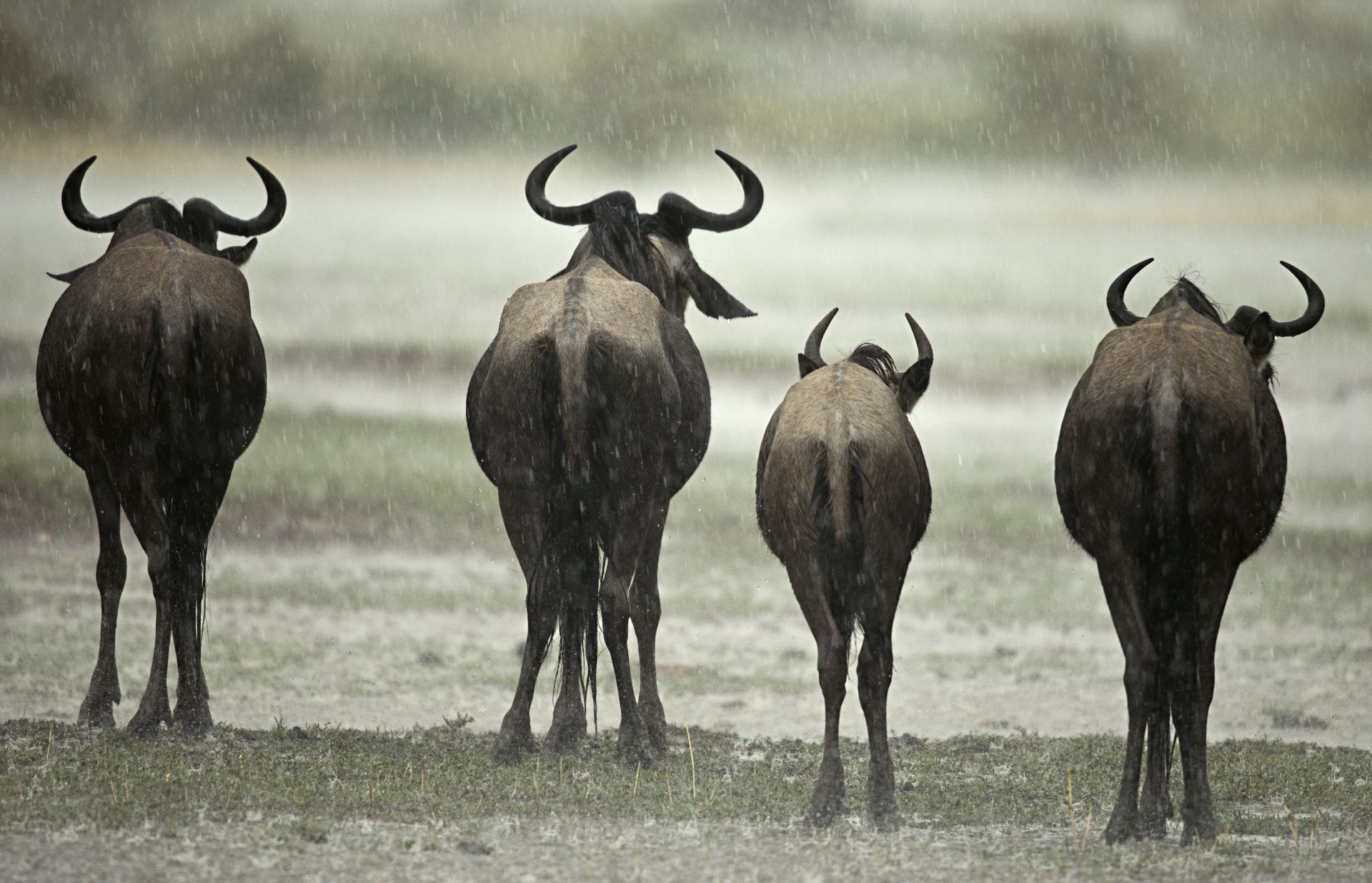
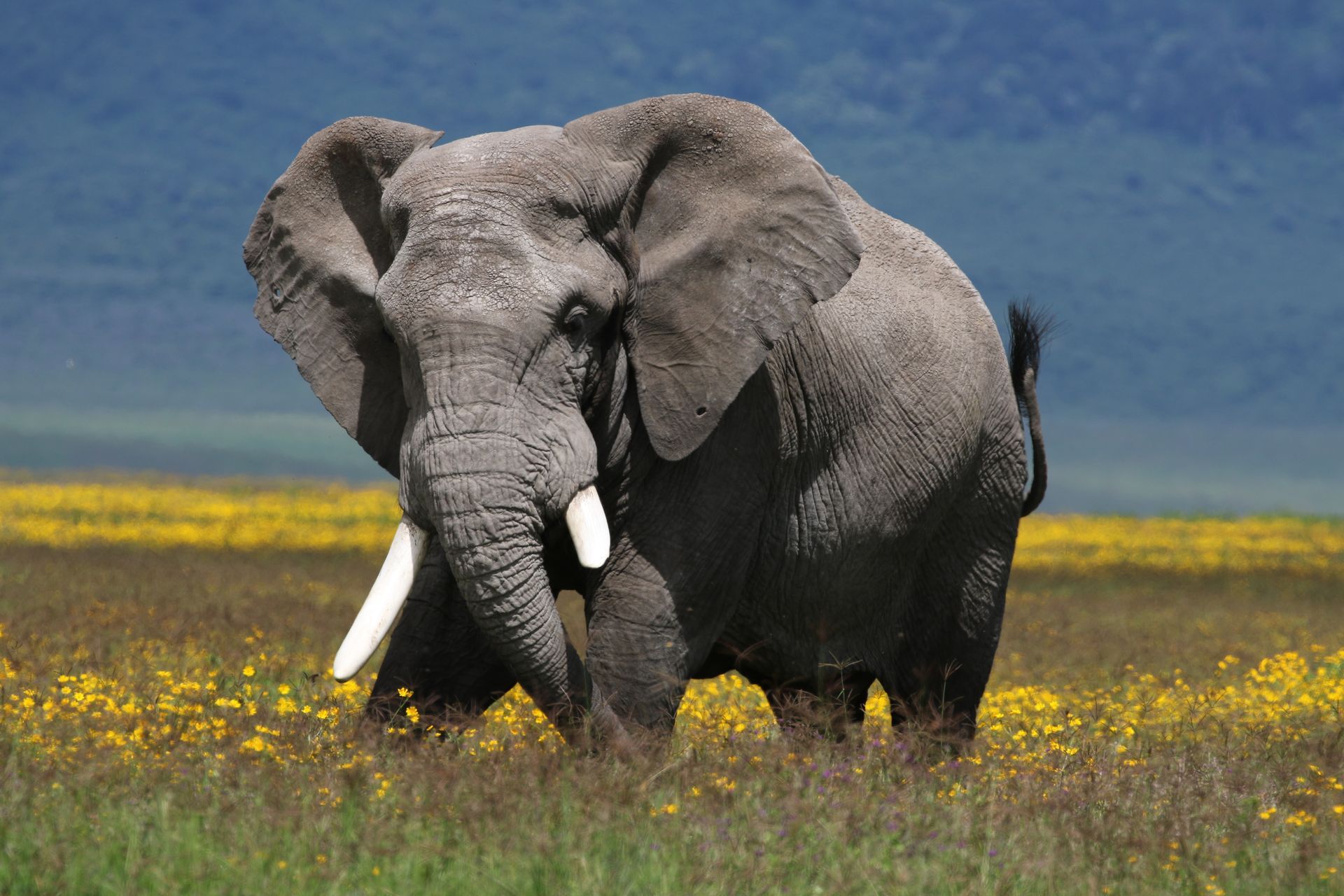
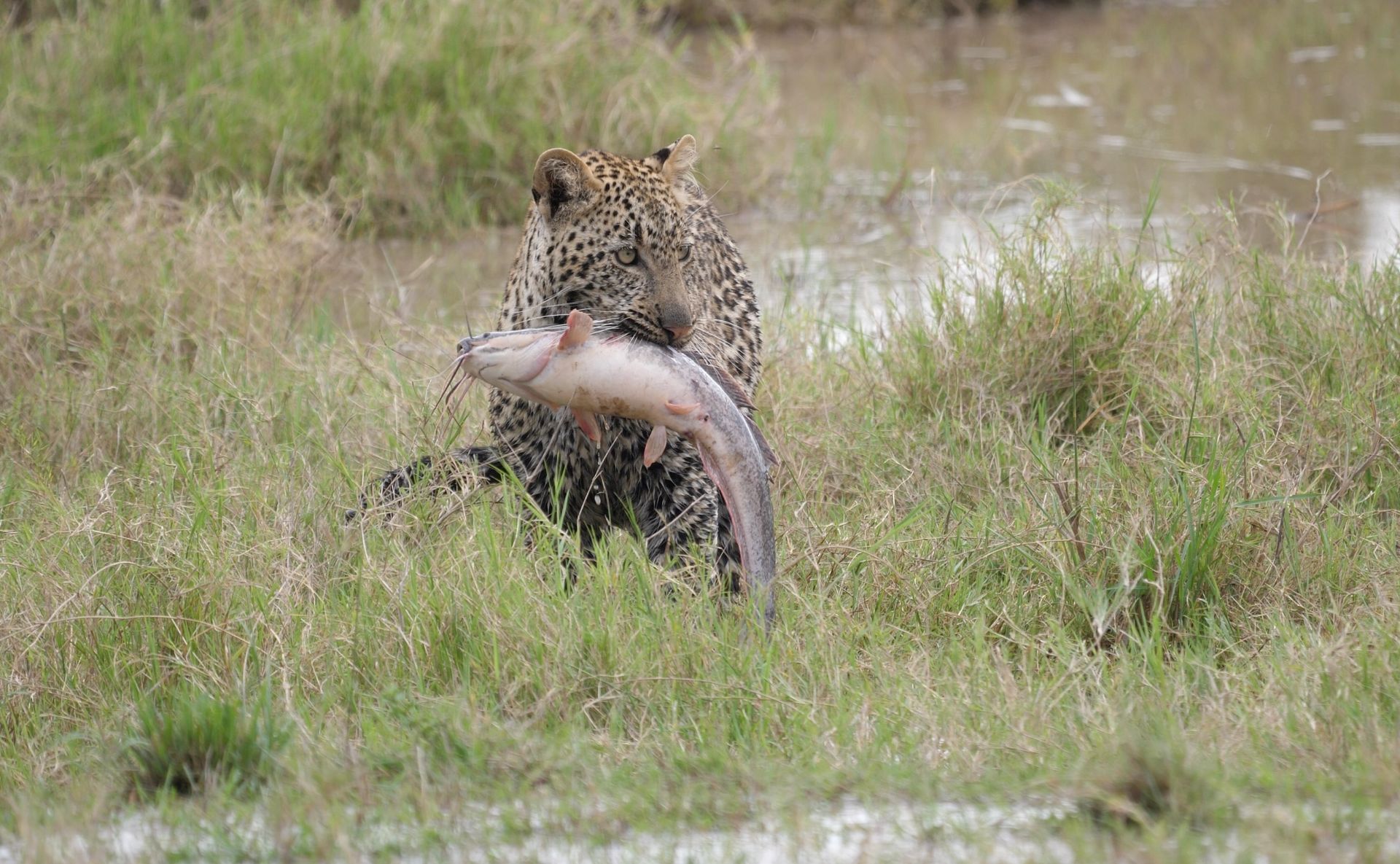
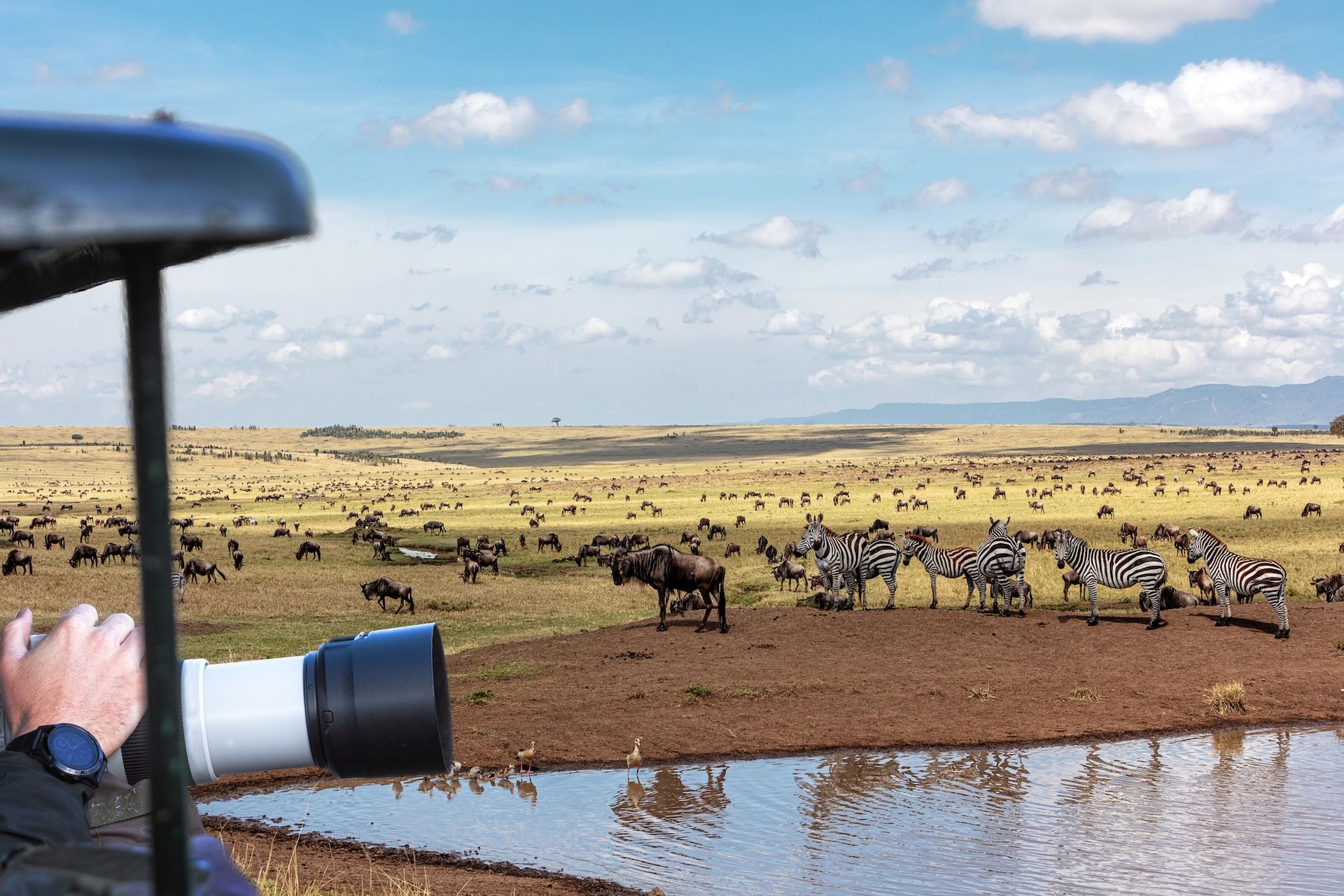
The extreme dryness of late October concentrates wildlife with extraordinary efficiency. Every animal in the ecosystem is funnelled towards whatever water remains, which means the Tarangire River becomes one of the greatest wildlife spectacles in Africa, its banks lined with elephants in their hundreds, buffalo, giraffe, lion and the full cast of the northern circuit drawn into a narrow, game-rich corridor that delivers sighting after sighting with a reliability that the lush abundance of the green season simply cannot match. Then, sometime in November, the short rains arrive.
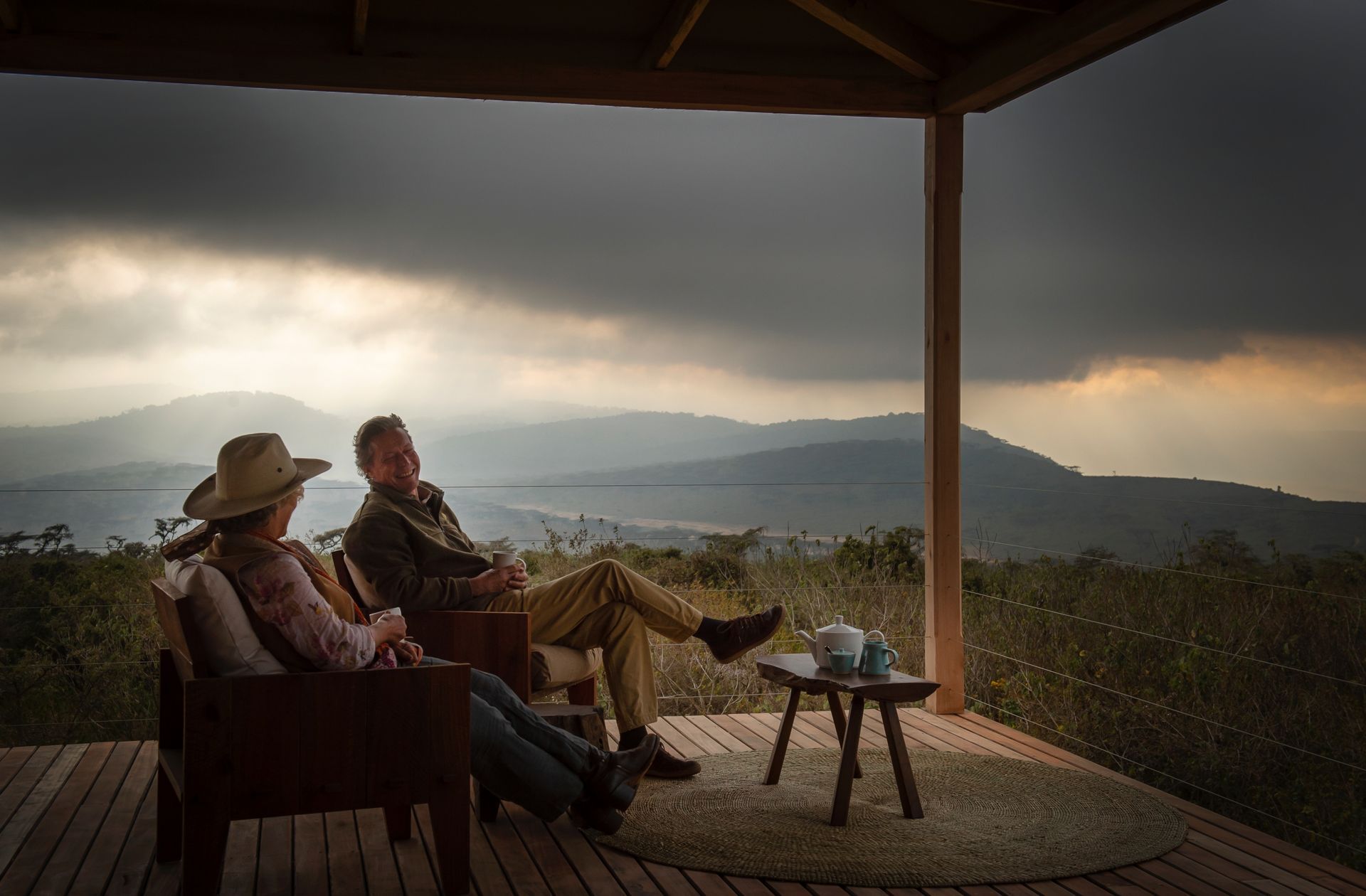
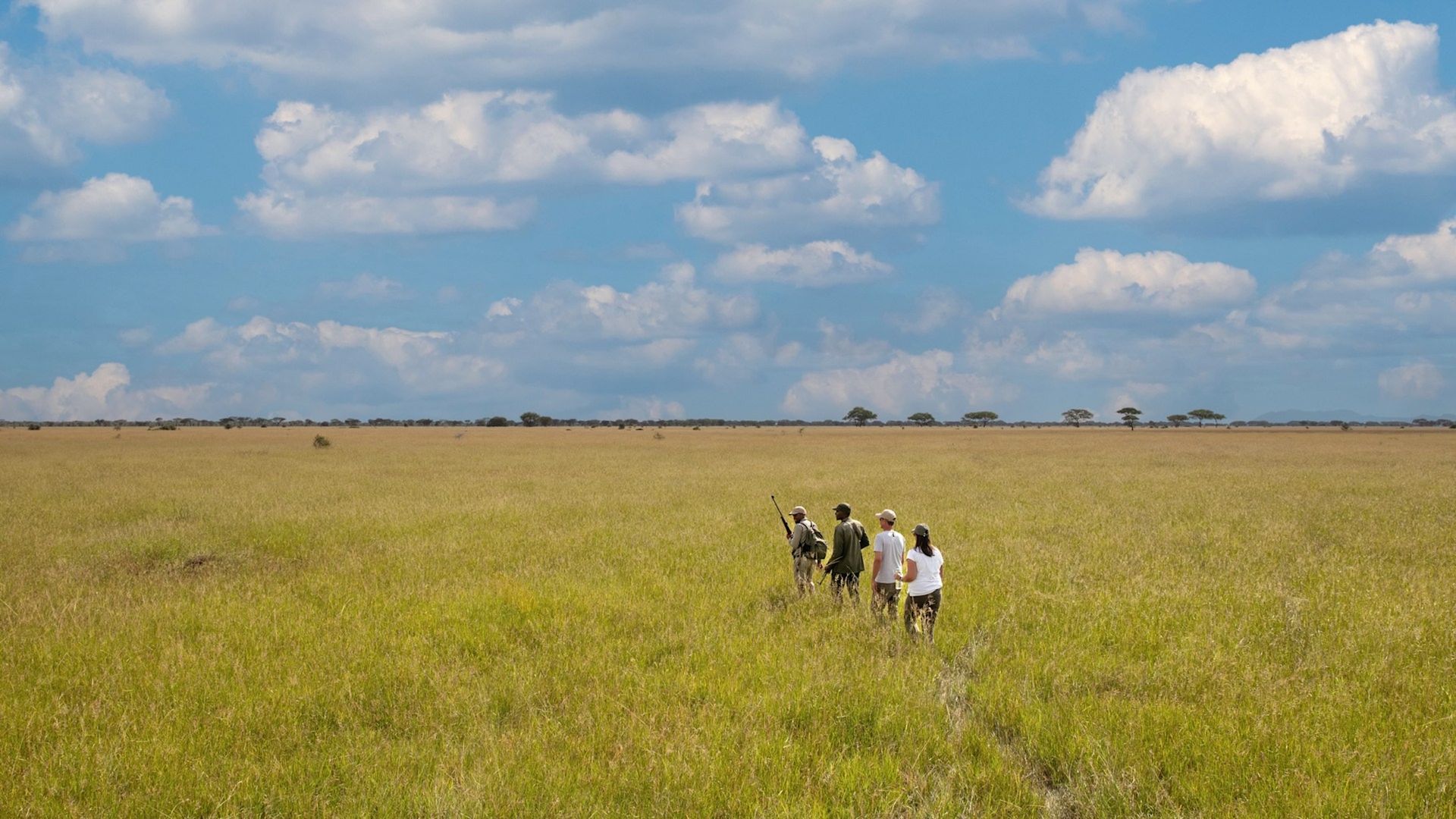
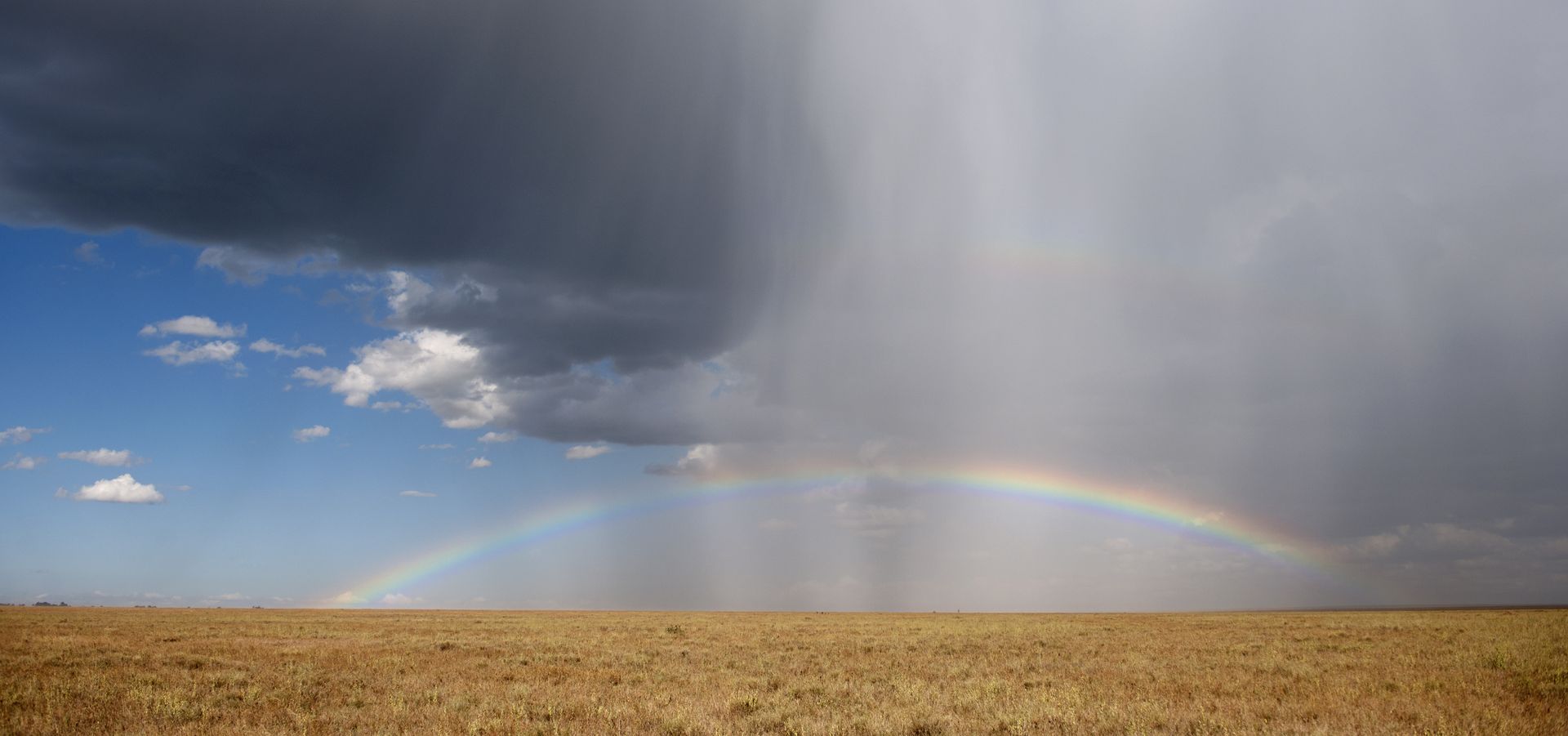
The transformation is not gradual. It happens fast, and it is one of the most dramatic seasonal shifts in the natural world. Within days of the first proper rains, the plains begin to green, the dust settles, the air clears and the sky, which has been a hard, relentless blue for months, fills with the towering cumulus clouds that East African photographers spend entire careers chasing. The light changes completely, softened and filtered in ways that make every image feel considered and luminous rather than bleached and flat. For travel professionals who haven't experienced the northern circuit in its green season incarnation, it can come as a genuine revelation.
What the rains bring
The ecological logic of the short rains is straightforward. Grass grows, water disperses across the landscape, and the wildlife that has been concentrated around permanent water sources spreads out again into the wider ecosystem. This dispersal makes some species harder to find, and it's worth being clear about that with clients. The dense, predictable sightings of the dry season give way to something more exploratory, where reading the landscape matters more and the rewards, when they come, feel earned in a different and often more satisfying way.
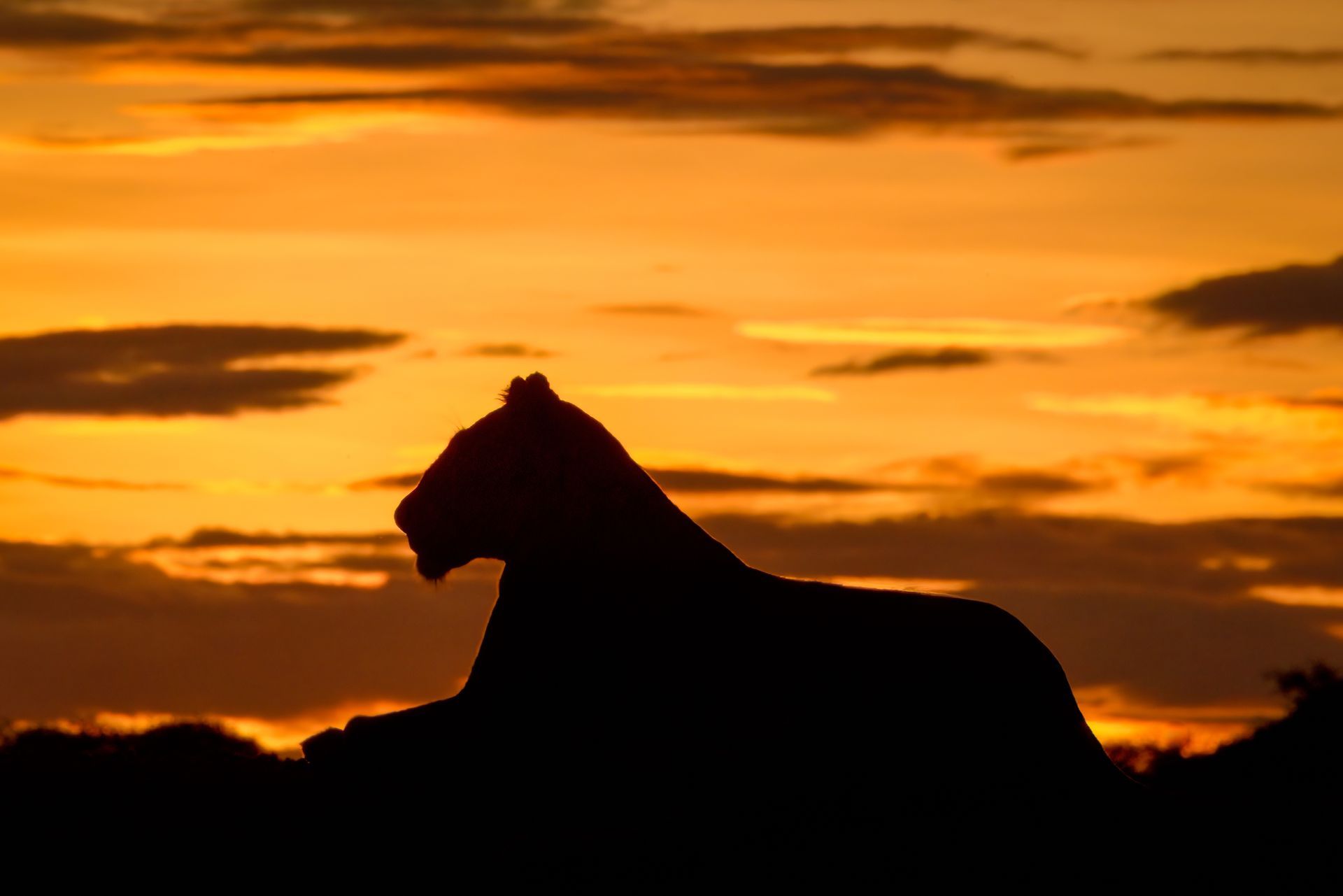
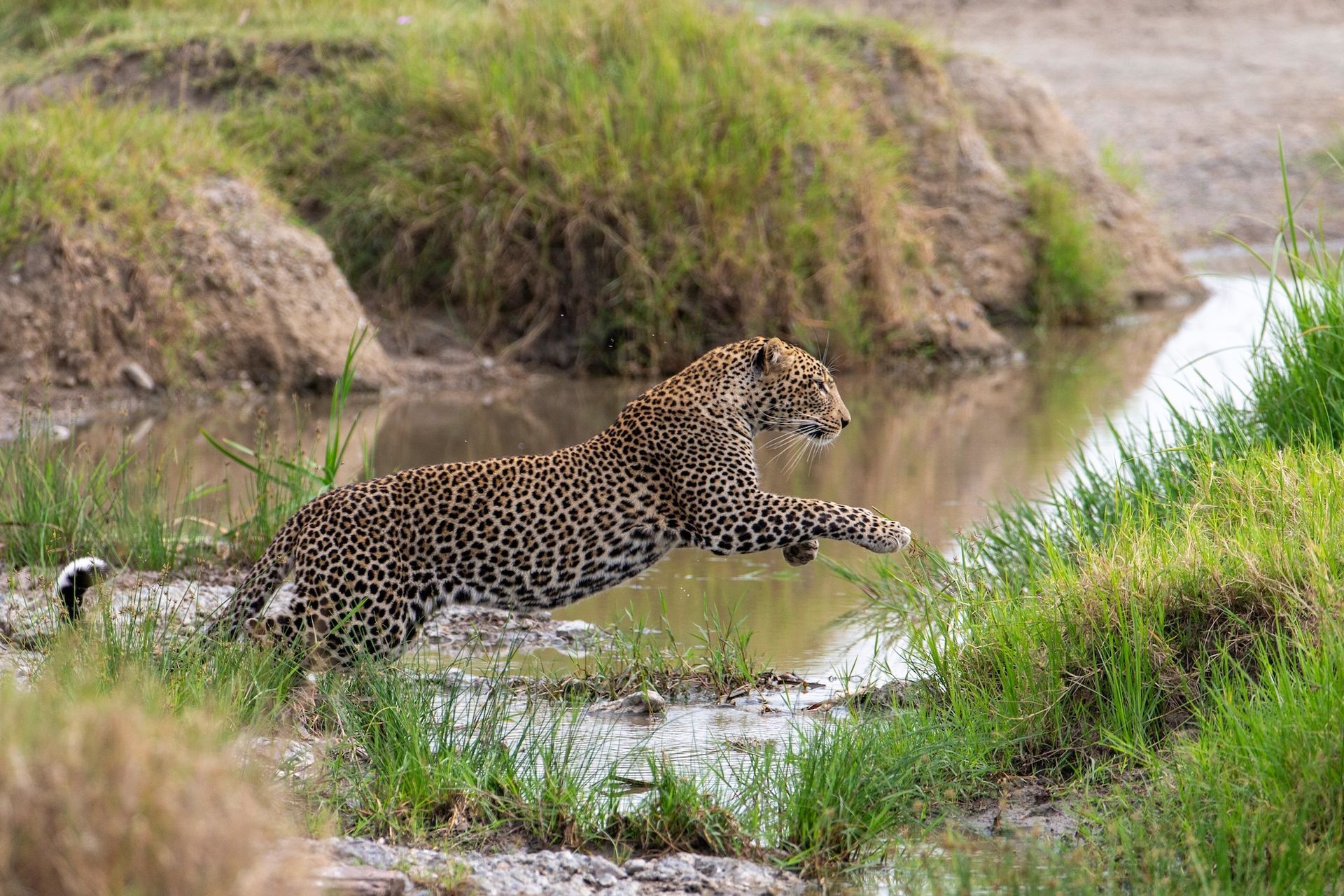
What the green season delivers in abundance is predator activity of remarkable quality. The wildebeest calving season begins in the southern Serengeti from late November, drawing in lions, cheetahs, leopards and hyenas in extraordinary concentrations. A female cheetah hunting on the Ndutu plains with half a dozen attendant vehicles is a dry season experience. A female cheetah hunting on those same plains with no other vehicle in sight is a green season one, and the difference in the quality of that encounter is not subtle.
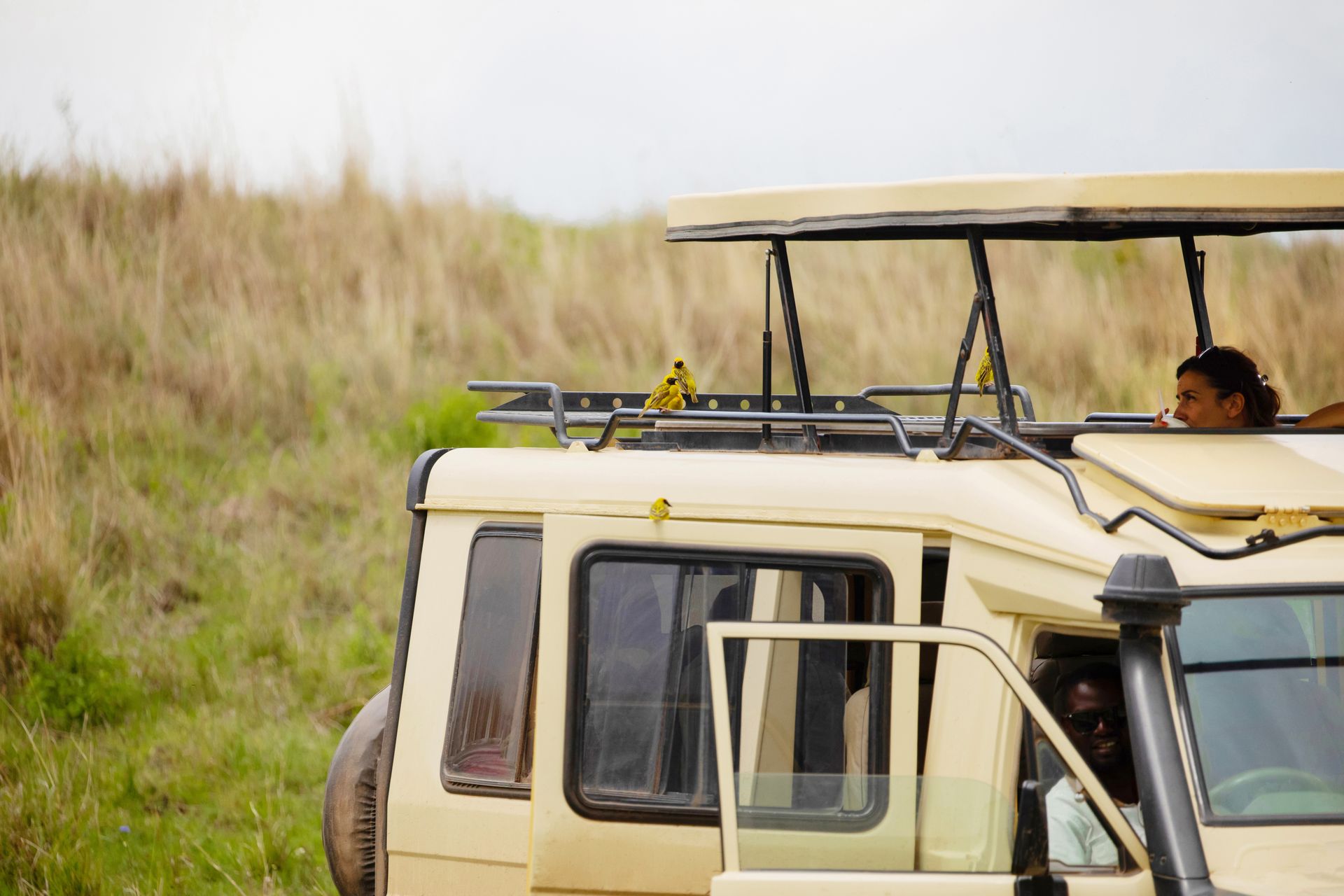
The short rains also trigger one of Africa's most spectacular ornithological events. More than 120 species of Palearctic migratory birds arrive in Tanzania between October and April, joining the already extraordinary resident birdlife of the northern circuit to produce conditions that serious birders find almost overwhelming. Broad-billed rollers, European bee-eaters, Montagu's harriers, steppe eagles and hundreds of wader species descend on the plains and wetlands, turning any game drive into an impromptu birding expedition of the highest order. For operators building itineraries for clients with a genuine interest in birds, the green season is the only honest answer to the question of when to go.
The camps in the quiet season
The northern circuit's top camps during the green season offer something that peak season cannot: intimacy. Vehicle numbers in the national parks drop significantly from November onwards, and the difference between navigating the Seronera Valley in August, when a leopard sighting can attract a dozen vehicles within minutes, and doing the same in November, when you might be the only people watching, is the difference between a wildlife encounter and a genuine wildlife experience.
Mobile camps, which follow the wildlife rather than staying fixed in a single location, come into their own in the green season. The ability to position in the southern Serengeti as the calving season begins, then move north as the rains ease and the herds shift, produces an itinerary with a genuine narrative arc, the story of the Serengeti's seasonal transformation told from the inside.
The clients who belong here
The green season is not for every client, and part of the value an experienced travel professional brings is knowing which clients it suits and framing it honestly. It suits photographers, particularly those who find the bone-dry, bleached quality of the peak season light less interesting than the dramatic, cloud-filtered illumination of the rains. It suits experienced safari travellers returning for a second or third trip who want something different from the peak season experience they already know. It suits clients who are genuinely wildlife-curious rather than checklist-driven, who find the exploratory, less predictable quality of the green season more engaging than the reliable abundance of July and August.
What it requires is confidence. Selling the green season means selling something that looks imperfect on paper and is, in reality, extraordinary, which is a skill that separates the excellent travel professional from the merely competent one.
Anderson & Harvey's team has spent years on the northern circuit across every season and every month, and the green season intelligence they carry, from which camps position best in November to which areas of the Serengeti come alive first after the rains, is the kind of knowledge that turns a shoulder-season booking into one that a client comes home raving about.
When the short rains arrive and the plains turn green and the skies fill with the kind of light and drama that Tanzania does better than almost anywhere on earth, the operators who've already placed their clients there are the ones whose phones ring with thank-you calls. So get in touch and let's chat about your options!