The northern Serengeti beyond the migration
It's a simply sublime destination after the wildebeest have left
For most of the year, the northern Serengeti lives in the shadow of its own reputation. Between July and October it hosts one of the most famous natural events on earth in the form of the Great Wildebeest Migration, and for those few months the region is synonymous with the drama that accompanies this legendary mass movement of animals. Once the herds have moved on, first north across the border and then back down through the Serengeti towards the short-grass plains of the south, the attention follows them, and the far north settles into a very different rhythm, one that's incredibly compelling...

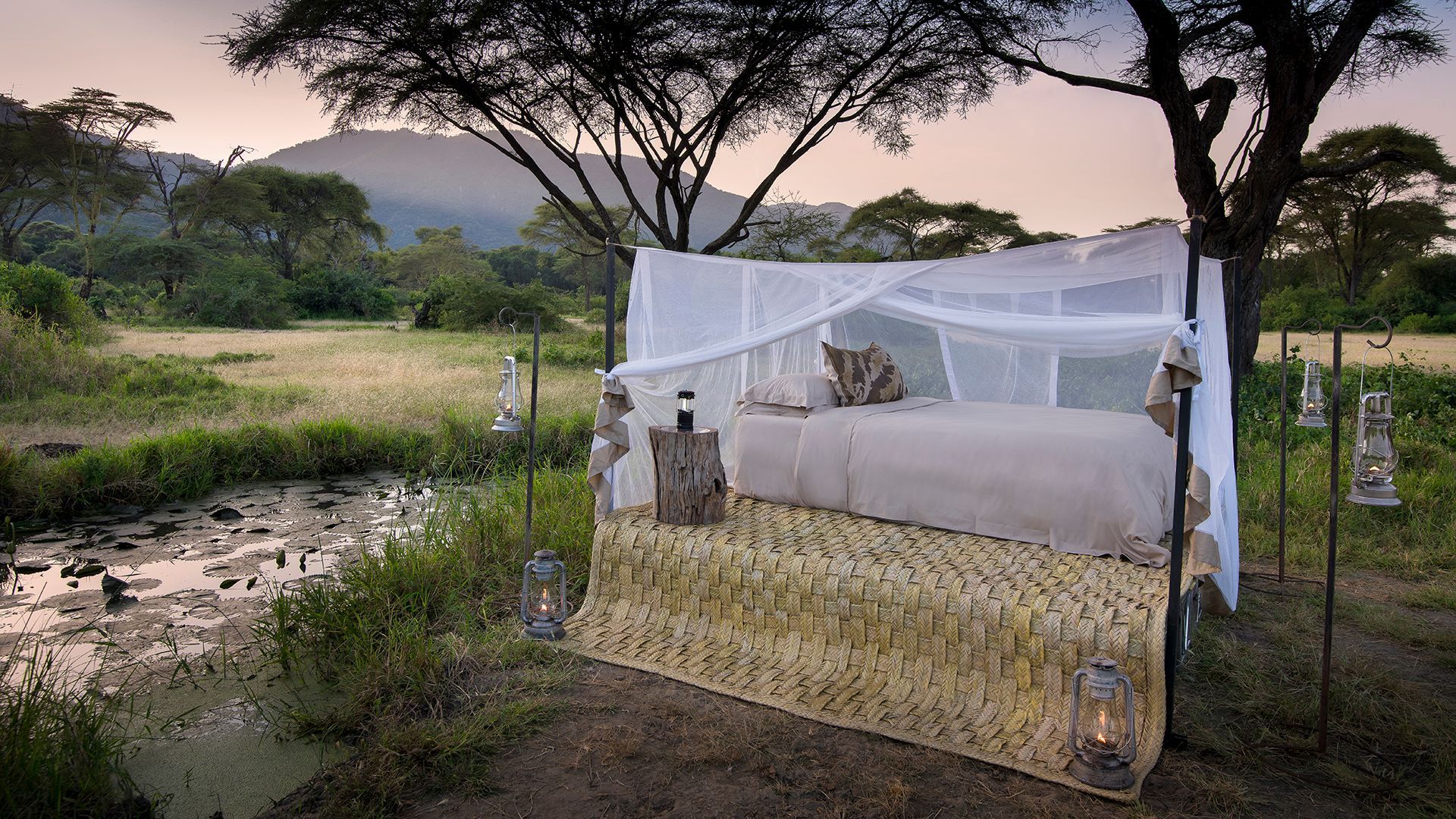

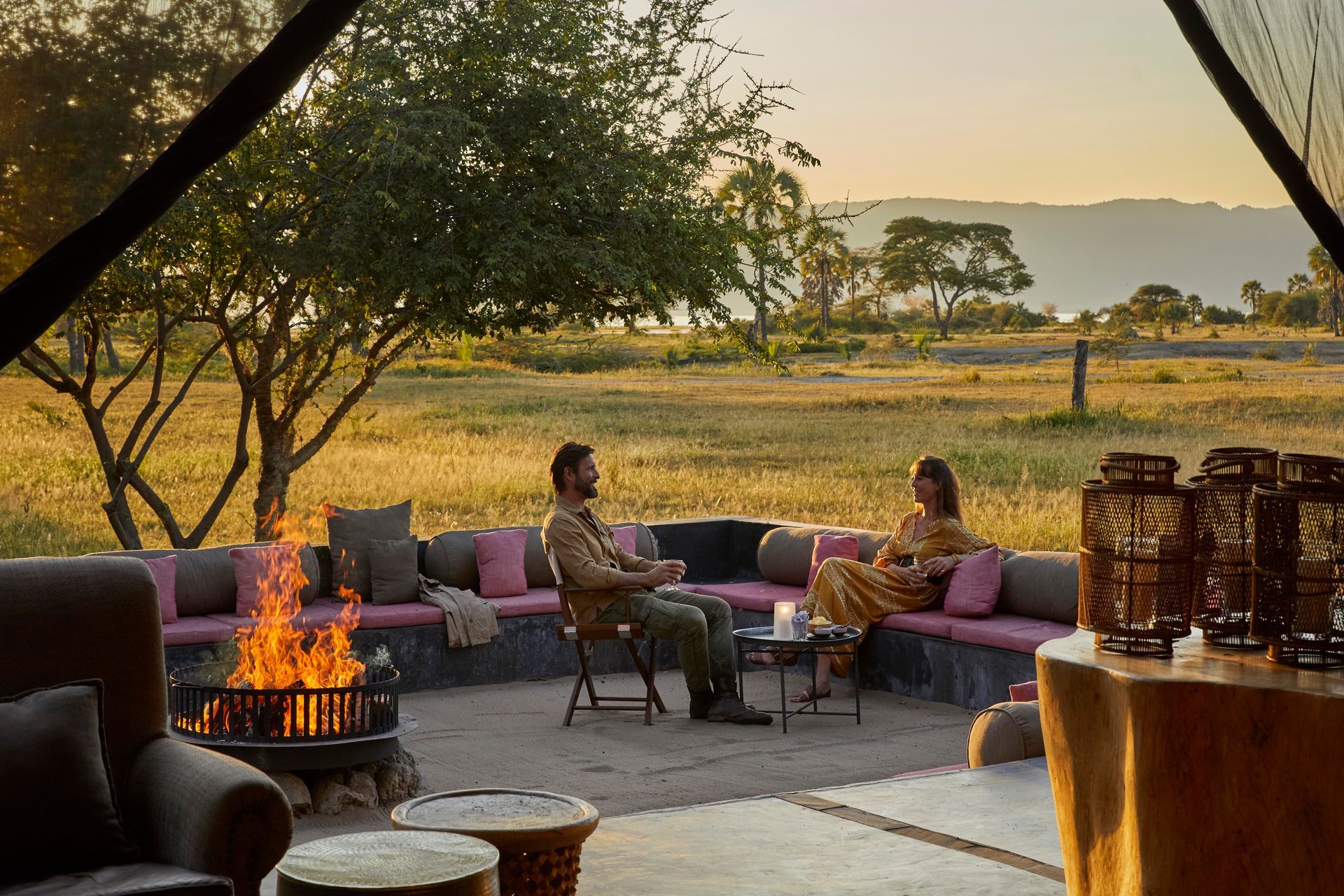
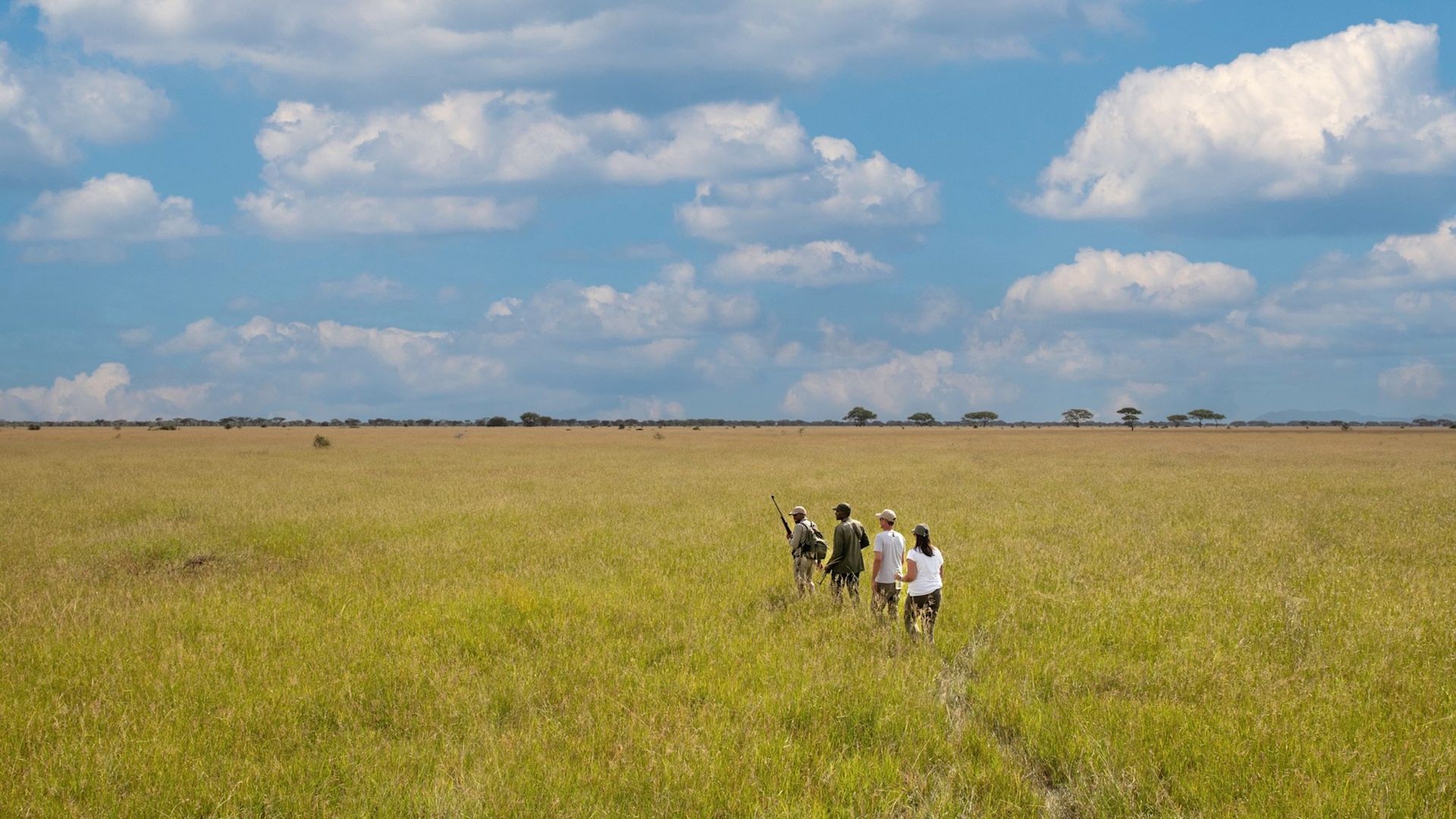
The northern Serengeti is a landscape of rolling hills, granite kopjes and long sweeps of open grassland, threaded with riverine forest along the Mara and Bologonja rivers and stretching away towards the Lamai Wedge, the remote tract of wilderness that lies between the Mara River and the Kenyan border. Outside the crossing season it's one of the least visited corners of the entire Serengeti ecosystem, and for travellers who value space and solitude, that's a quality worth seeking out.
For travel professionals working with clients who have already experienced the migration, or who simply prefer their wilderness uncrowded, the north between November and June deserves a place in the conversation. It offers a side of the Serengeti that many visitors never see, and one that tends to leave a lasting impression on those who do.
A landscape in its own right
The north has a texture all of its own, quite distinct from the endless flat plains of the south or the classic savannah of the central Serengeti. The terrain rises and falls in long, gentle folds, kopjes break the skyline at every turn and the riverine forest along the watercourses adds shade, colour and a sense of enclosure that contrasts beautifully with the open country beyond.
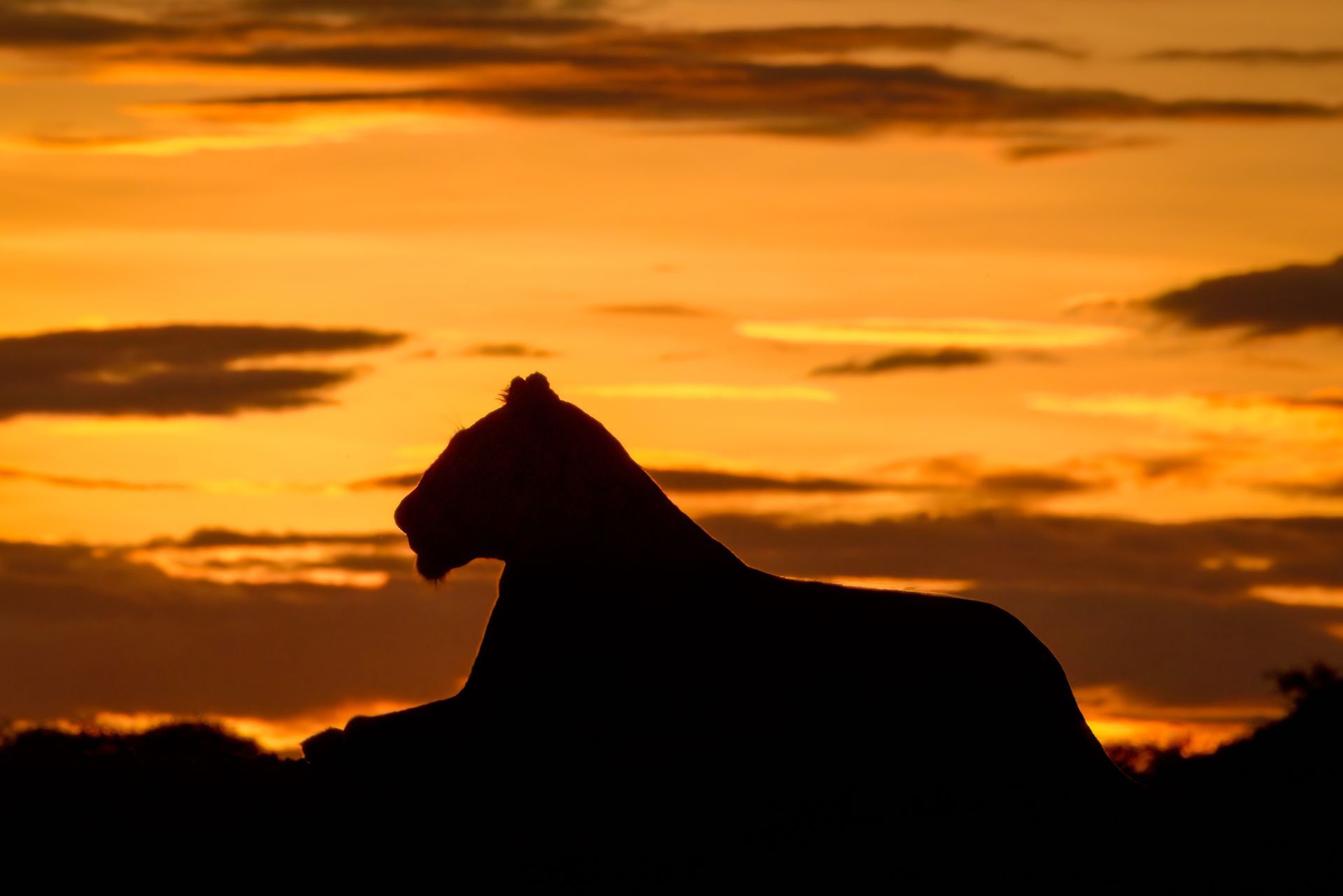
The resident wildlife of the region remains in place throughout the year, independent of the movements of the great herds, and the absence of other vehicles means that time spent in the field has an unhurried, intimate quality. Guides who know the north well read it with a particular fluency, and the experience of exploring it with them, at a gentle pace and with no sense of competition for space, is one of the great pleasures of the region in the quieter months.
The river at rest
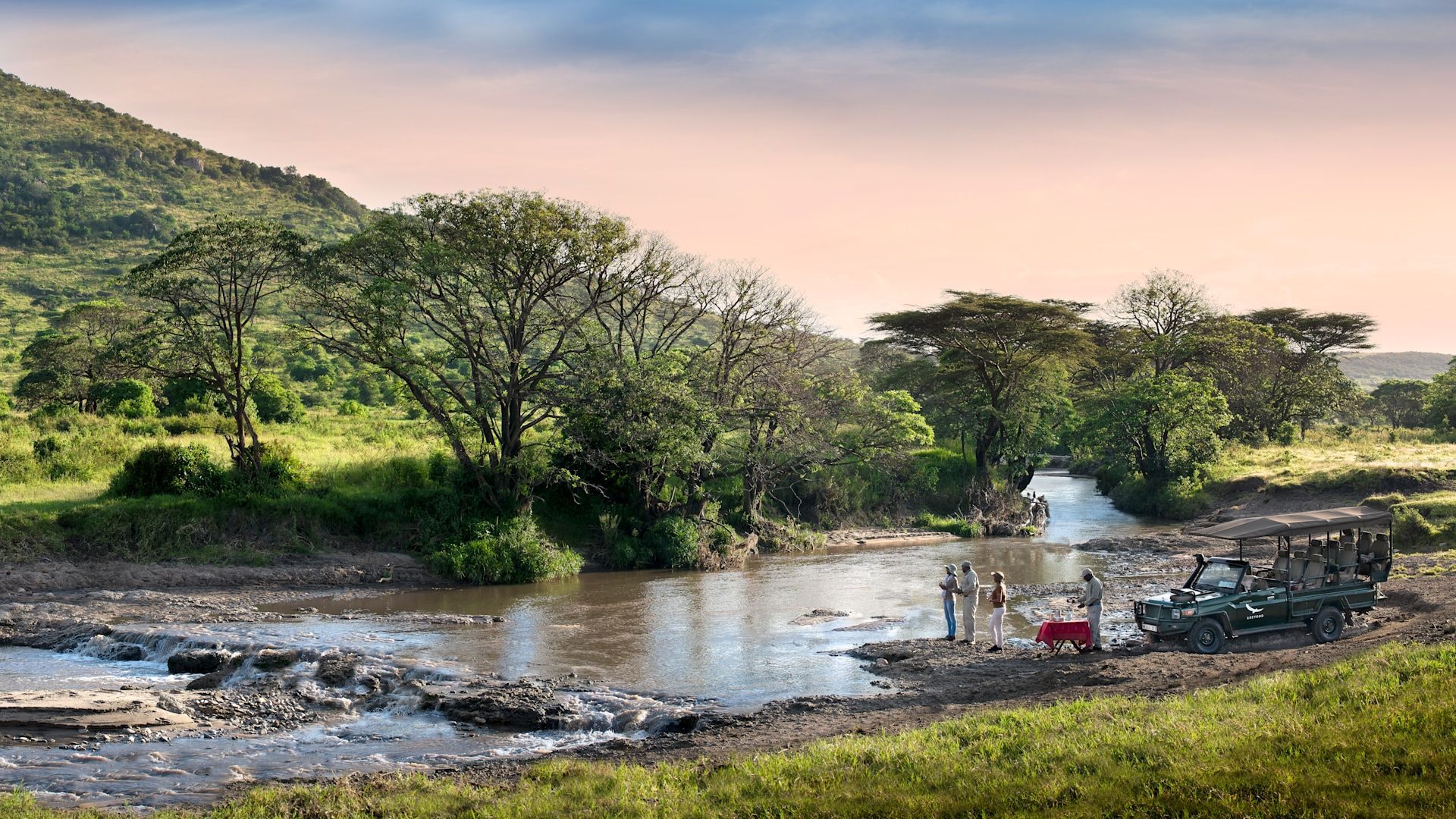
The Mara River takes on an entirely different personality once the crossing season has passed. The banks that were lined with vehicles only weeks earlier fall silent, the river settles into its own slow rhythm and the crossing points become places of remarkable tranquillity. Sitting beside the water with a picnic laid out, in a spot that was the focus of the world's attention a few months before, gives guests a far fuller sense of the river's story and the landscape it shapes.
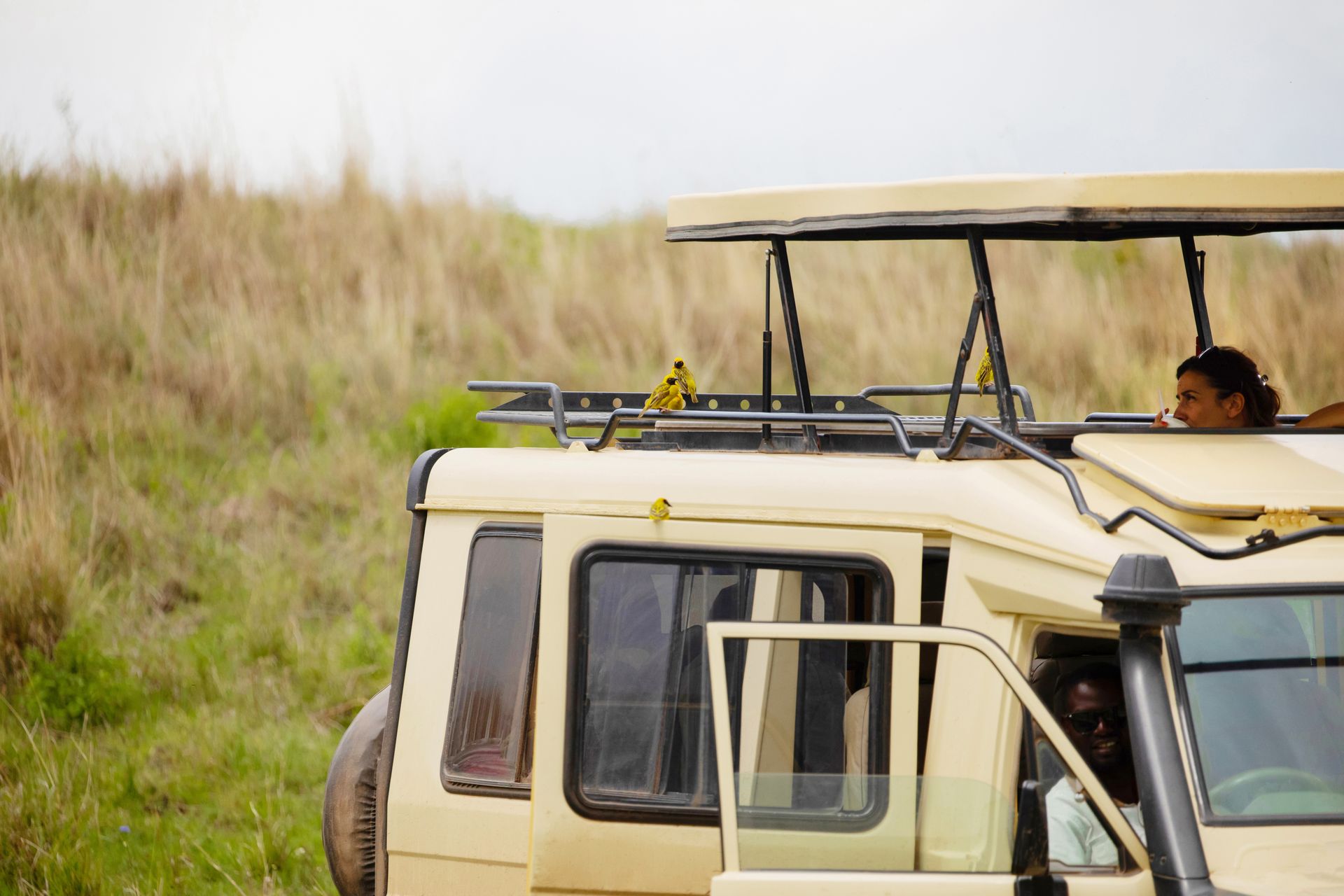
It's also a place of great beauty in its own right, the water winding between steep banks and riverine trees, with the hills of the north rolling away on either side. Anderson & Harvey's closed vehicles with pop-up roofs, fully equipped with luxury picnic equipment and an on-board fridge, make a long, leisurely lunch on the riverbank a very easy pleasure to arrange.
The north in the green months
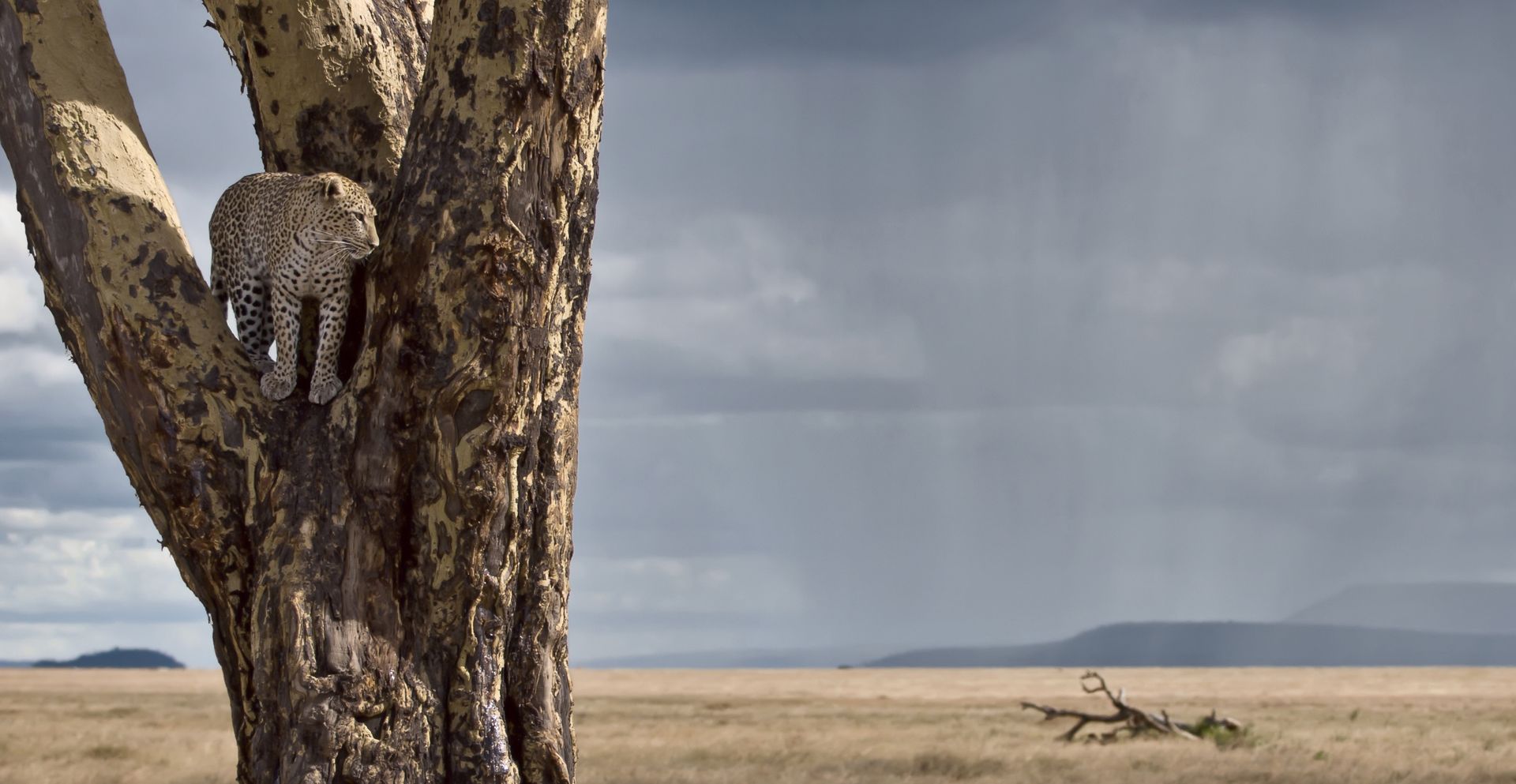
The short rains usually arrive in November, transforming the northern landscape within days. The hills turn green, the dust settles, and the skies fill with towering clouds that bring a drama and depth to the light that photographers find irresistible. January and February often bring a drier spell between the rains, when the grass is lush, the air is clear and the north is at its most luminous.
The long rains of April and May see a number of northern camps close for the season or relocate to the south, and the herds typically begin to return to the far north from around July, although the timing shifts from year to year with the rains. Knowing which camps are open in which months, and how each one is positioned for the season, is essential to building a northern itinerary that works, and it's knowledge the Anderson & Harvey team keeps current through regular inspections and close relationships with its partner camps.
Space, light and solitude
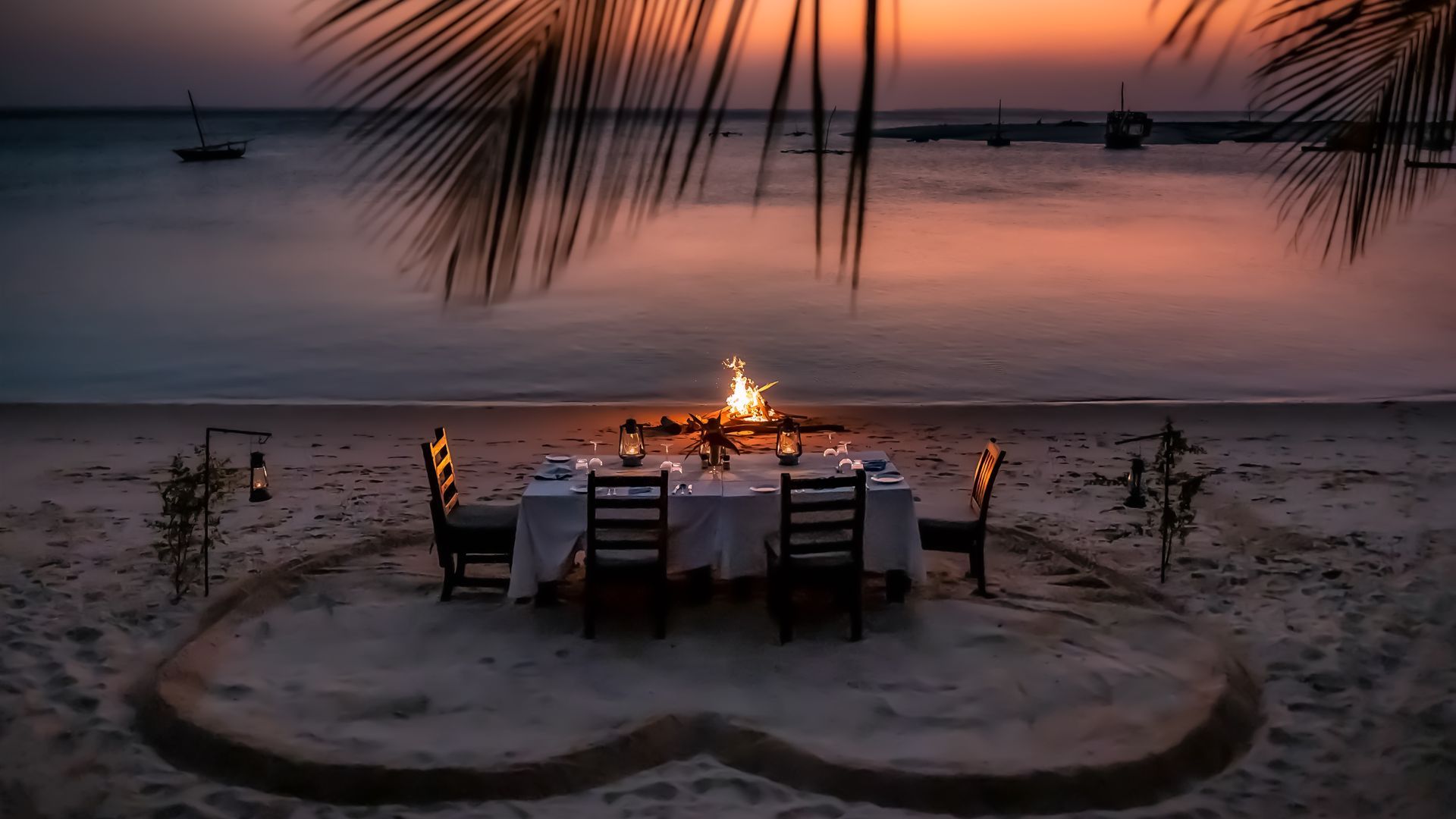
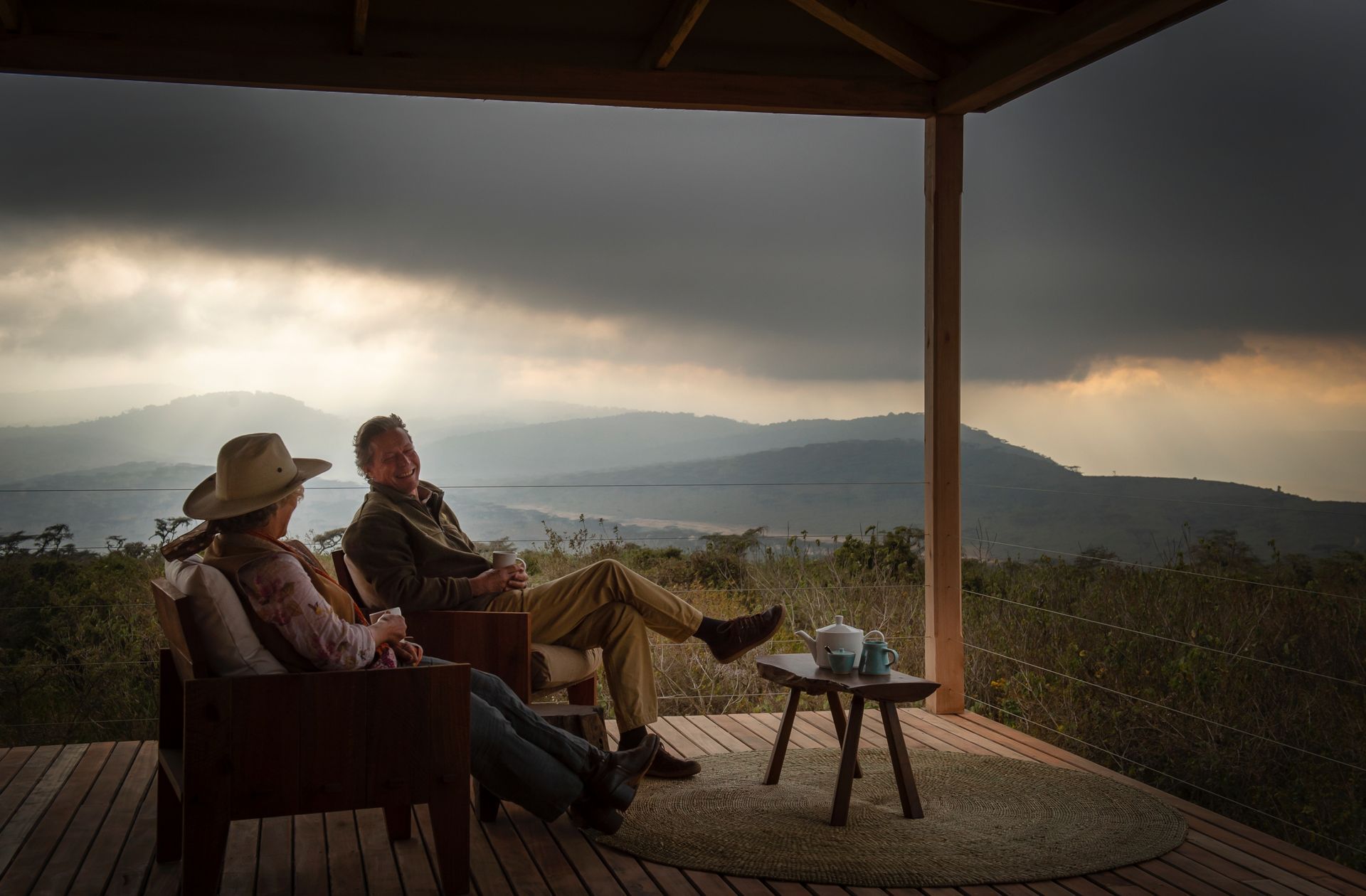
The north out of season suits a particular kind of traveller beautifully. Returning safari guests who have already experienced the migration often find it a revelation, a chance to understand the landscape that hosts the crossings on its own terms. Photographers are drawn by the light and the dramatic skies of the green months, honeymooners by the seclusion, and travellers who simply value time and space find the unhurried rhythm of the north deeply restorative.
What unites them is an appreciation for the Serengeti as a living landscape with a character that extends well beyond its most famous season, and the far north reveals that character with a generosity that surprises even seasoned safari travellers.
Weaving the north into a northern circuit journey
Kogatende airstrip places the northern Serengeti within easy reach by light aircraft from Arusha and the central Serengeti, which makes it straightforward to combine with other parts of the ecosystem without long days on the road. A journey that pairs the solitude of the north with the central Serengeti, the Ngorongoro Crater or the southern plains during the calving season gives clients two or three very different faces of the same great ecosystem, each one enriching the others.
Sequencing those elements, choosing the right camps for the season and allocating nights so that each part of the journey has room to breathe is where the real craft of a northern circuit itinerary lies. And we do have a limited number of open vehicles we use in the Serengeti for those that want the experience!
Anderson & Harvey's Bespoke Travel Designers work alongside trade partners to shape exactly that, drawing on years of on-the-ground knowledge of the north in every season and a ground operation that runs seamlessly behind every journey, with the trade partner's own brand front and centre at every guest-facing touchpoint from the first day to the last.