Walk on the wild side
Discover the Tanzanian wilderness on foot
Walking safaris are a dream for seasoned safari enthusiasts seeking a closer connection to the East African wilderness. Tanzania quietly stands out with some exceptional options for keen walkers, whether as a complement to the traditional safari activity offering or as a dedicated, multi-day safari. Indeed, being on foot in wild Africa is one of the best, most immersive safari experiences you can have, so let's find out more about walking on the wild side...
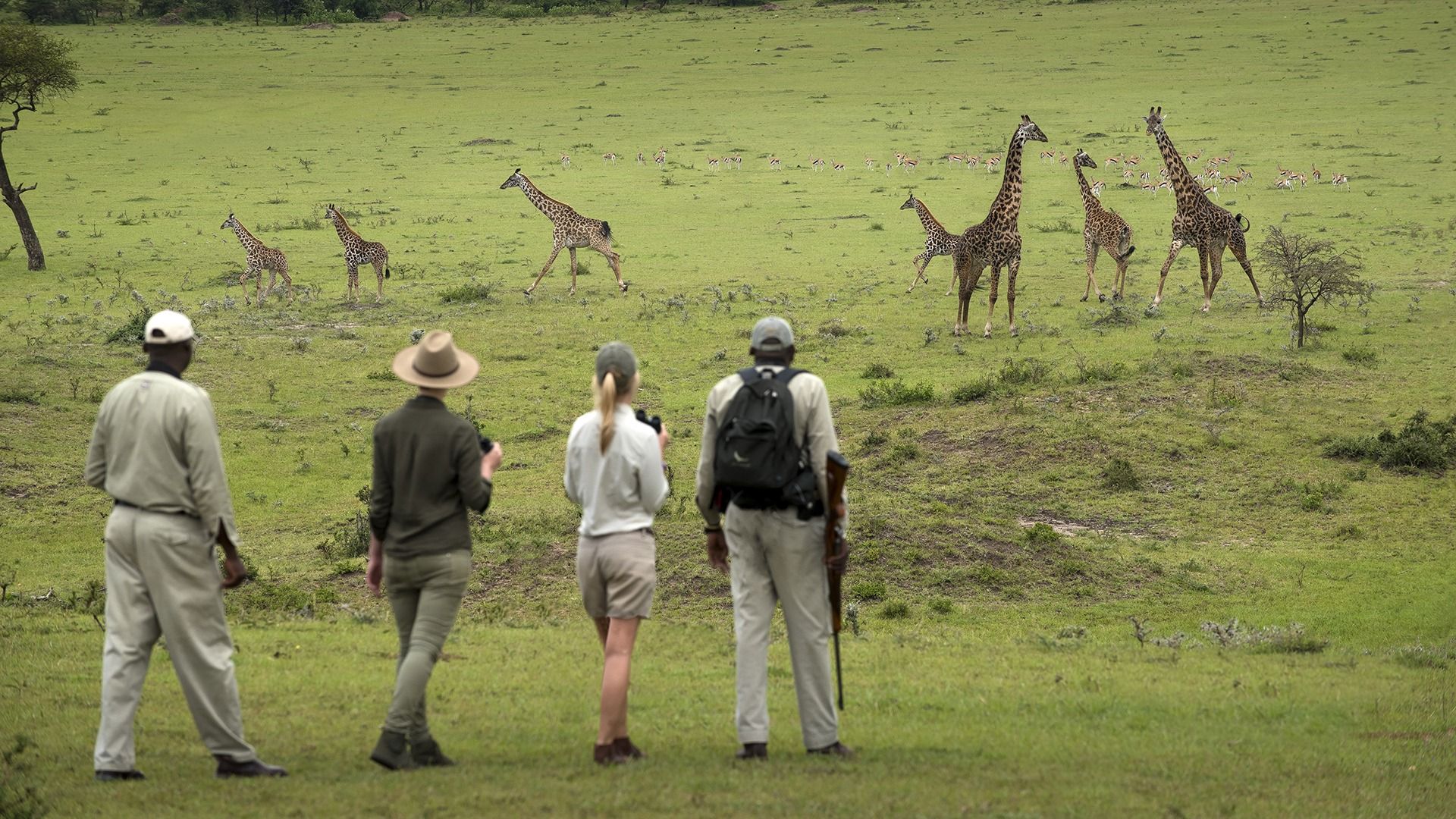
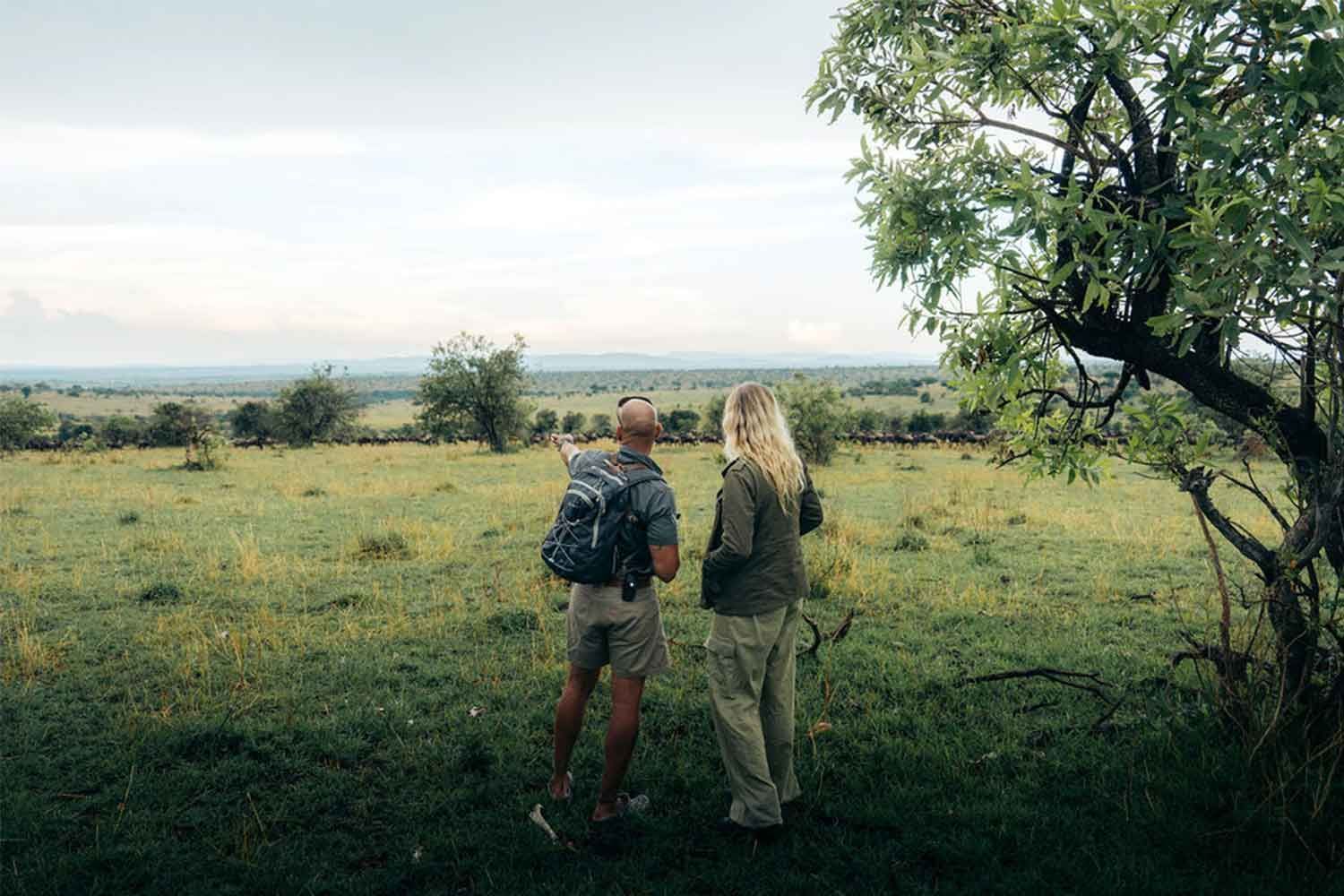
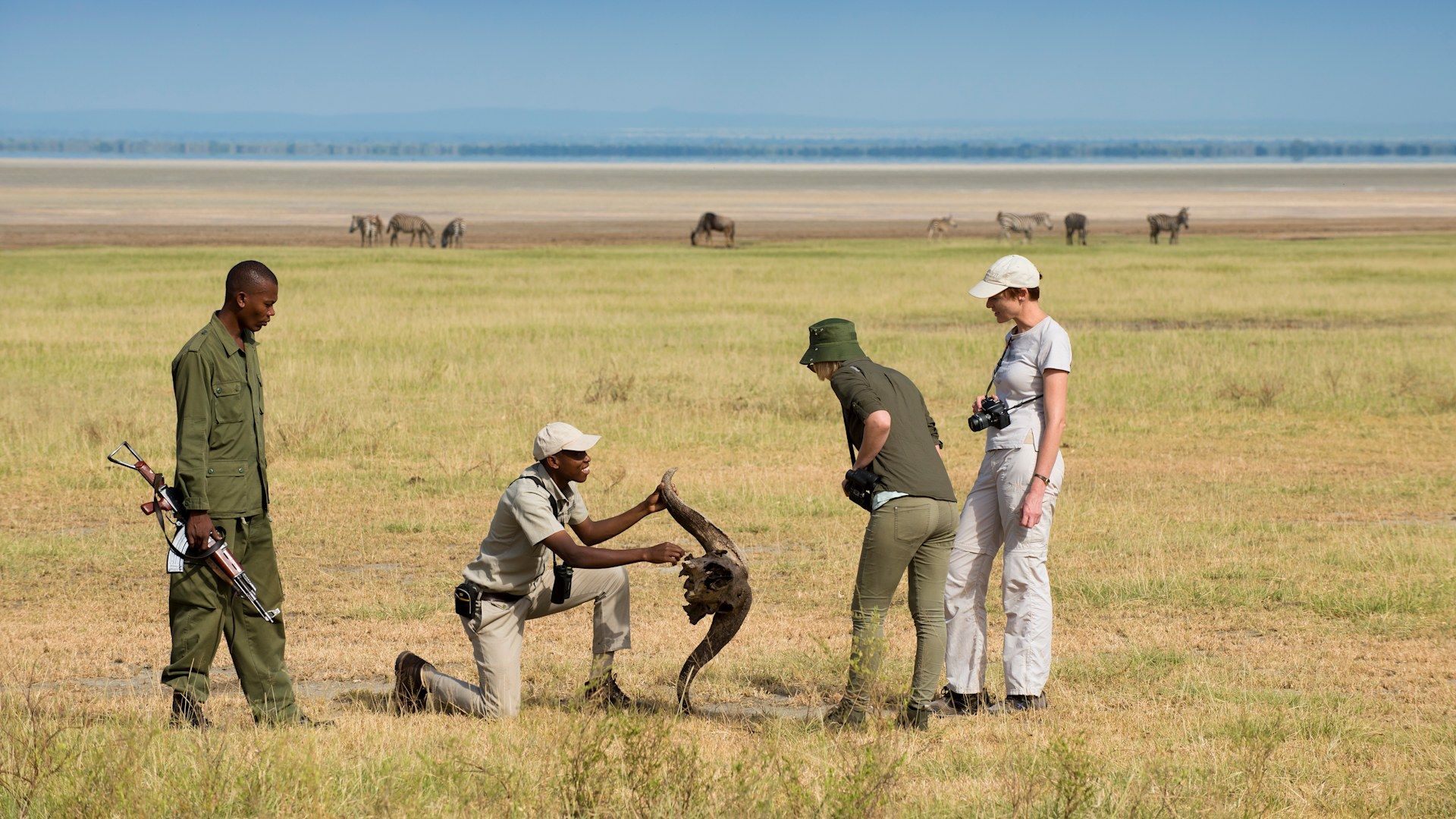
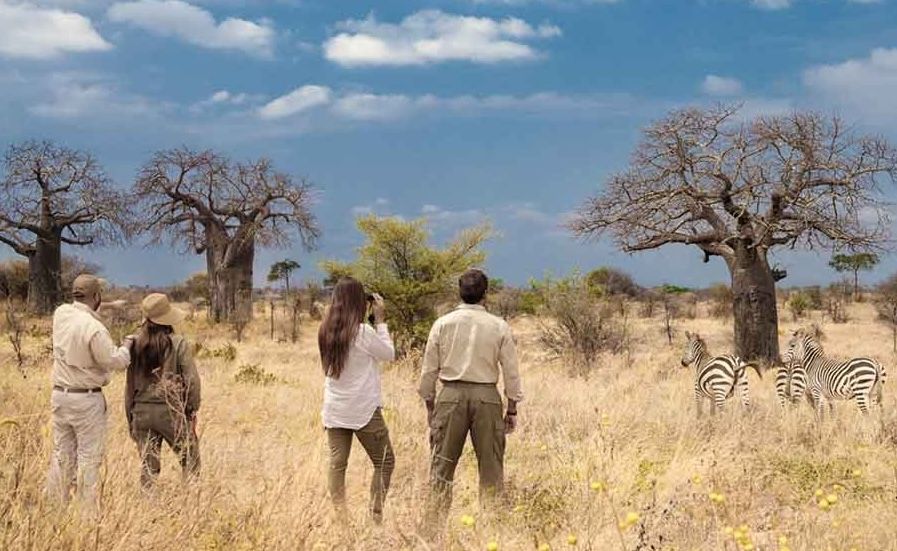
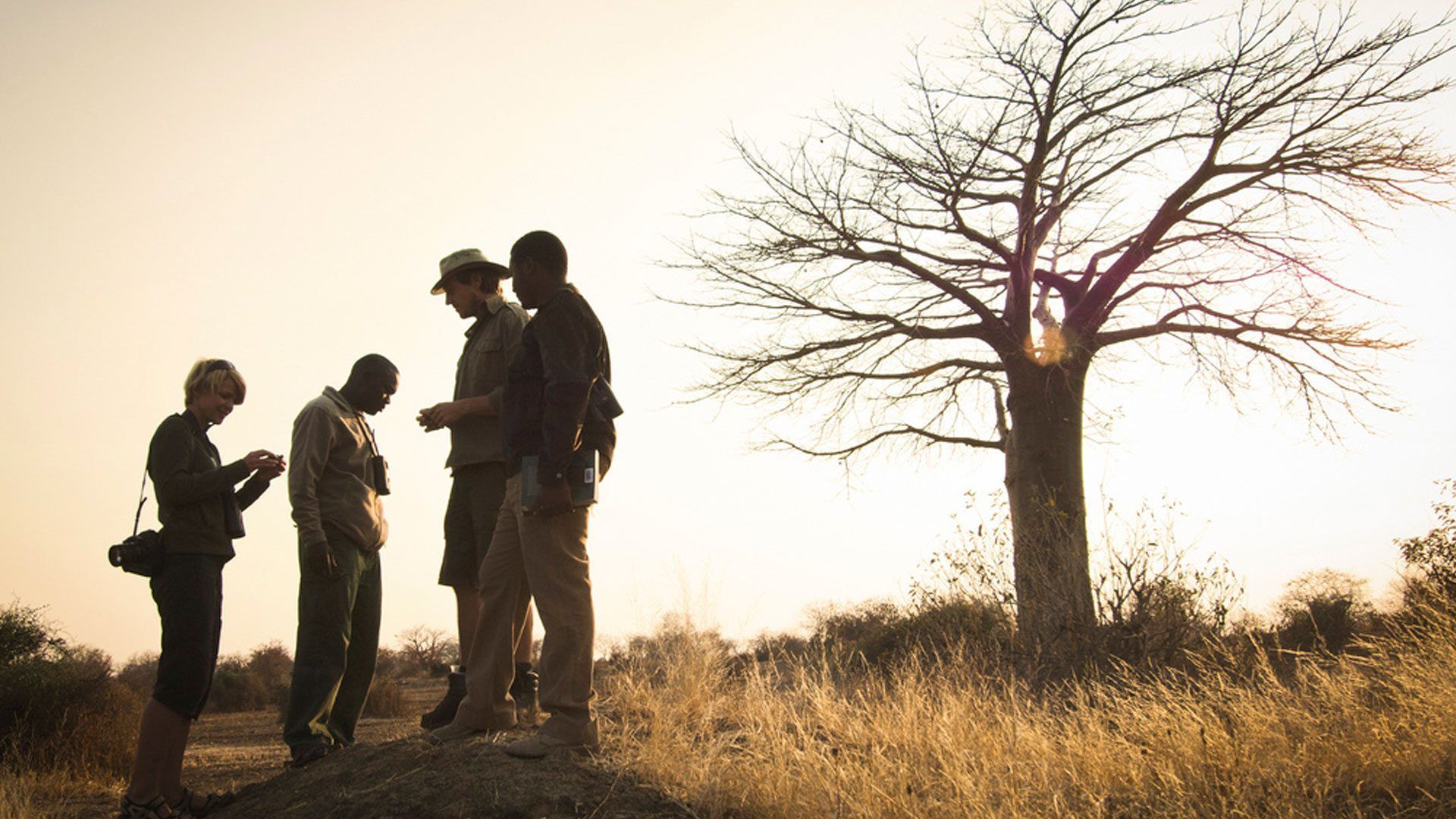
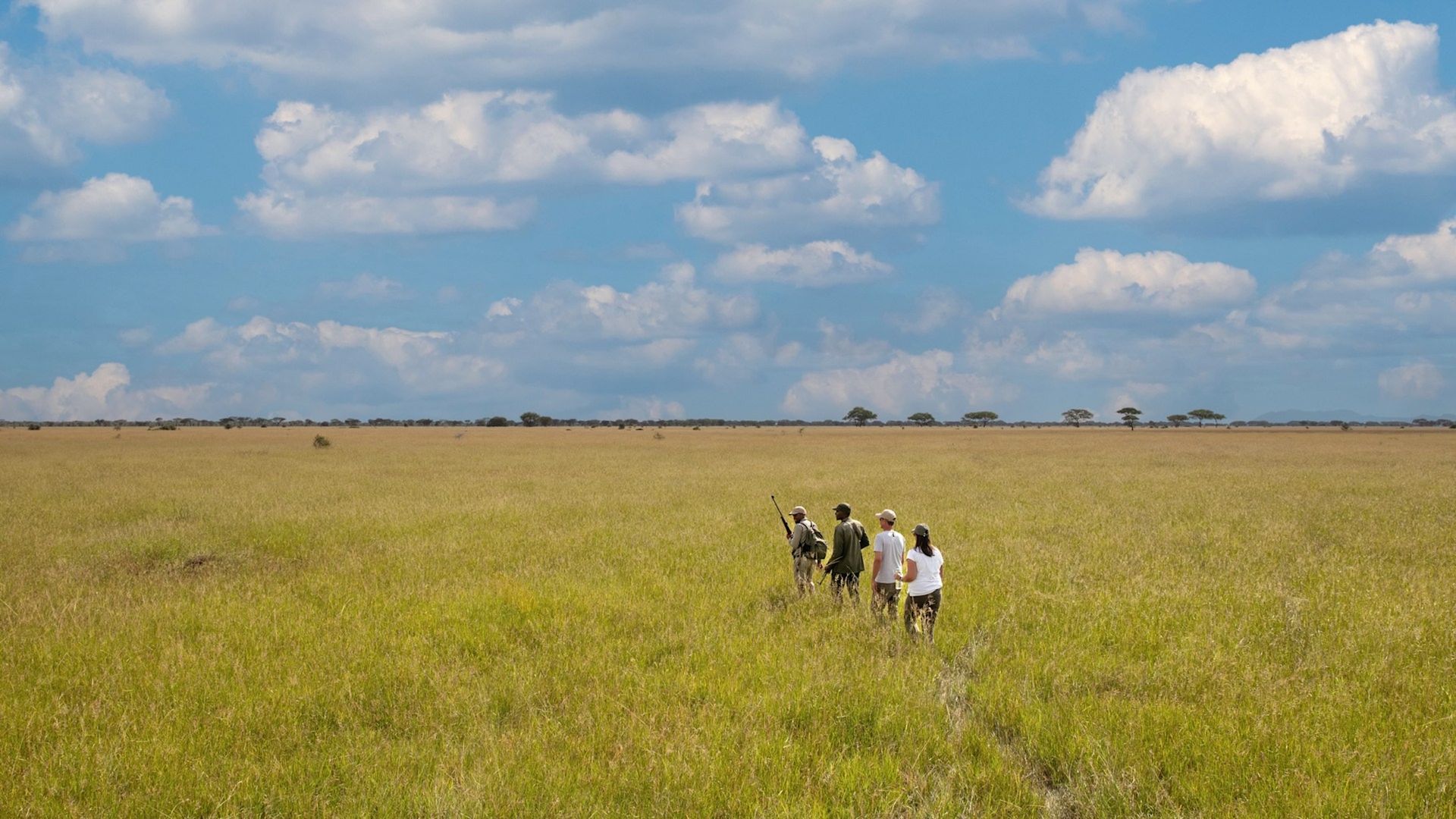
A walking safari is essentially a guided trek through the bush, offering a more intimate connection to nature. Led by a skilled guide, often accompanied by a tracker and sometimes a local Maasai expert, these treks take you where safari vehicles do not. Whether it's a casual bush walk close to your camp or lodge, a full day or overnight fly camping trek or a fully fledged multi-day expedition, walking safaris are transformative journeys that allow you to view Africa in a whole new light.
What makes a walking safari special?
There’s something profoundly life-changing about being on foot in the wilderness. Your senses come alive, attuning to the sounds, scents, and subtleties of the bush. The slow pace reveals hidden treasures: industrious insects, vivid flowers, small life in abundance and even the gentle whispering of the wind, all of which are easily overlooked on a game drive.
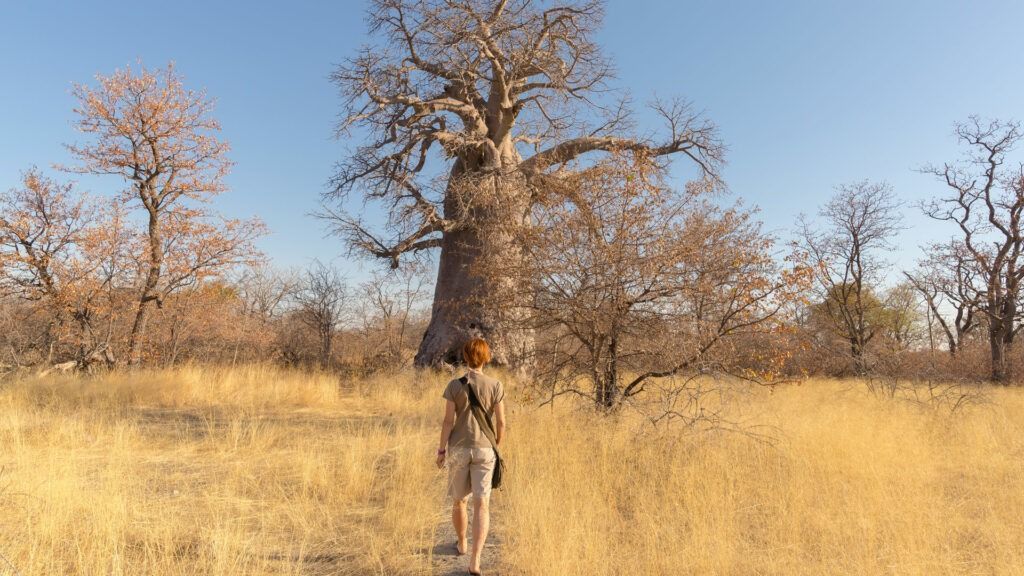
Being on foot allows you to experience the bush in its purest form, connecting with the land in a way no vehicle-based safari can replicate. Whether you’re threading through the vast plains of Nyerere National Park, marvelling at the baobabs of Ruaha, or venturing into the untamed wilds of Katavi, walking safaris promise unforgettable encounters and moments of awe.
Who would enjoy a walking safari?
Walking safaris appeal to both first-timers and safari veterans. They offer a refreshing break from vehicle-based game drives, allowing you to stretch your legs and dive deeper into the landscape. Guides enrich the experience by sharing insights about animal tracks, plant life, and the nuances of wildlife behaviour. For the truly adventurous, multi-day walking safaris offer the thrill of navigating diverse terrains before unwinding at a fly camp with a bucket shower and warm meal.
Walking safaris are more accessible than you might think. You’ll only carry a daypack with essentials like water, and while the terrain can be uneven, guides adapt the pace to suit the group’s needs. Excuses to stop — whether for wildlife sightings or just curiosity — are always welcomed. Most walks start early in the morning to avoid the midday heat, with routes planned to finish at camp by noon.
Walking in Tanzania
Tanzania offers a variety of walking safari experiences, thanks to its diverse protected areas, each governed by different rules. Fly-camping trips, in particular, shine as highlights of Tanzania’s walking safari offerings.
In national parks, safaris follow the stringent regulations of the Tanzania National Parks Authority (TANAPA). Walks are limited to six guests, accompanied by an armed ranger, and must stick to designated trails. While relatively new, walking safaris in these parks are a wonderful complement to your Tanzanian safari.
In game reserves and private concessions, the rules are more relaxed, and camps and lodges are able to set their own protocols, so we choose those with highly qualified walking specialist guides who ensure a consistently excellent experience.
Where to walk
Nyerere National Park (formerly Selous Game Reserve): A haven for walking safaris, offering diverse landscapes and abundant wildlife, Neyere National Park covers an area roughly 2.5 times the size of Wales and it’s one of Africa’s last great wildernesses. The park centres around the Rufiji River, a lifeline for wildlife during the dry season. Walking safaris here reveal an ever-changing panorama of riverine forests, open plains, and meandering waterways. With a mix of big game like elephants, wild dogs, and leopards, as well as birdlife year-round, Nyerere offers a walking safari experience that’s hard to match.
Ruaha National Park: To the west of Nyerere lies Ruaha National Park, known for its rugged beauty and open grasslands dotted with ancient baobabs. While its habitats are less varied than Nyerere’s, Ruaha’s walking safaris deliver on excitement and exceptional guiding. Camps here excel at creating unforgettable experiences, making it an ideal destination for those seeking adventure on foot.
Northern circuit: Walking safaris have recently been introduced to the northern parks, including Tarangire, Lake Manyara, and the fringes of the Serengeti. These areas, while not designed for multi-day treks, offer fantastic opportunities to add walking elements to your safari. With high-quality guiding and excellent wildlife sightings, they make a great complement to traditional game drives.
Katavi National Park: For the truly adventurous, Katavi is an unrivalled gem. Remote and raw, this park boasts staggering wildlife spectacles, from enormous buffalo herds to hippos gathering in super-pods of thousands during the dry season. With just three seasonal camps and minimal crowds, Katavi’s walking safaris offer a rare glimpse into one of Africa’s best-kept secrets.