Lakes of life
Discover East Africa's great lakes with us
East Africa is famously associated with sweeping savannahs and spectacular wildlife migrations. Yet its landscape is also defined by a remarkable constellation of lakes, each a vital ecosystem offering unique wildlife, habitats and human cultures. For Anderson & Harvey guests exploring Tanzania’s northern circuit and beyond, the Great Lakes region reveals hidden wonders that deepen appreciation for the region’s biodiversity and heritage.
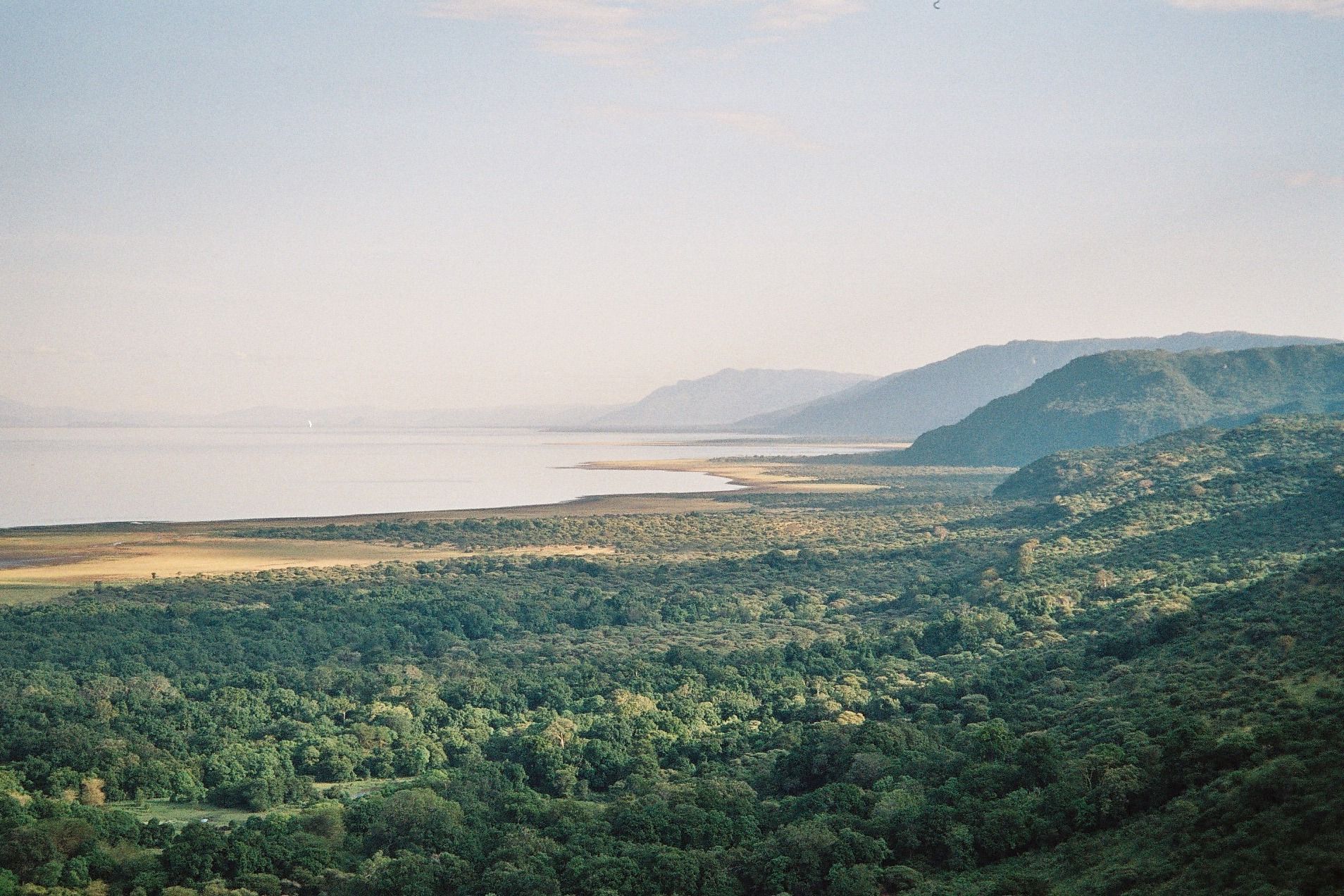
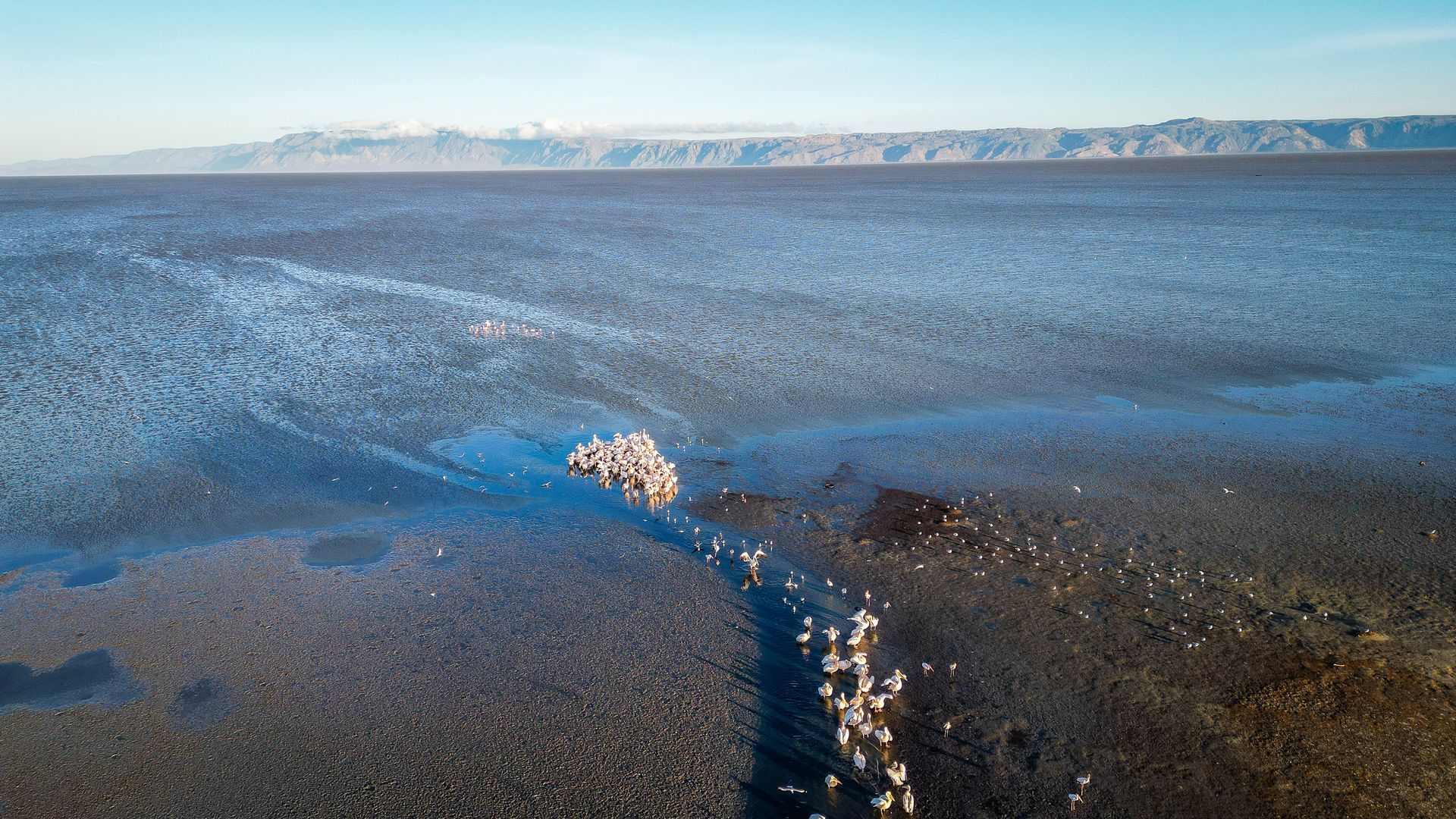

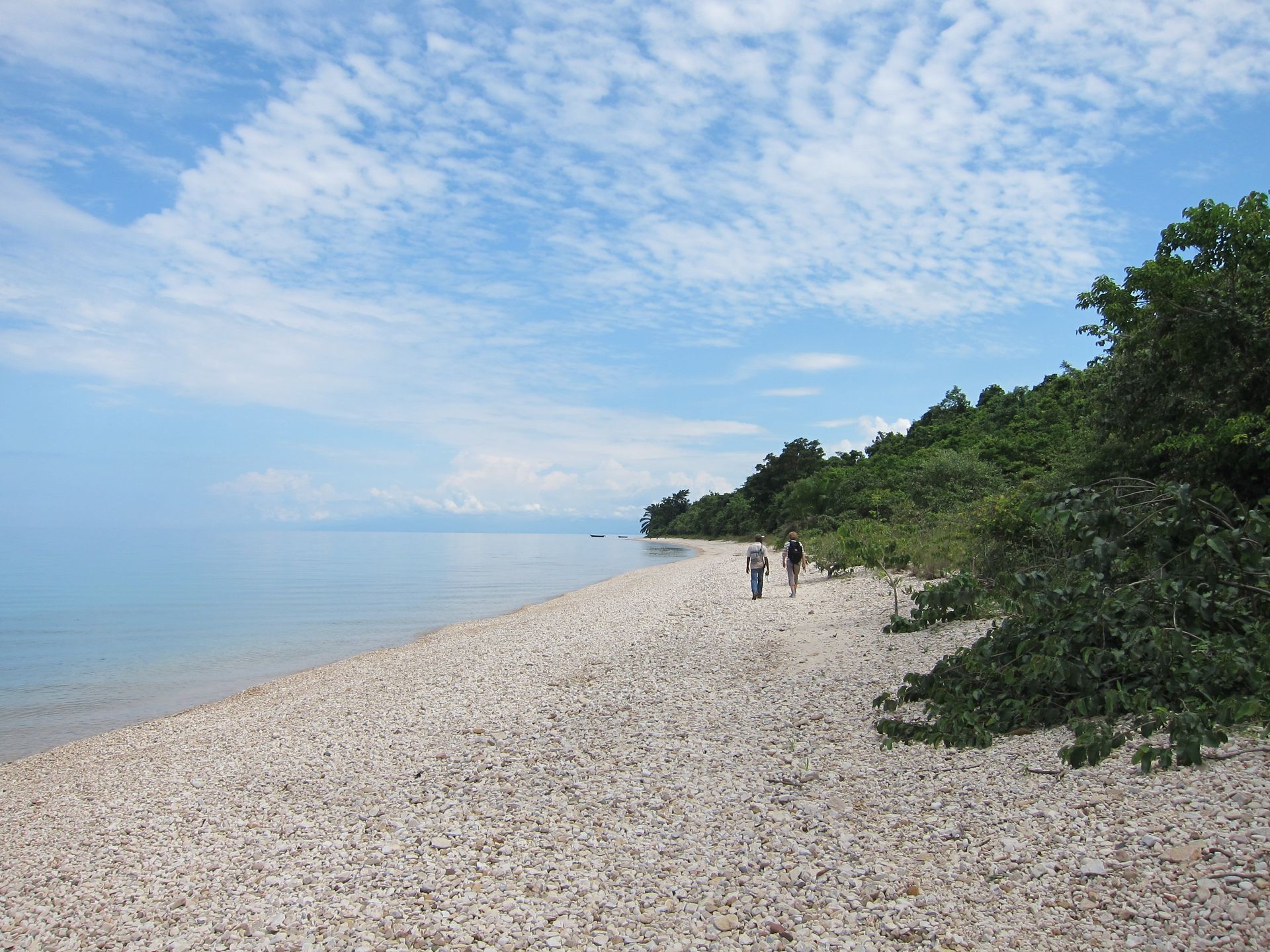
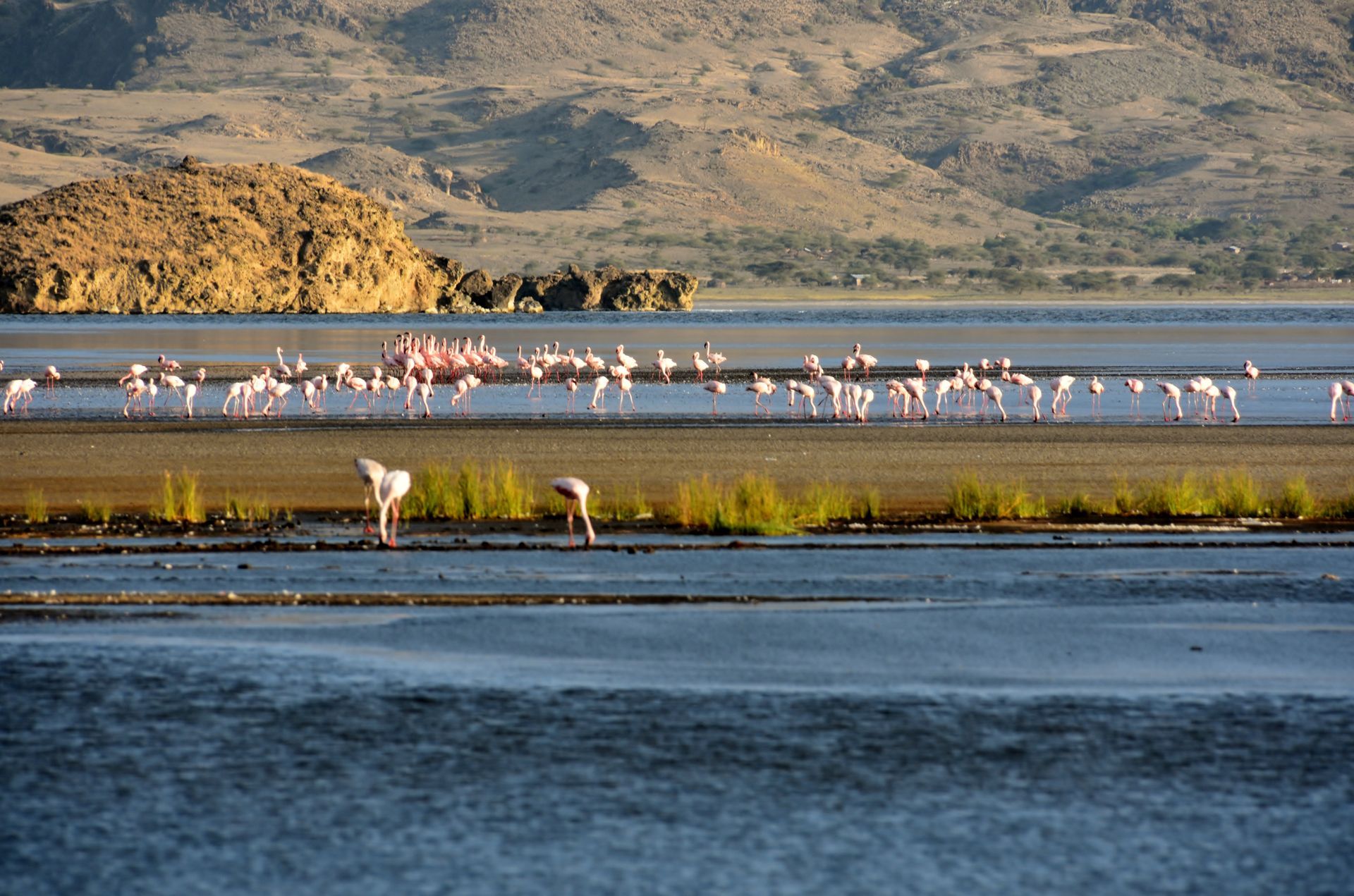
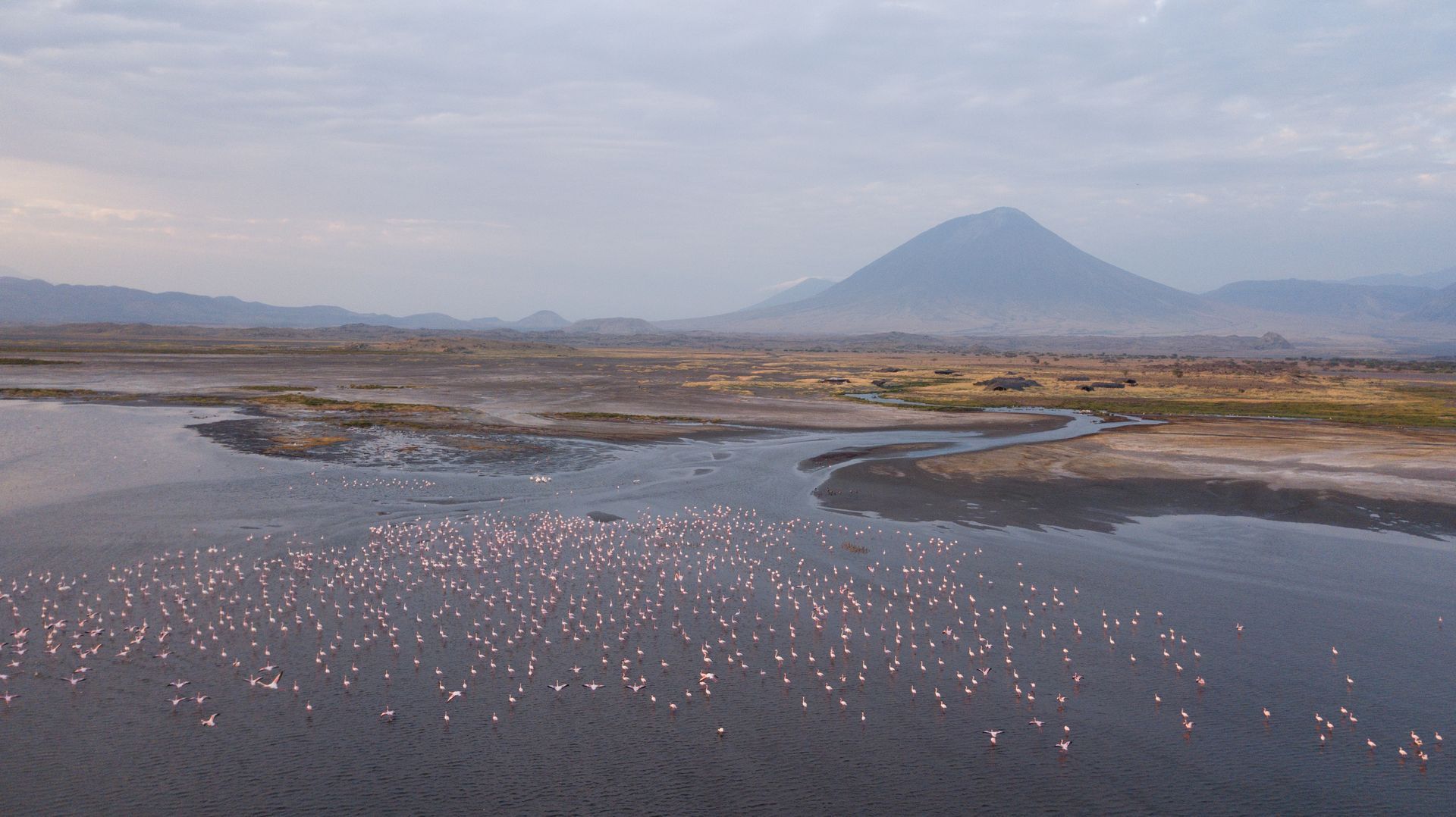
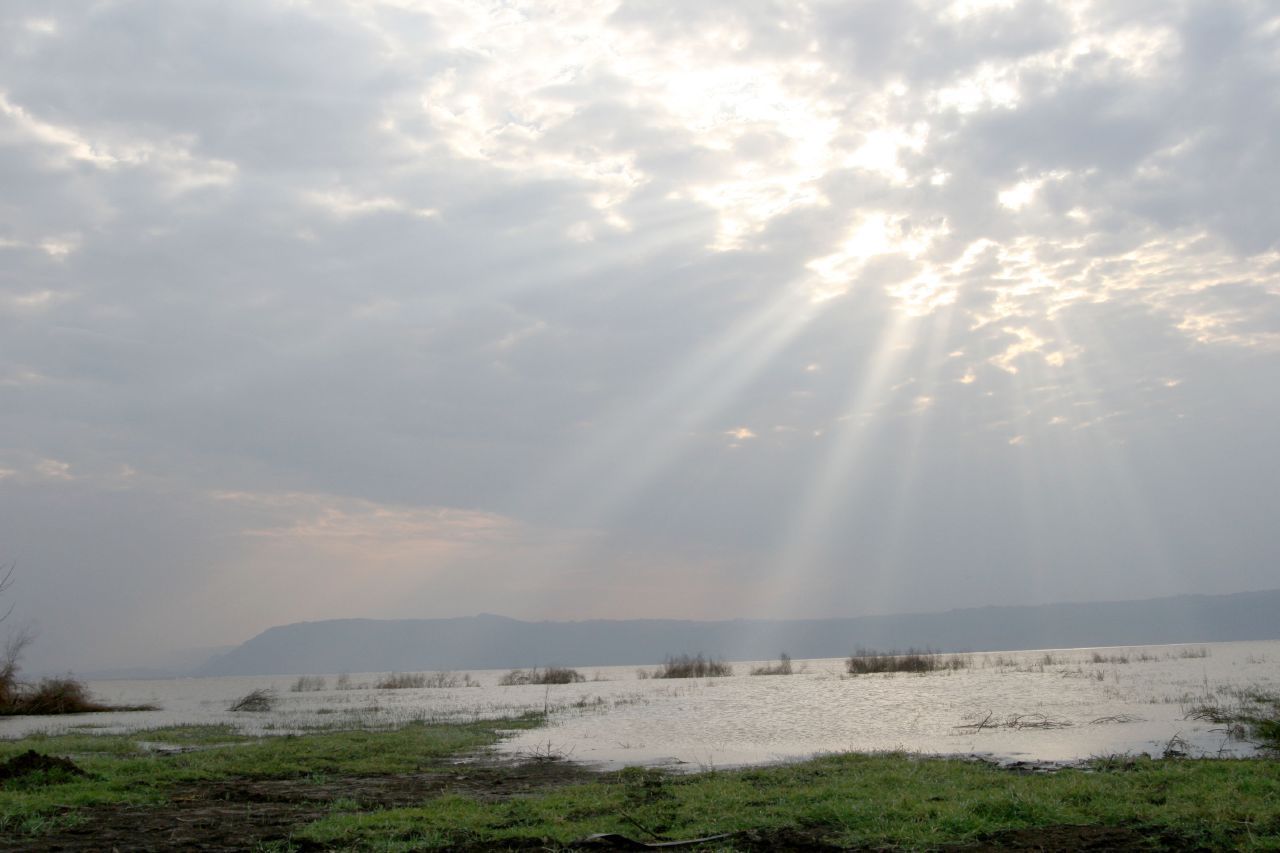
Among the most iconic is Lake Manyara, located at the base of the Rift Valley’s base. Once known for its flamingo-dusted shores, heavy rains and flooding have reduced the alkalinity of the water meaning that the algae on which they feed has largely disappeared, as it requires alkaline water to grow. However, you can see vast flocks of pelicans and a thriving waterbird community on the lake. Anderson & Harvey’s expert guides share insights into this phenomenon, revealing how changes in water chemistry and climate influence these birds’ behaviour.
To the north, Lake Natron is a study in extremes. Its highly alkaline, reddish waters create a harsh environment that few creatures can tolerate. Yet it serves as a critical breeding ground for the lesser flamingo, whose chicks rely on its isolated, predator-free shores for survival. The lake’s stark beauty is matched by its cultural significance. Local Maasai and Datoga pastoralists have coexisted with this environment for generations, adapting their ways to the unique conditions. Guests gain perspective on the interplay between nature and culture through visits to nearby communities, learning about traditional livestock management and crafts.
Further west lies Lake Eyasi, a lesser-known but fascinating waterbody surrounded by semi-arid bushland. It is home to the Hadzabe, one of the last remaining hunter-gatherer peoples in Africa. Their intimate knowledge of the land and its resources provides a rare glimpse into humanity’s deep connection with nature. Anderson & Harvey promotes respectful, authentic engagement with the Hadzabe, offering guests the chance to learn about their survival skills, tracking methods and seasonal movements without disrupting their way of life.
Stretching beyond Tanzania’s borders, Lake Victoria is the largest tropical lake in the world and sustains millions of people across Uganda, Kenya and Tanzania. Its freshwater ecosystem supports an abundance of fish species, including tilapia and the Nile perch. Lakeside fishing communities have developed intricate cultural traditions centred on the lake’s resources. The wetlands and papyrus swamps surrounding Lake Victoria form vital habitats for an extraordinary diversity of birds, from the regal African fish eagle to the elusive shoebill stork, making it a haven for birdwatchers.
Finally, Lake Tanganyika, the world’s second deepest lake, is renowned for its endemic fish species and clear, deep waters. Bordering Tanzania, the Democratic Republic of Congo, Burundi and Zambia, it hosts cichlids found nowhere else on Earth. Its shores are dotted with fishing villages and historic trading ports, where ancient cultural traditions blend with modern livelihoods.
Together, these lakes create a network of life-supporting habitats that sustain wildlife, people and culture. Anderson & Harvey’s itineraries can incorporate visits to these diverse ecosystems, enriching the classic safari experience with encounters that reveal East Africa’s ecological and cultural complexity.
By exploring the lakes’ birdlife, fish diversity and local traditions, guests gain a holistic understanding of the region’s natural history and conservation challenges. The lakes face threats from climate change, pollution and overfishing, making responsible tourism and community partnerships vital to their future. Anderson & Harvey’s guides bring these stories to life with knowledge, passion and sensitivity, ensuring every visit leaves a lasting impression.