Into the highlands
Exploring East Africa’s Afro-montane forests
East Africa’s highlands are home to some of the continent’s most enchanting and least explored ecosystems: the Afro-montane forests. These dense, mist-shrouded landscapes stretch across Rwanda, Uganda, Kenya and Tanzania, offering a world apart from the savanna plains below. For Anderson & Harvey guests, venturing into these highlands reveals a quieter, deeply special side of East Africa’s wildlife and wilderness, combining breathtaking scenery with intimate wildlife encounters and cultural immersion.
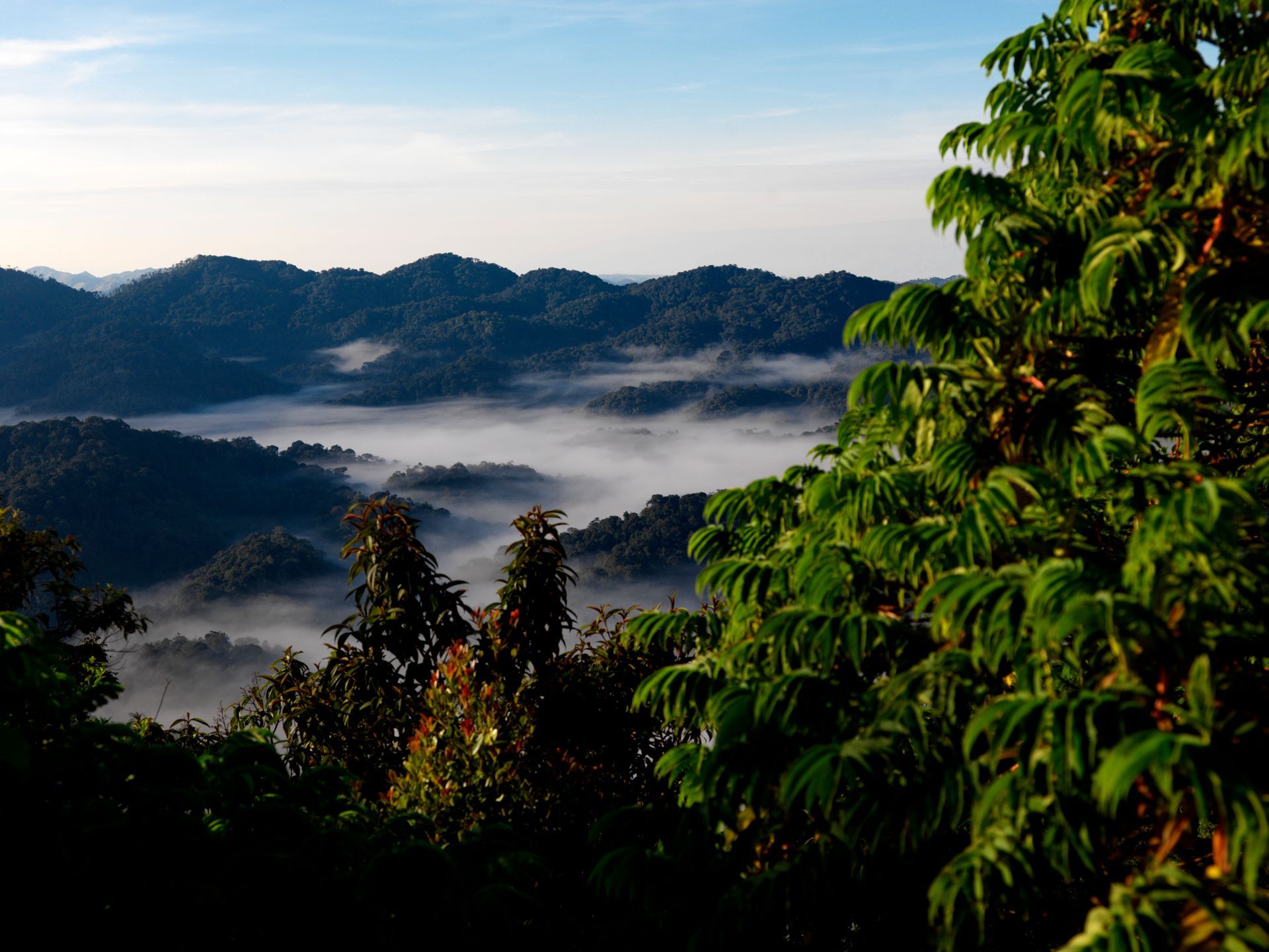


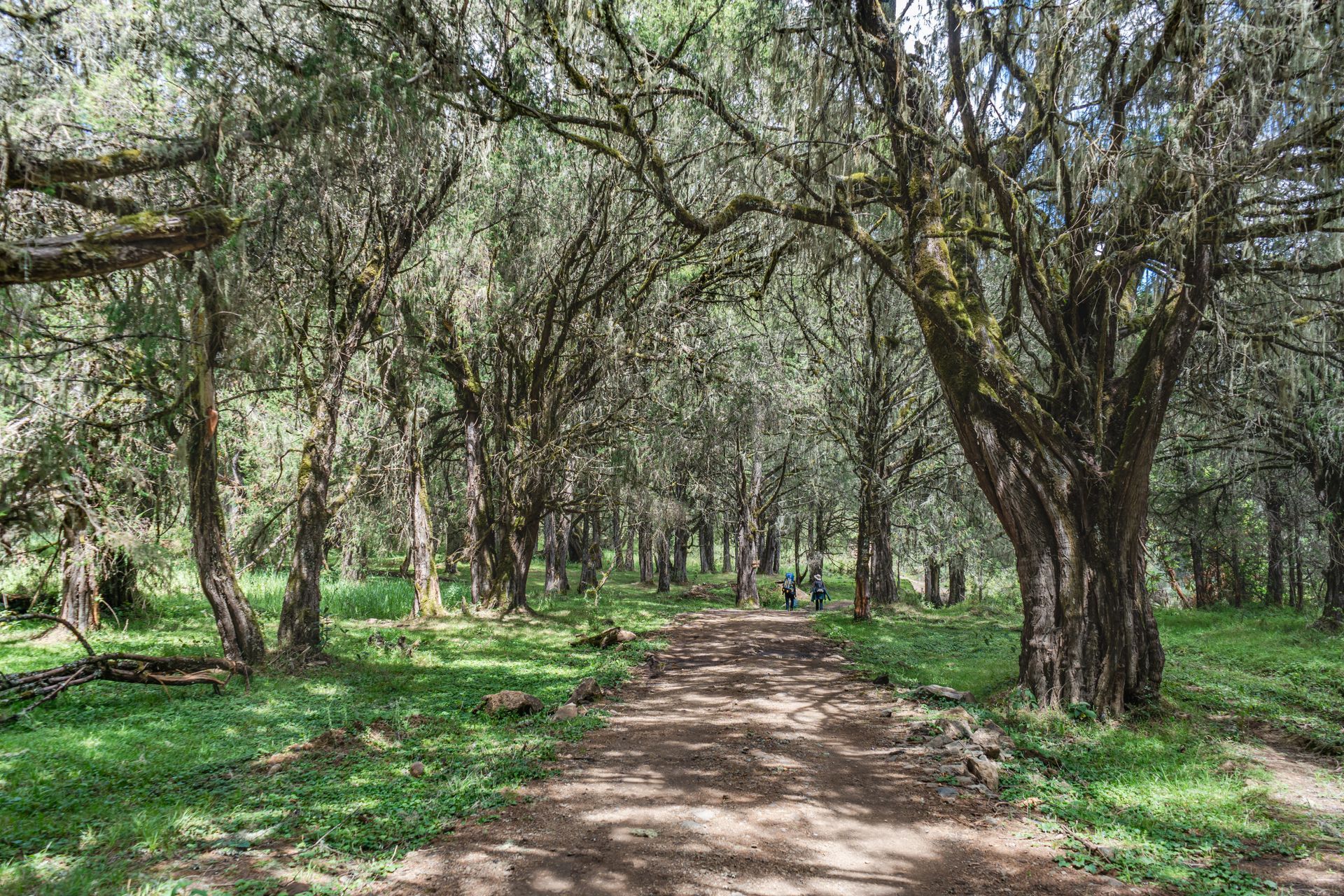
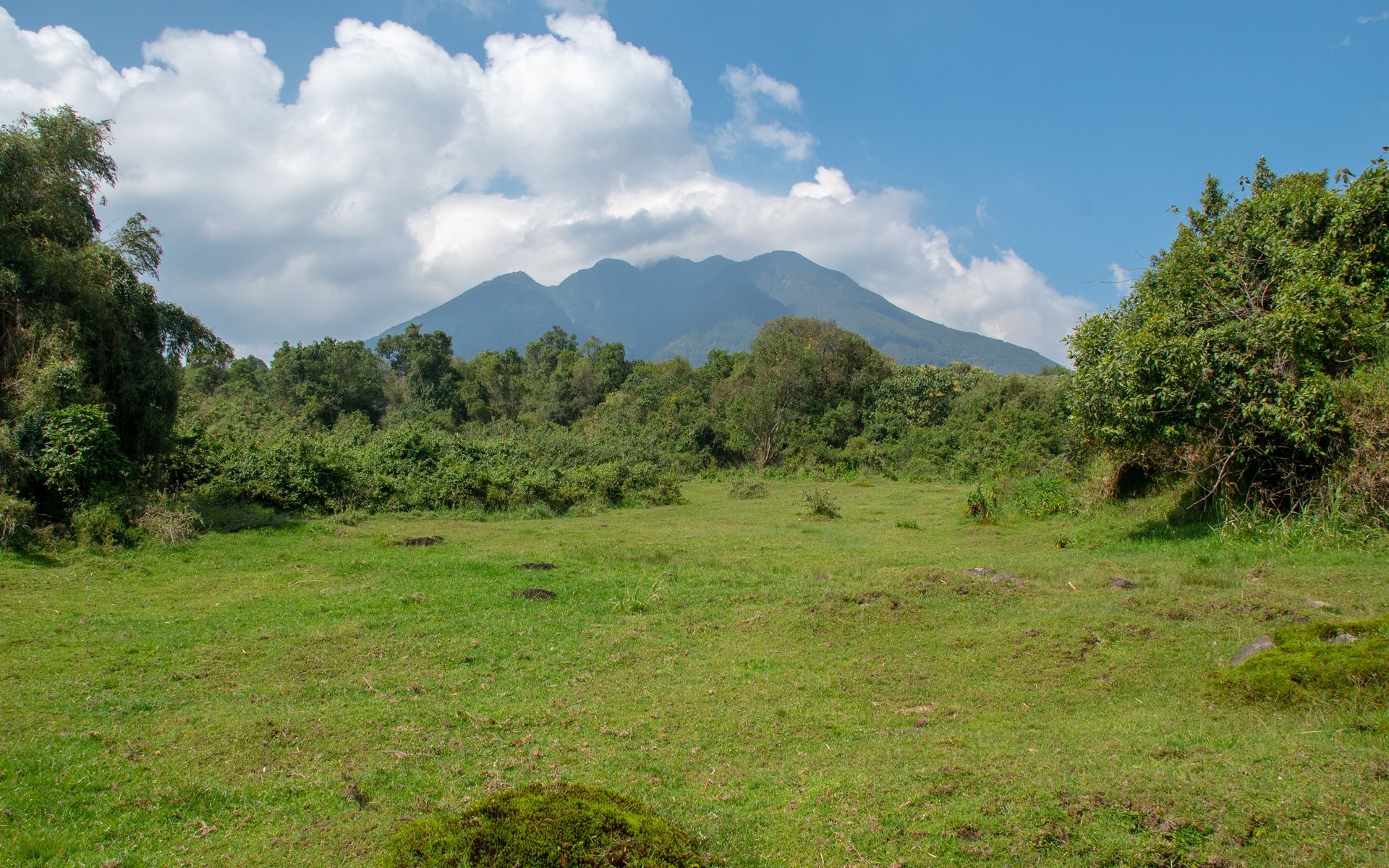
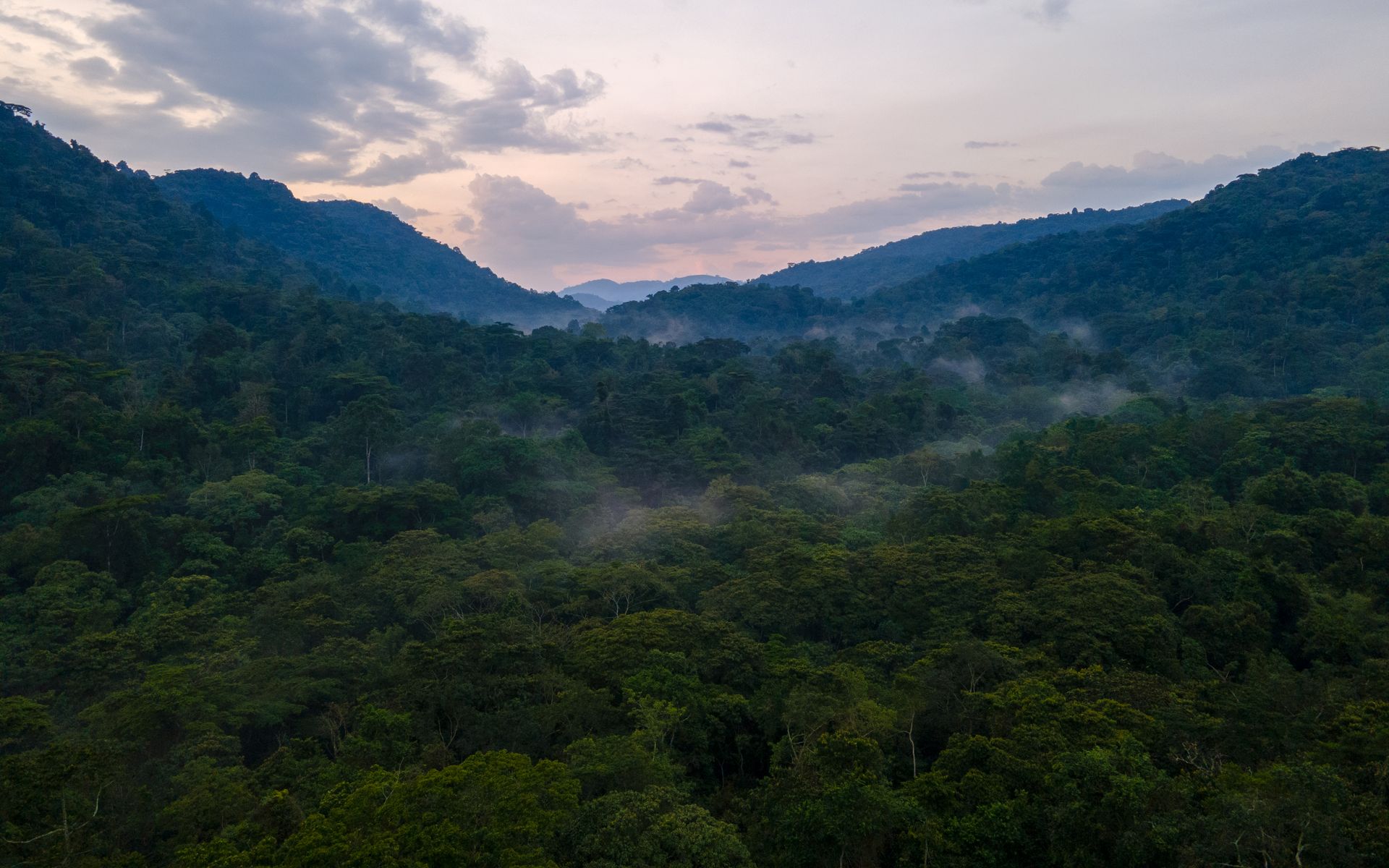
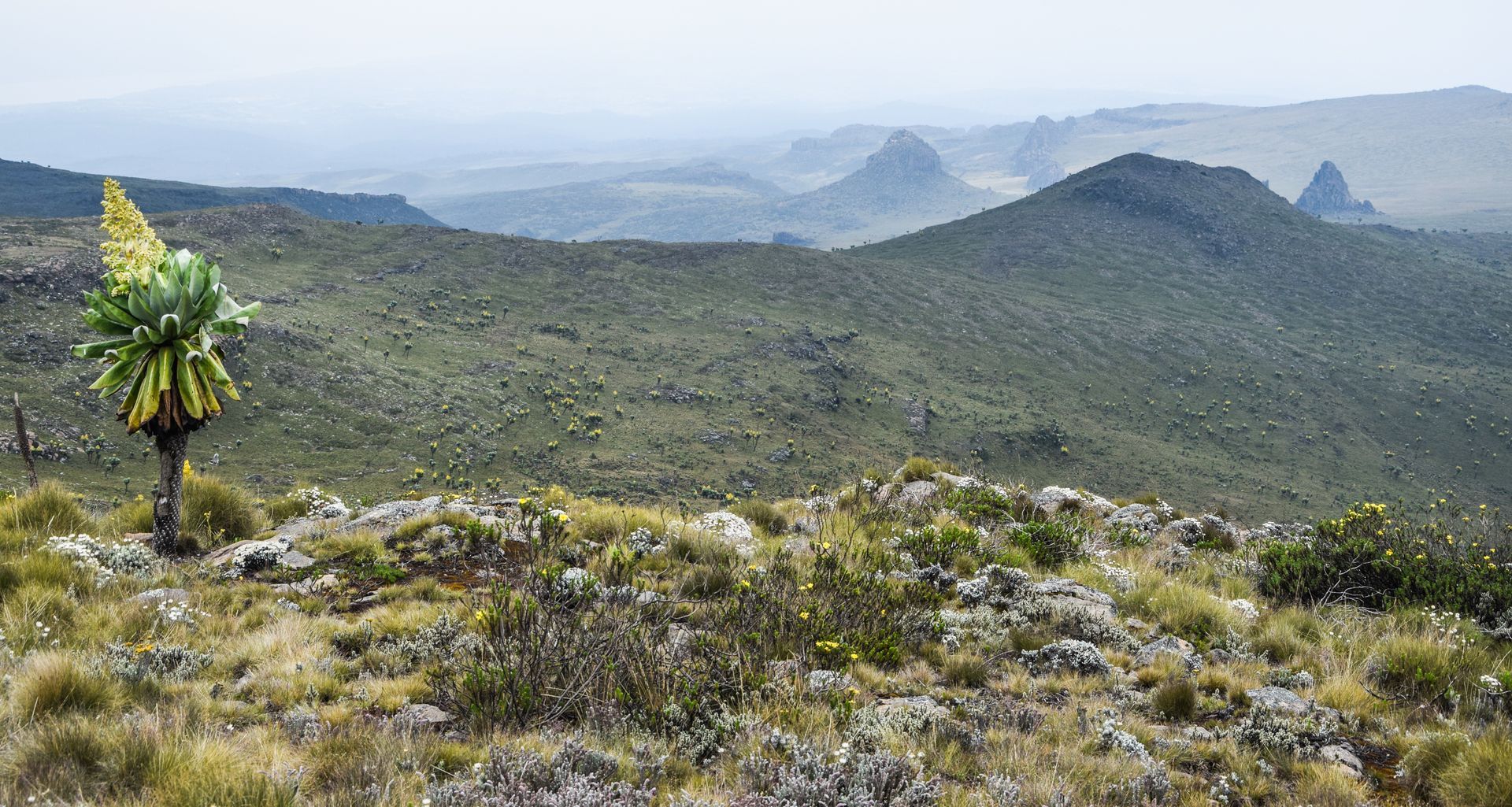
Afro-montane forests are part of the Albertine Rift and other high-elevation systems, some of Africa’s most important biodiversity hotspots. Their cool, humid environments support a remarkable range of endemic species found nowhere else on the continent. Bird enthusiasts, in particular, are rewarded with a kaleidoscope of rarities.
From Nyungwe National Park and Volcanoes National Park in Rwanda, with their Rwenzori turaco and green-tailed bristlebill, to Bwindi Impenetrable National Park and Mgahinga Gorilla National Park in Uganda, with white-winged warblers, to Aberdare National Park and Mount Kenya National Park in Kenya, and Udzungwa Mountains National Park and Kilimanjaro National Park in Tanzania, these habitats are alive with sound and colour. Dense bamboo thickets, moss-laden branches and cloud forest zones provide the perfect stage for vivid plumage and melodious calls, offering a constant soundtrack to misty mornings and cool afternoons.
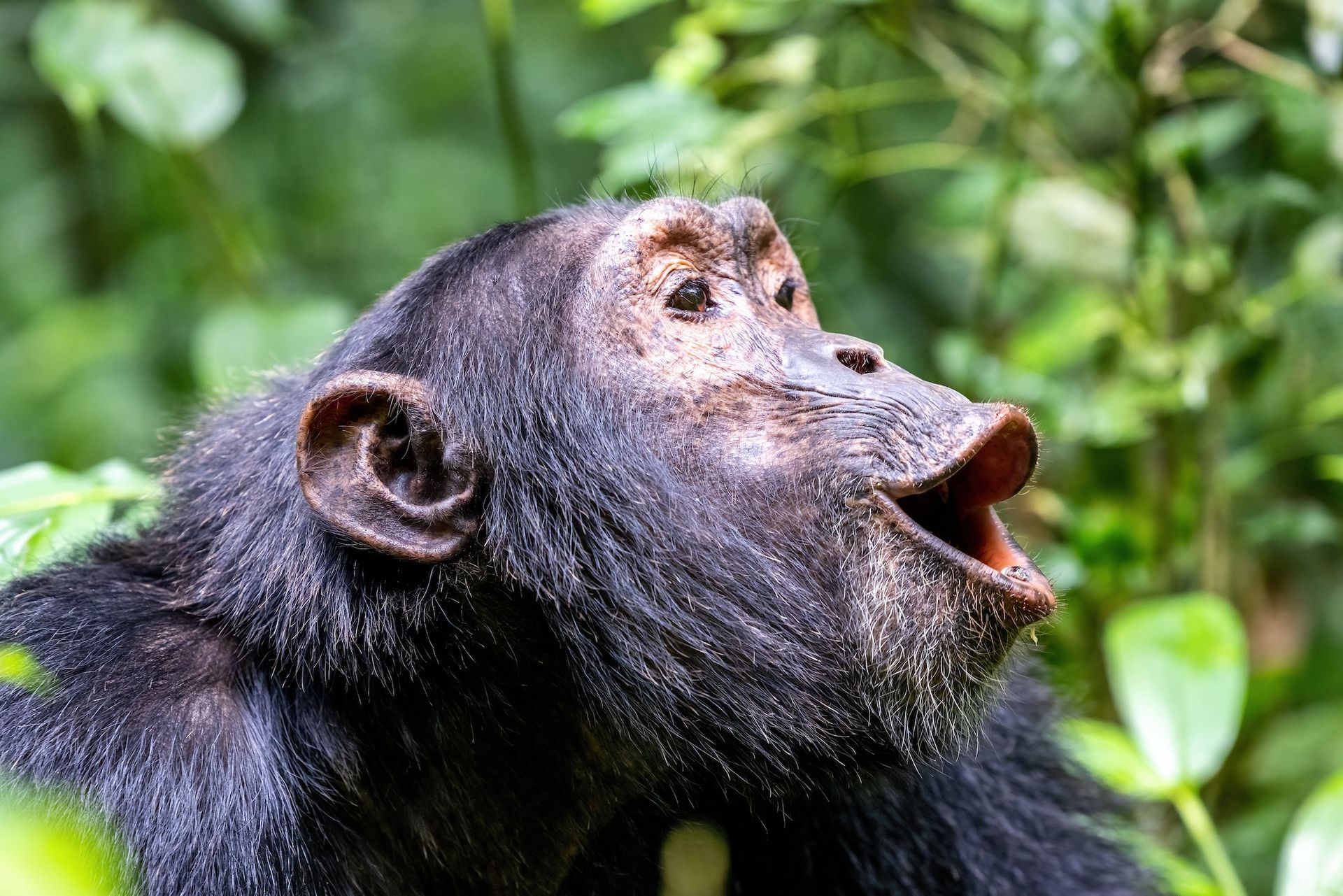
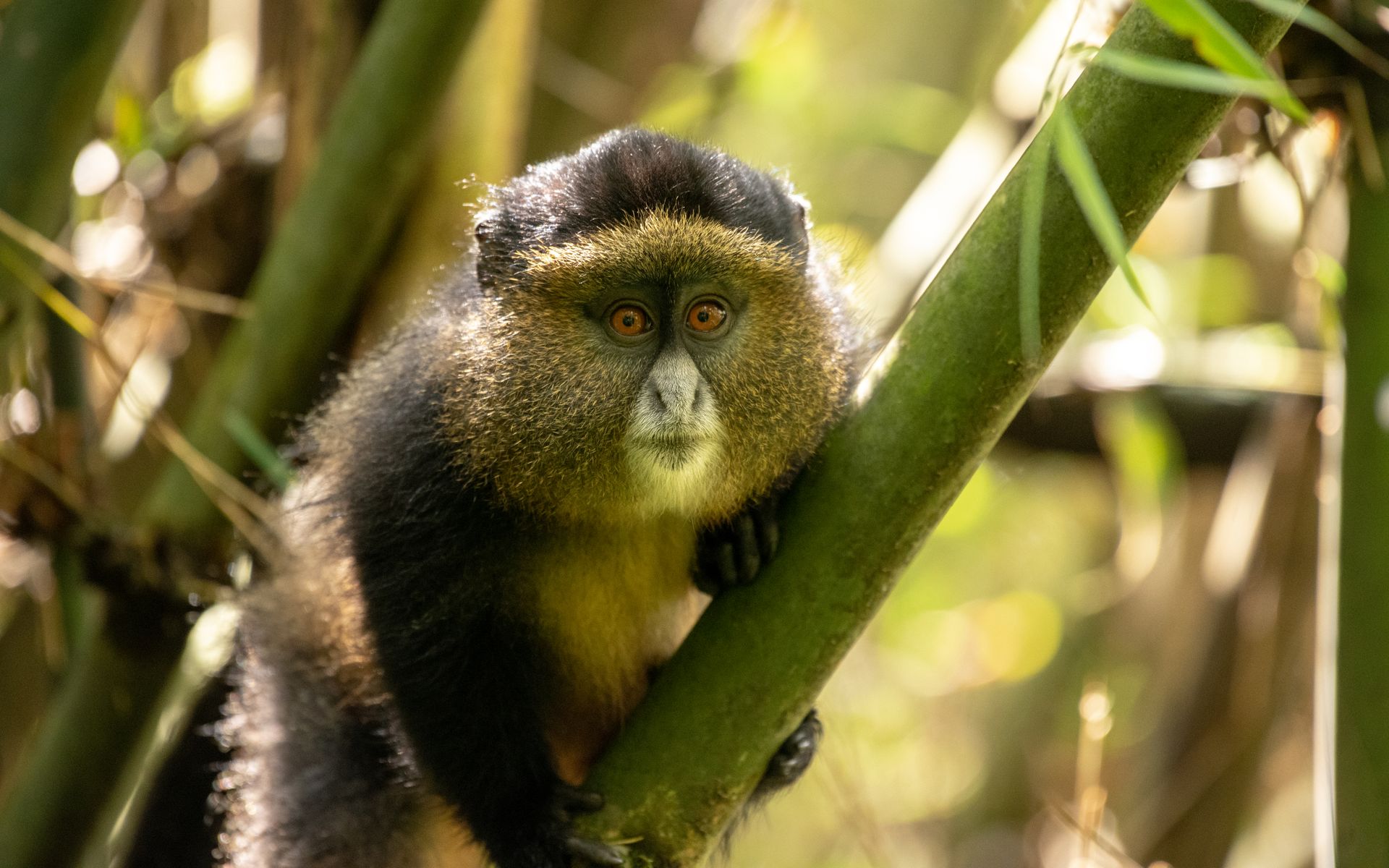
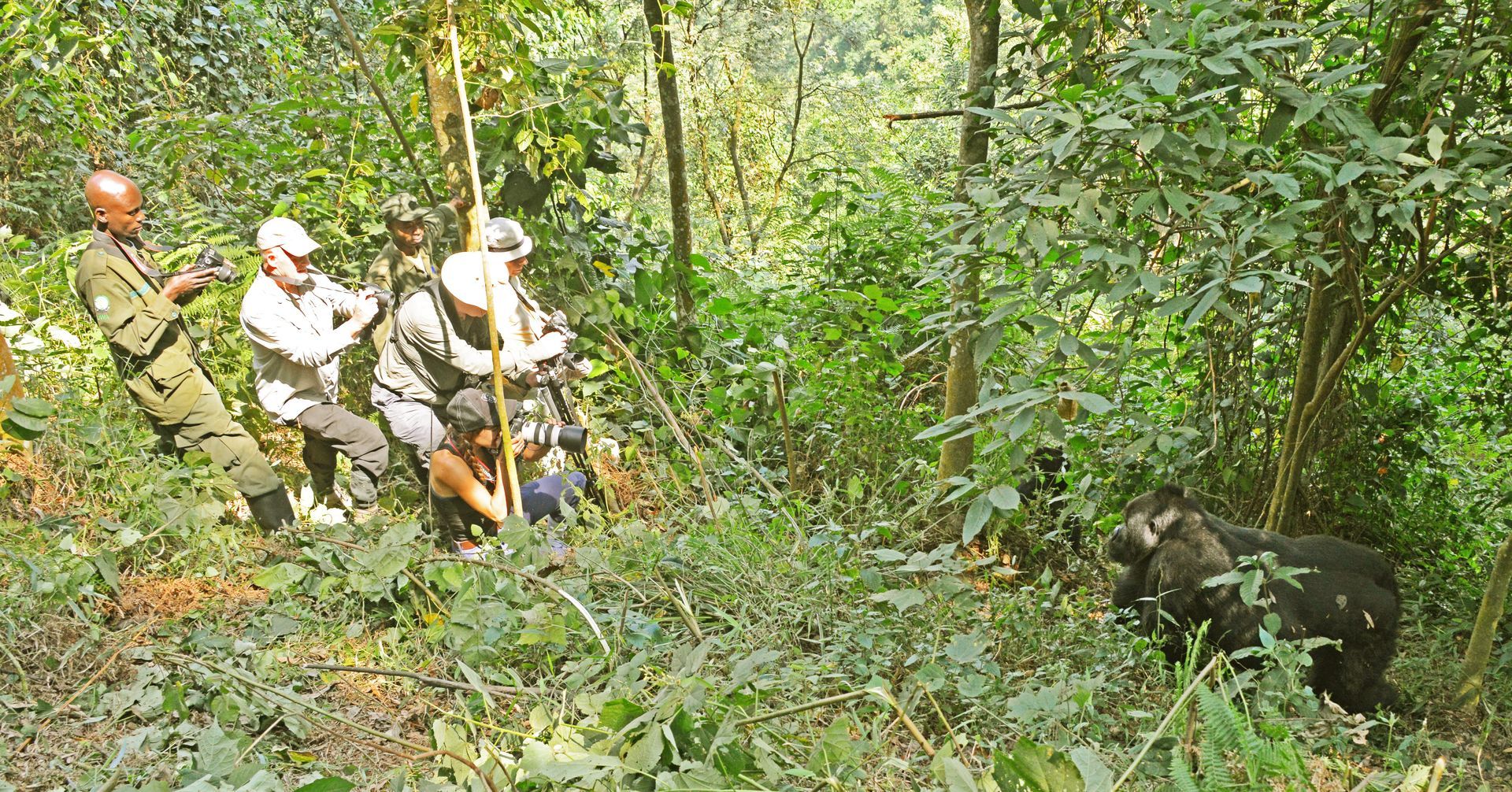
Primates are among the most captivating residents of these forests. Mountain gorillas are the highland icons of Rwanda and Uganda, their social bonds and intelligence captivating all who trek to see them. Golden monkeys, colobus monkeys and other species add depth and variety to the wildlife experience. Nyungwe is also famous for its chimpanzees, along with black-and-white colobus monkeys and L’Hoest’s monkeys, while Kenya and Tanzania host troops of Sykes’ monkeys, blue monkeys and occasionally elusive chimpanzees.
Anderson & Harvey’s expert guides ensure encounters are not only safe but deeply informative, sharing insights into primate social structures, vocalisations and feeding behaviours. Watching gorillas move silently through mossy undergrowth, chimpanzees swing through the canopy or golden monkeys dance through bamboo is a vivid reminder of the richness contained within these ecosystems.
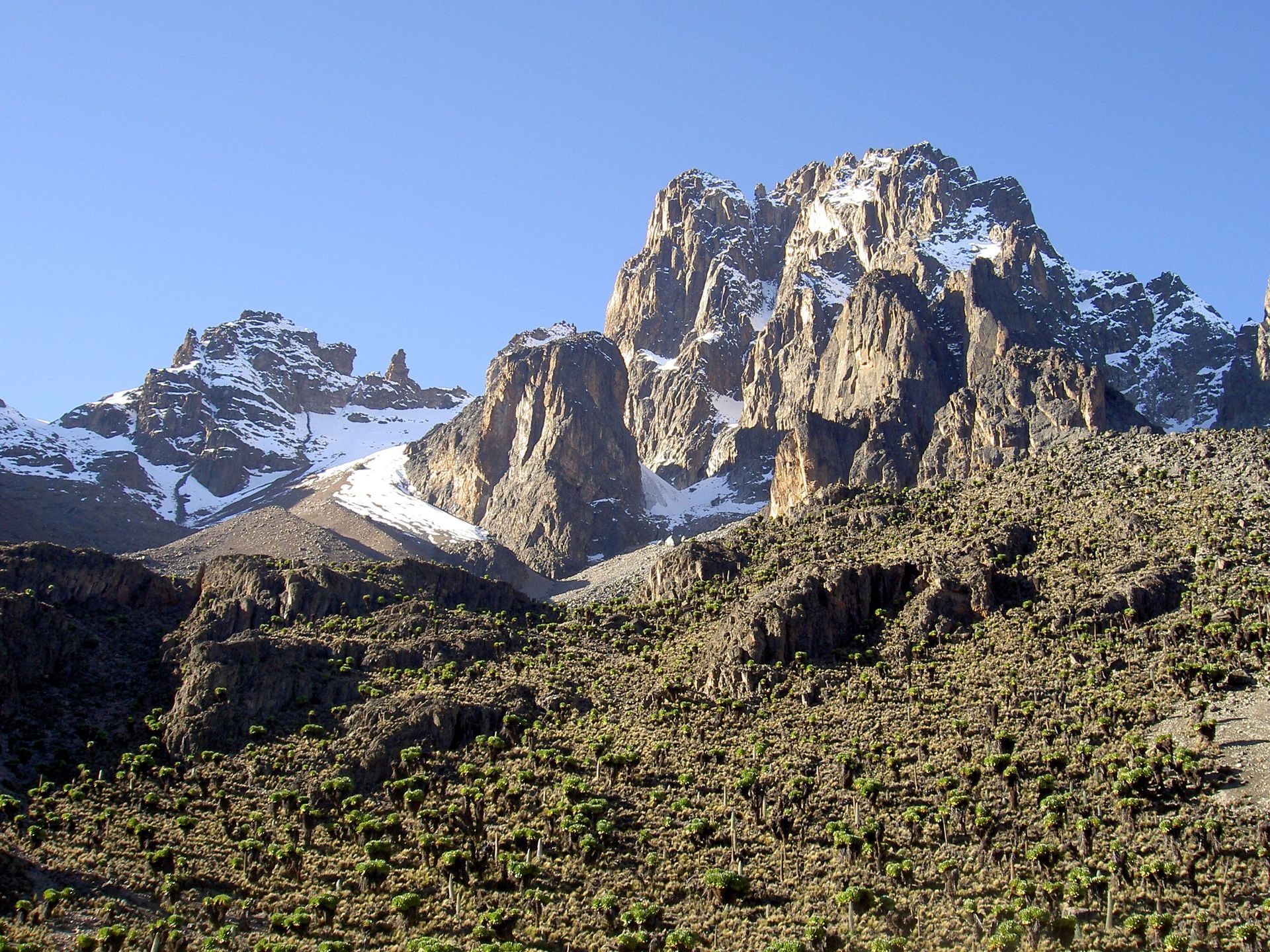
The flora of Afro-montane forests is equally extraordinary. Towering giant lobelias, umbrella-like Hagenia trees, endemic orchids and moss-draped trees form a living gallery of evolutionary adaptations to altitude and climate. These forests function as vital water catchments, feeding rivers, valleys and lakes while sustaining local agriculture and livelihoods.
Visitors quickly understand that these forests are more than scenic backdrops—they are life-support systems for both wildlife and people. Anderson & Harvey places great emphasis on responsible tourism here, highlighting the delicate ecology and ongoing conservation efforts to combat deforestation, soil erosion and climate change impacts.
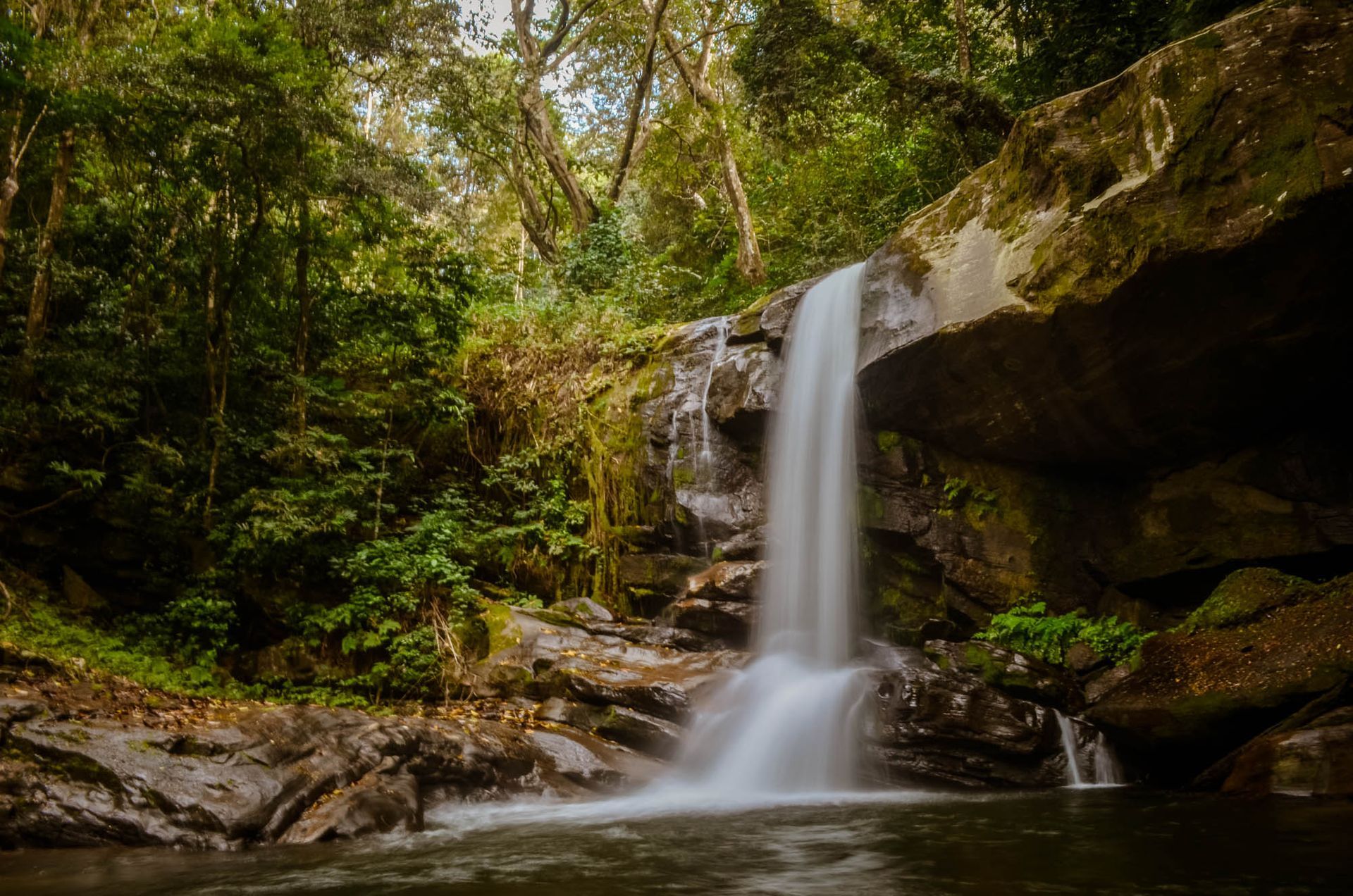
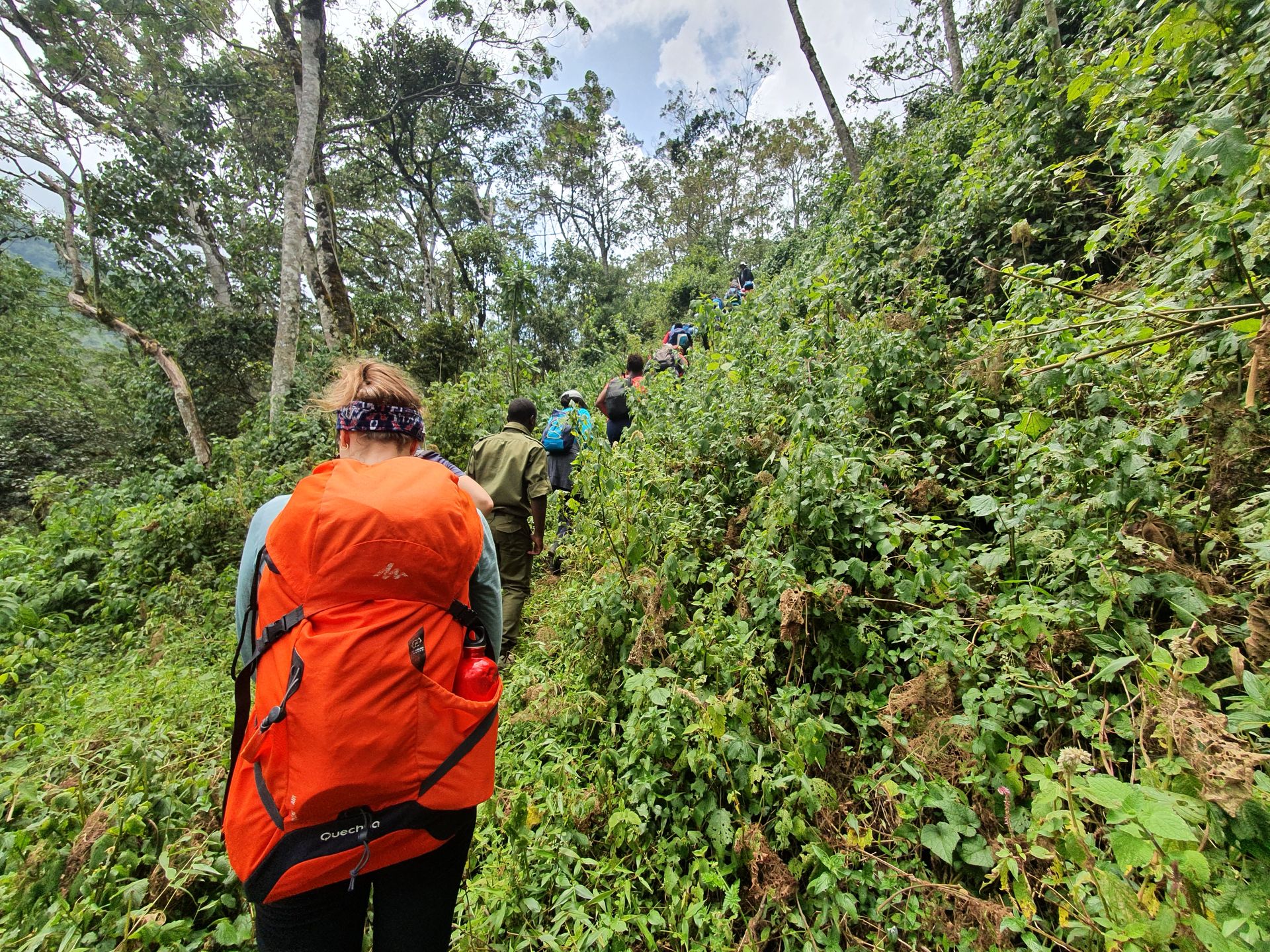
Afro-montane forests also offer a wealth of trekking options and natural spectacles. Volcanic peaks, ridges, waterfalls and hidden valleys invite travellers to explore trails that wind through indigenous forest and across breathtaking highland terrain. From the canopy walk in Nyungwe and the peaks of Volcanoes, and ridges in Bwindi, to the escarpments of the Aberdares and waterfalls of the Udzungwas, the experiences combine adventure with education, as guides weave natural history, geology and cultural insights into every step.
Cultural encounters deepen the experience further. Highland communities such as the Bakiga of Rwanda, the Batwa of Uganda, and various groups in Kenya and Tanzania have lived in harmony with these forests for generations. Their traditional knowledge, farming practices and crafts offer guests a glimpse into rich, living cultures that coexist with fragile ecosystems. Anderson & Harvey promotes respectful and meaningful engagement with these communities, supporting initiatives that preserve cultural identity while encouraging sustainable livelihoods aligned with conservation goals.
In recent years, East Africa’s highlands have been rediscovered as multi-dimensional destinations. While mountain gorillas remain a major draw, these forests are emerging as biodiversity hotspots in their own right. For Anderson & Harvey guests, this translates to privileged access to rare species, unforgettable landscapes and authentic experiences across a compact but ecologically diverse region.
The allure of Afro-montane forests invites travellers to slow down and appreciate East Africa’s ecological complexity. Shaped by altitude, climate and geological history, these forests provide refuge for species that cannot survive elsewhere. Guides steeped in local knowledge and conservation awareness serve as passionate ambassadors for this landscape, sharing stories that connect guests intimately to the land, its creatures and communities.